HEC Vs HPMC For Daily And Construction Use
In recent years, cellulose ethers have become a hot topic across construction, medicine, food, and daily chemical industries. Among them, HEC vs HPMC is one of the most discussed comparisons because both materials are widely used yet serve different practical needs. Understanding their differences, applications, and performance advantages helps buyers, engineers, and distributors make smarter choices. This article focuses on real-world use, clear explanations, and buying value rather than technical theory.
HEC Vs HPMC Performance Differences
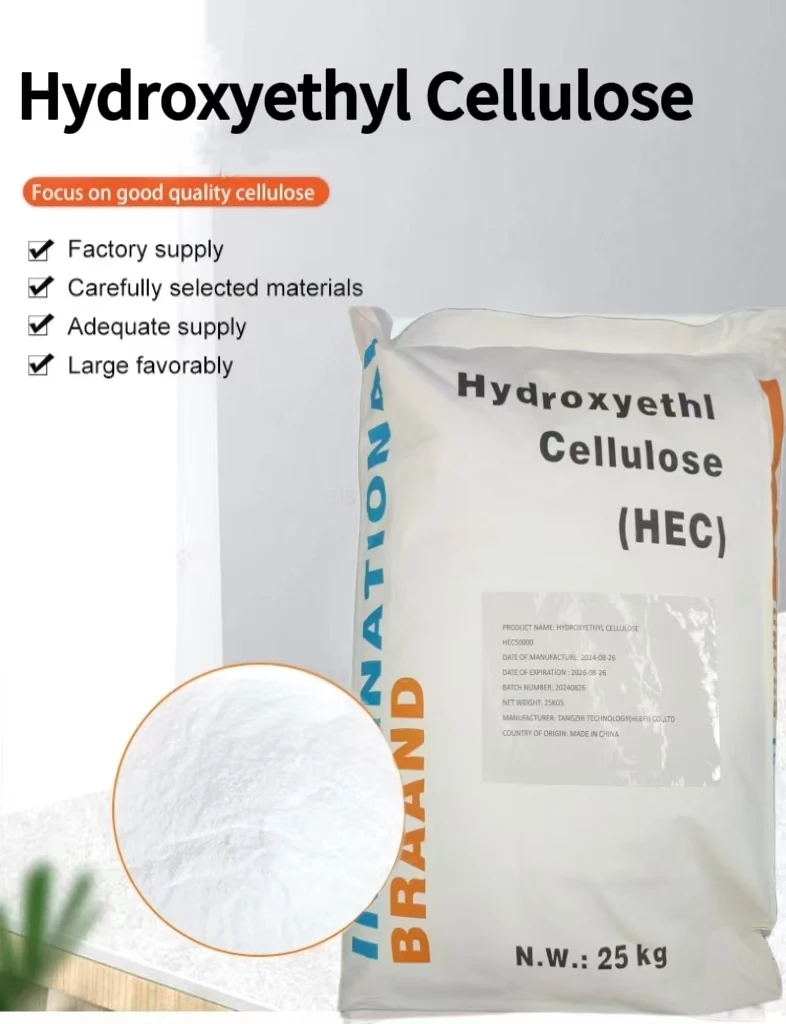
HEC vs HPMC is often compared in terms of water solubility, thickening behavior, and application environment. Hydroxyethyl cellulose (HEC) is mainly known for its excellent water retention and thickening ability in liquid systems, while HPMC offers broader functionality across both dry-mix and liquid formulations.
HEC vs HPMC shows clear differences in temperature response. HEC does not exhibit thermal gelation, which makes it more stable in high-temperature liquid systems such as coatings and detergents. HPMC, on the other hand, forms thermal gels when heated, a feature that is extremely valuable in construction and pharmaceutical applications.
HEC vs HPMC also differs in construction performance. HPMC provides stronger adhesion, better workability, and improved sag resistance in cement-based materials. This is why HPMC is more commonly selected for tile adhesives, mortars, and wall putty, while HEC is preferred in paints and coatings.
HEC vs HPMC matters when considering cost and versatility. HPMC is generally more multifunctional, covering construction, medicine, food, and daily chemicals, while HEC is more specialized. Buyers looking for one material that fits multiple industries often lean toward HPMC.
HEC vs HPMC ultimately comes down to application needs. For dry powder construction materials and controlled performance, HPMC is usually the better choice. For liquid systems requiring stable viscosity, HEC may be more suitable.
HPMC E5 For Medicine And Food
HPMC E5 is a low-viscosity grade of hydroxypropyl methylcellulose that is widely used in pharmaceutical and food industries. It offers excellent film-forming properties and smooth texture, making it ideal for tablet coating and capsule applications.
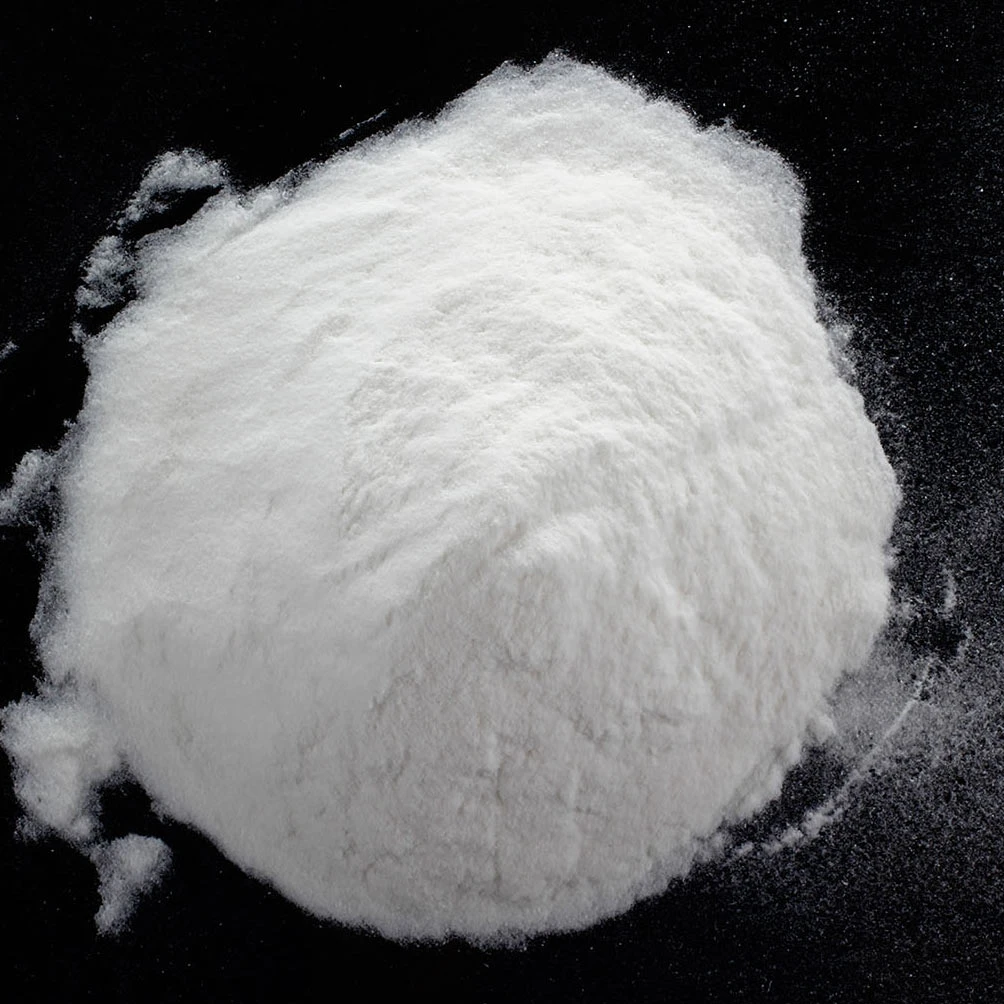
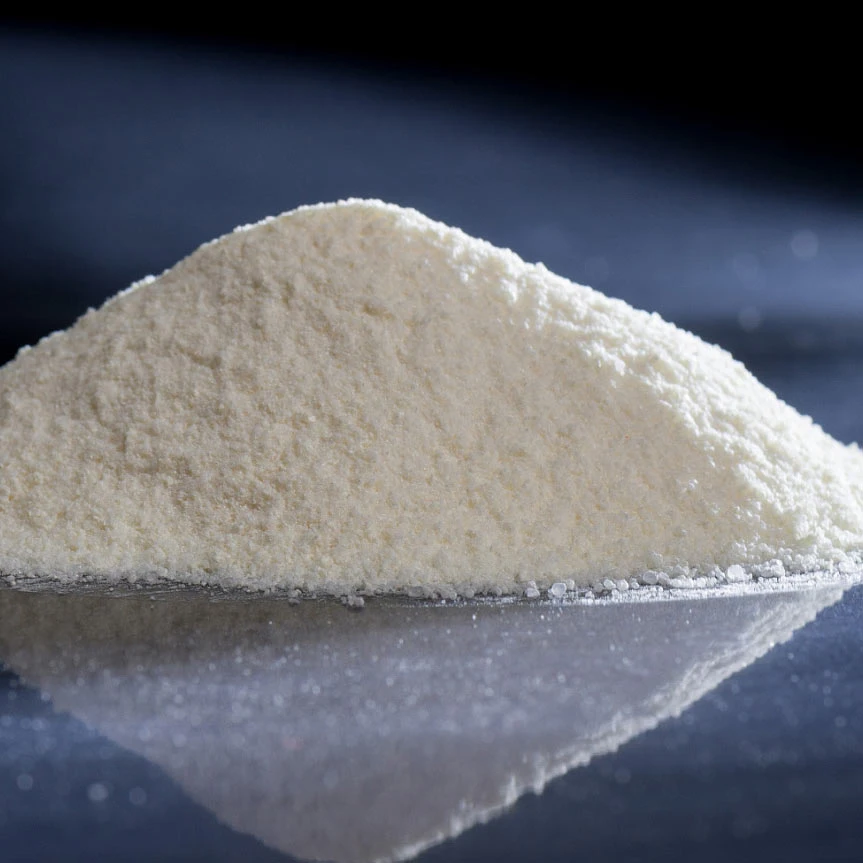
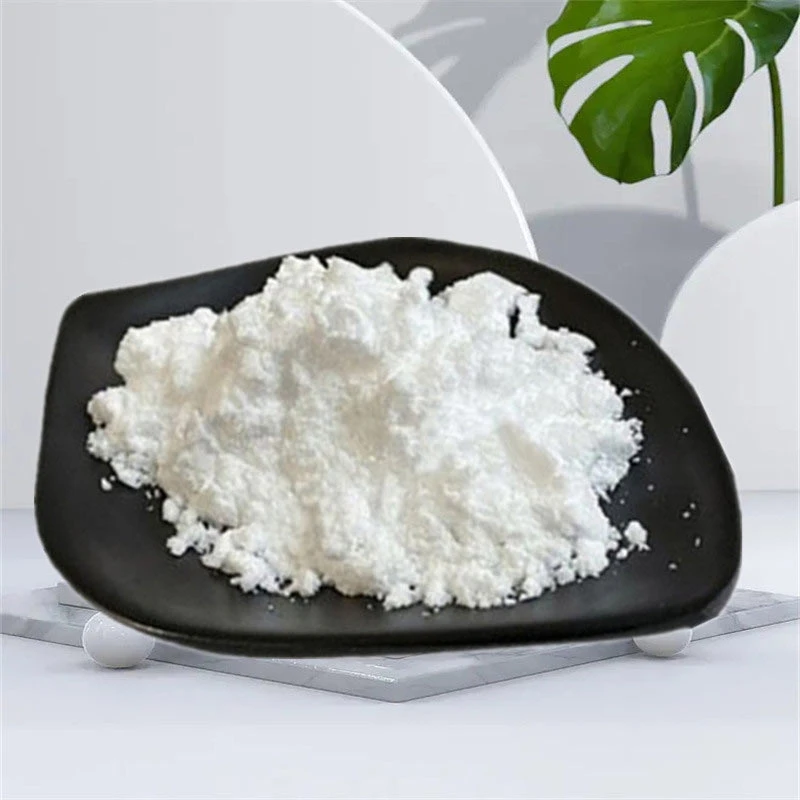
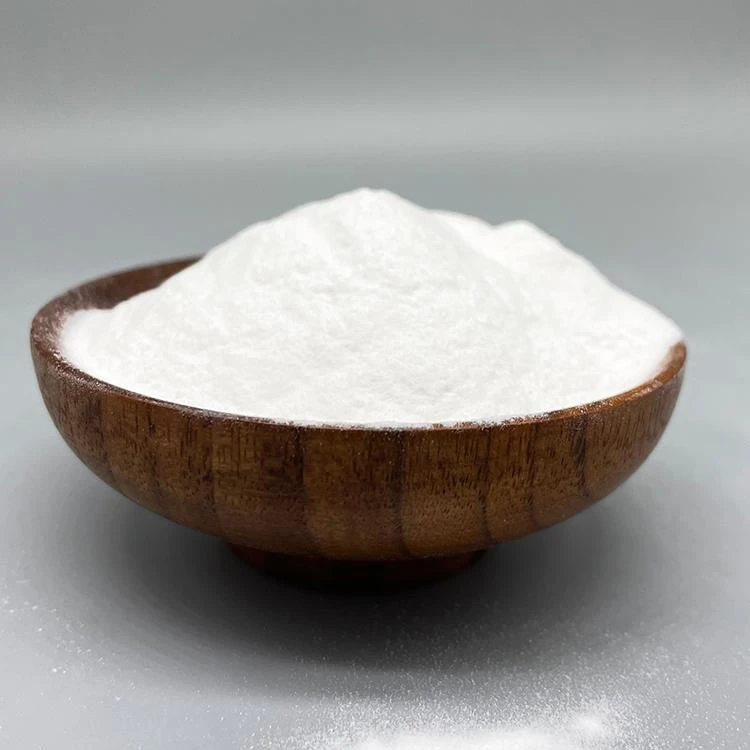
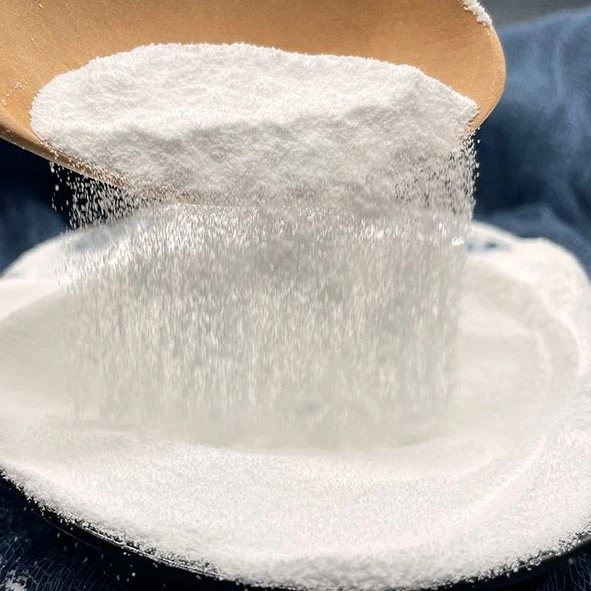
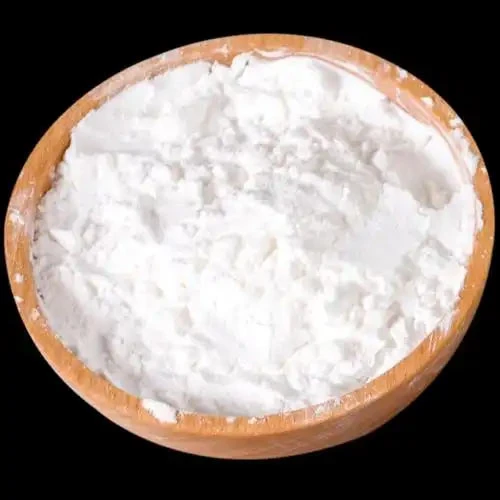
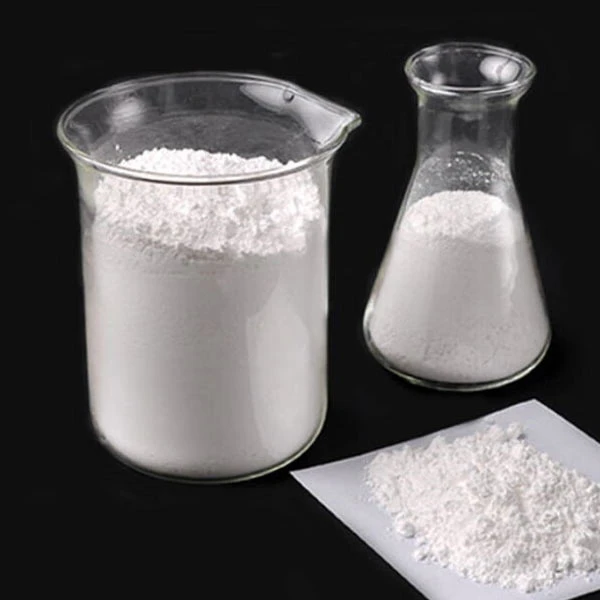
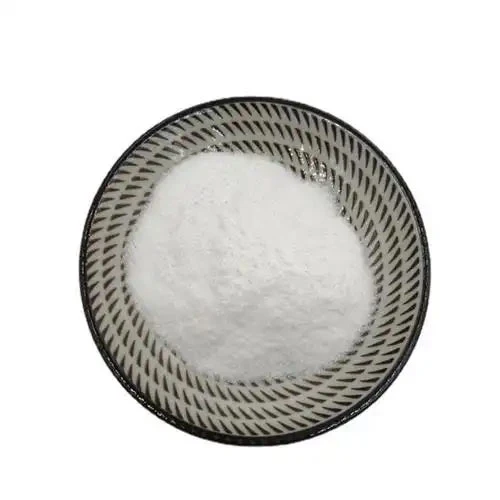
HPMC E5 is valued for its safety and purity. It is odorless, tasteless, and non-toxic, appearing as a white or off-white powder. As a non-ionic cellulose ether made from refined cotton, it meets strict quality standards required for food and medical use.
HPMC E5 provides uniform coating performance in tablets, helping control drug release while protecting active ingredients from moisture and oxidation. This improves product stability and shelf life, which is critical for pharmaceutical manufacturers.
HPMC E5 is also used in food applications as a stabilizer and thickener. It enhances texture without altering taste, making it suitable for sauces, beverages, and health-focused products that require clean-label ingredients.
HPMC E5 is easy to process and dissolves smoothly, reducing production complexity. For manufacturers seeking reliable performance and regulatory acceptance, HPMC E5 remains a trusted choice.
HPMC Grades Viscosity Explained Simply
HPMC grades viscosity is one of the most important factors buyers consider when selecting the right product. Different viscosity grades directly affect water retention, workability, adhesion, and final product performance.
HPMC grades viscosity range from low-viscosity types used in pharmaceuticals and food to high-viscosity types designed for construction materials. Low-viscosity grades improve flow and film formation, while high-viscosity grades enhance thickness and structural stability.
HPMC grades viscosity determines how materials behave during mixing and application. In construction, higher viscosity improves sag resistance and open time, making installation easier and more efficient for workers.
HPMC grades viscosity also impacts solubility. Instant-dissolving types are ideal for liquid products such as coatings, detergents, and construction glues, while hot-dissolving types are better suited for dry powder systems.
HPMC grades viscosity allows manufacturers to customize formulations. By selecting the appropriate viscosity, producers can balance cost, performance, and processing efficiency without changing other raw materials.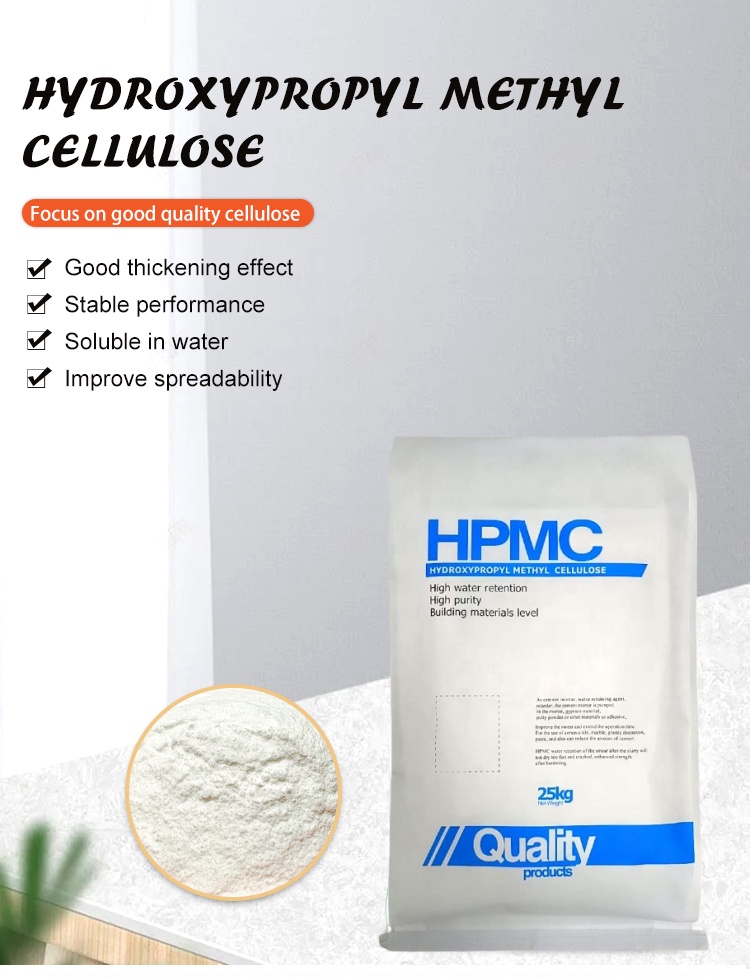
Construction HPMC For Real Job Sites
Construction HPMC is one of the most widely used additives in modern building materials. It plays a key role in dry-mix mortars, tile adhesives, wall putty, and self-leveling compounds by improving overall performance.
Construction HPMC enhances water retention, preventing premature drying and ensuring proper cement hydration. This leads to stronger bonding, reduced cracking, and improved durability in finished structures.
Construction HPMC improves workability and smoothness, making materials easier to spread and adjust. Workers benefit from longer open time, which reduces waste and improves construction efficiency on site.
Construction HPMC is available in hot-dissolving and instant-dissolving types. Hot-dissolving types are mainly used in dry powder mortars and putty powders, while instant-dissolving types are preferred for construction glues and liquid coatings.
Construction HPMC helps manufacturers meet higher quality standards while controlling production costs. As construction quality requirements continue to rise globally, HPMC has become a standard material rather than an optional additive.
HPMC FAQs
HPMC is a high-performance cellulose ether with strong market demand across construction, medicine, food, and daily chemical industries.
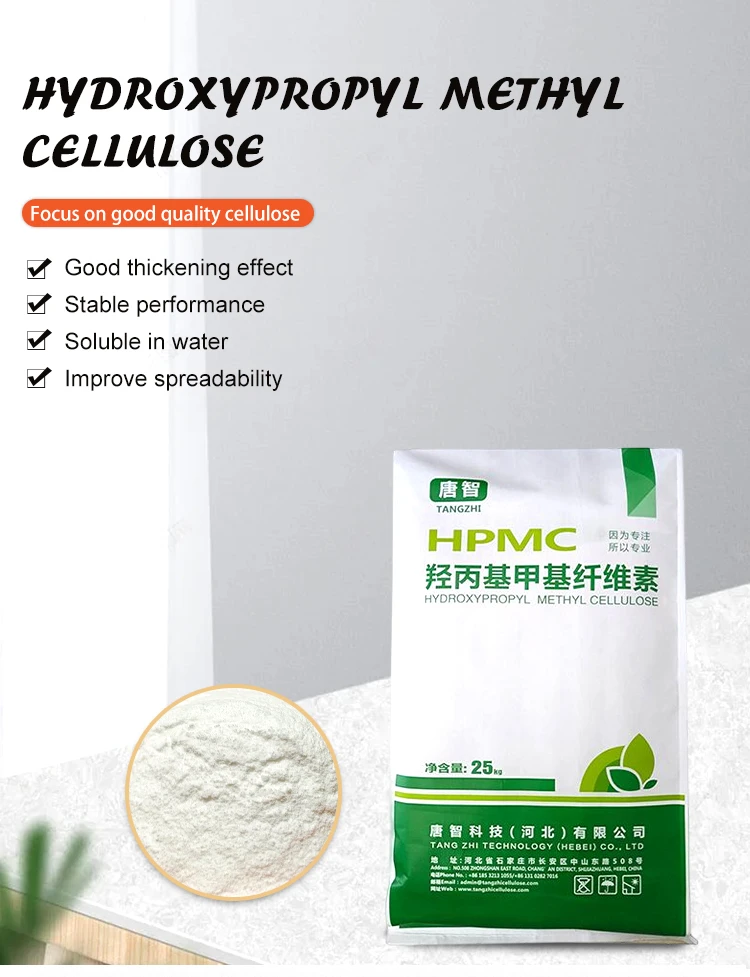
Hydroxypropyl methylcellulose (HPMC) CAS 9004-65-3 is a kind of high-performance multifunctional thickener and stabilizer, which is widely used in many fields such as construction, medicine, food and daily chemical.
HPMC (hydroxypropyl methyl cellulose) is an odorless, tasteless, nontoxic white or off-white powder made from natural refined cotton through advanced chemical processing. It is divided into hot-dissolving and instant-dissolving types, each designed for different practical uses.
If you are looking for stable quality, consistent viscosity, and professional technical support, choosing a reliable HPMC supplier is essential. Whether you are developing construction materials, pharmaceutical formulations, or food products, high-quality HPMC can significantly improve product performance. Visit the supplier’s official website, explore detailed specifications, request samples, or contact the sales team to find the right grade for your needs. Smart material choices today lead to better products and stronger market competitiveness tomorrow.
What Is The Main Difference Between HEC And HPMC?
HEC is mainly used in liquid systems, while HPMC is more versatile and widely used in dry-mix construction, medicine, and food.
What Is HPMC E5 Mainly Used For?
HPMC E5 is commonly used for tablet coating, capsules, and food products requiring low viscosity and smooth film formation.
How Do I Choose The Right HPMC Viscosity?
Choose based on application needs: low viscosity for pharmaceuticals and food, high viscosity for construction materials.
Why Is HPMC Important In Construction Materials?
It improves water retention, workability, adhesion, and overall durability of cement-based products.
Where Can I Buy Reliable HPMC Products?
You can purchase directly from professional manufacturers through their official websites, where technical support and customized grades are available.
-
HPMC High-Performance Thickener | Hebei TangzhiNewsMar.06,2026
-
Wholesale Water Reducing Admixture for Special Cement: Performance and Market InsightsNewsFeb.28,2026
-
The Complete Guide to HPMC: Types, Applications, Grades, and Manufacturing InsightsNewsFeb.28,2026
-
Redispersible Polymer Powder: Types, Applications, and Performance AdvantagesNewsFeb.28,2026
-
Hydroxymethyl Ethyl Cellulose (MHEC): Properties, Applications, and Market InsightsNewsFeb.28,2026
-
Hydroxyethyl Cellulose: Applications, Performance, and Buying GuideNewsFeb.28,2026