Hebei Tangzhi Technology Co., Ltd.



Carboxy Methyl Cellulose Sodium Salt: A Comprehensive Guide
Jan . 25, 2026 01:55
Back to list
Carboxy Methyl Cellulose Sodium Salt: A Comprehensive Guide
Understanding Carboxy Methyl Cellulose Sodium Salt: A Deep Dive
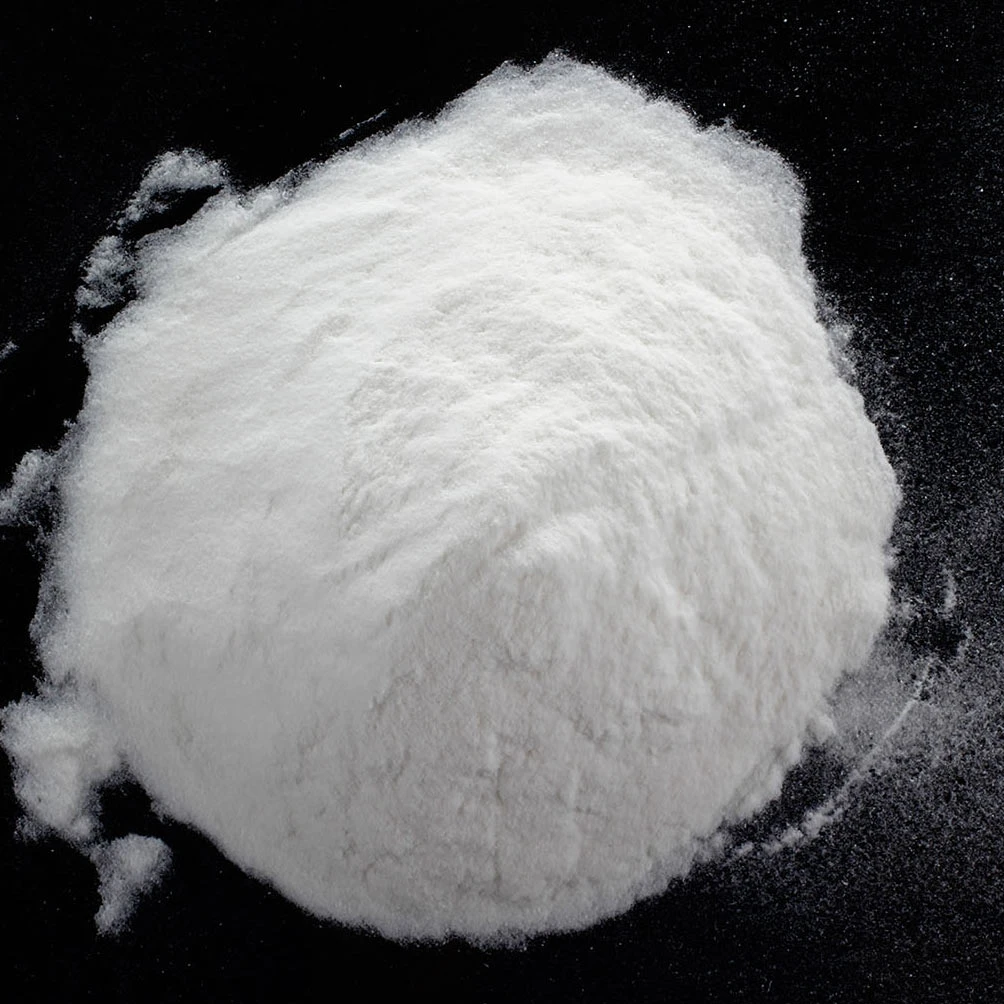
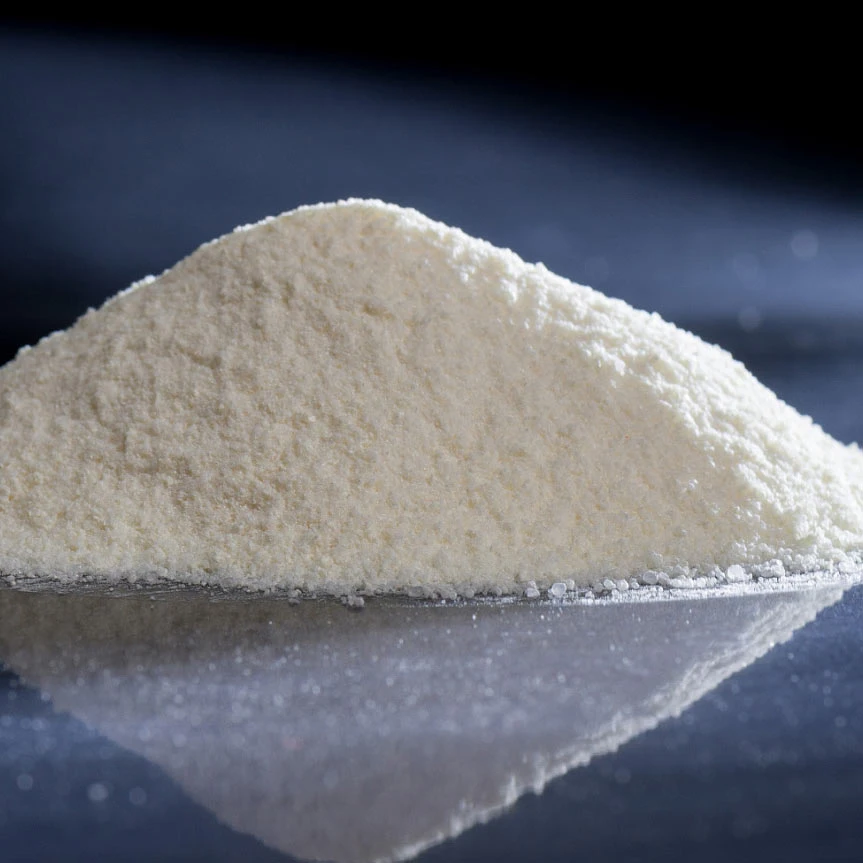
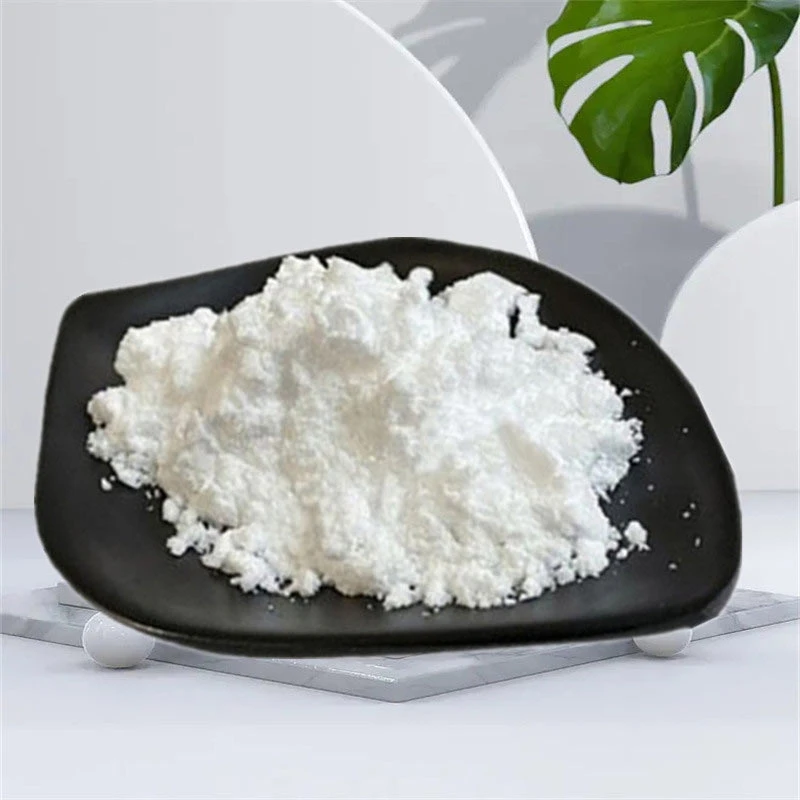
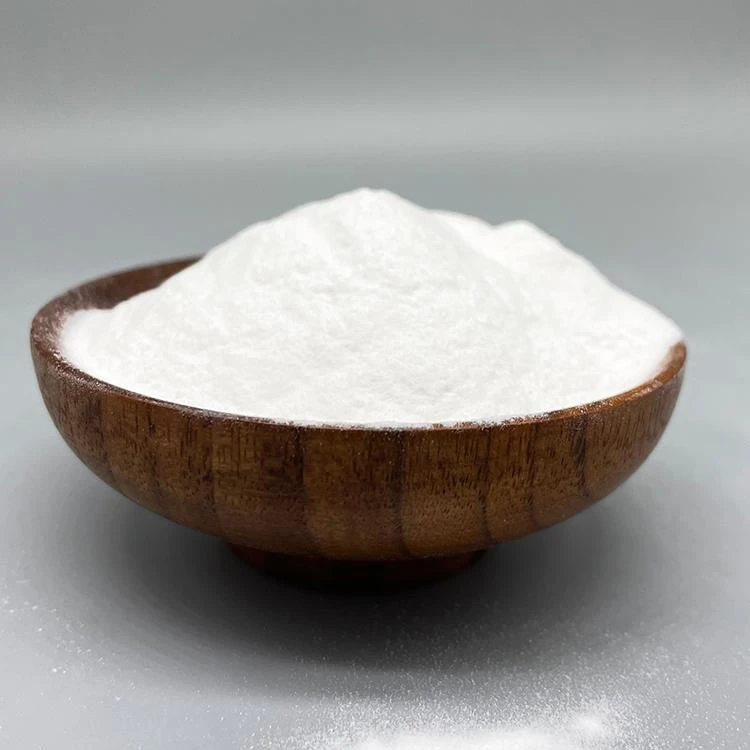
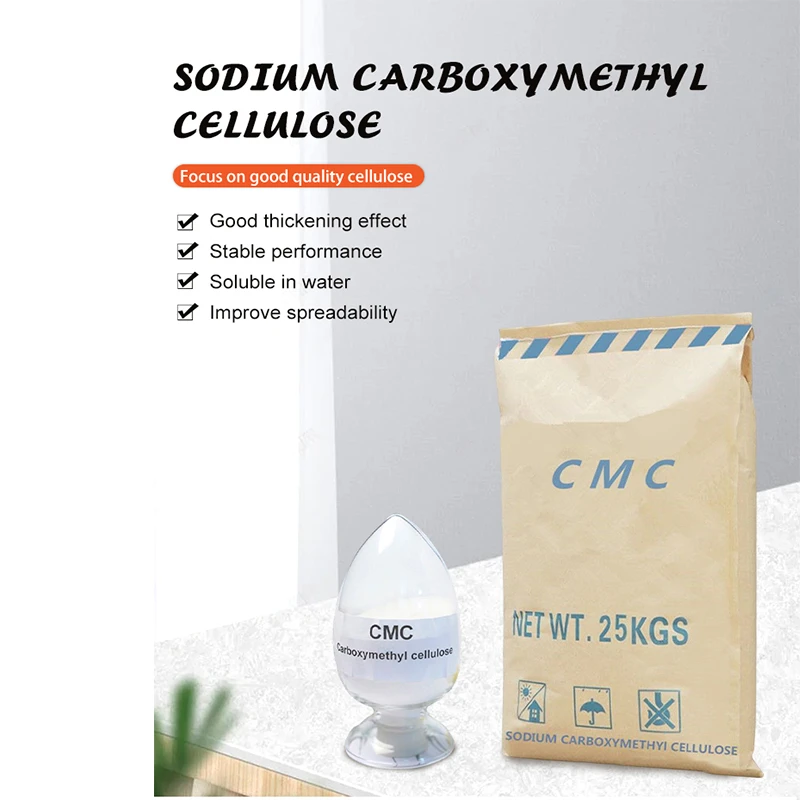
You know, I’ve been working with industrial polymers for… well, a long time now. And CMC, or carboxy methyl cellulose sodium salt, always comes up. It's one of those unsung heroes, quietly improving performance in a huge range of applications. It’s not glamorous, not like working with carbon fiber or something, but frankly, it’s essential. We're seeing increased demand lately, especially as manufacturers look for more sustainable, bio-based options. It’s a water-soluble polymer derived from cellulose, and its properties – thickening, binding, film-forming, stabilizing – make it incredibly versatile. A lot of folks don’t realize just how much of it is used.Product Specifications and Key Characteristics
CMC isn’t a one-size-fits-all kind of material. The properties are highly tunable depending on the degree of substitution (DS) and the chain length. DS dictates how much carboxymethyl groups are attached to the cellulose backbone, impacting solubility and viscosity. It gets…complex quickly, but the upshot is you can tailor the CMC to exactly what you need. Here’s a breakdown of some common specs:| Parameter | Typical Value | Units |
|---|---|---|
| Viscosity (1% solution) | 50 - 4000 | mPa·s |
| Degree of Substitution (DS) | 0.4 - 1.4 | - |
| Moisture Content | ≤ 8 | % |
| Particle Size | 80-200 | Mesh |
Vendor Landscape and Competitive Considerations
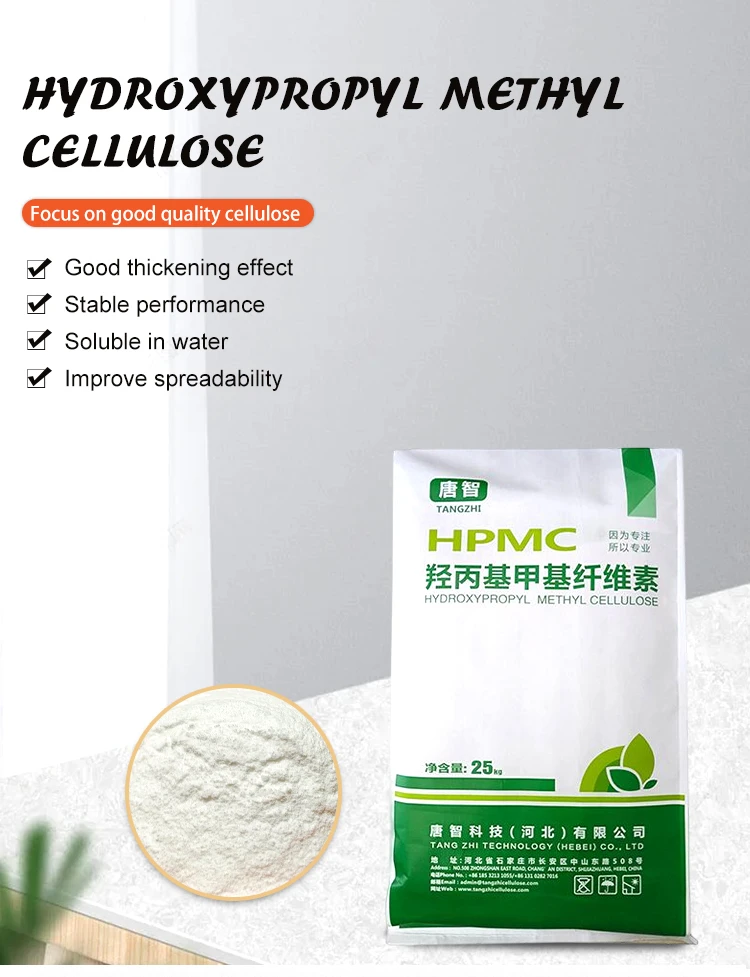
Oddly enough, the CMC market is pretty concentrated. There are a few major players, and a lot of smaller, regional suppliers. Quality control can be…variable. I suppose that’s true of most things, but with CMC, getting consistent performance is key. Here's a quick comparison of some leading vendors. This isn’t exhaustive, and pricing fluctuates, but it gives you a general idea. We've been using Tangzhi HPMC for quite a while, and their consistency has been impressive, but it really depends on the application.| Vendor | Product Range | Typical Price (USD/kg) | Key Strengths |
|---|---|---|---|
| Tangzhi HPMC | Wide range of DS and viscosity | $3 - $7 | Consistency, customization, technical support |
| DuPont | Specialty CMC grades | $5 - $9 | Brand reputation, high purity |
| Ashland | Food and industrial grades | $4 - $8 | Broad application expertise |
Applications and Real-World Impact
It’s used in everything from detergents and textiles to pharmaceuticals and…surprisingly…drilling fluids. I remember one customer, a ceramics manufacturer, who was struggling with cracking in their greenware. They tried everything. Then they added a small percentage of CMC to their slip, and the problem basically disappeared. It acts as a binder, increasing the green strength and reducing the cracking. It feels like a small thing, but it saved them a lot of money in rejects. Many engineers say it’s all about the rheology control, you know, getting the flow properties just right. Ultimately, CMC is about finding the right grade for the job. It’s not a magic bullet, but it’s a remarkably versatile polymer that can solve a lot of problems.Latest news
-
HPMC High-Performance Thickener | Hebei TangzhiNewsMar.06,2026
-
Wholesale Water Reducing Admixture for Special Cement: Performance and Market InsightsNewsFeb.28,2026
-
The Complete Guide to HPMC: Types, Applications, Grades, and Manufacturing InsightsNewsFeb.28,2026
-
Redispersible Polymer Powder: Types, Applications, and Performance AdvantagesNewsFeb.28,2026
-
Hydroxymethyl Ethyl Cellulose (MHEC): Properties, Applications, and Market InsightsNewsFeb.28,2026
-
Hydroxyethyl Cellulose: Applications, Performance, and Buying GuideNewsFeb.28,2026