Exploring Carboxymethyl Cellulose Uses in Food and Its Diverse Applications
Carboxymethyl Cellulose Uses in Food: A Comprehensive Guide
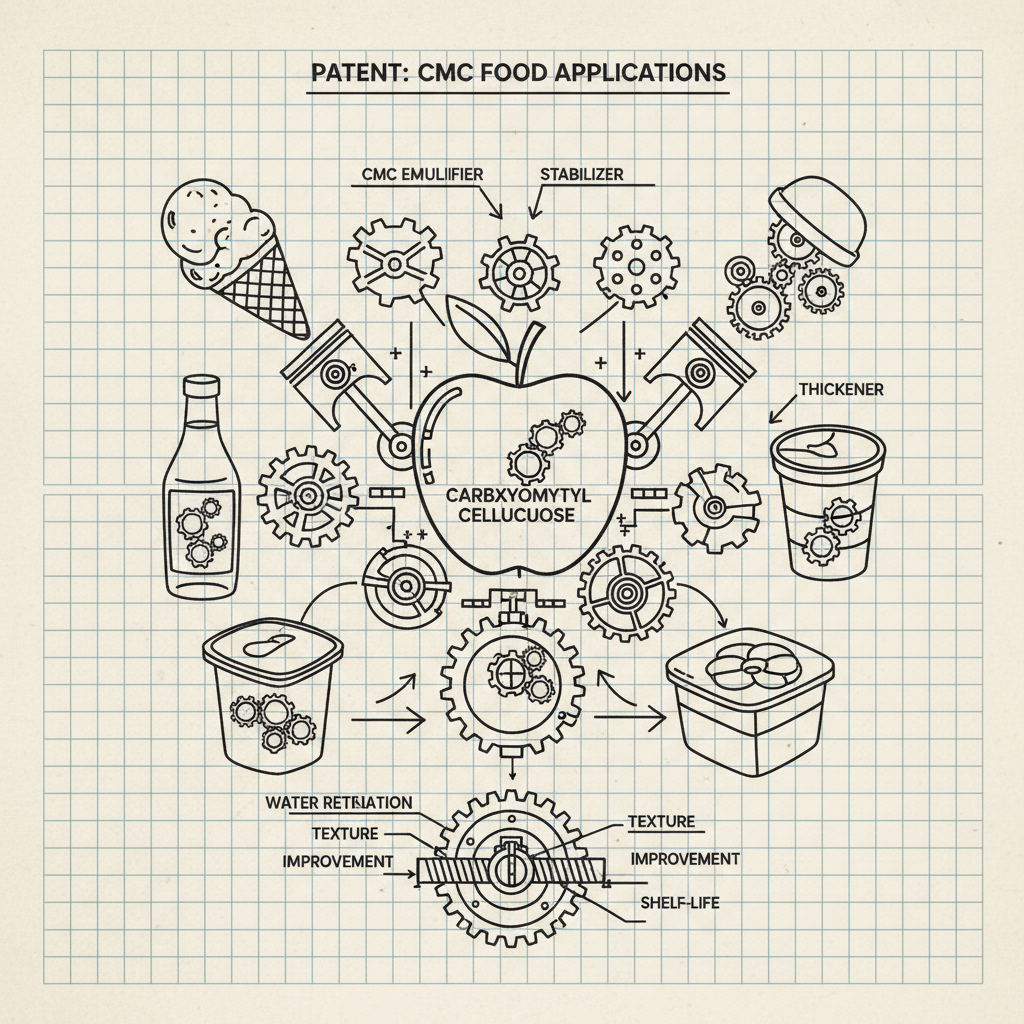
Carboxymethyl cellulose (CMC), a versatile cellulose derivative, plays a crucial role in the food industry due to its unique properties as a thickener, stabilizer, and emulsifier. This article will delve into the diverse carboxymethyl cellulose uses in food, exploring its applications, benefits, and regulatory aspects. Understanding CMC’s functionalities can help food manufacturers enhance product texture, shelf life, and overall quality. We’ll cover everything from bakery goods to beverages and beyond, highlighting why CMC is a preferred ingredient for many food formulations.
Understanding Carboxymethyl Cellulose (CMC)
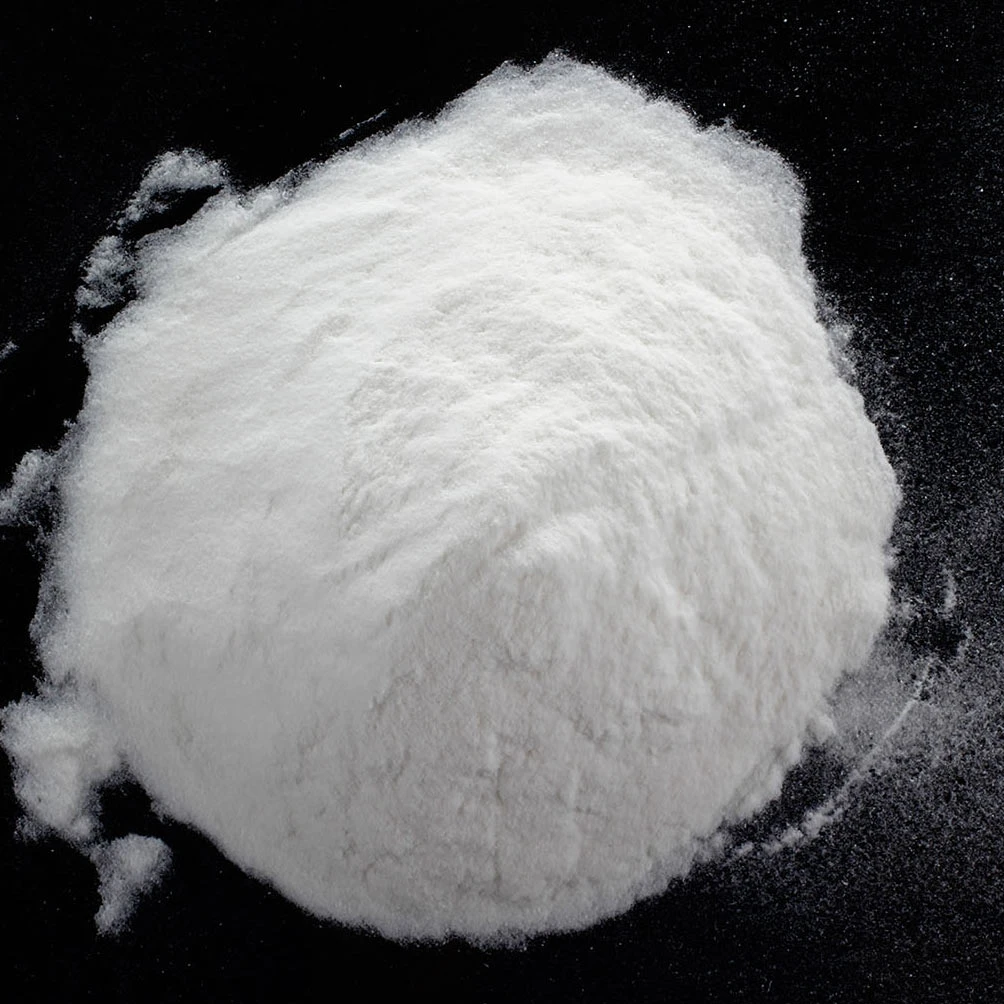
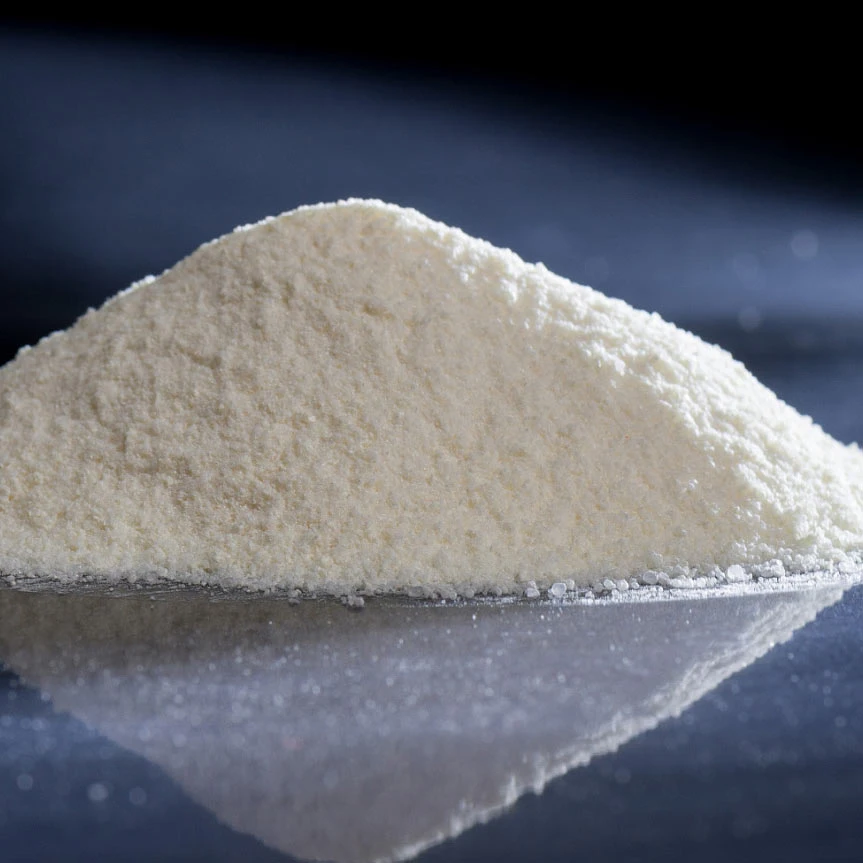
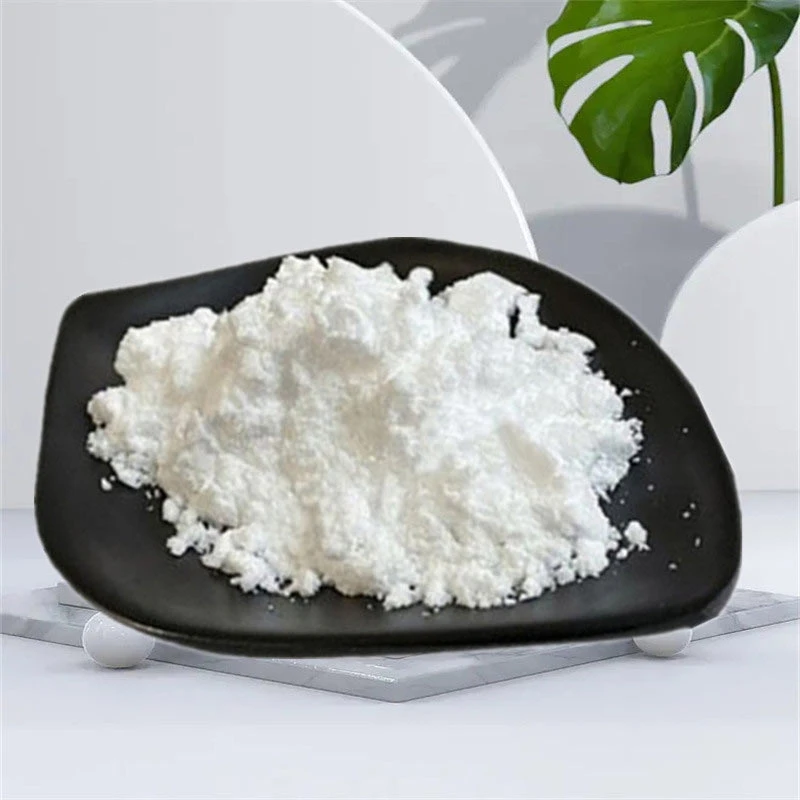
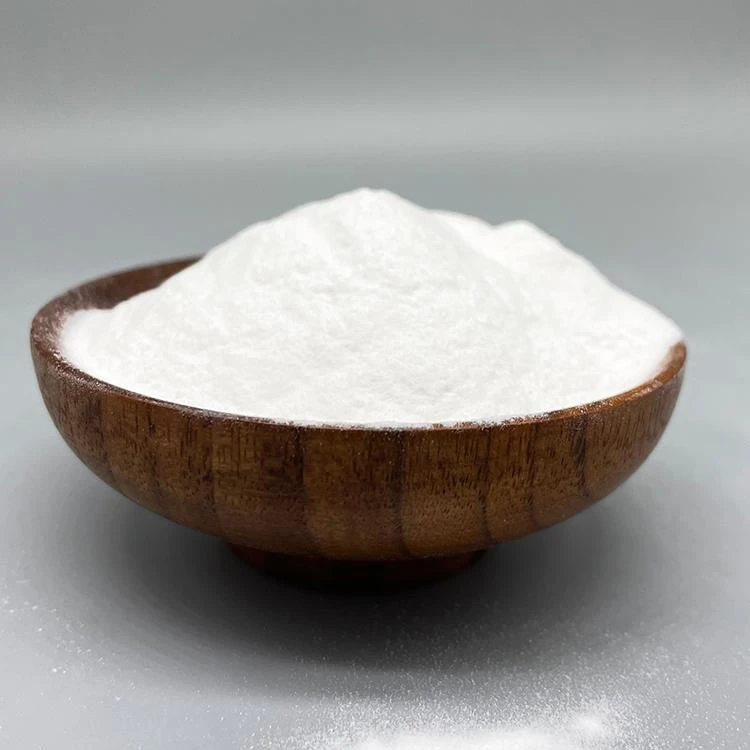
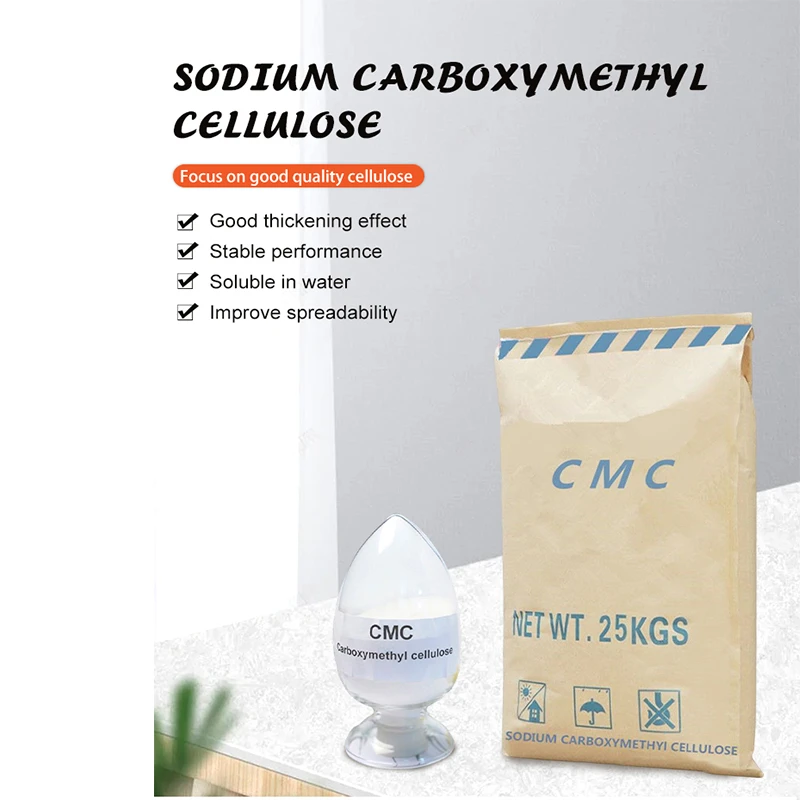
Carboxymethyl cellulose is a cellulose ether, produced by chemically modifying cellulose. This modification introduces carboxymethyl groups onto the cellulose backbone, making it water-soluble and imparting unique functional properties. CMC is available in varying degrees of substitution and viscosity, allowing for tailored applications in different food systems. It’s known for its excellent thickening abilities, even at low concentrations, and its ability to form stable gels. CMC is a safe and widely accepted food additive, approved by regulatory bodies worldwide, making it a popular choice for food producers.
Key Highlights: CMC is a water-soluble cellulose ether providing thickening, stabilization, and emulsification properties in food applications. Available in various viscosities for tailored formulations.
CMC Uses in the Bakery Industry
In bakery products, carboxymethyl cellulose functions as a dough conditioner and moisture retainer. It improves dough handling, increases loaf volume, and extends the shelf life of baked goods by preventing staling. CMC helps to create a softer crumb structure and reduces the tendency for cracking. It’s commonly used in breads, cakes, pastries, and tortillas. The addition of CMC can significantly improve the overall quality and appeal of baked products, contributing to increased consumer satisfaction.
Bakery Benefits:
• Improved dough handling and machinability
• Increased loaf volume and softness
• Reduced staling and extended shelf life
• Enhanced crumb structure and texture
CMC Applications in Beverages
CMC is widely used in the beverage industry as a stabilizer and suspending agent. It prevents sedimentation of fruit pulp in juices, maintains the stability of emulsions in flavored milk, and enhances the mouthfeel of beverages. CMC also contributes to the viscosity and body of drinks, providing a more satisfying drinking experience. It's a crucial ingredient in fruit juices, carbonated beverages, and dairy drinks, ensuring product consistency and preventing phase separation.
Other Significant Uses of Carboxymethyl Cellulose in Food
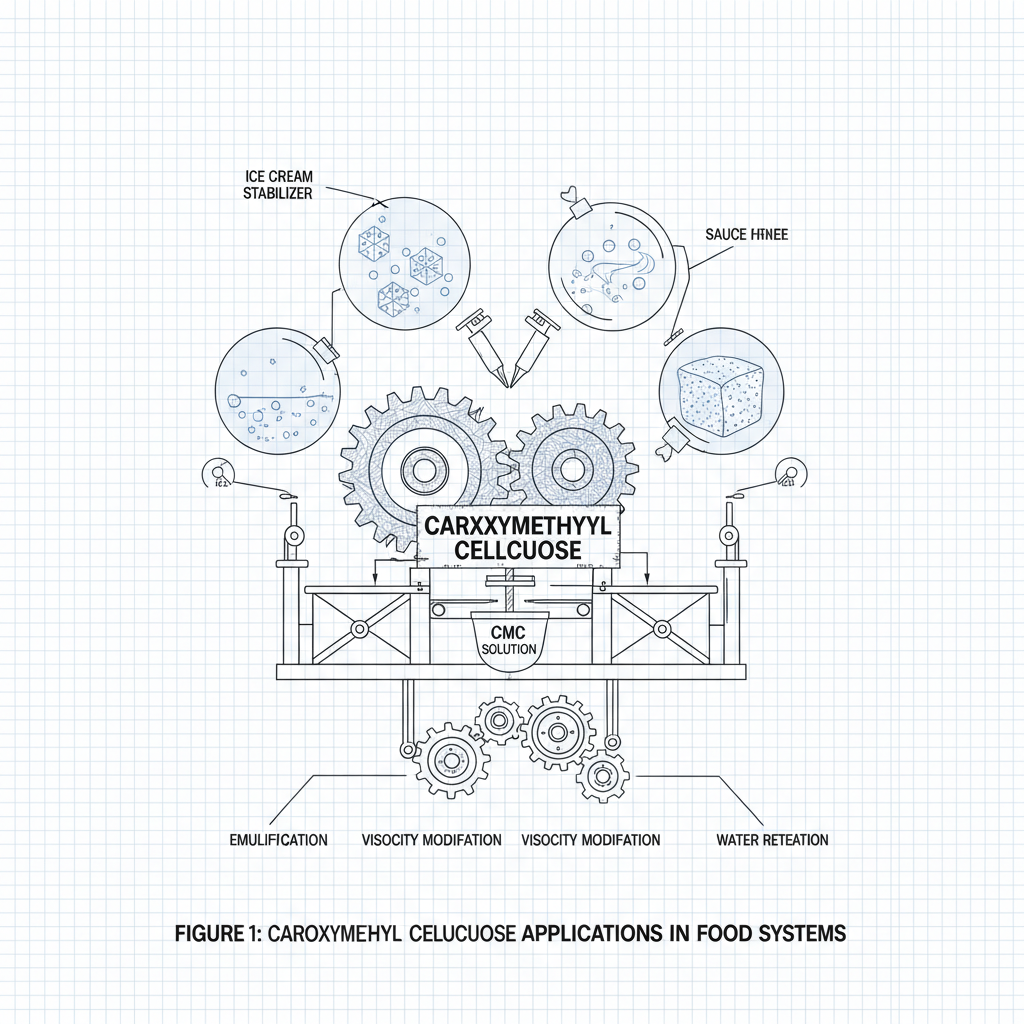
Beyond bakery and beverages, carboxymethyl cellulose finds applications in various other food products. In ice cream, it prevents ice crystal formation, resulting in a smoother texture. In sauces and dressings, it acts as a thickener and stabilizer, providing the desired consistency and preventing separation. It is also used in processed meats to improve water retention and texture. Additionally, CMC is employed in gluten-free formulations to mimic the texture and binding properties of gluten. Tangzhi HPMC offers a wide range of CMC grades suitable for diverse food applications.
Regulatory Status and Safety of CMC
Carboxymethyl cellulose is generally recognized as safe (GRAS) by the U.S. Food and Drug Administration (FDA) and is approved for use in food products worldwide. Regulatory bodies have established acceptable daily intake (ADI) levels for CMC, ensuring its safe consumption. It’s non-toxic, non-allergenic, and does not contribute significantly to caloric intake. Food manufacturers must adhere to specified purity standards and usage levels to ensure product safety and compliance. Tangzhi HPMC provides CMC products that meet stringent quality and regulatory requirements.
Conclusion: CMC – A Cornerstone of Modern Food Technology
Carboxymethyl cellulose is an indispensable ingredient in the modern food industry, offering a wide range of functionalities that enhance product quality, stability, and consumer appeal. Its versatility, safety, and regulatory approval make it a preferred choice for food manufacturers seeking to optimize their formulations. By leveraging the unique properties of CMC, food producers can deliver superior products that meet the evolving needs of consumers.
Frequently Asked Questions (FAQs)
What factors affect the viscosity of CMC solutions?
The viscosity of carboxymethyl cellulose solutions is influenced by several factors, including the degree of substitution (DS), molecular weight, concentration, pH, and temperature. Higher DS and molecular weight generally result in higher viscosity. Increasing the CMC concentration also increases viscosity. Lower pH values typically lead to increased viscosity, while higher temperatures tend to decrease viscosity. Proper control of these parameters is crucial for achieving the desired texture and performance in food applications. The grade of CMC selected should match the specific requirements of the formulation.
Is CMC suitable for vegan and vegetarian diets?
Yes, carboxymethyl cellulose is derived from cellulose, which is obtained from plant sources, making it entirely suitable for both vegan and vegetarian diets. It doesn't involve any animal-derived ingredients or processes. CMC serves as a valuable ingredient in plant-based food formulations, providing texture, stability, and binding properties that are often challenging to achieve without animal products. This makes it a key component in a growing range of vegan and vegetarian alternatives.
How does CMC compare to other common food thickeners like starch?
While both CMC and starch are used as food thickeners, they differ in several key aspects. CMC provides a clear, neutral-tasting solution and offers excellent stability over a wide range of pH and temperatures. Starch, on the other hand, can impart a cloudy appearance and a starchy taste. CMC offers superior resistance to enzymatic degradation compared to starch. Furthermore, CMC exhibits pseudoplastic behavior, meaning its viscosity decreases under shear stress, resulting in a smoother mouthfeel. Starch-based solutions can sometimes be prone to retrogradation, leading to texture changes over time.
-
HPMC High-Performance Thickener | Hebei TangzhiNewsMar.06,2026
-
Wholesale Water Reducing Admixture for Special Cement: Performance and Market InsightsNewsFeb.28,2026
-
The Complete Guide to HPMC: Types, Applications, Grades, and Manufacturing InsightsNewsFeb.28,2026
-
Redispersible Polymer Powder: Types, Applications, and Performance AdvantagesNewsFeb.28,2026
-
Hydroxymethyl Ethyl Cellulose (MHEC): Properties, Applications, and Market InsightsNewsFeb.28,2026
-
Hydroxyethyl Cellulose: Applications, Performance, and Buying GuideNewsFeb.28,2026