Comprehensive Guide to Sodium CMC Price Factors and Market Trends
Understanding Sodium CMC Price: A Comprehensive Guide
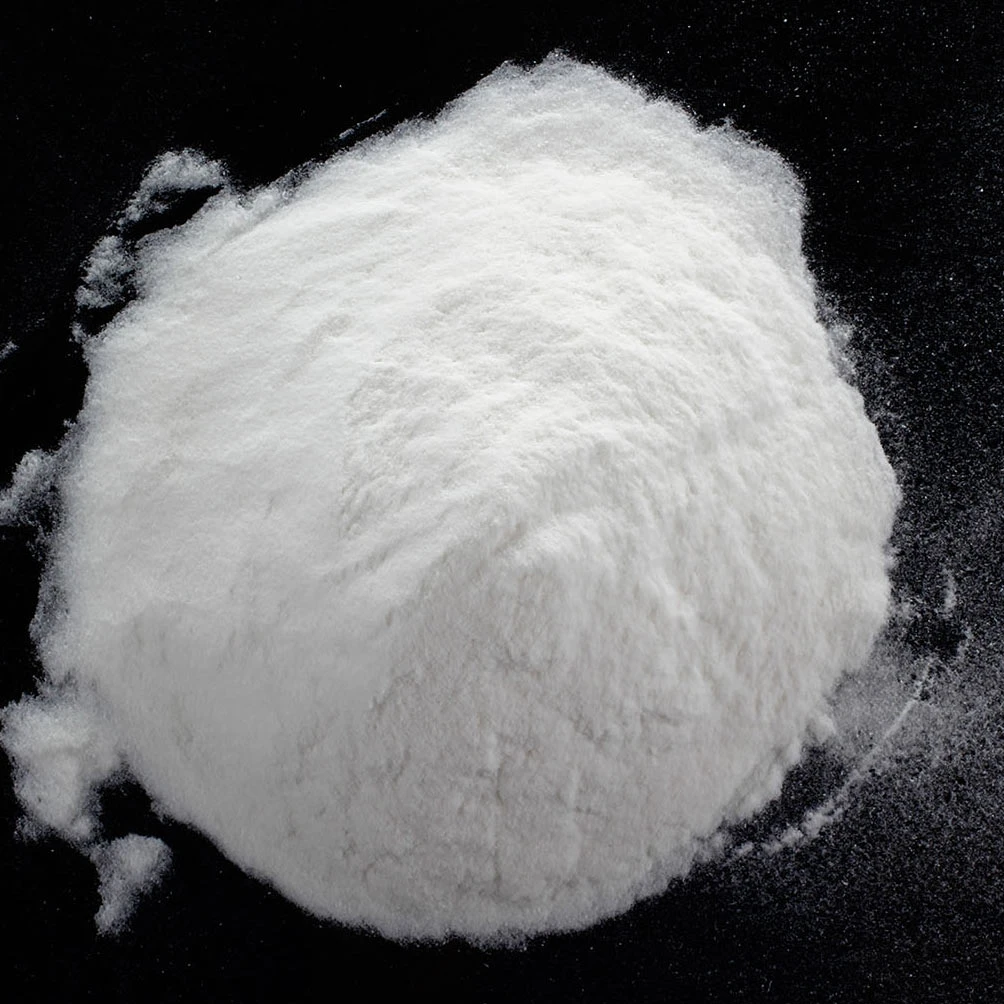
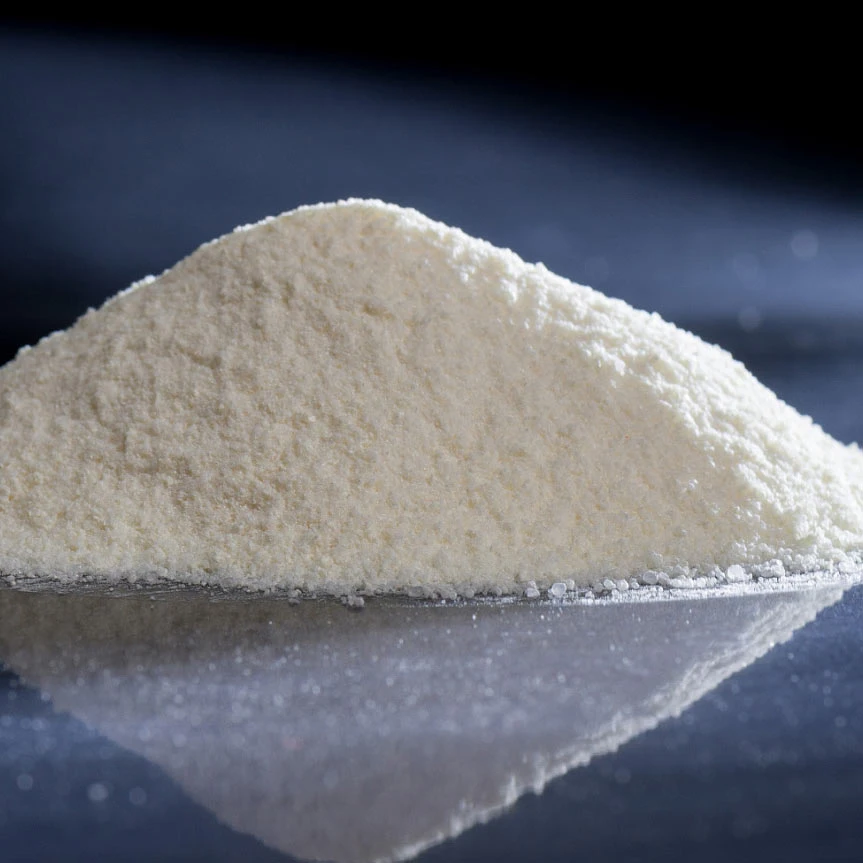
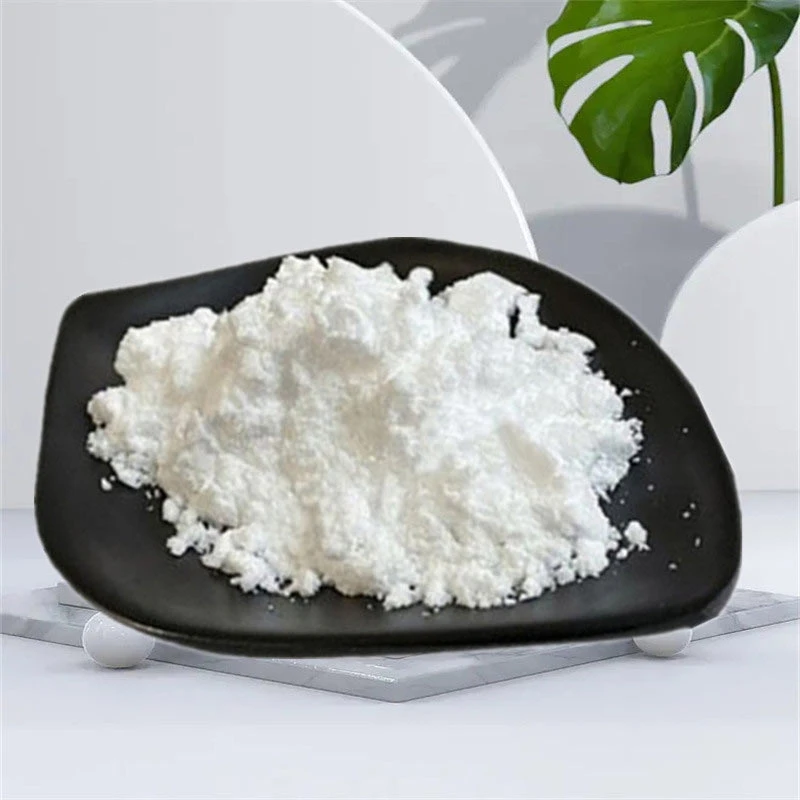
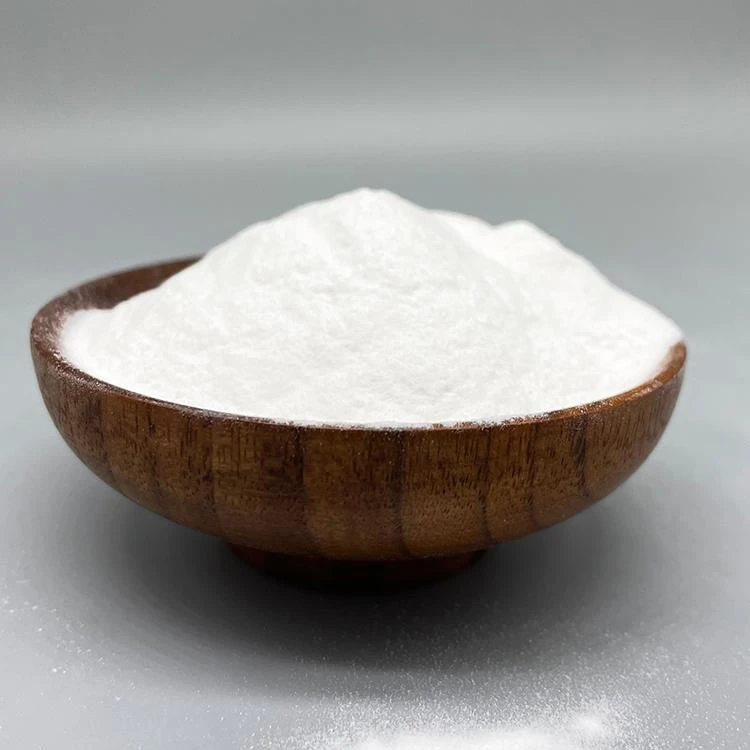
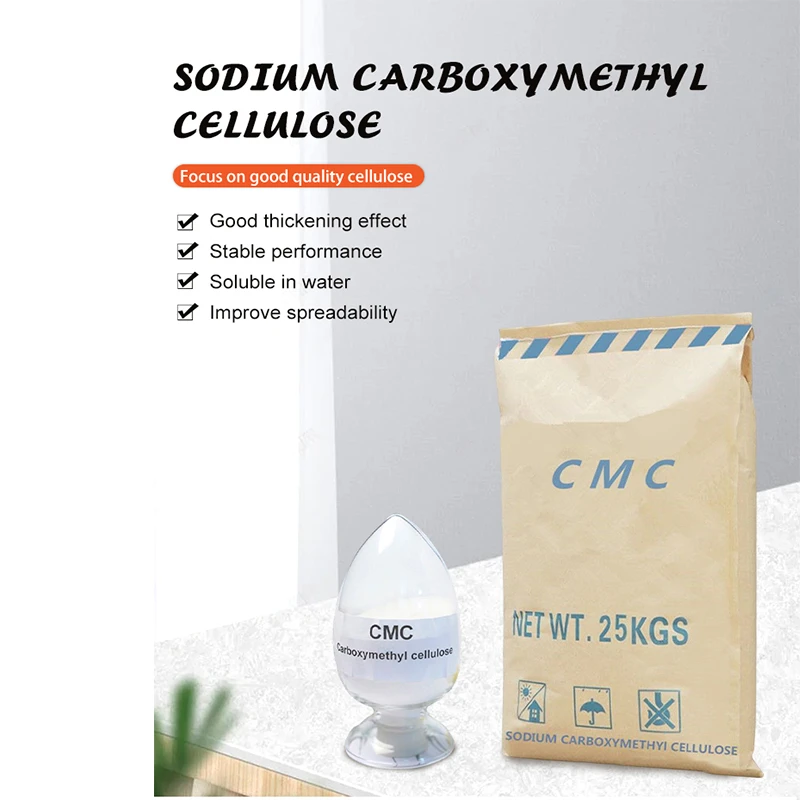
Sodium CMC (Sodium Carboxymethyl Cellulose) is a versatile cellulose derivative widely used across various industries, including food, pharmaceuticals, cosmetics, and oil drilling. Its price can fluctuate based on several factors. This article provides an in-depth look at the factors influencing sodium CMC price, current market trends, and how to find a reliable supplier. Understanding these aspects is crucial for businesses relying on sodium CMC for their manufacturing processes. We will delve into the different grades, the impact of raw material costs, and strategies for optimizing procurement.

Factors Influencing Sodium CMC Price
Several key factors contribute to the price of sodium CMC. The most significant is the cost of raw materials, primarily cellulose pulp sourced from wood or cotton linter. Fluctuations in pulp prices directly impact sodium CMC production costs. Manufacturing processes, including purification and drying, also contribute to the overall expense. Additionally, the grade and viscosity of the sodium CMC play a role, with higher viscosity grades generally commanding a higher price. Shipping costs, import duties, and currency exchange rates further influence the final price, especially for international buyers. Finally, demand and supply dynamics within the market significantly impact price volatility.
Key Highlights: Raw material costs, manufacturing processes, viscosity grade, shipping, and market demand all influence Sodium CMC pricing.
Sodium CMC Grades and Their Price Variations
Sodium CMC is available in various grades, each tailored for specific applications. These grades are primarily categorized by viscosity, measured in centipoise (cP). Lower viscosity grades are used in applications like textile printing and paper coating, while higher viscosity grades are common in food and pharmaceutical industries for thickening and stabilization. The price typically increases with viscosity due to the more complex manufacturing process required to achieve higher molecular weights. The purity level is another differentiator affecting price; food and pharmaceutical grades require higher purity levels and, thus, come at a premium.
Grade & Price Guide:
• Low Viscosity (20-100 cP): $1.50 - $2.50/kg
• Medium Viscosity (100-400 cP): $2.50 - $3.50/kg
• High Viscosity (400-1200 cP): $3.50 - $5.00/kg
• Pharmaceutical Grade: $4.00 - $6.00/kg (depending on viscosity and purity)
Current Market Trends in Sodium CMC Pricing
The sodium CMC market has seen price fluctuations in recent years due to global economic factors and supply chain disruptions. Increased demand from the food and pharmaceutical industries has put upward pressure on prices. Additionally, rising energy costs have increased manufacturing expenses. Geopolitical events and trade tariffs can also influence pricing, particularly for international trade. Recent data indicates a slight easing of prices in late 2023, but this is subject to change based on raw material availability and global economic stability. Staying informed about these market trends is essential for making informed purchasing decisions. Tangzhi HPMC offers competitive pricing and expert market insights.
Choosing a Reliable Sodium CMC Supplier
Selecting a reputable supplier is crucial for ensuring consistent quality, competitive pricing, and reliable delivery. Look for suppliers with established quality control systems and certifications (e.g., ISO 9001, HACCP). Request samples to verify product quality before placing a large order. Consider suppliers who offer customization options to meet your specific viscosity and purity requirements. Building a strong relationship with a supplier can lead to favorable pricing and priority access to materials. Tangzhi HPMC is a trusted supplier of high-quality sodium CMC, providing tailored solutions to meet diverse industrial needs.
Strategies for Optimizing Sodium CMC Procurement
To mitigate price fluctuations and optimize procurement, consider these strategies: long-term contracts with suppliers can secure favorable pricing; bulk purchasing often results in discounts; diversifying your supplier base reduces dependence on a single source; carefully forecasting demand to avoid overstocking or shortages; and staying informed about market trends to anticipate price changes. Exploring alternative cellulose derivatives may also provide cost-effective solutions, depending on your application requirements.
Conclusion: Navigating the Sodium CMC Market
Understanding the factors influencing sodium CMC price, market trends, and procurement strategies is critical for businesses. By carefully considering these aspects and partnering with a reliable supplier like Tangzhi HPMC, you can ensure a stable supply of high-quality sodium CMC at a competitive price. Proactive planning and informed decision-making are key to success in this dynamic market.
Frequently Asked Questions (FAQs)
What is the typical lead time for sodium CMC orders?
Lead times can vary depending on the quantity ordered, the supplier’s inventory levels, and shipping distances. Generally, standard orders can be fulfilled within 7-14 business days. Larger or customized orders may require longer lead times, potentially up to 4-6 weeks. It's essential to communicate your specific requirements and delivery deadlines with your supplier to ensure timely delivery. Reputable suppliers will provide accurate lead time estimates and keep you informed of any potential delays.
How is sodium CMC quality controlled?
Quality control is paramount in sodium CMC production. Reputable manufacturers implement rigorous testing procedures throughout the manufacturing process, including raw material inspection, viscosity measurements, purity analysis, and moisture content determination. They adhere to industry standards and certifications like ISO 9001 and HACCP. Certificates of Analysis (COA) are typically provided with each batch, detailing the results of quality control testing. Ensure your supplier provides COAs and has a robust quality management system in place.
What are the storage requirements for sodium CMC?
Sodium CMC should be stored in a cool, dry, and well-ventilated area, away from direct sunlight and moisture. Proper storage prevents caking and degradation of the product. It's recommended to store it in its original packaging or a sealed container to protect it from humidity and contamination. Avoid storing it near strong oxidizing agents or chemicals. Following these storage guidelines will help maintain the quality and performance of the sodium CMC.
Can sodium CMC be customized to specific viscosity requirements?
Yes, many sodium CMC manufacturers offer customization options to meet specific viscosity requirements. This involves adjusting the manufacturing process to control the degree of substitution and molecular weight, resulting in a product with the desired viscosity. Customization is particularly important for applications where precise thickening or stabilization properties are critical. Discuss your specific requirements with your supplier to determine if customization is feasible and to obtain a quote.
-
HPMC High-Performance Thickener | Hebei TangzhiNewsMar.06,2026
-
Wholesale Water Reducing Admixture for Special Cement: Performance and Market InsightsNewsFeb.28,2026
-
The Complete Guide to HPMC: Types, Applications, Grades, and Manufacturing InsightsNewsFeb.28,2026
-
Redispersible Polymer Powder: Types, Applications, and Performance AdvantagesNewsFeb.28,2026
-
Hydroxymethyl Ethyl Cellulose (MHEC): Properties, Applications, and Market InsightsNewsFeb.28,2026
-
Hydroxyethyl Cellulose: Applications, Performance, and Buying GuideNewsFeb.28,2026