Comprehensive Guide to Carboxymethylcellulose Price and Global Sourcing Strategies
Carboxymethylcellulose Price: A Comprehensive Guide for Global Buyers
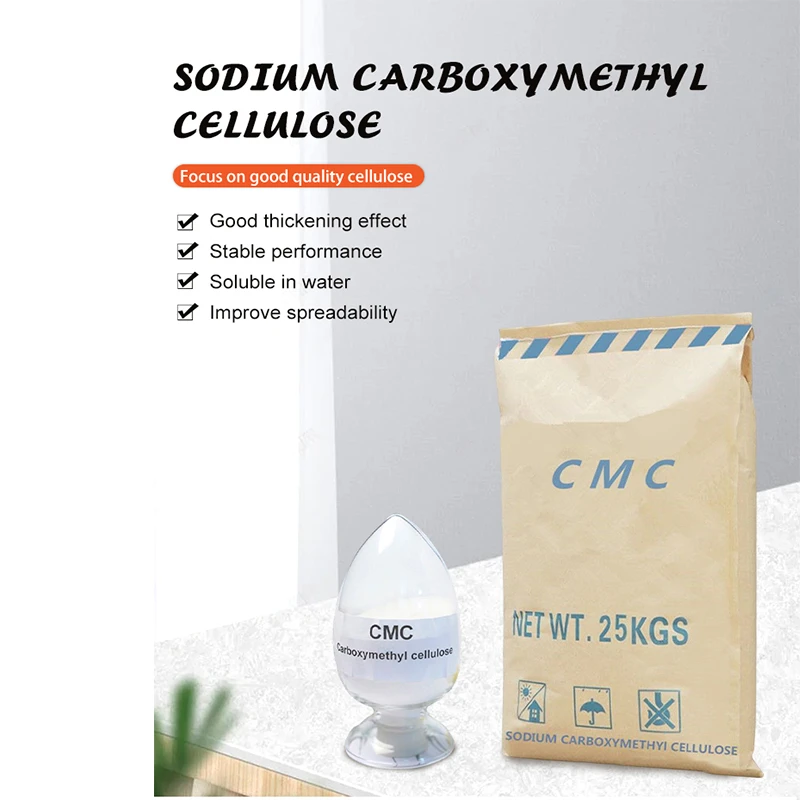
Understanding the carboxymethylcellulose (CMC) price is crucial for businesses involved in diverse industries like food, pharmaceuticals, cosmetics, and oil drilling. This article provides an in-depth look at the factors influencing CMC pricing, current market trends, and strategies for sourcing competitively. We'll explore the different grades of CMC, their applications, and how to optimize your purchasing decisions. Accurate pricing knowledge will empower you to navigate the global CMC market effectively.

Factors Influencing Carboxymethylcellulose Price
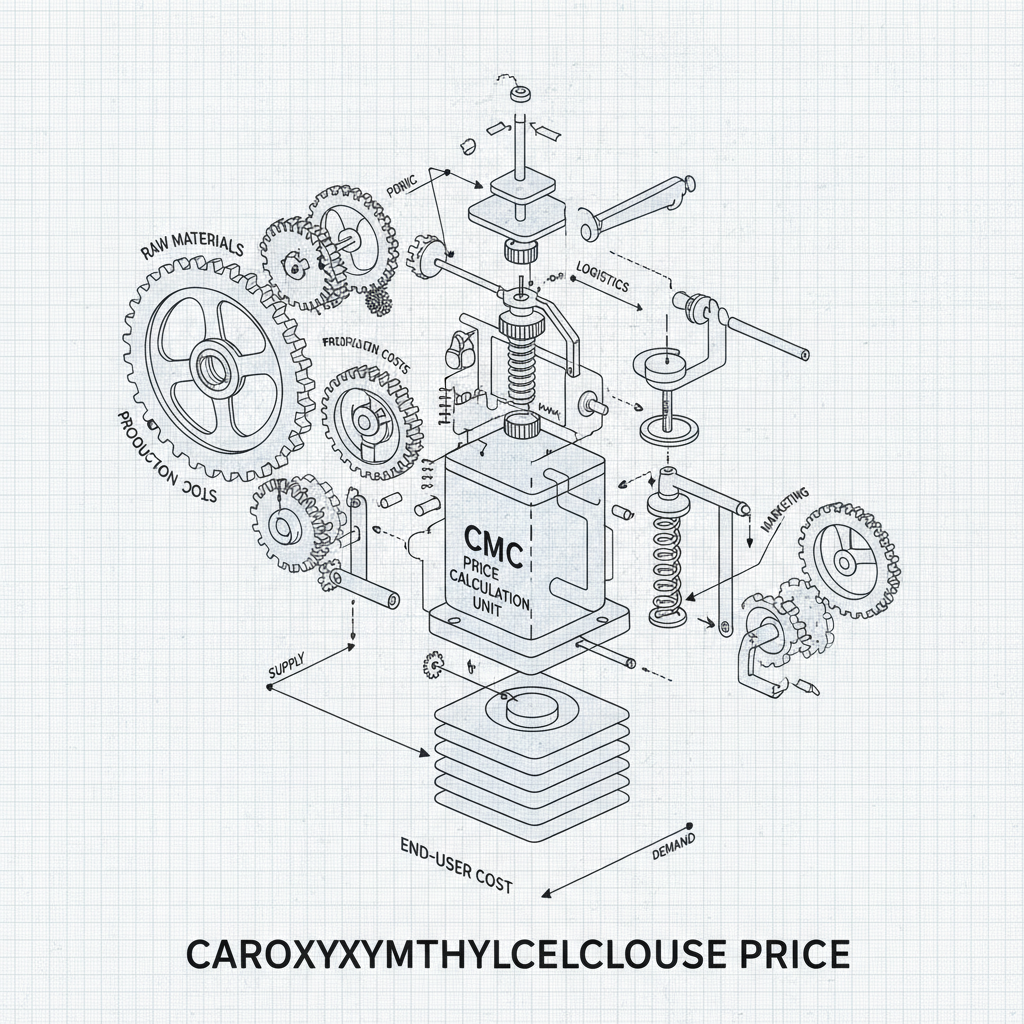
Several key factors determine the CMC price. Raw material costs, particularly cellulose pulp sourced from wood or cotton linter, significantly impact production expenses. Manufacturing processes, including the degree of substitution (DS) and viscosity, also play a role. Higher DS and viscosity CMC generally command higher prices. Geopolitical factors, transportation costs, and currency exchange rates all contribute to fluctuations in pricing. Furthermore, the grade of CMC—industrial, food, or pharmaceutical—also dictates its price point, with pharmaceutical grades being the most expensive due to stringent quality control and regulatory requirements.
Key Highlights: Raw material costs, manufacturing complexity, grade, and market dynamics all influence carboxymethylcellulose pricing. Understanding these factors is essential for effective cost management.
CMC Grades and Their Price Variations
CMC is available in various grades, each tailored to specific applications and priced accordingly. Industrial grade is the most economical, used in applications like detergents and textile sizing. Food grade, meeting specific purity standards, is more expensive and employed in food processing as a thickener and stabilizer. Pharmaceutical grade, subject to rigorous testing and regulatory compliance, is the most premium option, utilized in drug formulations and medical applications. The following table illustrates typical price ranges (USD/kg) as of late 2023/early 2024. These are estimates, and actual prices may vary.
Regional Price Differences in Carboxymethylcellulose
The CMC price can vary significantly by region. China, being a major producer, generally offers more competitive pricing. North America and Europe typically have higher prices due to transportation costs, import duties, and stricter regulatory compliance. Emerging markets may experience fluctuating prices based on local demand and supply chain disruptions. Sourcing directly from manufacturers in China, like Tangzhi HPMC, can often lead to cost savings, but requires careful due diligence regarding quality control.
Regional Price Comparison (approximate):
• China: Lowest Price
• India: Competitive Pricing
• Europe/North America: Highest Price (includes import costs)
Viscosity and Degree of Substitution (DS) Impact on Price
The viscosity and degree of substitution (DS) of CMC are critical parameters impacting its performance and, consequently, its price. Higher viscosity CMC provides greater thickening power, making it suitable for applications requiring high shear resistance. The DS refers to the number of carboxylmethyl groups attached to the cellulose molecule. A higher DS generally results in improved water solubility and enhanced functionality. Both higher viscosity and higher DS CMC are typically more expensive to produce due to the more complex manufacturing processes involved.
Sourcing Strategies to Optimize Carboxymethylcellulose Price
To optimize your CMC price, consider these strategies: 1) Direct Sourcing: Establish direct relationships with reputable manufacturers in China, like Tangzhi HPMC. 2) Volume Purchasing: Negotiate discounts for larger order quantities. 3) Long-Term Contracts: Secure stable pricing through long-term supply agreements. 4) Market Research: Regularly monitor market trends and price fluctuations. 5) Quality Control: Prioritize quality to avoid costly rework or product recalls. 6) Consider Alternatives: Explore alternative thickening agents if appropriate for your application, but be mindful of performance differences.
Conclusion: Navigating the CMC Market for Optimal Value
Successfully navigating the carboxymethylcellulose market requires a comprehensive understanding of pricing factors, regional variations, and effective sourcing strategies. By staying informed, prioritizing quality, and building strong supplier relationships, you can secure competitive pricing and ensure a reliable supply of CMC for your business needs.
Frequently Asked Questions (FAQs)
What is the typical lead time for CMC orders?
Lead times can vary significantly depending on the order volume, supplier location, and current market conditions. Generally, expect a lead time of 2-4 weeks for standard orders from manufacturers in China. Larger or customized orders may require longer lead times. It’s crucial to confirm the exact lead time with your supplier before placing an order to ensure timely delivery. Tangzhi HPMC prides itself on efficient order processing and on-time delivery.
How should I store carboxymethylcellulose to maintain its quality?
CMC should be stored in a cool, dry, and well-ventilated area, away from direct sunlight and moisture. It’s essential to keep the packaging tightly sealed to prevent absorption of moisture from the air. Proper storage conditions are crucial for maintaining the CMC's viscosity and functionality. Avoid storing it near strong oxidizing agents or other incompatible materials.
What quality certifications should I look for when sourcing CMC?
When sourcing CMC, especially for food or pharmaceutical applications, look for suppliers with relevant quality certifications such as ISO 9001 (Quality Management System), HACCP (Hazard Analysis and Critical Control Points), and GMP (Good Manufacturing Practice). These certifications demonstrate the supplier’s commitment to quality control and regulatory compliance. Tangzhi HPMC holds all necessary certifications to guarantee product quality and safety.
-
HPMC High-Performance Thickener | Hebei TangzhiNewsMar.06,2026
-
Wholesale Water Reducing Admixture for Special Cement: Performance and Market InsightsNewsFeb.28,2026
-
The Complete Guide to HPMC: Types, Applications, Grades, and Manufacturing InsightsNewsFeb.28,2026
-
Redispersible Polymer Powder: Types, Applications, and Performance AdvantagesNewsFeb.28,2026
-
Hydroxymethyl Ethyl Cellulose (MHEC): Properties, Applications, and Market InsightsNewsFeb.28,2026
-
Hydroxyethyl Cellulose: Applications, Performance, and Buying GuideNewsFeb.28,2026