A Complete Guide to Antifoaming Agents: Types, Uses, and Industry Applications
Foam formation is a persistent issue across industries, from pharmaceuticals to automotive coolants, and from food production to wastewater treatment. Excessive foam can disrupt operations, reduce efficiency, and compromise product quality. This is where antifoaming agents and defoaming agents play a crucial role. In this article, we will explore the types of antifoaming agents, review practical antifoaming agents examples, and discuss how they are applied in different sectors, including anti foaming agent for coolant and anti foaming agent pharmaceutical applications.
Types of Antifoaming Agents and Their Characteristics
The term "antifoaming agent" refers to chemical or natural additives that reduce or prevent foam. Selecting the right product depends on the process conditions, compatibility, and industry standards. Below are the main types of antifoaming agents:
1. Silicon Antifoaming Agent
A silicon antifoaming agent is one of the most widely used due to its strong surface activity and effectiveness in low concentrations. Silicone-based agents reduce surface tension quickly, breaking bubbles and preventing new foam from forming. These are commonly used in wastewater treatment, textile processing, oil refining, and paper production.
2. Organic Anti Foaming Agent
An organic anti foaming agent is made from hydrocarbons, fatty acids, or alcohol derivatives. It is especially effective in processes where silicone-based antifoams may not be compatible. Industries such as pharmaceuticals, food production, and cosmetics rely heavily on organic antifoaming solutions due to purity and safety requirements.
3. Natural Anti Foaming Agent
With sustainability becoming a global priority, the demand for natural antifoaming agents is growing. A natural anti foaming agent can be derived from vegetable oils, beeswax, or biodegradable surfactants. These are environmentally friendly and suitable for applications in organic food processing, eco-friendly cleaning products, and natural beverages.
4. Powdered and Emulsion Antifoams
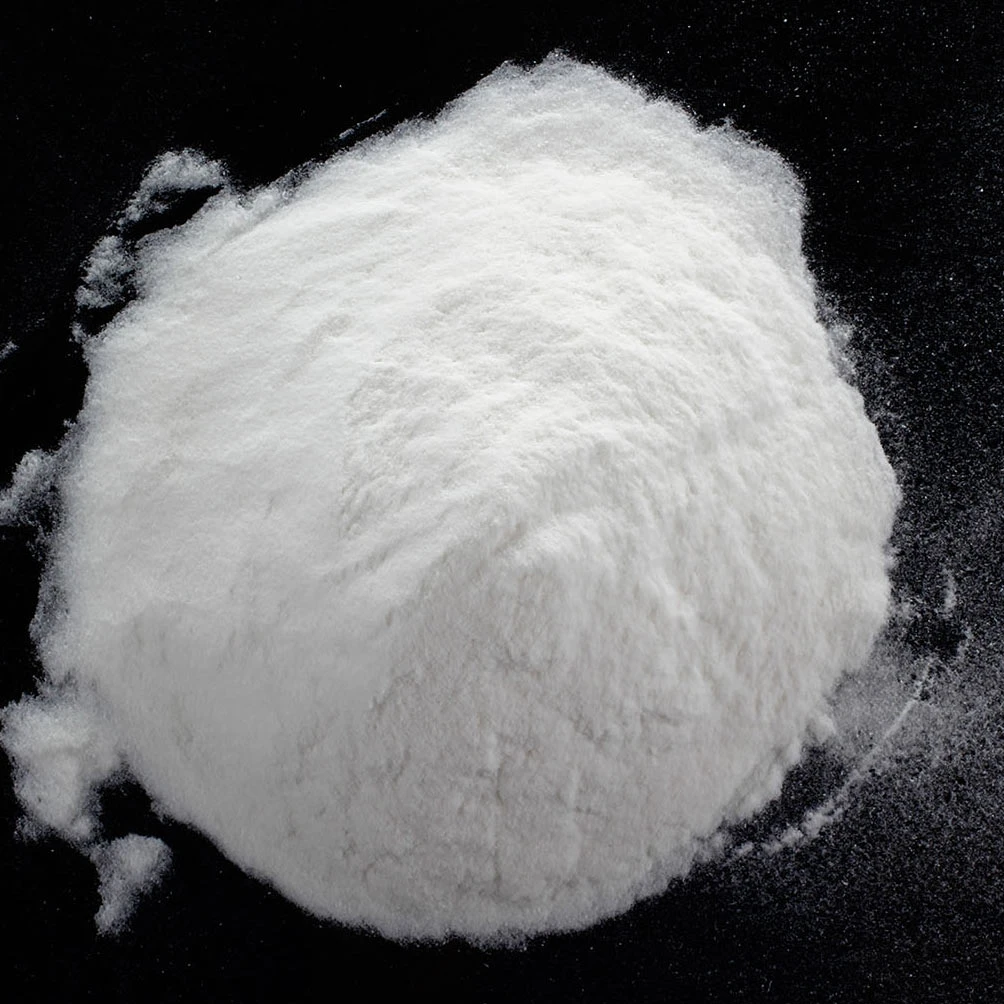
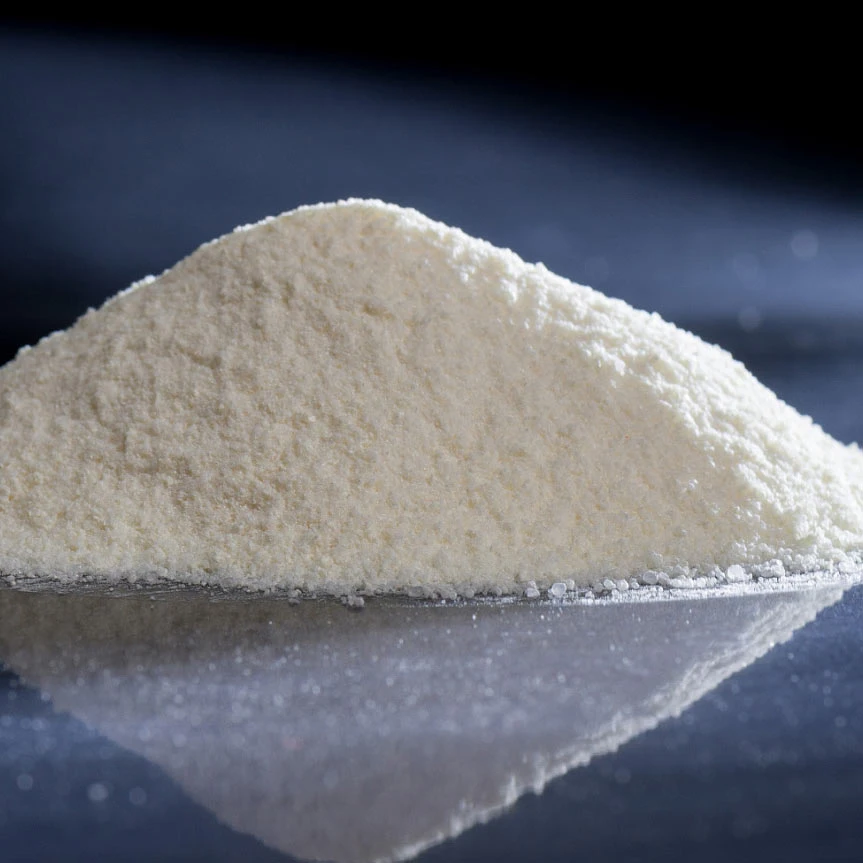
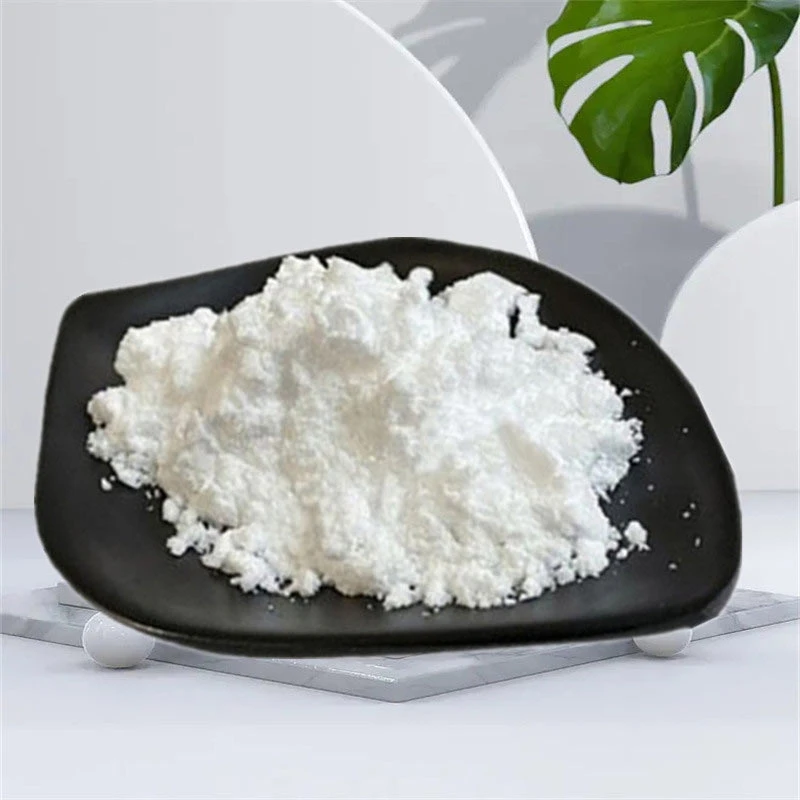
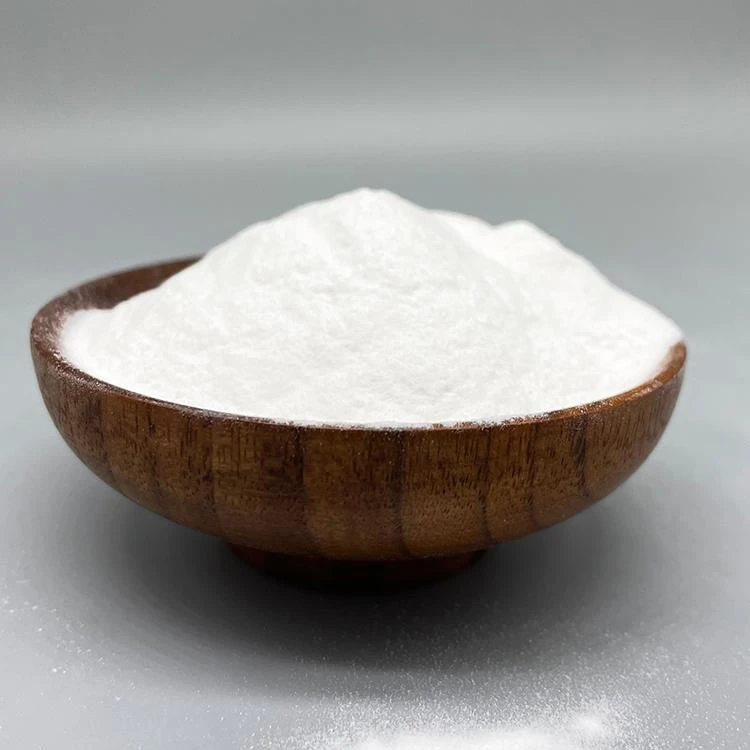
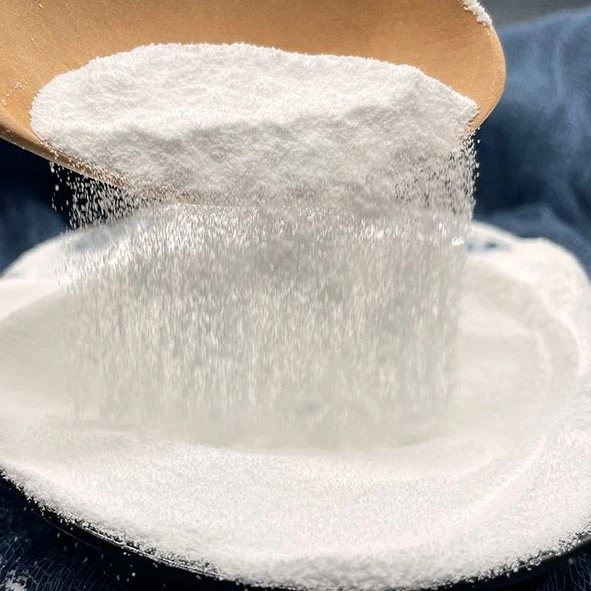
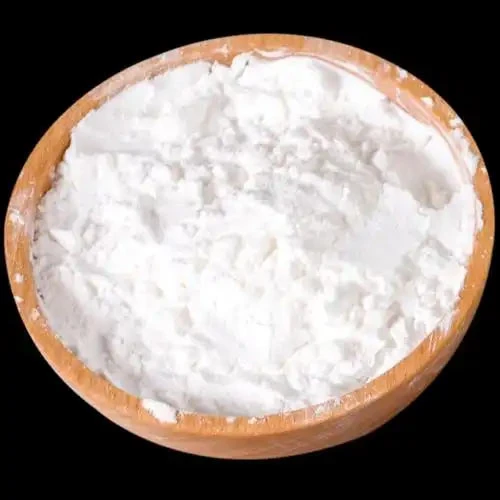
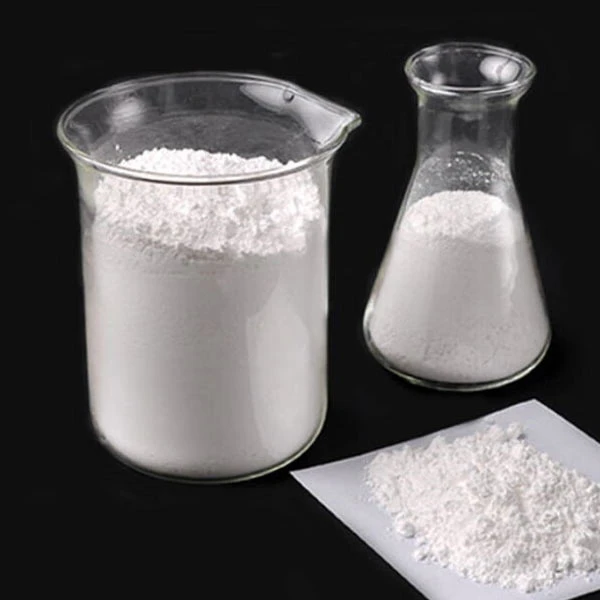
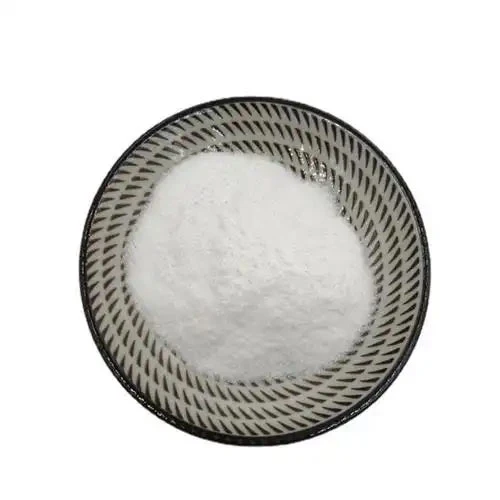
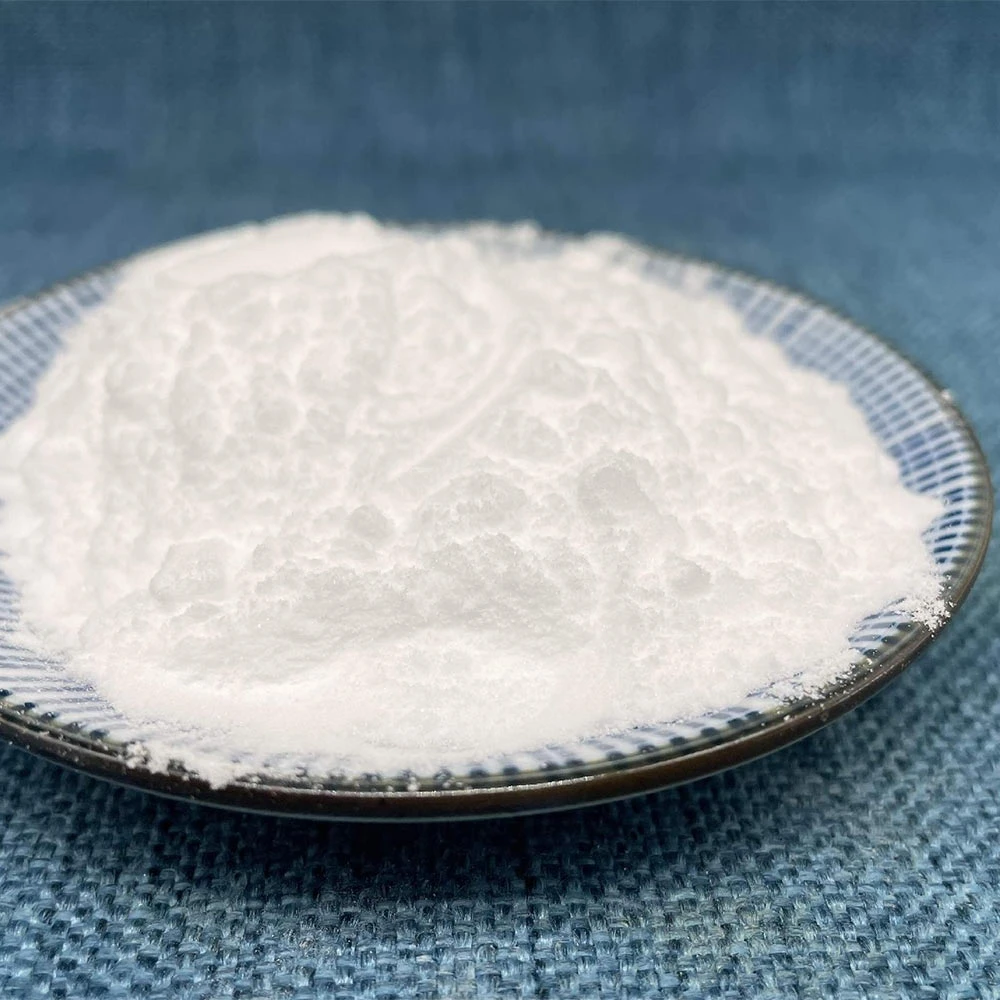
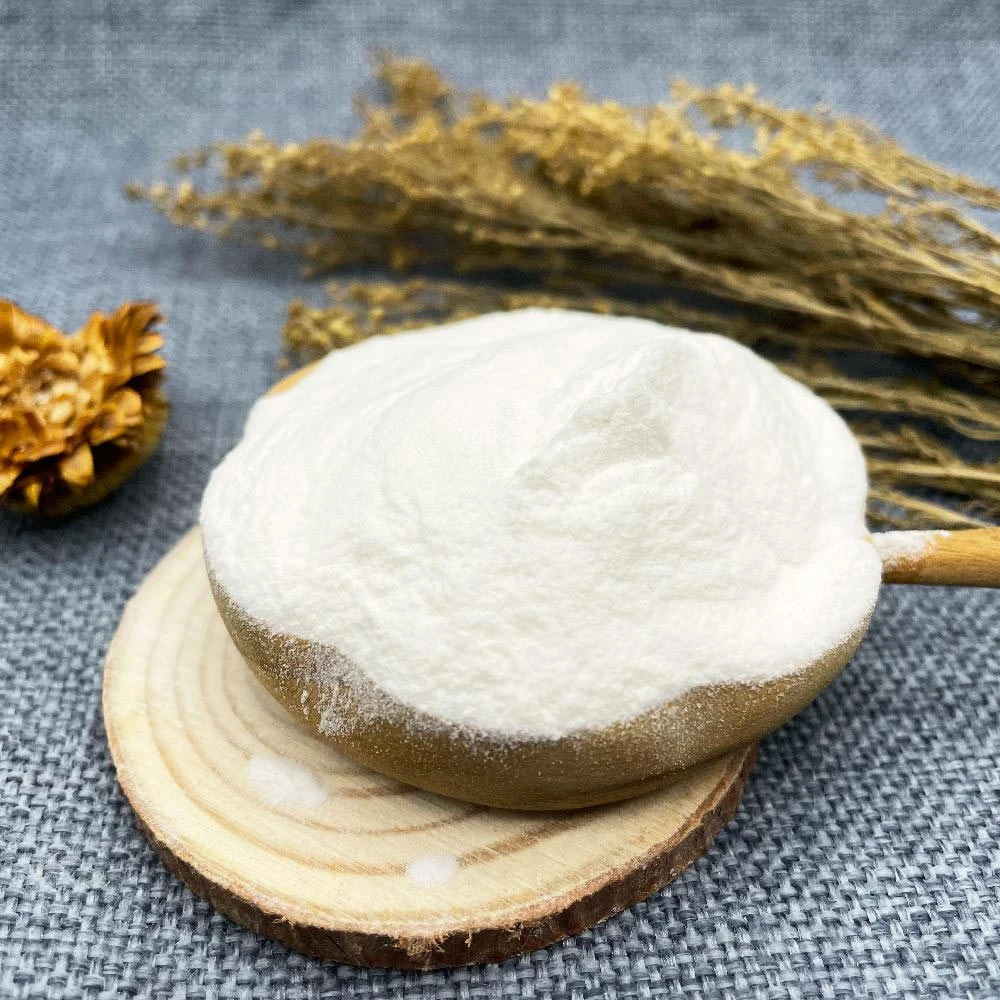
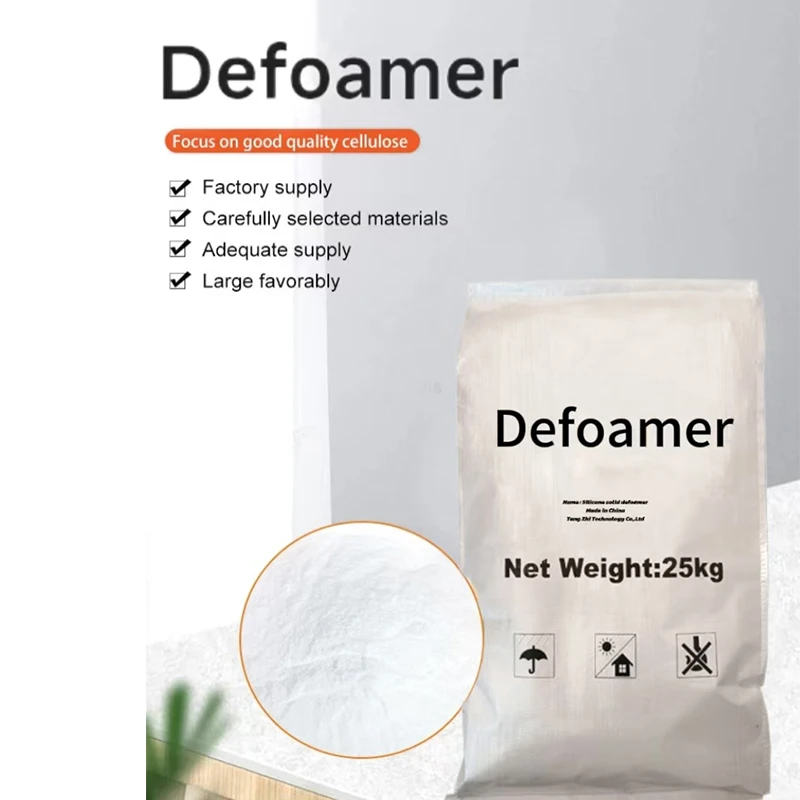
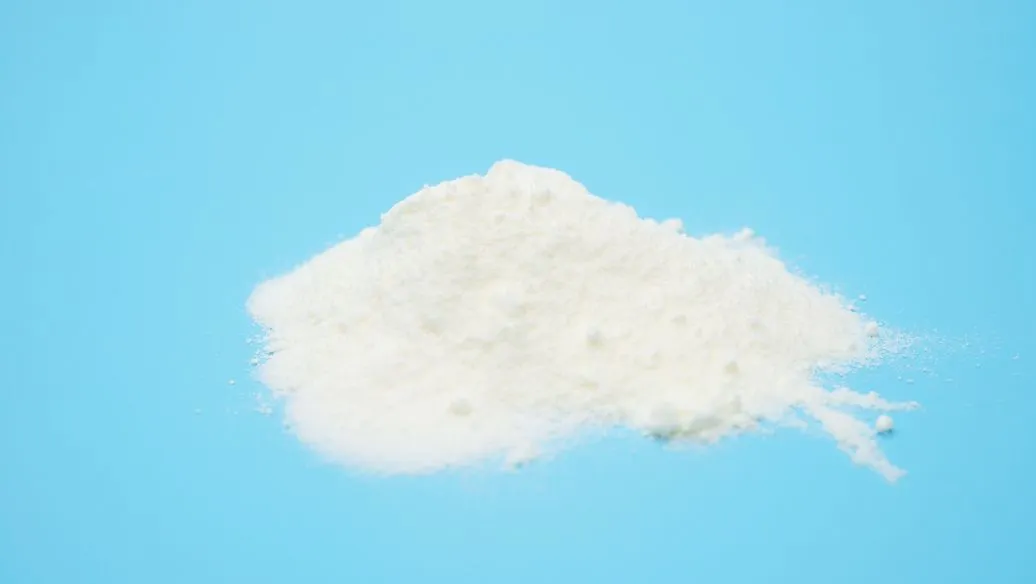
Antifoams are also classified by their physical state. Powdered antifoams are often used in cement and construction applications, while emulsion-based products are designed for liquid systems such as fermentation tanks and industrial coolants.
Together, these variations form part of the antifoaming agents list that industries consult when choosing the right additive for their needs.
Antifoaming Agents Examples and Industrial Applications
Foam control is essential across a wide range of industries. Below are several antifoaming agents examples and their specific uses:
Silicone-based antifoams: Used in textile dyeing, paper manufacturing, and wastewater treatment due to their long-lasting performance.
Organic antifoaming agents: Applied in food production and pharmaceuticals where safety and purity are essential.
Natural defoaming agent: Plant-based oils used in brewing, organic beverages, and sustainable cosmetics.
Powder antifoams: Ideal for cement production and other dry material handling systems.
Polyether-based defoamers: Frequently found in fermentation and chemical processing industries.
Antifoam and Defoamer: The Difference
The terms antifoam and defoamer are often used interchangeably, but they have slightly different roles:
Antifoam prevents foam from forming in the first place.
Defoamer eliminates foam that has already formed.
Modern products are usually designed to perform both functions, making them versatile solutions in multiple industries.
Key Industry Applications
Anti Foaming Agent for Coolant
Foam in coolants can trap air, reduce heat transfer, and cause pump cavitation. An anti foaming agent for coolant ensures smooth circulation, better lubrication, and longer equipment life. It is widely used in automotive and metalworking industries.
Anti Foaming Agent Pharmaceutical
In the pharmaceutical industry, foam is a common challenge during fermentation, mixing, and formulation. An anti foaming agent pharmaceutical ensures consistency, compliance with purity standards, and efficiency in production. It also prevents contamination risks linked to foam overflow.
Food and Beverage Processing
Foam in beverages, dairy products, and juices is controlled using natural antifoaming agents to maintain quality and meet safety regulations.
Water and Wastewater Treatment
Industrial wastewater often generates large amounts of foam. Defoaming agents break down bubbles, ensuring uninterrupted operation of aeration tanks and filtration systems.
Conclusion: Choosing the Right Antifoaming Solution
From silicon antifoaming agents to natural defoaming agents, there is a wide range of solutions available for different industries. Understanding the types of antifoaming agents and reviewing an antifoaming agents list can help businesses select the most suitable additive for their specific application.
Whether it is using an anti foaming agent for coolant in automotive systems, an anti foaming agent pharmaceutical for drug manufacturing, or natural antifoaming agents in sustainable industries, the right choice improves efficiency, reduces costs, and enhances product quality. By evaluating compatibility, safety, and environmental impact, industries can achieve optimal foam control while supporting sustainable practices.
FAQs About Antifoaming Agents
1. What Are the Main Types of Antifoaming Agents?
The main types of antifoaming agents include silicone-based, organic, natural, powdered, and emulsion formulations. Each is suited for specific industries such as wastewater treatment, pharmaceuticals, and food processing.
2. What Are Some Antifoaming Agents Examples in Industry?
Common antifoaming agents examples include silicone-based antifoams, polyether-based defoamers, organic oils, and natural defoaming agents such as plant-derived waxes. These are widely used in food, pharmaceuticals, textiles, and chemicals.
3. What Is the Difference Between Antifoam and Defoamer?
Antifoam and defoamer serve related but distinct purposes. Antifoams prevent foam from forming, while defoamers break down existing foam. Many commercial products combine both functions.
4. Where Are Anti Foaming Agents Used?
Anti foaming agent uses include automotive coolants, pharmaceutical fermentation, food and beverage production, paper manufacturing, and wastewater treatment. They improve process efficiency and product quality.
5. Are There Natural Antifoaming Agents for Eco-Friendly Applications?
Yes, natural antifoaming agents such as vegetable oils, beeswax, and biodegradable surfactants are increasingly popular. A natural anti foaming agent or natural defoaming agent is ideal for sustainable food, beverages, and organic cosmetics.
Would you like me to also create an HTML-ready version of this article for your website upload? That way, the structure, keywords, and FAQs will be SEO-optimized for Google search.
-
HPMC High-Performance Thickener | Hebei TangzhiNewsMar.06,2026
-
Wholesale Water Reducing Admixture for Special Cement: Performance and Market InsightsNewsFeb.28,2026
-
The Complete Guide to HPMC: Types, Applications, Grades, and Manufacturing InsightsNewsFeb.28,2026
-
Redispersible Polymer Powder: Types, Applications, and Performance AdvantagesNewsFeb.28,2026
-
Hydroxymethyl Ethyl Cellulose (MHEC): Properties, Applications, and Market InsightsNewsFeb.28,2026
-
Hydroxyethyl Cellulose: Applications, Performance, and Buying GuideNewsFeb.28,2026