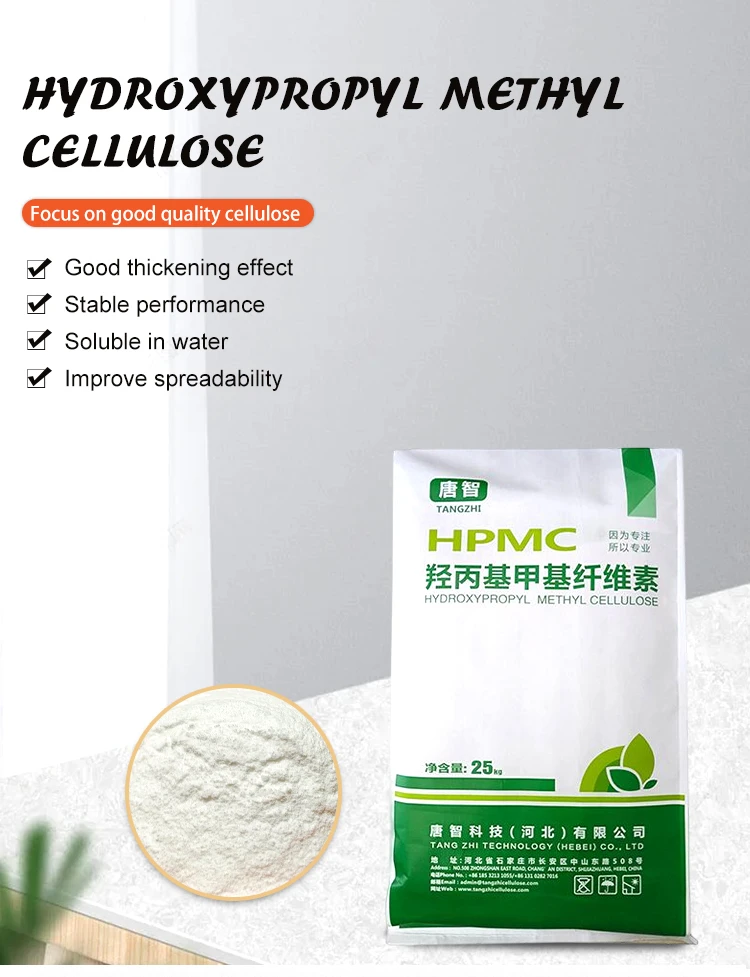
Bulk PVA Bags and Their Applications in Construction and Woodwork
Polyvinyl alcohol (PVA) is a versatile polymer widely used in construction, woodworking, and industrial applications. Its unique properties—excellent adhesion, water solubility, and film-forming capabilities—make it indispensable for modern building techniques. From bulk PVA bags for large-scale projects to specialized polyvinyl alcohol adhesive and PVA in mortar, this material enhances the performance and durability of cement, sand, and wood applications.
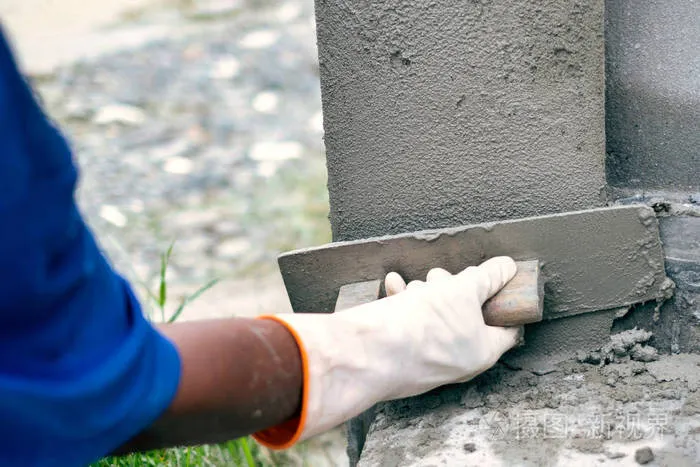
This article explores the practical uses of PVA, the significance of its solubility of polyvinyl alcohol in water, and its applications in PVA solution, powder PVA, and polyvinyl alcohol paint.
PVA Types and Applications
PVA in Construction
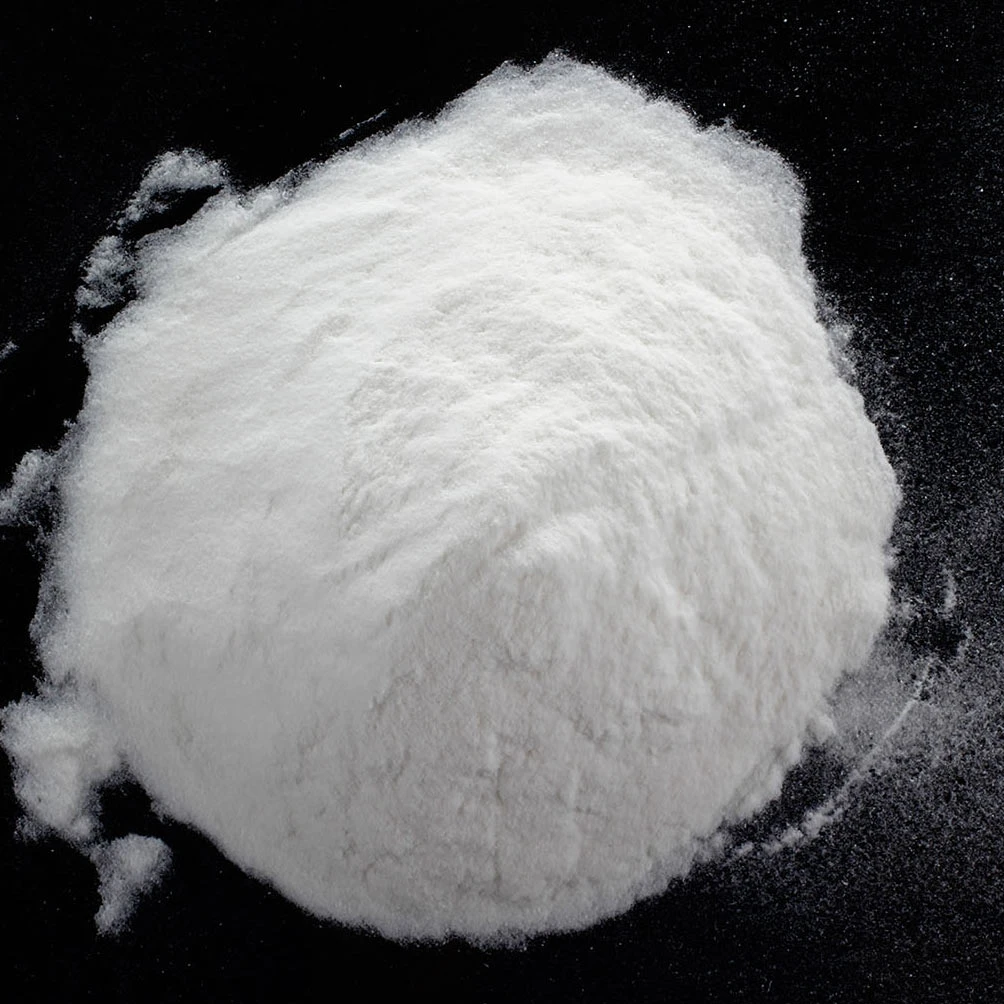
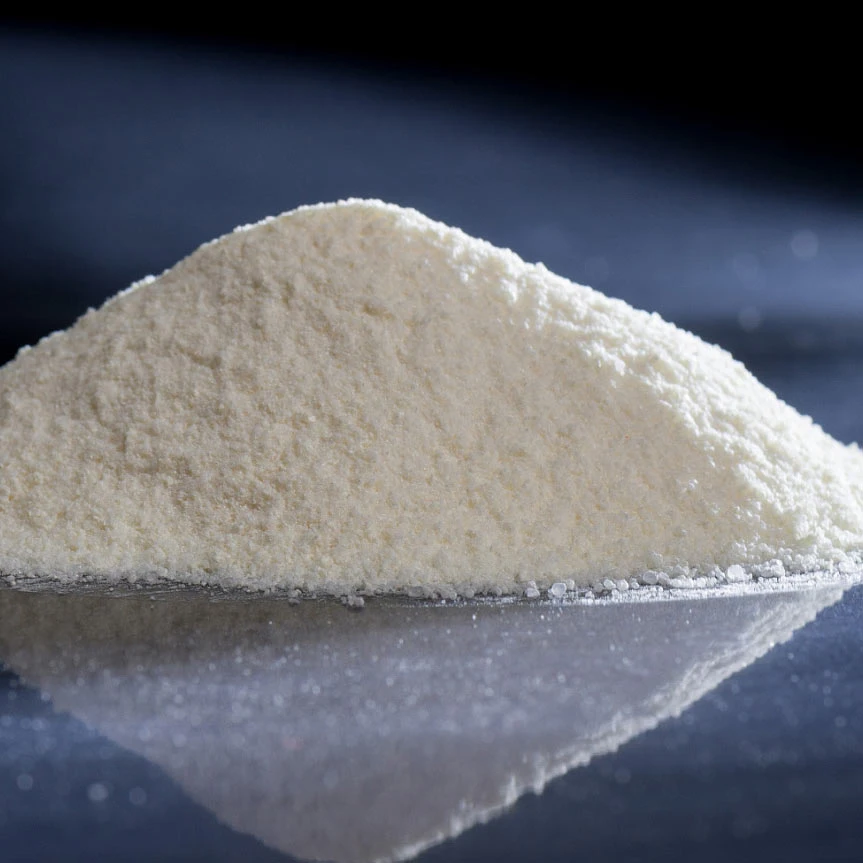
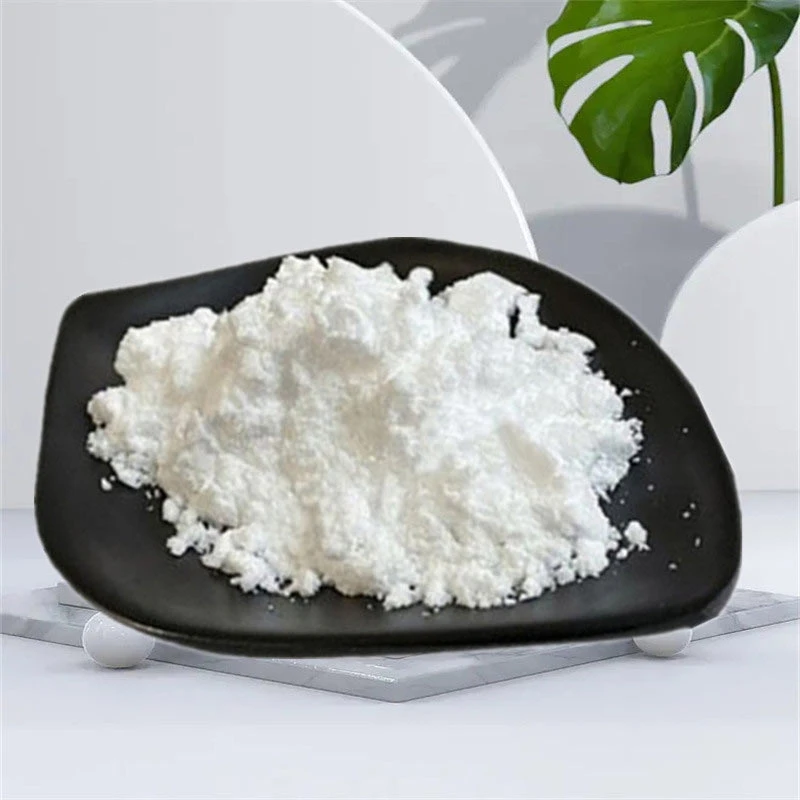
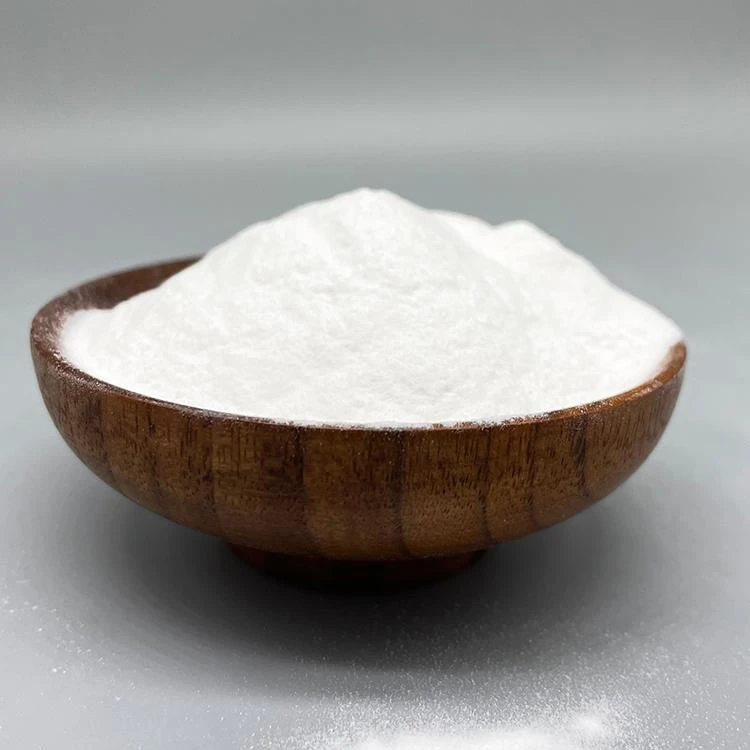
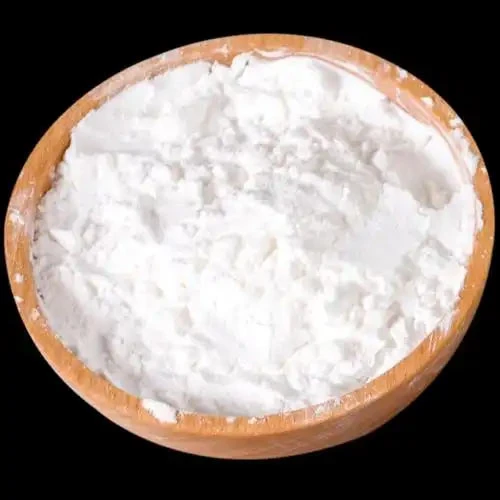
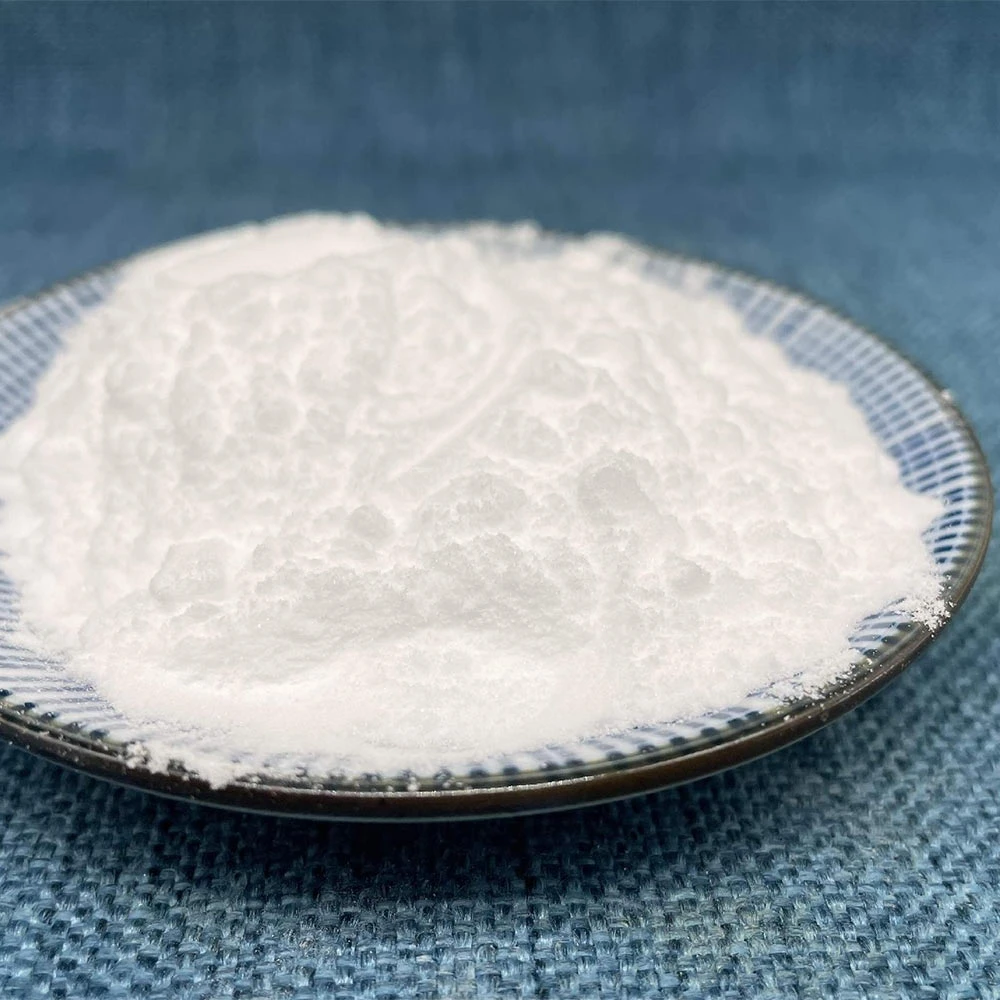
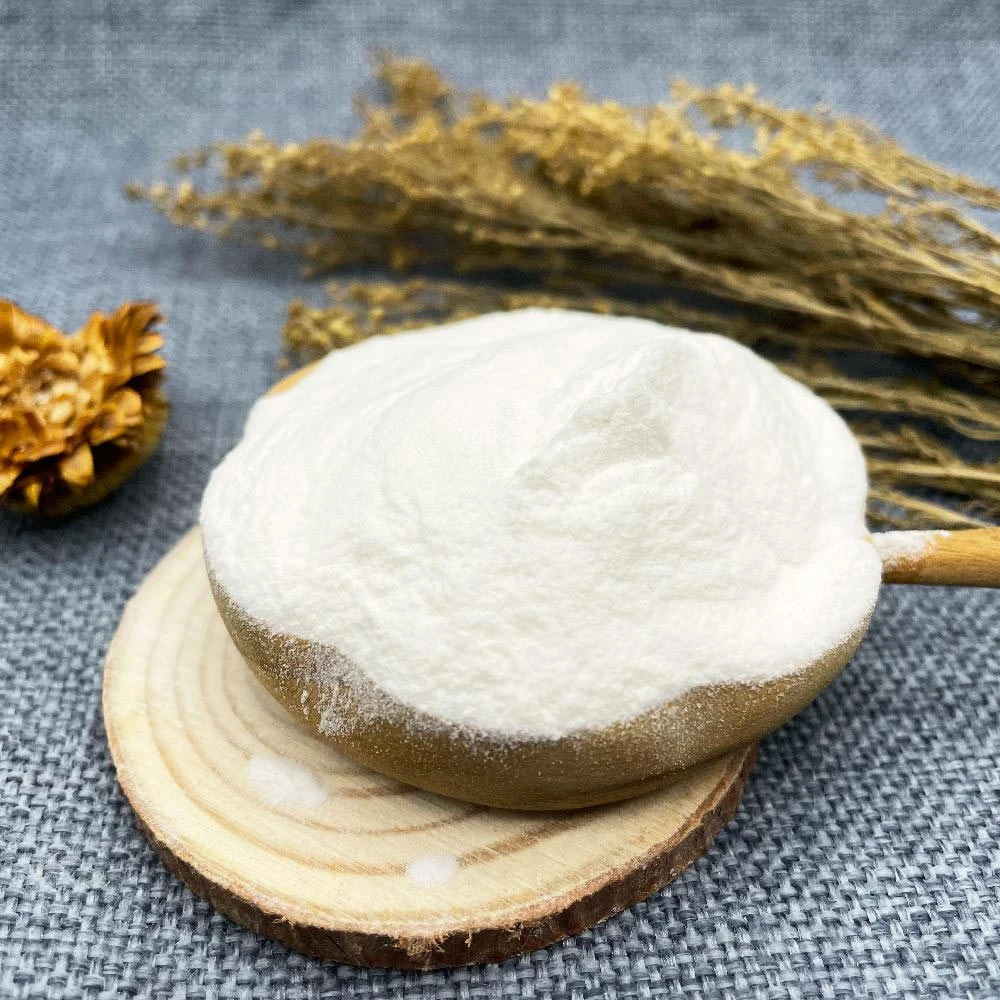
PVA in mortar is commonly used to improve bonding strength, reduce cracking, and enhance workability. When mixed with sand and cement, PVA forms a flexible, adhesive-enhanced matrix that strengthens masonry and plaster. Contractors often use powder PVA to prepare polyvinyl alcohol solution, which can be added directly to cement or mortar mixes.
Some key construction applications include:
PVA in sand and cement: Improves adhesion, reduces shrinkage, and increases tensile strength in floors, walls, and renders.
PVA solution: A prepared solution of PVA for use as a primer, bonding agent, or additive.
Polyvinyl alcohol paint: Enhances adhesion and durability of coatings applied over cement or plaster surfaces.
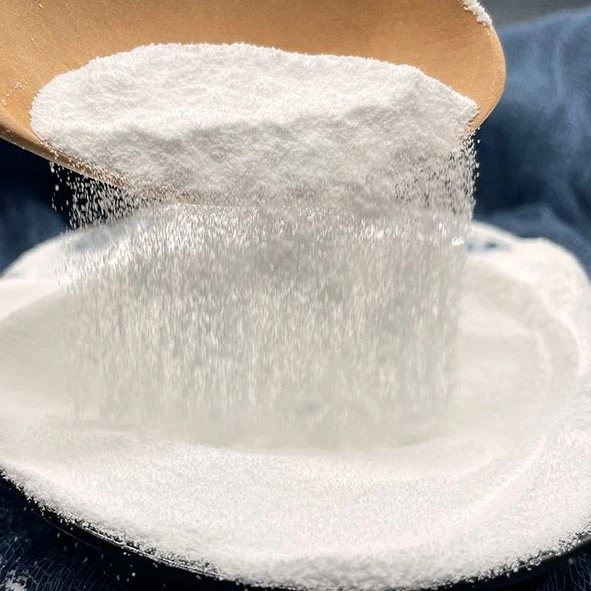
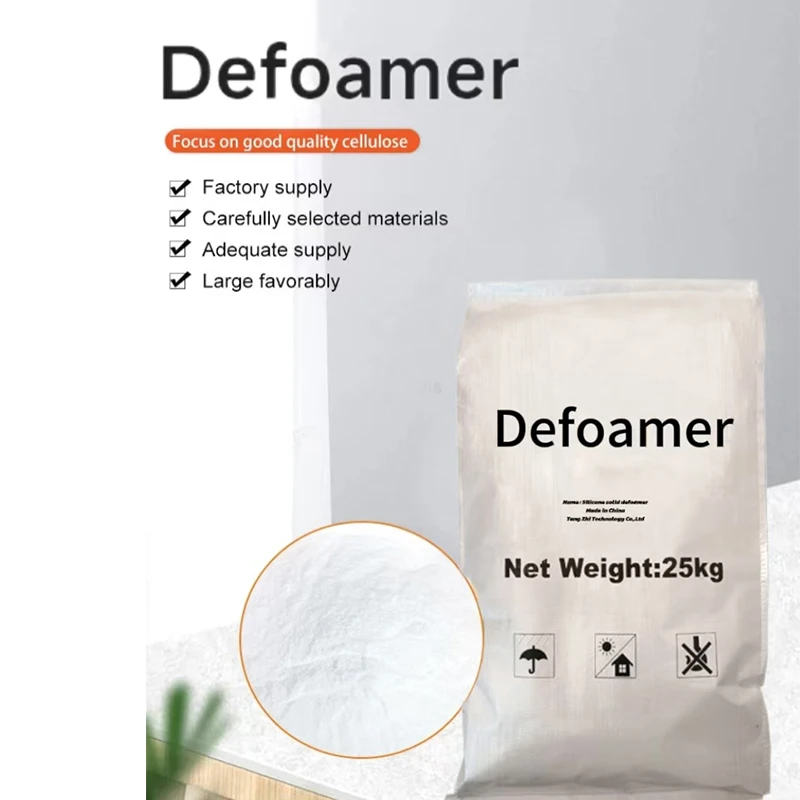
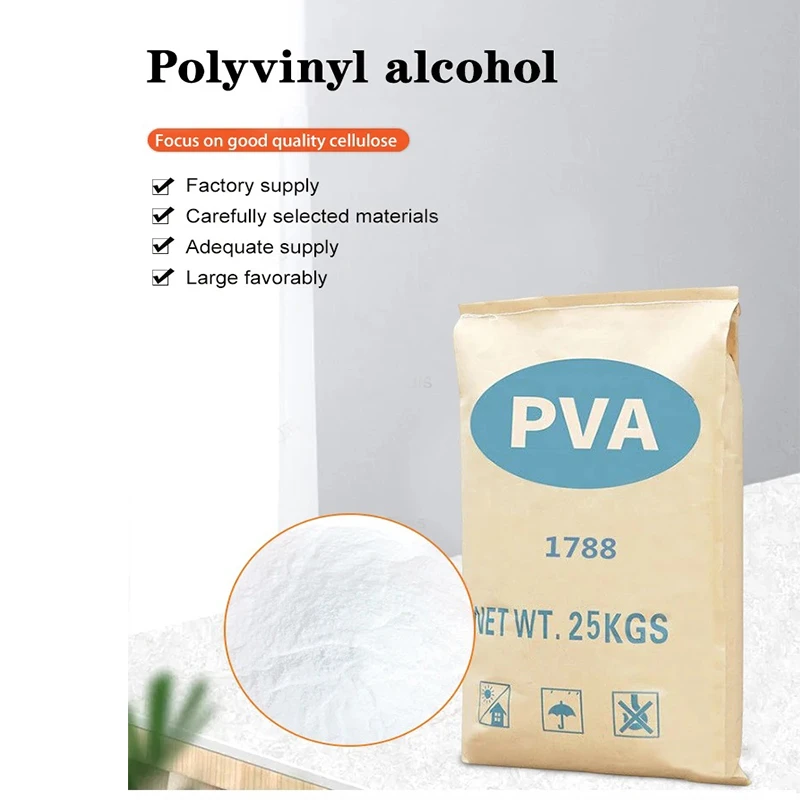
Bulk purchase options such as bulk PVA bags make it convenient for large construction projects, ensuring consistency and efficiency in application.
PVA in Wood and Industrial Uses
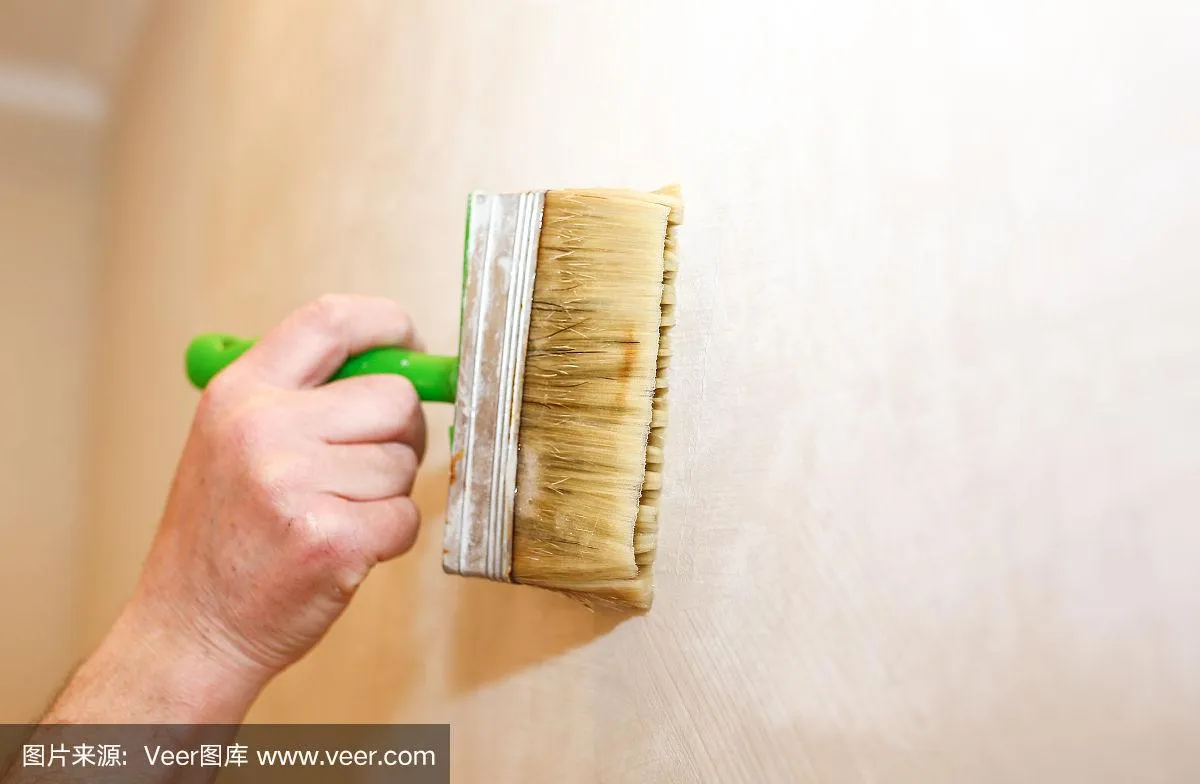
PVA for wood is widely used as a glue and bonding agent in furniture making and woodworking. Its ability to form strong, flexible films ensures durable joints and surface finishes. Other industrial applications include:
Polyvinyl alcohol adhesive: Used for paper, textiles, and composite materials.
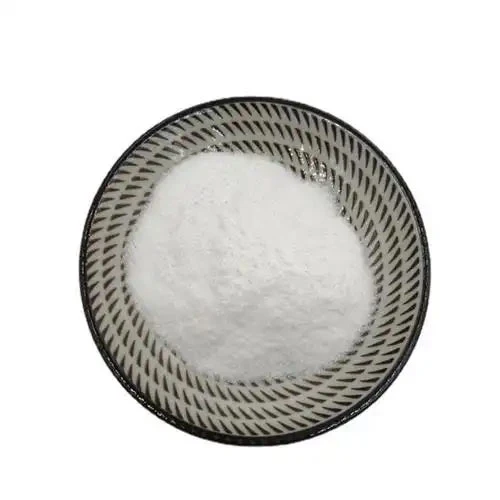
Powder PVA and PVA solution: Provide versatility for customized bonding and coating solutions.
Bulk PVA bags: Ideal for industrial-scale applications requiring large quantities of polymer.
By selecting the right PVA type—powder or solution—users can optimize performance for specific applications, whether it’s wood bonding, cement reinforcement, or coating adhesion.
Solubility and Chemical Properties of PVA
Understanding Polyvinyl Alcohol Solubility
Polyvinyl alcohol solubility in water is a crucial property for both construction and industrial applications. PVA’s solubility affects how well it can be mixed into cement, plaster, or adhesives. Key points include:
Poly vinyl alcohol solubility increases with temperature, making hot water ideal for preparing PVA solution.
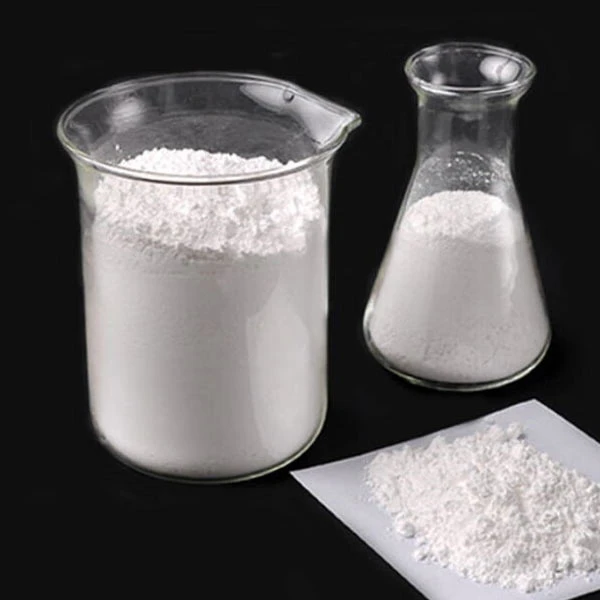
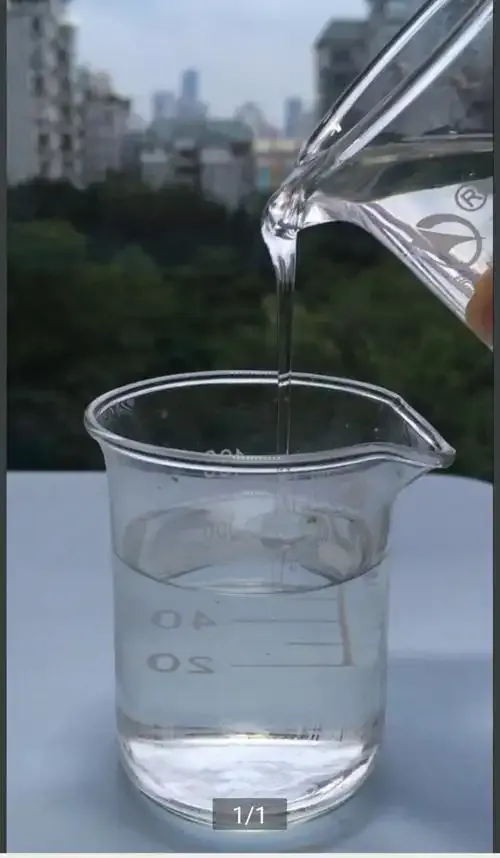
Polyvinyl alcohol soluble in water forms clear, viscous solutions that can be used as bonding agents, primers, or coatings.
PVOH solubility is important for ensuring uniform mixing in mortar, paint, and adhesive applications.
Users often reference poly vinyl alcohol solubility in water or solubility of polyvinyl alcohol in water to determine the optimal preparation method for their specific project.
Chemical Formula of PVA
The chemical structure of PVA explains its hydrophilic nature and water solubility.
Polyvinyl alcohol chemical formula: –[CH2–CH(OH)]n–
Sometimes referred to as PVA chemical formula in technical documents.
The hydroxyl groups (-OH) in the polymer chain form hydrogen bonds with water, enabling polyvinyl alcohol solution formation.
The solubility and chemical structure also make PVA suitable as an adhesive, film-forming agent, or paint additive, enhancing bonding strength and durability.
Practical Applications and Tips
PVA in mortar and sand-cement mixes: Dissolve powder PVA in water to prepare a solution before adding it to cement. This improves flexibility, reduces shrinkage, and enhances adhesion.
PVA for wood: Apply polyvinyl alcohol adhesive as a bonding agent for joints, laminates, and surface finishes.
Polyvinyl alcohol paint: Use as a primer or coating to increase adhesion to cement, plaster, or masonry surfaces.
Bulk PVA bags: Ideal for construction sites and industrial operations, providing consistent quality and ease of use.
Maintain temperature control when preparing PVA solution, as solubility depends on water temperature.
By understanding PVA solubility and using the appropriate powder PVA or solution, construction and industrial professionals can maximize the performance and longevity of their materials.
Conclusion
PVA, whether in bulk PVA bags, powder PVA, or PVA solution, is a versatile material for construction, woodworking, and industrial applications. Its polyvinyl alcohol solubility in water allows it to function effectively as a bonding agent, adhesive, and film-forming additive.
Applications such as PVA in mortar, PVA in sand and cement, and PVA for wood enhance adhesion, reduce cracking, and improve durability. Additionally, polyvinyl alcohol paint and polyvinyl alcohol adhesive provide excellent surface finishing and bonding properties.
Understanding the chemical formula for polyvinyl alcohol and solubility properties ensures optimal performance in both large-scale construction projects and industrial operations. Proper selection and preparation of PVA materials can significantly improve project efficiency, quality, and longevity.
FAQs About PVA Applications
1. What are the benefits of using PVA in mortar?
PVA in mortar enhances adhesion, reduces cracking, and increases flexibility. By mixing powder PVA into sand and cement, a polyvinyl alcohol solution improves tensile strength and durability.
2. How does PVA for wood work?
PVA for wood acts as a strong adhesive, forming flexible films that bond joints, laminates, and surfaces. It ensures durable furniture and wood finishes.
3. How soluble is PVA in water?
Polyvinyl alcohol soluble in water forms clear, viscous solutions. Solubility increases with water temperature, allowing for easy preparation of PVA solution for construction and industrial use.
4. What is the chemical formula for polyvinyl alcohol?
The polyvinyl alcohol chemical formula is –[CH2–CH(OH)]n–. This structure explains its hydrophilic nature and water solubility, making it effective in adhesives, paints, and mortar.
5. Why use bulk PVA bags?
Bulk PVA bags are ideal for construction sites and industrial projects. They provide large quantities of powder PVA or polymer material for preparing polyvinyl alcohol solution consistently and efficiently.
-
HPMC High-Performance Thickener | Hebei TangzhiNewsMar.06,2026
-
Wholesale Water Reducing Admixture for Special Cement: Performance and Market InsightsNewsFeb.28,2026
-
The Complete Guide to HPMC: Types, Applications, Grades, and Manufacturing InsightsNewsFeb.28,2026
-
Redispersible Polymer Powder: Types, Applications, and Performance AdvantagesNewsFeb.28,2026
-
Hydroxymethyl Ethyl Cellulose (MHEC): Properties, Applications, and Market InsightsNewsFeb.28,2026
-
Hydroxyethyl Cellulose: Applications, Performance, and Buying GuideNewsFeb.28,2026