Chemical Identification in MSDS of Polyvinyl Alcohol
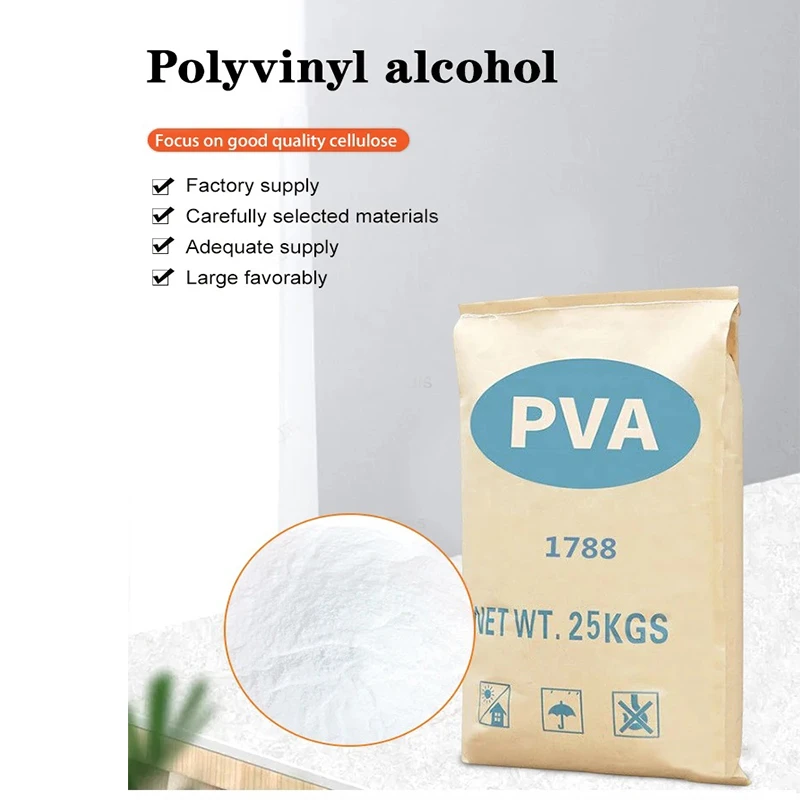
In the global chemical supply chain, accurate chemical identification in Material Safety Data Sheets (MSDS) is non-negotiable—ensuring safety, compliance, and transparency for wholesalers and end-users alike. For pva additive (polyvinyl alcohol), the polyvinyl alcohol msds (or msds of polyvinyl alcohol) serves as a critical document, detailing chemical properties, hazards, and handling protocols. TANG ZHI TECHNOLOGY (HeBei) CO. LTD., a leading integrated enterprise with 140,000-square-meter production facilities and annual capacity exceeding 40,000 tons, prioritizes comprehensive and compliant polyvinyl alcohol msds for their high-quality PVA products. Their strategic location with seamless access to transportation networks ensures efficient supply of properly documented pva additive to wholesalers worldwide. This article explores the key chemical identification elements in msds of polyvinyl alcohol, highlighting compliance standards, critical data points, and why accurate documentation matters for wholesale success.
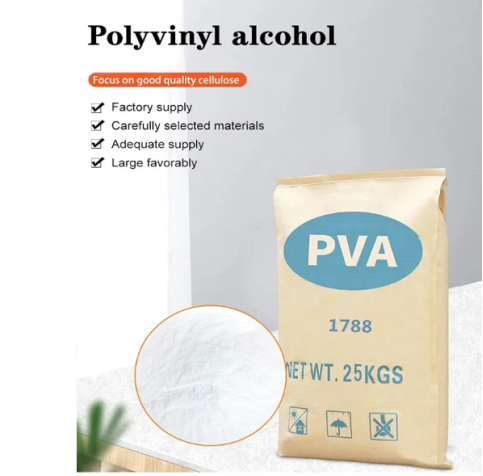
Core Chemical Identification Elements in Polyvinyl Alcohol MSDS
- Chemical Nomenclature & CAS Number: The polyvinyl alcohol msds must clearly state standardized identifiers: IUPAC name (poly(ethenol)), common name (polyvinyl alcohol, PVA), and CAS Registry Number (9002-89-5)—a unique identifier ensuring global consistency. TANG ZHI TECHNOLOGY’s msds of polyvinyl alcohol prominently features these details, allowing wholesalers to verify product authenticity and comply with customs and regulatory requirements.
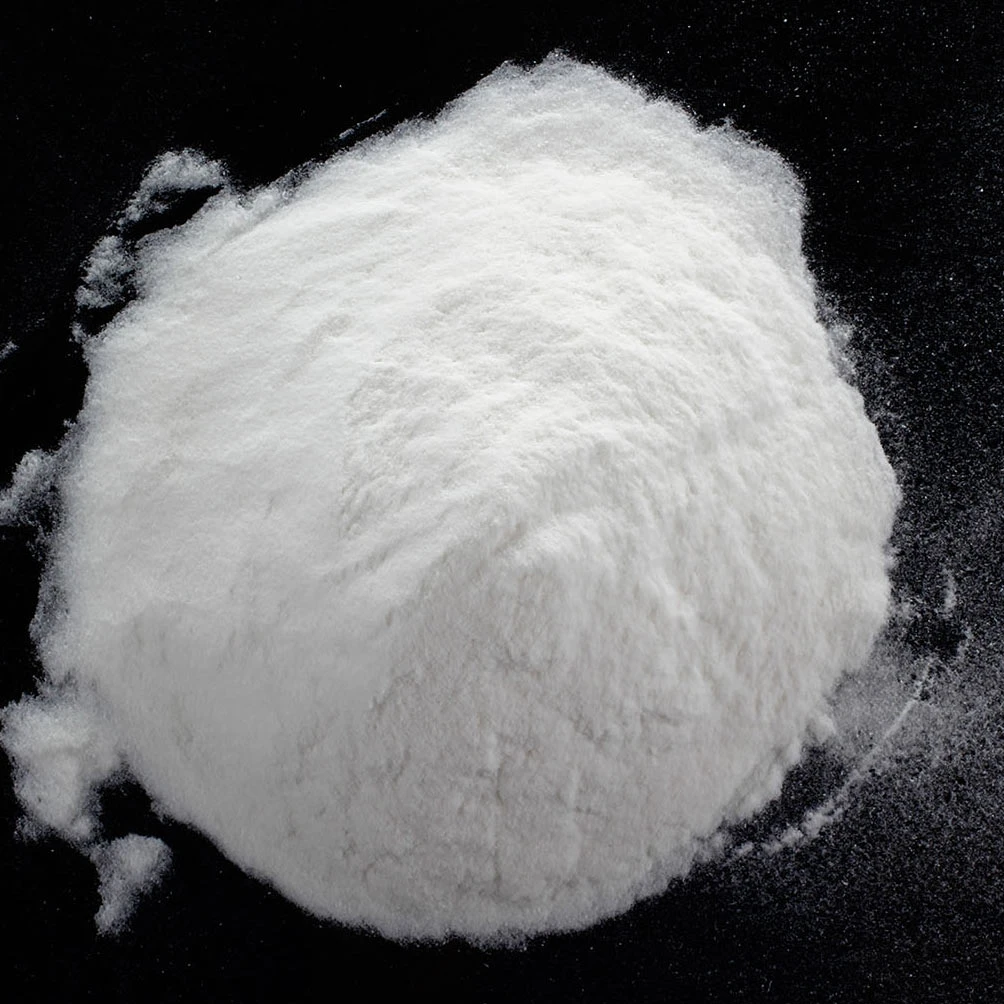
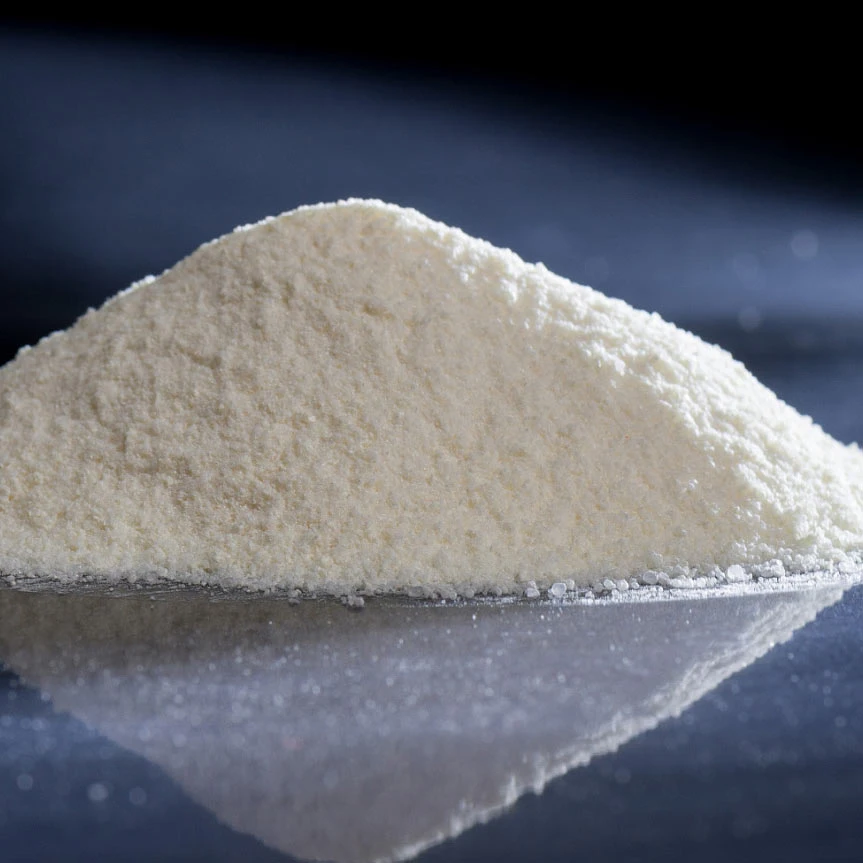
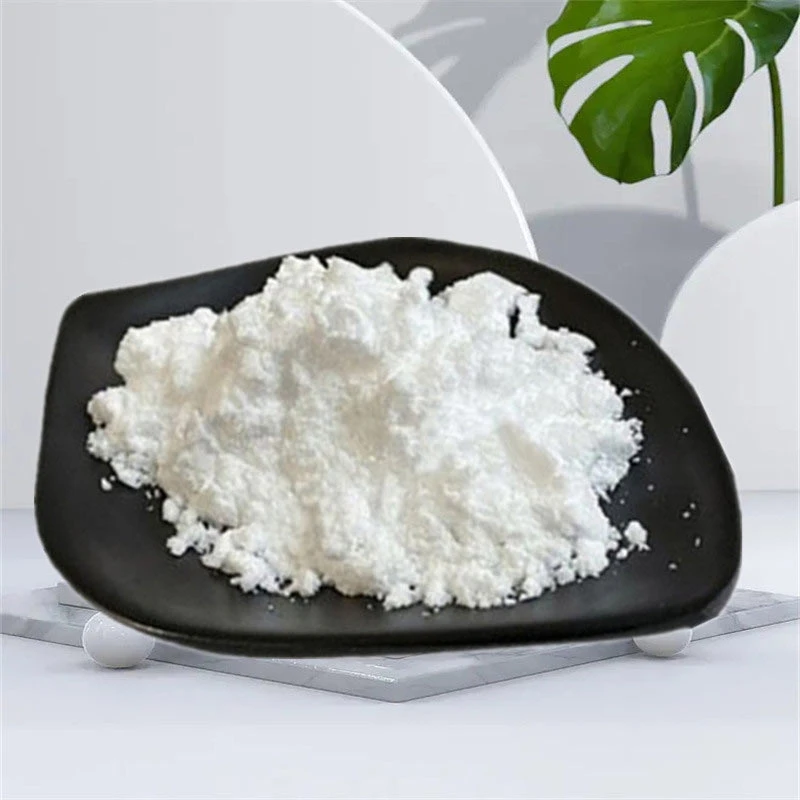
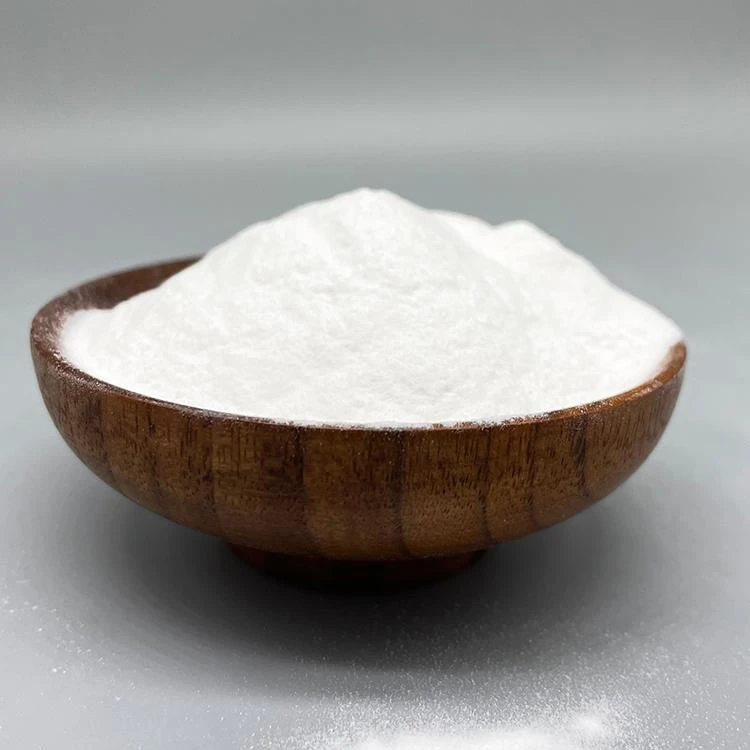
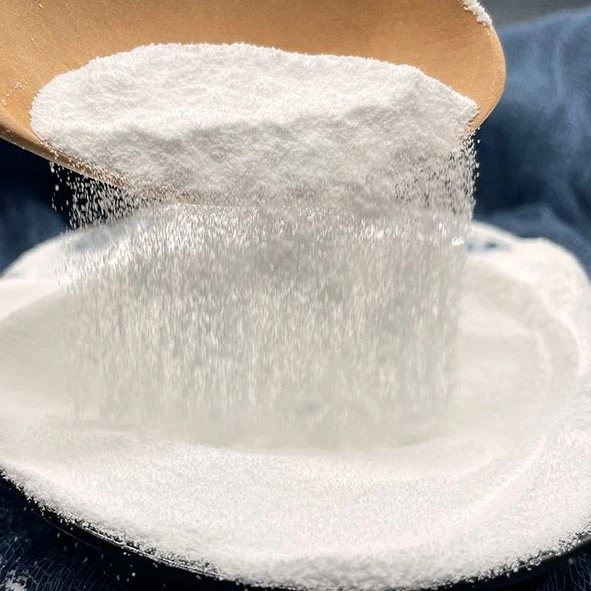
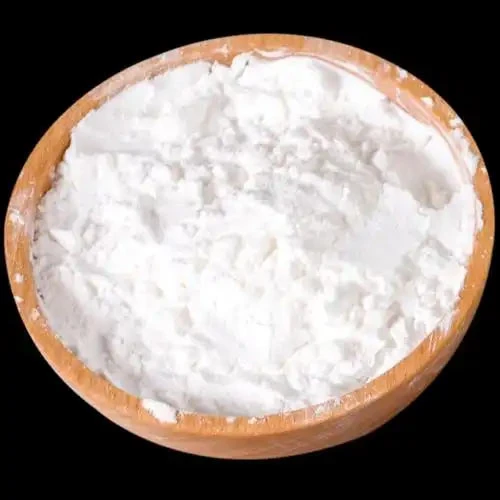
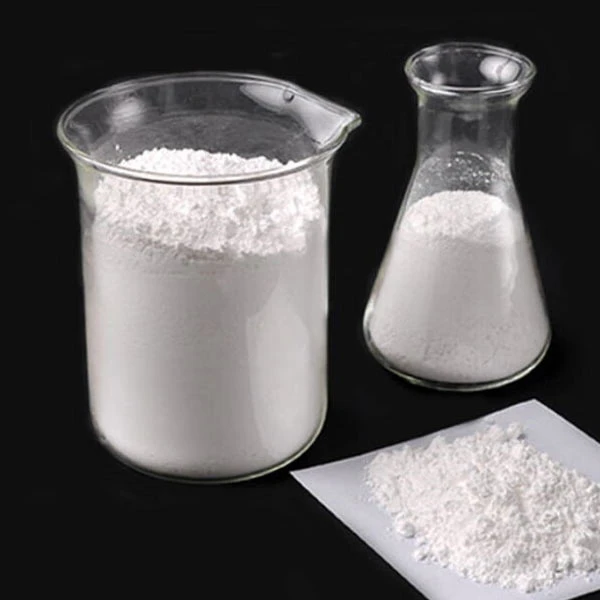
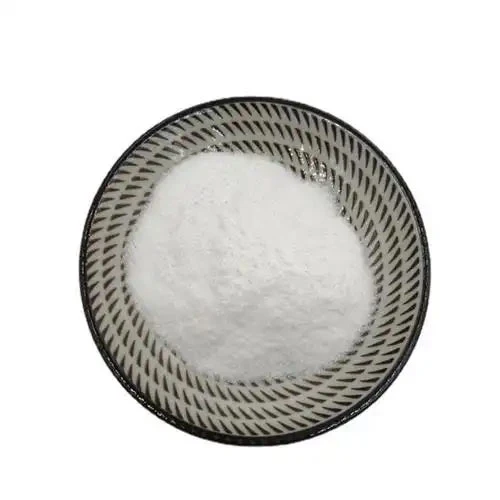
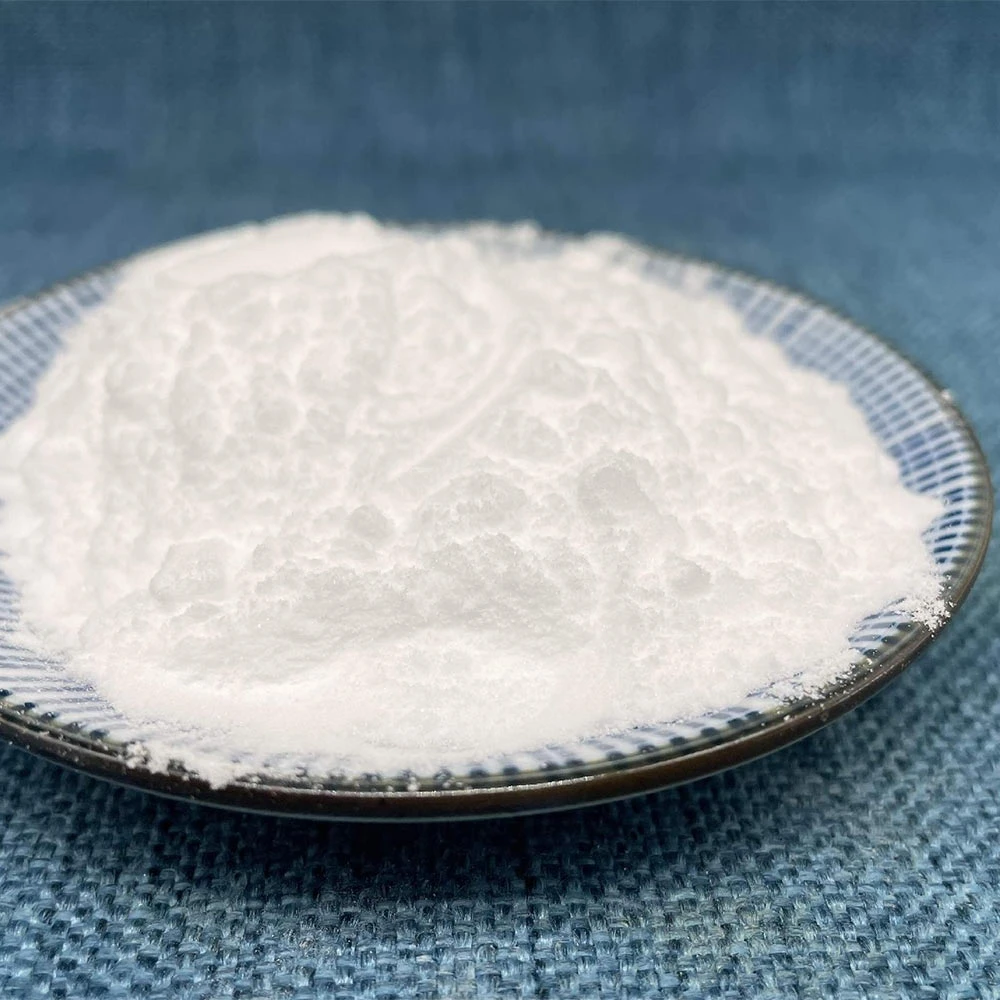
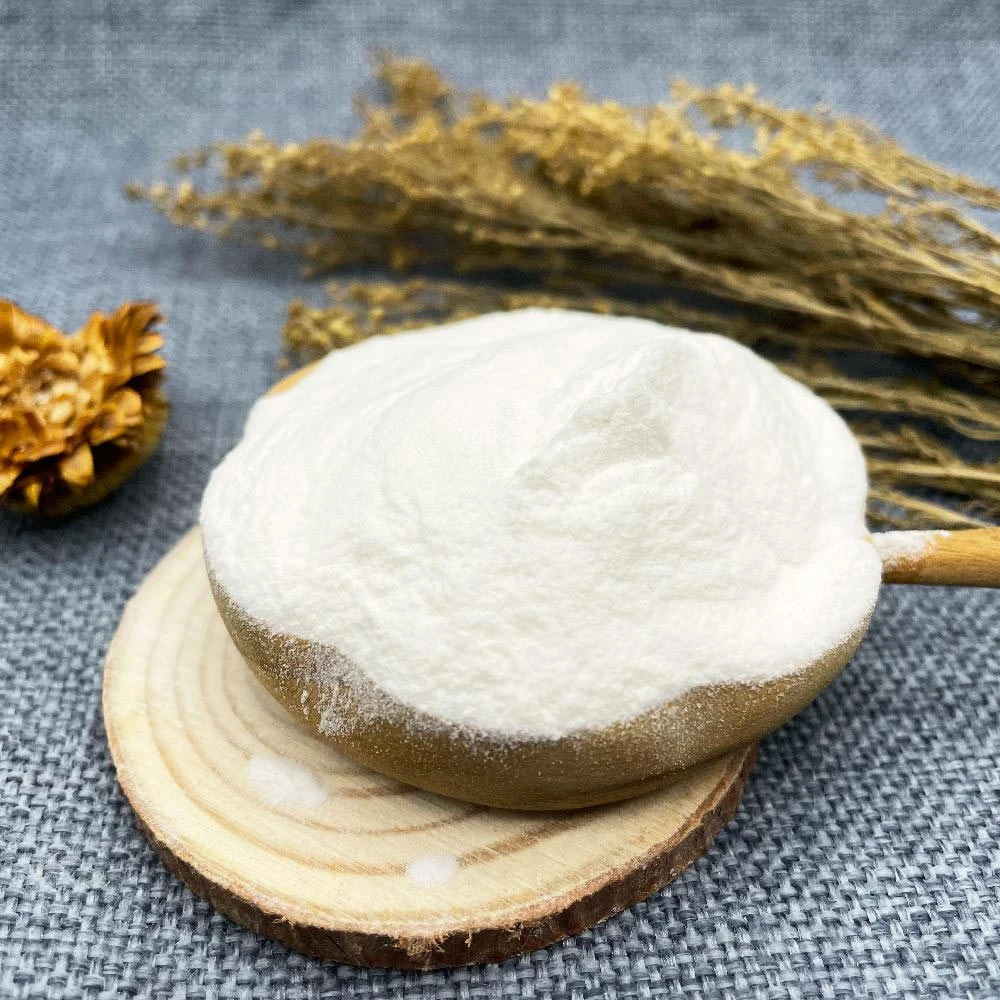
- Molecular & Physical Properties: Critical for identification, the msds of polyvinyl alcohol includes molecular formula (C₂H₄O)ₙ, molecular weight (varies by degree of polymerization, typically 20,000–200,000 g/mol), and physical characteristics (white to off-white powder/granules, solubility in water above 80°C). These properties help wholesalers distinguish pure pva additive from adulterated products, ensuring consistency for client applications (e.g., adhesives, coatings, construction materials).
Regulatory Requirements for MSDS of Polyvinyl Alcohol
|
Regulatory Criterion |
Polyvinyl Alcohol MSDS Requirement |
Incomplete MSDS Limitation |
Wholesale Value |
|
GHS Compliance |
Polyvinyl alcohol msds must align with GHS (Globally Harmonized System) labeling, including hazard statements (e.g., H319 for eye irritation) |
Missing GHS classification leads to non-compliance with global safety standards |
Compliant documentation reduces legal risks; facilitates cross-border trade |
|
Impurity Disclosure |
Must list impurities (≤0.5% max) and additives in pva additive (e.g., plasticizers, stabilizers) |
Undisclosed impurities cause application failures or safety hazards for end-users |
Transparent disclosure builds trust with manufacturers; reduces product return rates |
|
Chemical Purity Grade |
Specify purity (≥98% for industrial grade) and degree of hydrolysis (85–99% for common grades) |
Unspecified purity limits restricts use in high-performance applications |
Clear grading expands market reach to specialized industries (e.g., pharmaceuticals, textiles) |
|
Regulatory Citations |
Reference relevant standards (e.g., FDA 21 CFR Part 177 for food-contact PVA) |
Lack of regulatory references raises compliance doubts for clients |
Validated compliance enables sales to regulated sectors; enhances product credibility |
PVA Additive: Application-Specific Identification in MSDS
- Industrial vs. Specialized Grades: The msds of polyvinyl alcohol must differentiate between grades to support wholesale clients’ diverse needs. TANG ZHI’s industrial-grade pva additive (used in construction adhesives, paper coatings) includes identification of hydrolysis degree (88% for general use) and viscosity (20–40 mPa·s), while their high-purity grade (for electronics, medical devices) highlights low ash content (≤0.1%) and heavy metal limits (Pb ≤10 ppm) in the polyvinyl alcohol msds. This granularity helps wholesalers match products to client applications accurately.
- Compatibility & Reactivity Data: Critical for end-user safety, the msds of polyvinyl alcohol details incompatible substances (strong oxidizers, concentrated acids) and stability under storage conditions (avoid temperatures >50°C). TANG ZHI’s documentation also includes reactivity information for pva additive blends, helping wholesalers advise clients on safe formulation practices—adding value beyond basic product supply.
Wholesale-Centric Benefits of Accurate Polyvinyl Alcohol MSDS
- Streamlined Customs & Logistics: For international wholesalers, a compliant polyvinyl alcohol msds with precise chemical identification accelerates customs clearance. TANG ZHI’s documentation includes all required data (CAS number, GHS labels, regulatory citations) to meet import requirements of major markets (EU REACH, US TSCA, Chinese GB/T 16483). Their proximity to Tianjin and Qingdao ports, paired with proper documentation, ensures swift delivery to global wholesale partners.
- Risk Mitigation for Clients: Wholesalers face liability if supplied products lack accurate safety data. TANG ZHI’s comprehensive msds of polyvinyl alcohol equips wholesalers to provide clients with critical safety information (e.g., first aid measures, fire fighting protocols), reducing the risk of workplace accidents or product misuse claims. This support strengthens long-term client relationships and positions wholesalers as trusted partners.
Polyvinyl Alcohol MSDS FAQS
Does the MSDS of Polyvinyl Alcohol Include Customization for Wholesale Clients?
Yes—TANG ZHI TECHNOLOGY offers customized msds of polyvinyl alcohol for wholesale orders, tailoring documentation to regional regulatory requirements (e.g., EU REACH vs. US OSHA) or client-specific application needs (e.g., food-contact vs. industrial use). Their team works with wholesalers to ensure the MSDS aligns with target market standards, simplifying compliance.
How Does Polyvinyl Alcohol MSDS Support PVA Additive Quality Verification?
The polyvinyl alcohol msds includes key quality indicators (purity, hydrolysis degree, viscosity) that wholesalers can cross-verify with batch test reports. TANG ZHI’s MSDS data is synchronized with their production records, ensuring consistency between documentation and actual product quality—enabling wholesalers to confirm they’re supplying high-grade pva additive to clients.
Is the PVA Additive’s Environmental Impact Disclosed in the MSDS?
Yes—TANG ZHI’s msds of polyvinyl alcohol details environmental hazards (e.g., aquatic toxicity, biodegradability) and disposal requirements (e.g., landfill vs. incineration per local regulations). This information helps wholesalers cater to eco-conscious clients and comply with green supply chain standards, expanding market access to sustainable-focused industries.
How Often Is the Polyvinyl Alcohol MSDS Updated for Wholesale Partners?
TANG ZHI updates polyvinyl alcohol msds annually or whenever there are regulatory changes (e.g., new GHS revisions) or product formula adjustments. Wholesale partners receive automatic updates to ensure they’re distributing the most current documentation, avoiding non-compliance risks due to outdated safety data.
Can TANG ZHI Provide Bulk Copies of MSDS of Polyvinyl Alcohol for Wholesale Orders?
Absolutely—for large wholesale orders, TANG ZHI supplies digital and printed copies of msds of polyvinyl alcohol in multiple languages (English, Spanish, German, Chinese) to support global distribution. They also offer API integration for wholesalers’ inventory systems, enabling seamless access to MSDS documents for end-clients.
-
HPMC High-Performance Thickener | Hebei TangzhiNewsMar.06,2026
-
Wholesale Water Reducing Admixture for Special Cement: Performance and Market InsightsNewsFeb.28,2026
-
The Complete Guide to HPMC: Types, Applications, Grades, and Manufacturing InsightsNewsFeb.28,2026
-
Redispersible Polymer Powder: Types, Applications, and Performance AdvantagesNewsFeb.28,2026
-
Hydroxymethyl Ethyl Cellulose (MHEC): Properties, Applications, and Market InsightsNewsFeb.28,2026
-
Hydroxyethyl Cellulose: Applications, Performance, and Buying GuideNewsFeb.28,2026