CMC Carboxymethyl Cellulose: A Versatile Polymer for Modern Industry
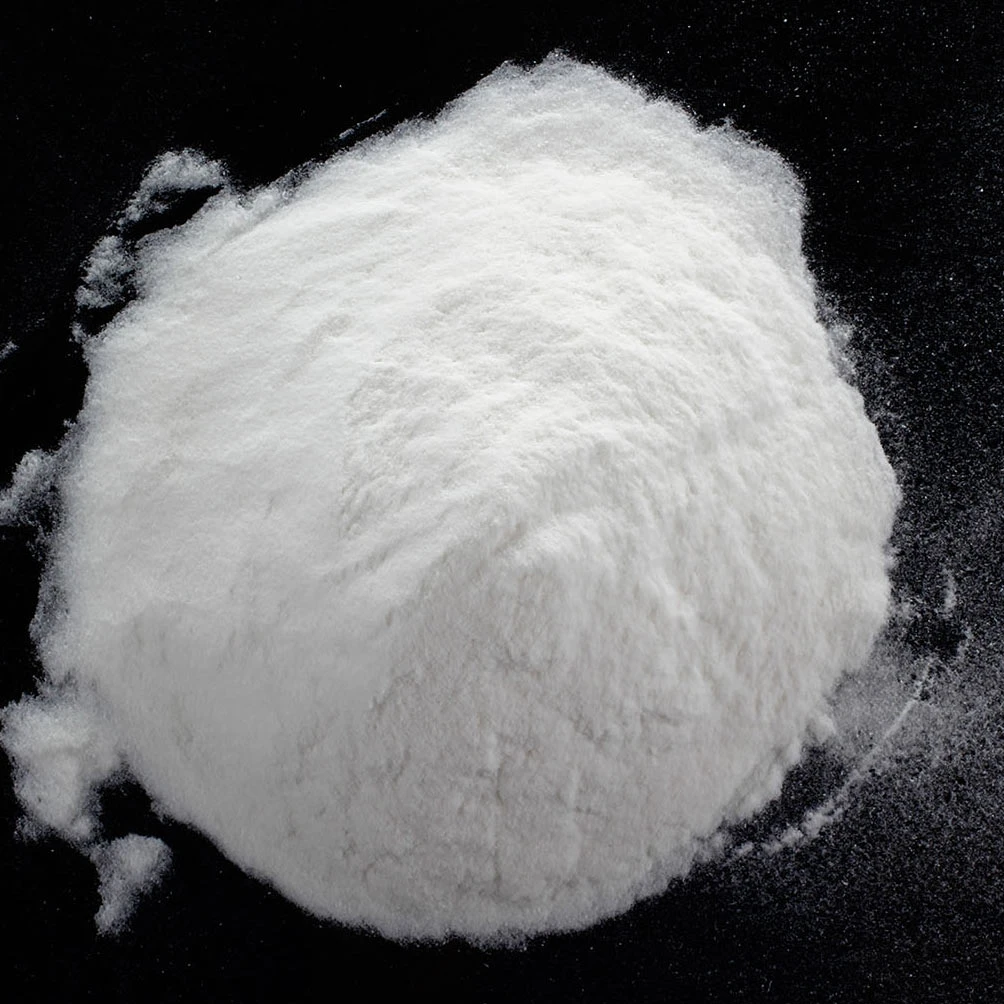
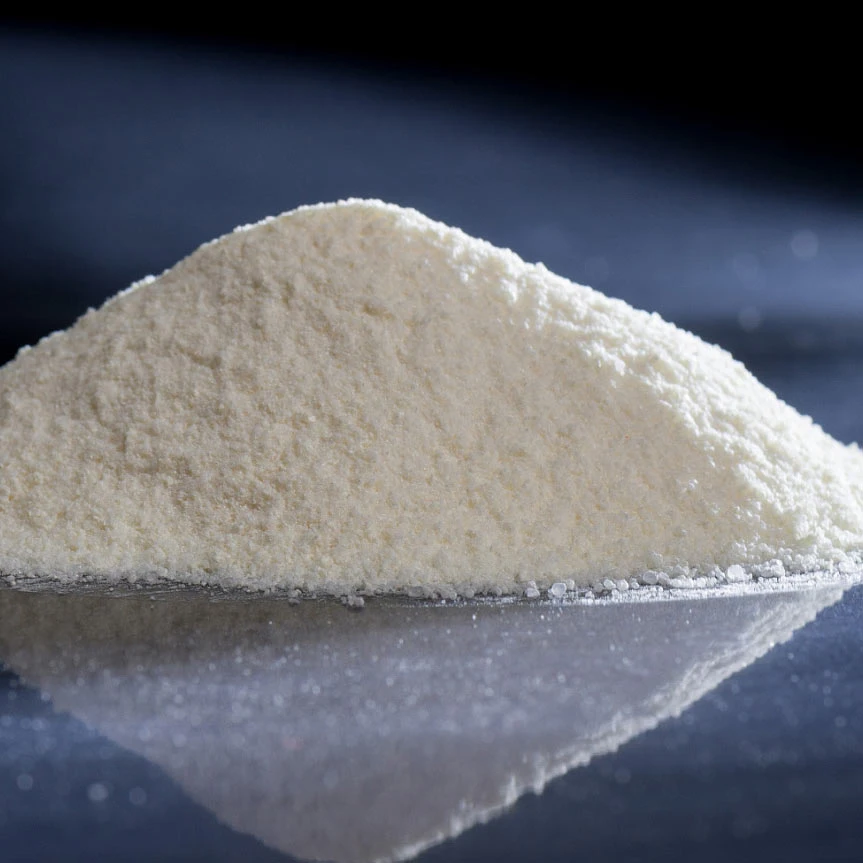
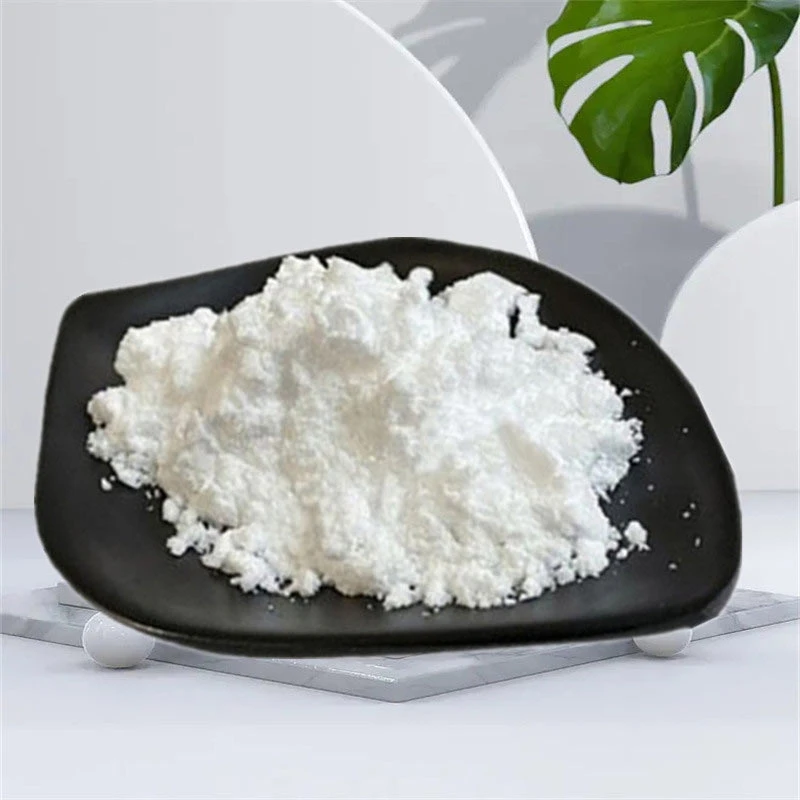
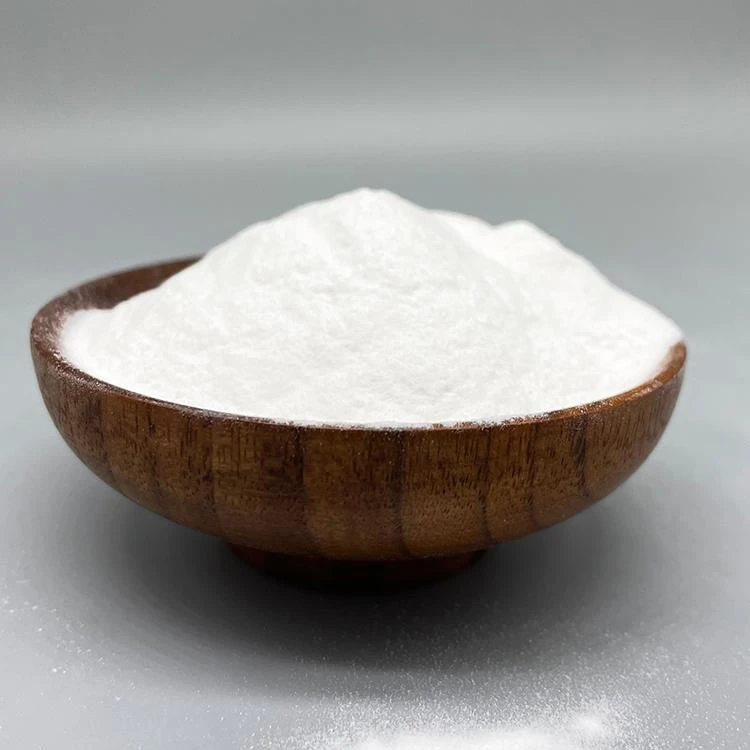
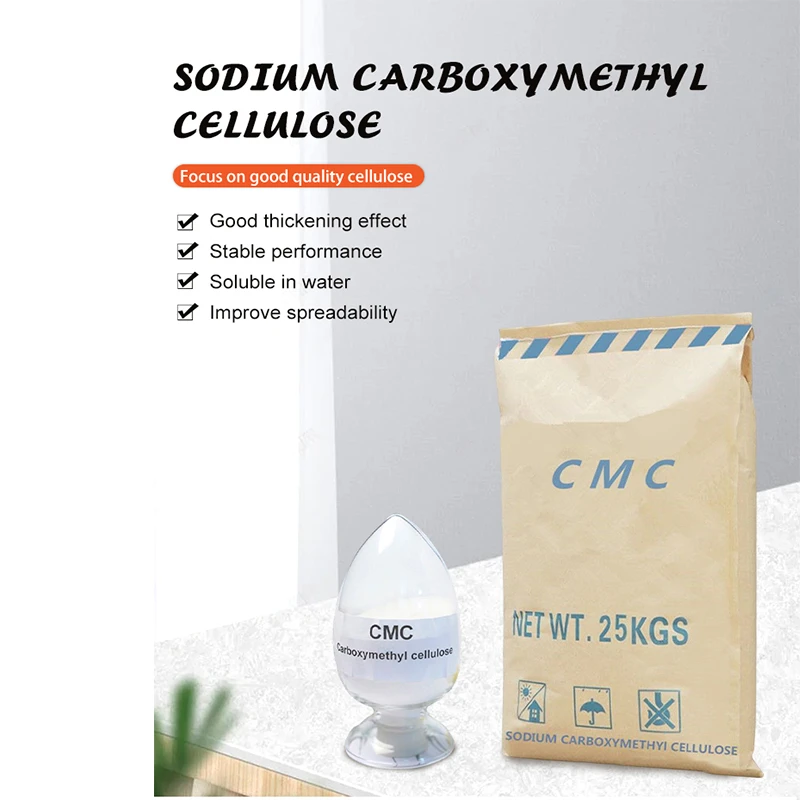
Carboxymethyl cellulose (CMC) is a water-soluble cellulose ether derived from natural sources, such as wood pulp or cotton linters. Known for its thickening, stabilizing, and film-forming properties, CMC carboxymethyl cellulose is widely used across industries—from food and pharmaceuticals to detergents and construction. This powerful ingredient exists in several forms, including CMC sodium carboxymethyl cellulose and sodium carboxy cellulose, each offering specific benefits based on the application.

What Is CMC POL and How Is It Used?
In industrial and commercial contexts, CMC pol is a common abbreviation used to describe the polymeric structure of carboxymethyl cellulose. It’s highly valued for its ability to modify viscosity, retain moisture, and stabilize emulsions. Whether you’re producing sauces, personal care products, or drilling fluids, CMC pol enhances consistency and performance while remaining safe, non-toxic, and biodegradable.
A key variant of this polymer is CMC sodium carboxymethyl cellulose, also known as sodium carboxy cellulose. This sodium salt form dissolves easily in water, creating a stable colloidal solution that can be tailored for a wide range of viscosities. Its flexibility makes it ideal for food products, where it acts as a thickener and stabilizer; in toothpaste, where it gives structure and smoothness; and in pharmaceuticals, where it’s used as a binder or disintegrant in tablets.
Another term for this ingredient is CMC natrium, where "natrium" refers to sodium in Latin-derived nomenclature. In some regions, especially in Europe, CMC natrium is used interchangeably with sodium carboxy cellulose, emphasizing the sodium-based chemical structure of the compound.

Market Demand and Industrial Applications
The global demand for CMC carboxymethyl cellulose has been steadily increasing due to its broad application range and plant-based origin. From food-grade CMC to industrial-grade variants, manufacturers are turning to this polymer for its efficiency and adaptability. In construction, CMC improves the performance of cement and gypsum-based products by controlling water retention and workability. In detergents, it prevents dirt from redepositing onto fabrics.
One of the reasons for its popularity is its cost-effectiveness. CMC pol is used in very small quantities to achieve significant improvements in product quality. Moreover, its stability under heat and pH variations makes it ideal for complex formulations.
While CMC sodium carboxymethyl cellulose and sodium carboxy cellulose are the most commonly used types, they are often customized for specific industry needs. Suppliers offer different grades based on viscosity, degree of substitution, and purity, ensuring manufacturers get exactly what they need for their products.
Whether it's labeled as CMC pol, CMC natrium, or CMC carboxymethyl cellulose, this versatile ingredient plays a central role in enhancing product texture, stability, and performance. The widespread use of sodium carboxy cellulose and CMC sodium carboxymethyl cellulose across food, pharmaceuticals, and industrial sectors highlights its value as a reliable, sustainable, and efficient additive. As industries move toward more environmentally friendly and cost-effective solutions, CMC remains a smart and essential choice.
-
HPMC High-Performance Thickener | Hebei TangzhiNewsMar.06,2026
-
Wholesale Water Reducing Admixture for Special Cement: Performance and Market InsightsNewsFeb.28,2026
-
The Complete Guide to HPMC: Types, Applications, Grades, and Manufacturing InsightsNewsFeb.28,2026
-
Redispersible Polymer Powder: Types, Applications, and Performance AdvantagesNewsFeb.28,2026
-
Hydroxymethyl Ethyl Cellulose (MHEC): Properties, Applications, and Market InsightsNewsFeb.28,2026
-
Hydroxyethyl Cellulose: Applications, Performance, and Buying GuideNewsFeb.28,2026