Comprehensive Guide to HPMC: Types, Uses, and Formulation
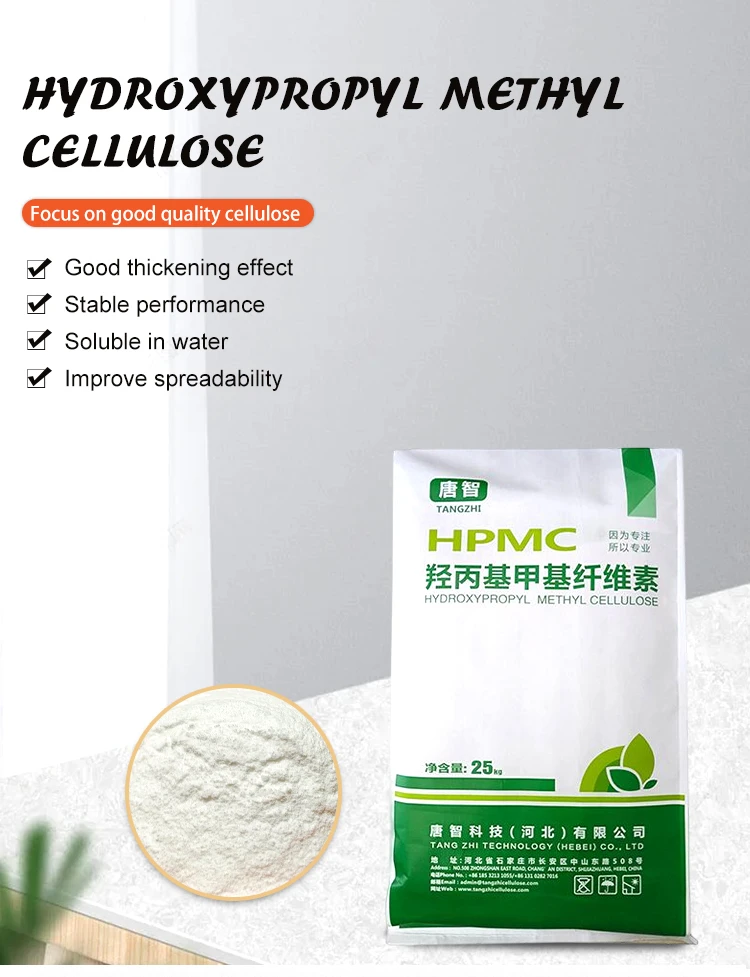
HPMC full form is Hydroxypropyl Methyl Cellulose, a versatile cellulose derivative widely used in pharmaceuticals, food, cosmetics, and construction industries. Thanks to its water solubility, film-forming ability, and chemical stability, HPMC polymer has become a key material for binders, coatings, gels, and controlled-release applications. This article explores HPMC types, grades, formulations, and practical considerations such as HPMC gel preparation, solubility, and safety.
Types and Grades of HPMC
HPMC types vary based on viscosity, molecular weight, substitution, and intended application. Understanding these differences is essential for selecting the right grade for pharmaceuticals, food, or industrial purposes.
Pharmaceutical and Coating Grades
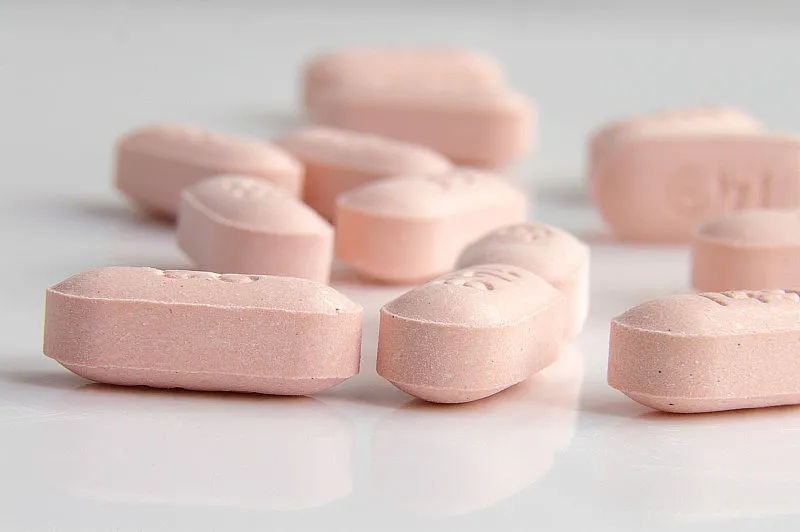
HPMC enteric coating is designed for acid-resistant tablets, protecting active ingredients from stomach acid while enabling release in the intestine.
HPMC film coating improves tablet appearance, taste masking, and provides a uniform barrier against moisture and light.
Grades like HPMC K100 are selected based on viscosity requirements for controlled-release and sustained-release formulations.
Other specialty grades are designed for solubility, gelation, or HPMC glass transition temperature, which impacts storage and processing.
Food and Nutraceutical Applications
HPMC food grade is widely used as a thickener, stabilizer, and film-forming agent.
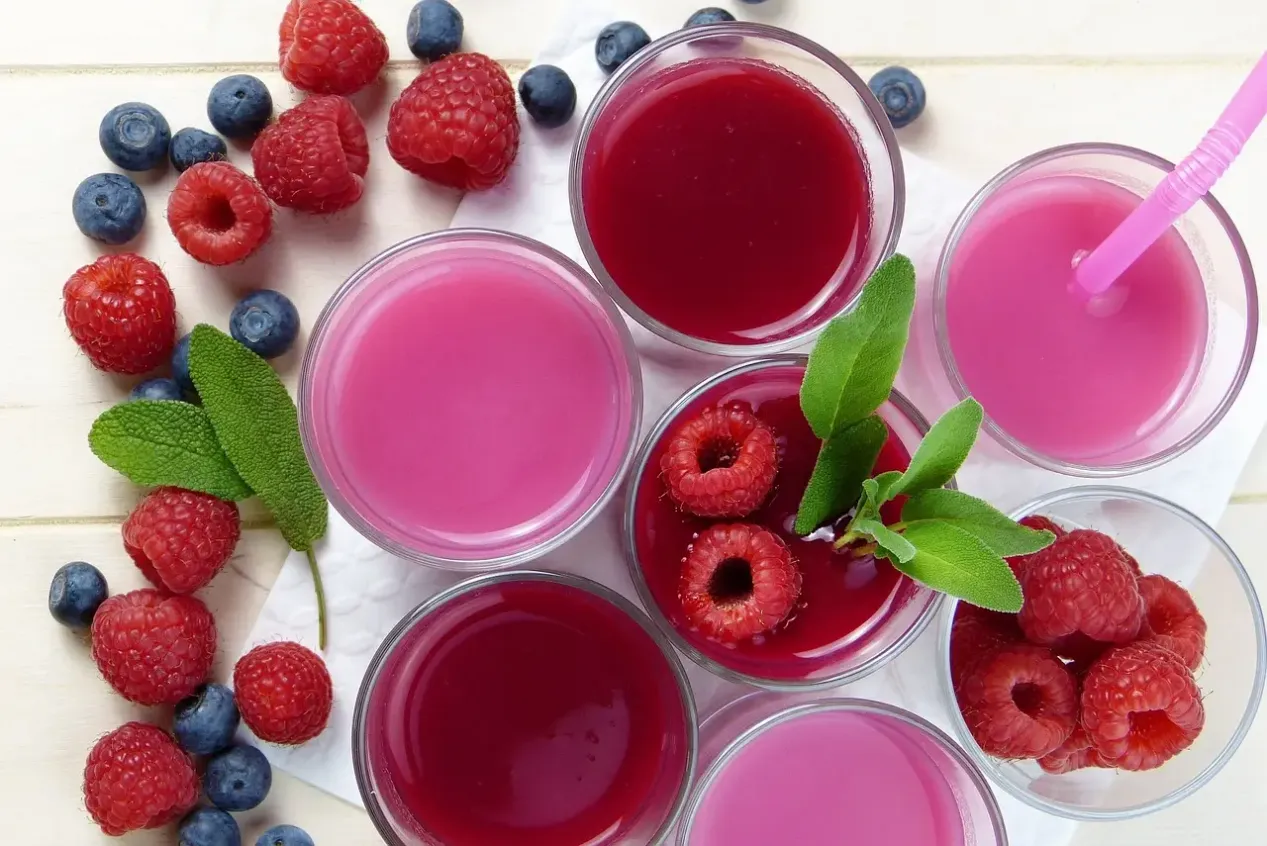
Applications include beverages such as HPMC juice, bakery products, and processed foods, where it improves texture, mouthfeel, and shelf life.
Understanding HPMC in food and its interactions with pH (HPMC pH) ensures optimal performance in diverse food matrices.
Ophthalmic and Cosmetic Uses
HPMC in eye drops acts as a lubricant and viscosity enhancer, providing relief for dry eyes and improving retention of active ingredients.
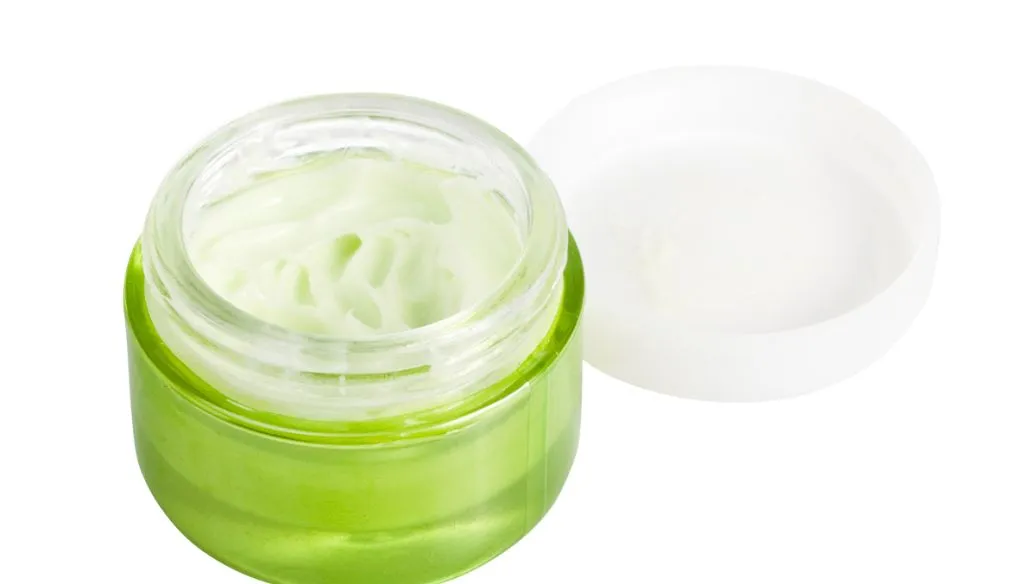
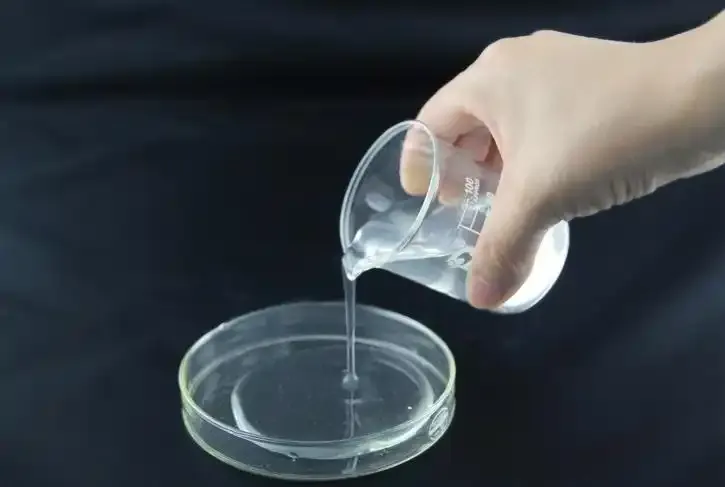
The HPMC gel can be prepared for topical formulations in pharmaceuticals and personal care products.
HPMC gelation temperature is critical for ensuring appropriate viscosity and stability in gels used for ophthalmic or cosmetic applications.
Industrial and Other Applications
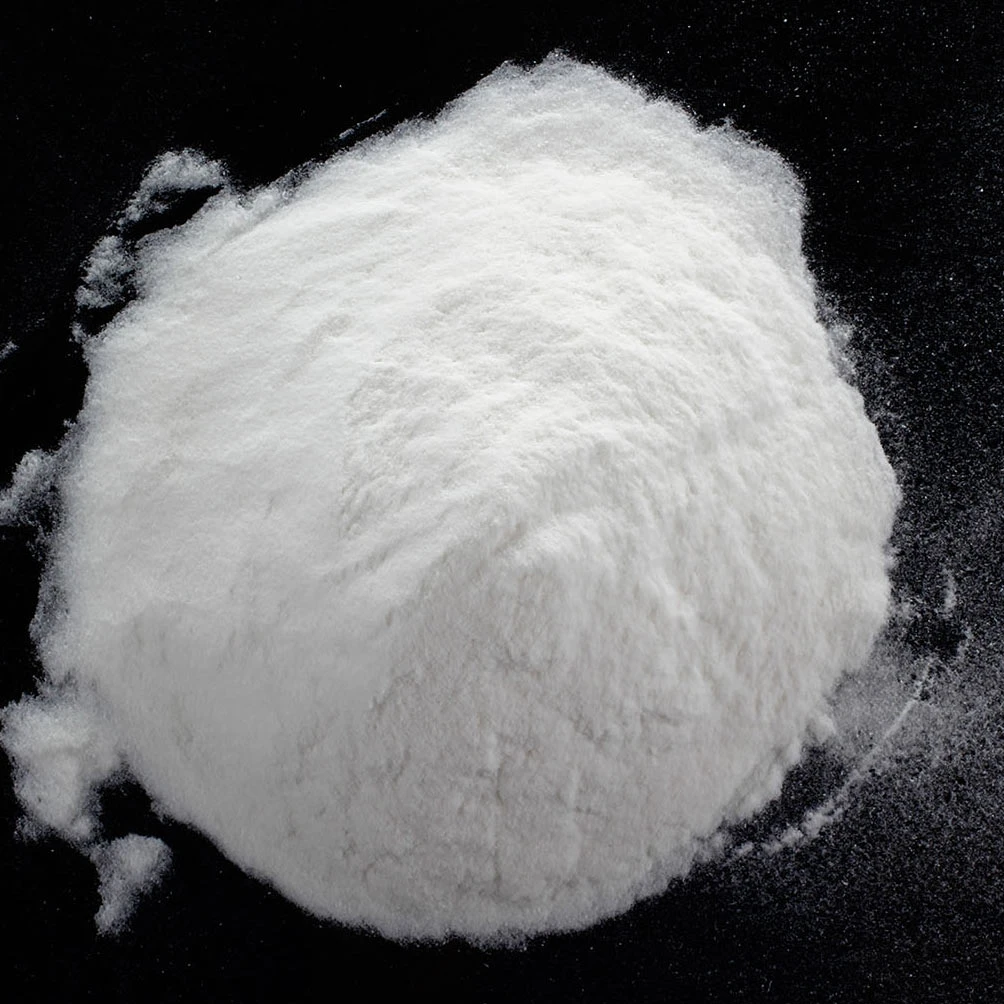
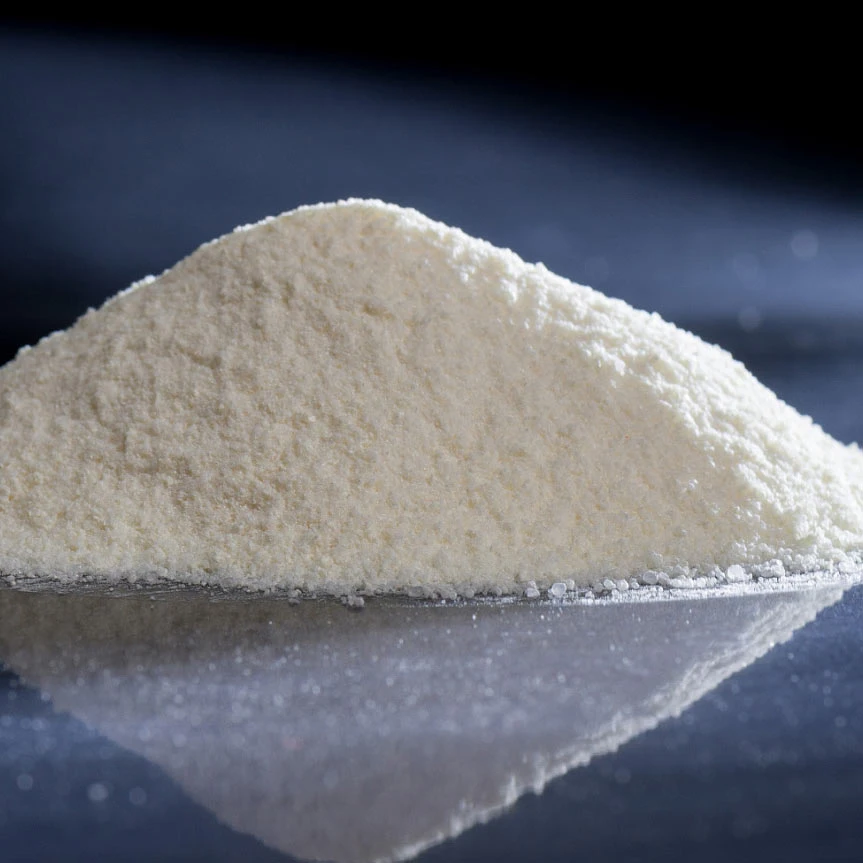
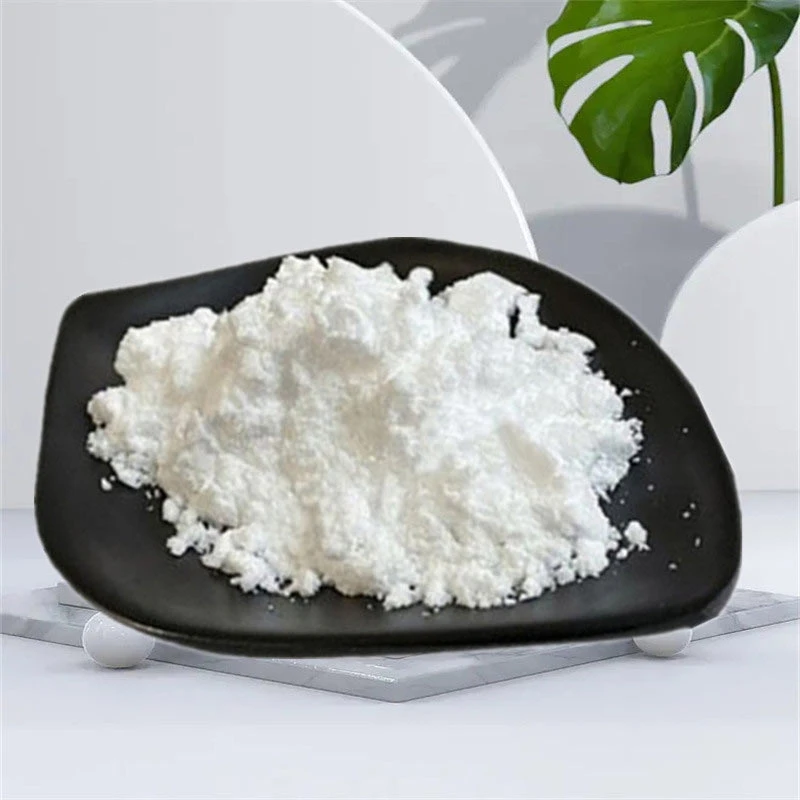
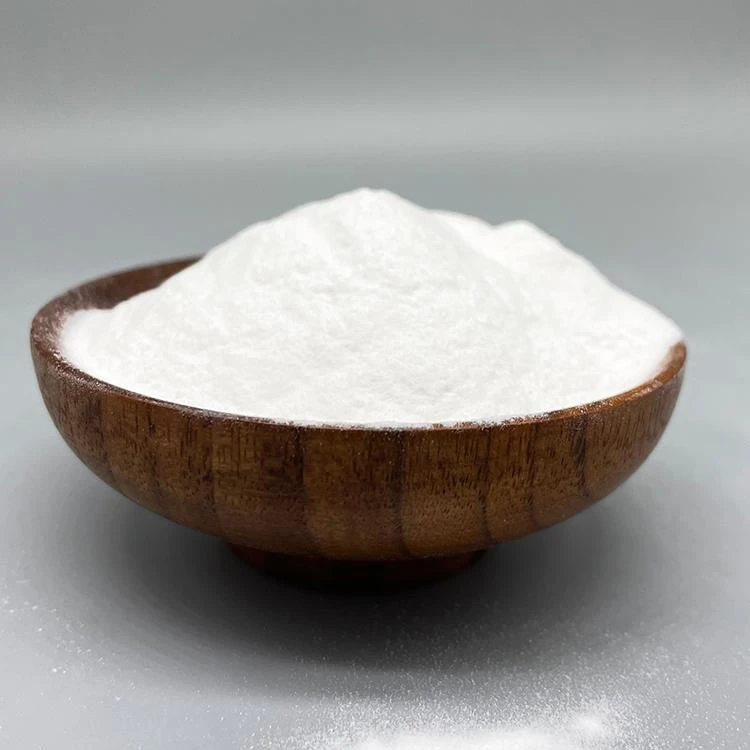
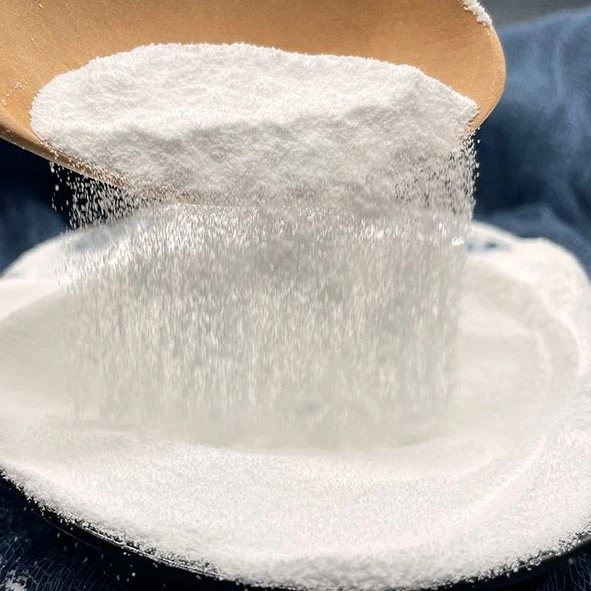
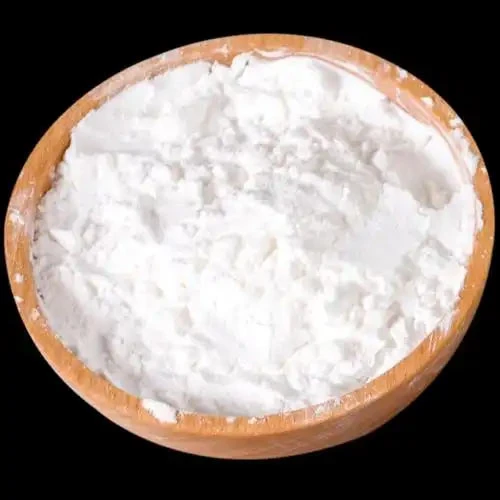
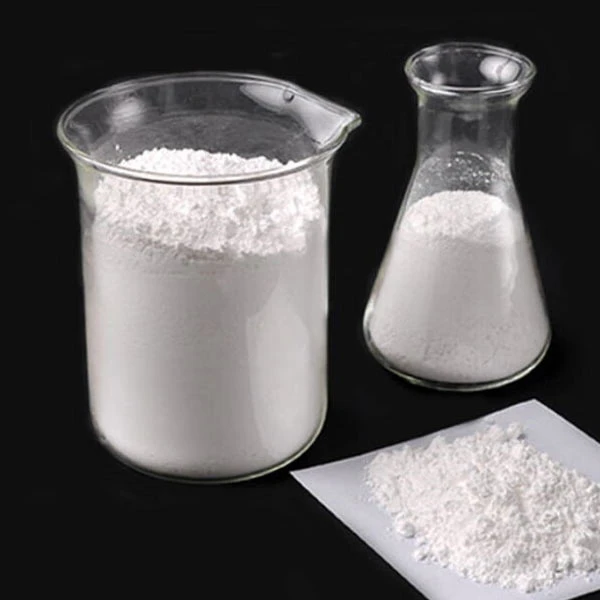
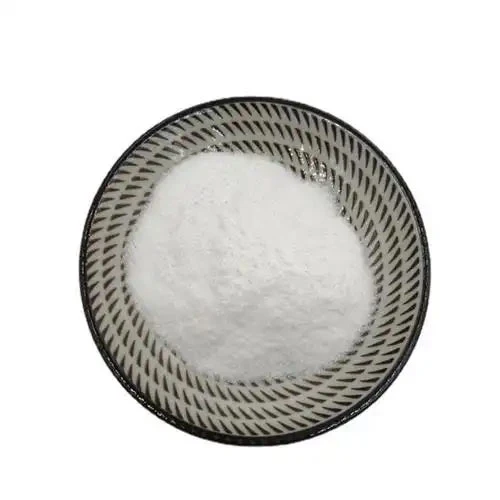
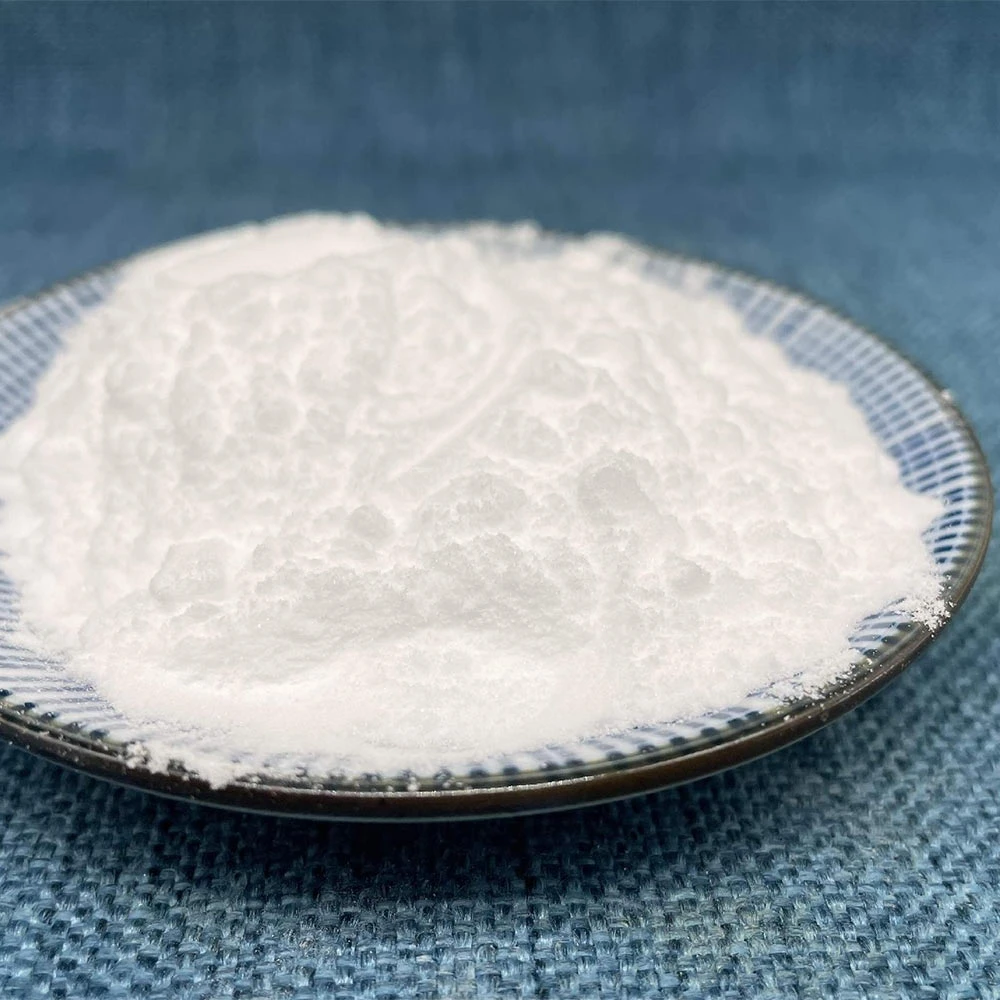
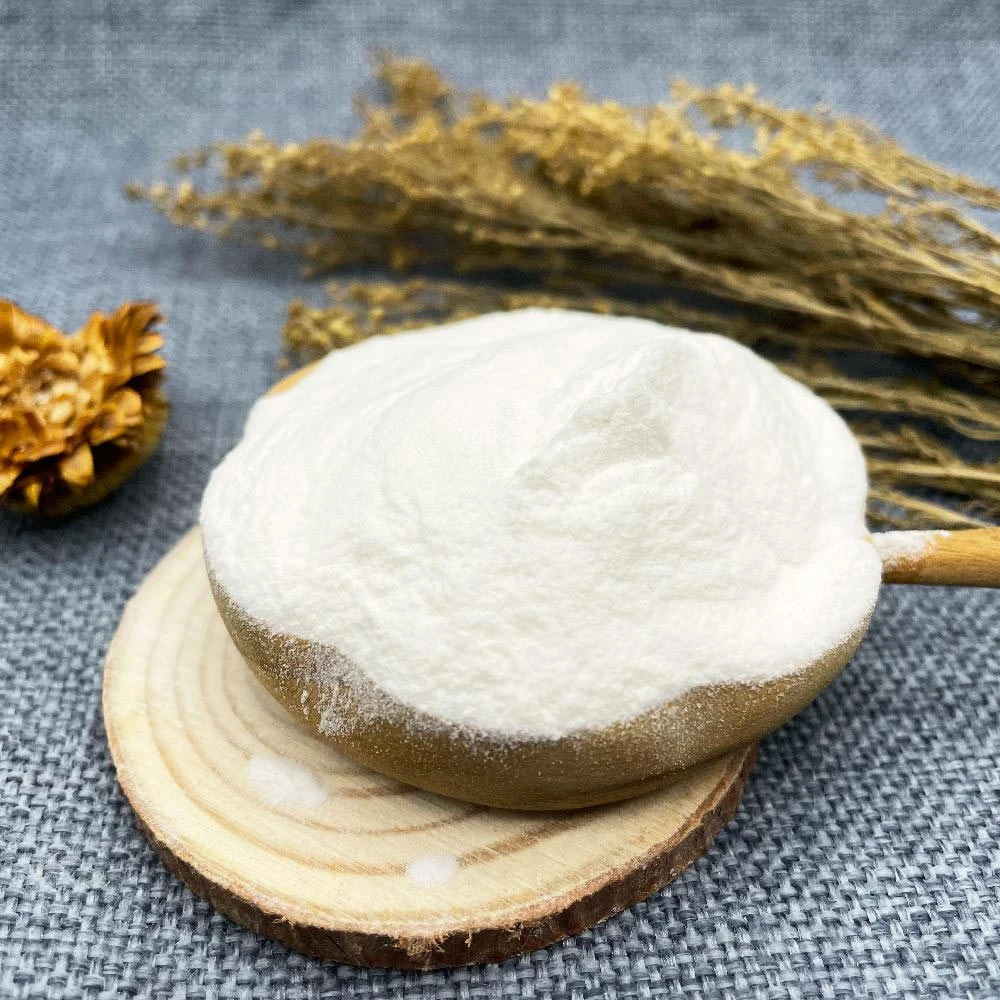
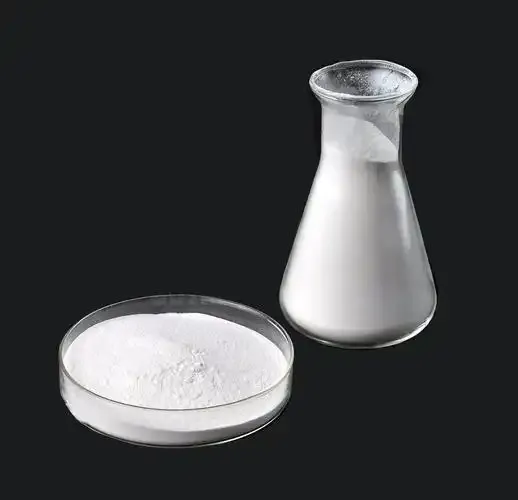
HPMC powder is versatile and used in construction, coatings, adhesives, and paints.
HPMC phthalate and other derivatives provide pH-sensitive and enteric functionalities.
Proper handling requires reference to HPMC safety and HPMC SDS (Safety Data Sheet) guidelines.
HPMC HS code is used for customs and classification purposes in international trade.
HPMC Formulation and Gel Preparation
Formulation strategies and HPMC gel preparation are crucial for achieving desired properties across applications.
Gel Formation and Solubility
HPMC solubility is influenced by viscosity grade, temperature, and the type of water used. Low-viscosity grades dissolve more quickly, while high-viscosity grades may require gentle heating.
HPMC gelation temperature refers to the temperature at which the polymer transitions from a liquid to a gel. Correct control of this parameter ensures stability in gels used for ophthalmic, pharmaceutical, or food applications.
The HPMC glass transition temperature is an important physical property that affects storage stability, film formation, and mechanical behavior of coatings.
Pharmaceutical and Food Formulations
HPMC formulation in tablets involves selecting the appropriate grade and viscosity for binding, coating, and controlled release.
In foods and beverages, HPMC juice or other liquid systems benefit from its stabilizing properties, improving texture and preventing phase separation.
HPMC products such as HPMC powder or pre-formulated gels are optimized for specific applications, from enteric coatings to ophthalmic gels.
Practical Tips for Gel Preparation
Gradually add HPMC powder to cold water while stirring to prevent clumping.
Heating may be applied for high-viscosity grades or to accelerate dissolution.
Adjust pH and additives carefully to maintain stability, particularly in HPMC food or HPMC in eye drops.
Conclusion
HPMC polymer is a multifunctional material used extensively in pharmaceuticals, food, cosmetics, and industrial applications. From HPMC enteric coating and HPMC film coating to HPMC gel preparation and its role in HPMC juice formulations, it offers versatility, stability, and safety. Understanding HPMC types, grades, solubility, and HPMC gelation temperature ensures optimal application performance.
As industries continue to innovate, HPMC formulation remains a key factor in achieving consistent quality, functionality, and consumer safety. With proper handling according to HPMC safety and HPMC SDS guidelines, HPMC continues to be an indispensable polymer for modern applications.
FAQs on HPMC
What are the main types and grades of HPMC?
Answer:HPMC typesinclude pharmaceutical grades for HPMC enteric coating and HPMC film coating, food grades for HPMC food, and specialty grades such as HPMC K100. HPMC grades are selected based on viscosity, solubility, and intended application.
How is HPMC gel prepared and what is its gelation temperature?
Answer:HPMC gel preparationinvolves slowly dispersing HPMC powder in cold water while stirring. The HPMC gelation temperature is the point where it transitions from liquid to gel, critical for ophthalmic, pharmaceutical, and food applications.
Can HPMC be used in food and beverages?
Answer:Yes, HPMC in foodand beverages like HPMC juice acts as a thickener, stabilizer, and film former, enhancing texture, mouthfeel, and shelf life. HPMC food grade ensures safety and regulatory compliance.
What are the solubility and pH considerations for HPMC?
Answer:HPMC solubilitydepends on viscosity, temperature, and water quality. Its performance can be influenced by HPMC pH, which affects gel formation, stability, and compatibility with other ingredients.
Is HPMC safe to use in pharmaceuticals and food?
Answer:Yes, HPMC safetyhas been evaluated in numerous applications. It is widely used in tablets, HPMC enteric coating, HPMC film coating, ophthalmic solutions, and food. Users should refer to HPMC SDS for handling, storage, and safety guidelines.
-
HPMC High-Performance Thickener | Hebei TangzhiNewsMar.06,2026
-
Wholesale Water Reducing Admixture for Special Cement: Performance and Market InsightsNewsFeb.28,2026
-
The Complete Guide to HPMC: Types, Applications, Grades, and Manufacturing InsightsNewsFeb.28,2026
-
Redispersible Polymer Powder: Types, Applications, and Performance AdvantagesNewsFeb.28,2026
-
Hydroxymethyl Ethyl Cellulose (MHEC): Properties, Applications, and Market InsightsNewsFeb.28,2026
-
Hydroxyethyl Cellulose: Applications, Performance, and Buying GuideNewsFeb.28,2026