Drilling Fluids with Carboxymethyl Cellulose
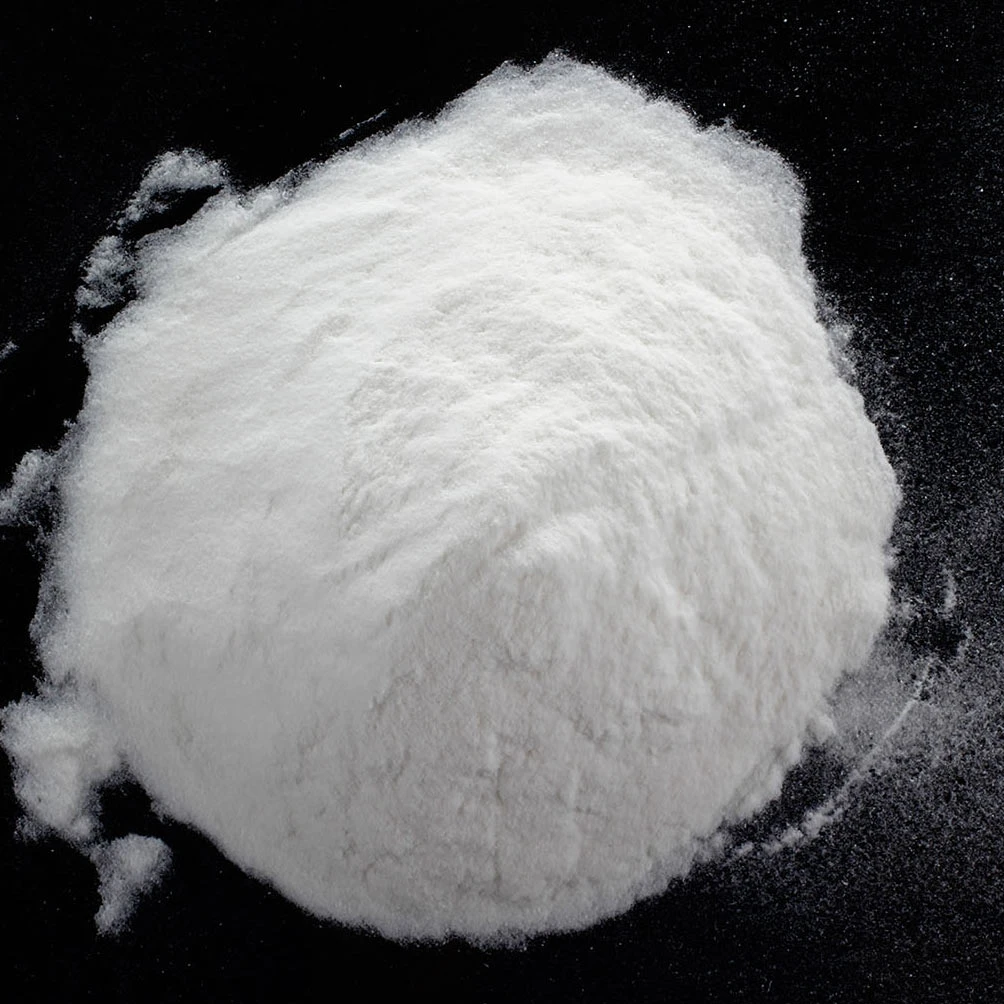
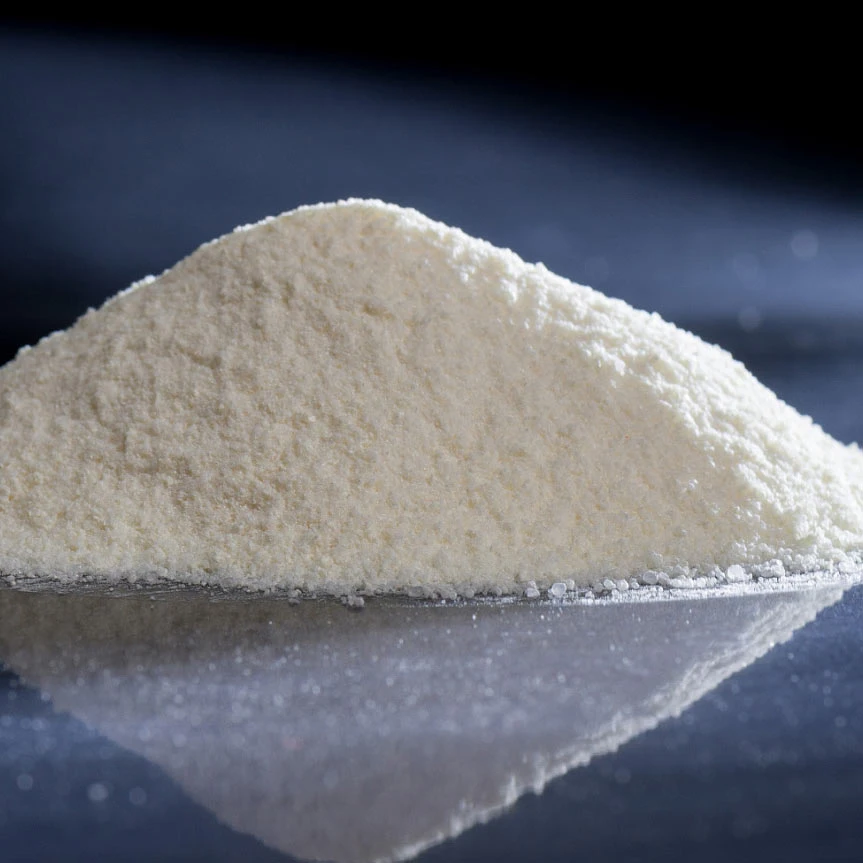
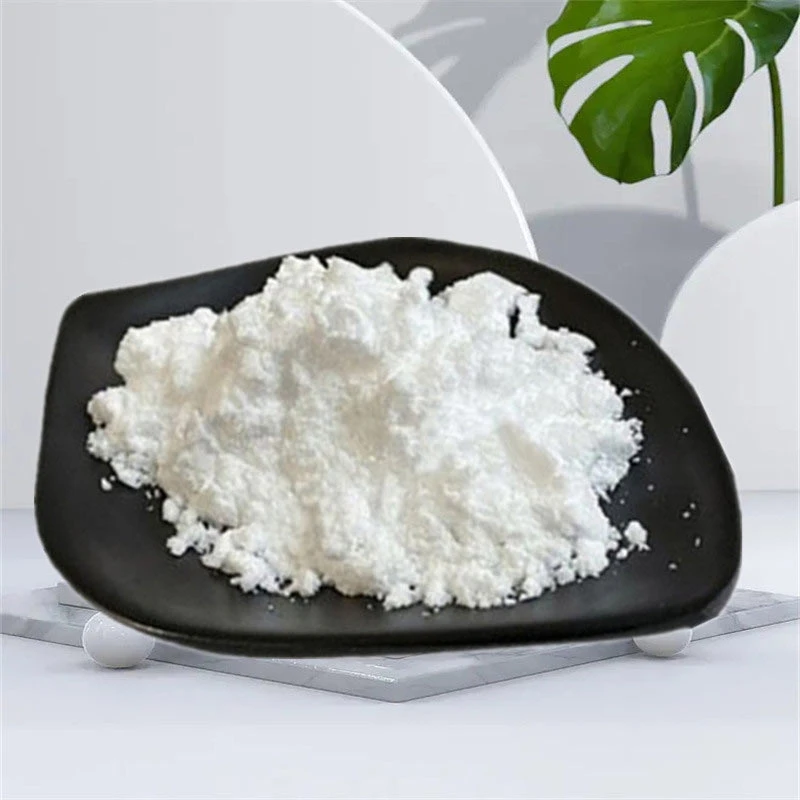
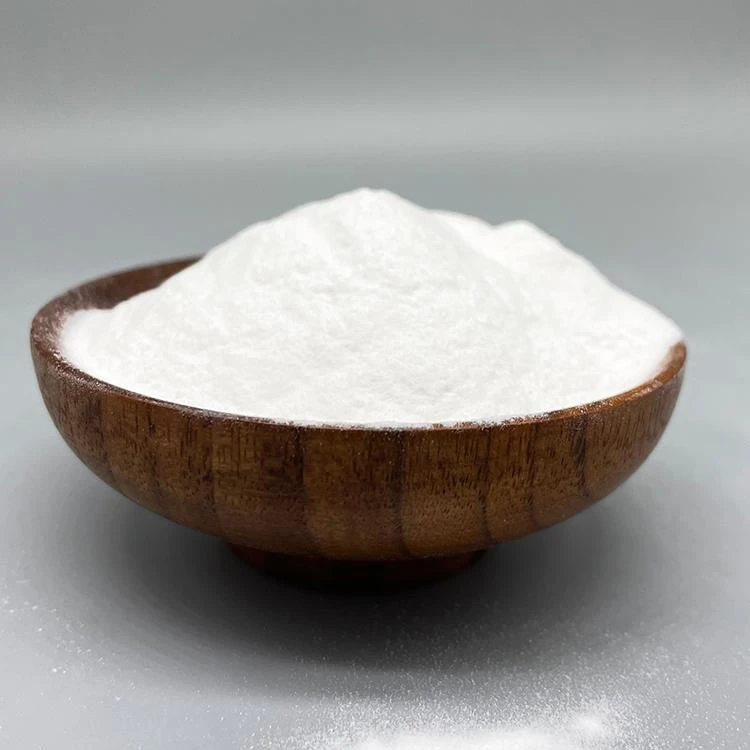
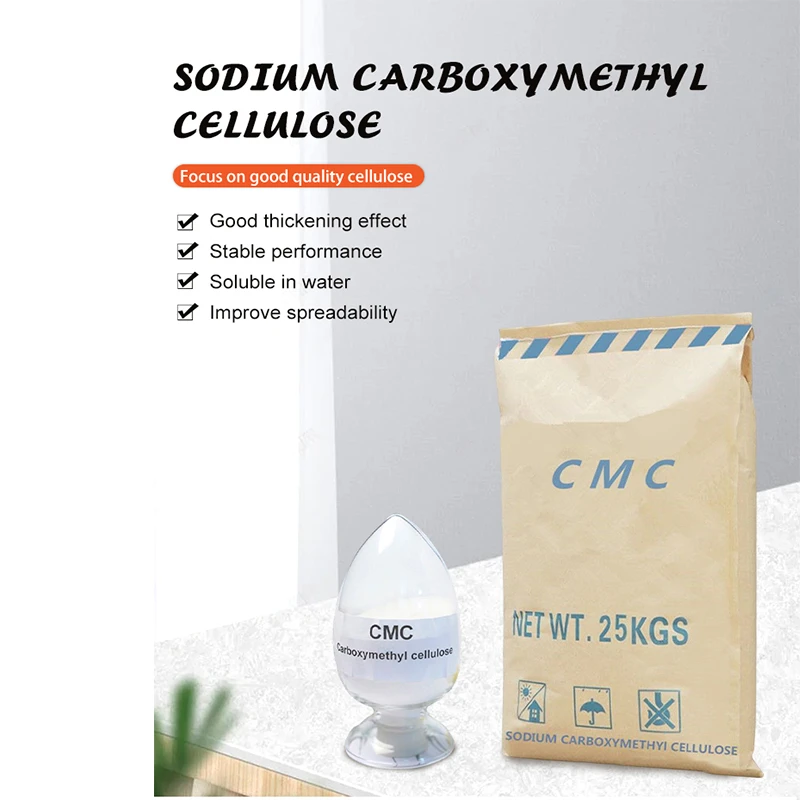
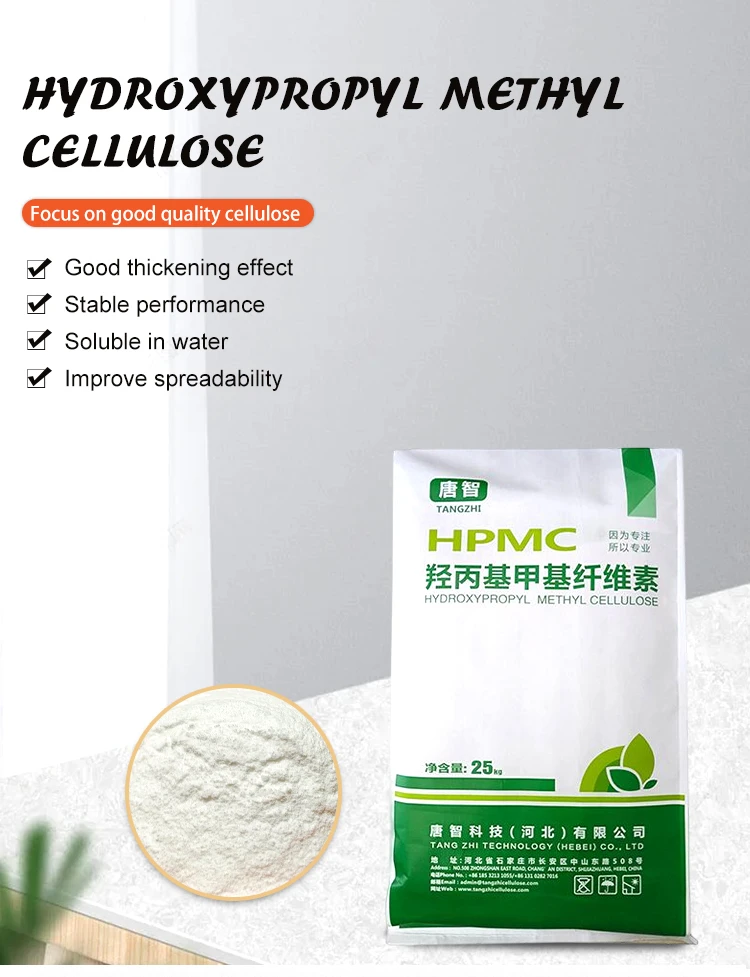
Drilling fluids are the lifeblood of oil and gas exploration—optimizing wellbore stability, lubricating drill bits, and carrying cuttings to the surface—and carboxy methyl cellulose (known universally as cmc) has emerged as a game-changing additive in their formulation. As a versatile cmc polymer, this water-soluble compound enhances drilling fluid performance across diverse geological conditions, from soft clays to hard rock formations. TANG ZHI TECHNOLOGY (HeBei) CO. LTD, a professional enterprise integrating science, technology, manufacture and trade, produces high-quality cmc and other polymers (HPMC, MHEC, PVA) with an annual capacity of over 40,000 tons. Their state-of-the-art factory in Hebei, connected to major transportation networks and ports, enables efficient bulk supply to wholesalers worldwide. This article explores how cmc transforms drilling fluids, highlighting its key benefits, applications, and technical advantages—critical insights for wholesalers serving the oil and gas industry.
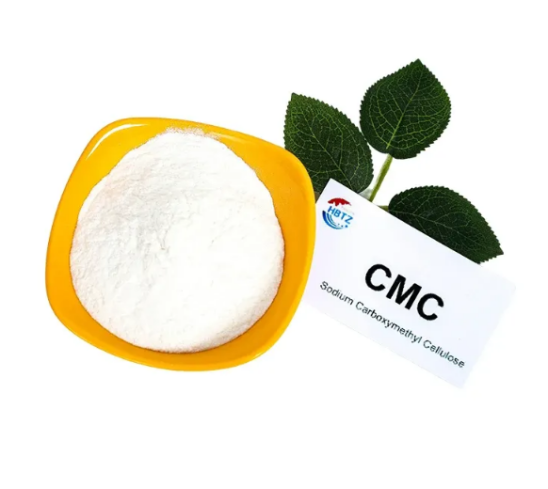
Key Functions: CMC Polymer Enhancing Drilling Fluid Performance
- Viscosity Control & Suspension: cmc polymer acts as a powerful viscosifier, adjusting drilling fluid thickness to match well conditions. In low-permeability formations, it increases viscosity to suspend drill cuttings, preventing them from settling and clogging the wellbore. TANG ZHI’s cmc products offer adjustable molecular weights, allowing wholesalers to cater to clients needing fluids for shallow (low-viscosity) or deep (high-viscosity) wells. This versatility ensures drilling efficiency, reducing downtime caused by wellbore instability.
- Fluid Loss Control: One of carboxy methyl cellulose’s most critical roles is minimizing fluid loss into the formation. The cmc molecules form a thin, impermeable filter cake on the wellbore wall, retaining water in the drilling fluid while preventing formation damage. For wholesalers, this function is a key selling point—clients benefit from reduced water consumption, lower treatment costs, and improved reservoir productivity post-drilling. TANG ZHI’s high-purity cmc ensures consistent filter cake formation, even in high-temperature (up to 150°C) and high-salinity environments.
Technical Advantages: Carboxy Methyl Cellulose vs. Traditional Additives
|
Performance Metric |
Carboxy Methyl Cellulose (CMC) |
Traditional Additives (Guar Gum, Lignosulfonates) |
Wholesale Value |
|
Temperature Stability |
Maintains functionality in 50-150°C wells; resistant to thermal degradation |
Loses viscosity at >100°C; requires frequent replacement |
Reduces client operational costs; suitable for high-temperature drilling projects |
|
Salt Tolerance |
Compatible with brine-based drilling fluids; no viscosity loss in high-salinity formations |
Viscosity drops significantly in saltwater; limits use in offshore/coastal wells |
Expands market reach to offshore projects; caters to diverse geological conditions |
|
Biodegradability |
Low-to-moderate environmental impact; meets global eco-standards (API, ISO) |
Some traditional additives are non-biodegradable; face regulatory restrictions |
Appeals to eco-conscious clients; avoids compliance issues for wholesalers |
|
Cost-Efficiency |
High efficiency at low dosages (0.1-0.5% concentration); reduces overall additive costs |
Higher dosages required; inconsistent performance leads to overuse |
Lowers client material costs; increases profit margins for bulk orders |
Application Scope: CMC in Diverse Drilling Environments
- Onshore & Offshore Drilling: cmc is universally applicable, from onshore oilfields (clay-rich formations) to offshore rigs (saltwater-based fluids). TANG ZHI’s cmc polymer products are engineered for both fresh and saltwater drilling fluids, with specialized grades for offshore projects requiring high salt tolerance. Wholesalers can market these as “one-size-fits-all” additives, simplifying inventory management while meeting diverse client needs.
- Horizontal & Directional Drilling: Complex well geometries (horizontal, directional) demand superior fluid stability—carboxy methyl cellulose delivers the required viscosity and suspension to navigate tight turns without wellbore collapse. TANG ZHI’s technical team provides dosage recommendations tailored to well trajectory, helping wholesalers support clients in high-precision drilling projects. This expertise positions wholesalers as trusted partners, not just suppliers.
Quality Assurance: TANG ZHI’s CMC Production Standards
- Advanced Manufacturing Processes: TANG ZHI’s 140,000-square-meter factory features automatic production lines and world-class equipment, ensuring consistent cmc quality across batches. Their cmc polymer undergoes rigorous testing (viscosity, purity, fluid loss control) to meet API (American Petroleum Institute) and ISO standards. For wholesalers, this quality consistency reduces product returns and builds long-term client trust.
- Customizable Grades: Recognizing diverse drilling needs, TANG ZHI offers customized cmc grades—low-viscosity (for loose formations), high-viscosity (for deep wells), and ultra-high-purity (for sensitive reservoirs). Their technical sales team works with wholesalers to identify client requirements, providing tailored solutions that enhance customer satisfaction. This customization capability differentiates wholesalers from competitors offering generic additives.
CMC FAQS
What Grade of CMC Is Suitable for High-Temperature Drilling Projects?
TANG ZHI recommends its high-temperature cmc polymer grade (HT-CMC), engineered to maintain viscosity and fluid loss control in wells up to 150°C. This grade undergoes thermal stability treatment, ensuring consistent performance in deep or geothermally active formations. Wholesalers can request sample testing to validate suitability for client-specific projects.
How Does CMC Polymer Improve Drilling Fluid Lubricity?
cmc polymer reduces friction between the drill string and wellbore wall by forming a lubricating film on metal surfaces. This lowers torque and drag, extending drill bit lifespan and reducing energy consumption. When paired with lubricating oils, carboxy methyl cellulose enhances overall fluid lubricity, making it ideal for directional drilling where friction is a major challenge.
What Is the Shelf Life of Bulk CMC for Drilling Fluids?
Properly stored (dry, cool, moisture-free environment), TANG ZHI’s cmc has a shelf life of 24 months from the production date. The sealed packaging protects against humidity and contamination, ensuring product integrity during storage. Wholesalers should advise clients to rotate inventory and avoid exposure to extreme temperatures to maintain performance.
Can CMC Be Mixed with Other Drilling Fluid Additives?
Yes—carboxy methyl cellulose is compatible with most common additives, including bentonite, barite (weighting agents), and biocides. TANG ZHI provides compatibility charts and dosage guidelines to help wholesalers and clients formulate optimized drilling fluids. This versatility allows clients to customize fluid properties without compatibility issues.
What Bulk Supply Options Does TANG ZHI Offer for CMC?
TANG ZHI provides flexible bulk supply options: 25kg multi-layer paper bags (for small to medium orders) and 1-ton jumbo bags (for large-scale wholesale purchases). The company also offers containerized shipping (20ft/40ft containers) with efficient loading to minimize transportation costs. Their sales team handles logistics coordination, ensuring timely delivery to ports or client facilities worldwide. To explore bulk cmc, cmc polymer, and carboxy methyl cellulose supply partnerships, visit TANG ZHI TECHNOLOGY (HeBei) CO. LTD’s company webpage today!
-
HPMC High-Performance Thickener | Hebei TangzhiNewsMar.06,2026
-
Wholesale Water Reducing Admixture for Special Cement: Performance and Market InsightsNewsFeb.28,2026
-
The Complete Guide to HPMC: Types, Applications, Grades, and Manufacturing InsightsNewsFeb.28,2026
-
Redispersible Polymer Powder: Types, Applications, and Performance AdvantagesNewsFeb.28,2026
-
Hydroxymethyl Ethyl Cellulose (MHEC): Properties, Applications, and Market InsightsNewsFeb.28,2026
-
Hydroxyethyl Cellulose: Applications, Performance, and Buying GuideNewsFeb.28,2026