Exploring Different Types of Cellulose and Their Applications in Modern Industries
Cellulose is a naturally occurring polymer and one of the most abundant organic materials on Earth. Its versatility has made it an essential component in industries ranging from food and pharmaceuticals to packaging and materials science. Today, innovations like nanofibrillar cellulose, cellulose nanoparticles, and cellulose based packaging demonstrate how cellulose continues to evolve to meet modern technological and environmental demands.
Types of Cellulose and Their Functional Derivatives
There are many different types of cellulose, each with unique properties and applications:
Carboxymethyl Cellulose (CMC)
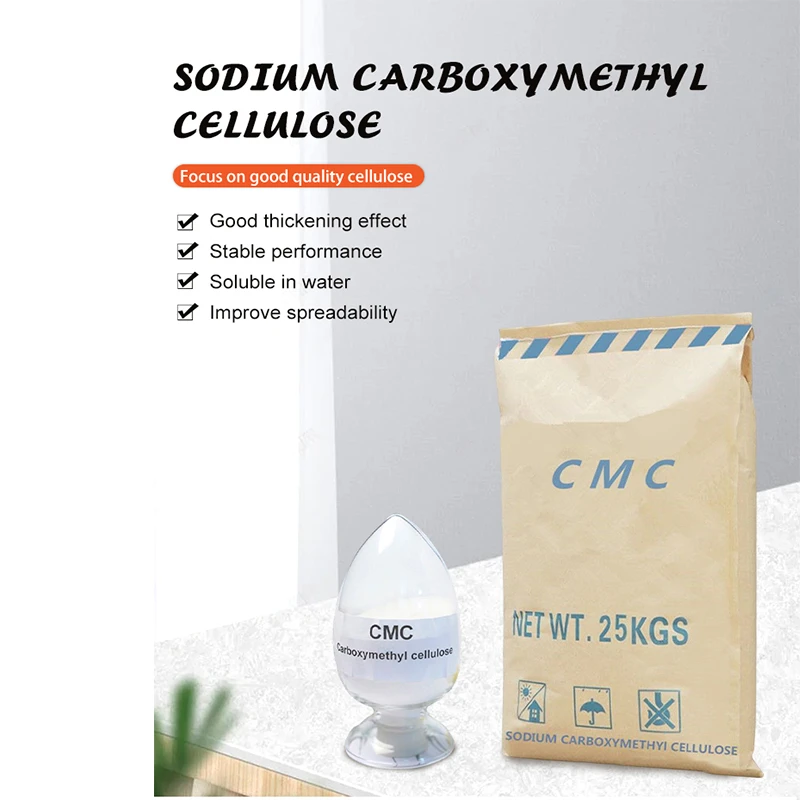
Sodium carboxymethyl cellulose is water-soluble and widely used in food as a stabilizer, thickener, and texture enhancer.
Carboxymethyl cellulose in food improves product consistency, prevents crystallization in frozen desserts, and acts as a fat replacer.
Advanced forms like carboxymethyl hydroxyethyl cellulose are used in pharmaceutical formulations and industrial applications for binding and water retention.
Carboxymethyl cellulase enzymes are used to break down CMC for biochemical studies or biofuel applications.
Hydroxyethyl and Hydroxypropyl Cellulose
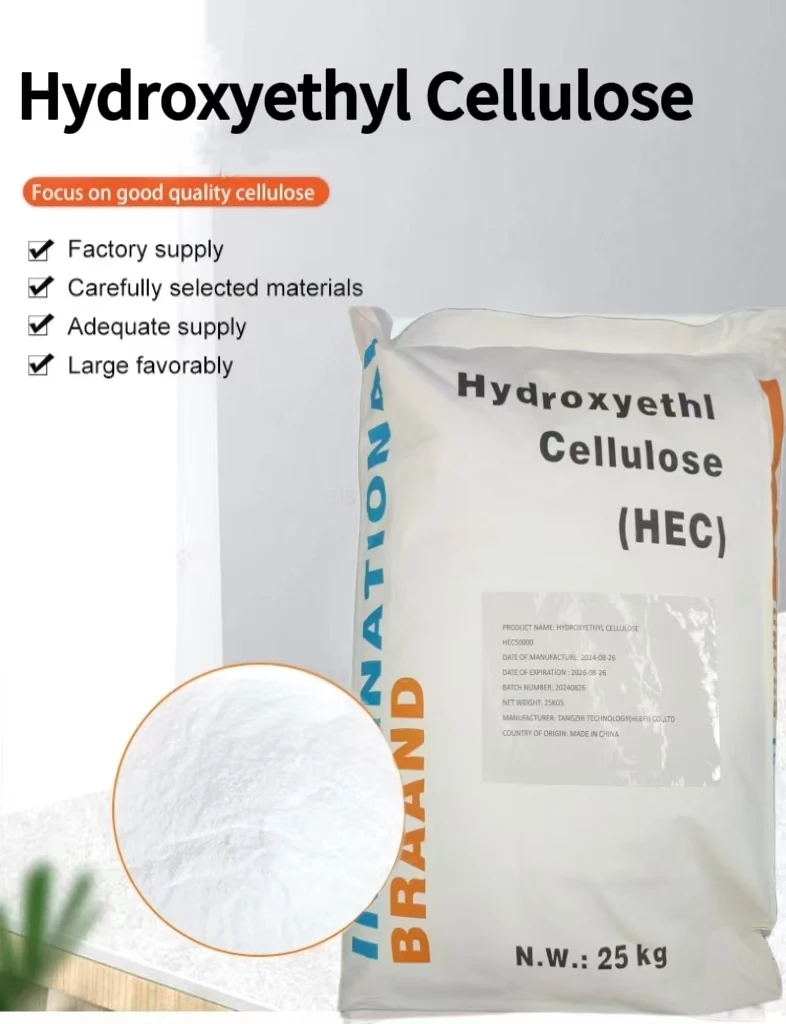
Cellosize hydroxyethyl cellulose is a versatile thickener and stabilizer in cosmetic, pharmaceutical, and food products.
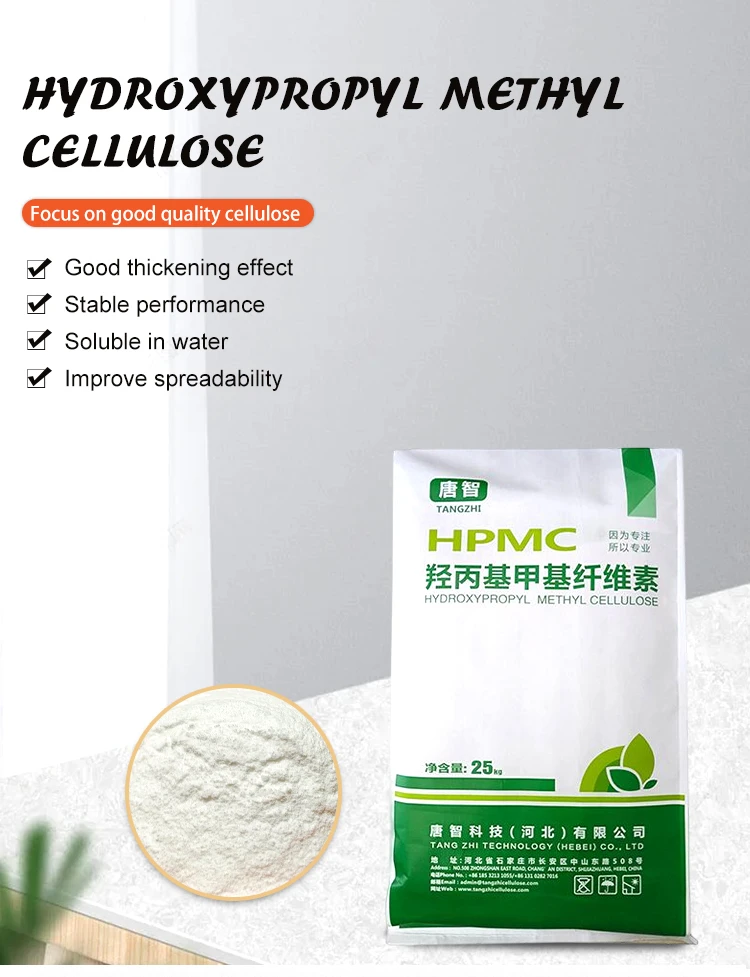
Hydroxypropyl methyl cellulose (HPMC) is widely used in cellulose based packaging, as well as in controlled-release pharmaceutical tablets.
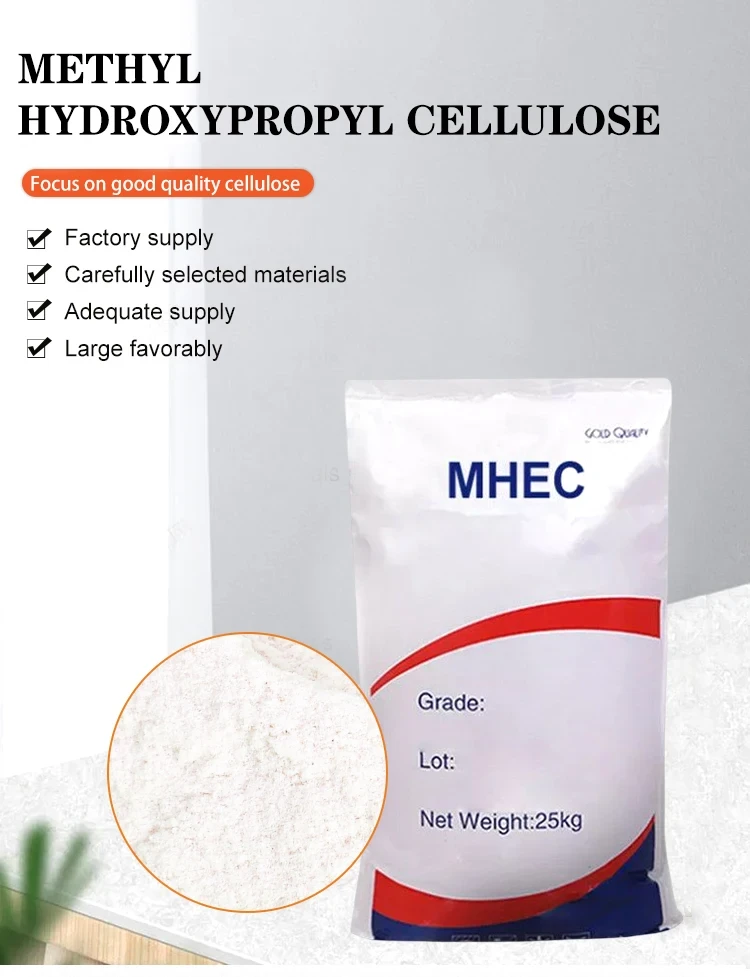
MHEC chemical (methyl hydroxyethyl cellulose) improves water retention and consistency in construction materials like cement and mortar.
Nanocellulose
Nanofibrillar cellulose and cellulose nanoparticles are revolutionizing materials science, offering high strength, low weight, and enhanced barrier properties.
These derivatives are increasingly used in sustainable cellulose food packaging, biodegradable films, and advanced composites.
Other Functional Cellulose Derivatives
Carboxylated cellulose and carboxylic methyl cellulose enhance water absorption and gel-forming ability in both food and industrial products.
Cationic cellulose is used in paper and personal care products for improved adhesion and conditioning.
Cellophane cellulose is a classic example of cellulose packaging for food, offering transparency, biodegradability, and barrier protection.
Products like 100 cellulose sheets or fibers highlight the use of pure cellulose in textiles and specialty applications.
Applications of Cellulose in Food, Packaging, and Industry
Cellulose’s versatility extends across multiple sectors:
Food and Pharmaceutical Applications
Cellulose and starch combinations are used in bakery products and sauces to improve texture and stability.
Carboxymethyl cellulose 1 is a standard grade used in processed foods and pharmaceutical tablets.
Hydroxypropyl methyl cellulose and cellulose based fibre are used in tablets and supplements to control release and improve structure.
Cellulase and cellulose interactions are fundamental in biofuel production, as cellulase breaks down cellulose into glucose, which can then be fermented.
Packaging and Materials
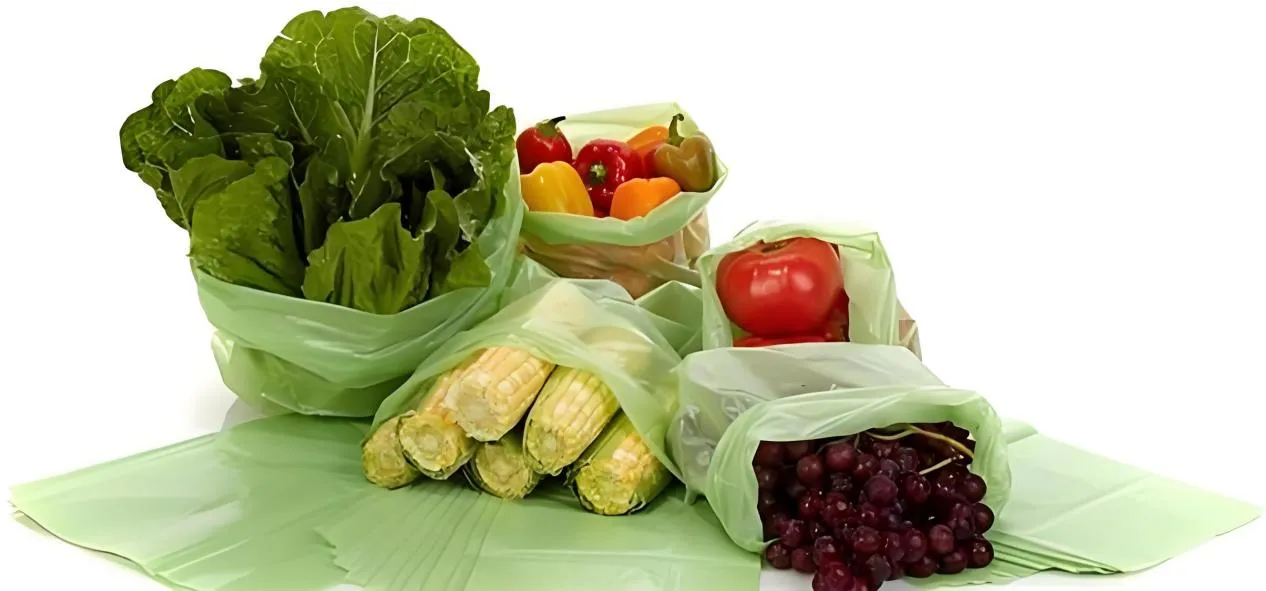
Cellulose based packaging is an eco-friendly alternative to plastics, providing biodegradable and compostable solutions.
Cellophane cellulose and cellulose food packaging films offer excellent barrier properties, protecting food while minimizing environmental impact.
Nanofibrillar cellulose and cellulose nanoparticles enhance mechanical strength, transparency, and gas barrier performance in packaging.
Industrial and Specialty Applications
MHEC chemical and cellosize hydroxyethyl cellulose are widely used in cement, coatings, and adhesives for water retention and viscosity control.
Cationic cellulose and carboxylated cellulose are used in personal care products, paper treatment, and water purification.
100 cellulose and a cellulose represent high-purity cellulose for textile fibers, specialty composites, and laboratory applications.
The diversity of cellulose derivatives demonstrates why cellulose based products continue to be critical in modern manufacturing, food production, and sustainable packaging solutions.
Conclusion
Cellulose is not just a natural polymer—it is a cornerstone of sustainable innovation. From traditional derivatives like carboxymethyl cellulose in food and hydroxypropyl methyl cellulose to modern materials such as nanofibrillar cellulose and cellulose nanoparticles, its applications are vast and growing. Whether in cellulose based packaging, pharmaceuticals, or specialty industrial materials, cellulose provides an eco-friendly, versatile, and high-performance solution.
As research progresses, different types of cellulose and their modified forms will continue to shape industries worldwide, making cellulose an enduring material for both modern technology and sustainability.
FAQs on Cellulose
What are the different types of cellulose used in food and packaging?
Answer:Different types of celluloseinclude carboxymethyl cellulose, hydroxypropyl methyl cellulose, nanofibrillar cellulose, and cellulose nanoparticles. They are used in cellulose food packaging, cellulose based packaging, and as stabilizers in food products.
How does carboxymethyl cellulose work in food products?
Answer:Carboxymethyl cellulose in foodacts as a thickener, stabilizer, and emulsifier. Sodium derivatives like sodium carboxymethyl cellulose improve viscosity and texture, preventing separation in sauces, desserts, and bakery items.
What is the role of hydroxypropyl methyl cellulose in packaging?
Answer:Hydroxypropyl methylcellulose strengthens cellulose based packaging films, improves barrier properties, and can be used in biodegradable packaging for food applications.
How are nanofibrillar cellulose and cellulose nanoparticles used?
Answer:Nanofibrillar celluloseand cellulose nanoparticles enhance mechanical strength, transparency, and gas barrier properties in packaging. They are also used in composites, coatings, and high-performance materials.
How do cellulase enzymes interact with cellulose?
Answer:Cellulase and celluloseinteractions are crucial in biofuel and biochemical industries. Cellulase breaks down cellulose into glucose, which can be fermented into bioethanol or other bio-based chemicals.
-
HPMC High-Performance Thickener | Hebei TangzhiNewsMar.06,2026
-
Wholesale Water Reducing Admixture for Special Cement: Performance and Market InsightsNewsFeb.28,2026
-
The Complete Guide to HPMC: Types, Applications, Grades, and Manufacturing InsightsNewsFeb.28,2026
-
Redispersible Polymer Powder: Types, Applications, and Performance AdvantagesNewsFeb.28,2026
-
Hydroxymethyl Ethyl Cellulose (MHEC): Properties, Applications, and Market InsightsNewsFeb.28,2026
-
Hydroxyethyl Cellulose: Applications, Performance, and Buying GuideNewsFeb.28,2026