How HPMC Types Affect Gloss in Industrial Coating Finishes
The achievement of targeted gloss levels in industrial coatings requires careful consideration of cellulose ether selection. For formulators assessing hpmc for sale, comprehending the performance variations among different hpmc types proves fundamental to surface quality control. The specific hpmc chosen significantly impacts film formation mechanics, pigment orientation, and light management, establishing it as a crucial component for achieving consistent matte, satin, or semi-gloss finishes in professional coating applications.
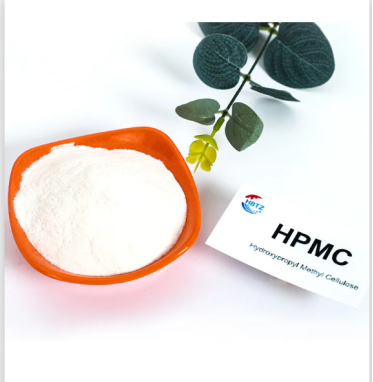
Understanding Different HPMC Types
- The available hpmc typesdemonstrate substantial variation in their viscosity profiles and chemical substitution patterns
- Selection among different hpmc typesrequires evaluation of molecular parameters and their relationship to surface characteristics
- Lower viscosity alternatives typically enhance flow properties but often require supplementary matting agents
- Particle dimensions influence dissolution behavior and can affect the final film's optical properties
Key Factors When Evaluating HPMC for Sale
- Manufacturers should thoroughly examine technical specifications when considering hpmc for saleoptions
- Product consistency remains vital for maintaining quality standards across production batches
- Reputable suppliers providing hpmc for salemust offer proper certification and quality assurance
- Technical support availability becomes particularly valuable during new product development phases
Optimizing HPMC Selection
- Matte formulations typically benefit from higher viscosity alternatives that effectively suspend particles
- Semi-gloss applications often utilize medium viscosity options that balance flow and settlement control
- Molecular characteristics directly impact surface texture and light interaction properties
- Different categories demonstrate varying compatibility with other formulation components
Technical Performance of HPMC
- Rheological properties significantly influence application behavior and final surface quality
- Water retention capacity affects drying kinetics and film formation processes
- Chemical composition determines harmony with pigments and functional additives
- Solution clarity impacts color development and visual characteristics
HPMC FAQs
Q: What are the main industrial applications of HPMC?
A: HPMC (Hydroxypropyl Methylcellulose) is widely used across various industries due to its versatile properties. In construction, it acts as a water retention agent, thickener, and binder in mortars, renders, and tile adhesives, improving workability and preventing premature drying. In pharmaceuticals, it serves as a binder, disintegrant, and controlled-release agent in tablets and capsules. It’s also used in coatings (as a film-former), detergents (as a thickener), and cosmetics (for texture enhancement), thanks to its solubility in water, non-toxicity, and compatibility with other ingredients.
Q: How do different HPMC Types vary in terms of viscosity and performance?
A: HPMC Types are primarily differentiated by their viscosity grades, which range from low (e.g., 50 mPa·s) to high (e.g., 100,000 mPa·s). Lower viscosity grades are ideal for applications requiring better flow, such as liquid coatings or adhesives, where they provide mild thickening. Higher viscosity grades are used in products needing strong thickening and water retention, like construction mortars or pharmaceutical suspensions. Additionally, variations in methoxyl and hydroxypropyl content affect solubility, thermal gelation, and compatibility with other chemicals, making specific types suitable for targeted uses.
Q: What should buyers consider when selecting HPMC for Sale for construction purposes?
A: When choosing HPMC for Sale for construction, key factors include viscosity (higher viscosity improves water retention and workability), purity (low ash content prevents defects in finished surfaces), and gelation temperature (must align with curing conditions to avoid premature setting). It’s also important to check compatibility with other additives like cement, sand, or polymers. Buyers should source from reputable suppliers to ensure consistent quality, as impurities or inconsistent viscosity can lead to poor mortar performance, such as cracking or reduced adhesion.
Q: Is HPMC compatible with other chemicals commonly used in industrial formulations?
A: Yes, HPMC is generally compatible with most common industrial chemicals, including inorganic salts, surfactants, and many organic solvents in moderate concentrations. It works well with cement, gypsum, and other construction additives, enhancing their performance without adverse reactions. However, strong acids or bases can degrade its structure over time, and high concentrations of certain salts may reduce its solubility. It’s advisable to test compatibility in specific formulations, especially when using HPMC Types with unique chemical modifications.
Q: What storage conditions are recommended for HPMC for Sale to maintain its quality?
A: HPMC for Sale should be stored in a cool, dry place, away from direct sunlight and moisture, as it absorbs water easily, which can cause clumping and reduce effectiveness. It’s best kept in sealed original packaging or airtight containers to prevent exposure to humidity. Avoid storing near strong odors, acids, or alkalis, as these can affect its chemical stability. When stored properly, HPMC typically has a shelf life of 2–3 years, ensuring it retains its viscosity, solubility, and performance properties for industrial use.
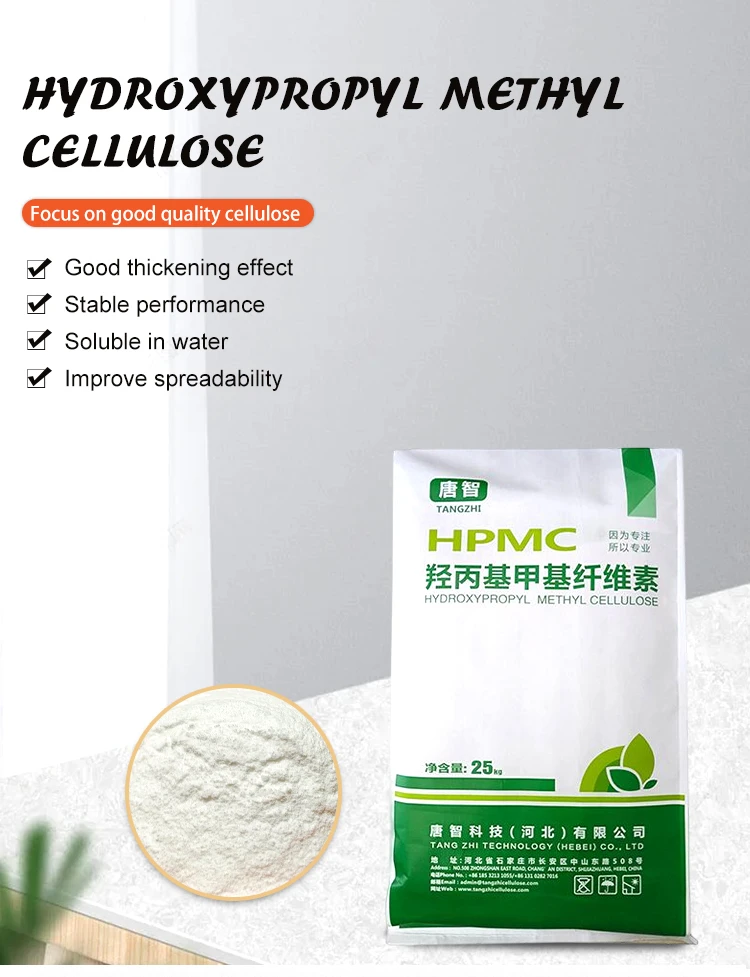
Welcome to TANG ZHI TECHNOLOGY(HEBEI)CO., LTD https://www.tangzhihpmc.com/ Greetings from Hebei Tangzhi Technology Co., Ltd. – your trusted partner for high-quality chemical solutions! With over 12 years of industry experience, we specialize in manufacturing and supplying a comprehensive range of products, including HPMC, MHEC, HEC, CMC, RDP-VAE, PVA, and PCE.
Our daily production capacity exceeds 110 tons, supported by strict quality control systems certified to ISO9001:2015 and ISO45001:2018 standards. We take pride in our carefully selected raw materials, ensuring products like HPMC (ideal for cement mortar, putty powder, and building materials) deliver excellent adhesion and water retention.
With products exported to over 30 countries and a strong presence in markets like Europe, Southeast Asia, and the Middle East, we are committed to providing factory-direct supplies with adequate stock and competitive prices. Backed by multiple utility patents for production equipment, we guarantee reliable performance and consistent quality.
-
HPMC High-Performance Thickener | Hebei TangzhiNewsMar.06,2026
-
Wholesale Water Reducing Admixture for Special Cement: Performance and Market InsightsNewsFeb.28,2026
-
The Complete Guide to HPMC: Types, Applications, Grades, and Manufacturing InsightsNewsFeb.28,2026
-
Redispersible Polymer Powder: Types, Applications, and Performance AdvantagesNewsFeb.28,2026
-
Hydroxymethyl Ethyl Cellulose (MHEC): Properties, Applications, and Market InsightsNewsFeb.28,2026
-
Hydroxyethyl Cellulose: Applications, Performance, and Buying GuideNewsFeb.28,2026