HPMC Suppliers: High-Quality HPMC from China Factory
Understanding Hydroxypropyl Methyl Cellulose (HPMC) and its Global Market
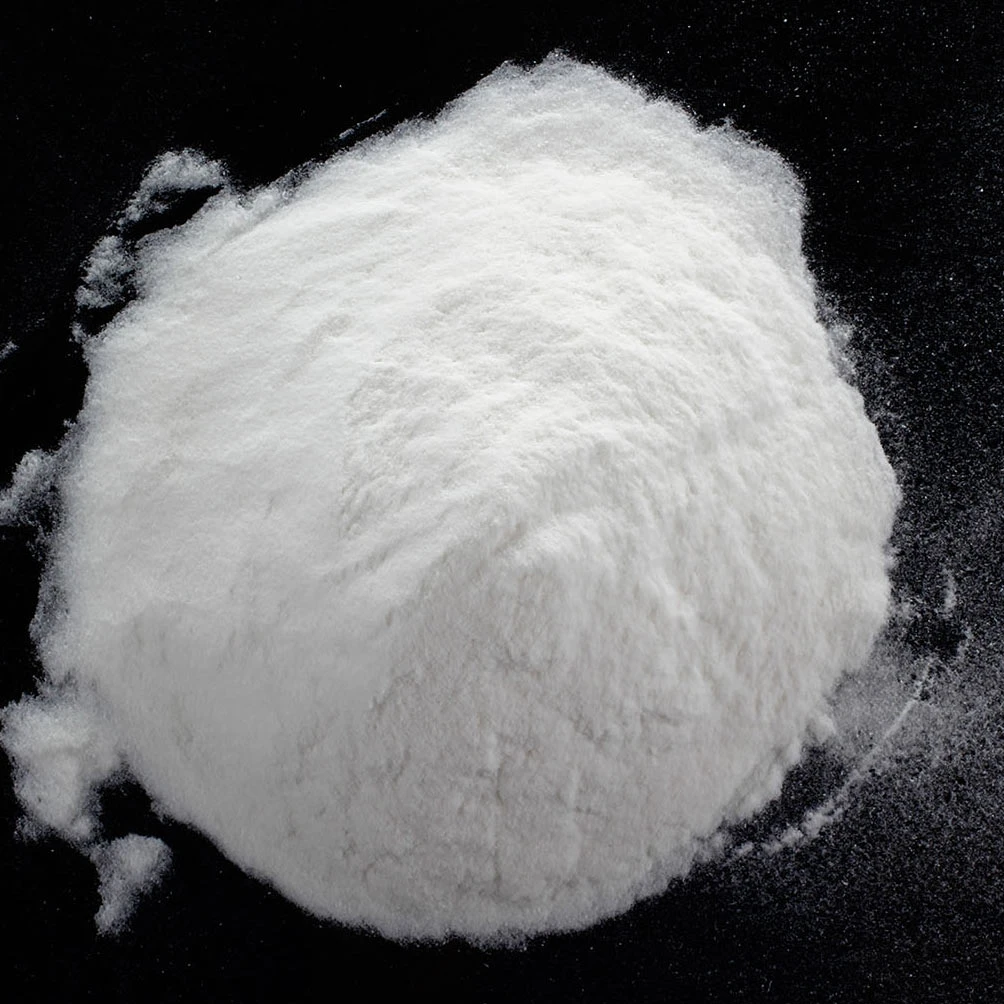
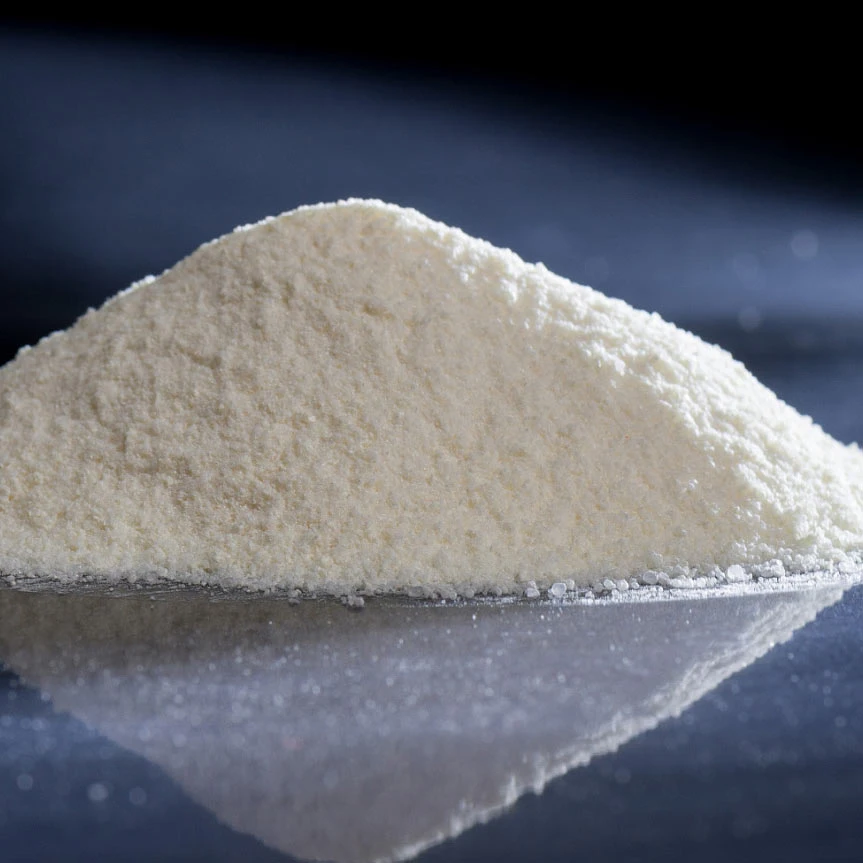
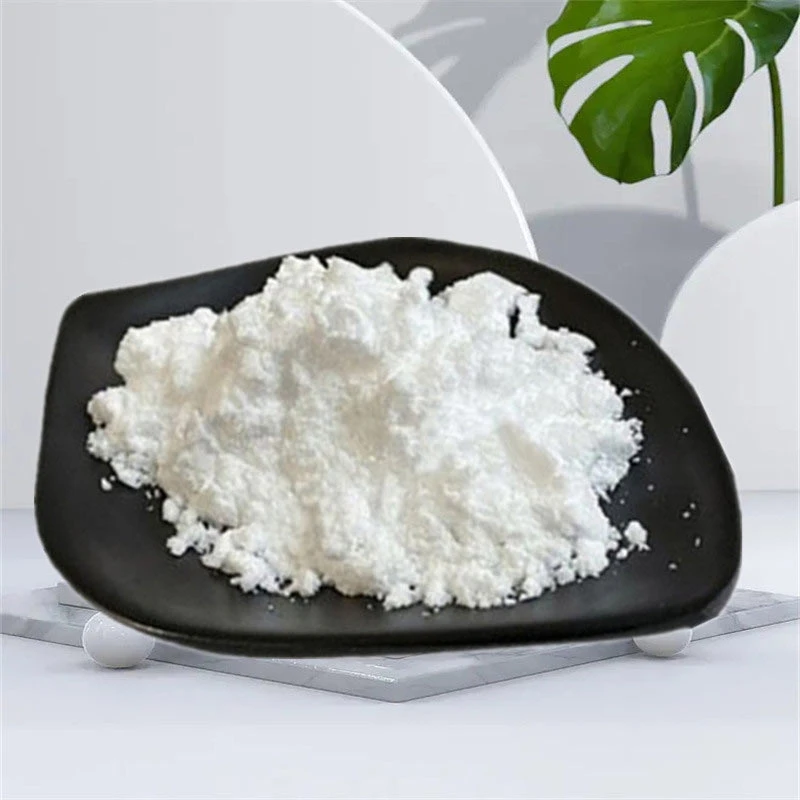
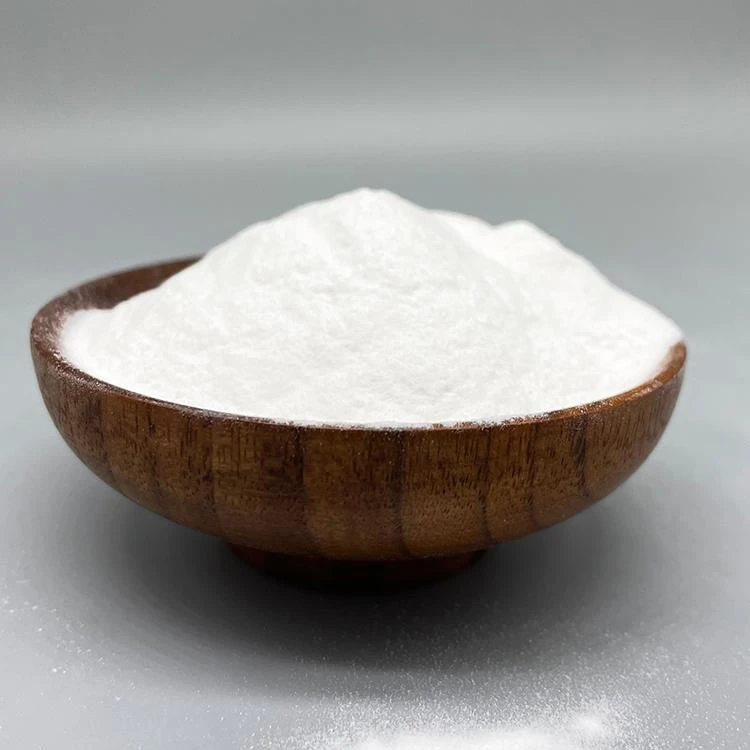
Hydroxypropyl Methyl Cellulose (HPMC) is a versatile polymer derived from cellulose, widely utilized across numerous industrial sectors due to its unique rheological properties, excellent film-forming capabilities, and water retention characteristics. As a non-ionic cellulose ether, HPMC finds extensive applications in construction, pharmaceuticals, food, personal care products, and more. The global demand for HPMC continues to grow, driven by innovations in sustainable building materials, advancements in drug delivery systems, and the expanding market for specialty chemicals.
Identifying reliable hpmc suppliers is crucial for businesses aiming to maintain consistent product quality and secure their supply chain. This article delves into the intricacies of HPMC, from its manufacturing process to its diverse applications, and provides critical insights for procurement professionals and technical stakeholders. We will explore key industry trends, detailed technical specifications, and offer guidance on selecting the optimal supplier for specific project requirements, emphasizing factors like hpmc price, quality assurance, and logistical efficiency.
The Manufacturing Process of HPMC: A Technical Overview
The production of HPMC involves a complex chemical synthesis starting from highly purified cellulose, typically derived from wood pulp or cotton linters. Understanding this process is vital for evaluating the quality and consistency offered by various hpmc suppliers. The key steps ensure the modification of cellulose to achieve desired properties like viscosity, gelation temperature, and water solubility.
Detailed Process Flow:
1. Raw Material Preparation
High-purity refined cotton or wood pulp is selected. This cellulose undergoes shredding and drying to reduce moisture content and increase surface area, preparing it for subsequent reactions.
2. Alkalization
The prepared cellulose is steeped in a concentrated solution of sodium hydroxide (NaOH) to form alkali cellulose. This critical step activates the cellulose, making the hydroxyl groups more reactive for etherification.
3. Etherification
Alkali cellulose is reacted with methyl chloride and propylene oxide in a controlled reactor under specific temperature and pressure conditions. This reaction introduces methoxy and hydroxypropoxy groups onto the cellulose backbone, forming HPMC. The degree of substitution (DS) and molar substitution (MS) are carefully controlled to achieve desired properties.
4. Neutralization & Washing
After etherification, the crude HPMC is neutralized, typically with acetic acid, to achieve a stable pH. It then undergoes extensive washing with hot water to remove unreacted reagents, by-products (like sodium chloride), and soluble impurities, ensuring high purity of the final product.
5. Drying, Grinding & Sieving
The purified HPMC is dried to a specific moisture content, then ground into a fine powder. Subsequent sieving ensures a consistent particle size distribution, which is crucial for its performance in various applications.
6. Quality Control & Packaging
Finished HPMC undergoes rigorous quality control testing (e.g., viscosity, moisture content, ash content, pH, particle size) to meet international standards (e.g., ISO, ASTM, USP, EP). Once approved, it is packaged into various formats for distribution.
Reliable china hpmc factory operations adhere to stringent quality management systems, often certified to ISO 9001, to ensure product consistency and traceability. The ability of a supplier to control these process parameters directly impacts the performance characteristics of HPMC in end-user applications.
Industry Trends and Market Dynamics for HPMC
The HPMC market is influenced by several key trends, particularly the increasing emphasis on sustainable and eco-friendly materials. The construction sector, a major consumer, is experiencing a shift towards dry-mix mortars, tile adhesives, and self-leveling compounds that benefit significantly from HPMC's water retention and thickening properties. Regulatory pressures for greener building practices further drive demand.
In pharmaceuticals, HPMC remains indispensable as an excipient, binder, and controlled-release agent. The growth of generic drug markets and novel drug delivery systems contributes to sustained demand. Emerging markets, especially in Asia-Pacific, are also seeing significant uptake across all application segments.
While competition among hpmc suppliers is robust, particularly from large-scale china hpmc factory operations, differentiation increasingly comes from product specialization, technical support, and supply chain reliability. Factors like hpmc price fluctuations due to raw material costs (cellulose, propylene oxide, methyl chloride) and energy prices are also crucial for buyers looking to hpmc buy strategically. Manufacturers are investing in R&D to develop HPMC grades with enhanced performance for specific niche applications.
Technical Specifications and Product Parameters
The performance of HPMC is defined by a set of critical technical specifications. These parameters are essential for selecting the correct grade for a given application and for ensuring product consistency. Key specifications include viscosity, degree of substitution (DS), molar substitution (MS), gelation temperature, and particle size distribution.
Typical HPMC Product Specifications
| Parameter | Unit | Range/Description | Significance |
|---|---|---|---|
| Viscosity (2% Solution, 20°C) | mPa.s | 4,000 - 200,000 | Determines thickening capacity and rheology. Crucial for mortar workability or drug release kinetics. |
| Methoxy Content | % | 19.0 - 30.0 | Affects gelation temperature and solubility. |
| Hydroxypropoxy Content | % | 4.0 - 12.0 | Influences solubility, transparency, and film flexibility. |
| Gelation Temperature | °C | 58 - 90 | Critical for thermal stability in hot environments, e.g., tile adhesives. |
| Moisture Content | % | ≤ 5.0 | Indicates product stability and shelf life. |
| Ash Content | % | ≤ 2.0 (food/pharma grade ≤ 0.5) | Measure of inorganic impurities. Lower is better for sensitive applications. |
| pH (1% Solution) | - | 5.0 - 8.0 | Influences compatibility with other ingredients. |
| Particle Size | μm | Typically ≥ 80 mesh (180μm) pass rate ≥ 98% | Affects dissolution rate and homogeneity in formulations. |
These specifications allow users to precisely match HPMC grades to their specific functional requirements, whether it's for high water retention in construction mortars or controlled release in pharmaceutical tablets. Reputable hpmc suppliers provide detailed Certificates of Analysis (CoA) for each batch, ensuring transparency and quality assurance.
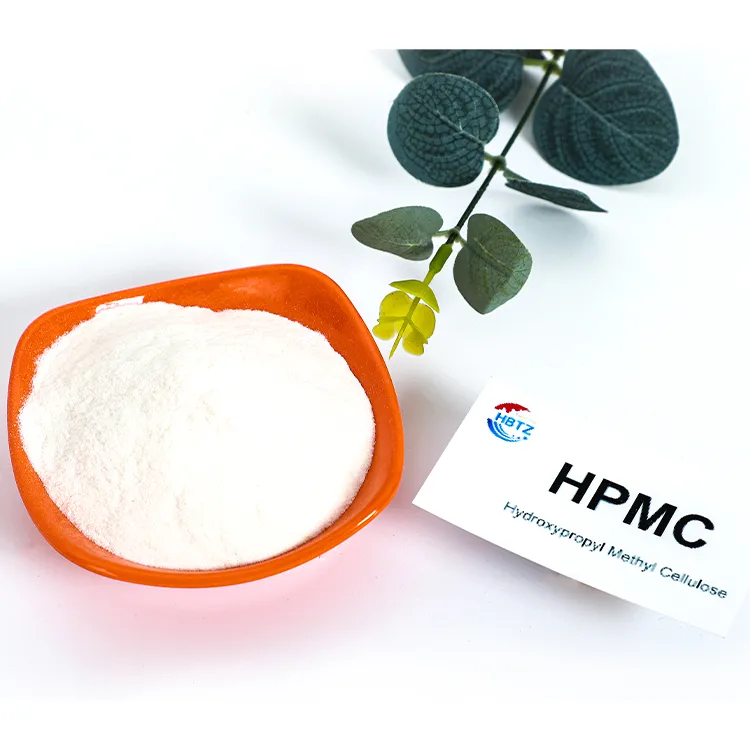
Application Scenarios and Technical Advantages
HPMC's unique blend of properties makes it invaluable across a wide spectrum of industries. Its ability to act as a thickener, binder, film-former, protective colloid, and water retention agent provides distinct technical advantages in diverse applications.
Construction Industry (Target Industries: Building Materials, Architecture)
- Dry-mix Mortars: HPMC significantly improves water retention, enhancing workability, adhesion, and open time for tile adhesives, renders, and plasters. It prevents premature drying, leading to better hydration of cement and increased final strength. This translates to significant energy saving in application and longer service life of structures.
- Self-leveling Compounds: Acts as a rheology modifier, providing excellent flow properties and ensuring a smooth, level surface.
- Exterior Insulation and Finish Systems (EIFS): Improves adhesion, crack resistance, and workability of base coats and finishes. Offers enhanced corrosion resistance to the underlying structure by preventing moisture ingress.
- Gypsum Products: Controls setting time and improves the strength and workability of gypsum-based renders and fillers.
Pharmaceuticals (Target Industries: Pharma, Healthcare)
- Tablet Coatings: Forms a smooth, durable, and protective film, facilitating ease of swallowing and masking unpleasant tastes.
- Binders: Improves tablet hardness and reduces friability in direct compression and wet granulation processes.
- Controlled Release Matrices: Forms a hydrogel matrix that allows for sustained drug release, enhancing therapeutic efficacy and patient compliance.
- Ophthalmic Solutions: Used as a viscosity enhancer and lubricant in eye drops.
Food Industry (Target Industries: Food & Beverage)
- Thickener & Stabilizer: Enhances texture and stability in sauces, dressings, and baked goods.
- Emulsifier: Helps stabilize emulsions, preventing phase separation.
- Edible Coatings: Provides protective films for fruits and vegetables, extending shelf life.
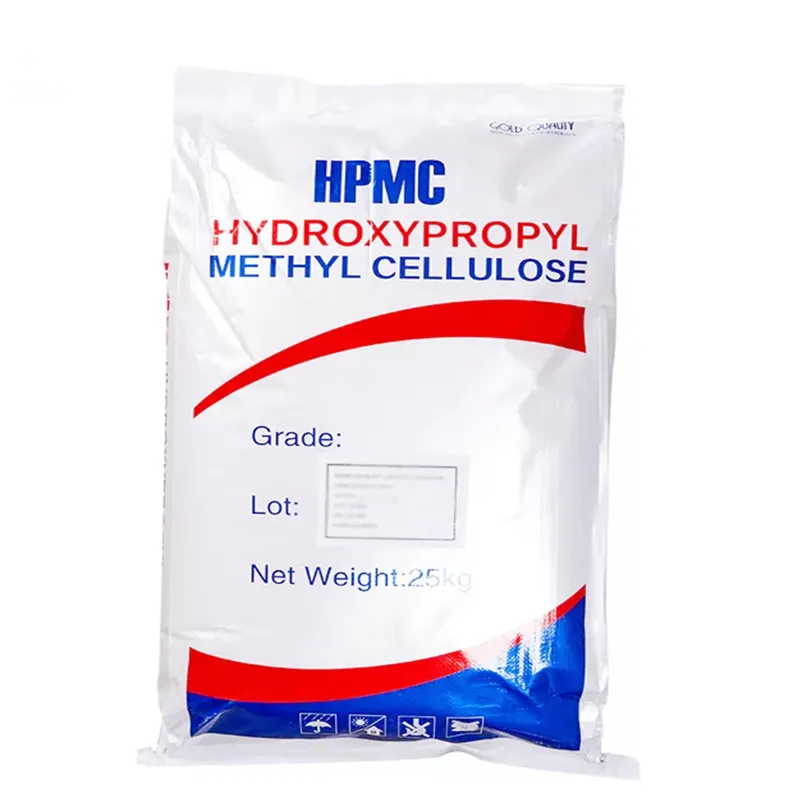
These diverse applications underscore the versatility and technical prowess required from leading hpmc suppliers to deliver tailored grades that meet exacting industry standards. The ability to customize viscosity, substitution patterns, and particle size is a significant advantage.
Vendor Comparison and Selection Criteria for HPMC
Choosing the right hpmc suppliers is a strategic decision that impacts product quality, operational efficiency, and cost-effectiveness. The market features a range of manufacturers, from global chemical giants to specialized china hpmc factory operations. A thorough evaluation based on several key criteria is essential.
Key Criteria for Supplier Evaluation:
- Product Quality & Consistency: Ensure the supplier provides HPMC that consistently meets stated specifications (e.g., viscosity, purity, particle size). Look for ISO 9001, HACCP, FDA, and/or REACH certifications.
- Technical Support & Expertise: A good supplier offers in-depth technical assistance for product selection, application optimization, and troubleshooting. This demonstrates true expertise.
- Customization Capabilities: The ability to tailor HPMC grades to unique application requirements (e.g., specific viscosity ranges, modified gelation temperatures) is a significant advantage.
- Supply Chain Reliability & Lead Time: Evaluate the supplier's capacity, logistics network, and track record for on-time delivery. This directly impacts your production schedule. Inquire about typical lead time and fulfillment details.
- Competitive Pricing (HPMC Price): While not the sole factor, compare hpmc price structures, considering bulk discounts, payment terms, and overall value. Remember, the cheapest option may not always be the most cost-effective in the long run if quality or service is compromised.
- Certifications & Compliance: Verify adherence to international quality (ISO), environmental (ISO 14001), and specific industry standards (e.g., USP/EP for pharma, Kosher/Halal for food).
- Customer Service & Support: Responsiveness, clear communication, and efficient handling of inquiries or issues are indicators of a trustworthy partner.
HPMC Supplier Comparison Example (Illustrative)
| Feature/Supplier | Supplier A (Global) | Supplier B (Regional/Specialist) | TangZhi (Example) |
|---|---|---|---|
| Market Reach | Global | Asia-Pacific | Global, strong in construction |
| Product Range | Broad (Pharma, Food, Construction) | Specialized (e.g., Construction grades) | Comprehensive HPMC grades |
| Certifications | ISO, GMP, FDA, REACH | ISO, HACCP | ISO 9001, CE, MSDS, etc. |
| Customization | Moderate | High | High (tailored viscosity, DS/MS) |
| Technical Support | Standard documentation | Dedicated application engineers | Extensive, on-site/remote |
| Typical Lead Time | 2-4 weeks | 1-3 weeks | 7-14 days (depending on volume) |
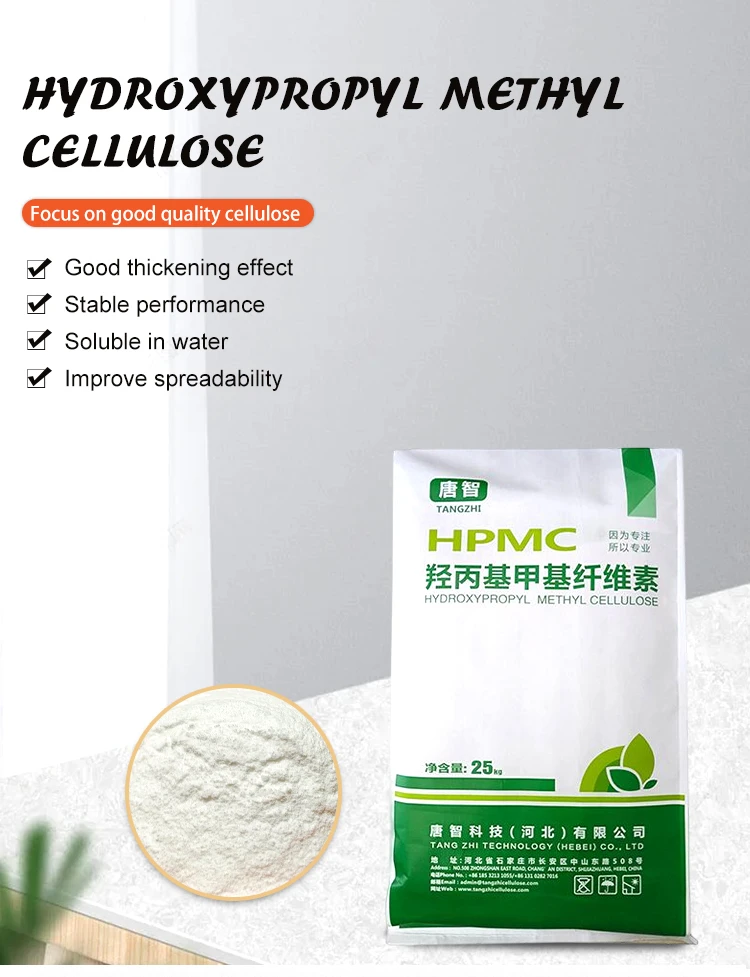
This table illustrates how potential buyers can systematically compare different options when looking to hpmc buy, ensuring they secure the best fit for their operational and quality needs. Suppliers like TangZhi, a prominent china hpmc factory, focus on combining competitive hpmc price with robust technical support and a wide range of customized solutions.
Customized Solutions and Application Case Studies
Many industrial applications require HPMC grades with very specific properties that standard products may not fully address. Leading hpmc suppliers offer customized solutions, tailoring parameters like viscosity, substitution levels (methoxy/hydroxypropoxy content), and particle size to optimize performance for unique formulations or processes.
Tailoring HPMC for Specific Needs:
- Viscosity Adjustment: Developing grades with ultra-low or ultra-high viscosity for specific rheological control in paints, coatings, or advanced drug delivery systems.
- Gelation Temperature Modification: Creating HPMC with specific thermal gelation points for applications requiring temperature-sensitive thickening or gelling, such as high-temperature tile adhesives or certain pharmaceutical formulations.
- Surface Treatment: Providing surface-treated HPMC for enhanced dispersion characteristics, particularly beneficial in dry-mix formulations where rapid dissolution without clumping is desired.
- Purity Levels: Offering ultra-high purity grades for demanding pharmaceutical (USP/EP) and food (FCC) applications, with minimized ash content and heavy metals.
Application Case Studies:
Case Study 1: High-Performance Tile Adhesive for Tropical Climates
Client: Major construction chemicals manufacturer in Southeast Asia.
Challenge: Develop a tile adhesive with extended open time and superior workability under high temperatures and humidity, ensuring strong adhesion and preventing tile slippage during installation.
Solution: Collaborated with a specialized hpmc factory to develop a customized HPMC grade with a higher degree of hydroxypropoxy substitution and a specific particle size distribution. This modification enhanced water retention efficiency and improved rheological stability at elevated temperatures.
Result: The client successfully launched a premium tile adhesive that outperformed competitors in challenging climatic conditions, leading to a 20% increase in market share in the region. Feedback highlighted improved workability and significantly reduced tile slippage.
Case Study 2: Sustained-Release Tablet Formulation for Cardiovascular Drug
Client: Pharmaceutical company focusing on chronic disease management.
Challenge: Formulate a 24-hour sustained-release tablet for a highly soluble active pharmaceutical ingredient (API), maintaining consistent drug release profiles over the entire dosing period.
Solution: Partnered with a certified hpmc suppliers offering pharmaceutical-grade HPMC. Utilized a high-viscosity HPMC (e.g., K100M grade) with a precise polymer molecular weight distribution. Through rheological testing and dissolution studies, a specific HPMC concentration and tablet matrix design were optimized.
Result: The new formulation achieved the target 24-hour sustained release profile, passed all in-vitro dissolution tests, and demonstrated excellent batch-to-batch consistency, leading to successful FDA approval for the drug. This showcased the critical role of high-quality HPMC in complex drug delivery systems.
These case studies exemplify how collaboration with knowledgeable hpmc suppliers and access to their technical expertise can lead to significant product development and market success. The availability of diverse HPMC grades for sale further enhances a manufacturer's ability to innovate.
Commitment to Trustworthiness: FAQ, Lead Time, Warranty & Support
Frequently Asked Questions (FAQ)
Q: What are the primary factors influencing hpmc price?
A: HPMC prices are primarily influenced by raw material costs (wood pulp, methyl chloride, propylene oxide), energy prices for manufacturing, production scale, specific HPMC grade (viscosity, purity), and market demand/supply dynamics. Bulk orders often receive more favorable pricing.
Q: How do I select the correct HPMC viscosity grade for my application?
A: The optimal viscosity grade depends entirely on your specific application and desired rheological properties. For instance, high viscosity HPMC is typically used for excellent water retention and thickening in mortars, while low viscosity grades might be preferred for film coatings or where less thickening is required. Consulting with our technical team is recommended for precise selection.
Q: Are your HPMC products compliant with international standards?
A: Yes, our HPMC products are manufactured under strict quality control systems and comply with relevant international standards, including ISO 9001. For pharmaceutical and food grades, we also adhere to USP, EP, and FCC guidelines as required. Certificates of Analysis (CoA) are provided with every batch.
Lead Time and Fulfillment Details
We understand the importance of timely delivery for your project schedules. Our standard lead time for most HPMC grades is typically 7-14 business days from order confirmation, depending on the volume and specific customization requirements. For urgent requests or large-scale projects, we encourage direct communication with our sales team to discuss expedited shipping options and production scheduling. Our robust logistics network ensures efficient worldwide distribution.
Warranty Commitments
All HPMC products supplied by TangZhi are guaranteed to meet the specifications detailed in their respective Certificates of Analysis (CoA) and product data sheets. We provide a comprehensive warranty against manufacturing defects and non-conformance to agreed specifications for a period of 12 months from the date of shipment, provided the product is stored and handled according to our recommendations. Our commitment to quality ensures that you receive only the best HPMC for sale.
Customer Support and After-Sales Service
Our dedication to our clients extends beyond the sale. We offer comprehensive customer support, including:
- Technical Consultation: Our team of experienced chemists and application engineers is available to provide expert advice on product selection, formulation optimization, and troubleshooting.
- Sample Provision: We provide product samples for testing and evaluation to ensure perfect compatibility with your application.
- Responsive Communication: Dedicated account managers ensure prompt responses to inquiries and efficient order processing.
- Post-Delivery Support: Assistance with storage recommendations, handling guidelines, and any post-delivery technical questions.
We strive to be more than just hpmc suppliers; we aim to be a trusted partner in your success, offering unparalleled support from inquiry to application and beyond.
Conclusion: Partnering with Expert HPMC Suppliers
The global market for HPMC continues to expand, driven by its indispensable role in key industries such as construction, pharmaceuticals, and food. As applications become more specialized, the demand for high-quality, consistent, and customized HPMC solutions intensifies. For businesses, selecting the right hpmc suppliers is paramount to ensuring product integrity, optimizing performance, and maintaining competitive advantage.
A truly valuable supplier offers not just a product but a comprehensive partnership, encompassing stringent quality control from a reliable china hpmc factory, deep technical expertise, responsive customer service, and flexible customization options. By prioritizing these factors, companies can confidently hpmc buy materials that consistently meet their exacting standards and contribute to their long-term success.
Authoritative References
- USP-NF (United States Pharmacopeia–National Formulary), Hydroxypropyl Methylcellulose monograph.
- European Pharmacopoeia (Ph. Eur.), Hypromellose monograph.
- ASTM D2363 - 19, Standard Test Methods for Hydroxypropyl Methylcellulose.
- Food Chemicals Codex (FCC), Hydroxypropyl Methylcellulose monograph.
- ISO 9001:2015, Quality Management Systems – Requirements.
-
HPMC High-Performance Thickener | Hebei TangzhiNewsMar.06,2026
-
Wholesale Water Reducing Admixture for Special Cement: Performance and Market InsightsNewsFeb.28,2026
-
The Complete Guide to HPMC: Types, Applications, Grades, and Manufacturing InsightsNewsFeb.28,2026
-
Redispersible Polymer Powder: Types, Applications, and Performance AdvantagesNewsFeb.28,2026
-
Hydroxymethyl Ethyl Cellulose (MHEC): Properties, Applications, and Market InsightsNewsFeb.28,2026
-
Hydroxyethyl Cellulose: Applications, Performance, and Buying GuideNewsFeb.28,2026