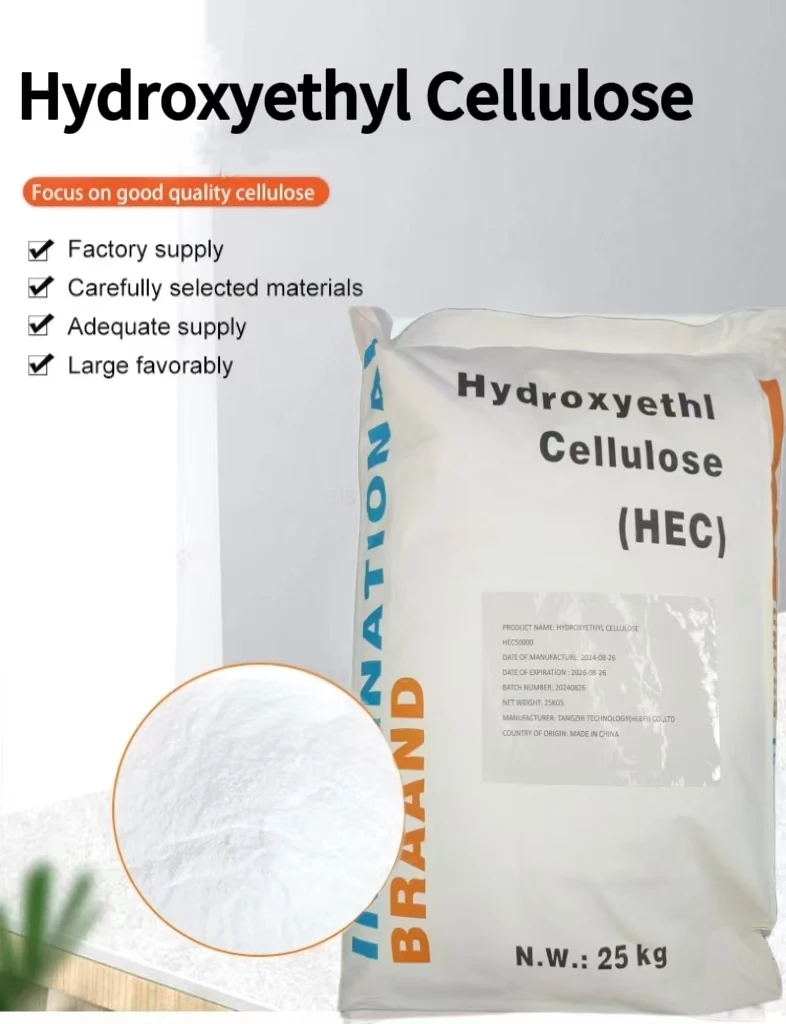
Hydroxyethyl Cellulose Viscosity: Industrial Insights & Specifications
Understanding hydroxyethyl cellulose viscosity: Insights from the Field
Having spent a good chunk of my career in industrial equipment sectors—where every lump, drip, and flow matters—I’ve come to appreciate the subtle magic of additives like hydroxyethyl cellulose (HEC). Yeah, I know it sounds like a mouthful, but frankly, the viscosity control it offers in formulations often turns the dial on product performance from “meh” to “spot on.”
If you’re juggling slurry pumps, paints, or even drilling muds, the way a thickener like HEC behaves isn't just a detail, it’s a lifeline. Hydroxyethyl cellulose viscosity—how thick or thin the solution becomes when HEC is introduced—must be dialed in carefully. Too thin, and the product might not hold together; too thick, and you risk clogging or inefficient flow. Oddly enough, that ‘just right’ point feels like alchemy sometimes, but it's really science wrapped in experience.
What determines hydroxyethyl cellulose viscosity?
The viscosity depends on several factors: molecular weight of the HEC, degree of substitution, concentration, temperature, and even the type of solvent used. I remember once on a project with a drilling fluid manufacturer—there was a major hiccup when they switched to a different HEC grade without considering how the viscosity profile shifted with temperature. Pumping became a nightmare until we sorted out the right grade and concentration.
In real terms, molecular weight controls the length of the cellulose chains, which influences how much the polymer entangles in solution. The longer the chains and higher the substitution of hydroxyethyl groups, the more the solution resists flow – and that’s the core of viscosity tuning.
Typical product specifications
| Specification | Typical Range |
|---|---|
| Molecular Weight (Daltons) | 90,000 – 1,250,000 |
| Degree of Substitution (DS) | 1.0 – 2.5 |
| Viscosity (2% solution at 25°C) | 200 – 10,000 mPa·s (Brookfield) |
| pH Range | 4 – 11 |
| Solubility | Water, some alcohols |
Notice how broad the viscosity range is? That flexibility is critical because it lets formulators customize flow behavior — for example, you might want a fairly fluid product for easy pumping, or a thicker consistency to ensure adherence on vertical surfaces.
Vendor Comparison: What to watch for?
| Feature | Tangzhi HPMC | Competitor A | Competitor B |
|---|---|---|---|
| Viscosity Range (mPa·s) | 200 – 10,000 | 300 – 8,500 | 250 – 9,000 |
| Degree of Substitution | 1.0 – 2.5 | 1.1 – 2.3 | 1.0 – 2.4 |
| Particle Size (mesh) | 80 – 200 | 60 – 150 | 100 – 180 |
| Moisture Content (%) | ≤ 5.0 | ≤ 6.0 | ≤ 5.5 |
| Price Level | Competitive | Premium | Mid-range |
Having worked hands-on with several vendors, I find Tangzhi’s HEC products offer a solid balance between performance and cost. The viscosity range they cover is quite broad, which frankly saves us the hassle of juggling multiple grades. Plus, their moisture content and particle size standards seem tighter, which helps in processing consistency.
One anecdote: a small paint manufacturer I advised was struggling with batch inconsistency; once we switched their HEC supply to Tangzhi, their viscosity measurements stabilized, and the end product quality noticeably improved. It’s those subtle shifts that matter deeply in industrial settings.
Final thoughts on hydroxyethyl cellulose viscosity
To wrap it up, tuning hydroxyethyl cellulose viscosity isn’t just about choosing the right polymer grade — it takes understanding application nuances, environmental factors, and vendor quality. It feels like a balancing act... but with the right data and a trusted supplier, it’s totally manageable.
If you’re moving into this space or refining your formulation, keep an eye on those viscosity specs, test well under your exact temperature and pH conditions, and always have a reliable vendor close by. The right hydroxyethyl cellulose can turn a good product into a great one.
References
- ASTM D2196 – Standard Test Method for Rheological Properties of Non-Newtonian Materials by Rotational (Brookfield) Viscometer
- “Hydroxyethyl Cellulose: Properties and Industrial Uses,” Industrial Polymers Handbook, 3rd Ed.
- Tangzhi Hydroxyethyl Cellulose Product Data Sheets, 2023
-
HPMC High-Performance Thickener | Hebei TangzhiNewsMar.06,2026
-
Wholesale Water Reducing Admixture for Special Cement: Performance and Market InsightsNewsFeb.28,2026
-
The Complete Guide to HPMC: Types, Applications, Grades, and Manufacturing InsightsNewsFeb.28,2026
-
Redispersible Polymer Powder: Types, Applications, and Performance AdvantagesNewsFeb.28,2026
-
Hydroxymethyl Ethyl Cellulose (MHEC): Properties, Applications, and Market InsightsNewsFeb.28,2026
-
Hydroxyethyl Cellulose: Applications, Performance, and Buying GuideNewsFeb.28,2026