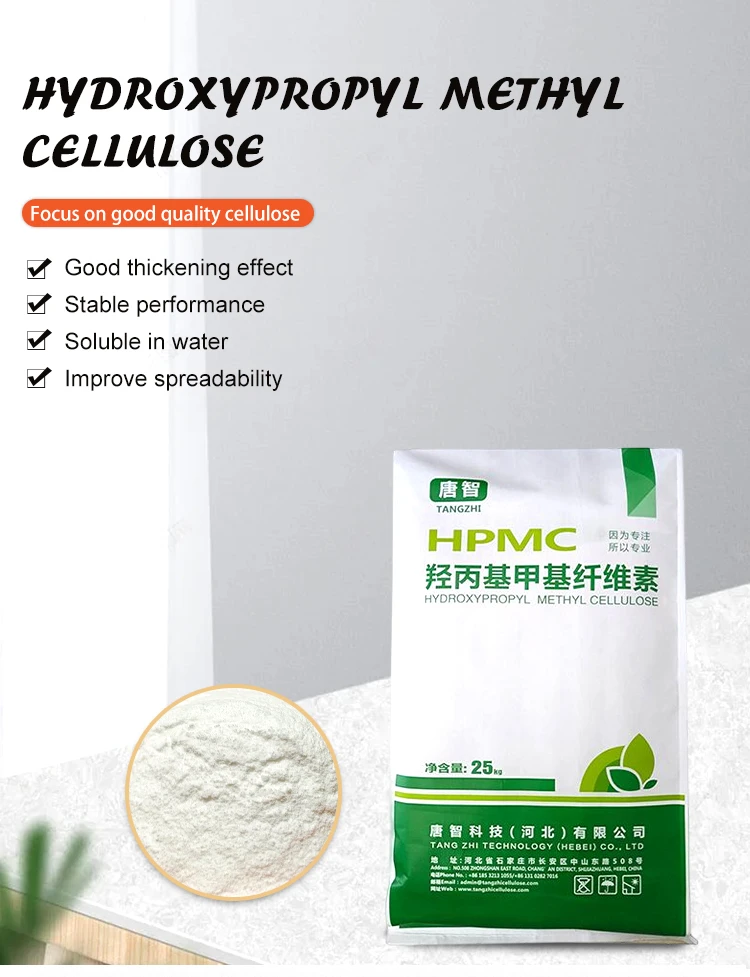
Cellulose: Nature's Versatile Helper, All Around Us
You've probably heard of "cellulose" and thought it was a distant, scientific term. In reality, it's everywhere and quietly transforming numerous industries. From making your ice cream smoother to helping tablets hold their shape, to ensuring paint spreads evenly—behind all this are cellulose and its family members. Sourced from plants, natural and renewable, they are key materials bridging environmental protection with high performance. Today, let's meet some star members of this family: microcrystalline cellulose, carboxymethyl cellulose, methyl cellulose, and hydroxyethyl cellulose, and see how they make a big difference across various fields.
Cellulose: Nature's Sustainable Gift
First, let's start with the basics—cellulose. It's the most abundant natural organic polymer on Earth, derived from plants like trees, cotton, and hemp. Its greatest advantage is that it's green and sustainable: renewable, biodegradable, and has a relatively low carbon footprint in production and use. This makes it an ideal choice to address resource scarcity and plastic pollution. Cellulose itself possesses high mechanical strength, good thermal stability, and moisture absorption, forming the foundation of traditional industries like paper and textiles. But its true magic lies in how its molecular structure can be "modified" to create a range of star derivatives with diverse functions, meeting the finer needs of modern industry.
Microcrystalline Cellulose: The "Invisible Scaffold" for Food and Pharma
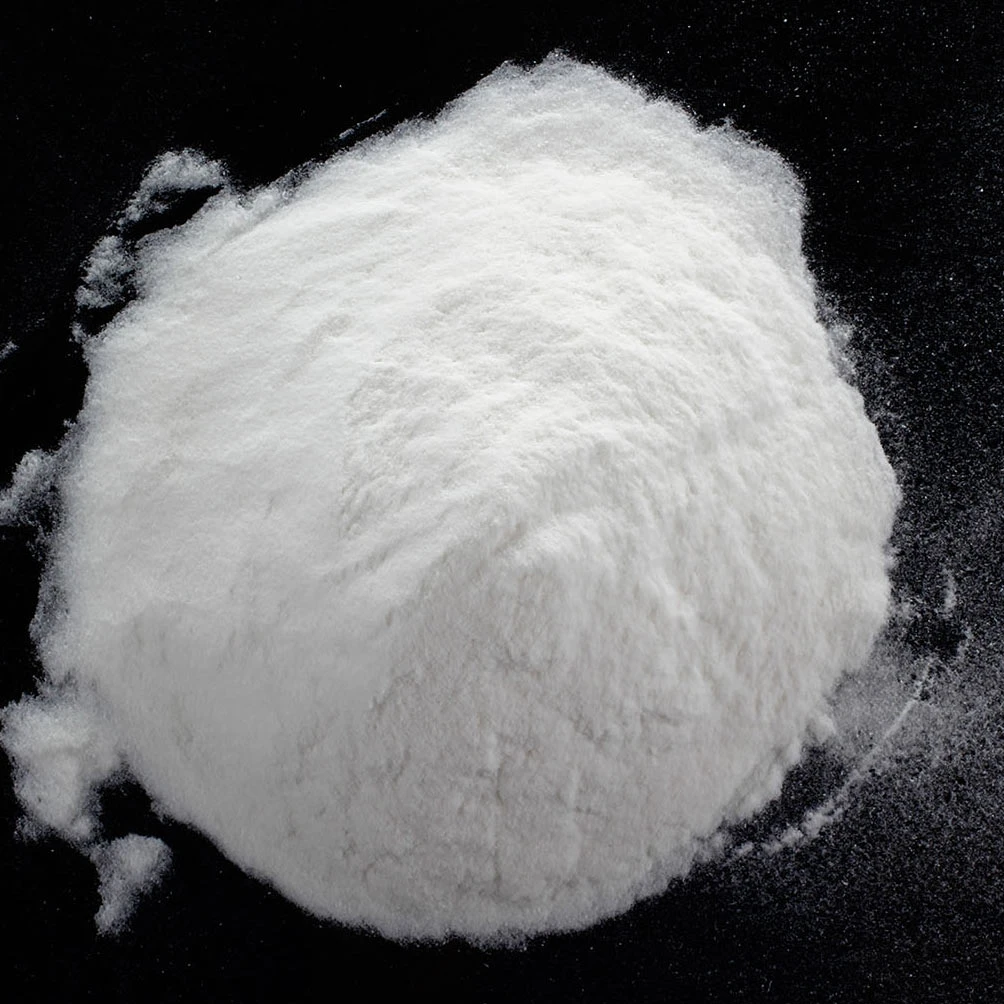
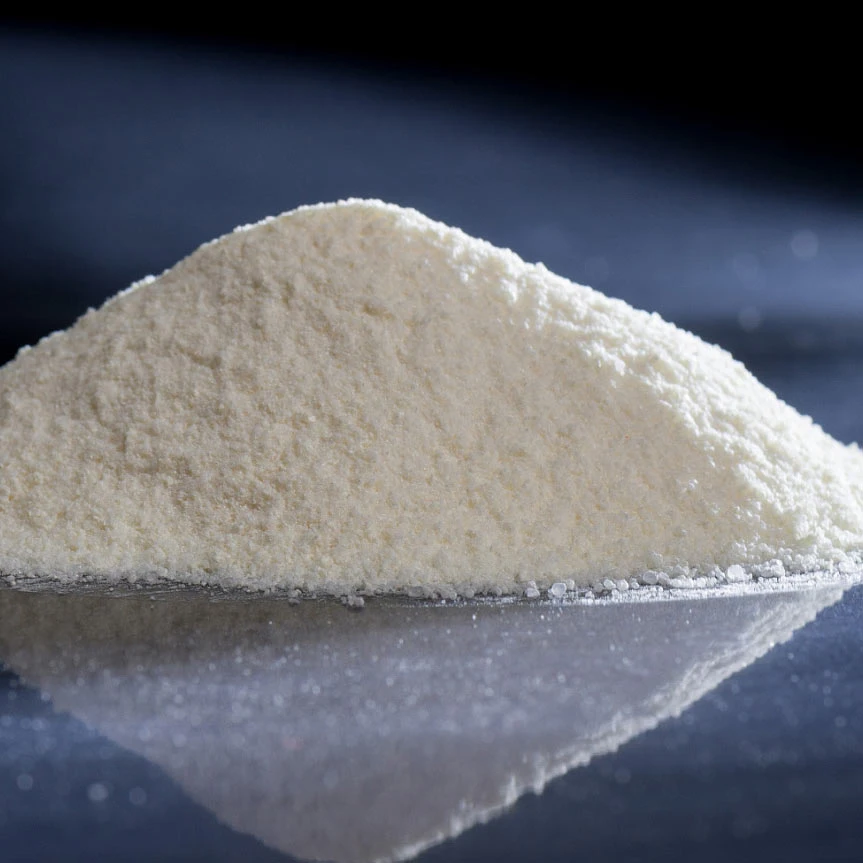
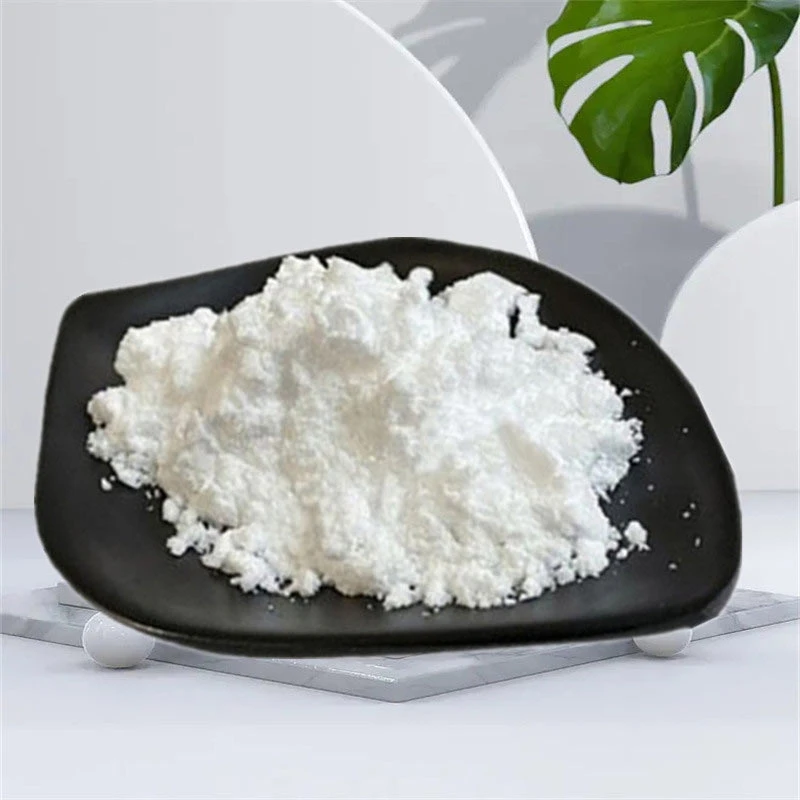
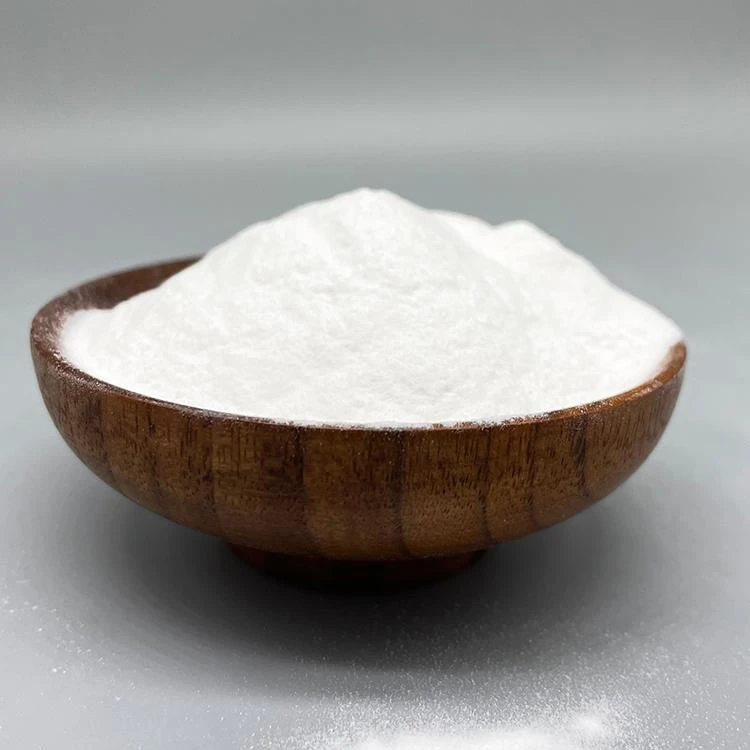
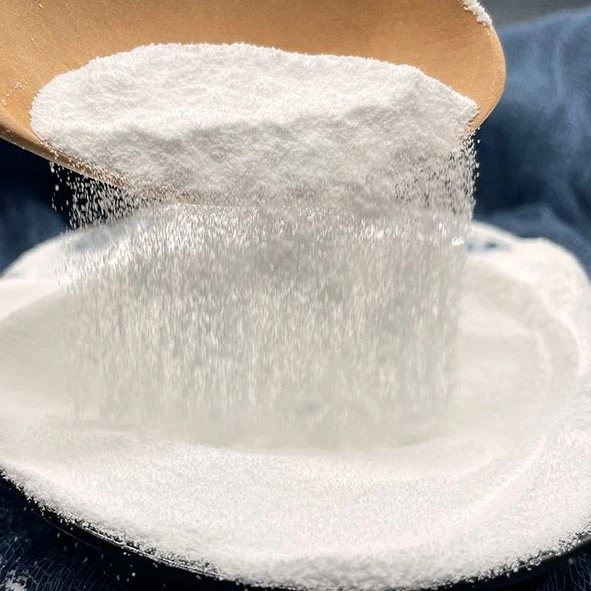
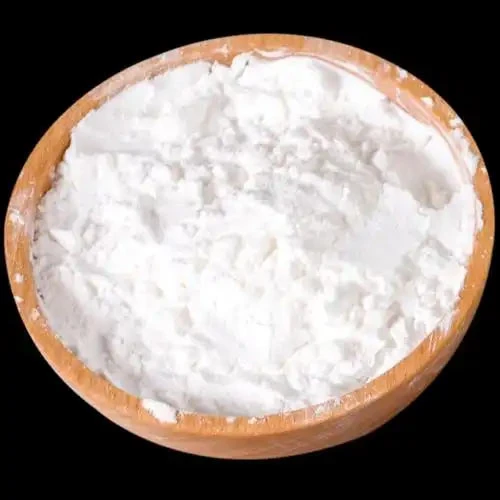
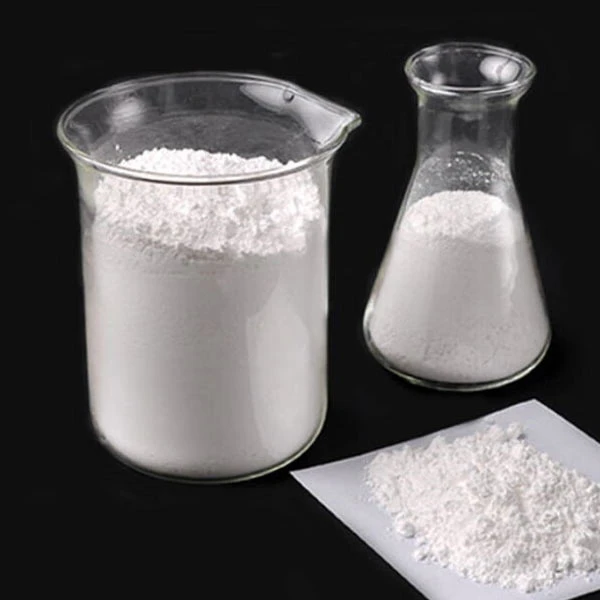
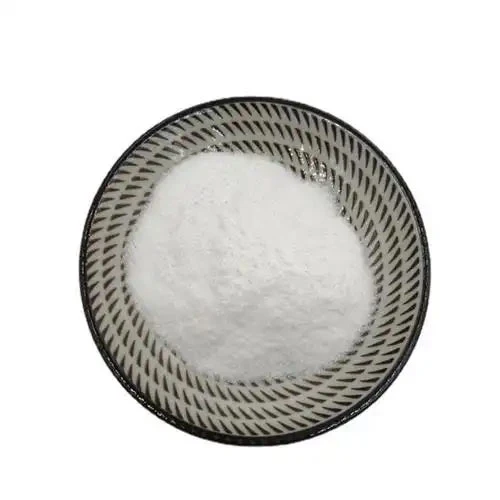
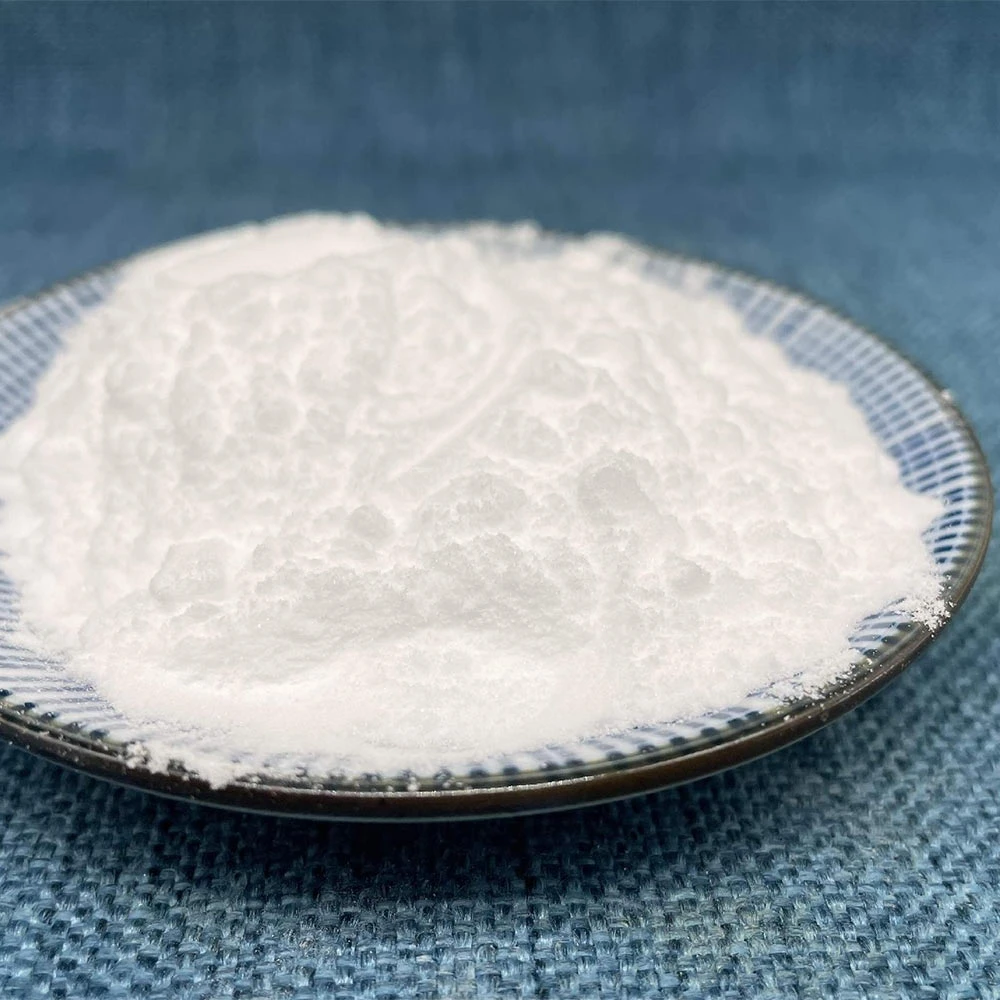
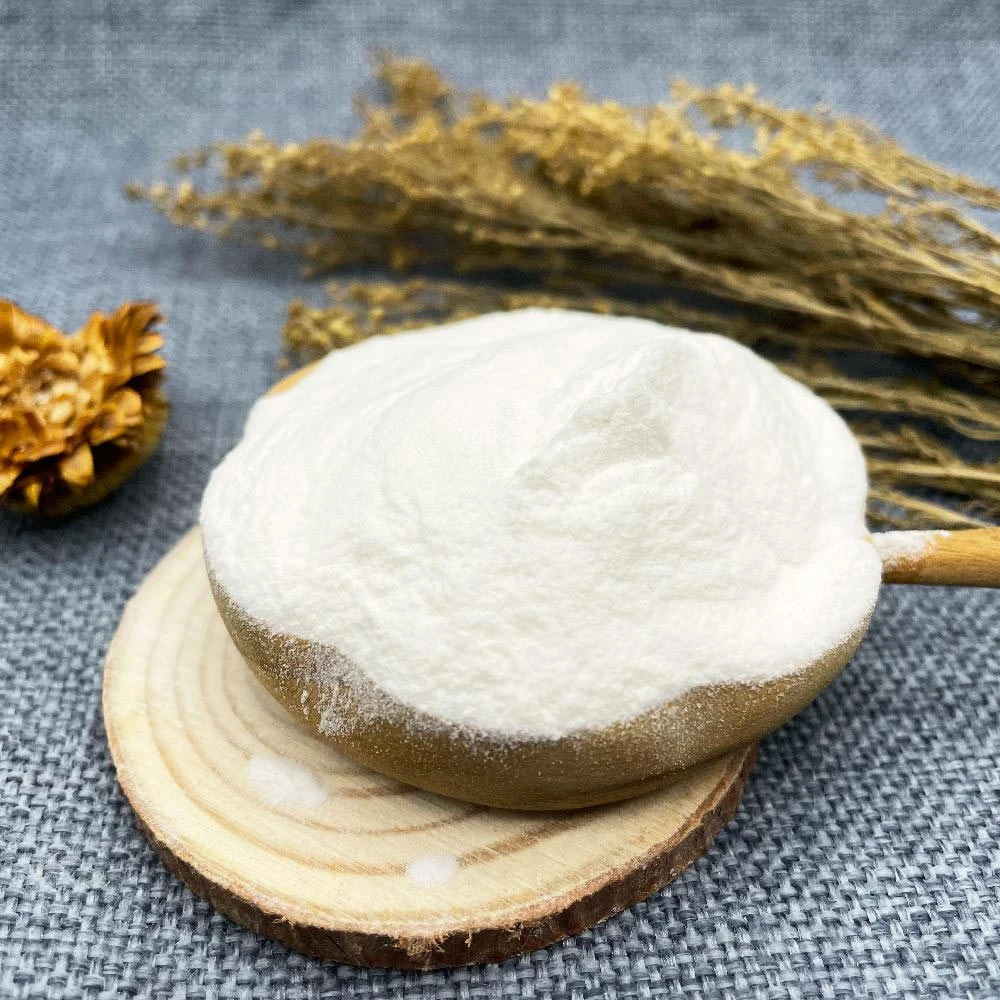
In fields requiring stable structure and good texture, microcrystalline cellulose is an indispensable expert. It's a purified, partially depolymerized form of cellulose, appearing as a white, odorless, tasteless powder. In the pharmaceutical industry, it's an excellent filler and binder, ensuring accurate tablet content, easy formation, and appropriate hardness. In the food industry, it acts as an anti-caking agent, stabilizer, and dietary fiber, widely used in products like low-calorie ice cream, salad dressings, and high-fiber bread—providing a smooth mouthfeel and adding bulk without adding calories. Microcrystalline cellulose is like a reliable "architect," providing silent support without stealing the show.
Carboxymethyl Cellulose: The Master of Thickening and Water Retention
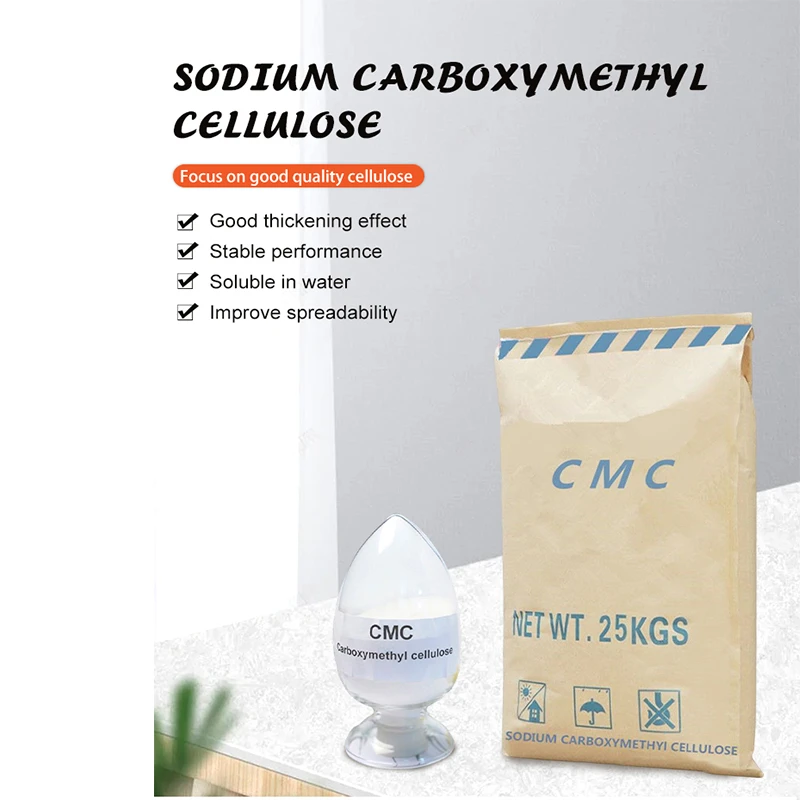
If you need to thicken a product, stabilize it, or lock in moisture, carboxymethyl cellulose (CMC) is your answer. It's a water-soluble polymer derived from cellulose through carboxymethylation. Dissolved in water, CMC forms a high-viscosity colloidal solution with excellent thickening, emulsifying, suspending, and water-retention properties. In food, it stabilizes yogurt texture and prevents ice cream from melting too quickly; in toothpaste, it provides a smooth paste; in detergents, it prevents soil redeposition; in papermaking, it enhances sheet strength. With its powerful hydrophilicity and thickening ability, carboxymethyl cellulose is the "stability master" behind many everyday consumer goods.
Methyl Cellulose: The Unique Creator of Thermal Gels
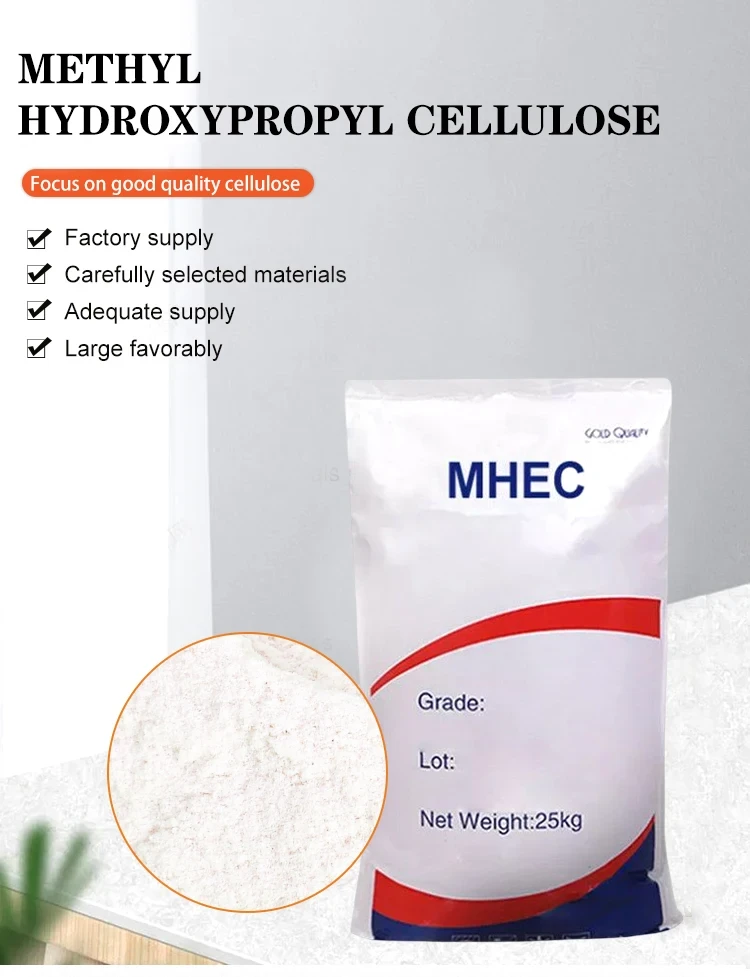
Methyl cellulose (MC) possesses a unique property: thermal gelation. Its aqueous solution forms a gel when heated and returns to a solution state upon cooling. This reversible "hot sets, cold dissolves" characteristic makes it irreplaceable for specific uses. In the construction industry, it's added to cement mortars and coatings as a water-retention agent and thickener, improving workability and preventing cracking. In food, it can be used to create heat-stable shaped vegetarian products. Additionally, its film-forming ability is utilized in pharmaceutical coatings and personal care products.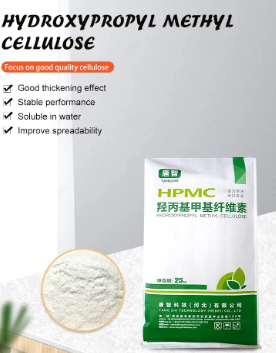
Hydroxyethyl Cellulose: The Smooth Operator for Solubility and Flow
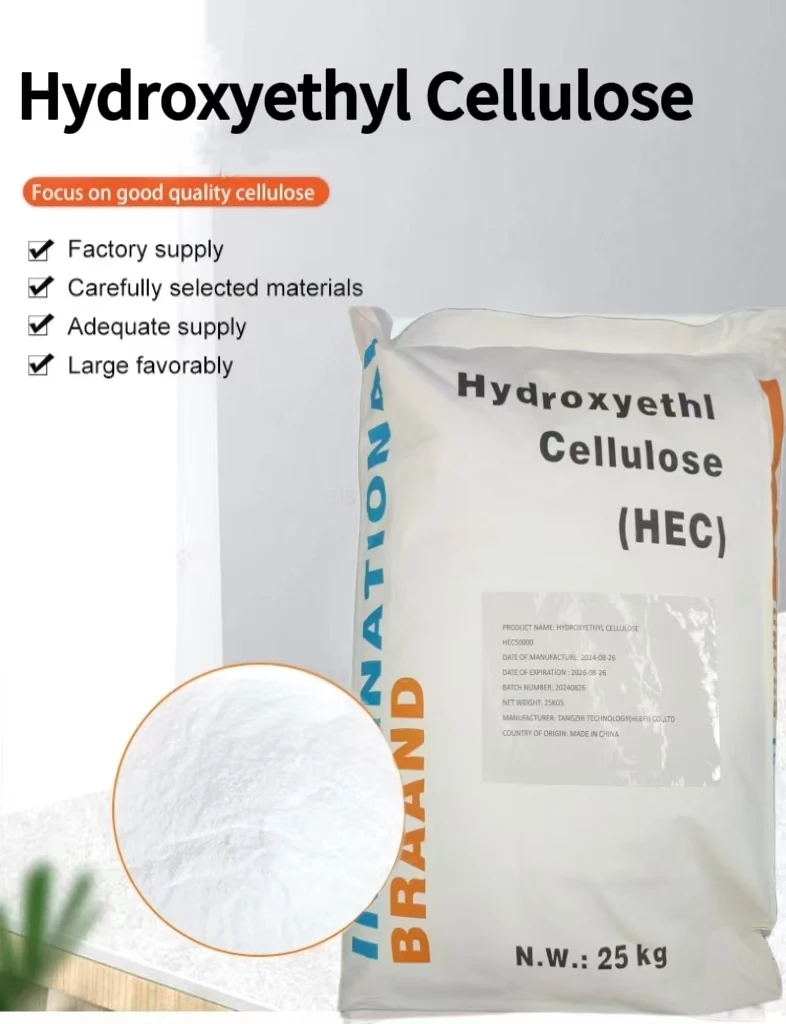
When you need a material that dissolves easily and controls flow without clumping, hydroxyethyl cellulose (HEC) steps in. This non-ionic, water-soluble polymer derived from cellulose is prized for its excellent solubility, even in cold water, and its ability to provide clear, smooth solutions. It's a superb thickener and protective colloid. You'll find hydroxyethyl cellulose in water-based paints and coatings to prevent sagging, in shampoos and shower gels to create a rich lather and feel, in latex adhesives to adjust viscosity, and in artificial tears as a lubricant. It's the "smooth operator" that enhances texture and performance without causing complications.
Cellulose FAQs
Are cellulose and its derivatives safe?
Yes. When derived from approved sources and used within established guidelines, cellulose and its modified forms like carboxymethyl cellulose and microcrystalline cellulose are generally recognized as safe (GRAS) for use in food, pharmaceuticals, and cosmetics by regulatory bodies worldwide. They are non-toxic and biocompatible.
What's the main difference between CMC and HEC?
The main difference is their ionic nature and some performance traits. Carboxymethyl cellulose (CMC) is anionic and excels in thickening, water binding, and stabilizing emulsions. Hydroxyethyl cellulose (HEC) is non-ionic, offers excellent clarity and salt tolerance, and is often preferred in formulations where ionic compatibility is an issue, like in some personal care products or systems with high electrolyte content.
Can methyl cellulose really gel when heated?
Yes, that's its signature feature. Methyl cellulose solutions form a firm gel upon heating (typically starting around 50-70°C), which melts back into a solution upon cooling. This unique thermoreversible gelation is utilized in applications requiring heat-set binding or structure.
Is microcrystalline cellulose just dietary fiber?
While it acts as a dietary fiber in food, microcrystalline cellulose is much more. Its high compressibility and inertness make it a fundamental excipient in pharmaceuticals for tableting. Its functional roles as an anti-caking agent, stabilizer, and texturizer extend its use far beyond just fiber supplementation.
Why choose plant-based cellulose over synthetic alternatives?
Choosing cellulose derivatives offers key advantages: they are bio-based and renewable, aligning with sustainability goals. They are often biodegradable. Many also offer a favorable safety profile and specific functional properties (like the thermal gelation of methyl cellulose) that synthetic alternatives may not replicate as effectively or sustainably.
Embrace the power of nature's own polymers to enhance your products' performance, safety, and sustainability profile. From the structural support of microcrystalline cellulose to the versatile thickening of carboxymethyl cellulose, the unique thermal properties of methyl cellulose, and the smooth functionality of hydroxyethyl cellulose, there's a cellulose solution for your challenge.
Ready to explore how these natural marvels can improve your formulations? Dive deeper into the world of cellulose derivatives. Visit our website today to browse our technical data sheets, learn about specific applications, and connect with our experts. Discover the right cellulose-based ingredient to innovate and elevate your next product line!
-
HPMC High-Performance Thickener | Hebei TangzhiNewsMar.06,2026
-
Wholesale Water Reducing Admixture for Special Cement: Performance and Market InsightsNewsFeb.28,2026
-
The Complete Guide to HPMC: Types, Applications, Grades, and Manufacturing InsightsNewsFeb.28,2026
-
Redispersible Polymer Powder: Types, Applications, and Performance AdvantagesNewsFeb.28,2026
-
Hydroxymethyl Ethyl Cellulose (MHEC): Properties, Applications, and Market InsightsNewsFeb.28,2026
-
Hydroxyethyl Cellulose: Applications, Performance, and Buying GuideNewsFeb.28,2026