HPMC vs HEC: Picking the Right Thickener
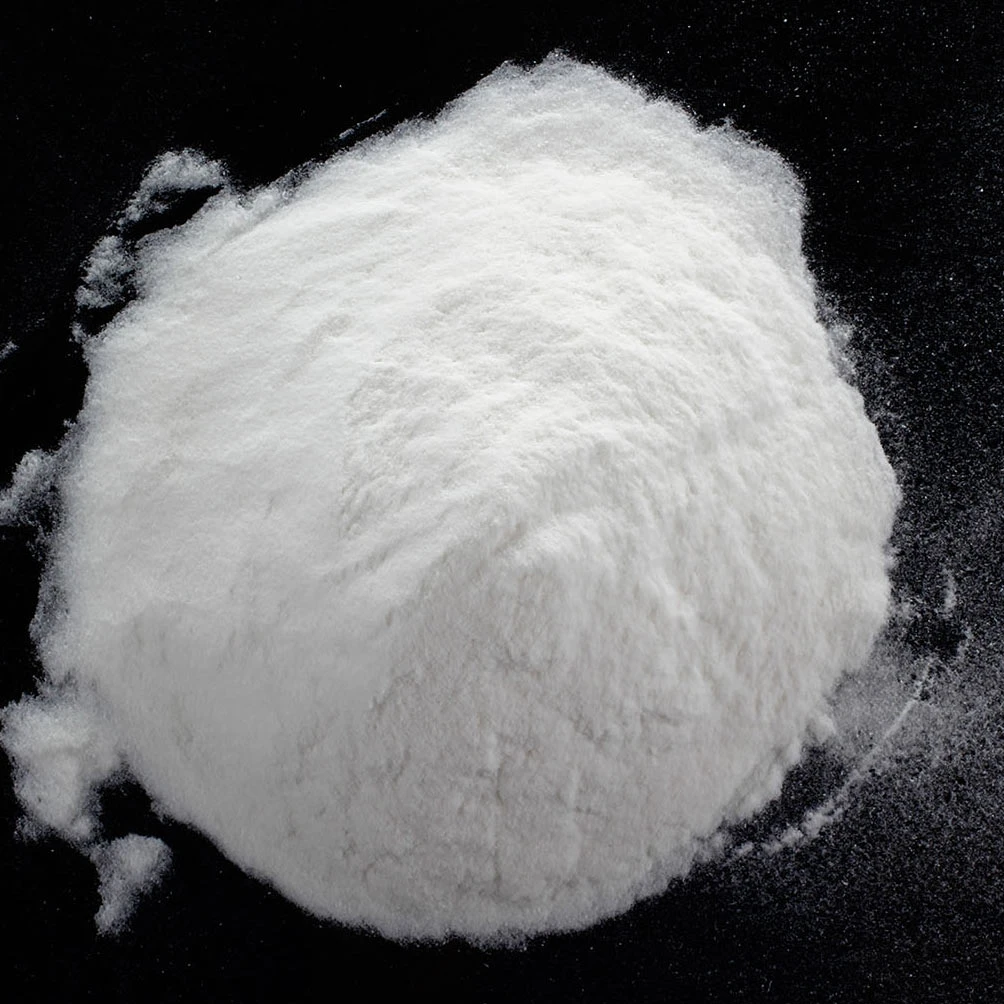
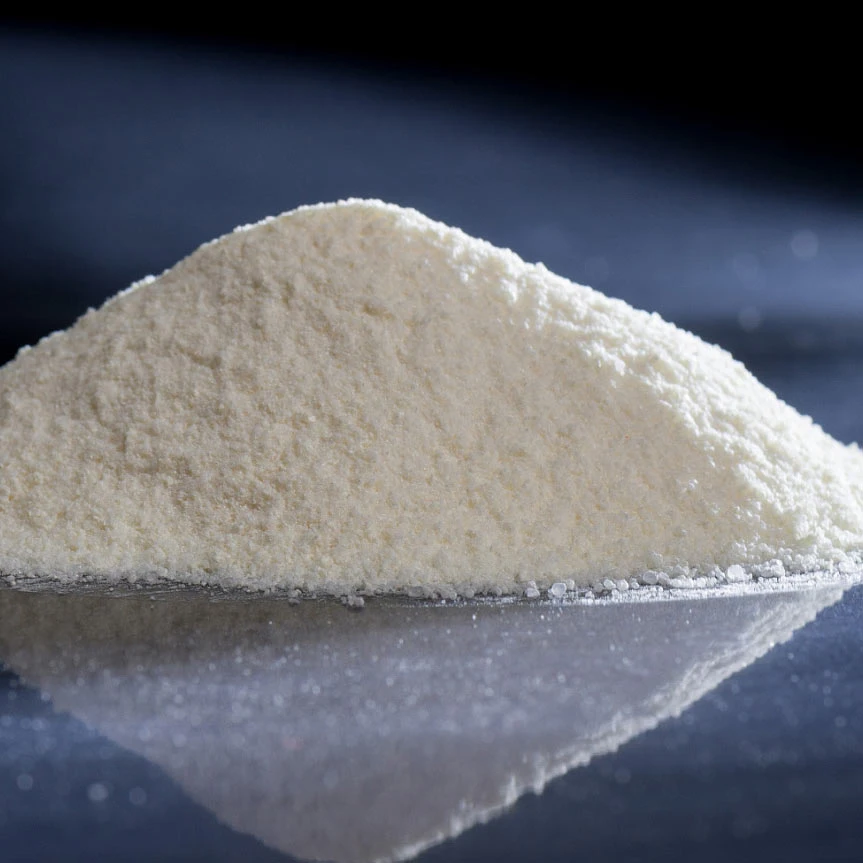
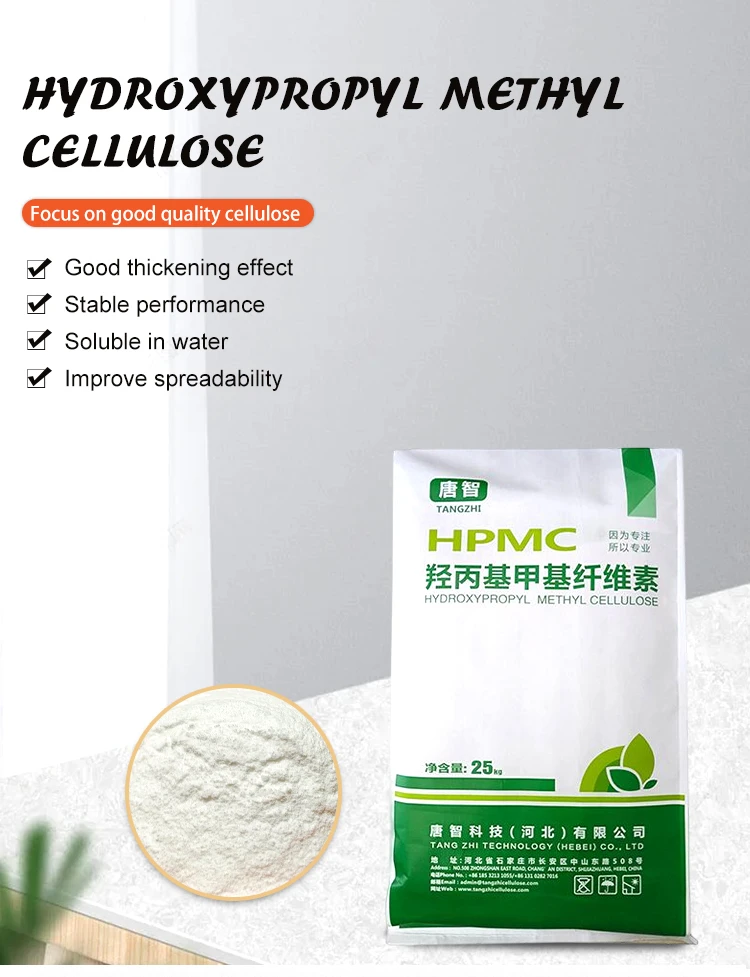
On a construction site, everyone knows that a good bag of mortar or putty needs to feel right and finish smooth. The “invisible hero” making that happen is often a white powder called Hydroxypropyl Methylcellulose, commonly known as Construction HPMC. But with so many types like HPMC E5 and different HPMC grades viscosity, how do you choose? And when should you use HEC instead? Let’s break it down in simple terms to help you pick the right ingredient for the job.
HEC vs HPMC: Different Tools for Different Jobs
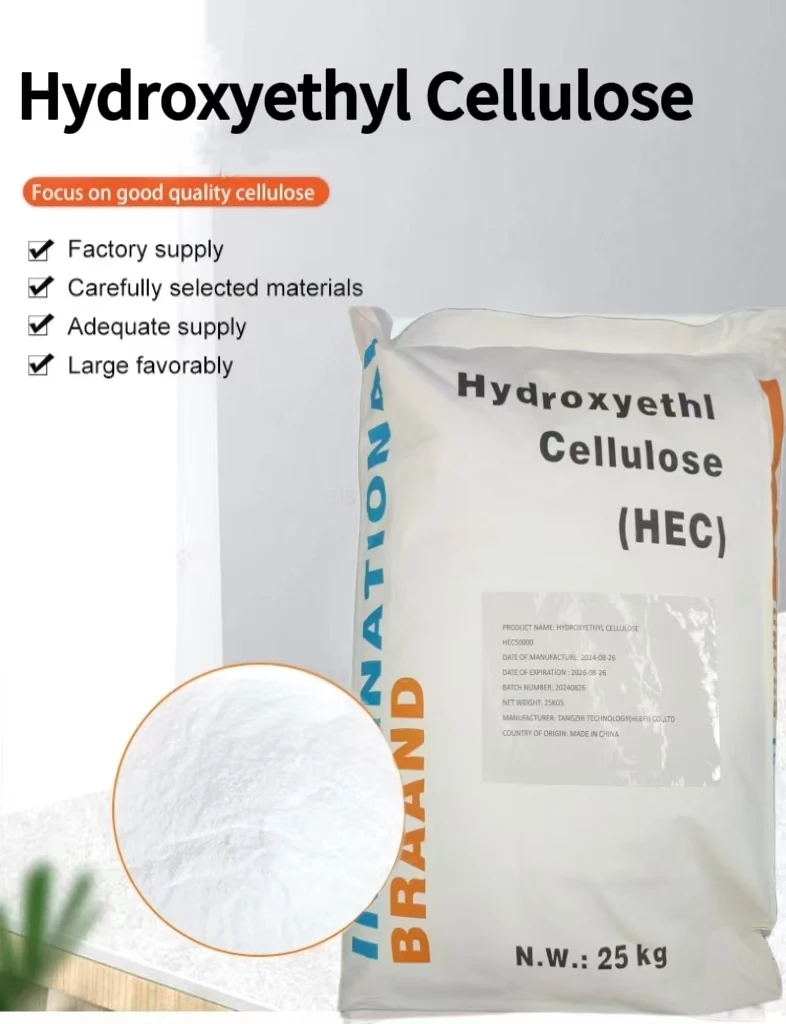
HEC (Hydroxyethyl Cellulose) and HPMC (Hydroxypropyl Methylcellulose) are both cellulose ethers used to thicken and retain water. But they have key differences. HPMC is generally better for construction because of its excellent water retention and ability to improve workability in cement-based products. It often has better compatibility with other building chemicals. HEC, on the other hand, is often favored in personal care products (like shampoos) and some paints because it dissolves clearly and is highly stable over a wide pH range. For building materials, Construction HPMC is typically the go-to choice.
Understanding HPMC E5 and What the Grade Means
When you see a grade like HPMC E5, the number (5) usually refers to its viscosity. HPMC grades viscosity is a critical specification. A lower number like E5 means a lower viscosity—it thickens the mix less but provides excellent wetting and workability. It’s like the difference between thin syrup and thick honey. For spray-applied plasters or mortars that need to be highly pumpable, a lower viscosity grade like HPMC E5 is often ideal because it keeps the mixture fluid and easy to work with, while still providing crucial water retention.
HPMC Grades Viscosity Picks the Right Performance
Choosing the wrong viscosity can ruin your mix. HPMC grades viscosity range from very low (like E5) to very high (like 100,000 or more). Low-viscosity grades improve wetting and flow without making the mix too sticky. High-viscosity grades provide strong thickening and anti-sag properties, perfect for thick tile adhesives or vertical applications. Knowing your application—whether it's a self-leveling floor compound or a thick texture coat—will tell you which of the HPMC grades viscosity you need. The right grade ensures your material is easy to apply and performs perfectly.
Why Construction HPMC is a Game-Changer on Site
Construction HPMC is more than just a thickener; it's a multifunctional additive that solves common problems. First, its high water retention keeps cement and gypsum from drying out too fast, allowing proper curing and preventing cracks. Second, it improves workability, making mortar easier to spread and trowel smooth. Third, it enhances adhesion and anti-sag properties, crucial for vertical surfaces and tile adhesives. By controlling the mix's consistency, Construction HPMC ensures a uniform, high-quality finish every time.
Choosing Between Hot-Soluble and Instant Construction HPMC
Not all Construction HPMC dissolves the same way. There are two main types: hot-soluble and instant. The hot-soluble type is designed for dry-mix products like mortar and putty powder. It dissolves and activates when mixed with water during application, providing long-lasting workability. The instant type dissolves rapidly in cold water and is used in pre-mixed liquid products like construction adhesives or paints. Choosing the right type is essential. For most on-site dry powder mixing, the hot-soluble type is the standard and reliable choice for Construction HPMC.
Construction HPMC FAQs
What's the main difference between HEC and HPMC in simple terms?
Think of it like this: HEC is great for clarity and stability in liquids like shampoos or certain paints. HPMC is the construction specialist—it's better at holding water in cement mixes, improving adhesion, and giving mortar the right "buttery" feel that masons love. For building, HPMC is usually the winner.
What does the "E5" in HPMC E5 stand for?
The "E" often refers to a specific manufacturing standard or type, and the number (like 5) indicates the viscosity grade. HPMC E5 means it's a grade with relatively low viscosity. This makes it excellent for applications where you need good flow and workability without excessive thickening.
How do I choose the right HPMC viscosity grade for my project?
You match the HPMC grades viscosity to your application's needs. For highly fluid applications like pumpable mortar or self-leveling compounds, choose a low viscosity grade (e.g., E5, E15). For thick, non-sag tile adhesives or textured coatings, choose a high viscosity grade (e.g., E50, 100K). The product data sheet will list the viscosity range.
Can I use the same HPMC in tile adhesive and wall putty?
Not ideally. Tile adhesive often requires a higher HPMC grades viscosity to prevent tiles from sliding (anti-sag property). Wall putty typically uses a medium viscosity for easy spreading and smooth finishing. Using the wrong grade can lead to poor performance. It's best to select the Construction HPMC grade specified for each product type.
Where can I buy reliable Construction HPMC?
You can purchase Construction HPMC from specialized chemical distributors, building material suppliers, or directly from manufacturers. Look for suppliers who provide clear technical data sheets detailing the HPMC grades viscosity, type (hot-soluble/instant), and recommended applications to ensure you get the right product for your specific needs.
Stop guessing with your mixes and start building with confidence. The right Construction HPMC is the key to consistent, high-quality results that save time and reduce waste on the job site.
Ready to find the perfect grade for your project? Explore our full range of Construction HPMC products today. From versatile low-viscosity options like HPMC E5 to high-performance grades for demanding applications, we have the exact specification you need. Visit our website now to browse technical data, compare grades, and get expert advice. Let's build something better, together!
-
HPMC High-Performance Thickener | Hebei TangzhiNewsMar.06,2026
-
Wholesale Water Reducing Admixture for Special Cement: Performance and Market InsightsNewsFeb.28,2026
-
The Complete Guide to HPMC: Types, Applications, Grades, and Manufacturing InsightsNewsFeb.28,2026
-
Redispersible Polymer Powder: Types, Applications, and Performance AdvantagesNewsFeb.28,2026
-
Hydroxymethyl Ethyl Cellulose (MHEC): Properties, Applications, and Market InsightsNewsFeb.28,2026
-
Hydroxyethyl Cellulose: Applications, Performance, and Buying GuideNewsFeb.28,2026