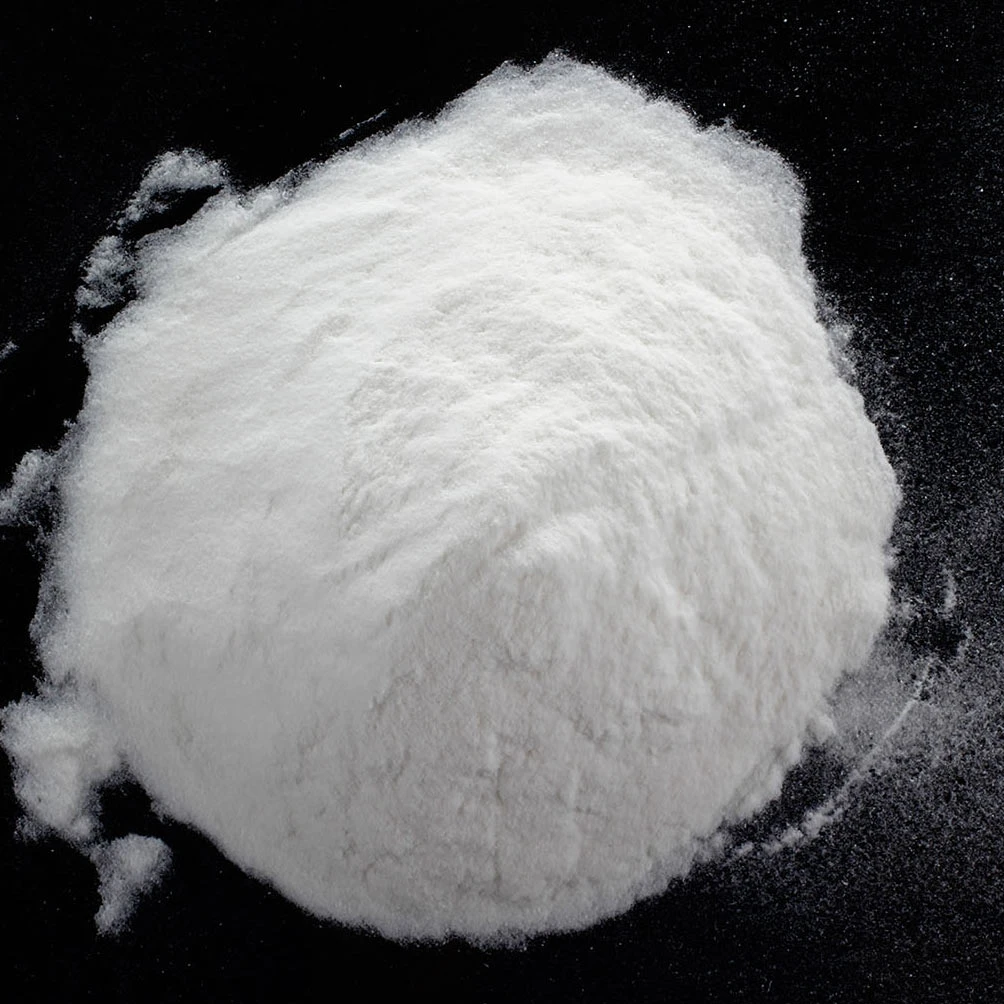
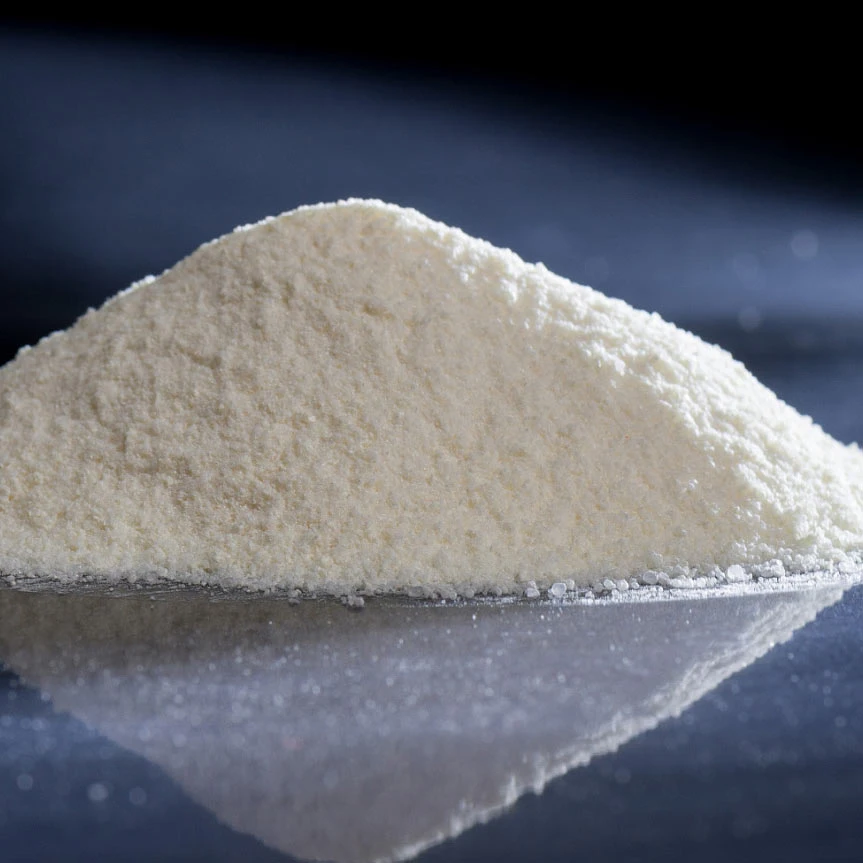
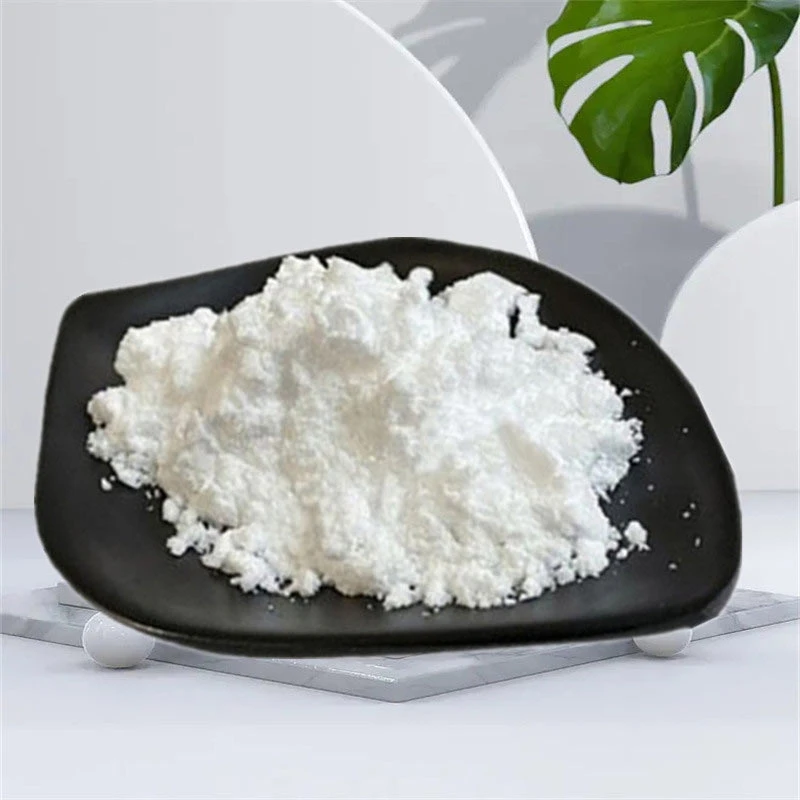
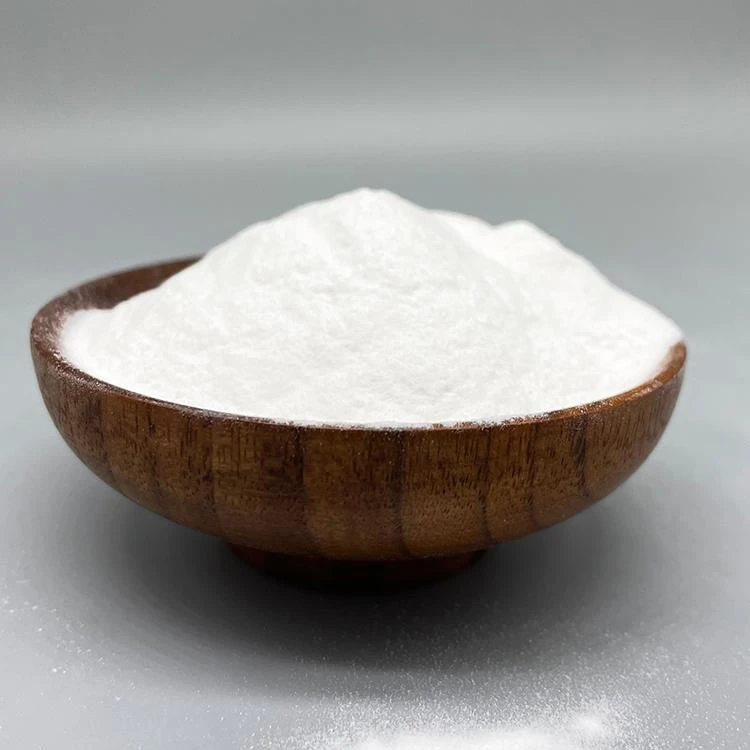
HPMC: The Versatile Performer, From Construction to Medicine
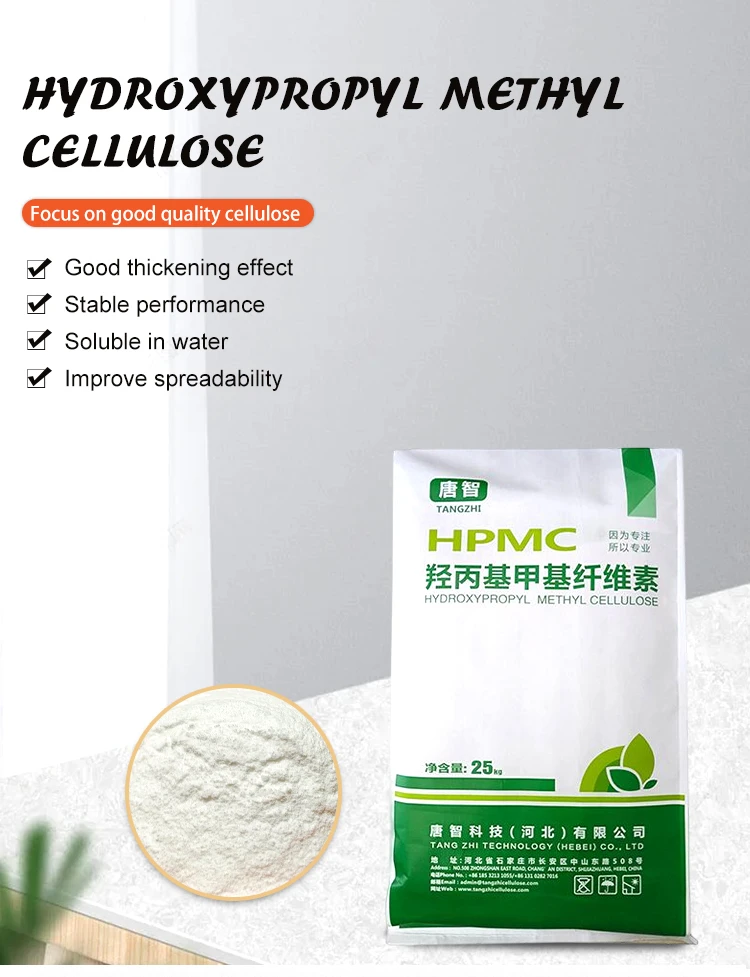
You might have used it on a construction site, or you might have seen it listed in the ingredients of your eye drops. Hydroxypropyl Methylcellulose (HPMC), a name that sounds highly technical, is actually a versatile "multi-tool" that works quietly across industries and in daily life. Whether it's enhancing performance in building coating adhesive HPMC or serving as a fundamental raw material known as cellulose ether HPMC—recognized globally even by its Spanish name, Celulosa HPMC—its impact is wide-ranging. Let's explore this ingredient, from its broad applications down to the microscopic chemical structure of HPMC, and even its role in something as precise as flurbiprofen sodium with HPMC ophthalmic solution.
Building Coating Adhesive HPMC: Smoother, Stronger Construction
In the construction industry, building coating adhesive HPMC is a key additive that elevates product performance. Its core function is high-efficiency water retention, which significantly slows the drying time of cement or gypsum bases, greatly reducing cracking. Simultaneously, it provides excellent thickening and lubricity, making plasters and mortars easier to trowel and improving their anti-vertical flow (sag resistance). In tile adhesives, it imparts high skid resistance, ensuring tiles stay firmly in place without slipping. It also enhances fluidity and pumpability, boosting efficiency in floor screeding. Simply put, building coating adhesive HPMC makes materials easier to work with, saves labor, and ultimately leads to more reliable construction quality.
Cellulose Ether HPMC: A Category of Multi-Functional Chemicals
When we refer to cellulose ether HPMC, we're speaking about a broader category. HPMC is one type among many cellulose ethers, produced by modifying natural cellulose through an etherification process. This modification grants it valuable properties like cold-water solubility, solution thickening, water retention, and film formation. Therefore, the applications of cellulose ether HPMC extend far beyond construction. It serves as a thickener in cosmetics, an anti-redeposition agent in detergents, and a critical excipient in the pharmaceutical industry. Understanding it as part of the cellulose ether family helps us see the source of its properties and the vast scope of its uses.
Celulosa HPMC: The Globally Understood Name for Quality
In Spanish-speaking markets, it's known as Celulosa HPMC. This name represents the same trusted quality and functionality. Whether you're searching for Celulosa HPMC for dry-mix mortars in South America or sourcing building coating adhesive HPMC in Asia, you're seeking the same versatile ingredient. Its special water retention makes it ideal for high water-absorption bricks, and its ability to improve homogeneity makes insulation mortar easier to apply. The global recognition of names like Celulosa HPMC underscores its status as an indispensable, standardized material in international trade and manufacturing.
The Chemical Structure of HPMC is the Key to Its Performance
The secret behind HPMC's abilities lies in its chemical structure. It starts with the long, strong backbone of natural cellulose. Through chemical reactions, hydroxypropyl and methyl groups are attached to this chain. This modification disrupts the natural cellulose's tight packing, making it water-soluble. The type and amount of these attached groups determine key properties like gel temperature, solubility rate, and viscosity. Understanding the chemical structure of HPMC explains why it can thicken a solution, form a clear film, retain water in mortar, and act as a slow-release matrix in pharmaceuticals—all stemming from carefully engineered molecular changes.
Flurbiprofen Sodium with HPMC Ophthalmic Solution: A Medical Guardian
Perhaps one of the most delicate applications is in flurbiprofen sodium with HPMC ophthalmic solution. Here, HPMC is not a construction additive but a crucial pharmaceutical excipient. In eye drops, it serves multiple vital functions. First, as a viscosity-enhancing agent, it increases the solution's residence time on the ocular surface, improving drug absorption. Second, it acts as a lubricant and artificial tear, soothing the eye. Third, it helps stabilize the solution. The use of HPMC in flurbiprofen sodium with HPMC ophthalmic solution showcases its purity, safety, and biocompatibility, proving its value goes far beyond industrial settings into life-enhancing healthcare.
Building Coating Adhesive HPMC FAQs
Why is HPMC so common in construction products?
Building coating adhesive HPMC is prevalent because it solves multiple common problems at once: it retains water for proper curing, improves workability for easier application, provides anti-sag for vertical surfaces, and enhances adhesion. This multi-functionality makes it a cost-effective and reliable additive for mortars, plasters, tile adhesives, and coatings.
Are cellulose ether and HPMC the same thing?
Not exactly. Cellulose ether is a large family of chemicals derived from cellulose. HPMC (Hydroxypropyl Methylcellulose) is one specific, very popular member of that family. Other members include Methyl Cellulose (MC) and Hydroxyethyl Cellulose (HEC). So, all HPMC is a cellulose ether, but not all cellulose ethers are HPMC.
What does 'Celulosa HPMC' mean? Is it different?
Celulosa HPMC is simply the Spanish term for Hydroxypropyl Methylcellulose. "Celulosa" means cellulose. It is not a different product; it's the same cellulose ether HPMC sold and used under its localized name in Spanish-speaking regions.
How does the chemical structure make HPMC safe for eye drops?
The chemical structure of HPMC is based on a natural polymer (cellulose) and uses modifications (hydroxypropyl, methyl) that are well-tolerated by the human body. It is non-ionic, inert, and does not interact negatively with sensitive tissues. When manufactured to high-purity pharmaceutical grades, it is perfectly safe for use in sensitive applications like flurbiprofen sodium with HPMC ophthalmic solution.
Can I use construction-grade HPMC for other purposes?
No. Building coating adhesive HPMC is manufactured and purified to meet specific industrial standards. For food, pharmaceutical (like in ophthalmic solutions), or cosmetic use, HPMC must be produced to much stricter purity and quality control standards (e.g., USP, EP, food-grade). Always use the grade specified for your intended application.
From the rugged environment of a construction site to the sterile precision of a pharmaceutical lab, HPMC proves its worth as an incredibly adaptable and reliable material. Its unique combination of properties, rooted in its tailored chemical structure, makes it a problem-solver across disciplines.
Ready to explore how HPMC can improve your product or project? Discover the right grade for your needs. Visit our website today to browse our full range—from high-performance building coating adhesive HPMC to pharmaceutical-grade materials. Access technical data, compare specifications, and connect with our experts to find your perfect solution. Click here to learn more and make HPMC your next smart choice!
-
HPMC High-Performance Thickener | Hebei TangzhiNewsMar.06,2026
-
Wholesale Water Reducing Admixture for Special Cement: Performance and Market InsightsNewsFeb.28,2026
-
The Complete Guide to HPMC: Types, Applications, Grades, and Manufacturing InsightsNewsFeb.28,2026
-
Redispersible Polymer Powder: Types, Applications, and Performance AdvantagesNewsFeb.28,2026
-
Hydroxymethyl Ethyl Cellulose (MHEC): Properties, Applications, and Market InsightsNewsFeb.28,2026
-
Hydroxyethyl Cellulose: Applications, Performance, and Buying GuideNewsFeb.28,2026