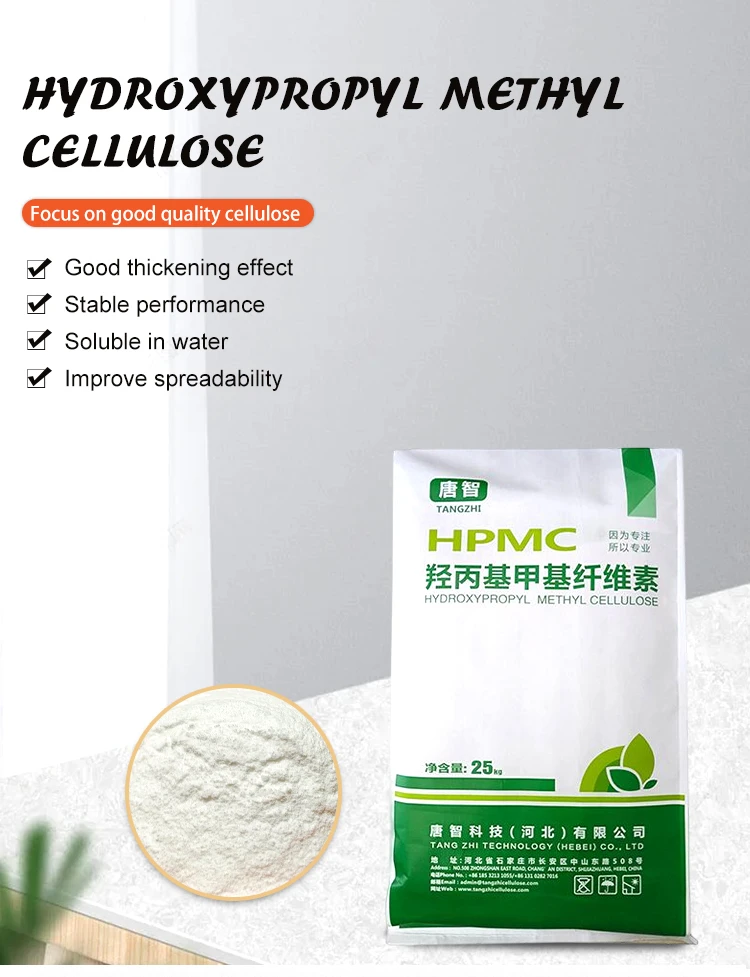
Hydroxypropyl Cellulose for Everyday Use
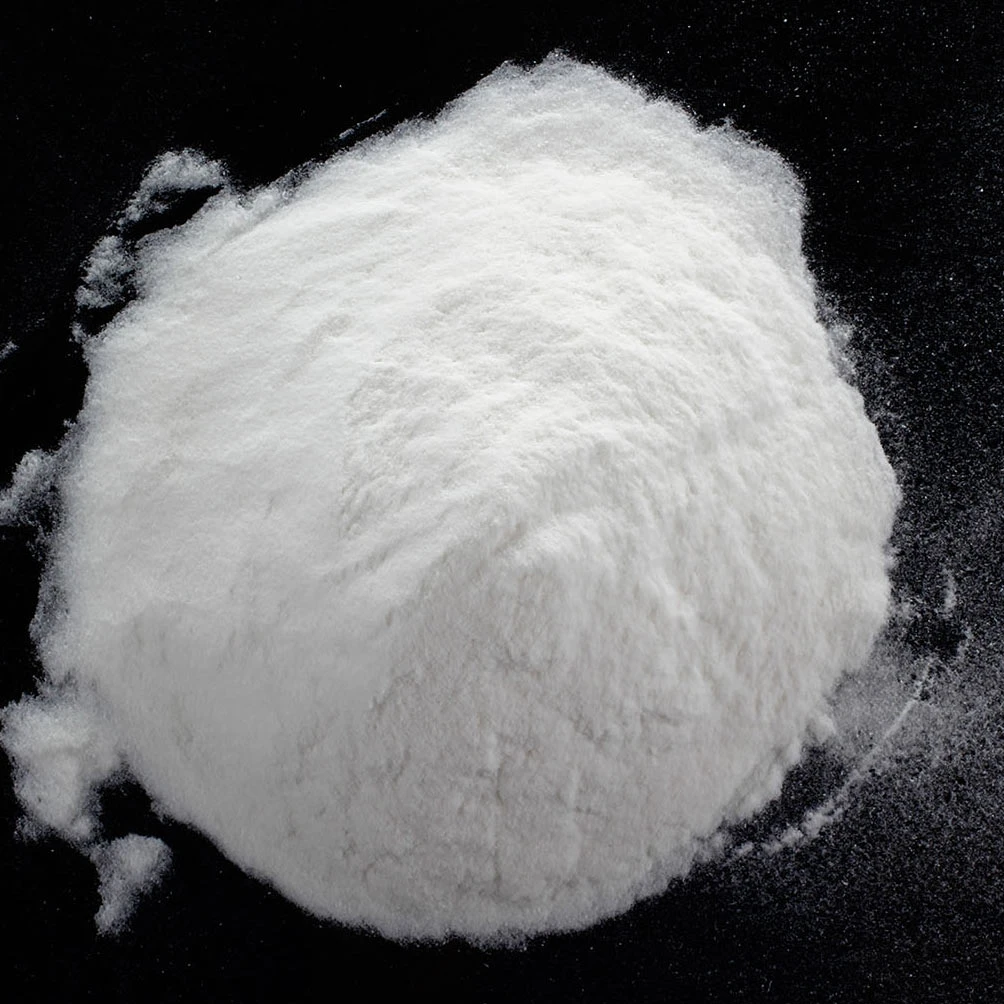
Hydroxypropyl cellulose has become an essential ingredient in modern households and industries alike. It is widely used as a thickening agent in food, improving texture and consistency without altering taste. For example, sauces, creams, and dressings maintain a smooth and appealing texture thanks to hydroxypropyl cellulose. In cosmetics, it helps lotions, gels, and creams achieve the perfect viscosity, ensuring even application and a premium feel. In industrial applications, it is used as a binder and stabilizer for coatings, adhesives, and printing inks. The practical benefits extend to home DIY projects too, where it can help in creating smooth films or clear coatings for craft applications. Its water solubility and film-forming ability make it highly versatile and easy to use in everyday applications. For anyone seeking a reliable, safe, and eco-conscious additive, hydroxypropyl cellulose is the go-to choice.
Sodium Carboxymethyl Cellulose in Daily Products
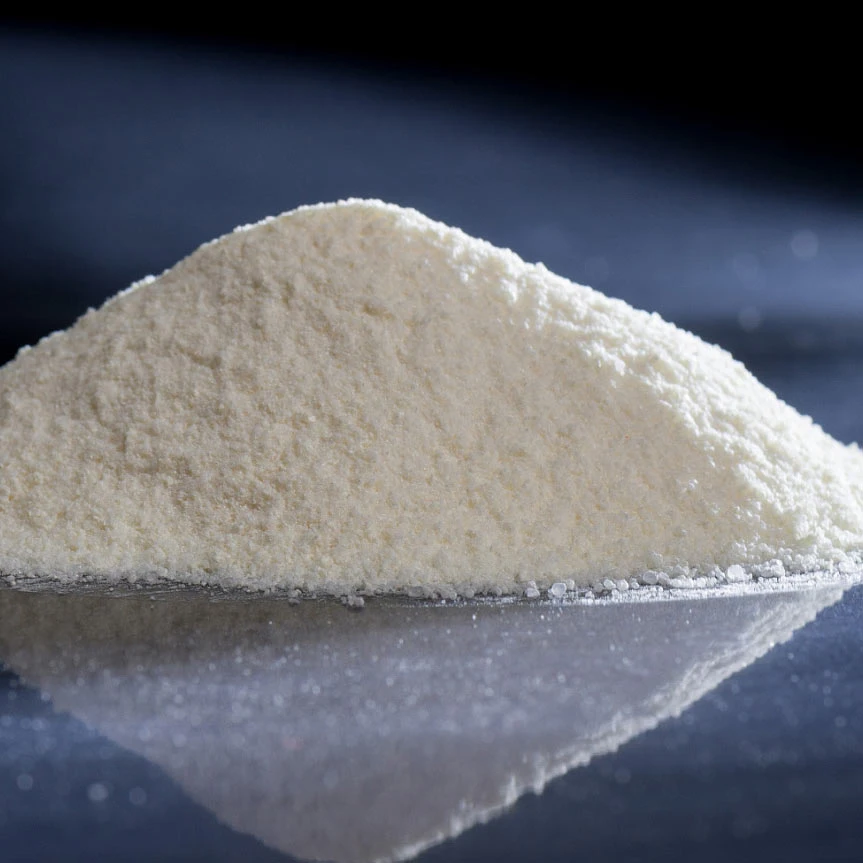
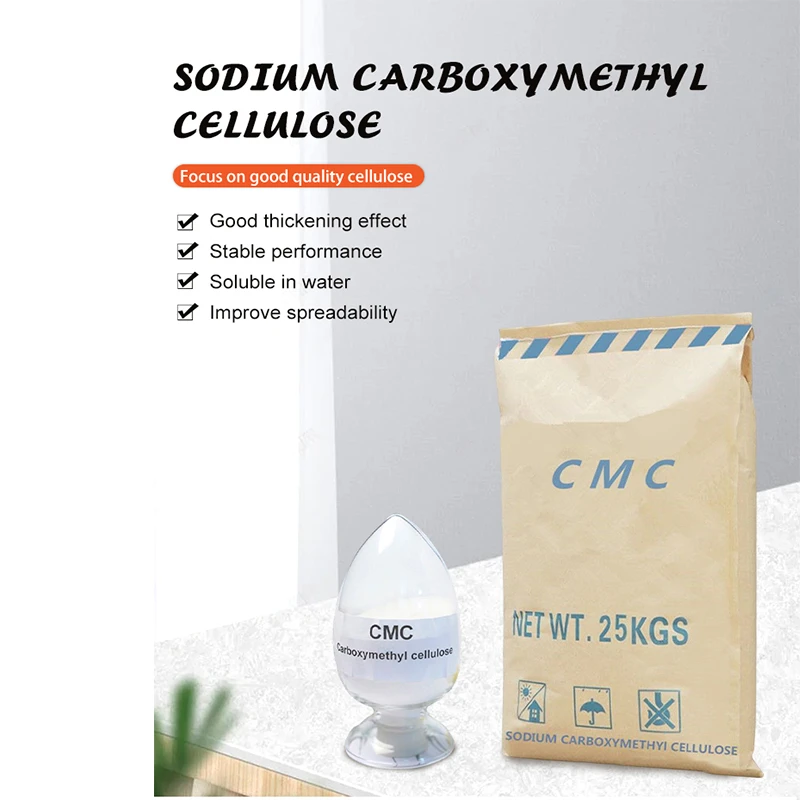
Sodium carboxymethyl cellulose (CMC) is one of the most practical cellulose derivatives available today. Its ability to stabilize and thicken solutions makes it invaluable in both food and industrial contexts. In bakeries, CMC prevents separation in dough and batters, improving texture and volume. In beverages, it maintains a smooth consistency and prevents sedimentation in drinks and syrups. Beyond food, CMC is used in toothpaste, detergents, paints, and lubricants, making it a truly multipurpose ingredient. The fact that it is water-soluble, non-toxic, and biodegradable adds to its appeal, especially in eco-conscious markets. For small businesses and home users alike, incorporating sodium carboxymethyl cellulose can dramatically improve product quality while keeping processes simple and cost-effective. Its versatility ensures that every application—from household to industrial—is practical, efficient, and sustainable.
Ethyl Cellulose for Better Packaging
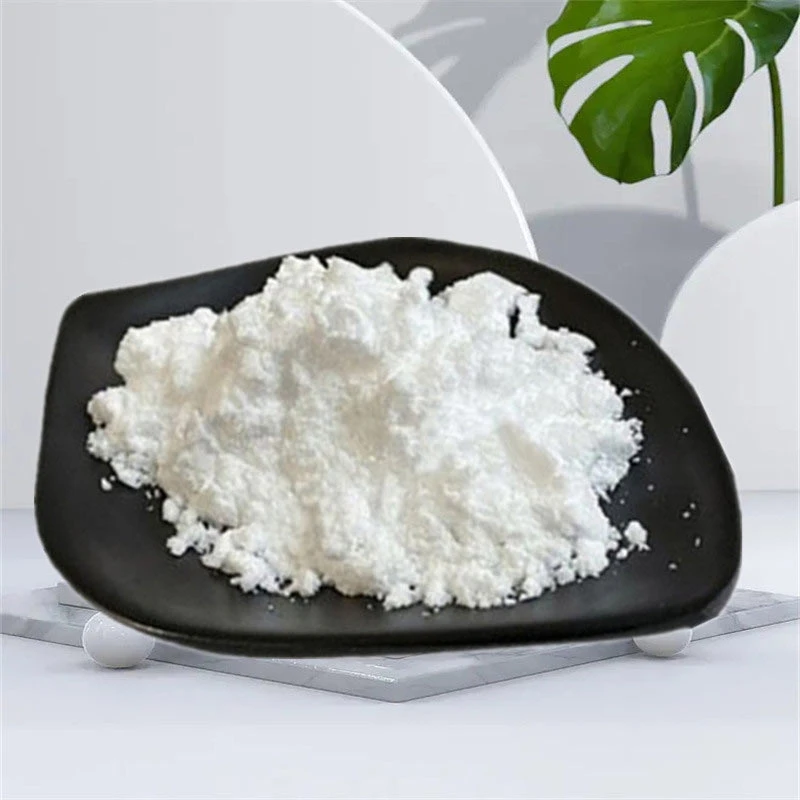
Ethyl cellulose has revolutionized packaging solutions across industries. It serves as a protective coating for tablets, capsules, and even food products, creating a barrier against moisture, oxygen, and other environmental factors. This prolongs shelf life, maintains product integrity, and enhances appearance. Ethyl cellulose films are clear, durable, and safe, making them ideal for food wrappers, pharmaceutical coatings, and even specialty industrial applications. Its ability to form moisture-resistant layers allows manufacturers to use thinner packaging while still achieving protection, contributing to reduced material waste and environmental impact. Ethyl cellulose is also heat-resistant, which makes it suitable for products that undergo high-temperature processing. Companies seeking to innovate in packaging now increasingly rely on ethyl cellulose as a practical, high-performance solution that is easy to integrate and supports sustainability initiatives.
Cellulose Packaging for Sustainable Solutions
Cellulose packaging is emerging as a practical and eco-friendly alternative to traditional plastics. Derived from renewable plant fibers, cellulose packaging is biodegradable, recyclable, and safe for food contact. It can be molded into trays, boxes, wraps, or even complex designs without compromising strength or durability. This makes it an attractive choice for industries ranging from food and beverages to electronics and personal care. Cellulose packaging not only reduces environmental footprint but also appeals to consumers who prioritize sustainability. Small businesses can use it to enhance their brand image, while large manufacturers can scale it to replace conventional packaging entirely. Its practical features—lightweight, sturdy, and customizable—make cellulose packaging a smart choice for businesses and individuals alike. Whether it’s takeaway boxes, protective trays, or creative packaging solutions, cellulose packaging combines usability, eco-consciousness, and visual appeal in one solution.
Cellulose Fiber for Everyday Applications
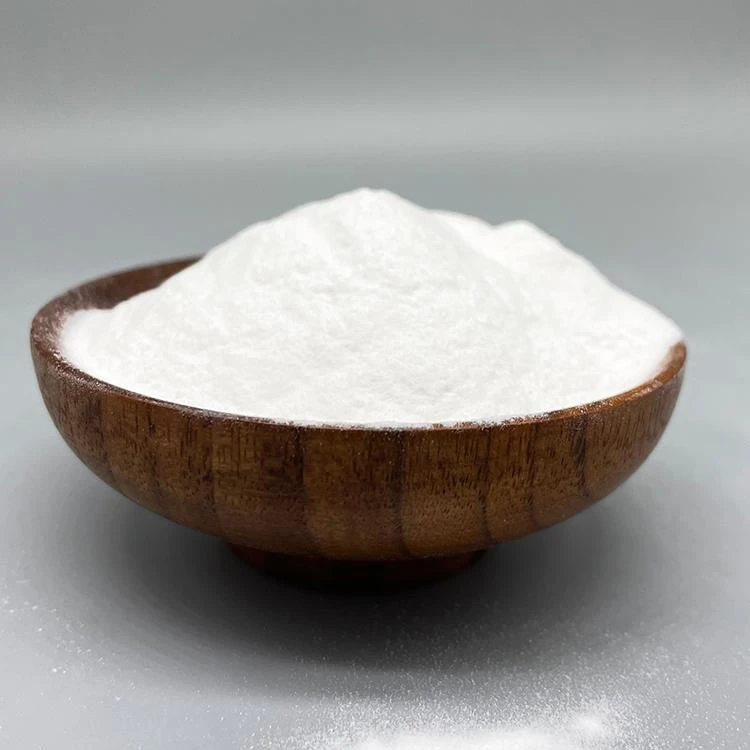
Cellulose fiber is one of the most versatile materials available today. It is widely used in textiles, providing breathable, soft, and durable fabrics for clothing. In addition, cellulose fiber is integral in paper production, hygiene products like wipes and tissues, and even home insulation materials. Its natural origin and biodegradability make it a sustainable choice for manufacturers and environmentally conscious consumers. Beyond everyday uses, cellulose fiber is also found in industrial products, including filters, composites, and reinforcement materials. Its combination of strength, flexibility, and eco-friendliness ensures that cellulose fiber is both practical and highly adaptable. For those looking to incorporate sustainable materials into daily life, products made from cellulose fiber offer a balance of comfort, durability, and responsibility. By using cellulose fiber, businesses and consumers alike can embrace modern, practical solutions while supporting environmental sustainability.
Cellulose Innovations FAQs
What is hydroxypropyl cellulose used for?
Hydroxypropyl cellulose is used as a thickener, stabilizer, and film-forming agent in food, cosmetics, and industrial products.
Is sodium carboxymethyl cellulose safe for consumption?
Yes, sodium carboxymethyl cellulose is food-grade, biodegradable, and widely recognized as safe for human use.
How does ethyl cellulose improve packaging?
Ethyl cellulose provides a moisture-resistant, durable film that protects food, pharmaceuticals, and other products during storage and transport.
Can cellulose packaging replace plastic entirely?
Cellulose packaging is biodegradable and versatile, suitable for many products, though some high-moisture items may still require additional coatings.
Where can I buy cellulose fiber products?
You can explore a wide range of cellulose fiber products on our website, including packaging, fibers for textiles, and industrial applications. Visit now to see practical options for your business or home.
Cellulose products like hydroxypropyl cellulose, sodium carboxymethyl cellulose, ethyl cellulose, cellulose packaging, and cellulose fiber are practical, versatile, and eco-friendly. Upgrade your products, improve quality, and support sustainability today—visit our website to find reliable cellulose solutions and make purchases directly. Don’t wait, explore innovative cellulose products now and experience the practical benefits yourself.
-
HPMC High-Performance Thickener | Hebei TangzhiNewsMar.06,2026
-
Wholesale Water Reducing Admixture for Special Cement: Performance and Market InsightsNewsFeb.28,2026
-
The Complete Guide to HPMC: Types, Applications, Grades, and Manufacturing InsightsNewsFeb.28,2026
-
Redispersible Polymer Powder: Types, Applications, and Performance AdvantagesNewsFeb.28,2026
-
Hydroxymethyl Ethyl Cellulose (MHEC): Properties, Applications, and Market InsightsNewsFeb.28,2026
-
Hydroxyethyl Cellulose: Applications, Performance, and Buying GuideNewsFeb.28,2026