Hydroxypropyl Methyl Cellulose (HPMC): Uses, Grades & Construction Benefits
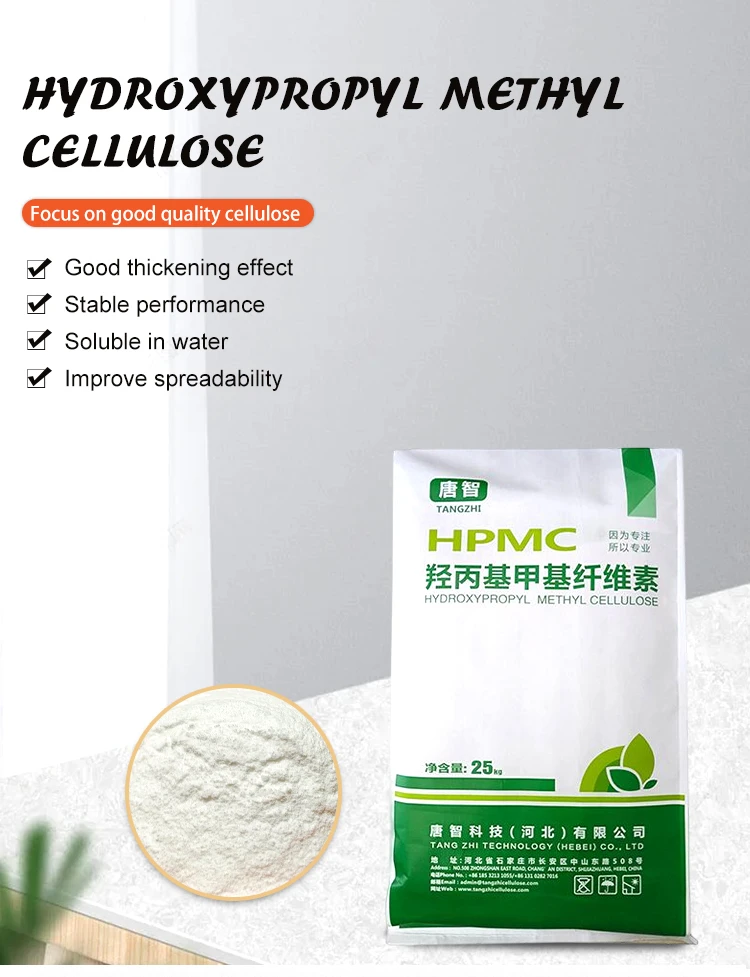
Hydroxypropyl methyl cellulose (HPMC) is a non-ionic cellulose ether used widely in various industries including pharmaceuticals, construction, and personal care. Whether you're comparing HEC vs HPMC, searching for the right HPMC grades viscosity, or considering HPMC tile adhesive for your next project, understanding the full properties and applications of HPMC is essential. In this article, we will explore the characteristics, applications, and technical details of HPMC, especially its role in the construction industry and the marketplace.
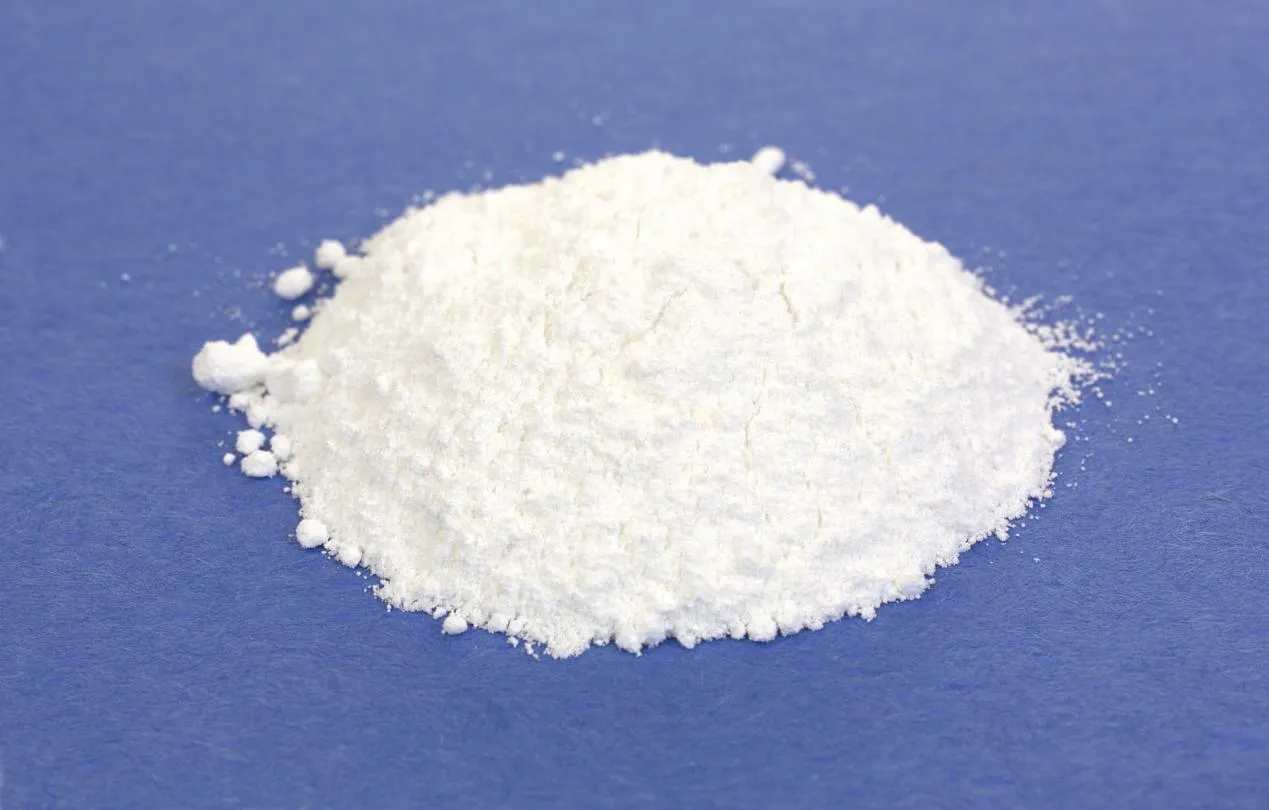
Understanding HPMC: Grades, Density, and Dispersion
What Is HPMC?
Hydroxypropyl methyl cellulose is derived from natural cellulose and modified to be water-soluble and versatile in both dry and wet environments. As a film-former, thickener, and stabilizer, it plays a critical role across multiple sectors. For those sourcing HPMC for sale, it is important to select a grade that aligns with the intended use, as it comes in multiple formulations with varying viscosities and functionalities.
HPMC Grades and Viscosity
One of the most important selection criteria for buyers is HPMC grades viscosity. Viscosity affects how HPMC performs in different applications—higher viscosity grades are often used for building materials like cement-based adhesives, while lower viscosity grades (e.g., HPMC E5) are preferred in pharmaceutical formulations due to their quick dispersion and ease of handling.
HPMC E5 is a commonly used low-viscosity pharmaceutical-grade HPMC ideal for film-coating tablets and sustained-release formulations.
Medium to high-viscosity grades are excellent for use in adhesives, plasters, mortars, and tile bonding.
A reliable hydroxypropyl methyl cellulose manufacturer will typically provide detailed technical datasheets to help match the correct grade with your specific needs.
HPMC Density and Dispersion
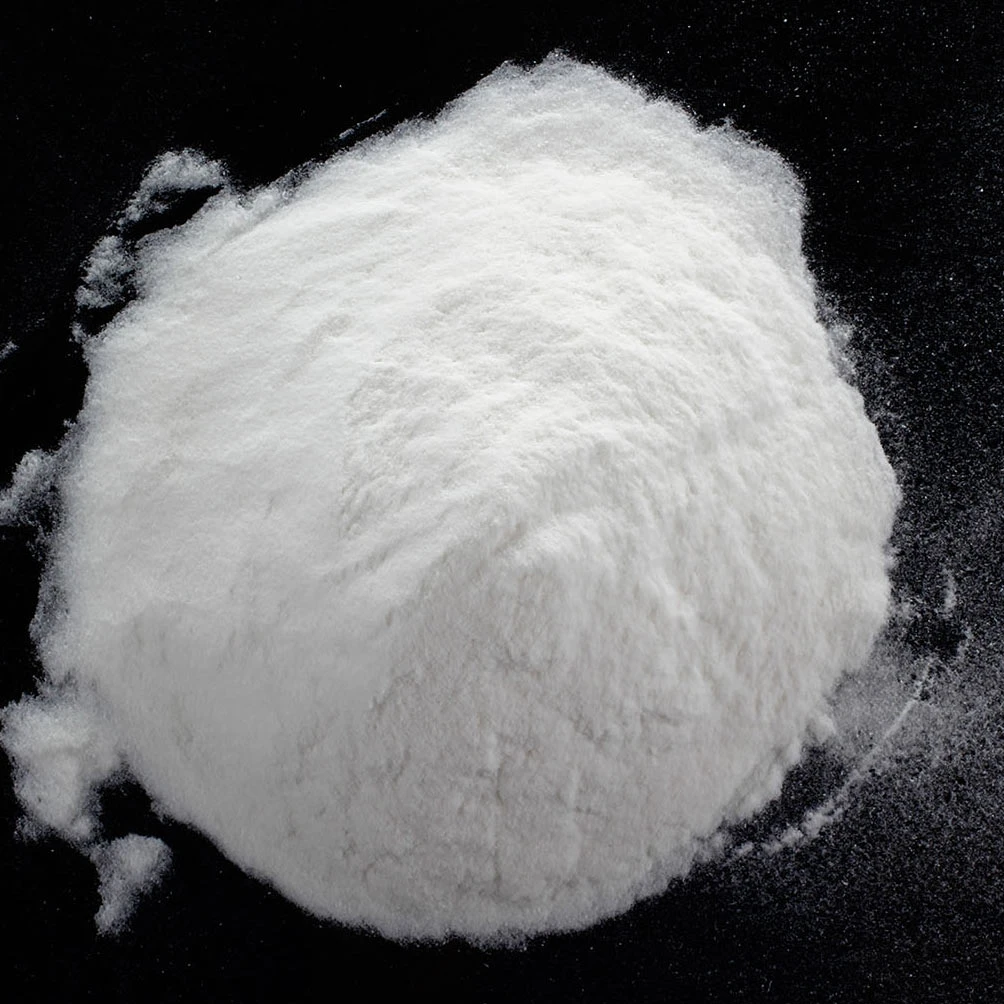
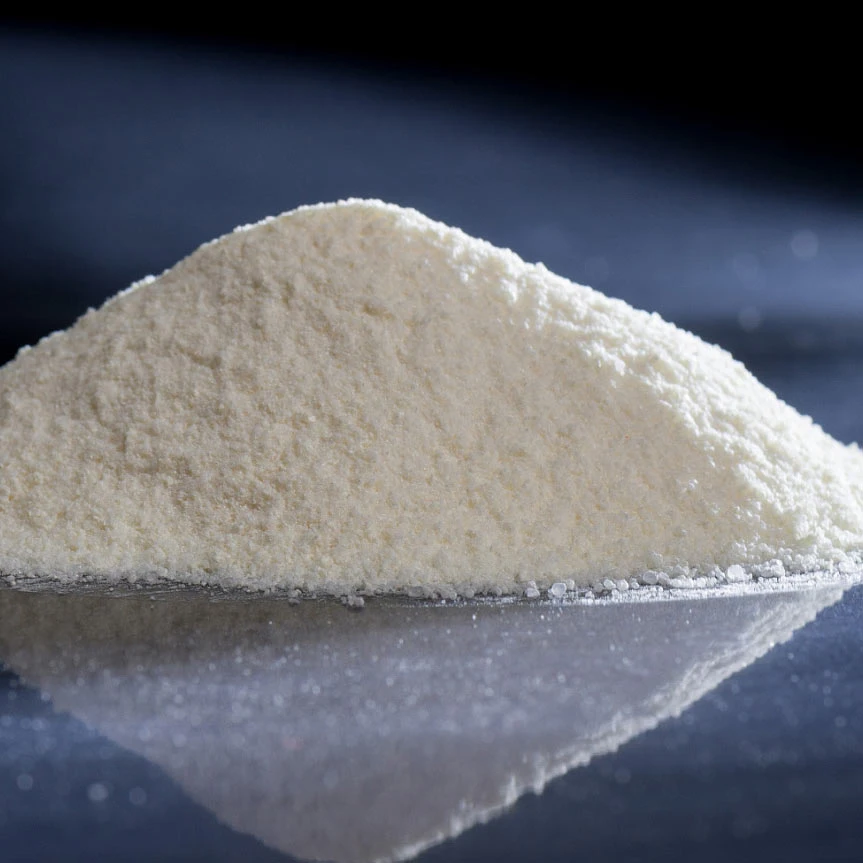
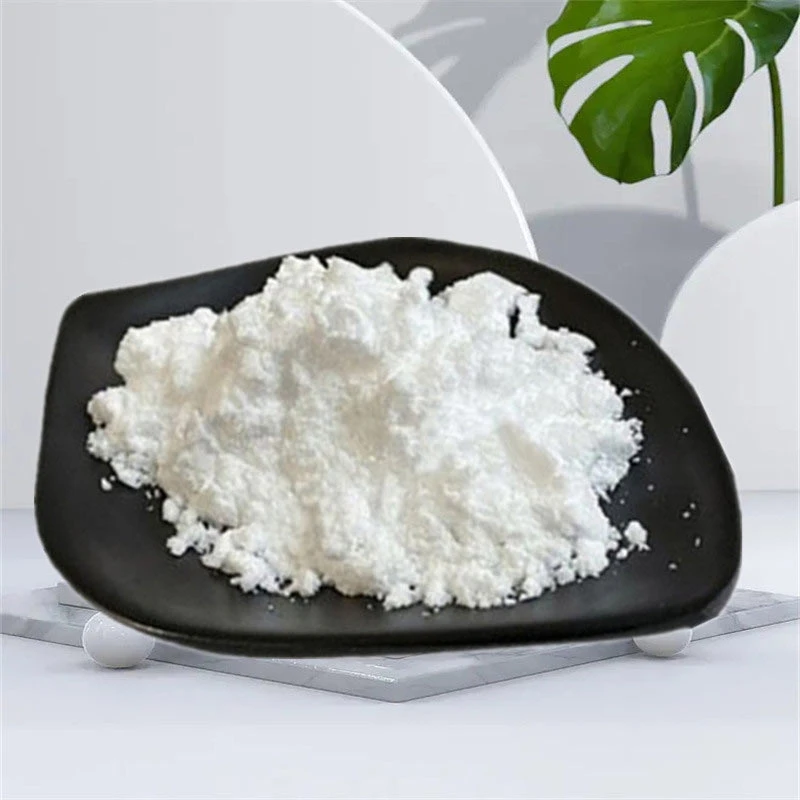
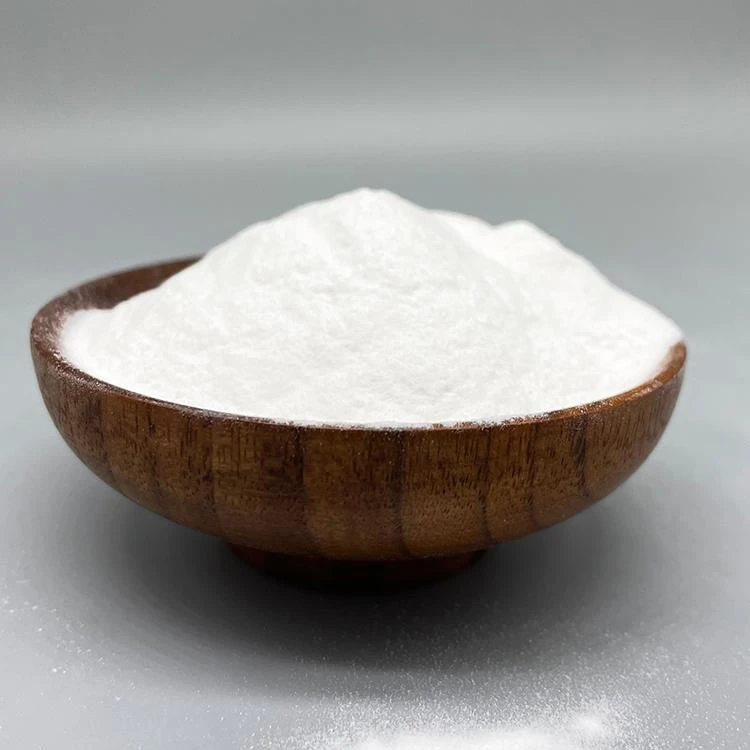
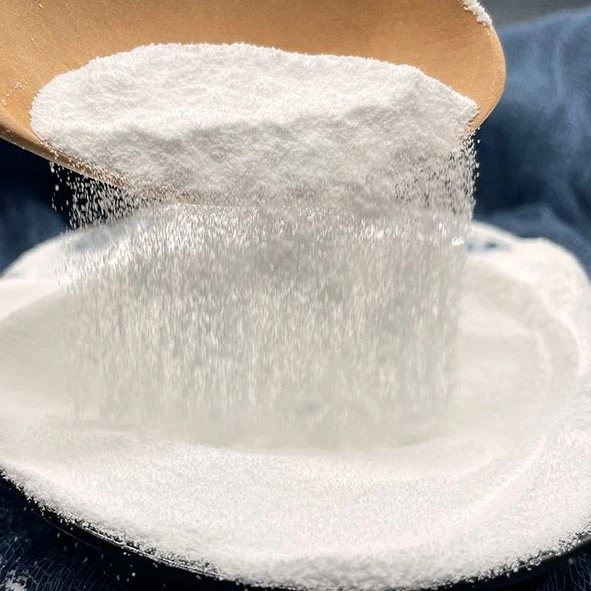
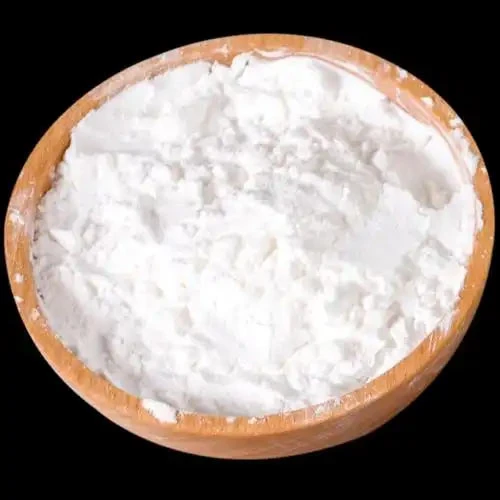
The HPMC density usually ranges between 1.2 to 1.4 g/cm³ in its pure powder form. It exhibits excellent solubility in cold water and forms a transparent, stable solution. The HPMC dispersion process is critical during application—especially in large-scale industrial uses. It must be added gradually to water with continuous stirring to avoid lumping and ensure homogeneous dissolution.
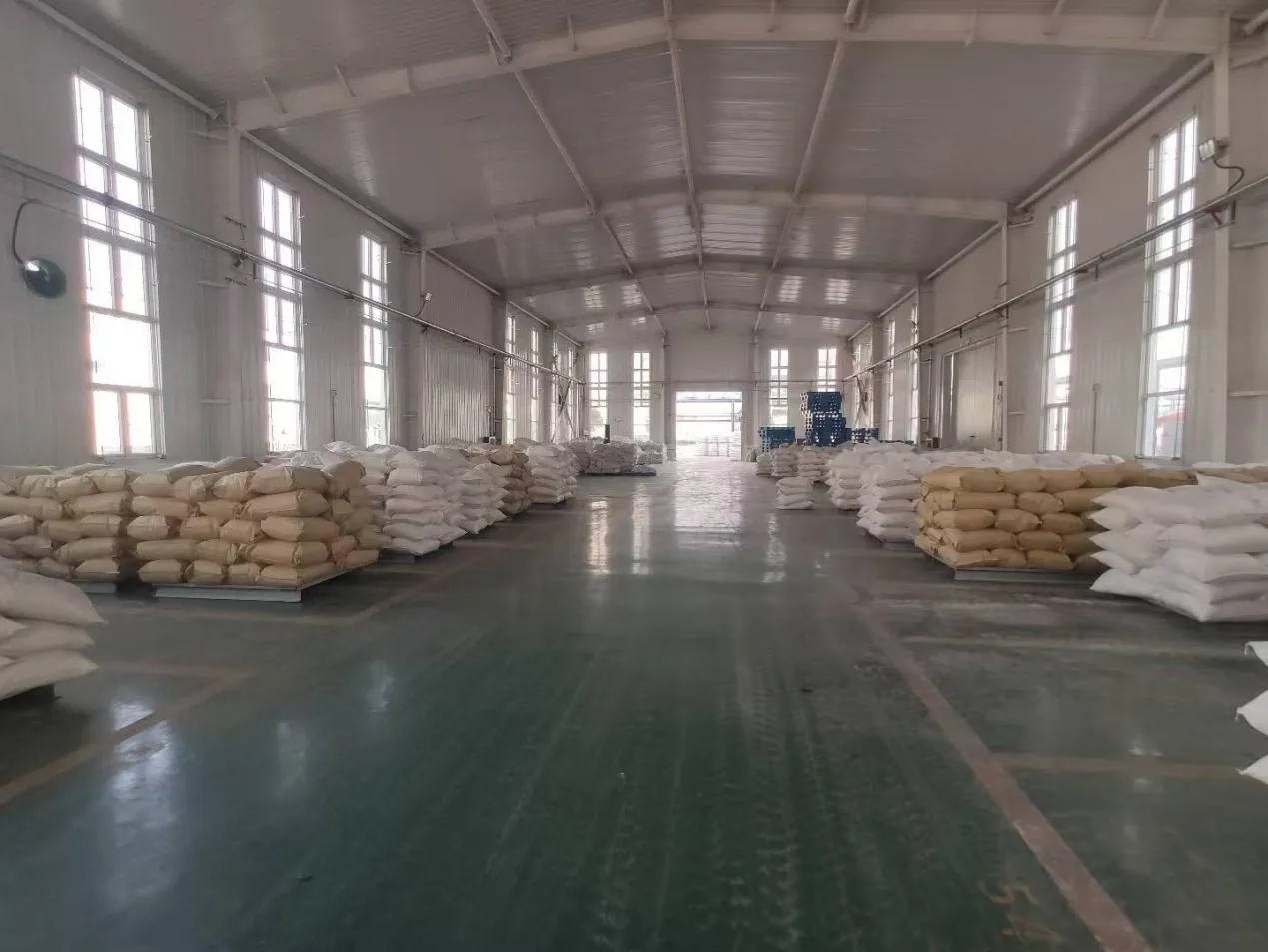
HPMC in Construction Applications: Adhesives, Mortars & More
Construction HPMC: Why It’s So Popular
Construction HPMC is known for enhancing water retention, workability, and adhesion in cement-based and gypsum-based products. Whether it’s being used in tile adhesives, wall putty, or renders, HPMC improves open time, anti-sag performance, and overall durability. It allows for a smoother application process and better bonding on vertical surfaces.
HPMC for Tile Adhesives
The application of HPMC tile adhesive is particularly widespread. In tile adhesives, HPMC increases the paste’s cohesiveness and water retention, which improves the final bonding strength. The ability to retain water in the formulation gives enough open time for repositioning tiles and prevents premature drying—critical for tile installation on hot or dry surfaces.
For professionals and DIYers alike, using HPMC-enhanced tile adhesive results in less shrinkage, reduced cracking, and superior adhesion—making it a preferred additive in modern construction solutions.
HPMC Drops in Pharmaceutical Applications
Apart from industrial use, HPMC drops are also found in the pharmaceutical sector, particularly in ophthalmic formulations. Its film-forming and lubricating properties make it an ideal ingredient in artificial tears and contact lens solutions, offering relief for dry eyes.

Conclusion: Choosing the Right HPMC Manufacturer and Grade
Selecting the right hydroxypropyl methyl cellulose manufacturer is crucial, especially when your application demands specific functionality—be it HPMC E5 for drug coating or high-viscosity construction HPMC for tile adhesives.
Understanding differences like HEC vs HPMC, evaluating HPMC grades viscosity, and knowing how it affects HPMC density and dispersion can make or break your formulation. With HPMC’s wide availability and adaptability, there’s a reason why it's found in everything from dry-mix mortars to pharmaceutical eye drops.
Whether you're looking for HPMC for sale or need a specialized formulation for your industrial application, ensure you work with experienced suppliers who can offer consistent quality, technical support, and documentation such as the HPMC USP monograph for pharmaceutical-grade material.
FAQs: Answering Common Questions on Hydroxypropyl Methyl Cellulose
1. What Should You Know Before You Buy HPMC for Sale?
Before purchasing HPMC for sale, it's essential to know your application—pharmaceutical, construction, or food. Each use requires specific grades with varying viscosities and purity levels. Always request a technical datasheet and certification from your supplier.
2. HEC vs HPMC: What’s the Difference in Applications?
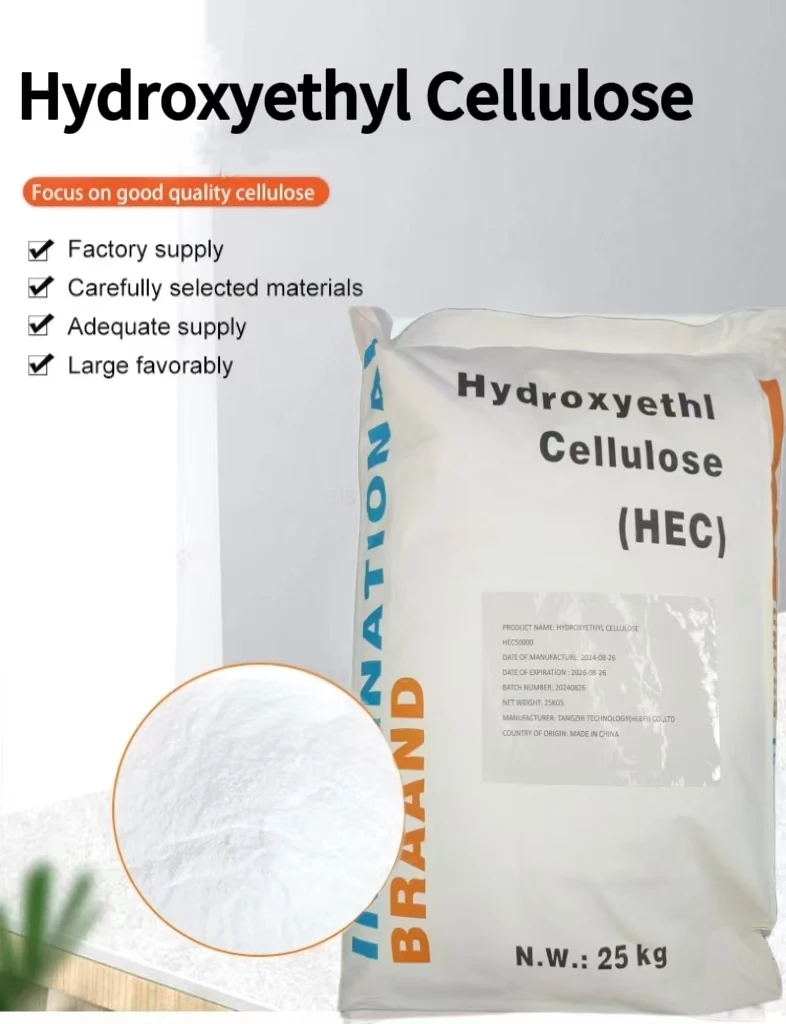
Comparing HEC vs HPMC, both are cellulose derivatives, but they serve slightly different purposes. HPMC is more temperature-stable and preferred in construction and pharmaceutical applications, while HEC (hydroxyethyl cellulose) is often used in paints and personal care due to its excellent thickening abilities.
3. What Is HPMC E5 and Where Is It Used?
HPMC E5 is a low-viscosity, pharmaceutical-grade HPMC primarily used in tablet coatings, capsule shells, and film-forming products. It dissolves quickly in water and forms a clear, consistent solution, making it ideal for oral drug delivery systems.
4. How Does HPMC Density Affect Performance in Construction?
HPMC density affects how the compound integrates into formulations. A consistent density ensures proper mixing, accurate dosing, and predictable performance in products like tile adhesives, mortars, and grouts.
5. What Is an HPMC USP Monograph and Why Is It Important?
An HPMC USP monograph is an official standard published by the United States Pharmacopeia. It outlines the required purity, identification, and test methods for HPMC to be used in pharmaceutical applications, ensuring safety and consistency.
-
HPMC High-Performance Thickener | Hebei TangzhiNewsMar.06,2026
-
Wholesale Water Reducing Admixture for Special Cement: Performance and Market InsightsNewsFeb.28,2026
-
The Complete Guide to HPMC: Types, Applications, Grades, and Manufacturing InsightsNewsFeb.28,2026
-
Redispersible Polymer Powder: Types, Applications, and Performance AdvantagesNewsFeb.28,2026
-
Hydroxymethyl Ethyl Cellulose (MHEC): Properties, Applications, and Market InsightsNewsFeb.28,2026
-
Hydroxyethyl Cellulose: Applications, Performance, and Buying GuideNewsFeb.28,2026