Innovations in Concrete: Understanding Water Reducing Admixtures and Polycarboxylate Ethers
Water reducing admixtures play a pivotal role in modern concrete technology by improving workability and strength while reducing water content. As concrete demands evolve, advanced admixtures like polycarboxylate ethers have revolutionized the industry. This article will explore different types of water reducing admixtures, the role of polycarboxylate ether superplasticizer, and market considerations including polycarboxylate ether superplasticizer price.
Types of Water Reducing Admixtures and Their Impact on Concrete
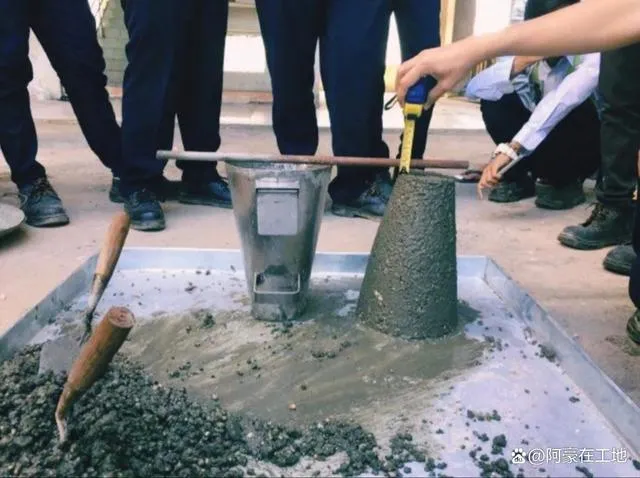
Types of water reducing admixtures vary in their chemical composition and performance levels. The simplest are the traditional water reducers which reduce water demand by about 5-10%, improving workability without altering strength drastically. A classic example of water reducing admixture is lignosulfonate, which is cost-effective but limited in performance for modern high-strength concrete.
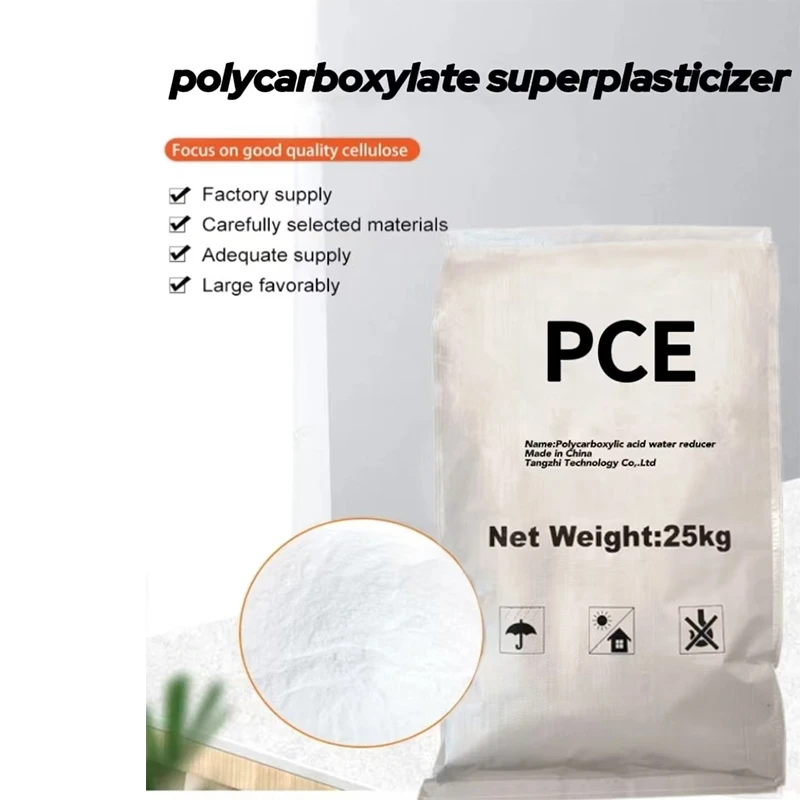
More advanced are high range water reducing admixtures, also known as superplasticizers, which can reduce water content by up to 30%. Among these, the polycarboxylate ether superplasticizer stands out due to its superior dispersing ability, longer slump retention, and compatibility with various cement types.
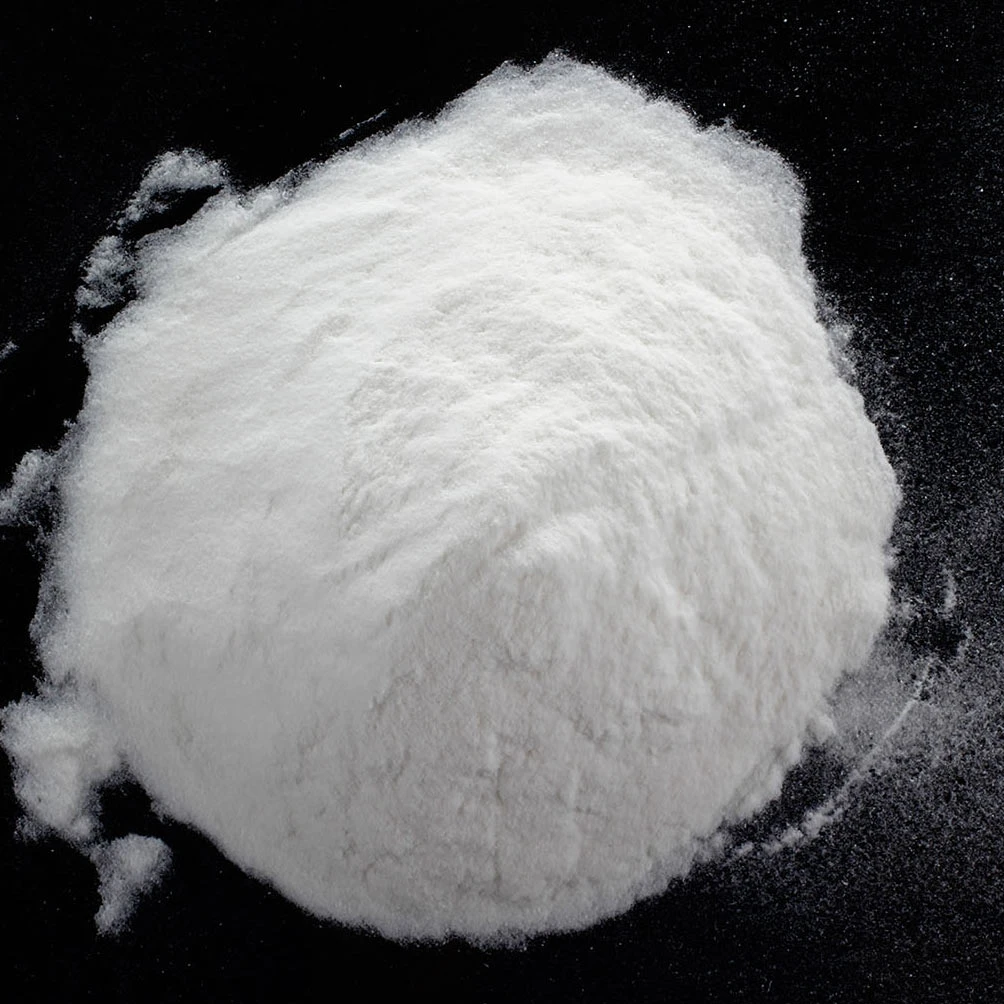
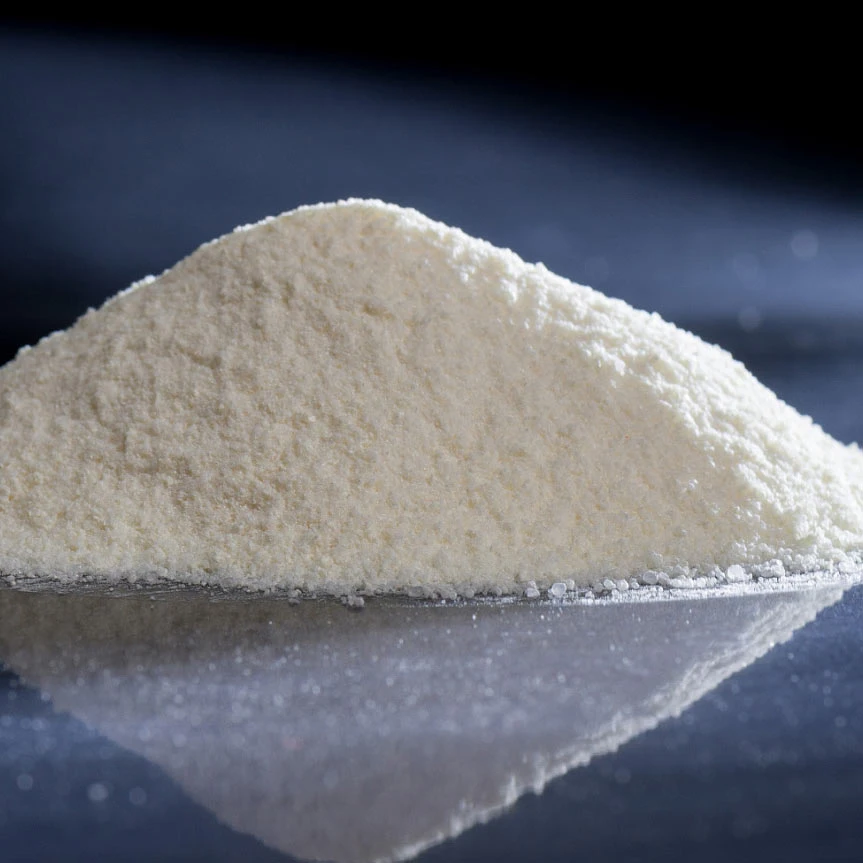
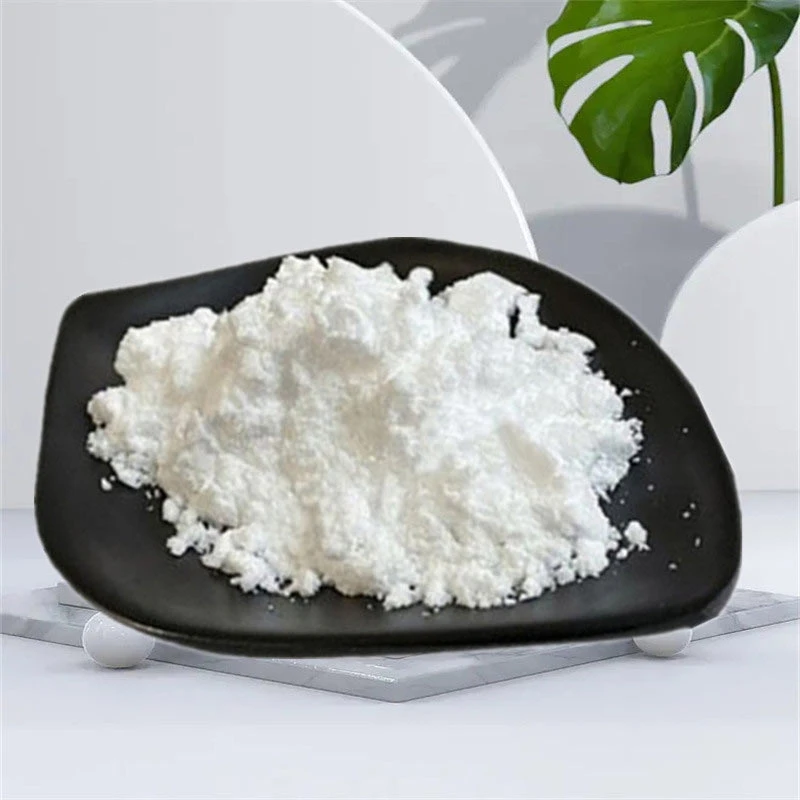
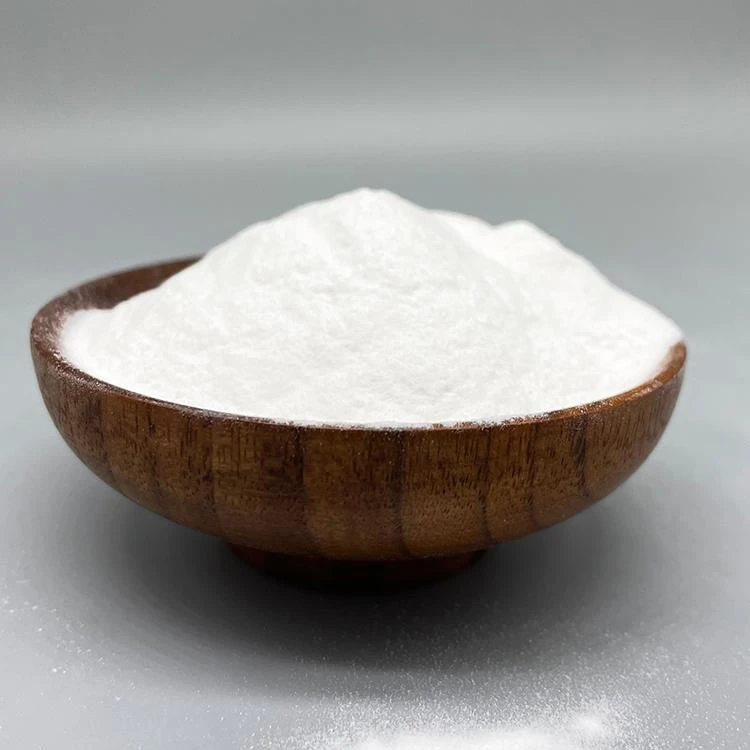
The pce based superplasticizer—an innovative product developed using polycarboxylate ether pce chemistry—has transformed concrete production. Its molecular structure allows for excellent cement particle dispersion, reducing agglomeration and thus requiring less water. This leads to enhanced strength, durability, and finish quality.
The Science and Economics of Polycarboxylate Ethers in Concrete
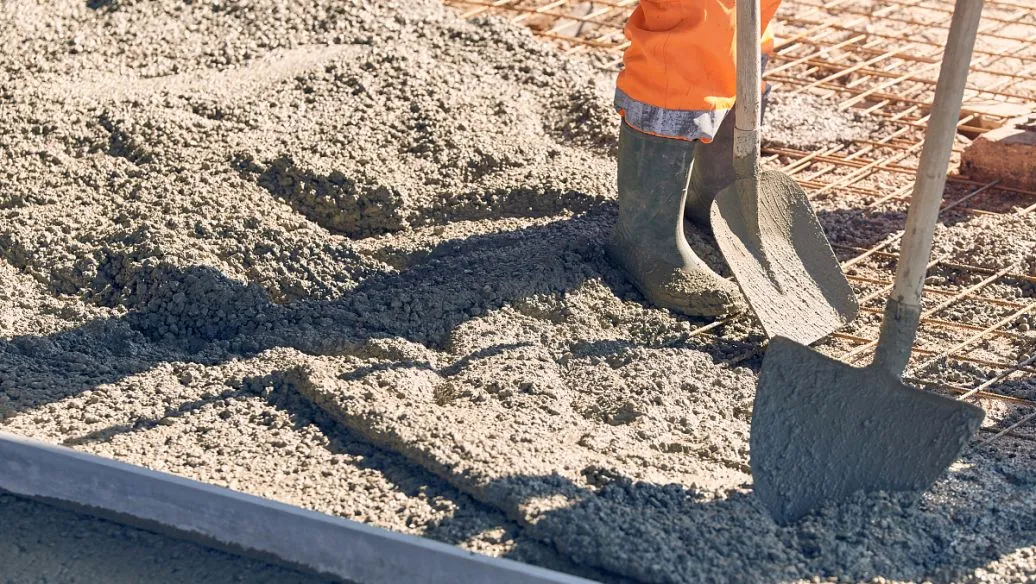
At the heart of these advanced admixtures is the polycarboxylic ether polymer, which acts as a dispersant at the microscopic level. This polymer’s comb-like structure enables steric hindrance, keeping cement particles separated and improving fluidity.
Choosing the right water reducing admixture for a project depends on various factors, including desired concrete strength, workability, and environmental conditions. The pce polycarboxylate ether products are preferred in high-performance concrete mixes due to their efficiency and adaptability.
Regarding cost, the polycarboxylate ether superplasticizer price can be higher than traditional admixtures. However, the benefits of reduced cement and water usage, improved concrete properties, and longer service life often justify the investment. Buyers should balance price with performance and consider the total lifecycle cost savings.
Product FAQs
1. What are the common types of water reducing admixtures?
Answer: Common types of water reducing admixtures include traditional lignosulfonates, naphthalene sulfonates, and advanced polycarboxylate ether superplasticizers.
2. What is a polycarboxylate ether superplasticizer?
Answer: A polycarboxylate ether superplasticizer is a pce based superplasticizer that improves concrete flow and strength by dispersing cement particles more effectively than older admixtures.
3. Can you give an example of water reducing admixture?
Answer: Yes, lignosulfonate is a classic example of water reducing admixture commonly used in standard concrete mixes.
4. Why does polycarboxylate ether superplasticizer cost more?
Answer: The polycarboxylate ether superplasticizer price is higher due to advanced polymer chemistry and manufacturing processes, but it offers superior concrete performance and long-term savings.
5. How does a high range water reducing admixture differ from regular types?
Answer: A high range water reducing admixture like polycarboxylate ether pce can reduce water content by up to 30%, significantly improving concrete strength and workability compared to regular water reducers.
-
HPMC High-Performance Thickener | Hebei TangzhiNewsMar.06,2026
-
Wholesale Water Reducing Admixture for Special Cement: Performance and Market InsightsNewsFeb.28,2026
-
The Complete Guide to HPMC: Types, Applications, Grades, and Manufacturing InsightsNewsFeb.28,2026
-
Redispersible Polymer Powder: Types, Applications, and Performance AdvantagesNewsFeb.28,2026
-
Hydroxymethyl Ethyl Cellulose (MHEC): Properties, Applications, and Market InsightsNewsFeb.28,2026
-
Hydroxyethyl Cellulose: Applications, Performance, and Buying GuideNewsFeb.28,2026