Introduction to Redispersible Polymer Powder and Its Types
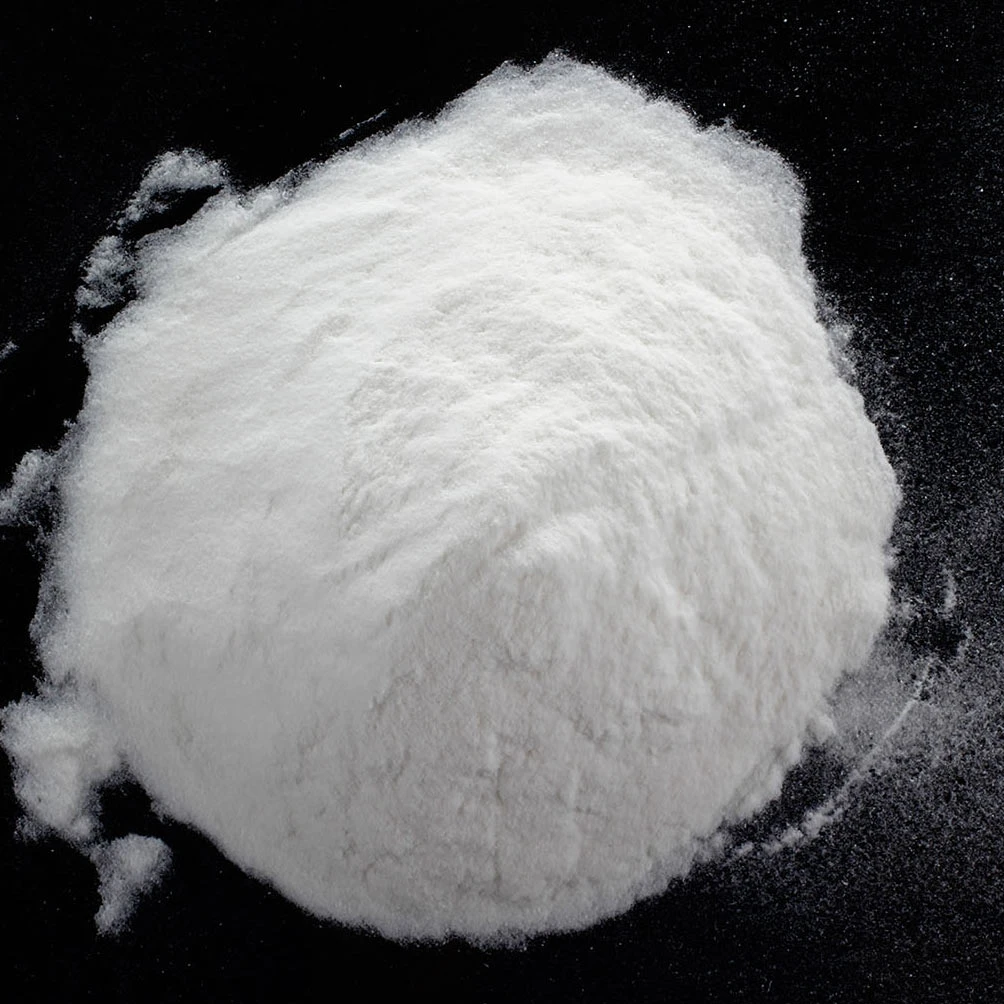
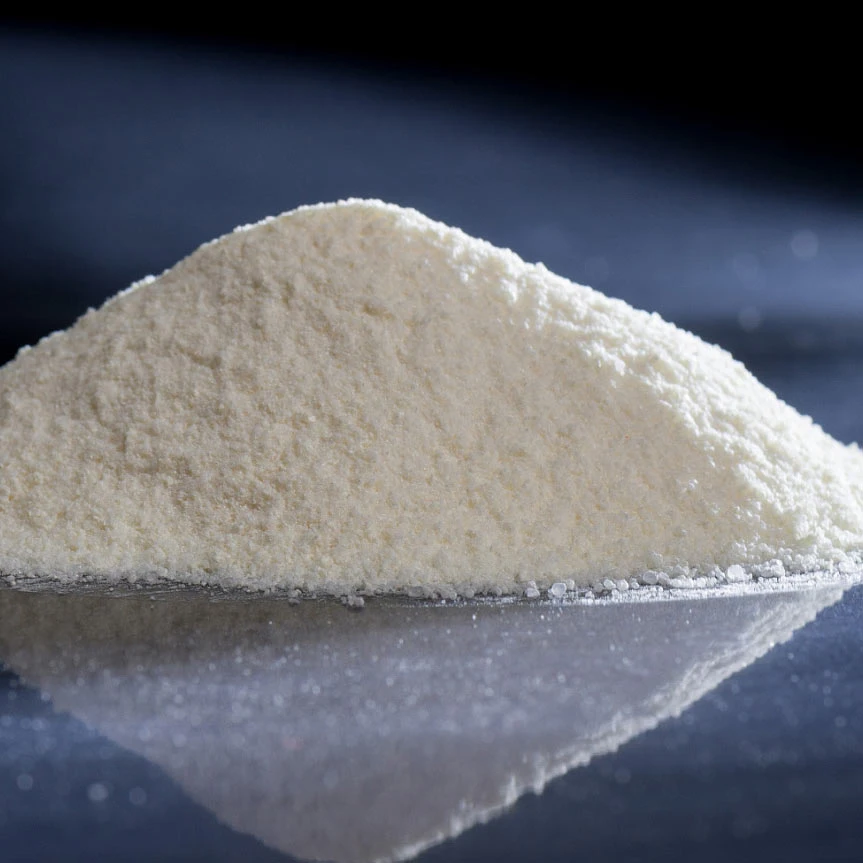
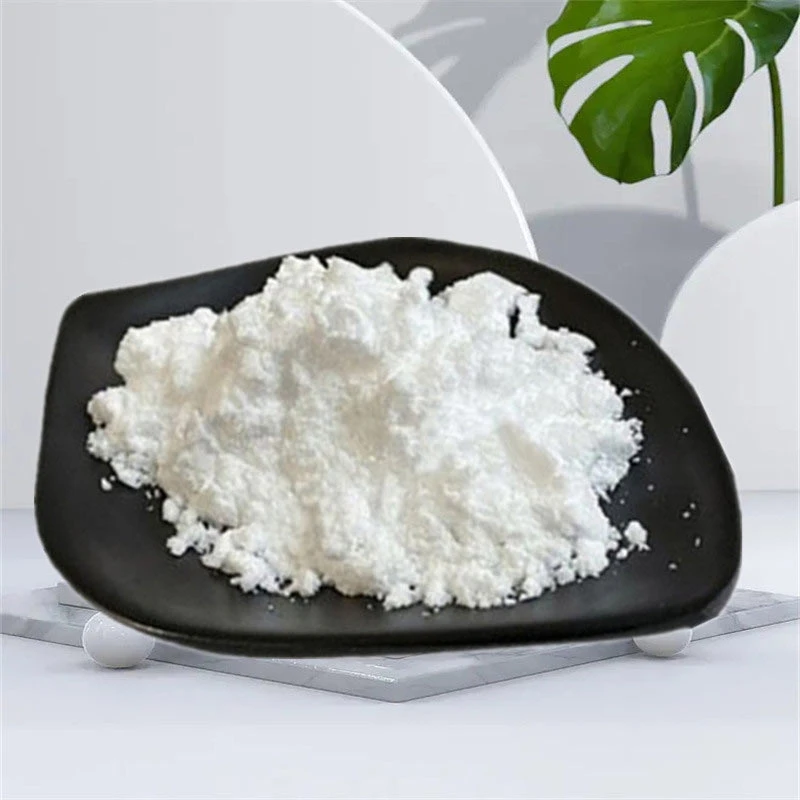
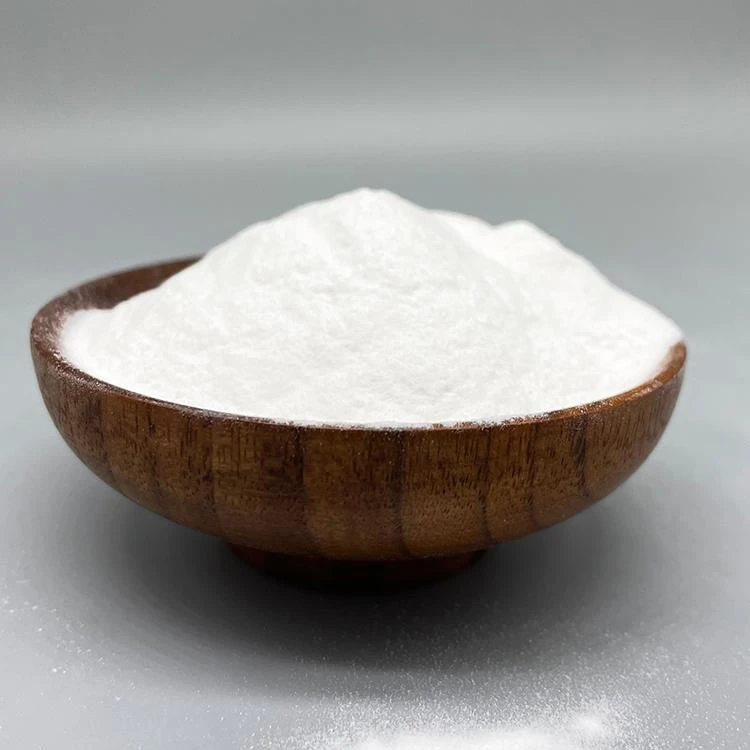
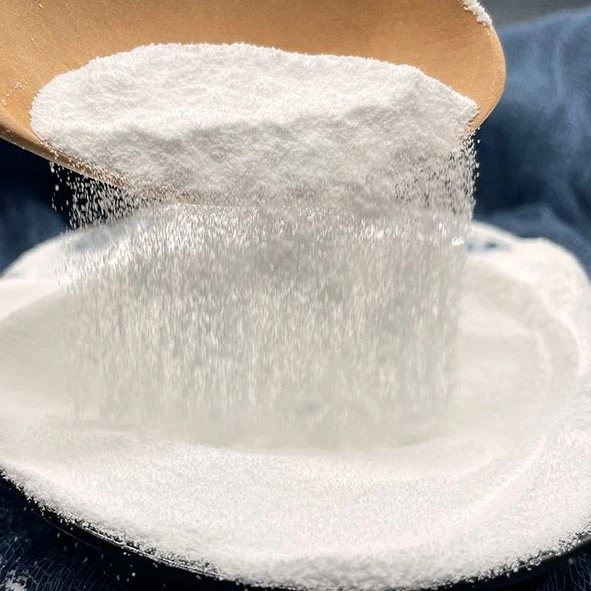
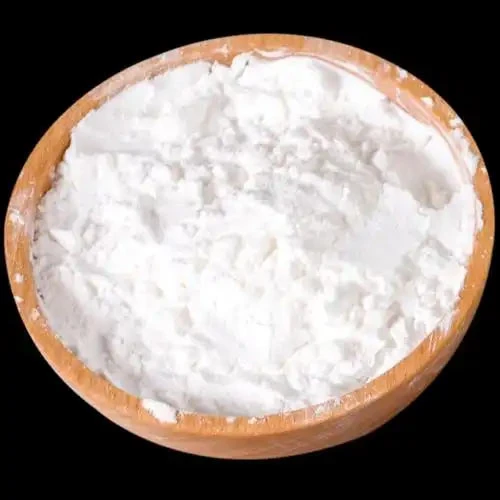
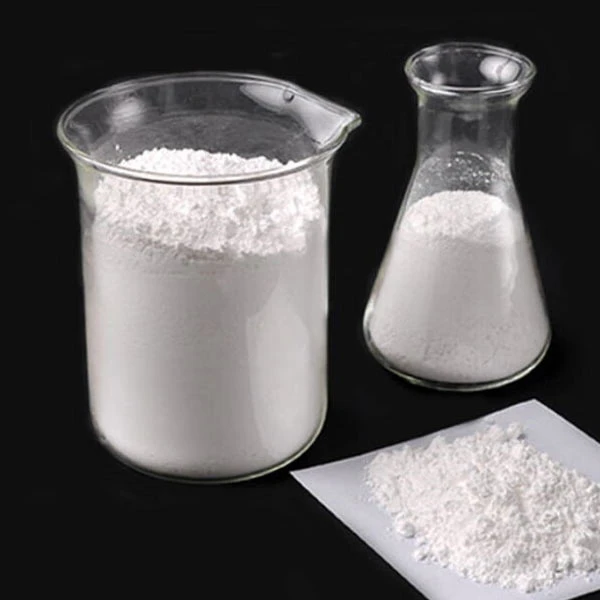
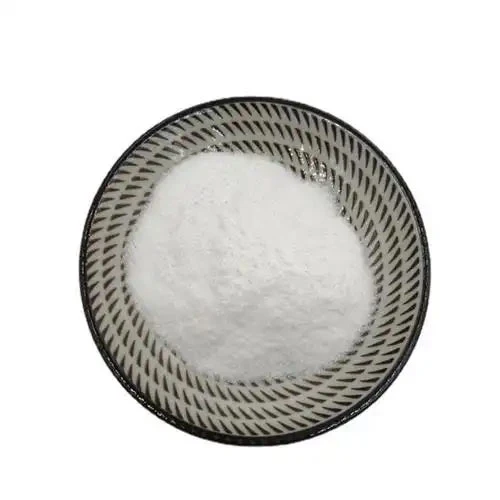
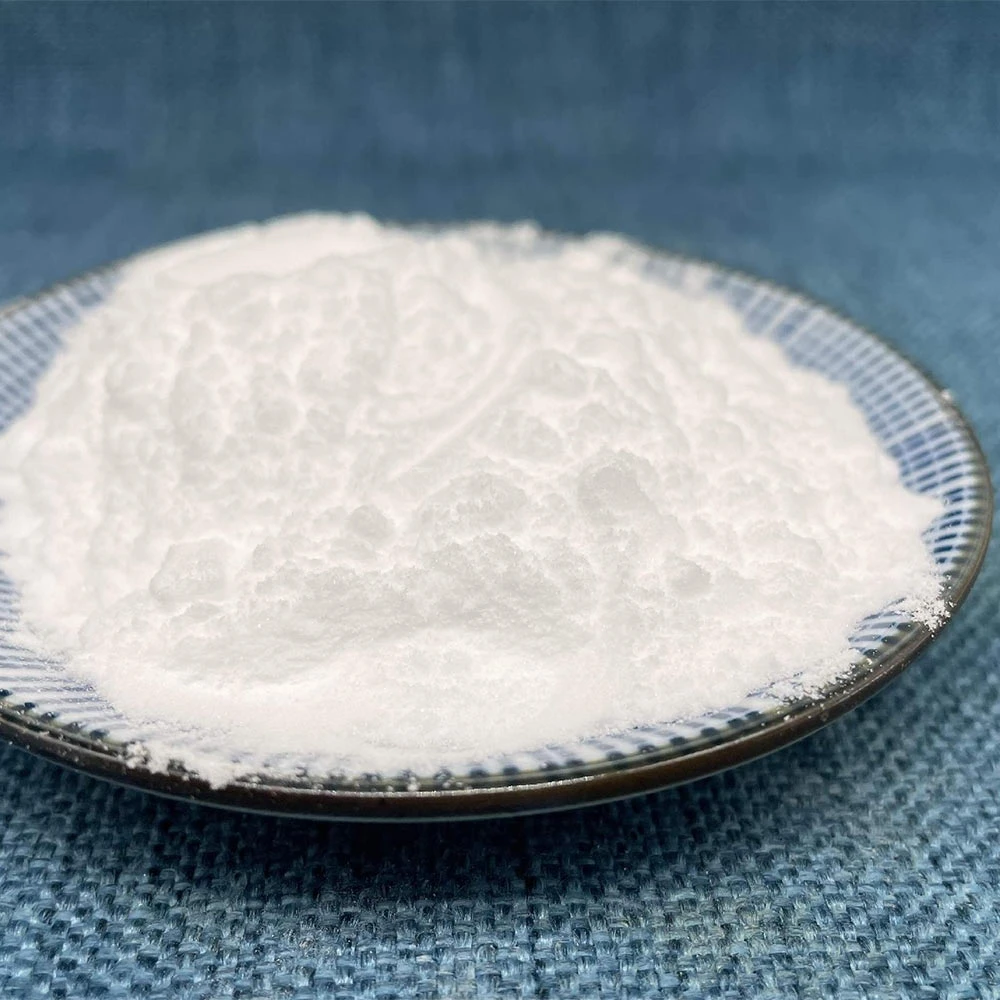
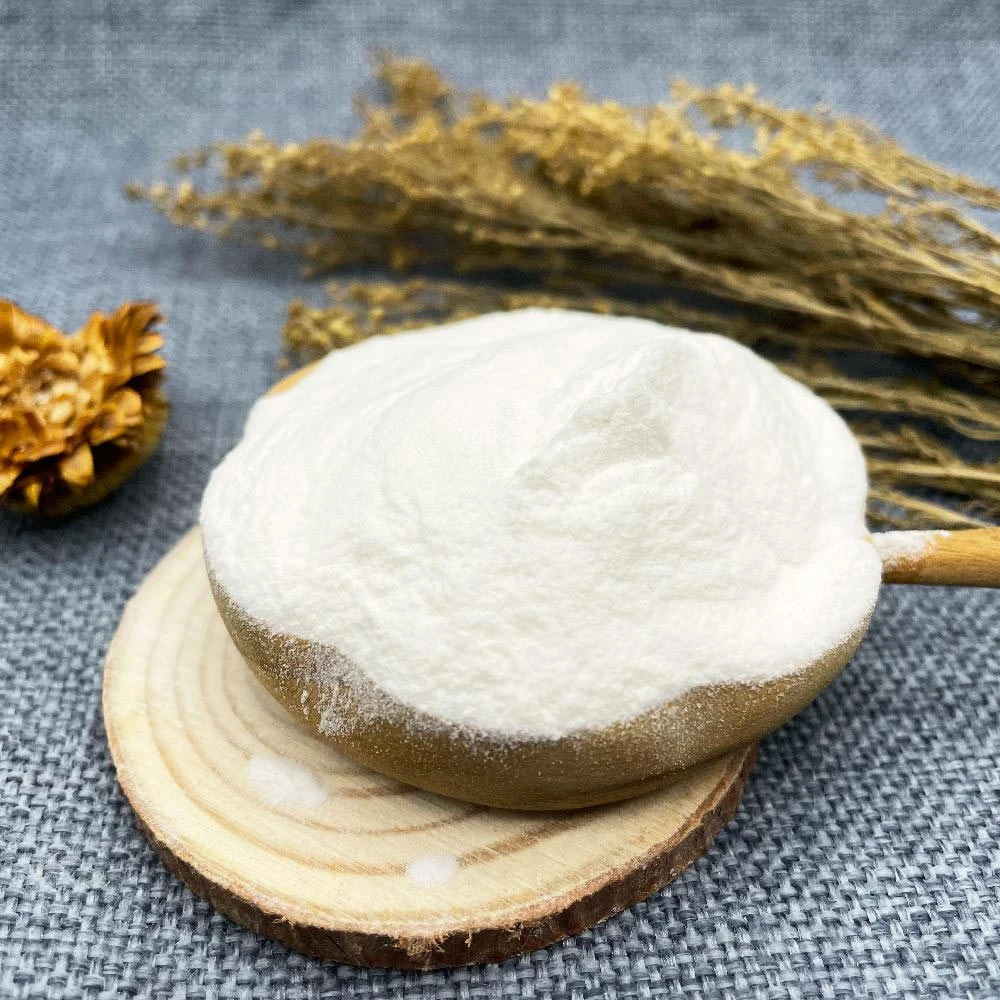
Redispersible polymer powder is an essential material in the construction and building materials industry, widely used for its ability to improve adhesion, flexibility, and workability in cementitious products. When mixed with water, this redispersible powder re-emulsifies back into a latex form, creating a polymer film that enhances performance properties.
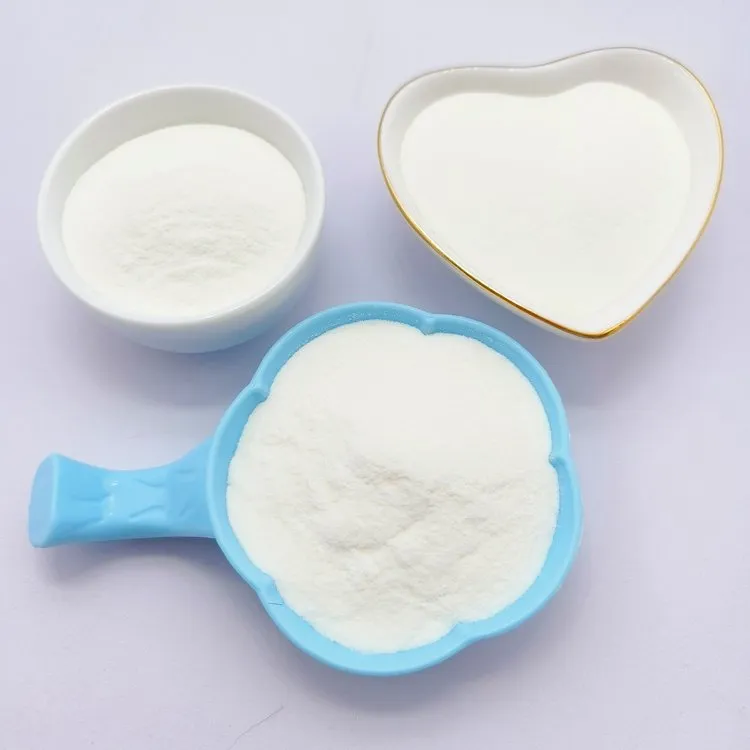
There are several redispersible polymer powder types available today, each formulated for specific end uses:
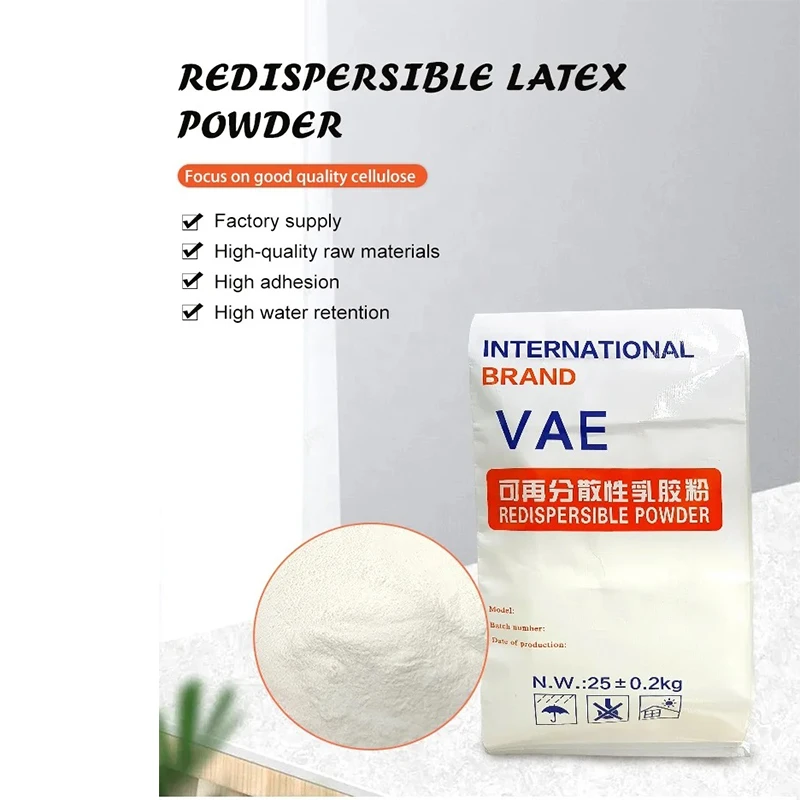
Redispersible latex powder: Derived from latex emulsions, it offers excellent flexibility and is widely used in tile adhesives and external wall insulation systems.
Redispersible emulsion powder: This category includes powders obtained through emulsion polymerization processes, creating versatile products for mortars, renders, and plasters.
VAE powder: Short for vinyl acetate ethylene redispersible powder, this type provides superior adhesion, water resistance, and impact strength.
Dispersible polymer powder: A broader term encompassing all polymers that can be dispersed in water, though not all form films as effectively as VAE-based materials.
Redispersible powder polymer: Another industry term emphasizing the polymer backbone within redispersible powders.
Alternative names often appear in technical documentation, such as RDP powder, RDP polymer, or re dispersible polymer powder. All these terms point toward similar materials with minor variations in polymer composition or production methods.
Some knowledge bases and online platforms even maintain entries like redispersible polymer powder wiki or redispersible polymer powder Wikipedia, consolidating product definitions, manufacturing processes, and global market details in one place.
Applications, Market Share, HS Code, and Growth Trends
Applications and Uses
Redispersible polymer powder has revolutionized modern construction practices. Its main applications include:
Tile adhesives and grouts: Enhances bond strength, open time, and water resistance, ensuring long-lasting tile installations.
Wall renders and plasters: Improves flexibility, crack resistance, and weather durability in exterior and interior coatings.
Self-leveling underlayments: Provides smoother flow and leveling properties in flooring compounds.
EIFS (External Insulation Finishing Systems): Critical for thermal insulation, waterproofing, and adhesion layers in energy-efficient façades.
The growing popularity of VAE redispersible powder highlights the superior performance of vinyl acetate ethylene redispersible powder in these demanding applications. Its ability to form strong, water-resistant polymer films makes it indispensable in energy-efficient and durable construction solutions.
Market Share and Growth Prospects
The redispersible polymer powder market share has expanded rapidly due to urbanization, industrialization, and green building initiatives. Among different polymer chemistries, VAE RDP dominates global consumption thanks to its balance of flexibility, adhesion, and cost-effectiveness.
Asia-Pacific holds the largest regional share, driven by massive infrastructure projects in China, India, and Southeast Asia. Europe follows with a strong focus on energy-efficient building standards, while North America shows steady growth in both residential and commercial segments.
Global studies cited on redispersible polymer powder Wikipedia or industry reports forecast continuous growth, with market size expected to surpass several billion USD by the early 2030s. The demand for high-performance, eco-friendly building materials ensures a robust outlook for rdp polymer products across all regions.
HS Code and Trade Classification
For global trade and customs, the redispersible polymer powder HS code is essential. These powders typically fall under chapters covering plastics or chemical preparations, often in the range of HS 3900–3926. Some cellulose-modified formulations might be classified under HS 3912.
Exporters and importers dealing with redispersible emulsion powder, redispersible latex powder, or VAE RDP must confirm the exact HS code with local customs authorities to ensure compliance with tariffs, duties, and safety regulations.
Conclusion
From redispersible latex powder suppliers to international construction firms, the importance of redispersible polymer powder continues to grow. Whether referred to as VAE powder, RDP powder, redispersible powder polymer, or even under alternate terms like re dispersible polymer powder, its role in modern construction is undeniable.
With expanding redispersible polymer powder market share, increasing applications in tile adhesives, renders, and EIFS, and standardized classification through the HS code, this product category represents a vital link between chemical innovation and sustainable building practices. As reflected in resources like redispersible polymer powder Wikipedia, these materials will remain essential for infrastructure growth, energy efficiency, and construction durability in the decades ahead.
FAQs
FAQ 1 – What are the main redispersible polymer powder types, including VAE RDP and latex-based powders?
Answer:
The key redispersible polymer powder types include redispersible latex powder, redispersible emulsion powder, and VAE RDP (vinyl acetate ethylene redispersible powder). Among them, VAE redispersible powder dominates due to its excellent adhesion, flexibility, and water resistance.
FAQ 2 – What are the primary redispersible polymer powder uses in modern construction?
Answer:
Redispersible polymer powder is used in tile adhesives, wall renders, EIFS, self-leveling underlayments, and repair mortars. It enhances adhesion, flexibility, crack resistance, and overall durability in cementitious formulations.
FAQ 3 – How is the redispersible polymer powder market share evolving globally?
Answer:
The redispersible polymer powder market share is growing rapidly, led by VAE powder products in Asia-Pacific, Europe, and North America. Factors such as urbanization, green building initiatives, and energy efficiency standards are driving this upward trend.
FAQ 4 – What is the correct redispersible polymer powder HS code for international trade?
Answer:
Most redispersible polymer powders fall under HS code chapters 3900–3926, covering plastics and chemical derivatives. Some cellulose-based variants might be classified under HS 3912. Exporters should verify the exact code with customs authorities.
FAQ 5 – Where can I learn more about redispersible polymer powder, including technical and market details?
Answer:
Resources like redispersible polymer powder Wikipedia, supplier websites, and industry reports provide detailed insights into redispersible powder polymer chemistry, manufacturing, global trade, and application trends.
-
HPMC High-Performance Thickener | Hebei TangzhiNewsMar.06,2026
-
Wholesale Water Reducing Admixture for Special Cement: Performance and Market InsightsNewsFeb.28,2026
-
The Complete Guide to HPMC: Types, Applications, Grades, and Manufacturing InsightsNewsFeb.28,2026
-
Redispersible Polymer Powder: Types, Applications, and Performance AdvantagesNewsFeb.28,2026
-
Hydroxymethyl Ethyl Cellulose (MHEC): Properties, Applications, and Market InsightsNewsFeb.28,2026
-
Hydroxyethyl Cellulose: Applications, Performance, and Buying GuideNewsFeb.28,2026