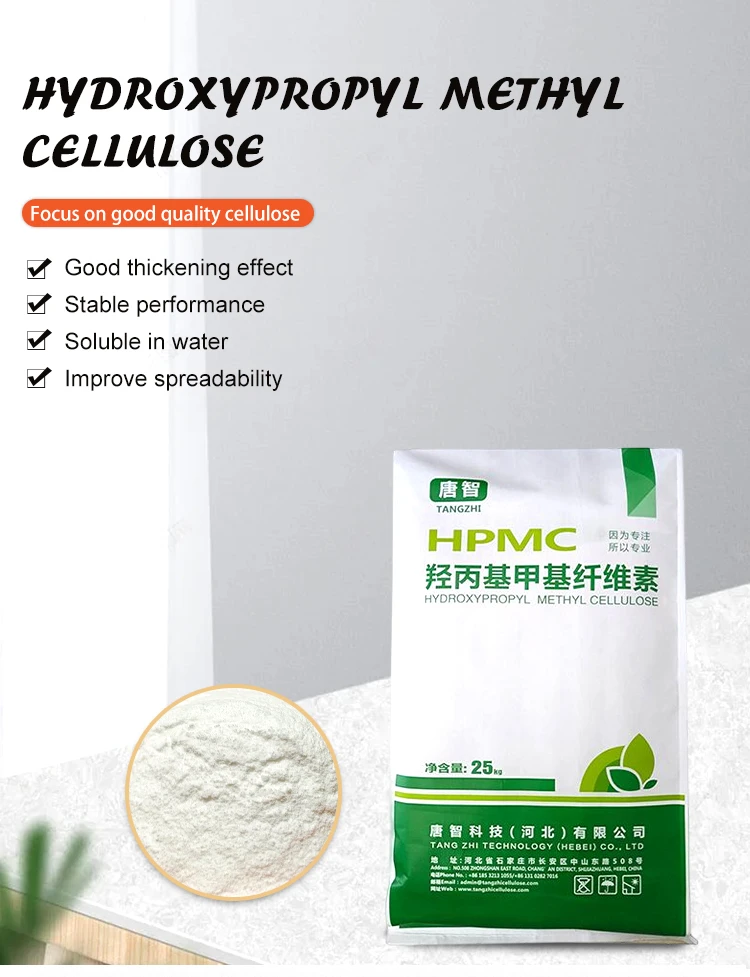
MHEC Thickening in Waterborne Coatings
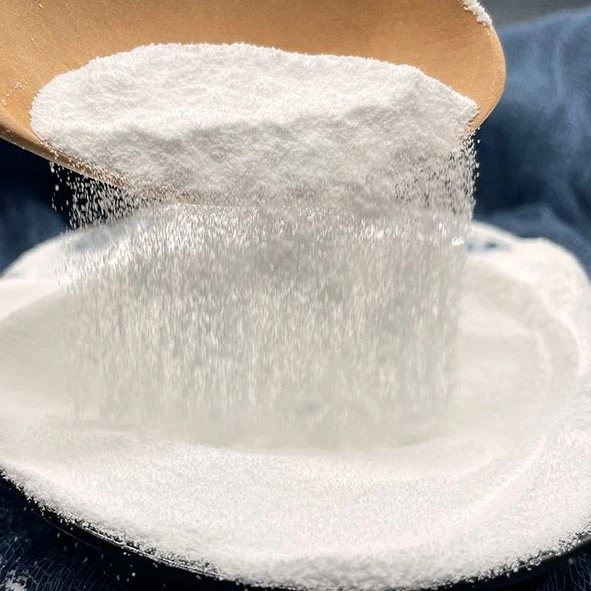
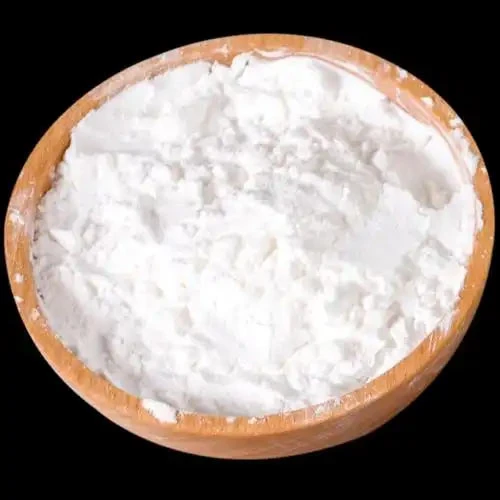
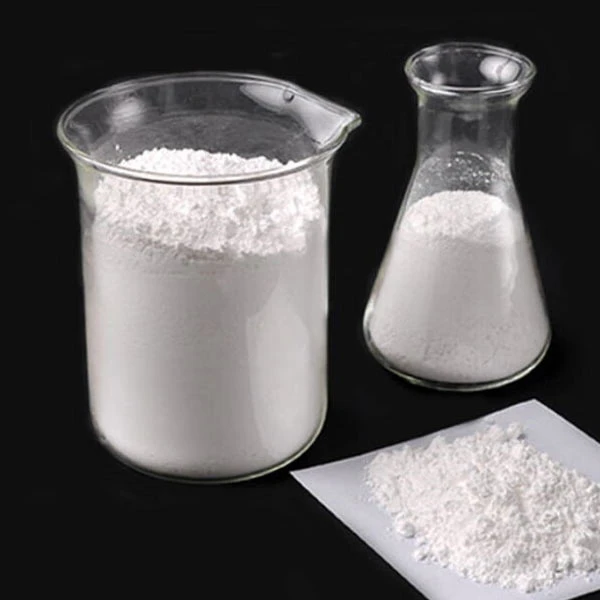
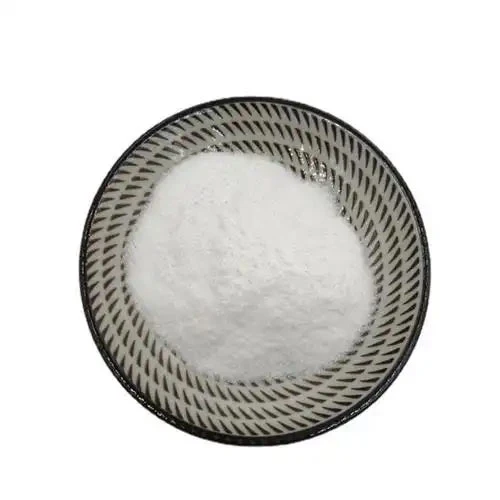
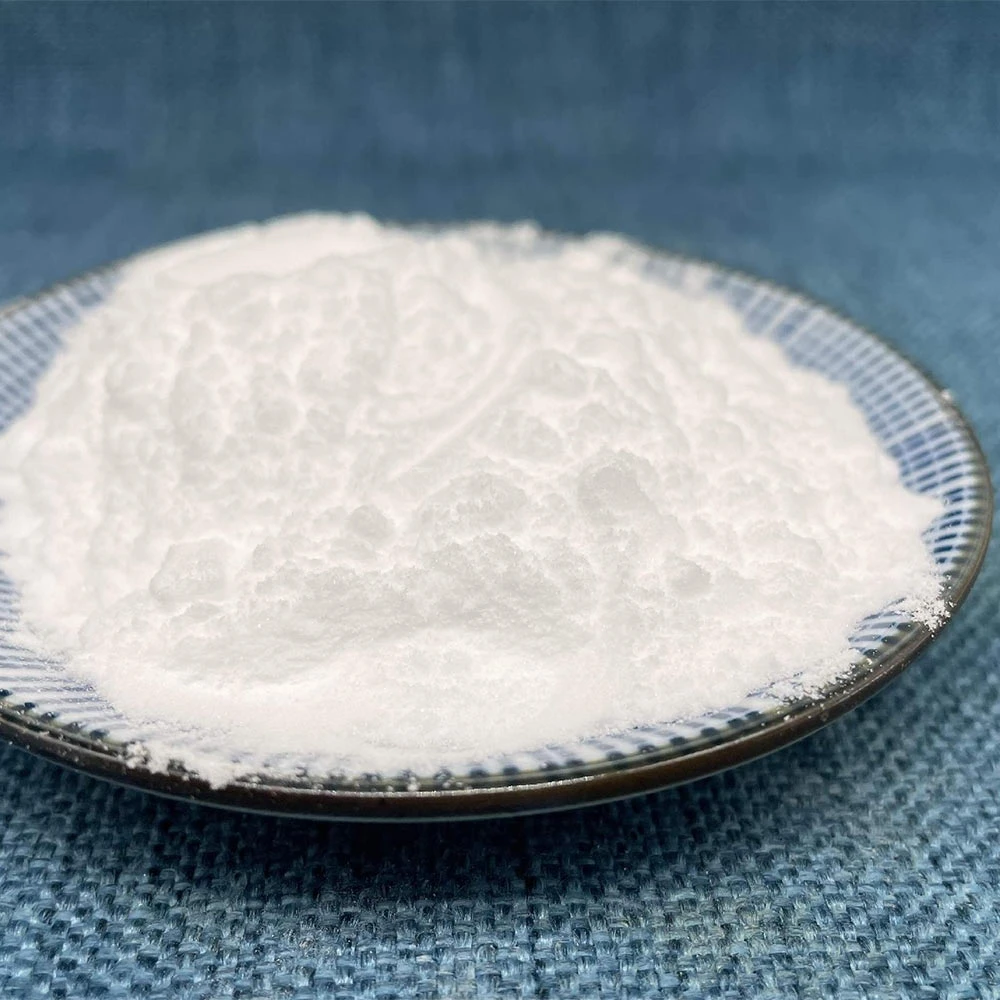
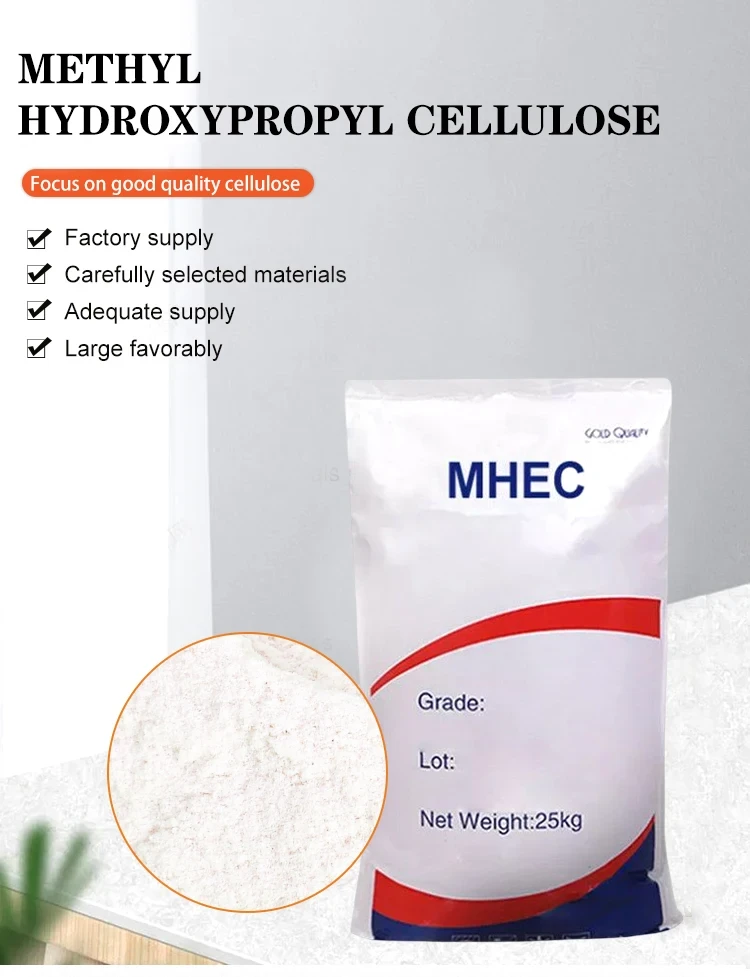
At Hebei Tangzhi Technology Co., Ltd., we recognize that the performance of waterborne coatings hinges on precise viscosity control—and our mhec (Hydroxyethyl Methyl Cellulose) stands as a superior thickening agent that elevates coating quality across industries. As a cellulose ether derivative, mhec brings unique advantages to water-based formulations, enhancing thickness, stability, and application properties without compromising environmental compatibility. Whether supplied as chemical mhec for industrial-scale production or mhec powder for flexible formulation adjustments, our products are engineered to meet the specific demands of waterborne coatings. Below, we explore how mhec transforms coating performance, its role in different applications, and why it remains a preferred choice for formulators seeking reliability and efficiency.
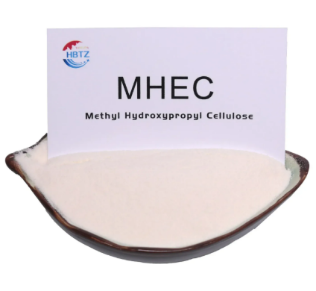
Our Mhec Delivers Optimal Thickening for Smooth Waterborne Coating Application
- At Hebei Tangzhi Technology Co., Ltd., our mhec is specially formulated to provide optimal thickening that ensures smooth, uniform application of waterborne coatings. When dispersed in water-based systems, mhec forms a three-dimensional network that increases viscosity gradually, preventing sagging or running during application—whether brushing, rolling, or spraying.
- This controlled thickening allows coatings to spread evenly across surfaces, reducing drips and ensuring consistent film thickness, which directly enhances finish quality. Unlike some thickeners that cause sudden viscosity spikes, our mhec offers shear-thinning properties: it thins slightly under mechanical stress (like brushing) for easy application, then regains thickness quickly to maintain coating integrity.
- We tailor the molecular weight of our mhec to suit different coating types, from thin decorative paints to thicker protective coatings, ensuring each formulation achieves the ideal balance of flow and stability. For formulators aiming to improve application efficiency and final finish, our mhec delivers reliable, adjustable thickening that elevates waterborne coating performance.
|
Item |
Specification |
|
Hydroxyethyl content |
7-12% |
|
Methoxy content |
21-26% |
|
Appearance |
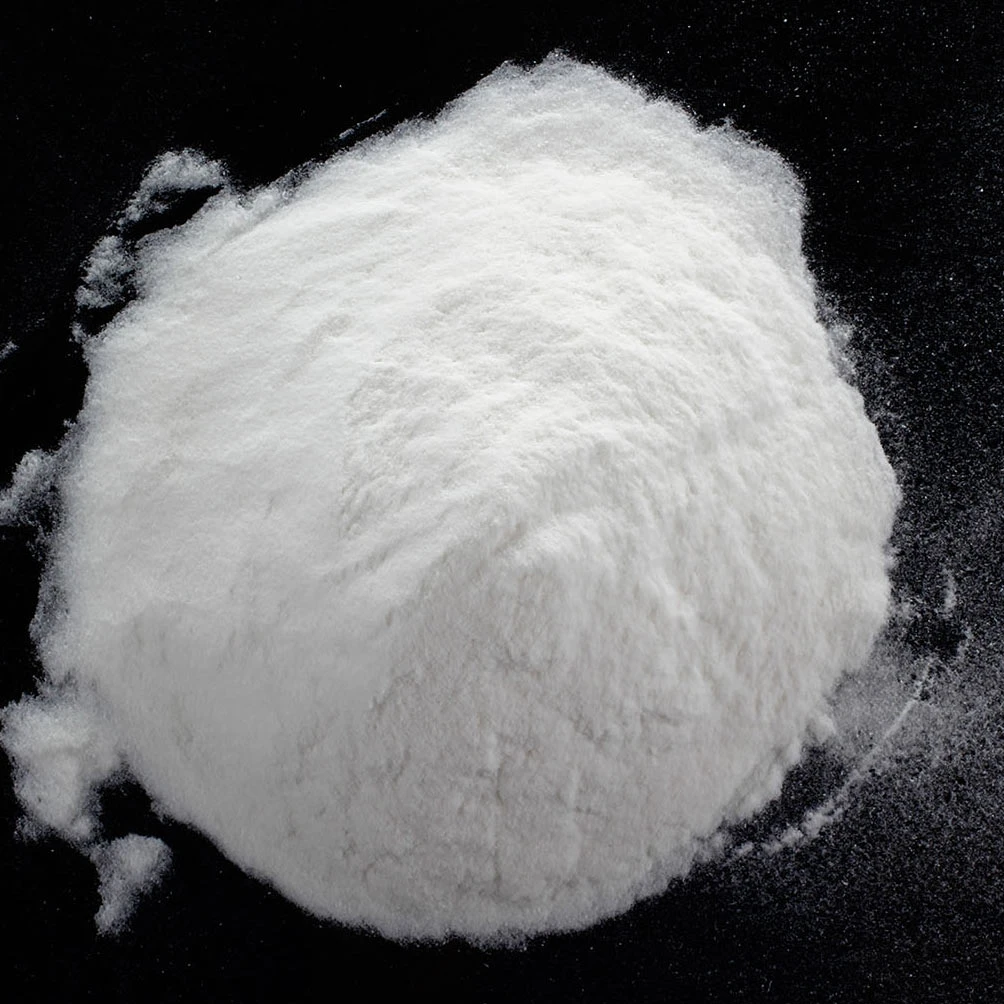
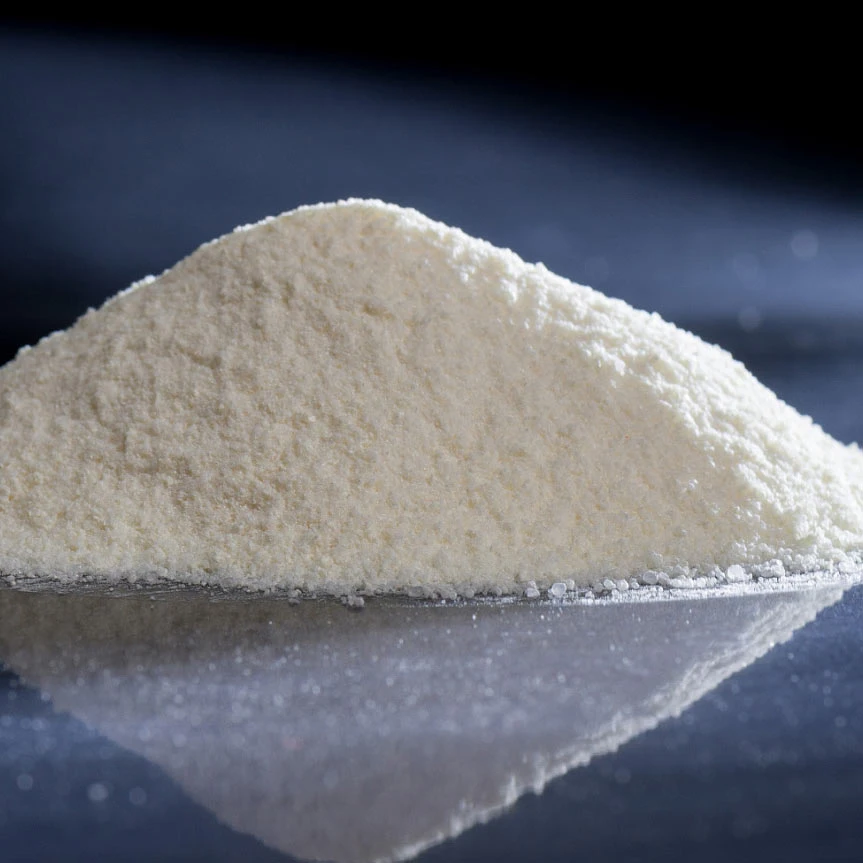
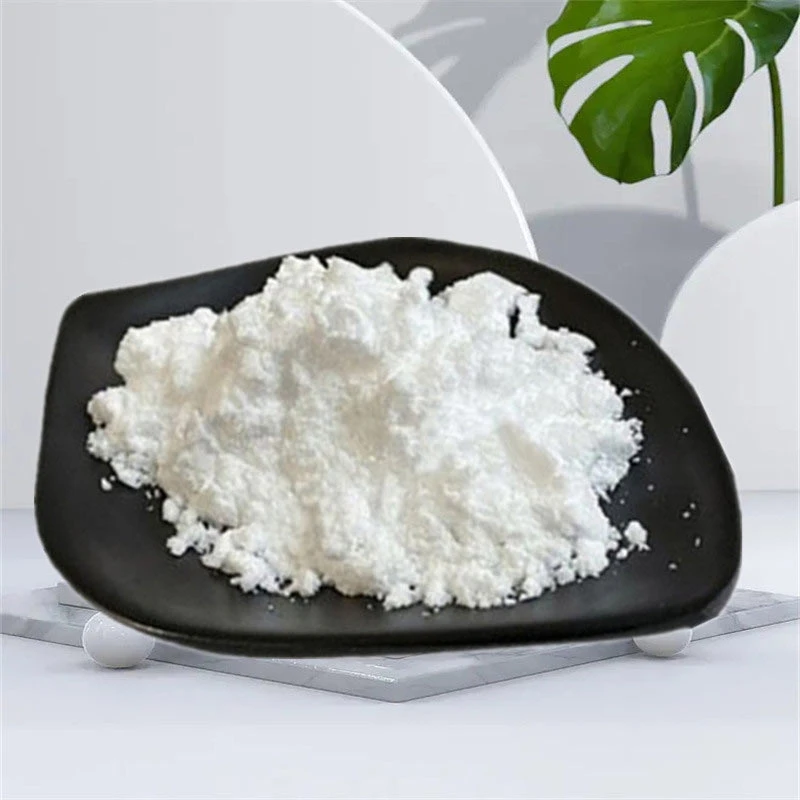
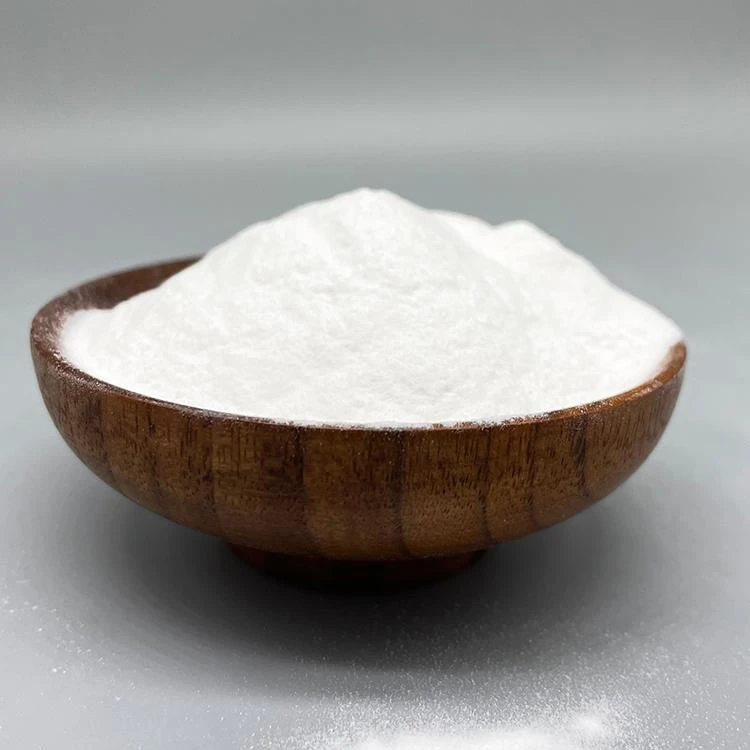
White power / Off-white powder |
|
Water Retention Rate |
≥90% |
|
Ash Content |
10-15% |
|
PH Value |
5.0-9.0 |
|
Weight Loss on Drying |
≤6.0% |
|
Viscosity |
150000-170000 |
Why Our Chemical Mhec Enhances Stability in Waterborne Coating Formulations
- Our chemical mhec from Hebei Tangzhi Technology Co., Ltd. is a key ingredient in enhancing the stability of waterborne coating formulations, addressing common challenges like sedimentation, phase separation, and viscosity loss over time.
- As a water-soluble polymer, chemical mhec binds with water molecules to create a stable matrix that suspends pigments, fillers, and additives uniformly—preventing heavy particles from settling to the bottom of storage containers. This suspension ability reduces the need for frequent stirring or reprocessing, saving time and maintaining formulation consistency.
- Additionally, chemical mhec acts as a protective colloid, forming a thin film around pigment particles to prevent agglomeration, which can cause uneven color or texture in dried coatings. It also resists enzymatic degradation and microbial growth, extending the shelf life of waterborne coatings without requiring excessive preservatives.
- We test our chemical mhec under accelerated aging conditions to ensure it maintains stability across temperature fluctuations and storage periods, giving formulators confidence in their end products. For waterborne coatings that need to remain consistent from production to application, our chemical mhec is an indispensable stabilizer.
Our Mhec Powder Offers Flexible Integration into Diverse Waterborne Coating Recipes
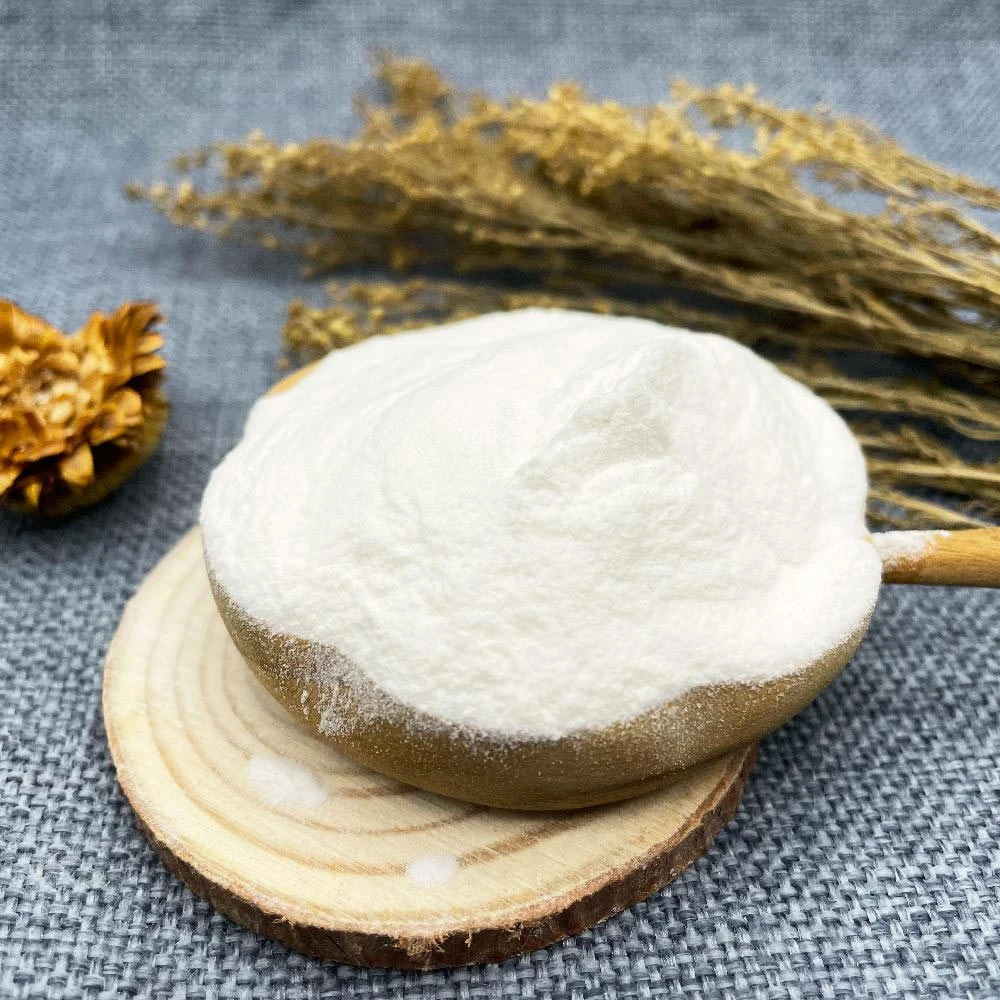
- At Hebei Tangzhi Technology Co., Ltd., our mhec powder is designed for flexible integration into diverse waterborne coating recipes, catering to the unique needs of different industries and applications.
- The powder form allows for precise dosage control: formulators can adjust the concentration of mhec powder to achieve specific viscosity levels, from low-shear formulations for thin coatings to high-shear mixes for textured finishes.
- It dissolves readily in water with minimal clumping when dispersed properly, making it compatible with both batch and continuous production processes. Our mhec powder works seamlessly with other common coating ingredients, including latex binders, pigments, defoamers, and biocides, without causing undesirable interactions or reducing performance.
- We offer mhec powder in various grades, each optimized for specific applications—such as interior wall paints, exterior protective coatings, or wood finishes—ensuring formulators can select the right product for their needs.
- The versatility of our mhec powder also extends to eco-friendly formulations: it is biodegradable under appropriate conditions and does not release volatile organic compounds (VOCs), aligning with modern sustainability standards.
- For formulators seeking adaptability and performance, our mhec powder integrates smoothly into any waterborne coating recipe.
Mhec FAQs
Can our mhec be used in both interior and exterior waterborne coatings?
Yes, our mhec from Hebei Tangzhi Technology Co., Ltd. is suitable for both interior and exterior waterborne coatings. For interiors, it provides the smooth application and film leveling needed for decorative paints, while its stability prevents pigment settling in storage. For exteriors, mhec enhances weather resistance—its film-forming properties create a durable barrier against moisture, UV rays, and temperature fluctuations, ensuring coatings maintain their appearance and performance over time. We also offer grades of mhec optimized for each use case, so formulators get tailored performance for any application.
What makes our chemical mhec different from other thickeners used in waterborne coatings?
Our chemical mhec stands out from other thickeners due to its balanced performance and eco-friendliness. Unlike synthetic thickeners (like acrylics), chemical mhec is plant-derived, biodegradable, and low in VOCs, aligning with sustainability goals. It also offers superior shear-thinning behavior—thinning for easy application but regaining viscosity to prevent sagging—unlike some natural thickeners that lack this flexibility. Additionally, chemical mhec acts as both a thickener and stabilizer, reducing the need for multiple additives, which simplifies formulations and cuts costs for formulators.
How should our mhec powder be dispersed to avoid clumping in waterborne coatings?
To avoid clumping when using our mhec powder from Hebei Tangzhi Technology Co., Ltd., we recommend pre-dispersing it in water with gentle agitation. First, add mhec powder slowly to a vortex of water (created by a mixer) to ensure individual particles wet out evenly. Alternatively, pre-blend mhec powder with dry ingredients (like pigments or fillers) before adding to water—this dilutes the powder and prevents it from clumping together. Avoid adding mhec powder to still water or dumping it quickly, as this can trap air and form hard lumps that are hard to break down, ensuring smooth integration into coatings.
Does our mhec affect the drying time of waterborne coatings?
Our mhec is designed to control drying time in a way that improves coating quality, rather than causing unwanted delays. It slows surface evaporation slightly, which gives the coating time to level and form a smooth film without cracks or pinholes—critical for achieving a professional finish. However, it does not prolong overall drying time excessively, as it allows moisture to escape gradually from the coating’s interior. This balanced drying ensures coatings are ready for use or recoating in a reasonable timeframe, while still delivering the performance benefits of mhec.
Is our chemical mhec compatible with common additives in waterborne coating formulations?
Yes, our chemical mhec is fully compatible with common waterborne coating additives. It works seamlessly with latex binders (the base of most waterborne coatings), as well as defoamers (to reduce air bubbles), biocides (to prevent microbial growth), and pigments (for color). Chemical mhec does not react negatively with these additives— it even enhances their performance, for example, by stabilizing pigments to prevent agglomeration. We test chemical mhec with a range of industry-standard additives to ensure compatibility, so formulators can integrate it into existing recipes without issues.
-
HPMC High-Performance Thickener | Hebei TangzhiNewsMar.06,2026
-
Wholesale Water Reducing Admixture for Special Cement: Performance and Market InsightsNewsFeb.28,2026
-
The Complete Guide to HPMC: Types, Applications, Grades, and Manufacturing InsightsNewsFeb.28,2026
-
Redispersible Polymer Powder: Types, Applications, and Performance AdvantagesNewsFeb.28,2026
-
Hydroxymethyl Ethyl Cellulose (MHEC): Properties, Applications, and Market InsightsNewsFeb.28,2026
-
Hydroxyethyl Cellulose: Applications, Performance, and Buying GuideNewsFeb.28,2026