Polypropylene Fibers for Concrete Durability
Polypropylene fibers for concrete are widely used to enhance the structural integrity and durability of concrete. These fibers help prevent cracking, reduce shrinkage, and improve impact resistance. When incorporated into fresh concrete, polypropylene fibers create a three-dimensional network that distributes stress and absorbs energy, enhancing the material's toughness. In applications like pavements, industrial floors, and precast concrete components, these fibers reduce maintenance costs by minimizing the occurrence of microcracks. Polypropylene fibers for concrete also improve fire resistance and durability against freeze-thaw cycles, making them an essential additive for both commercial and residential construction projects.
PP Fiber for Crack Prevention
PP fiber is a cost-effective and practical solution to improve concrete performance. Its fine filaments distribute throughout the concrete mix, controlling plastic shrinkage and limiting the formation of surface cracks. PP fiber is especially useful in large pours, where rapid water evaporation can cause early cracking. Beyond shrinkage control, PP fiber enhances concrete toughness and durability under mechanical stress, making it suitable for industrial floors, bridge decks, and decorative concrete. Easy to use, lightweight, and compatible with standard concrete mixing processes, PP fiber is a reliable additive for high-quality construction outcomes.
PP Fiber Concrete for Strength and Longevity
PP fiber concrete refers to concrete reinforced with polypropylene fibers. It offers multiple benefits, including improved tensile strength, reduced permeability, and higher impact resistance. This type of concrete is ideal for infrastructure projects exposed to harsh environments, such as highways, tunnels, and airport runways. PP fiber concrete also improves resistance to chemical attack, abrasion, and fire, extending the lifespan of structures. Its easy integration into standard mixing methods and cost-effectiveness make it an attractive choice for contractors seeking both performance and economic benefits.
Adding PVA to Cement for Enhanced Bonding
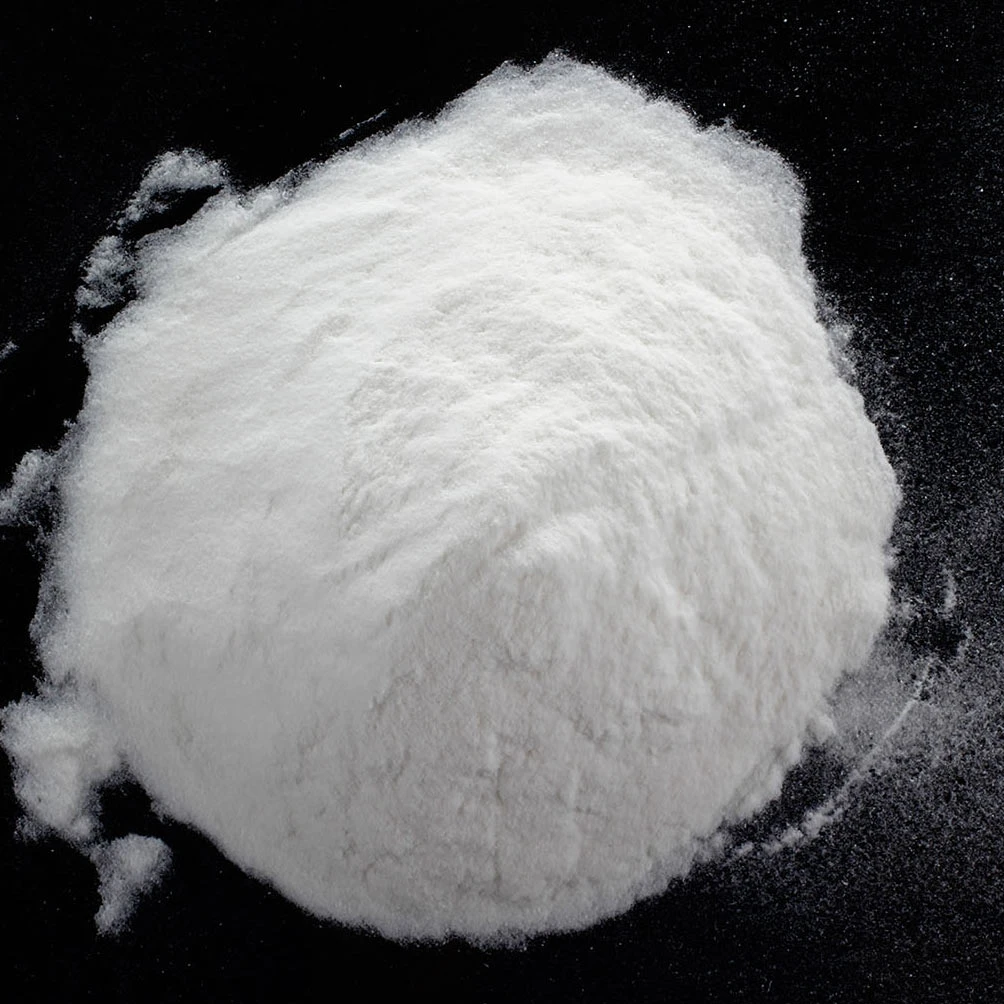
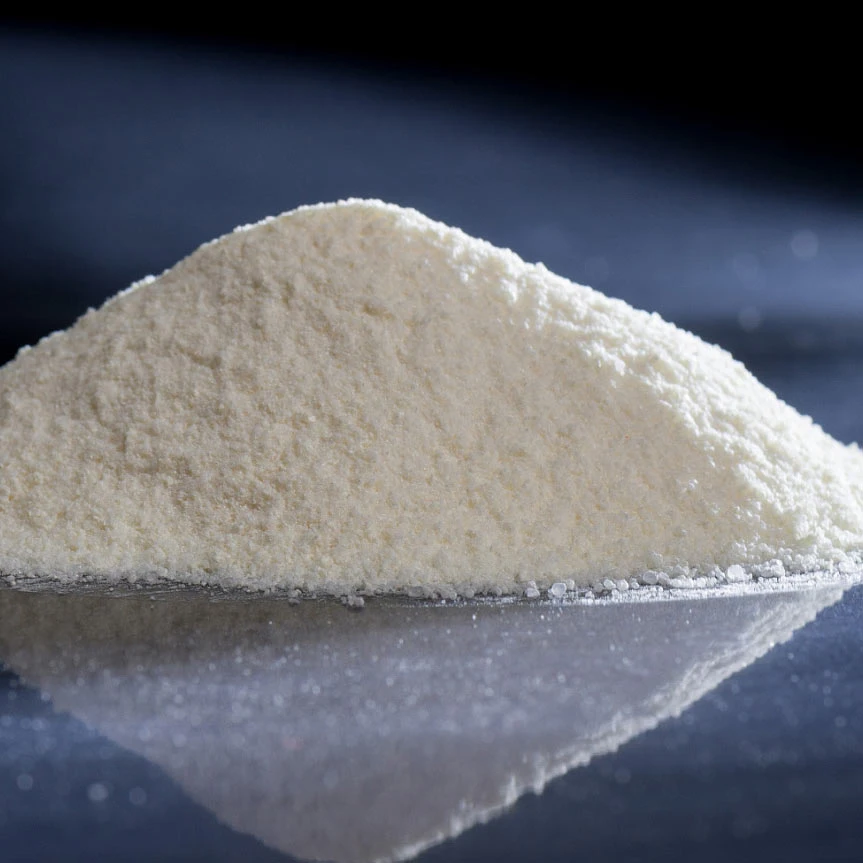
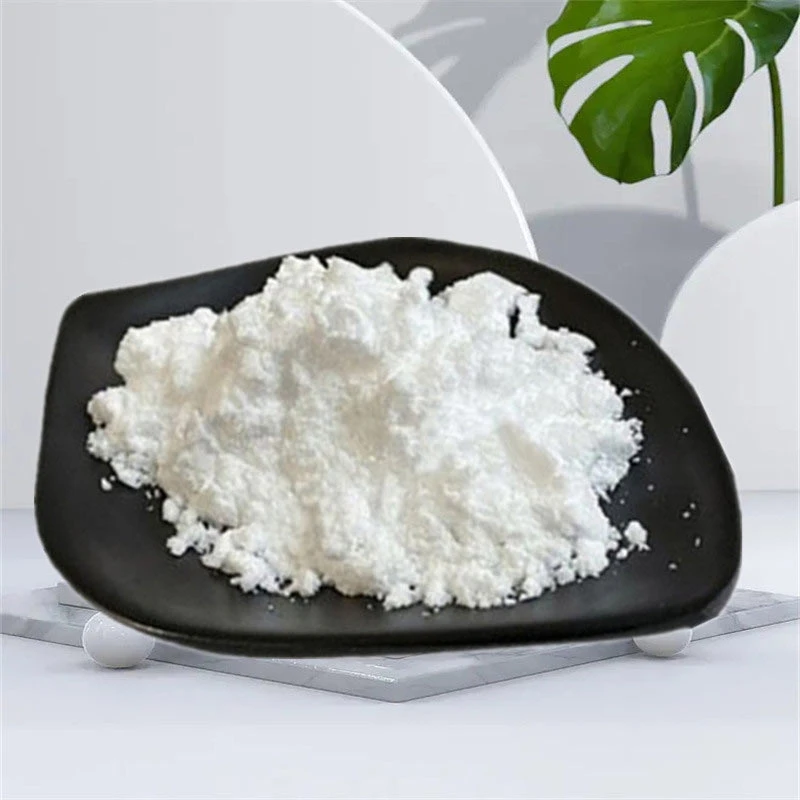
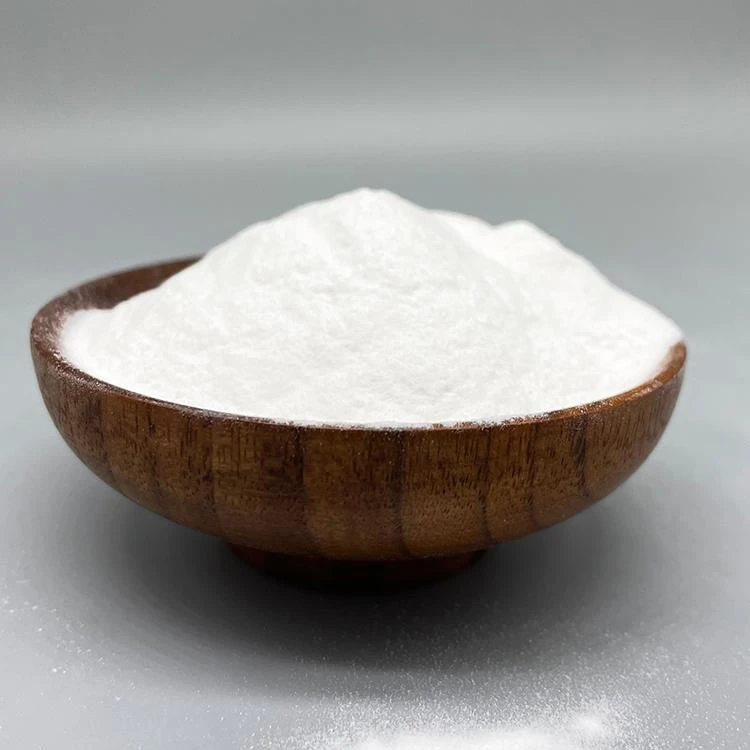
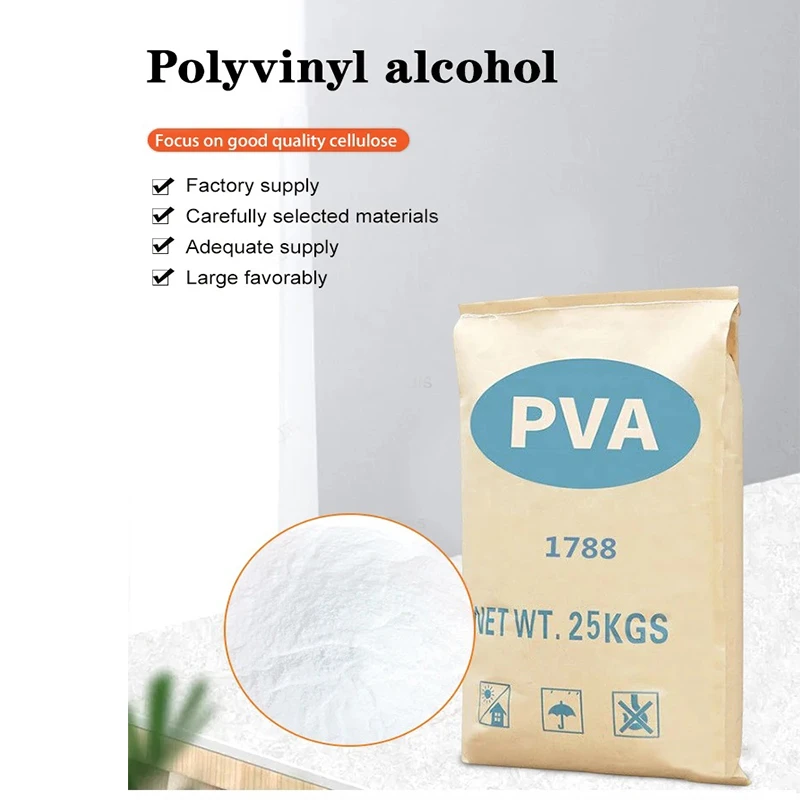
Adding PVA to cement improves the bonding properties and durability of cement-based materials. Polyvinyl alcohol (PVA) is a water-soluble polymer with excellent adhesion to porous materials like cement, sand, and aggregates. When added to cement, PVA enhances flexural and tensile strength, reduces permeability, and improves workability. PVA acts as a stabilizer, reducing cracking caused by shrinkage and mechanical stress. Its environmental friendliness and biodegradability make it a sustainable choice for modern construction projects. In addition, PVA-modified cement provides better bonding with coatings, tiles, and mortars, offering versatile applications in both new construction and repair work.
Adding PVA to Mortar for Workability
Adding PVA to mortar improves adhesion, flexibility, and water resistance. PVA-modified mortar forms a uniform, cohesive mix that is easier to work with and apply. This is particularly useful in plastering, tiling, and masonry applications, where enhanced bonding and durability are required. PVA provides a transparent, flexible film within the mortar, improving mechanical strength and reducing microcracks. Environmentally friendly and biodegradable, PVA in mortar supports sustainable construction practices while enhancing long-term performance. The combination of PVA and traditional cement or mortar allows contractors to achieve smoother finishes, stronger adhesion, and longer-lasting results.
Polypropylene Fiber and PVA Benefits for Construction
The combination of polypropylene fibers for concrete and PVA additives provides a practical solution for modern construction needs. Polypropylene fibers reduce cracking, improve toughness, and enhance durability, while PVA improves adhesion, workability, and long-term stability. Together, they create concrete and mortar mixtures that are stronger, more resilient, and environmentally friendly. These materials are ideal for infrastructure projects, industrial floors, residential buildings, and decorative concrete work. By using these additives, contractors can reduce maintenance costs, increase structural longevity, and achieve higher-quality finishes with less effort.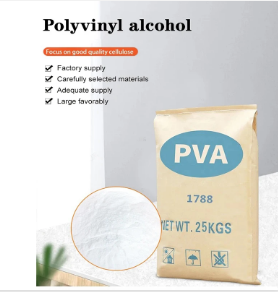
Polypropylene Fiber and PVA FAQs
What are polypropylene fibers for concrete used for?
Polypropylene fibers are used to enhance concrete durability, control shrinkage, and prevent cracking in industrial, residential, and infrastructure projects.
How does PP fiber improve concrete performance?
PP fiber distributes throughout the concrete mix, reducing plastic shrinkage, increasing toughness, and improving resistance to mechanical stress.
What is the role of adding PVA to cement?
PVA improves adhesion, tensile strength, water resistance, and bonding properties in cement-based materials.
Can adding PVA to mortar improve workability?
Yes, PVA-modified mortar is more cohesive, flexible, and easier to apply, resulting in stronger and longer-lasting finishes.
Where can I buy polypropylene fibers and PVA?
High-quality polypropylene fibers and PVA products are available on our website. Purchase directly to enhance the durability, performance, and workability of your concrete and mortar applications.
Polyvinyl Alcohol (PVA) is a multifunctional, environmentally friendly polymer widely used in construction, paper, textiles, and packaging. Its water solubility, chemical stability, and excellent bonding properties make it ideal for enhancing cement and mortar performance. Combined with polypropylene fibers, PVA ensures stronger, more durable, and sustainable concrete and mortar mixtures. Visit our website today to explore polypropylene fibers for concrete and PVA products, and bring superior quality and durability to your next project. Upgrade your construction materials with these practical and high-performance additives for better results, longer-lasting structures, and smoother finishes.
-
HPMC High-Performance Thickener | Hebei TangzhiNewsMar.06,2026
-
Wholesale Water Reducing Admixture for Special Cement: Performance and Market InsightsNewsFeb.28,2026
-
The Complete Guide to HPMC: Types, Applications, Grades, and Manufacturing InsightsNewsFeb.28,2026
-
Redispersible Polymer Powder: Types, Applications, and Performance AdvantagesNewsFeb.28,2026
-
Hydroxymethyl Ethyl Cellulose (MHEC): Properties, Applications, and Market InsightsNewsFeb.28,2026
-
Hydroxyethyl Cellulose: Applications, Performance, and Buying GuideNewsFeb.28,2026