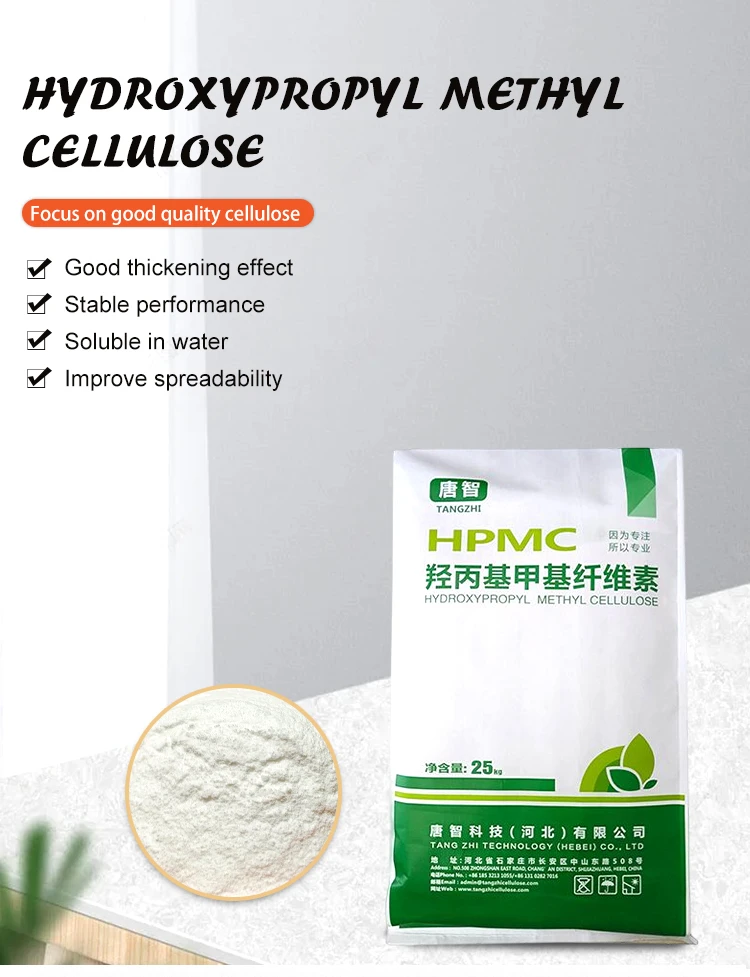
Premium Hydroxypropyl Methyl Cellulose (HPMC) | Thickener & Binder
Industry Trends and Market Dynamics
The global market for cellulose ethers, particularly Hydroxy propyl Methyl Cellulose (HPMC), is experiencing robust growth driven by its versatile applications across numerous B2B sectors. As a non-ionic cellulose ether, HPMC is derived from natural cellulose through a series of chemical reactions, making it an environmentally conscious choice for various industrial formulations. Key trends indicate a significant surge in demand from the construction industry, where HPMC is indispensable for improving the performance of building materials, and from the pharmaceutical and food sectors, where its inertness and functional properties are highly valued.
The construction industry's shift towards sustainable and high-performance materials is a primary catalyst. HPMC enhances water retention, workability, and adhesion in cement-based products, driving its adoption in modern construction practices. Similarly, the pharmaceutical industry relies on HPMC for its role as a binder, film-former, and controlled-release agent in drug formulations, meeting stringent regulatory standards like FDA and EMEA. Furthermore, the burgeoning demand for convenience foods and plant-based alternatives also fuels the market, with HPMC serving as an effective thickener, stabilizer, and emulsifier.
Technological advancements in manufacturing processes are leading to the development of specialized HPMC grades with tailored properties, such as enhanced gelation temperatures, improved enzyme resistance, and specific viscosity profiles. These innovations allow for precise application customization, addressing complex challenges in diverse industries and ensuring optimal product performance. The emphasis on product purity, consistency, and traceability is paramount, prompting manufacturers to adhere to global quality benchmarks and certification standards. This commitment to quality not only builds user trust but also ensures compliance with international trade requirements.
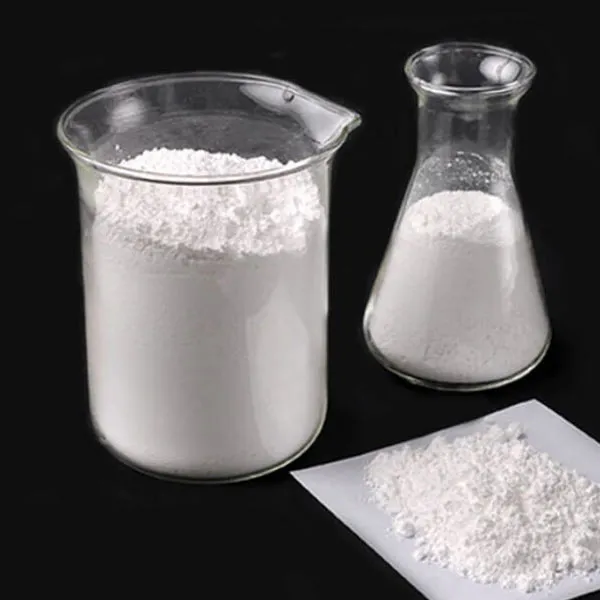
Manufacturing Process Flow of Hydroxy Propyl Methyl Cellulose
The production of Hydroxy propyl Methyl Cellulose is a sophisticated multi-stage chemical process, meticulously controlled to yield a high-purity, consistent product. The primary raw material is refined cellulose, typically derived from wood pulp or cotton linter, known for its high alpha-cellulose content. This raw material undergoes rigorous quality checks to ensure optimal starting purity and reactivity.
Key Process Steps:
- 1. Alkalization: The purified cellulose is first treated with an alkaline solution, typically sodium hydroxide (NaOH), in a highly controlled reaction vessel. This step swells the cellulose fibers, converting them into alkali cellulose, which makes the hydroxyl groups more accessible for subsequent etherification. The temperature and concentration are critical to ensure uniform activation.
- 2. Etherification: The alkali cellulose is then reacted with etherifying agents: methyl chloride (CH₃Cl) and propylene oxide (C₃H₆O). This reaction occurs under precise conditions of temperature, pressure, and reaction time within a reactor. The methyl groups and hydroxypropyl groups replace some of the hydroxyl groups on the cellulose backbone, forming the cellulose ether. The ratio of these reactants and reaction parameters determines the degree of substitution and the final HPMC properties, such as methoxyl and hydroxypropoxyl content.
- 3. Neutralization: After etherification, the reaction mixture is neutralized using an appropriate acid, typically acetic acid or hydrochloric acid, to bring the pH to a desired range, halting further reactions and ensuring product stability.
- 4. Washing: The neutralized product undergoes extensive washing with hot water to remove any residual salts (e.g., sodium chloride), unreacted reagents, and by-products. This purification step is crucial for achieving high purity and low ash content, which are vital for pharmaceutical and food-grade applications.
- 5. Drying: The purified wet product is then dried using industrial dryers, often flash dryers or rotary dryers, to reduce its moisture content to specified levels. Careful control of drying temperature prevents degradation and ensures uniform moisture distribution.
- 6. Grinding and Screening: The dried Hydroxy propyl Methyl Cellulose is then ground into a fine powder and screened through various mesh sizes to achieve the desired particle size distribution. This step is critical for ensuring consistent dissolution properties and application performance.
- 7. Quality Control and Packaging: Throughout the entire process, stringent quality control measures are implemented. Samples are regularly taken and tested against international standards such as ISO (e.g., ISO 9001 for quality management), ASTM, and specific pharmacopoeial requirements (e.g., USP, EP, BP). Parameters checked include viscosity, methoxyl and hydroxypropoxyl content, pH, moisture content, particle size, and purity. Once approved, the product is packaged in moisture-proof bags for distribution.
The precise control over each stage, from raw material selection to final packaging, is fundamental to producing high-quality Hydroxy propyl Methyl Cellulose that meets the diverse and exacting demands of various industries. This meticulous process ensures consistent performance, whether for enhancing workability in construction mortars, enabling controlled drug release, or stabilizing food products.
Technical Specifications and Performance Parameters
Understanding the precise technical specifications of Hydroxy propyl Methyl Cellulose is crucial for its effective application in B2B environments. These parameters dictate the suitability of a specific HPMC grade for a given purpose, influencing its functional properties such as thickening, water retention, film formation, and gelation temperature. Below is a representative table outlining typical specifications, although specific values will vary based on the grade and manufacturer.
Typical Hydroxy propyl Methyl Cellulose Product Specifications
| Parameter | Unit | Standard Range | Testing Standard |
|---|---|---|---|
| Viscosity (2% solution, 20°C) | mPa·s (cP) | 3 - 200,000 | ASTM D1347 / ISO 16291 |
| Methoxyl Content | % | 19.0 - 30.0 | USP / EP / JP |
| Hydroxypropoxyl Content | % | 4.0 - 12.0 | USP / EP / JP |
| pH (1% solution) | - | 5.0 - 8.0 | Internal Method |
| Moisture Content | % | ≤ 5.0 | ASTM D1347 |
| Ash Content | % | ≤ 1.0 (Food/Pharma ≤ 0.5) | USP / EP |
| Particle Size (through 100 mesh) | % | ≥ 98 | ASTM D1347 |
| Gelation Temperature | °C | 60 - 90 (Grade Dependent) | Internal Method |
The viscosity of HPMC is one of its most critical characteristics, typically measured in a 2% aqueous solution at 20°C using a viscometer. This property directly impacts its thickening efficiency, flow behavior, and ability to improve adhesion in various systems. The methoxyl and hydroxypropoxyl content determine the degree of substitution, influencing hydrophobicity, solubility, and thermal gelation properties.
High-purity grades of HPMC, often certified by pharmacopoeial standards like USP (United States Pharmacopeia) or EP (European Pharmacopoeia), are essential for pharmaceutical and food applications. These certifications attest to stringent controls over impurities, heavy metals, and microbiological load, ensuring product safety and efficacy. For construction applications, parameters such as water retention capacity, open time, and slump resistance are frequently evaluated to optimize mortar and render performance.
Application Scenarios and Technical Advantages
The intrinsic properties of Hydroxy propyl Methyl Cellulose lend themselves to a remarkably diverse range of application scenarios, providing critical technical advantages across multiple B2B sectors. Its versatility stems from its ability to act as a thickener, binder, film-former, protective colloid, suspending agent, and water retention agent.
Key Application Industries and Advantages:
-
1. Construction Materials: HPMC is a cornerstone additive in dry-mix mortars, tile adhesives, renders, self-leveling compounds, and gypsum products.
- Water Retention: Significantly extends open time and adjustability of mortars, preventing premature drying and improving hydration of cementitious binders. This leads to higher bond strength and reduced cracking.
- Thickening & Pseudoplasticity: Enhances workability, sag resistance (e.g., in tile adhesives for large format tiles), and cohesion, making application easier and more efficient.
- Adhesion: Improves bonding to various substrates, critical for robust and durable construction.
- Energy Saving: By optimizing material performance and reducing waste, HPMC contributes to more efficient construction processes.
-
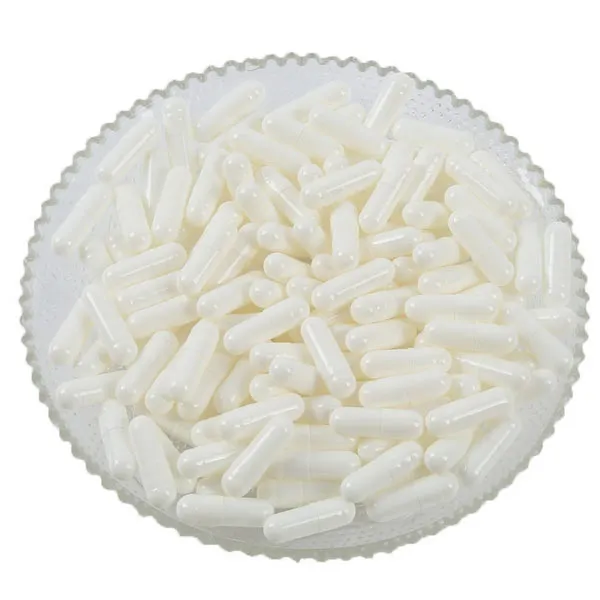
2. Pharmaceuticals: As a leading excipient, HPMC is widely used in oral solid dosage forms (tablets, capsules) and topical preparations.
- Binders: Facilitates the compaction of powders into tablets, providing mechanical strength.
- Film-Formers: Creates protective, enteric, or controlled-release coatings for tablets, masking taste and enhancing stability.
- Controlled Release Matrix: Forms a gel matrix that governs the dissolution and release rate of active pharmaceutical ingredients (APIs), crucial for extended-release formulations.
- Viscosity Modifier: Used in ophthalmic solutions and gels to improve contact time and patient comfort.
-
3. Food Industry: Utilized as a thickener, emulsifier, stabilizer, and gelling agent in various food products.
- Texture Enhancement: Improves mouthfeel and consistency in sauces, dressings, and baked goods.
- Emulsification & Stabilization: Prevents phase separation in emulsions like non-dairy creams and salad dressings.
- Thermal Gelation: Provides heat-reversible gelling properties, useful in vegetarian and vegan products.
-
4. Personal Care Products: Found in cosmetics, shampoos, conditioners, and lotions.
- Thickening & Rheology Control: Imparts desired viscosity and flow properties to liquid formulations.
- Film Formation: Creates a smooth film on skin and hair, enhancing sensory attributes and active ingredient delivery.
-
5. Paints & Coatings: Used in water-based paints, primers, and industrial coatings.
- Thickening & Anti-Sagging: Improves paint viscosity, preventing drips and runs during application, especially on vertical surfaces.
- Improved Brushability/Leveling: Contributes to smooth application and uniform film formation.
The technical advantages of Hydroxy propyl Methyl Cellulose are its ability to impart superior rheological properties, enhance material workability, extend open times, improve adhesion, and provide controlled release mechanisms. These features translate into improved product quality, reduced material waste, and enhanced manufacturing efficiency, offering significant value to B2B customers seeking optimized formulations.
Vendor Comparison and Customized Solutions
Selecting the right supplier for Hydroxy propyl Methyl Cellulose is a critical decision for B2B enterprises, impacting not only product performance but also supply chain reliability and cost-effectiveness. A thorough vendor comparison goes beyond mere price, delving into aspects of product consistency, technical support, innovation capabilities, and compliance with industry standards.
Key Considerations for Vendor Selection:
- Product Consistency & Purity: Reputable vendors ensure batch-to-batch consistency in key parameters like viscosity, substitution levels, and particle size. Certifications (e.g., ISO 9001, HACCP, GMP for pharma grades) provide assurance of quality control.
- Technical Support & Expertise: A strong vendor offers comprehensive technical support, including formulation guidance, troubleshooting, and application-specific advice. Their R&D teams should be capable of collaborative problem-solving.
- Customization Capabilities: Given the diverse applications, the ability to provide customized HPMC grades—tailored for specific viscosity ranges, dissolution rates, or surface treatments—is a significant advantage. This can optimize end-product performance and reduce development cycles.
- Supply Chain Reliability: Robust manufacturing capacity, efficient logistics, and a strong global distribution network ensure timely delivery and minimize supply disruptions. Years of service and established client relationships are indicators of reliability.
- Regulatory Compliance: Especially for pharmaceutical and food applications, vendors must demonstrate adherence to global regulatory bodies like FDA, EMA, and national pharmacopoeias, providing necessary documentation (e.g., Certificates of Analysis, MSDS, TSE/BSE statements).
The Value of Customized HPMC Solutions:
Standard grades of Hydroxy propyl Methyl Cellulose serve a broad spectrum of needs, but truly optimized performance often requires customized solutions. For instance, in the construction sector, a tile adhesive for large-format tiles might require a high-viscosity HPMC with specific pseudoplastic characteristics to prevent slump, while a self-leveling compound needs a lower viscosity grade for excellent flow. In pharmaceuticals, a specific drug might demand a unique dissolution profile, necessitating an HPMC with a tailored substitution pattern or particle size to achieve the desired release kinetics.
Leading HPMC manufacturers work closely with clients to understand their precise formulation challenges and end-product requirements. This collaborative approach involves:
- Detailed analysis of application parameters and desired performance metrics.
- Development of prototype HPMC grades with modified properties (e.g., degree of substitution, molecular weight, surface treatment).
- Extensive laboratory and pilot-scale testing to validate performance.
- Scalable manufacturing processes for consistent commercial production of customized grades.
Application Case Studies: Real-World Performance
The practical efficacy of Hydroxy propyl Methyl Cellulose is best demonstrated through its successful implementation in real-world industrial projects. These case studies highlight its tangible benefits, underscoring its role in enhancing product performance, optimizing processes, and delivering superior end results.
Case Study 1: High-Performance Tile Adhesive for Large-Format Tiles
Client: A leading European construction materials manufacturer specializing in premium tile adhesives.
Challenge: Develop a tile adhesive capable of securely fixing large-format, heavy porcelain tiles (up to 120x120 cm) on vertical surfaces without slump, while providing extended open time and superior bond strength, even in challenging climatic conditions.
Solution: Collaboration with our technical team led to the selection of a high-viscosity, surface-treated HPMC grade specifically designed for high-performance tile adhesives. This particular grade exhibited strong pseudoplastic rheology and exceptional water retention.
Results:
- Reduced Slump: Vertical slump was virtually eliminated, allowing for effortless installation of heavy tiles without slippage.
- Extended Open Time: Open time was increased by approximately 30% compared to previous formulations, offering greater flexibility for installers.
- Enhanced Bond Strength: Achieved C2TE S1 classification under EN 12004, indicating superior adhesive strength and deformability, even after heat aging and water immersion.
- Improved Workability: The adhesive maintained excellent spreadability and creaminess, enhancing applicator experience.
Case Study 2: Controlled-Release Tablet Formulation for Chronic Disease Management
Client: A global pharmaceutical company developing a once-daily oral medication for hypertension.
Challenge: Formulate a tablet that provides a consistent, 24-hour drug release profile to ensure stable blood pressure control, requiring a robust hydrophilic matrix that prevents dose dumping and maintains integrity throughout the gastrointestinal tract.
Solution: Utilizing a specific high-molecular-weight, pharmaceutical-grade HPMC, known for its excellent gelling properties and pH independence, a matrix tablet formulation was developed. The HPMC created a gel layer upon contact with gastric fluid, which slowly eroded, precisely controlling the drug diffusion.
Results:
- 24-Hour Release Profile: In-vitro dissolution studies demonstrated a stable and sustained release of the API over a full 24-hour period, matching pharmacokinetic requirements.
- Elimination of Dose Dumping: The robust gel matrix prevented rapid release of the drug, ensuring patient safety and therapeutic efficacy.
- Tablet Integrity: Tablets maintained structural integrity throughout the dissolution process, demonstrating mechanical strength and resistance to erosion.
- Regulatory Compliance: The HPMC used was fully compliant with USP and EP standards, facilitating expedited regulatory approval.
Trustworthiness: FAQ, Lead Time, Warranty, and Support
At the core of any successful B2B partnership is trust, built upon transparency, reliability, and robust support systems. For critical industrial components like Hydroxy propyl Methyl Cellulose, understanding the supplier's commitments to quality, logistics, and post-sales service is paramount.
Frequently Asked Questions (FAQ) about Hydroxy propyl Methyl Cellulose:
- Q1: What are the primary solubility characteristics of HPMC?
- A: HPMC is soluble in cold water, forming a clear to slightly hazy solution. Its solubility is influenced by the degree of substitution and molecular weight (viscosity). Higher temperatures often lead to thermal gelation, where the solution reversibly gels or precipitates.
- Q2: How should HPMC be stored to ensure optimal shelf life?
- A: HPMC should be stored in its original, unopened packaging in a cool, dry place (below 30°C and 70% relative humidity) away from direct sunlight and heat sources. Proper storage can extend its shelf life to typically 24 months from the manufacturing date.
- Q3: Is HPMC compatible with other common additives?
- A: Generally, HPMC exhibits good compatibility with most non-ionic and anionic surfactants, thickeners, and polymers used in various formulations. However, compatibility should always be verified through testing for specific formulations due to potential interactions.
- Q4: Are there different grades of HPMC, and how do I choose the right one?
- A: Yes, HPMC is available in numerous grades, varying mainly by viscosity, methoxyl/hydroxypropoxyl content, and particle size. The choice depends entirely on the specific application's requirements (e.g., desired thickening, water retention, dissolution profile). Our technical support team can assist in selecting the optimal grade.
Lead Time and Fulfillment:
We understand the critical importance of timely delivery in maintaining your production schedules. Our standard lead time for most grades of Hydroxy propyl Methyl Cellulose typically ranges from 7-14 business days, depending on order size and destination. For customized solutions or large-volume orders, lead times will be confirmed upon inquiry. We operate with a robust global logistics network and strategic warehousing to ensure efficient and reliable fulfillment, supported by real-time tracking and dedicated logistics coordination.
Warranty Commitments:
All our Hydroxy propyl Methyl Cellulose products are manufactured under strict quality control protocols and are guaranteed to meet the published technical specifications and industry standards (e.g., ISO, USP, EP, FCC) as stated on their Certificates of Analysis. We warrant that our products are free from defects in material and workmanship at the time of delivery. In the unlikely event of any product failing to meet specifications, we commit to prompt investigation, replacement, or credit, in accordance with our standard terms and conditions.
Comprehensive Customer Support:
Our commitment extends beyond product delivery. We offer comprehensive customer support designed to empower our B2B partners:
- Technical Assistance: A dedicated team of chemists and application specialists provides expert advice on product selection, formulation optimization, and troubleshooting.
- Regulatory Guidance: Support with necessary documentation for regulatory compliance and market entry in various regions.
- Sample Provision: Access to product samples for preliminary testing and evaluation to ensure the perfect match for your application.
- After-Sales Service: Responsive support for any post-purchase inquiries or technical challenges, ensuring continuous operational efficiency.
Conclusion
Hydroxy propyl Methyl Cellulose stands as an indispensable polymer in a multitude of industrial applications, driven by its exceptional versatility and functional properties. From enhancing the performance and durability of construction materials to enabling precise drug delivery in pharmaceuticals and improving the texture of food products, HPMC offers solutions that address complex technical challenges. Its continued evolution, supported by advanced manufacturing techniques and rigorous quality control, ensures its pivotal role in future innovations across diverse B2B sectors. Partnering with a supplier committed to quality, customization, and comprehensive technical support is crucial for harnessing the full potential of HPMC in your formulations.
Authoritative References:
- Rowe, R. C., Sheskey, P. J., & Quinn, M. E. (2009). Handbook of Pharmaceutical Excipients (6th ed.). Pharmaceutical Press.
- Klein, B. (2000). Cellulose Ethers: Production, Properties, and Applications. In J. K. F. Cellulose and Cellulose Derivatives (Vol. 5, pp. 289-325). American Chemical Society.
- U.S. Pharmacopeial Convention. (2022). United States Pharmacopeia and National Formulary (USP 43–NF 38).
- European Directorate for the Quality of Medicines & HealthCare. (2022). European Pharmacopoeia (10th ed.). Council of Europe.
- ASTM International. (Various Standards). Standard Specification for Cellulose Acetate Butyrate, D1347.
-
HPMC High-Performance Thickener | Hebei TangzhiNewsMar.06,2026
-
Wholesale Water Reducing Admixture for Special Cement: Performance and Market InsightsNewsFeb.28,2026
-
The Complete Guide to HPMC: Types, Applications, Grades, and Manufacturing InsightsNewsFeb.28,2026
-
Redispersible Polymer Powder: Types, Applications, and Performance AdvantagesNewsFeb.28,2026
-
Hydroxymethyl Ethyl Cellulose (MHEC): Properties, Applications, and Market InsightsNewsFeb.28,2026
-
Hydroxyethyl Cellulose: Applications, Performance, and Buying GuideNewsFeb.28,2026