Redispersible Polymer Powder: Types, Applications, and Industry Insights
In the world of modern construction materials, redispersible polymer powder (RDP) has become a vital additive that enhances performance, durability, and flexibility. Whether in tile adhesives, external insulation systems, or self-leveling compounds, redispersible powder plays a crucial role in improving bonding strength and resistance to environmental stress.
This article explores the different redispersible polymer powder types, its applications, and key industry considerations such as redispersible polymer powder HS code and supplier options.
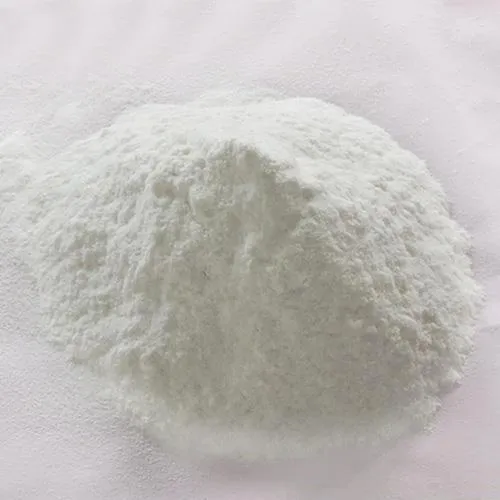
What is Redispersible Polymer Powder?
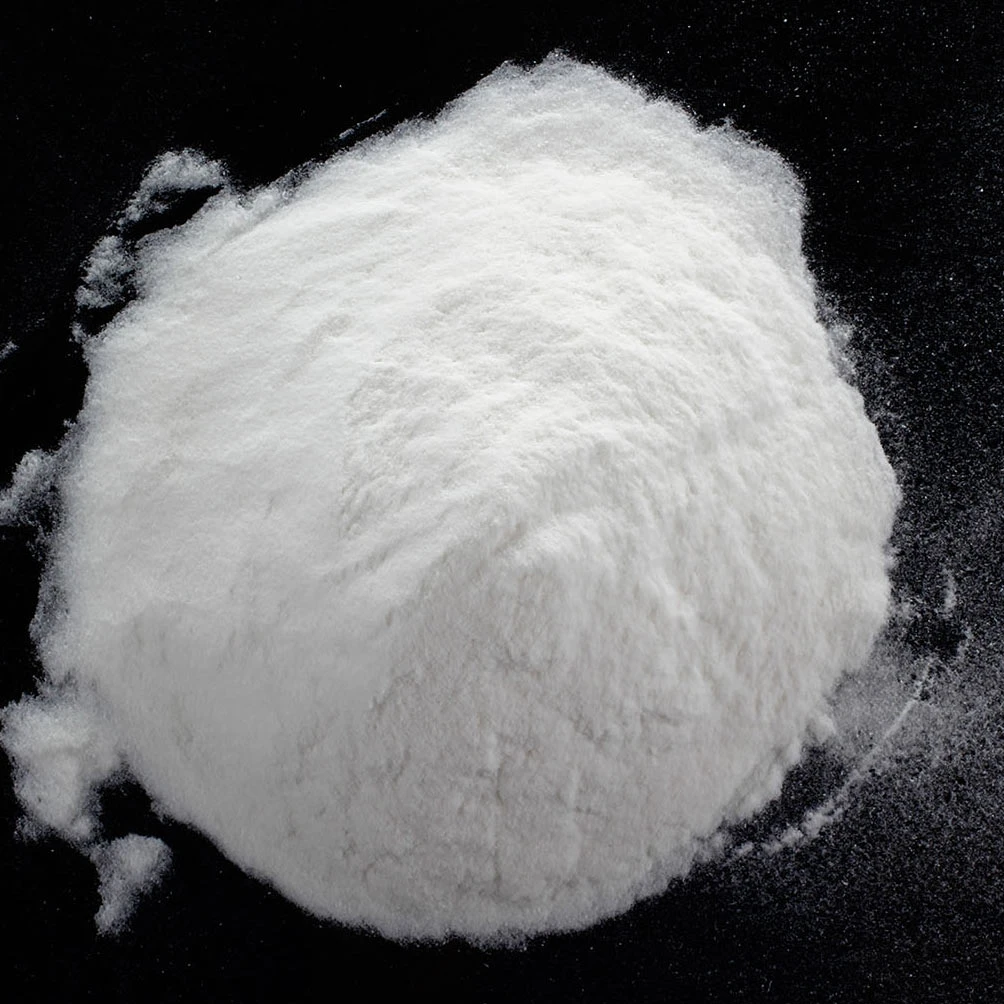
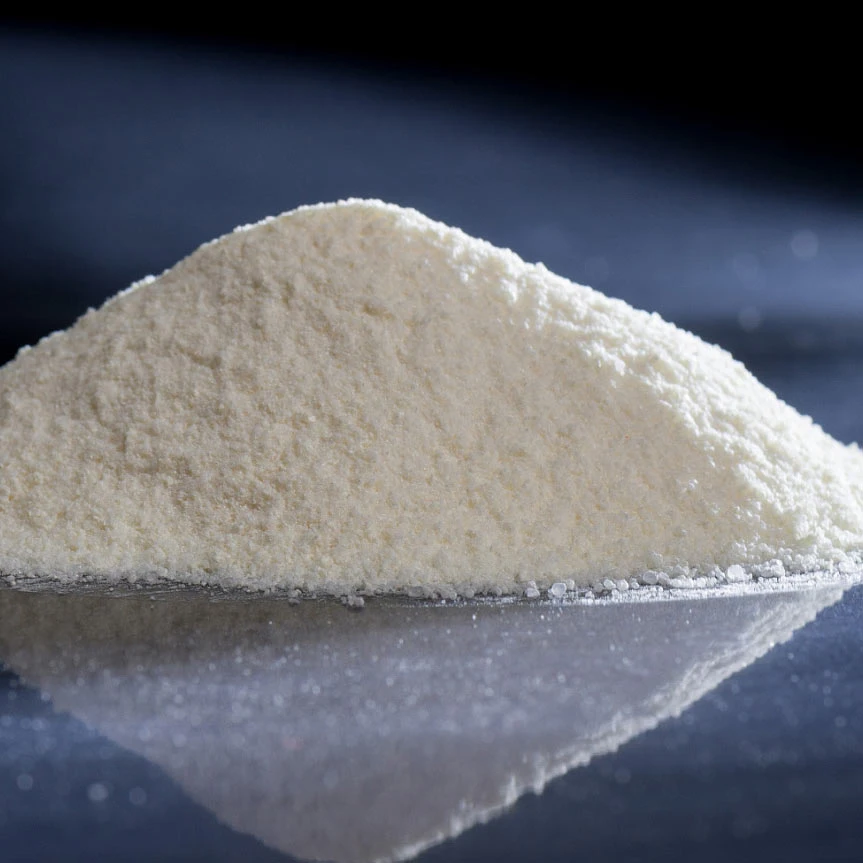
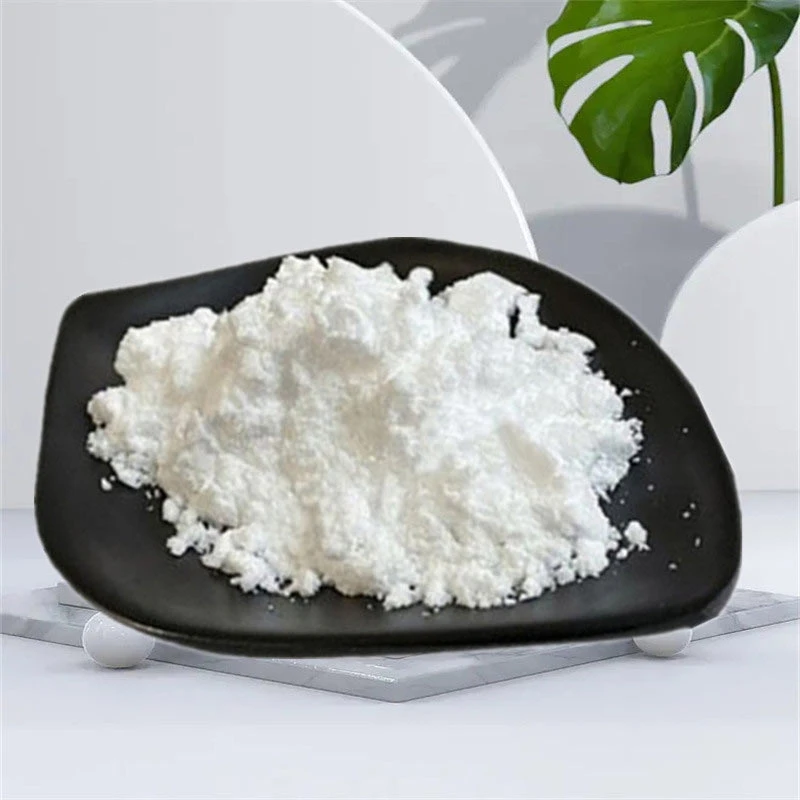
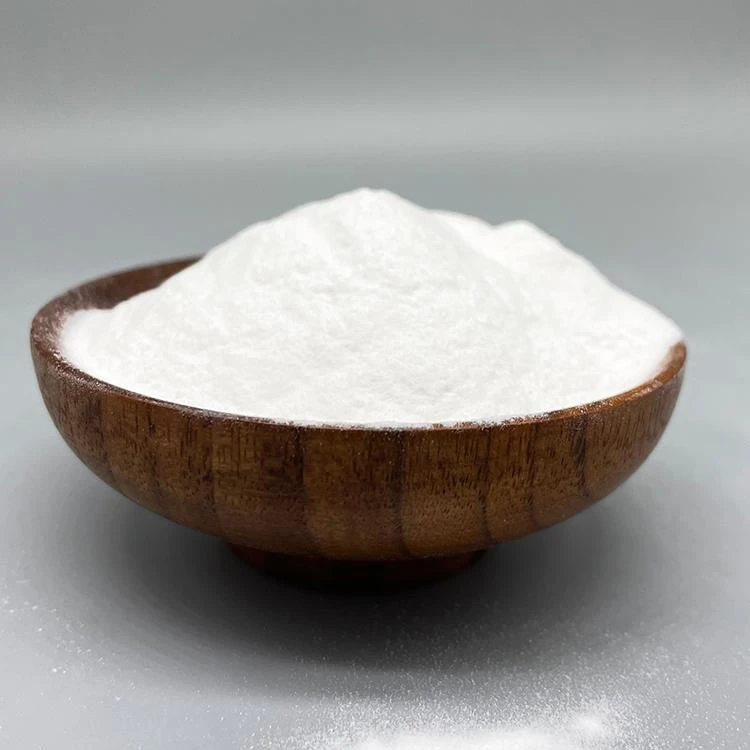
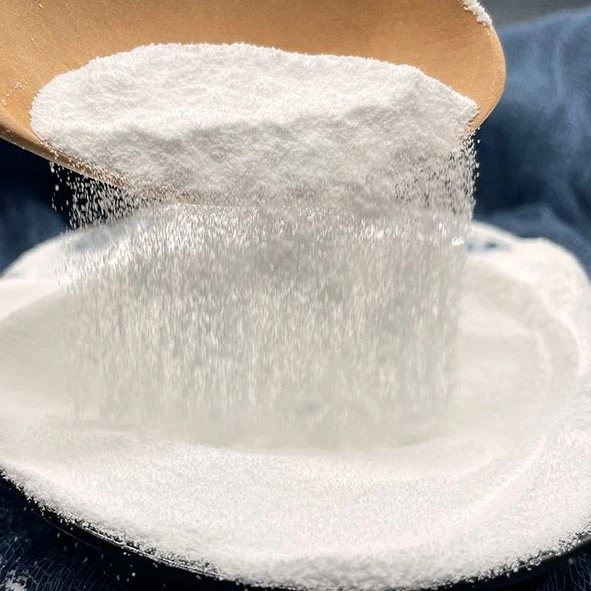
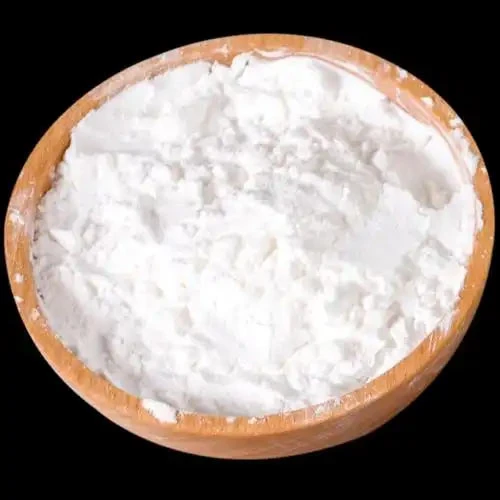
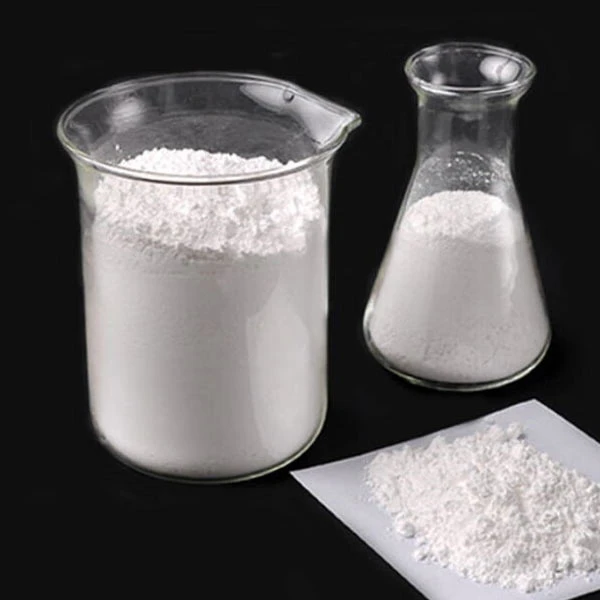
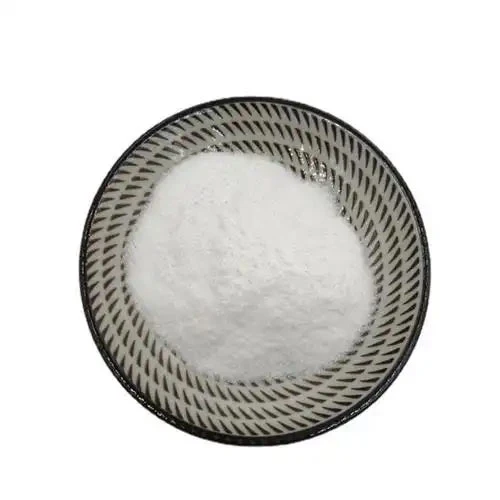
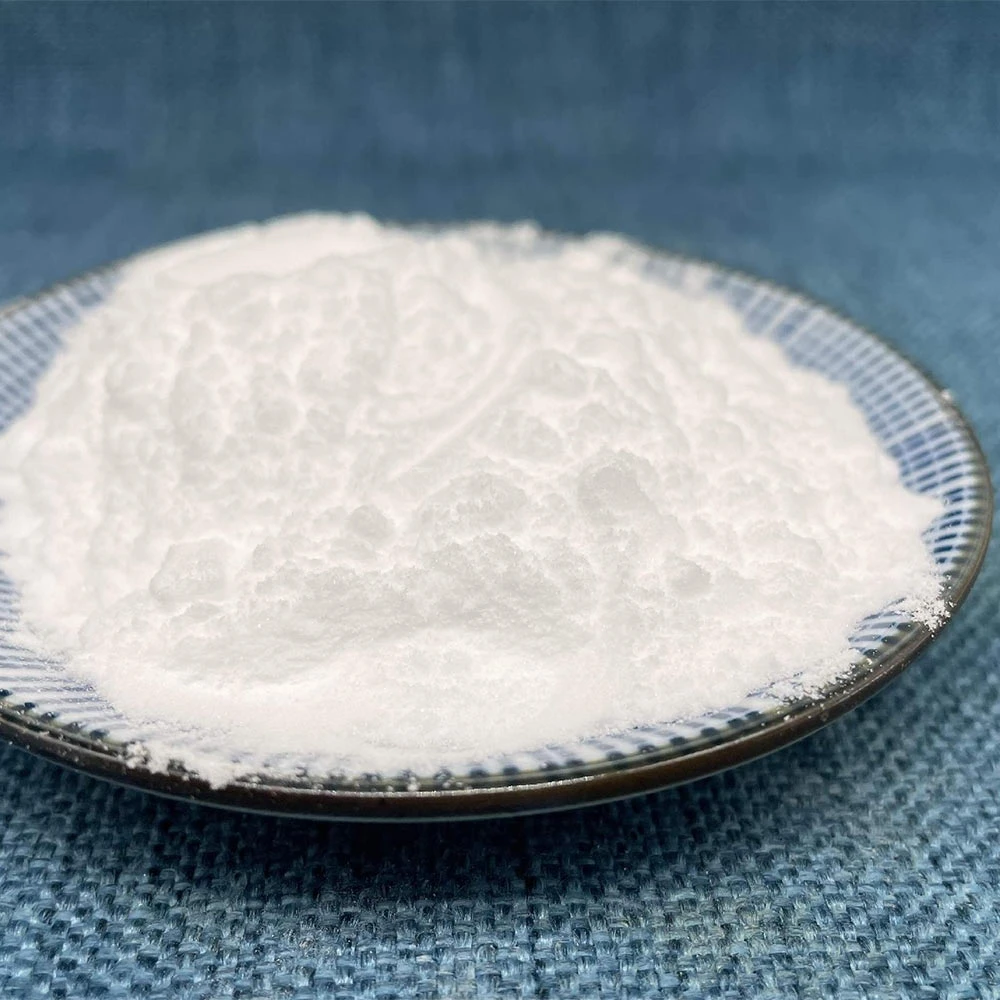
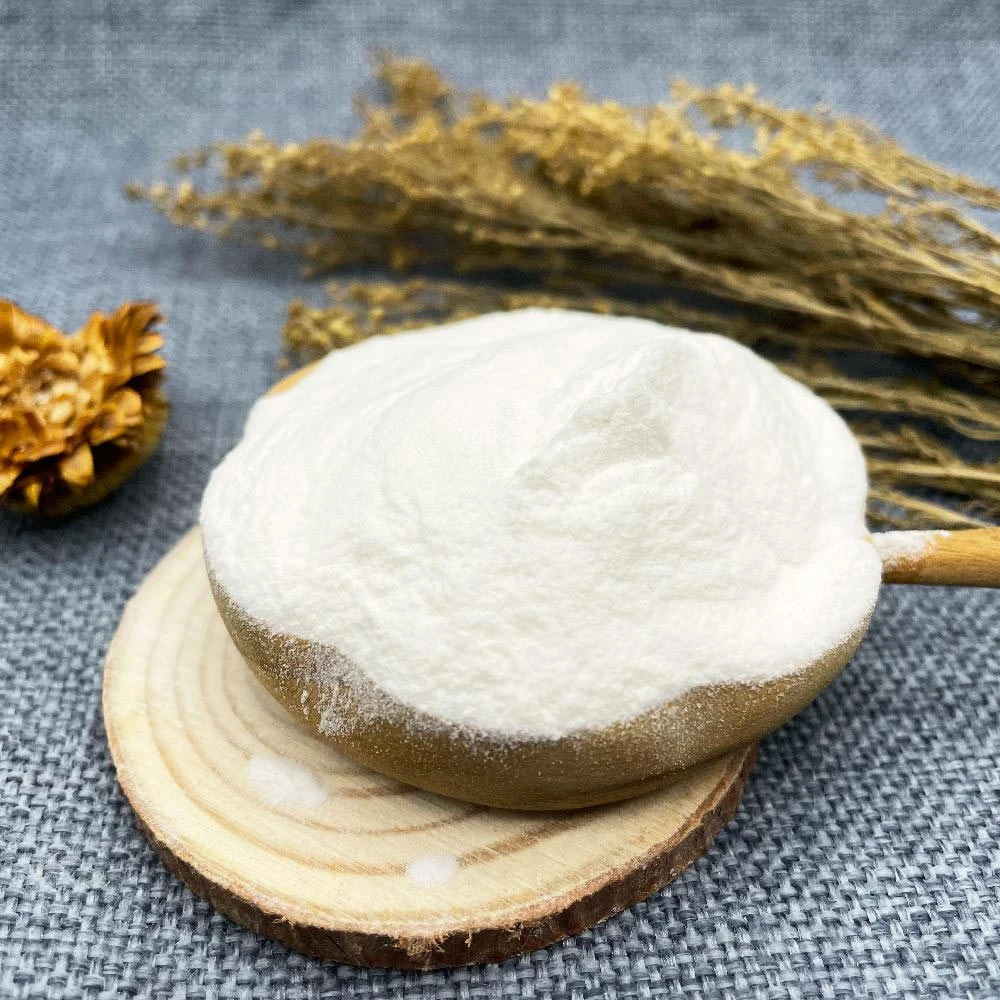
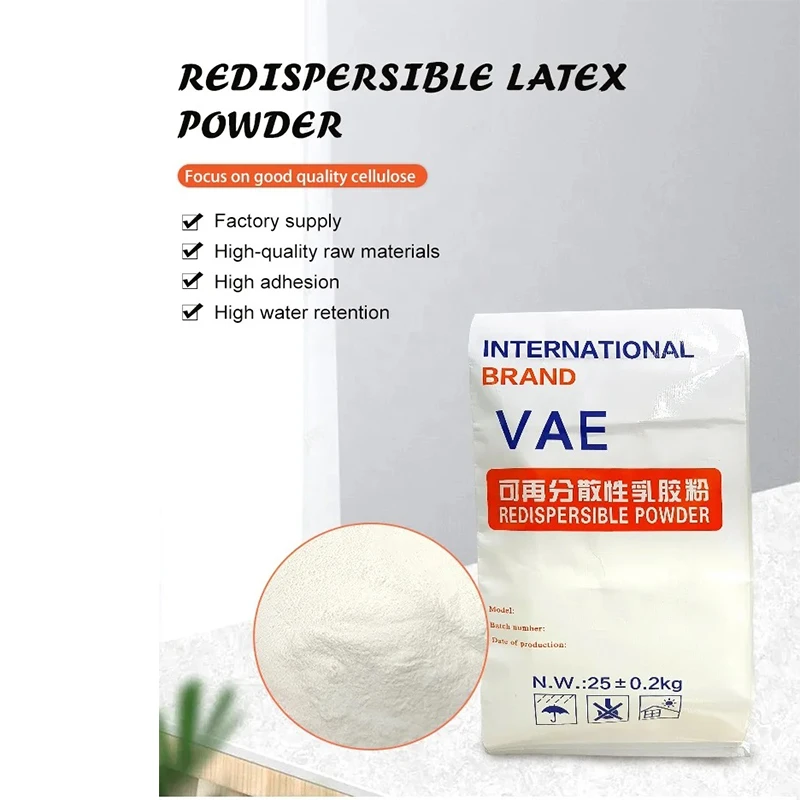
Redispersible polymer powder is a free-flowing powder created by spray-drying polymer emulsions. When mixed with water, it re-emulsifies into a stable dispersion, maintaining the performance of its liquid form. This process is why it is also called re dispersible polymer powder or redispersible emulsion powder.
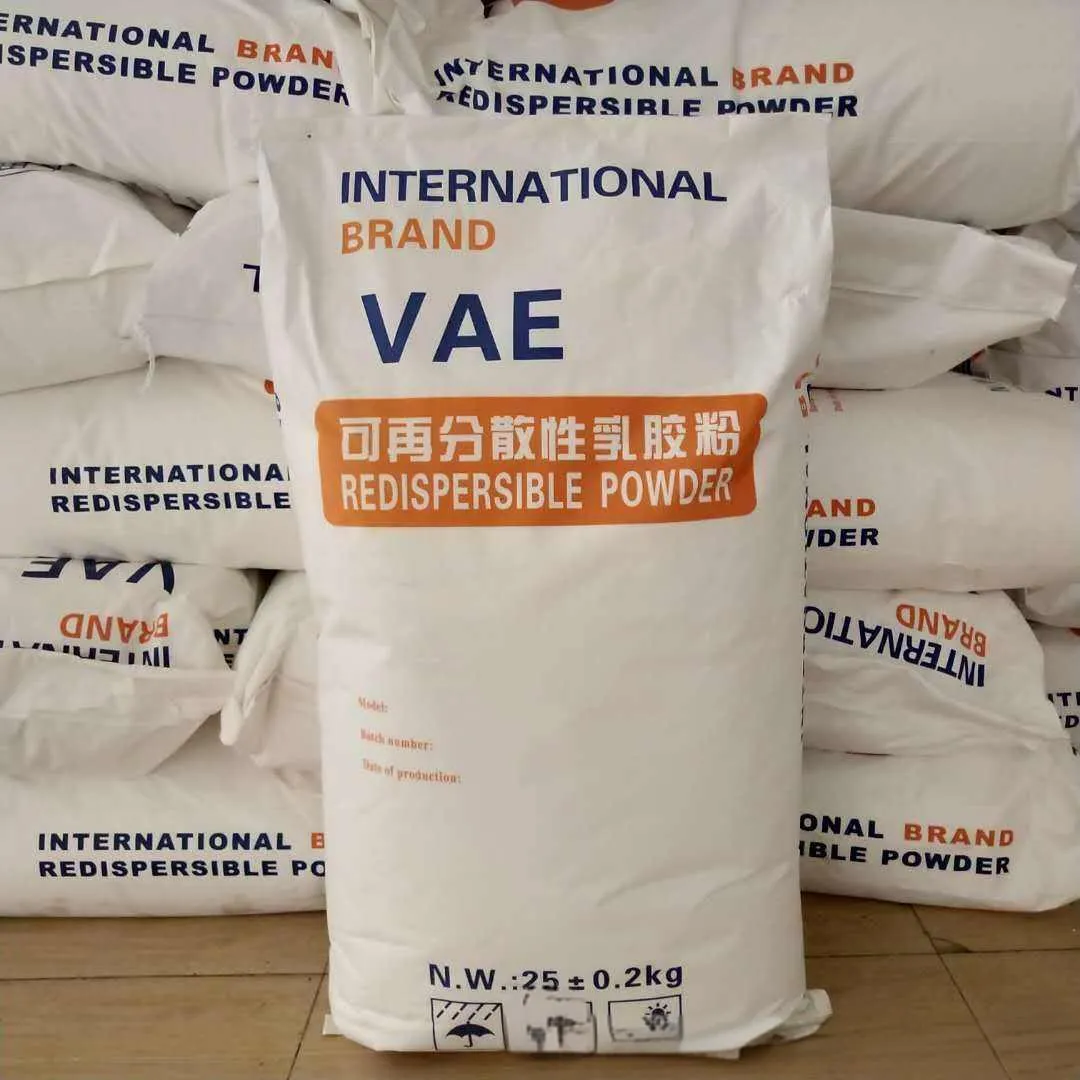
The most widely used type is vinyl acetate ethylene redispersible powder (VAE RDP). Thanks to its excellent bonding, water resistance, and flexibility, VAE powder is preferred in cementitious and gypsum-based applications.
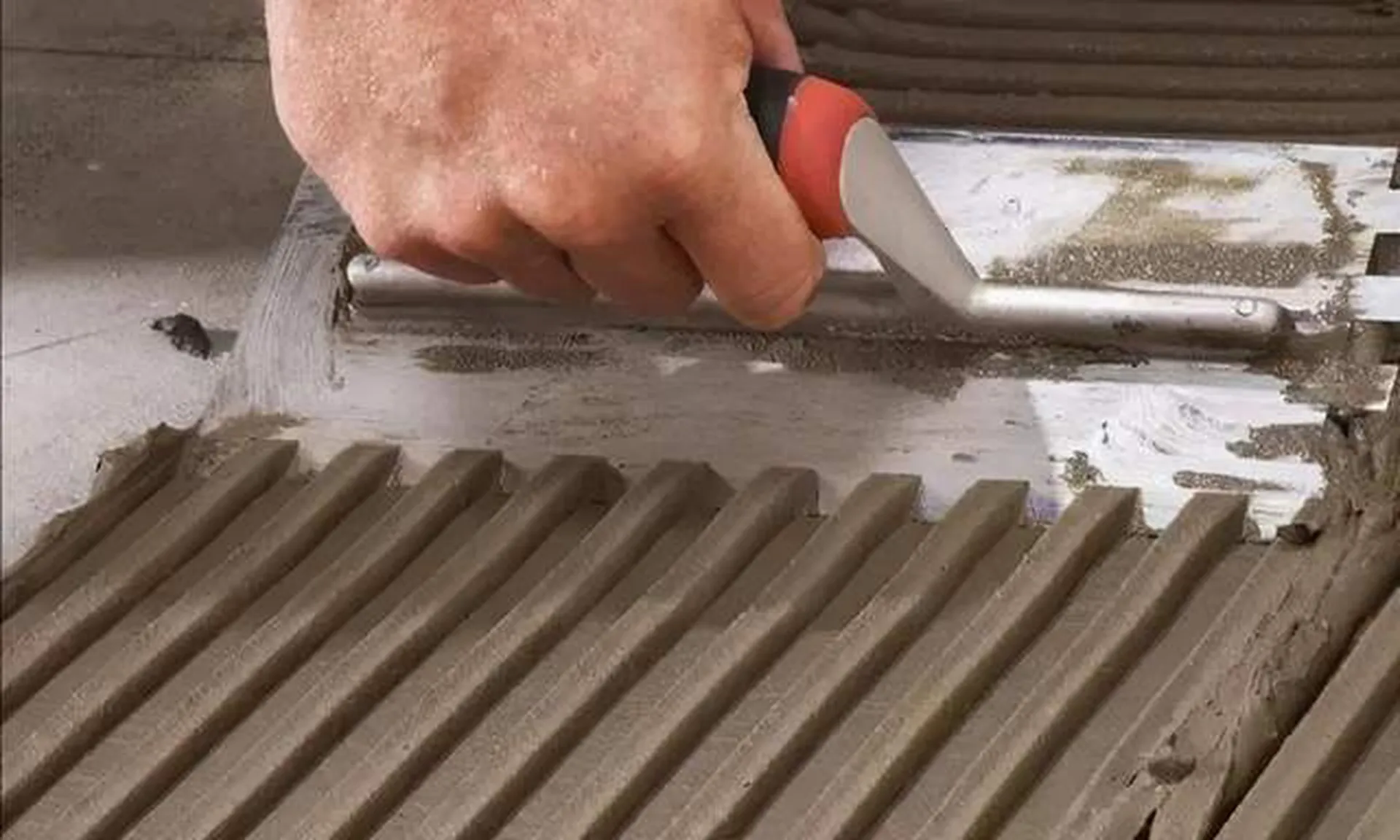
Key Benefits of Redispersible Polymer Powder
Adhesion improvement: Ensures strong bonding to mineral substrates.
Flexibility: Reduces cracking in mortars and coatings.
Durability: Enhances resistance to weather, water, and mechanical stress.
Workability: Improves spreadability and consistency in application.
Versatility: Suitable for a wide range of construction systems.
Redispersible Polymer Powder Types and Applications
The construction industry uses different redispersible polymer powder types, depending on performance requirements:

1. VAE Redispersible Powder (VAE RDP)
VAE redispersible powder is the most common RDP polymer, made from vinyl acetate–ethylene copolymers. It provides excellent adhesion, flexibility, and water resistance. Applications include:
Tile adhesives and grouts
EIFS/ETICS (External Thermal Insulation Systems)
Gypsum-based plasters
Skim coats and leveling compounds

2. VeoVa-Based Redispersible Powder
This type of redispersible polymer offers superior hydrophobicity and alkali resistance, making it highly suitable for external coatings and renders exposed to harsh weather.
3. Acrylic-Based Redispersible Powder
Acrylic-based redispersible powder polymer improves UV resistance and color stability, often used in decorative coatings and high-performance plasters.
4. Styrene-Butadiene Redispersible Powder
This RDP powder variant enhances elasticity and impact resistance, commonly applied in repair mortars and flexible coatings.
Industry Outlook and Trade Considerations
Redispersible Polymer Powder Market and Suppliers
The global demand for dispersible polymer powder has been rising due to urbanization and infrastructure development. Construction industries rely heavily on redispersible latex powder suppliers to ensure consistent quality for large-scale projects. Manufacturers are also developing eco-friendly and low-emission RDP polymer solutions to meet sustainability standards.
RDP Powder Pricing and HS Code
The RDP powder price varies depending on raw materials, polymer composition, and supplier. VAE powder is typically the most cost-effective, while specialty polymers such as acrylic-based powders come at a premium.
For international trade, the redispersible polymer powder HS code is used to classify the product as a chemical/polymer additive, streamlining customs clearance and ensuring compliance with regulations.
Conclusion
Redispersible polymer powder has transformed construction materials by improving bonding strength, durability, and flexibility. With various redispersible polymer powder types such as VAE RDP, VeoVa, acrylic, and styrene-butadiene, the industry can tailor solutions for both interior and exterior applications.
From understanding the role of redispersible emulsion powder to navigating global trade with the redispersible polymer powder HS code, this additive continues to be a cornerstone in construction innovation. Whether supplied as redispersible latex powder or sourced as vinyl acetate ethylene redispersible powder, RDP ensures performance-driven results in every application.
FAQs About Redispersible Polymer Powder
1. What are the main redispersible polymer powder types?
The primary redispersible polymer powder types include VAE redispersible powder, VeoVa-based powder, acrylic-based powder, and styrene-butadiene powder. Each type offers unique properties suited for different construction applications.
2. What are the benefits of using VAE redispersible powder?
VAE redispersible powder (VAE RDP) enhances adhesion, water resistance, and flexibility. As the most widely used RDP polymer, it is ideal for tile adhesives, EIFS, plasters, and leveling compounds.
3. How is redispersible emulsion powder different from redispersible latex powder?
Both terms refer to the same material. Redispersible emulsion powder or redispersible latex powder is spray-dried from liquid polymer emulsions and can re-disperse in water to form a stable polymer.
4. What is the redispersible polymer powder HS code?
The redispersible polymer powder HS code classifies it under chemical and polymer additives for international trade, ensuring smooth customs clearance and regulatory compliance.
5. What factors affect RDP powder pricing in the market?
The RDP powder price depends on raw material costs, polymer type (VAE powder, acrylic, or VeoVa), supplier location, and global demand. Bulk purchases from established redispersible latex powder suppliers often provide better pricing.
-
HPMC High-Performance Thickener | Hebei TangzhiNewsMar.06,2026
-
Wholesale Water Reducing Admixture for Special Cement: Performance and Market InsightsNewsFeb.28,2026
-
The Complete Guide to HPMC: Types, Applications, Grades, and Manufacturing InsightsNewsFeb.28,2026
-
Redispersible Polymer Powder: Types, Applications, and Performance AdvantagesNewsFeb.28,2026
-
Hydroxymethyl Ethyl Cellulose (MHEC): Properties, Applications, and Market InsightsNewsFeb.28,2026
-
Hydroxyethyl Cellulose: Applications, Performance, and Buying GuideNewsFeb.28,2026