Redispersible Polymer Powder Types for Self-Leveling
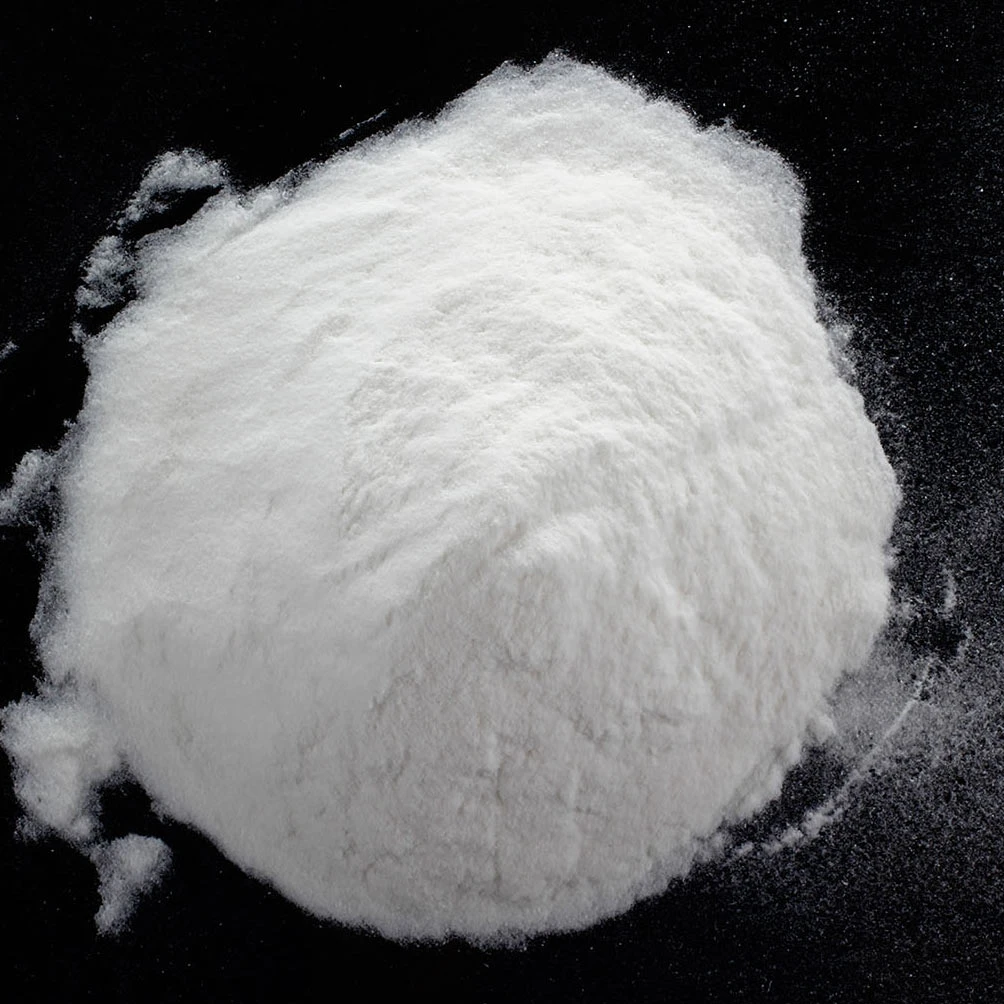
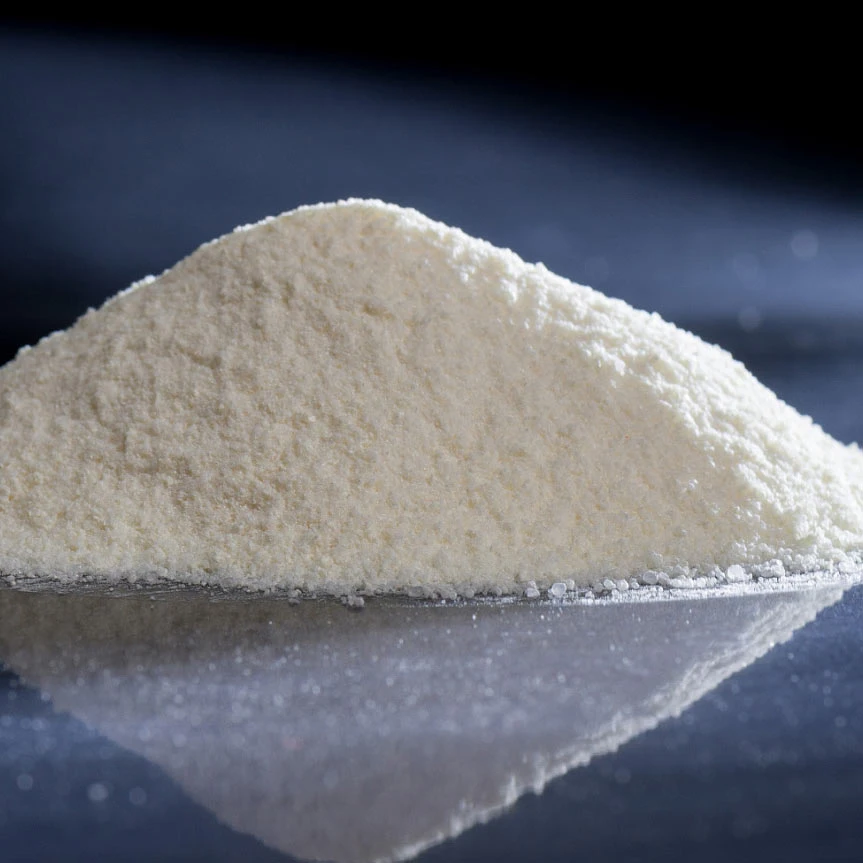
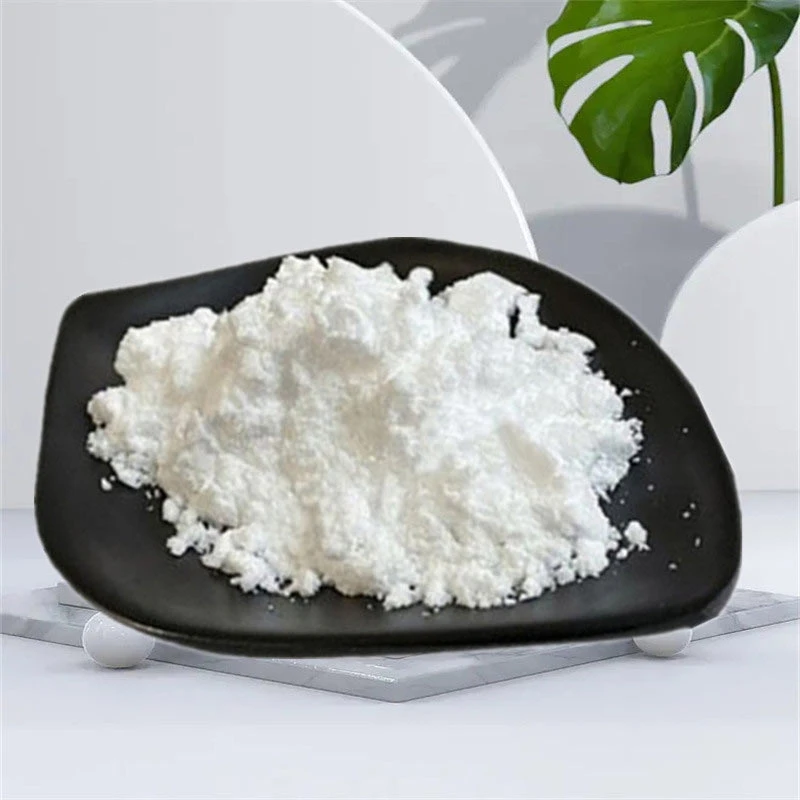
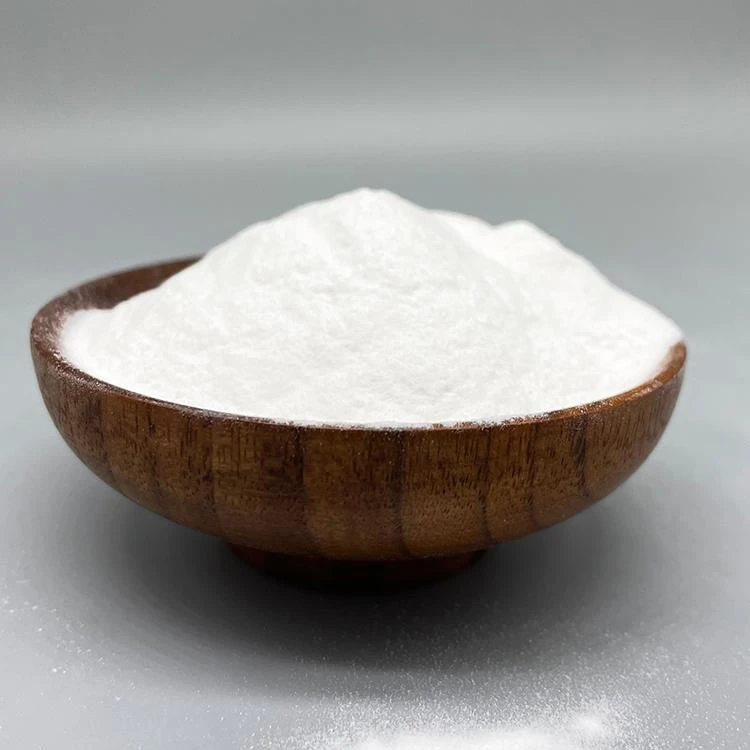
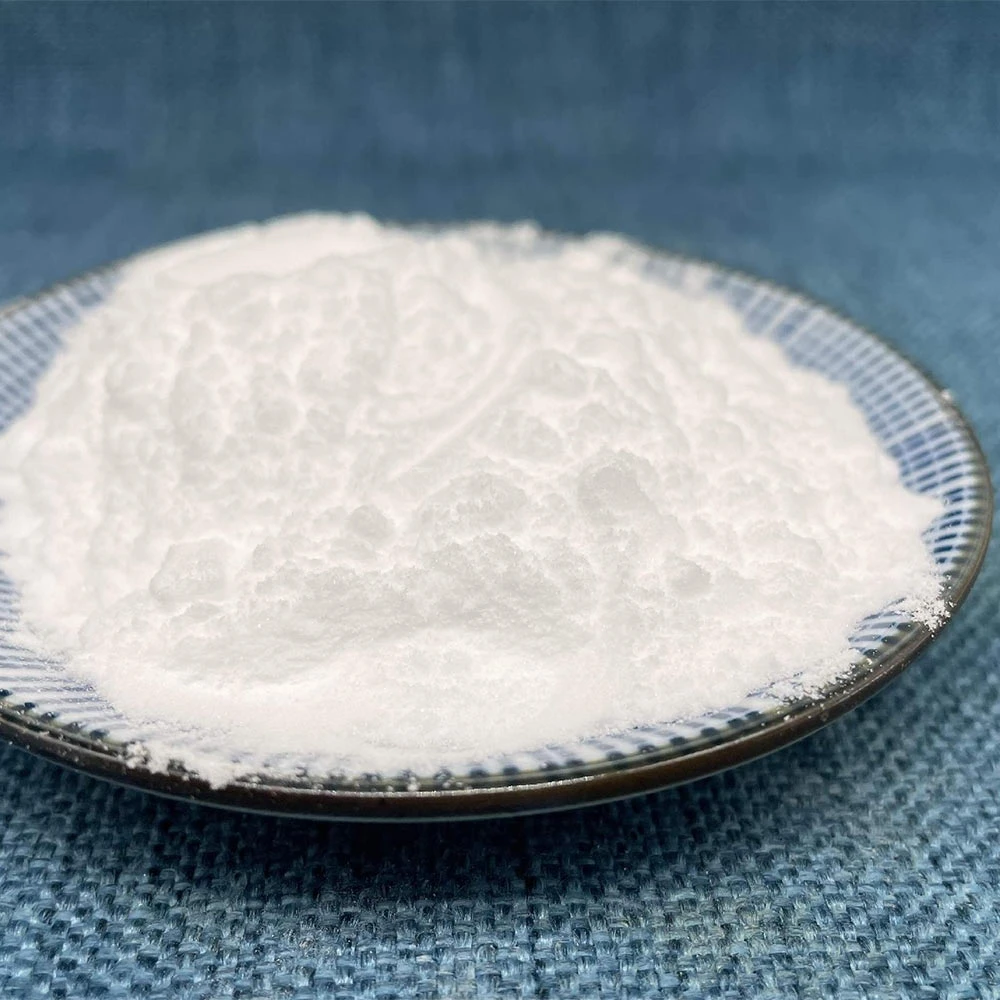
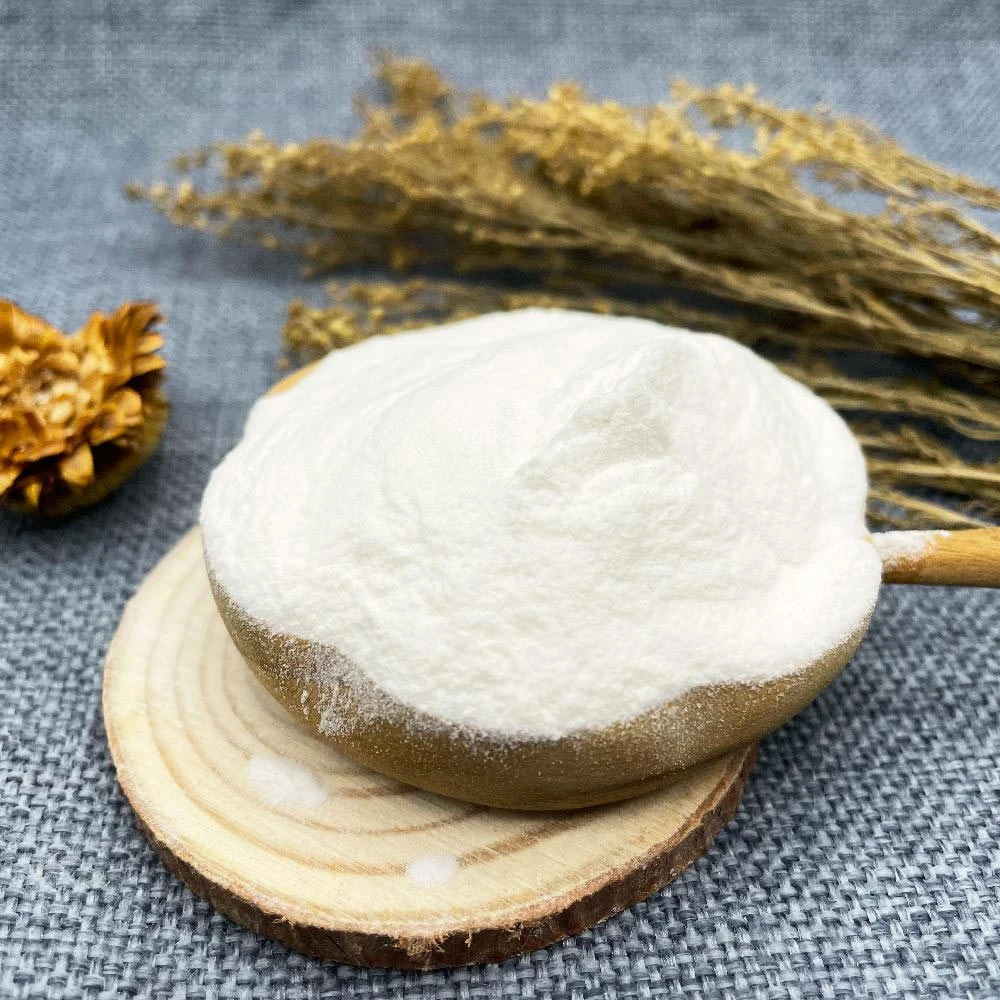
At Hebei Tangzhi Technology Co., Ltd., we recognize that self-leveling compounds are the backbone of smooth, durable flooring and surface finishes—and redispersible polymer powder (RDP) is the secret to their exceptional performance. As a leading supplier of polymer additives, we specialize in developing diverse redispersible polymer powder types, each engineered to address the unique demands of self-leveling applications—from enhancing flowability to boosting long-term adhesion. Our rdp powder products leverage advanced polymerization techniques, ensuring compatibility with cement-based, gypsum-based, and other self-leveling matrices. Below, we explore how different redispersible polymer powder types optimize self-leveling compounds, the key benefits of our rdp powder, and why our solutions are trusted by construction professionals worldwide.
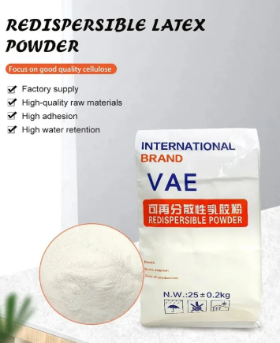
Our Redispersible Polymer Powder Types Tailor Self-Leveling Compounds to Different Substrates
- At Hebei Tangzhi Technology Co., Ltd., our diverse redispersible polymer powder types are designed to tailor self-leveling compounds to different substrates—critical for ensuring strong bonding and uniform finishes across concrete, wood, or existing flooring.
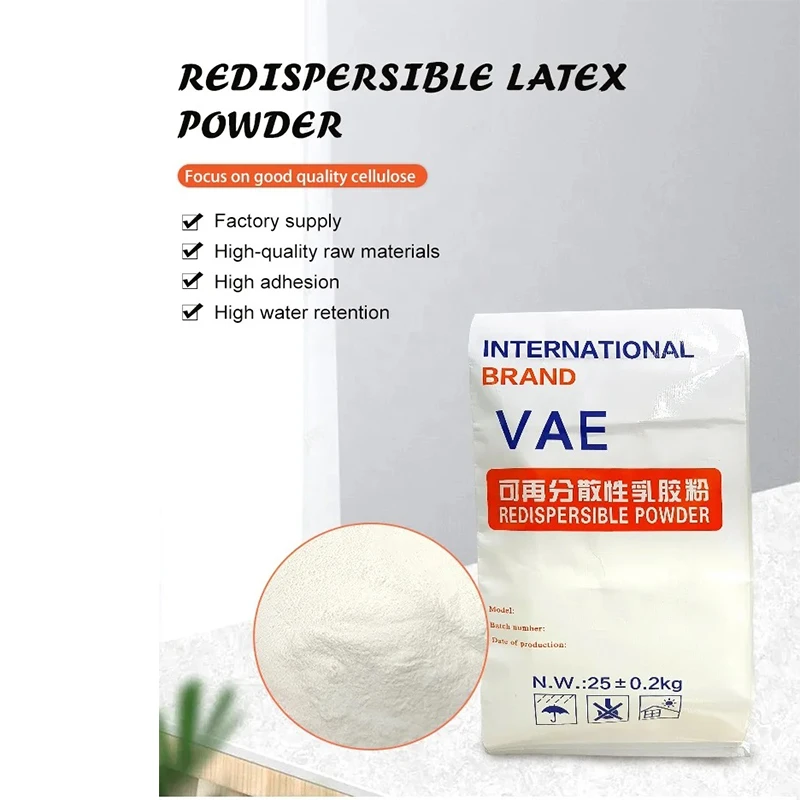
- For porous substrates like concrete, we offer vinyl acetate-ethylene (VAE)-based redispersible polymer powder types: these enhance water retention in the self-leveling mix, preventing premature drying that can cause cracking and ensuring the compound penetrates substrate pores for better adhesion.
- For non-porous substrates like ceramic tiles or epoxy floors, our acrylic-based redispersible polymer powder types create a flexible bonding layer, reducing stress from substrate movement and minimizing delamination. We also provide styrene-acrylic redispersible polymer powder types for high-traffic areas, as they boost abrasion resistance in the cured self-leveling layer.
- Each type undergoes rigorous testing on common substrates, verifying adhesion strength and finish quality, so formulators can select the exact RDP to match their substrate and performance needs.
|
Item |
Range |
|
Non-volatile matter |
≥98% |
|
Bulk Density(kg/m³) |
450±50 |
|
Ash Content |
12±2% |
|
PH Value |
6-8 |
|
MMFT ℃ |
3℃ |
|
Glass Transition Temperature |
5℃ |
|
Average grain diameter |
≤60-100 |
|
Fineness |
10 |
Why Our Rdp Powder Enhances Flow and Leveling of Self-Leveling Compounds
- Our rdp powder from Hebei Tangzhi Technology Co., Ltd. is a game-changer for enhancing the flow and leveling properties of self-leveling compounds—two non-negotiable traits for achieving a smooth, even surface. When dispersed in water, rdp powder forms a colloidal suspension that reduces friction between cement or gypsum particles in the self-leveling mix.
- This allows the compound to spread evenly across the surface without manual intervention, covering low spots and eliminating trowel marks. Unlike some additives that cause excessive bleeding (water separation) or shrinkage, our rdp powder maintains a balanced viscosity: it flows freely enough to self-level but retains structure to avoid sagging on vertical edges or slopes.
- We also optimize the particle size of our rdp powder to ensure fast, uniform dispersion—no clumping that could disrupt flow or create surface defects. For self-leveling compounds that need to cover large areas quickly or achieve a mirror-like finish, our rdp powder delivers consistent, reliable flow performance.
Our Redispersible Polymer Powder Boosts Flexibility and Crack Resistance in Cured Self-Leveling Layers
- At Hebei Tangzhi Technology Co., Ltd., our redispersible polymer powder is engineered to boost flexibility and crack resistance in cured self-leveling layers—addressing a common issue where rigid, brittle finishes fail under stress. When the self-leveling compound cures, redispersible polymer powder forms a flexible polymer network within the cement or gypsum matrix.
- This network absorbs stress from substrate movement (e.g., thermal expansion, settling) or heavy impacts, preventing the formation of hairline cracks or large fractures. Our VAE-based redispersible polymer powder is particularly effective for residential applications, as it adds enough flexibility to withstand furniture movement without cracking.
- For commercial or industrial settings, our styrene-acrylic redispersible polymer powder balances flexibility with rigidity, ensuring the layer can handle heavy equipment while resisting wear. We test cured self-leveling samples with our RDP under freeze-thaw cycles and impact loading, verifying that the layer retains its integrity and smooth finish over time. For long-lasting, crack-free surfaces, our redispersible polymer powder is an indispensable additive.
Rdp Powder FAQs
Can our rdp powder be used in both cement-based and gypsum-based self-leveling compounds?
Yes, our rdp powder from Hebei Tangzhi Technology Co., Ltd. is compatible with both cement-based and gypsum-based self-leveling compounds. For cement-based mixes, we offer rdp powder grades that enhance adhesion to concrete and boost water resistance; for gypsum-based mixes, we provide specialized grades that improve flexibility (gypsum is naturally brittle) and reduce shrinkage. We adjust the polymer composition of our rdp powder to match the chemical properties of each matrix, ensuring no adverse reactions and optimal performance—whether the self-leveling compound is for interior dry areas or semi-moist environments.
How do different redispersible polymer powder types affect the drying time of self-leveling compounds?
Our redispersible polymer powder types have minimal impact on the drying time of self-leveling compounds when used at recommended dosages. VAE-based types slightly extend water retention (aids in proper curing) but don’t delay drying excessively; acrylic-based types have neutral drying effects; and styrene-acrylic types may slightly accelerate surface drying (ideal for fast-track projects). We provide detailed technical data for each redispersible polymer powder type, including its influence on setting and drying times, so formulators can adjust their mix designs to meet project timelines without sacrificing quality.
Is our redispersible polymer powder suitable for self-leveling compounds used in underfloor heating systems?
Absolutely, our redispersible polymer powder from Hebei Tangzhi Technology Co., Ltd. is suitable for self-leveling compounds in underfloor heating systems. We offer specialized grades that resist thermal cycling: the polymer network in the cured layer expands and contracts with temperature changes, preventing cracking or delamination from repeated heating and cooling. Our redispersible polymer powder also enhances thermal conductivity slightly, ensuring efficient heat transfer from the heating system to the flooring surface. It’s tested under simulated underfloor heating conditions, verifying long-term stability and performance.
What dosage of rdp powder is recommended for general self-leveling applications?
For general self-leveling applications (e.g., residential concrete subfloors), we recommend a dosage of our rdp powder that balances performance and cost-effectiveness—typically a percentage relative to the cement or gypsum content (detailed in our technical guides). Lower dosages enhance basic flow and adhesion, while higher dosages boost flexibility and water resistance (for high-moisture or high-traffic areas). Our technical team works with formulators to adjust dosage based on the self-leveling compound’s matrix (cement vs. gypsum), substrate type, and performance requirements, ensuring optimal results without overusing the rdp powder.
Can you provide custom redispersible polymer powder types for specific self-leveling needs?
Yes, Hebei Tangzhi Technology Co., Ltd. offers custom redispersible polymer powder types for specific self-leveling needs. If standard grades don’t meet unique requirements—such as ultra-high flexibility for floating floors, extreme water resistance for wet rooms, or fast dispersion for high-volume production—we modify polymer composition (e.g., adjusting VAE/ethylene ratios, adding specialized co-polymers) and particle size to create tailored solutions. We collaborate closely with clients, conducting lab tests and pilot-scale trials to ensure the custom redispersible polymer powder type meets their exact performance, compatibility, and cost goals.
-
HPMC High-Performance Thickener | Hebei TangzhiNewsMar.06,2026
-
Wholesale Water Reducing Admixture for Special Cement: Performance and Market InsightsNewsFeb.28,2026
-
The Complete Guide to HPMC: Types, Applications, Grades, and Manufacturing InsightsNewsFeb.28,2026
-
Redispersible Polymer Powder: Types, Applications, and Performance AdvantagesNewsFeb.28,2026
-
Hydroxymethyl Ethyl Cellulose (MHEC): Properties, Applications, and Market InsightsNewsFeb.28,2026
-
Hydroxyethyl Cellulose: Applications, Performance, and Buying GuideNewsFeb.28,2026