Redispersible Polymer Powder Wiki A Comprehensive Guide to Applications and Properties
Redispersible Polymer Powder Wiki: A Comprehensive Guide
Redispersible polymer powder (RDP) is a crucial additive in the construction industry, significantly enhancing the performance of cement-based materials. This article provides an in-depth look at RDP, covering its properties, applications, benefits, and considerations for use. Understanding its role is vital for professionals seeking to optimize building material formulations and achieve superior results. Explore the world of RDP and learn how it can revolutionize your projects. For high-quality RDP products, visit Tangzhi HPMC.
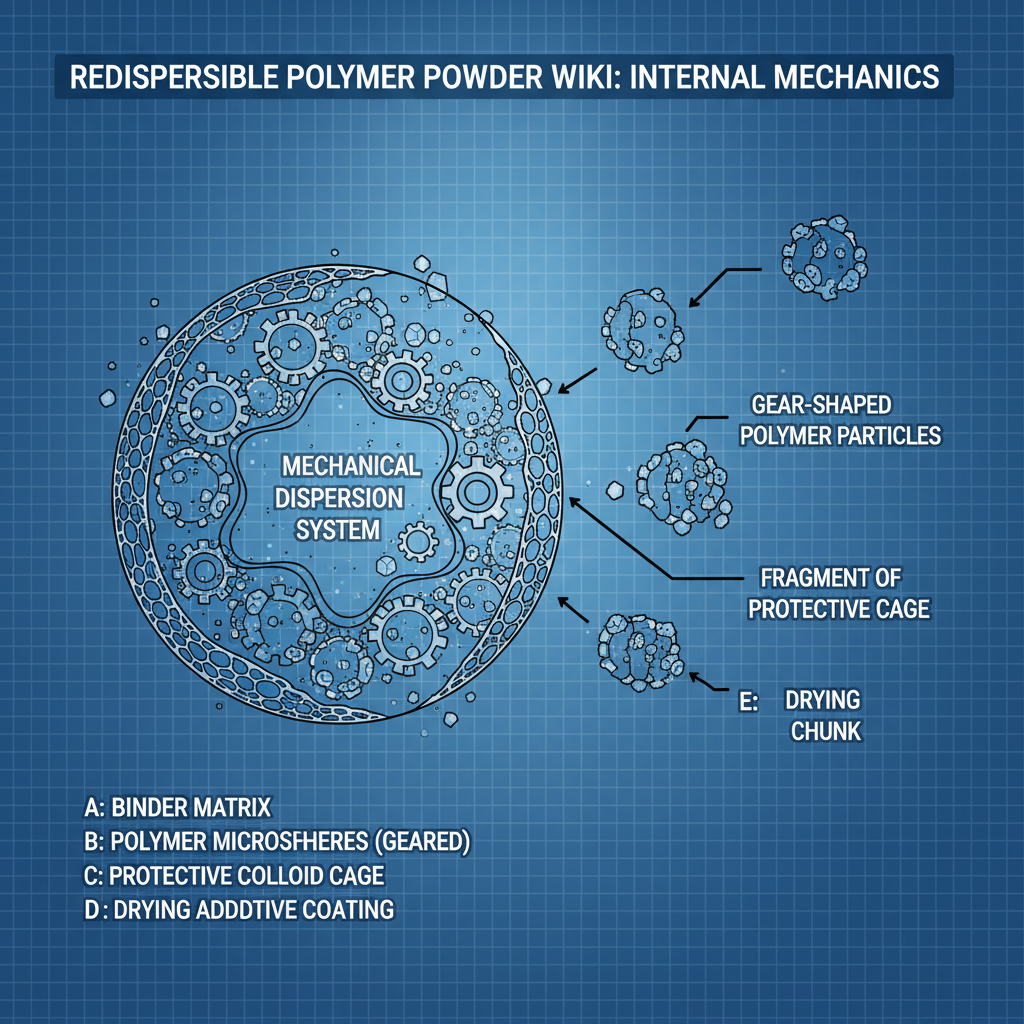
What is Redispersible Polymer Powder?
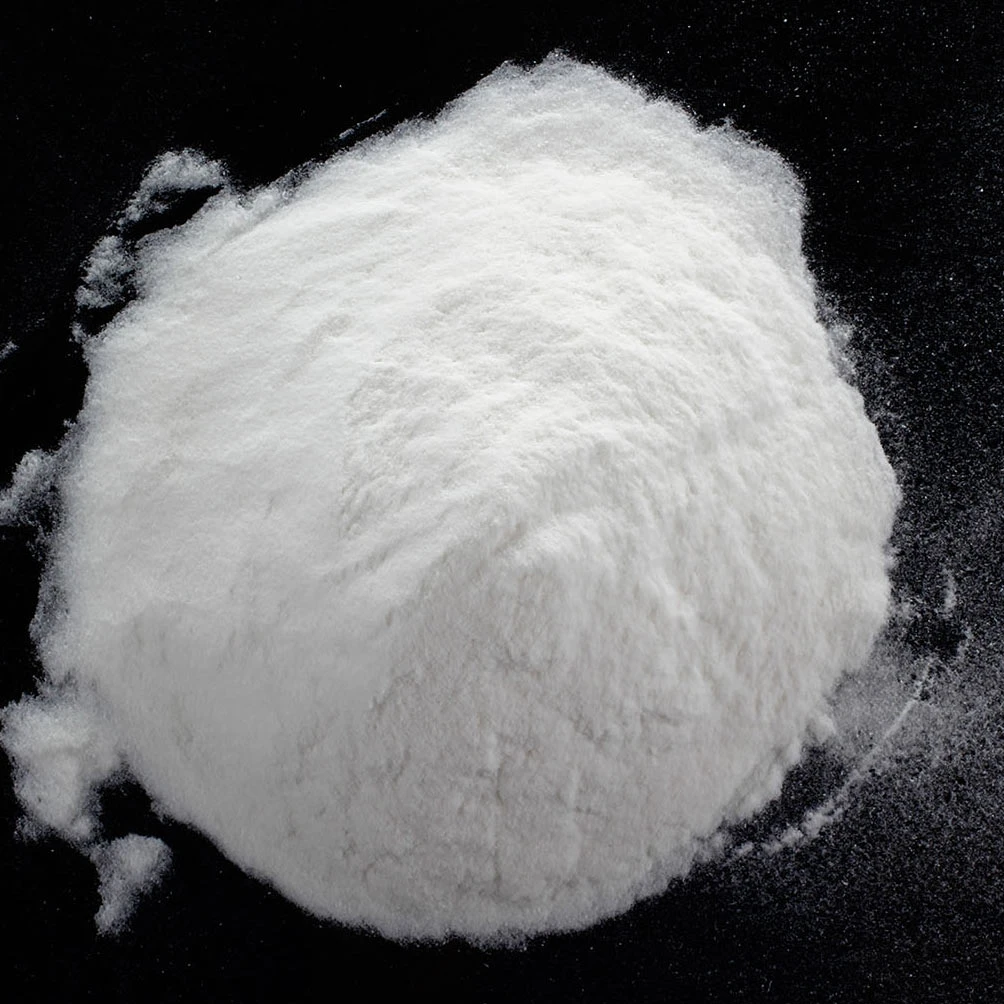
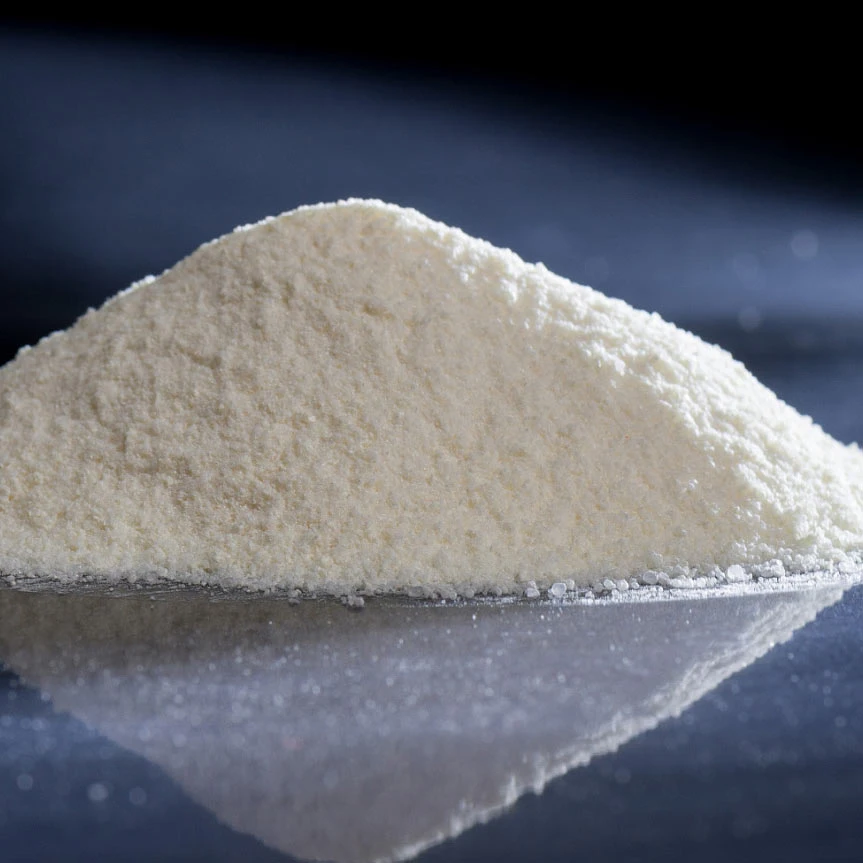
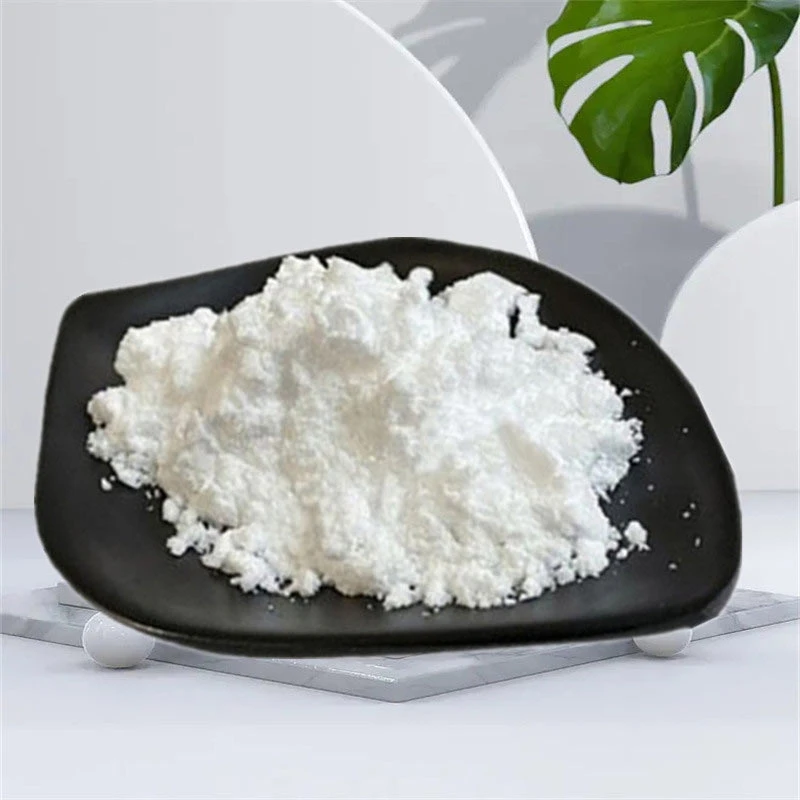
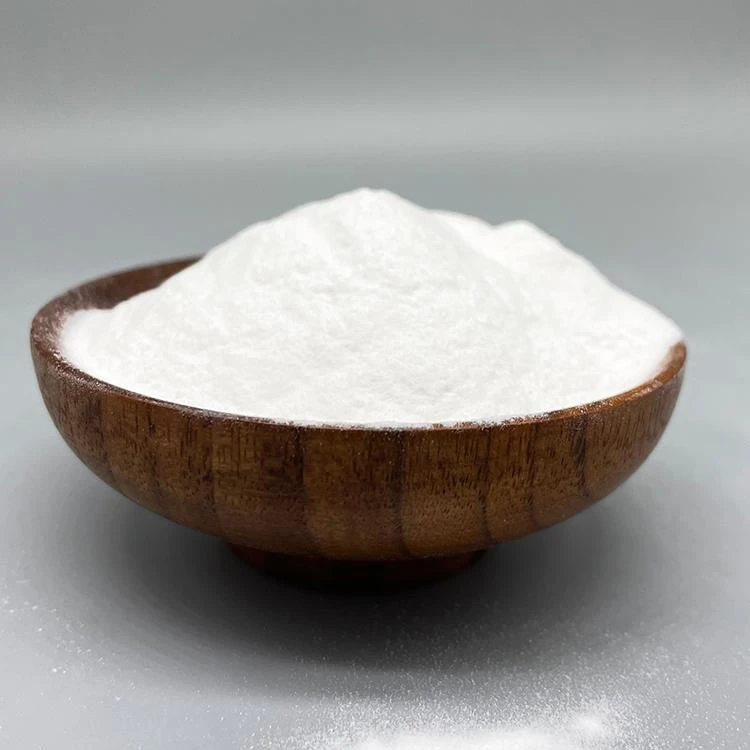
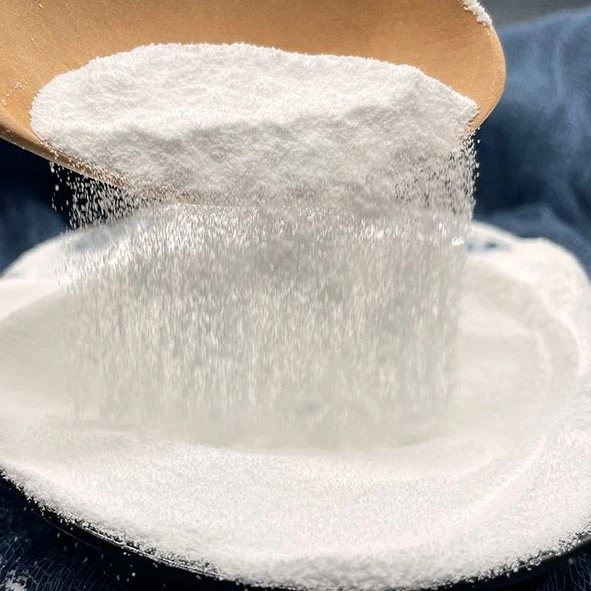
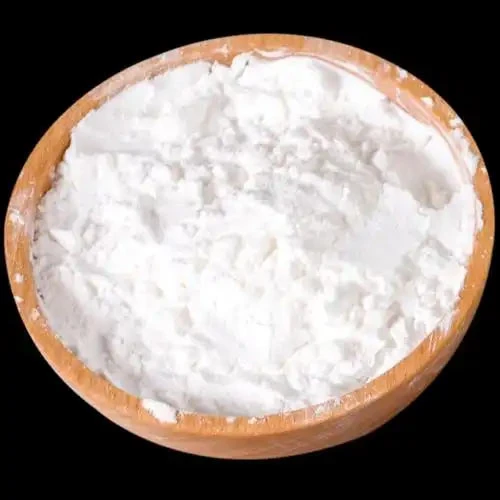
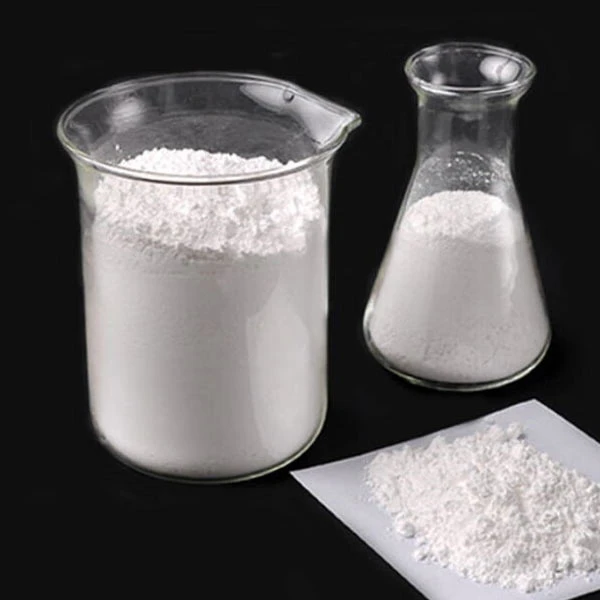
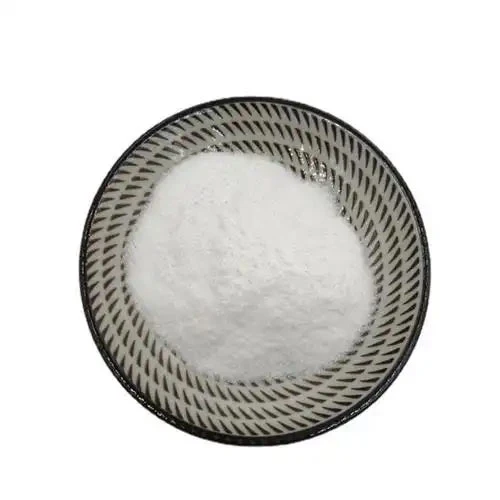
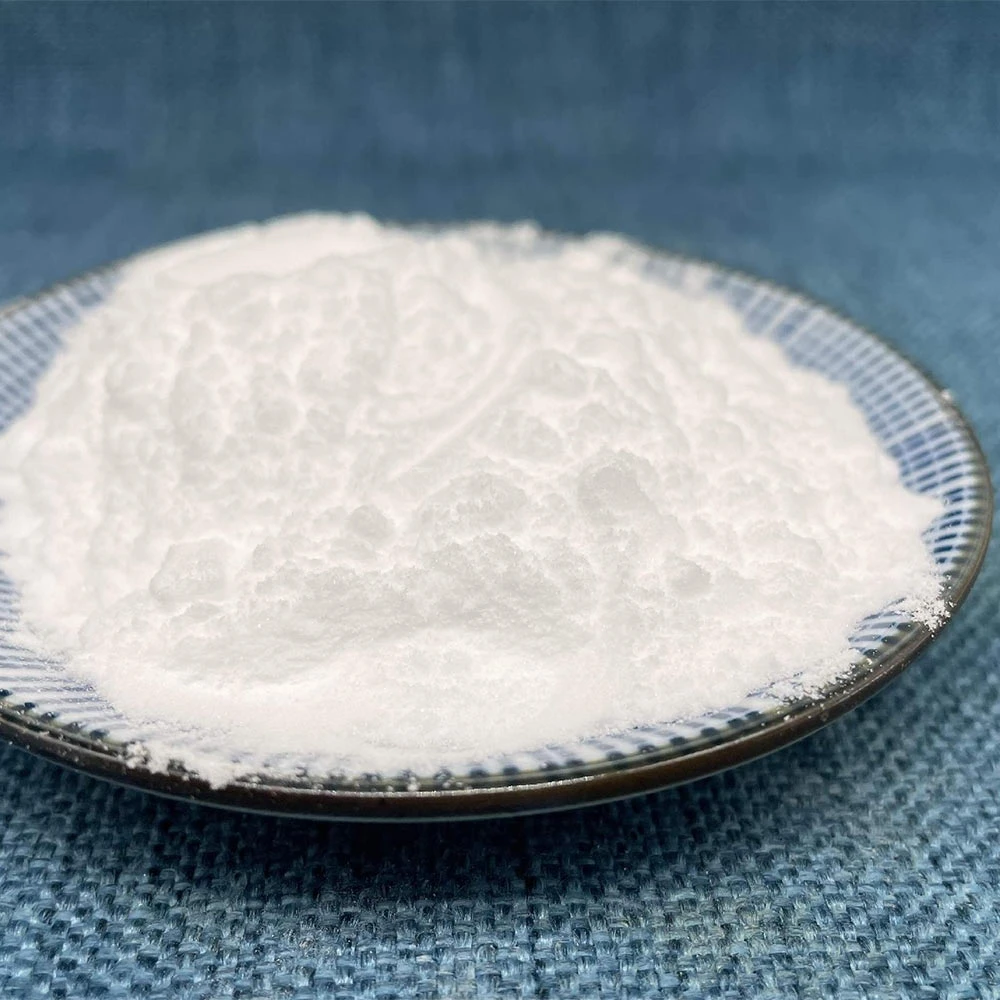
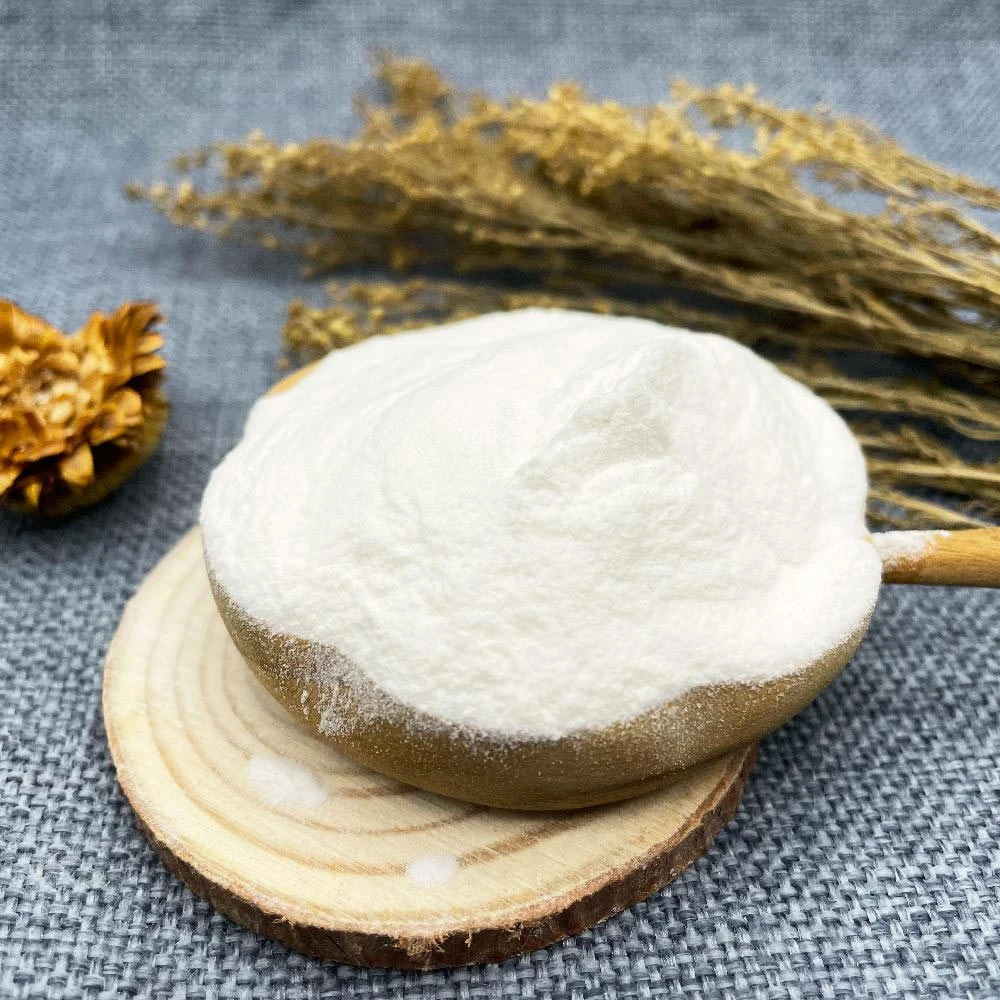
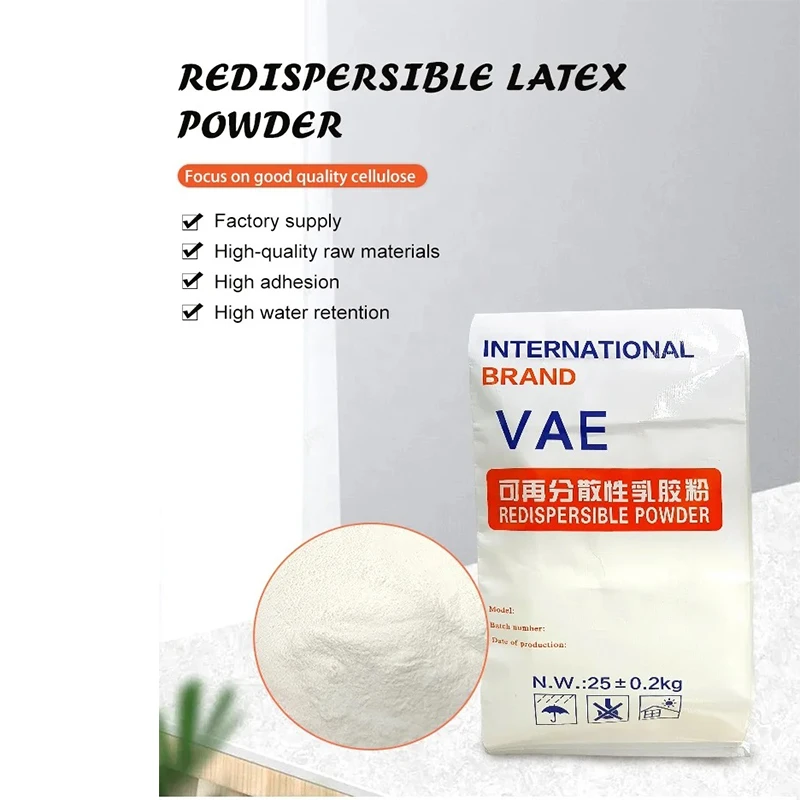
Redispersible polymer powder is a modified acrylic polymer, typically supplied as a white, free-flowing powder. It's produced by spray-drying a polymer emulsion. The key characteristic is its ability to readily redisperse in water, forming a stable colloidal solution. This makes it incredibly versatile for blending directly into dry-mix formulations. RDP isn’t a binder itself; rather, it acts as an additive to improve existing cementitious systems. Its primary function is to enhance adhesion, flexibility, workability, and durability of cement-based products.
Key Properties: Excellent adhesion, improved flexibility, enhanced workability, increased durability, water resistance, and compatibility with various cement types.
Applications of Redispersible Polymer Powder
The versatility of RDP leads to a wide array of applications in the construction sector. Common uses include improving tile adhesives, cement renders, self-leveling compounds, repair mortars, external insulation finishing systems (EIFS), and crack fillers. In tile adhesives, it enhances adhesion strength and open time. For renders, it improves workability and reduces cracking. Self-leveling compounds benefit from increased flowability and reduced shrinkage. Exploring these applications demonstrates the vital role RDP plays in modern construction.
Key Application Areas:
• Tile Adhesives
• Cement Renders
• Self-Leveling Compounds
• Repair Mortars
• EIFS Systems
Redispersible Polymer Powder Wiki: Types & Properties
RDP comes in various types, each with unique characteristics tailored to specific needs. The most common types include vinyl acetate-ethylene (VAE), acrylic, and styrene-acrylic copolymers. VAE RDP provides excellent adhesion and flexibility, ideal for tile adhesives and renders. Acrylic RDP offers superior water resistance and UV stability, suitable for exterior applications. Styrene-acrylic RDP provides a balance of properties and is often cost-effective for general-purpose applications. Choosing the right type is crucial for optimal performance. Tangzhi HPMC provides a range of RDP options to suit diverse requirements.
Benefits of Using Redispersible Polymer Powder
Incorporating RDP into cementitious systems provides numerous benefits. These include improved adhesion to various substrates, increased flexibility to resist cracking, enhanced workability for easier application, and greater durability, leading to longer-lasting structures. RDP also reduces water absorption, improving resistance to freeze-thaw cycles and reducing efflorescence. These advantages result in cost savings through reduced maintenance and increased lifespan of construction projects.
Dosage and Considerations for Optimal Performance
The optimal dosage of RDP varies depending on the specific application and desired properties. Typically, dosages range from 2% to 8% by weight of cement. It’s crucial to follow the manufacturer’s recommendations for specific product grades. Proper mixing is also essential to ensure complete redispersibility and avoid clumping. Factors like water quality, temperature, and mixing time can influence performance. Contact Tangzhi HPMC for expert advice on selecting the right RDP and dosage for your project.
Conclusion: Enhancing Construction with Redispersible Polymer Powder
Redispersible polymer powder is an indispensable additive for modern construction, enhancing the performance and durability of cement-based materials. Its versatility, coupled with the benefits of improved adhesion, flexibility, and workability, makes it a valuable asset for professionals across various applications. Choosing the right RDP type and dosage, and sourcing from a reliable supplier like Tangzhi HPMC, will ensure optimal results and long-lasting structures.
Frequently Asked Questions (FAQs)
What is the shelf life of redispersible polymer powder?
Typically, redispersible polymer powder has a shelf life of 12-24 months when stored in a cool, dry place, away from direct sunlight. Proper storage is crucial to prevent caking or degradation of the powder. It’s recommended to check the manufacturer's specifications for the specific product, as shelf life can vary. Signs of degradation include clumping, discoloration, and difficulty in redispersing the powder in water.
Is RDP compatible with all types of cement?
RDP is generally compatible with most common types of cement, including Portland cement, blended cement, and white cement. However, compatibility can be affected by the specific composition of the cement and the type of RDP used. It's always recommended to conduct a small-scale compatibility test before using RDP with a new cement type to ensure optimal performance and avoid any adverse reactions.
How does RDP affect the shrinkage of cement-based materials?
RDP significantly reduces shrinkage in cement-based materials, particularly during the drying process. By forming a flexible polymer film within the cement matrix, it accommodates stresses and minimizes cracking. This is particularly beneficial in applications like renders and self-leveling compounds where shrinkage can lead to aesthetic defects and structural issues. The extent of shrinkage reduction depends on the dosage of RDP and the specific formulation.
-
HPMC High-Performance Thickener | Hebei TangzhiNewsMar.06,2026
-
Wholesale Water Reducing Admixture for Special Cement: Performance and Market InsightsNewsFeb.28,2026
-
The Complete Guide to HPMC: Types, Applications, Grades, and Manufacturing InsightsNewsFeb.28,2026
-
Redispersible Polymer Powder: Types, Applications, and Performance AdvantagesNewsFeb.28,2026
-
Hydroxymethyl Ethyl Cellulose (MHEC): Properties, Applications, and Market InsightsNewsFeb.28,2026
-
Hydroxyethyl Cellulose: Applications, Performance, and Buying GuideNewsFeb.28,2026