Redispersible Powder Polymer Enhances Performance in Construction Applications
Redispersible Powder Polymer: A Comprehensive Guide
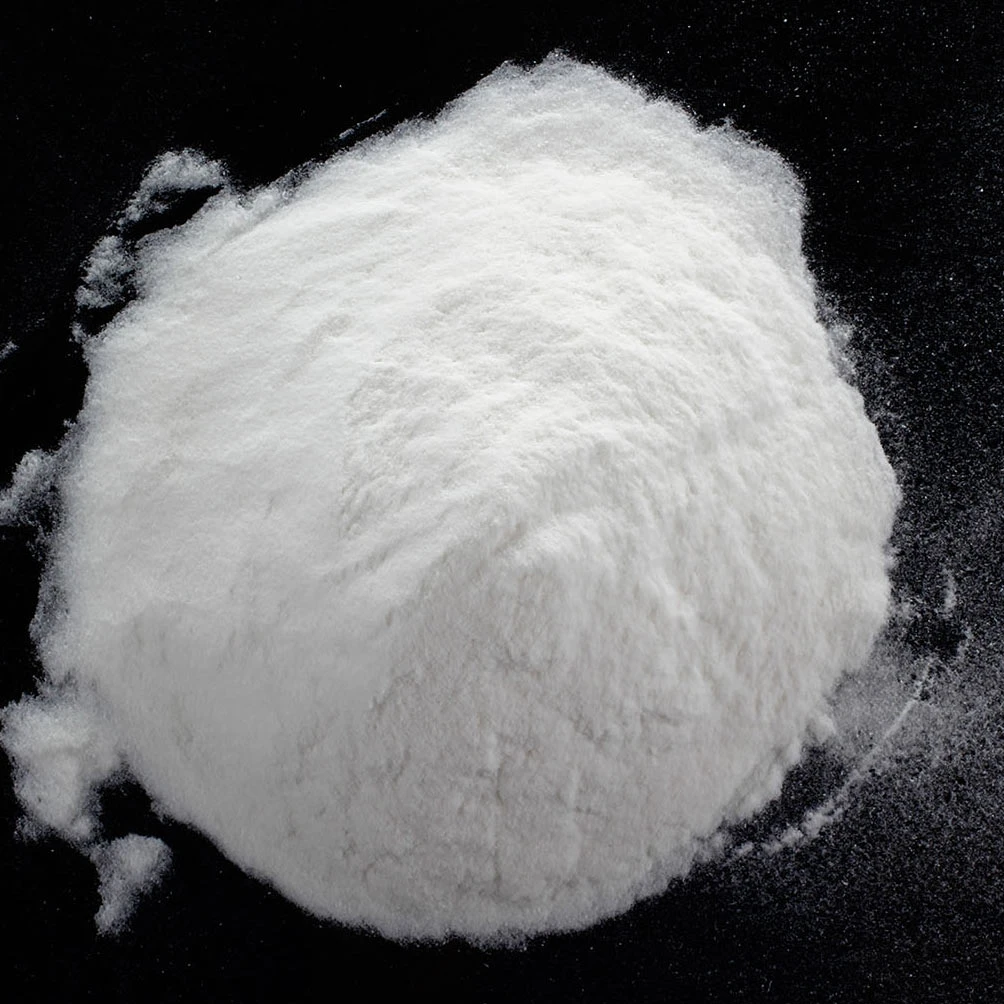
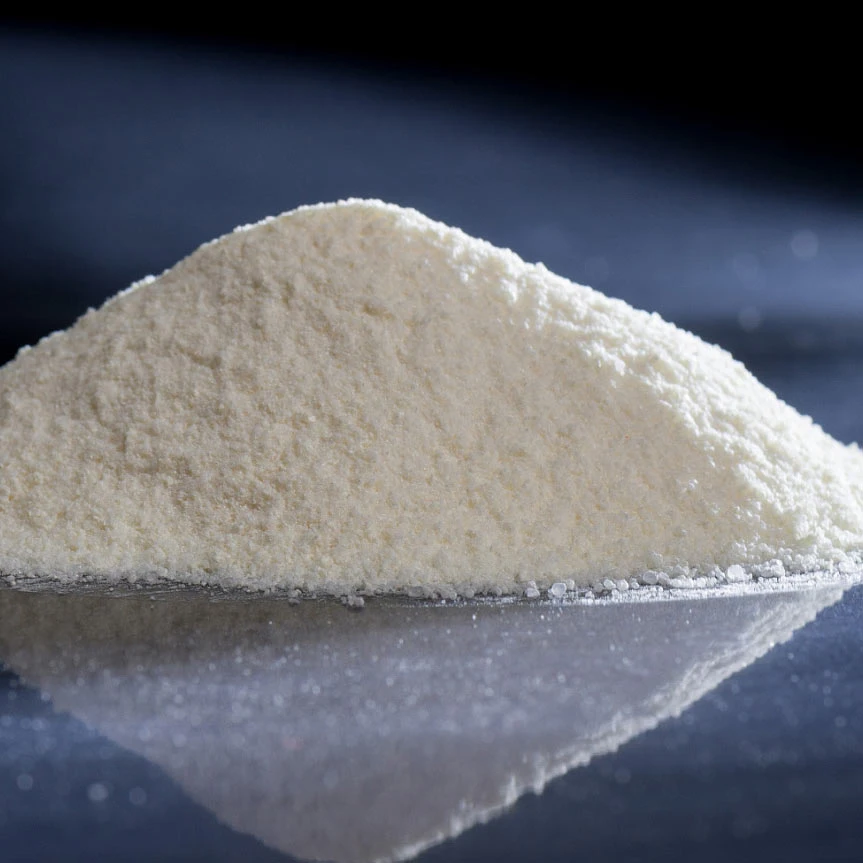
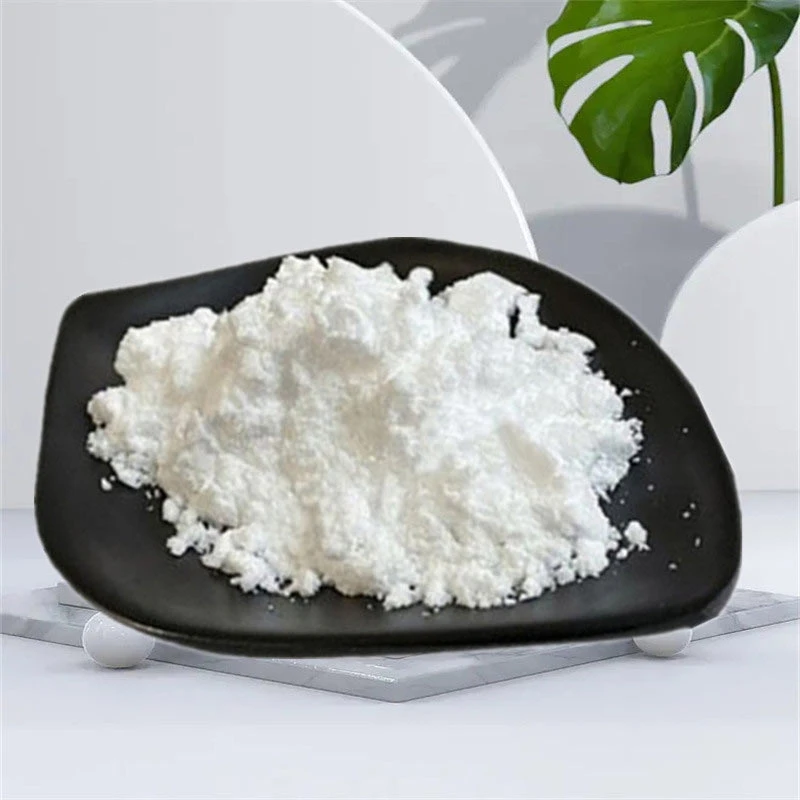
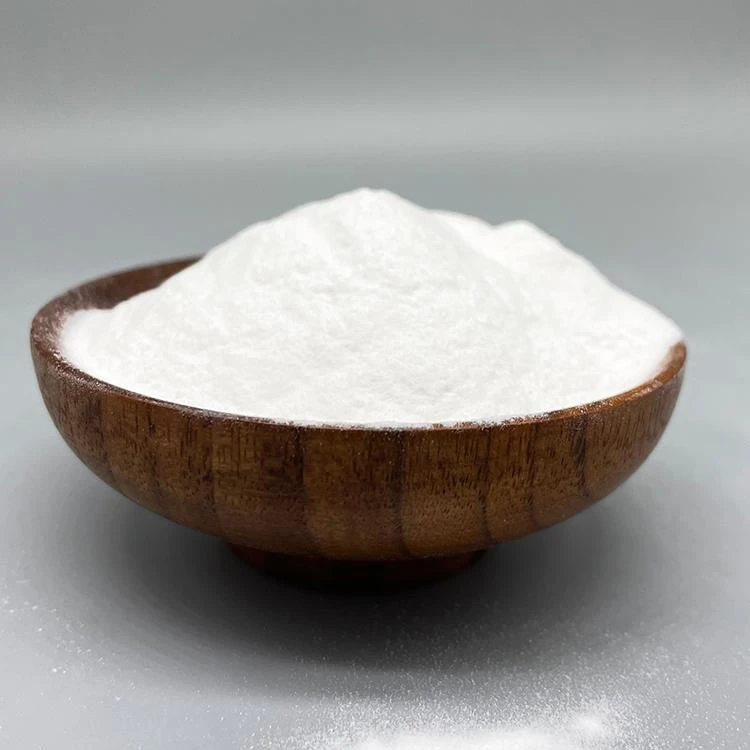
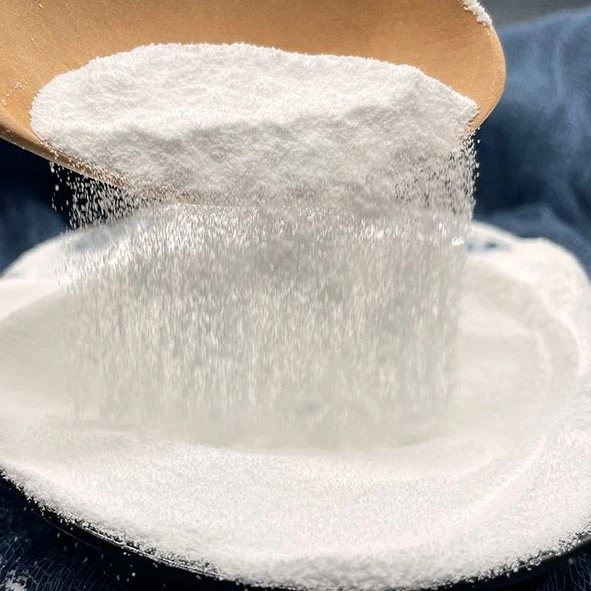
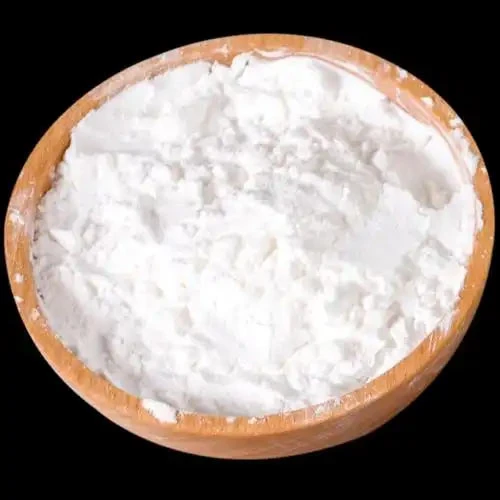
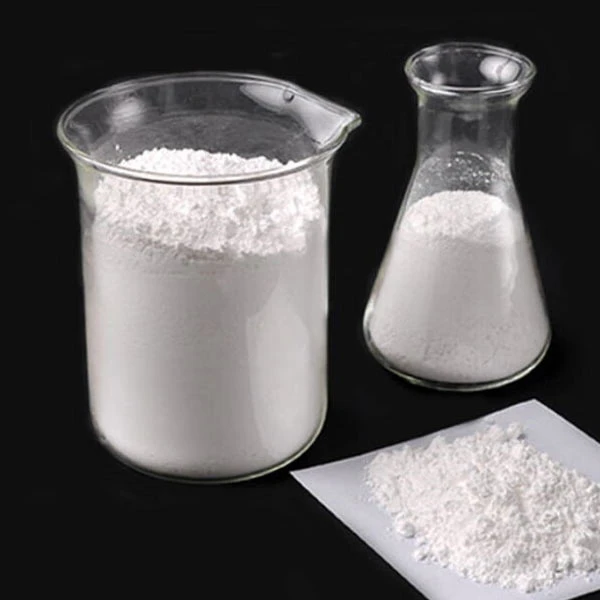
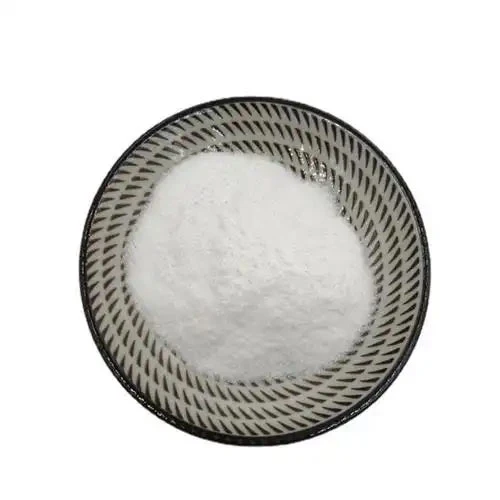
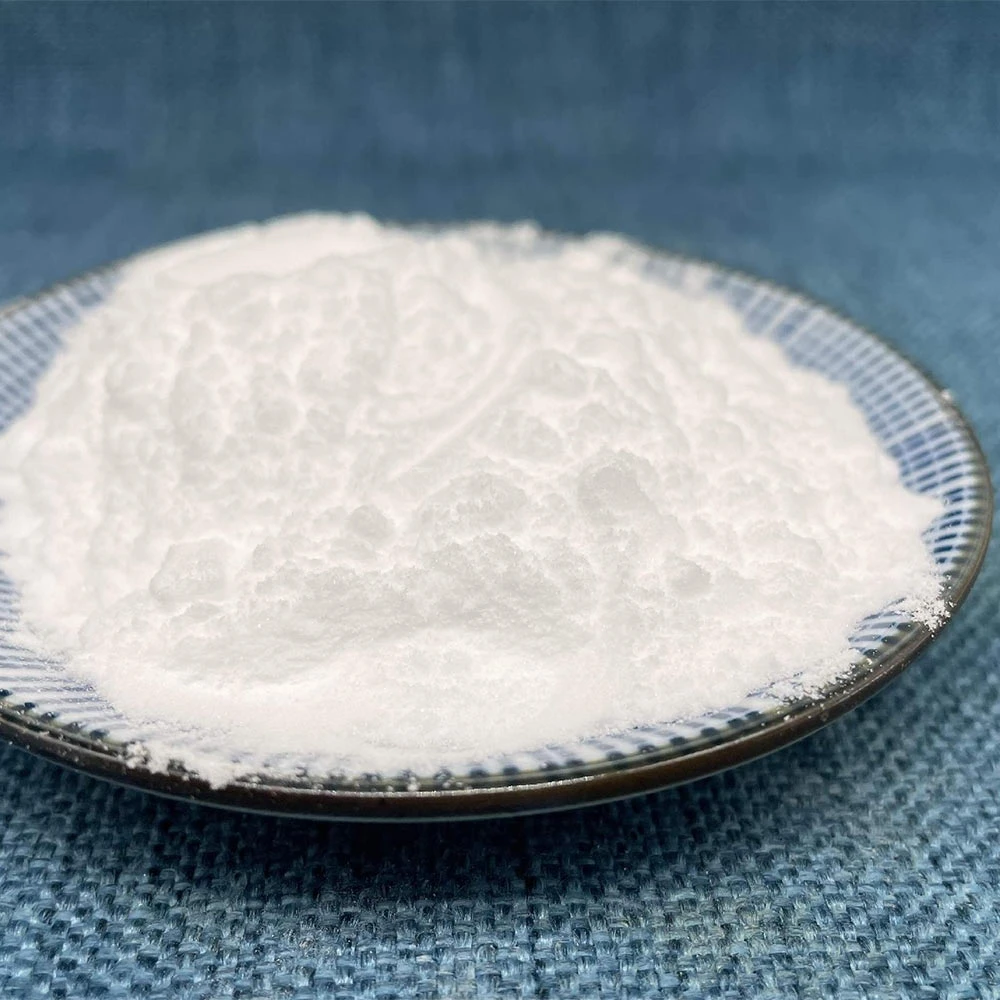
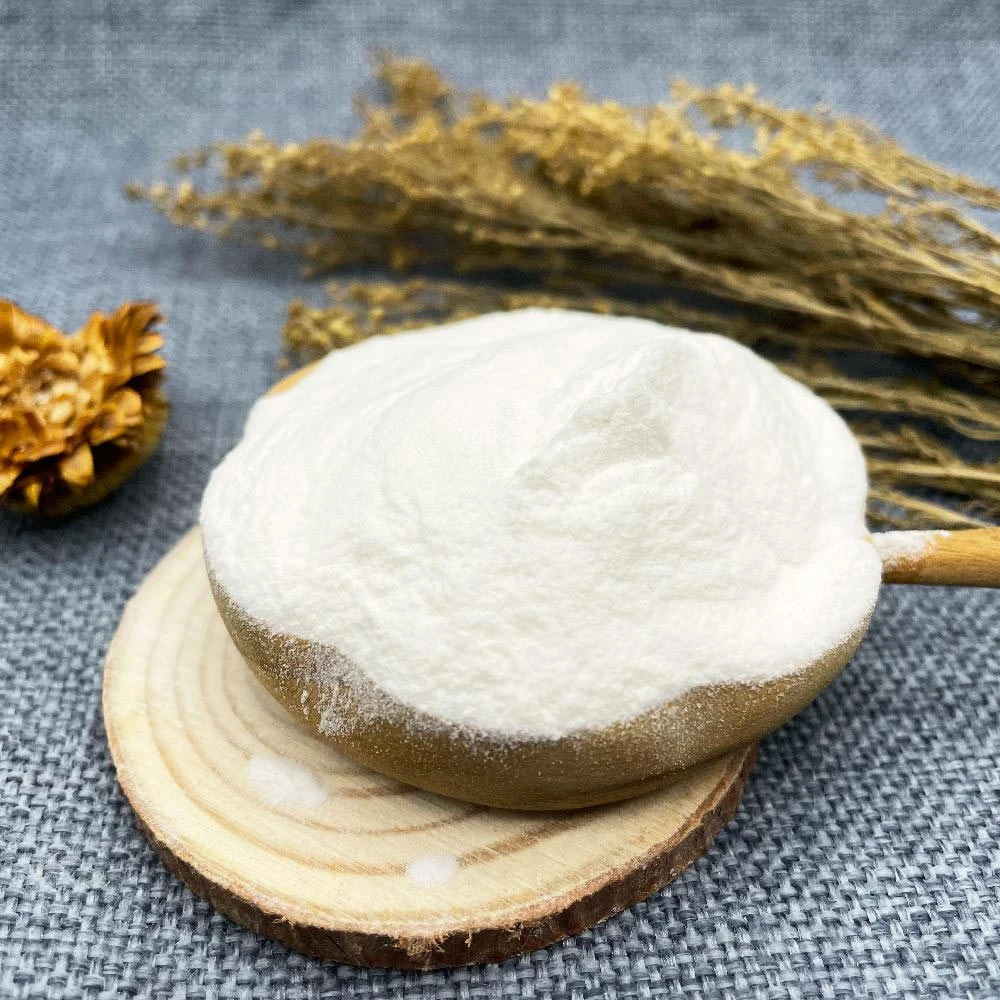
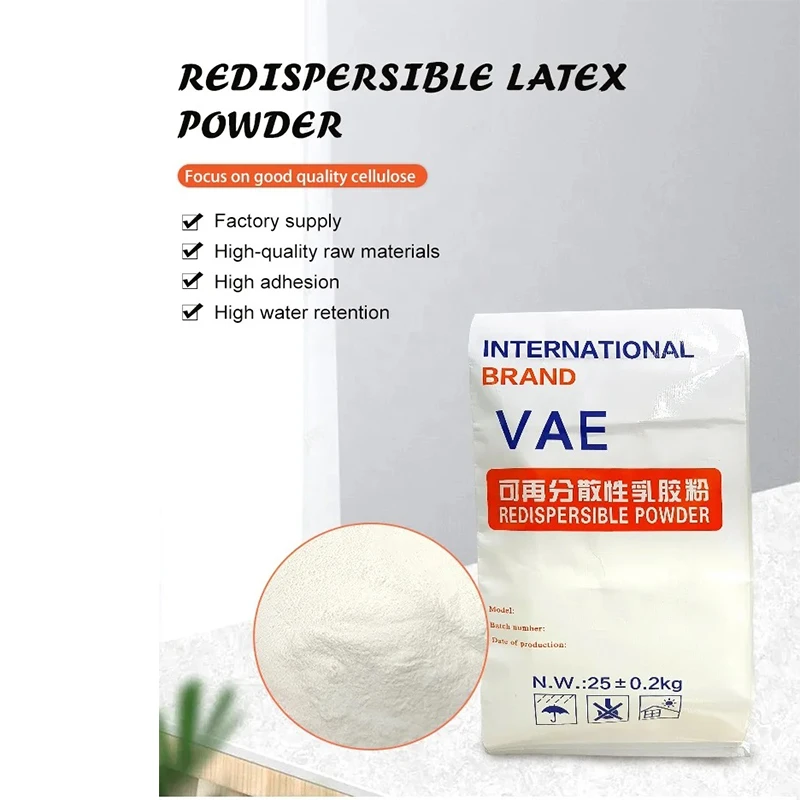
Redispersible powder polymer (RDP) is a vital ingredient in numerous construction and industrial applications. It’s a synthetic resin, typically a vinyl acetate-ethylene (VAE) copolymer, supplied in powder form. When mixed with water, it readily redisperses to form a stable emulsion, enhancing the performance characteristics of cement-based products. This article will explore the properties, applications, benefits, and factors to consider when selecting an RDP. Understanding its role is crucial for achieving optimal results in construction and related industries.
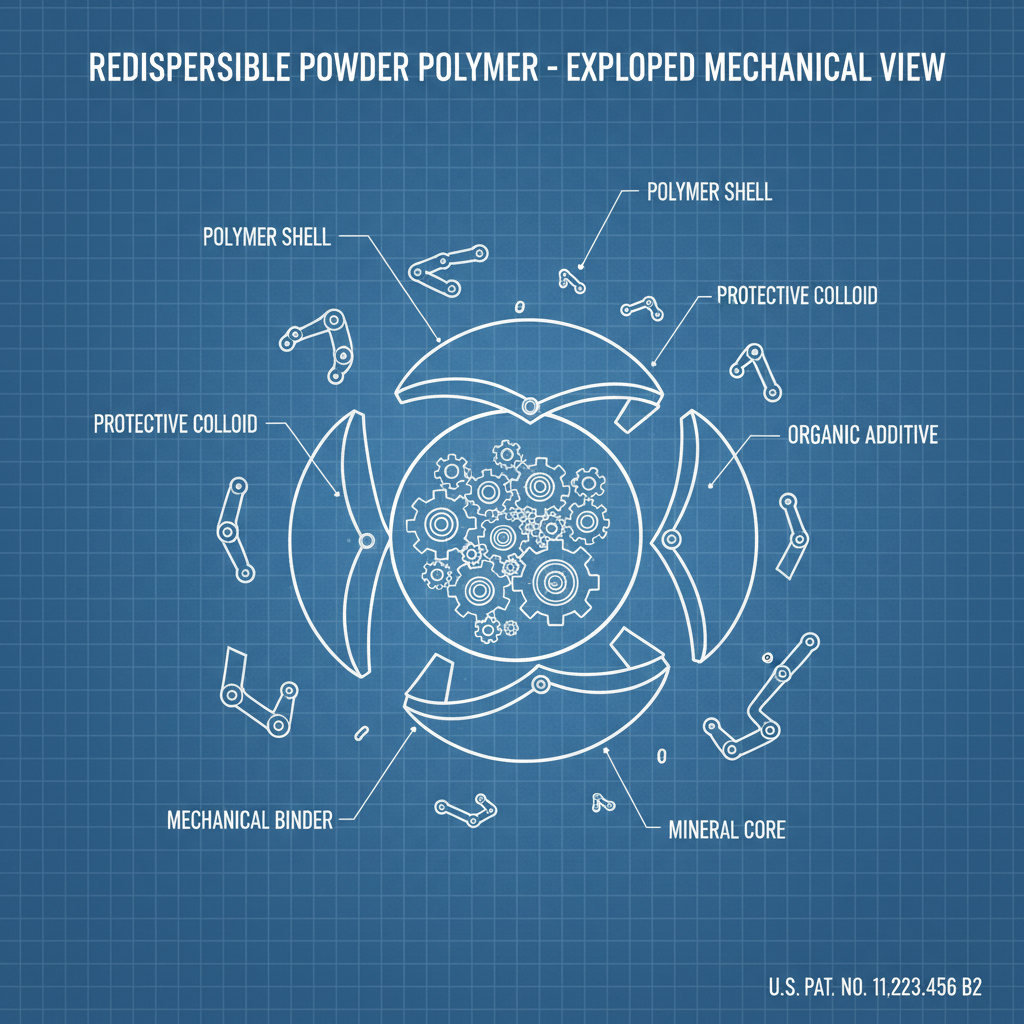
Understanding the Core Properties of Redispersible Powder Polymer
RDP significantly improves the adhesion, flexibility, and workability of cementitious materials. Its primary function is to act as a binder, enhancing the cohesion of the mix and reducing cracking. The particle size distribution, viscosity, and film-forming capabilities are critical properties influencing its performance. Different grades of RDP are formulated to cater to specific application requirements. Key properties include excellent binding strength, improved water retention, enhanced flexibility, and increased adhesion to various substrates. These features collectively contribute to a more durable and high-performing final product. The use of redispersible polymer powder leads to superior end-product quality.
Key Highlights: Improves adhesion, flexibility, and workability of cement-based materials. Acts as a binder, enhancing cohesion and reducing cracking.
Key Applications of Redispersible Powder Polymer
The applications of RDP are widespread, spanning various sectors within the construction industry. Some prominent applications include tile adhesives, cement mortars, external wall insulation systems (EIFS), self-leveling compounds, repair mortars, and skim coats. In tile adhesives, RDP enhances adhesion strength and flexibility, preventing tile slippage. Within cement mortars, it improves workability and reduces water demand, leading to a stronger and more durable mix. For EIFS, RDP contributes to enhanced crack resistance and improved thermal insulation performance. Selecting the correct RDP polymer is critical for optimal performance in each of these applications.
Application Benefits:
• Enhanced adhesion strength in tile adhesives
• Improved workability and reduced water demand in cement mortars
• Enhanced crack resistance in EIFS
• Increased durability in repair mortars
Redispersible Powder Polymer Grades and Selection
Different grades of RDP are available, each tailored to specific performance requirements. Factors influencing grade selection include the type of cement used, the desired level of flexibility, the required adhesion strength, and the application environment. For instance, higher-flexibility RDP grades are often preferred for applications requiring resistance to thermal stress or substrate movement. Conversely, high-adhesion grades are crucial for tile adhesives and repair mortars. Understanding the technical data sheets of different RDP products is essential for making an informed decision. Tangzhi HPMC offers a range of RDP grades to suit diverse application needs.
The Benefits of Using Redispersible Powder Polymer
Utilizing RDP offers a multitude of benefits, leading to enhanced product performance and reduced life-cycle costs. These benefits include improved adhesion to various substrates, increased flexibility and crack resistance, enhanced workability and water retention, reduced shrinkage and permeability, and improved durability. Ultimately, RDP contributes to longer-lasting structures and reduced maintenance requirements. The cost-effectiveness of RDP makes it a valuable addition to any construction project.
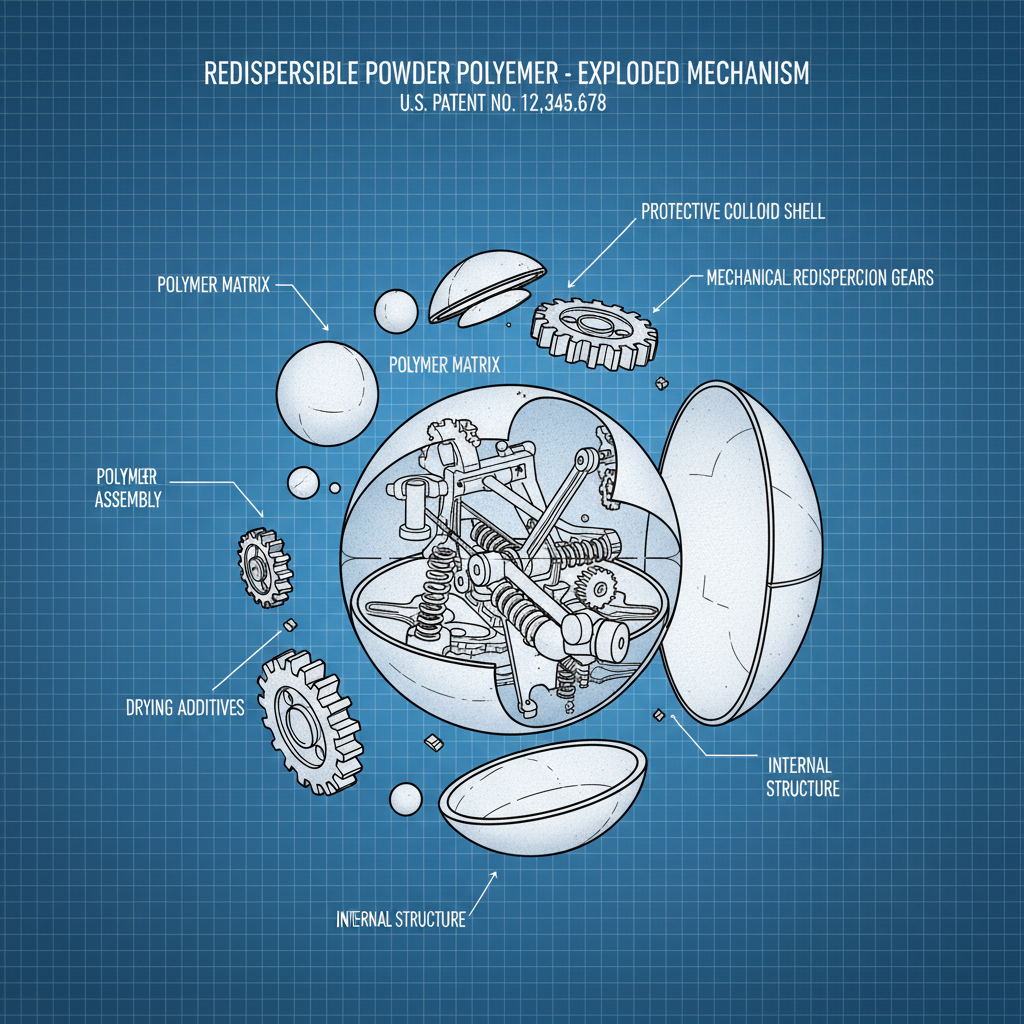
Storage and Handling of Redispersible Powder Polymer
Proper storage and handling are essential to maintain the quality and performance of RDP. It should be stored in a cool, dry, and well-ventilated area, away from direct sunlight and moisture. Keep containers tightly closed to prevent moisture absorption. Avoid prolonged exposure to high temperatures. When handling RDP, wear appropriate personal protective equipment (PPE), such as dust masks and gloves. Always refer to the manufacturer's safety data sheet (SDS) for detailed handling instructions.
Conclusion: Enhancing Construction with RDP
Redispersible powder polymer is a crucial component in modern construction, offering significant improvements to cement-based materials. Its ability to enhance adhesion, flexibility, and durability makes it a valuable investment for any project. By carefully selecting the appropriate RDP grade and following proper storage and handling procedures, you can maximize its benefits and achieve optimal results. Tangzhi HPMC provides high-quality RDP solutions to meet your construction needs.
Frequently Asked Questions (FAQs)
What is the typical dosage rate for RDP in tile adhesives?
The dosage rate for RDP in tile adhesives typically ranges from 2% to 6% by weight of the cementitious material. However, the optimal dosage depends on factors such as the type of cement, the type of tile, and the desired performance characteristics. It's recommended to conduct trial mixes to determine the ideal dosage for your specific application. Higher dosages generally result in increased adhesion and flexibility, but excessive amounts can potentially reduce strength.
Can RDP be used with different types of cement?
Yes, RDP is compatible with various types of cement, including Portland cement, blended cements, and white cement. However, it's important to consider the specific properties of the cement when selecting the appropriate RDP grade. Different cements may require different dosage rates or RDP formulations to achieve optimal performance. Always consult the RDP manufacturer's technical data sheet for compatibility information.
Does RDP affect the setting time of cement-based materials?
RDP can slightly affect the setting time of cement-based materials, generally extending it. This is due to the polymer's ability to retard cement hydration. However, the effect is typically minimal and can be controlled by adjusting the dosage rate or using setting accelerators. In some applications, a slightly extended setting time can be beneficial, allowing for improved workability and reduced cracking.
What are the environmental benefits of using RDP?
RDP offers several environmental benefits. By improving the workability and reducing the water demand of cement-based materials, it can contribute to lower cement consumption, which reduces the carbon footprint associated with cement production. Additionally, RDP enhances the durability of structures, extending their lifespan and reducing the need for repairs and replacements.
-
HPMC High-Performance Thickener | Hebei TangzhiNewsMar.06,2026
-
Wholesale Water Reducing Admixture for Special Cement: Performance and Market InsightsNewsFeb.28,2026
-
The Complete Guide to HPMC: Types, Applications, Grades, and Manufacturing InsightsNewsFeb.28,2026
-
Redispersible Polymer Powder: Types, Applications, and Performance AdvantagesNewsFeb.28,2026
-
Hydroxymethyl Ethyl Cellulose (MHEC): Properties, Applications, and Market InsightsNewsFeb.28,2026
-
Hydroxyethyl Cellulose: Applications, Performance, and Buying GuideNewsFeb.28,2026