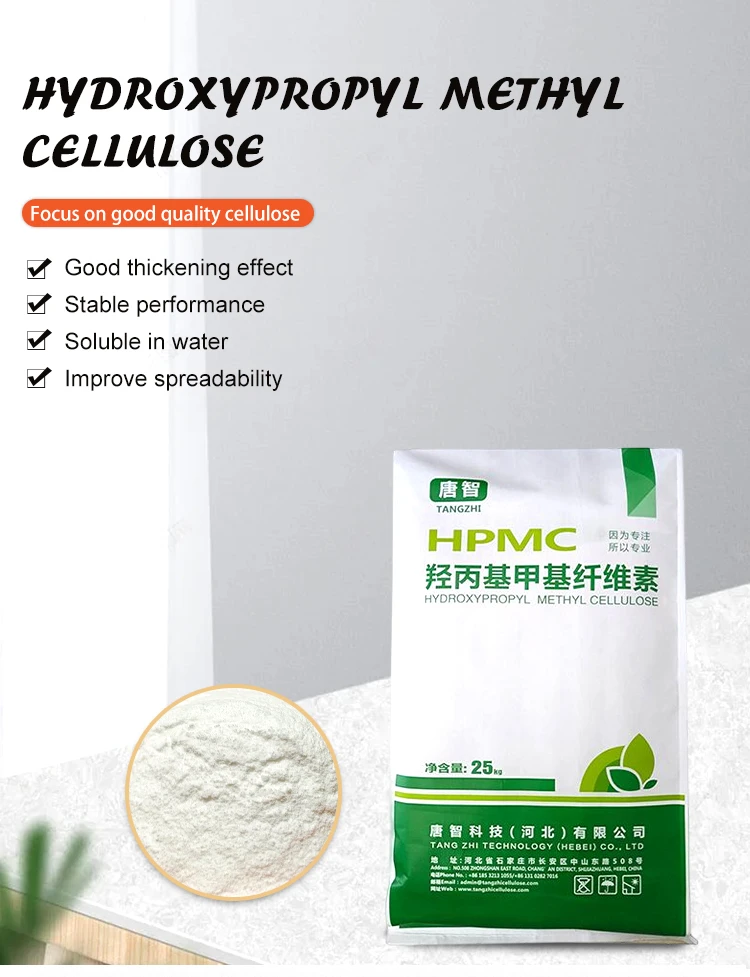
The Versatile Role of PVA in Construction and Industry
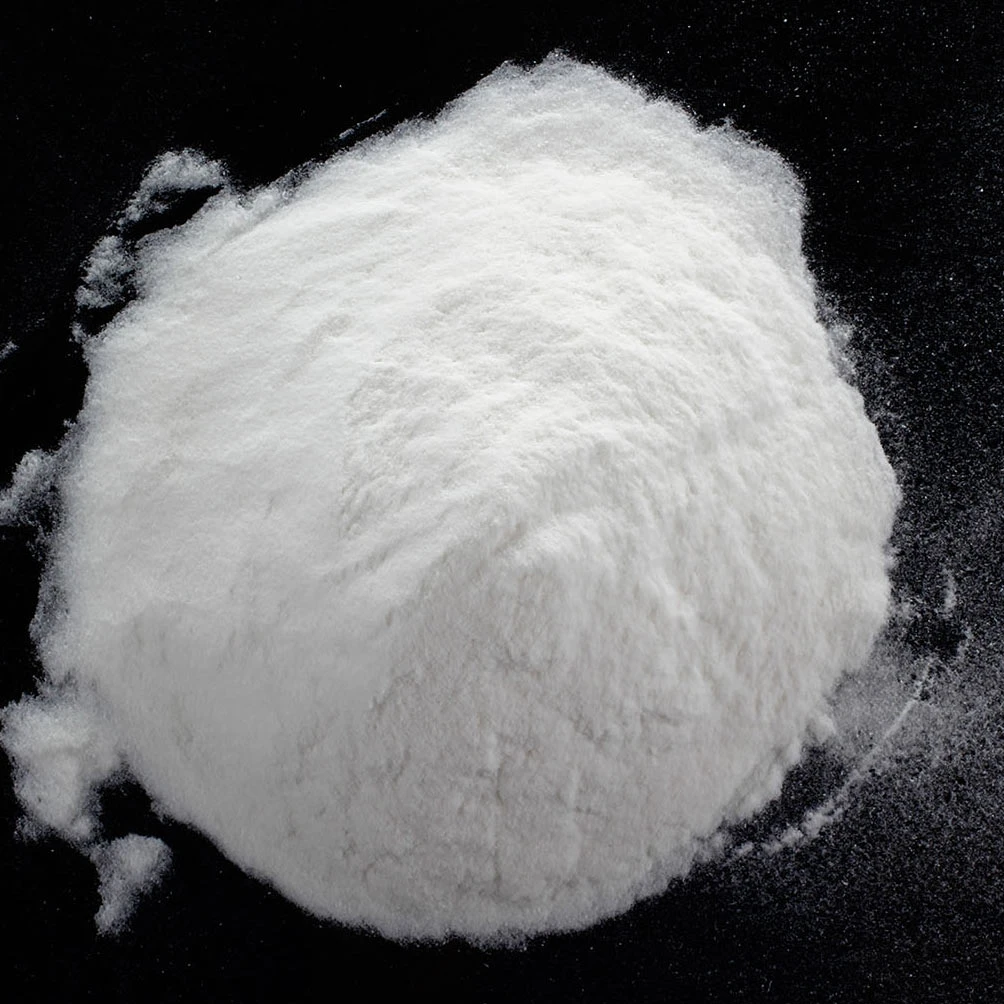
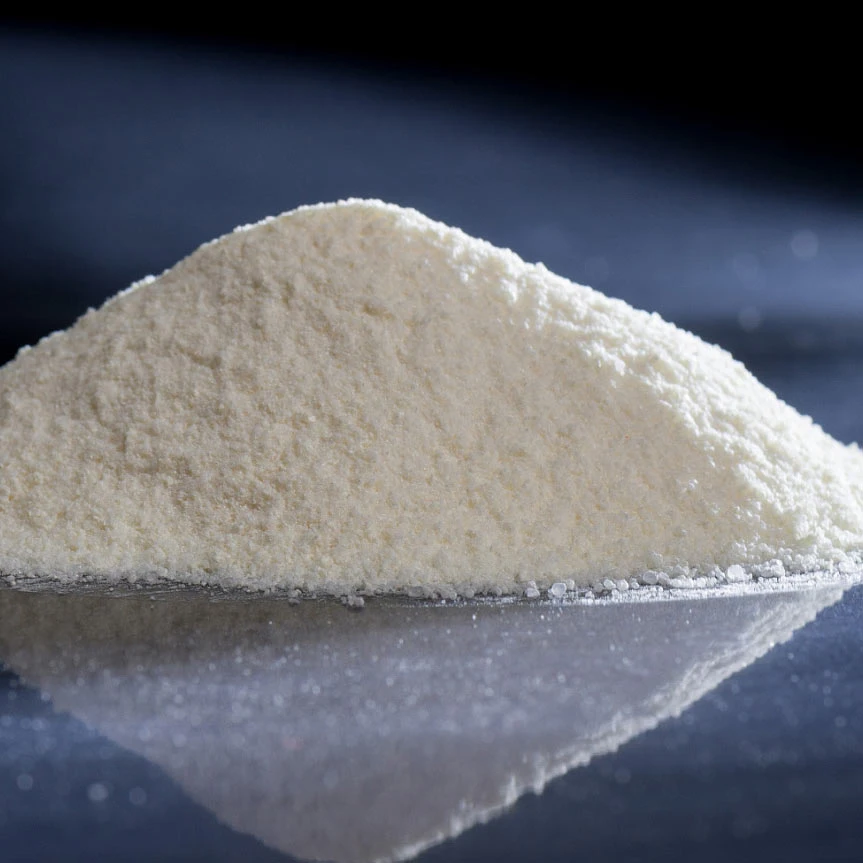
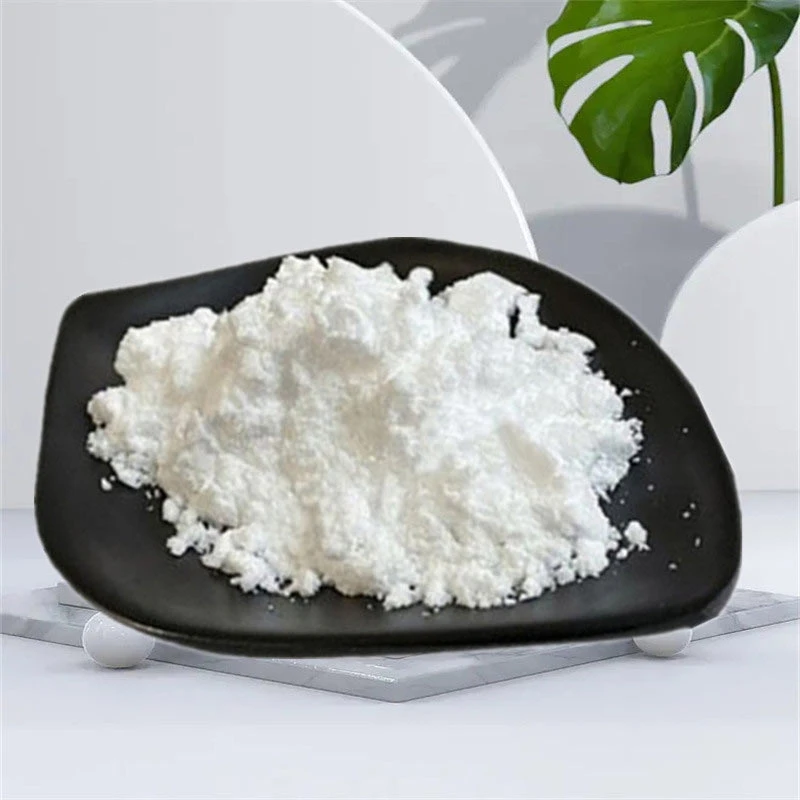
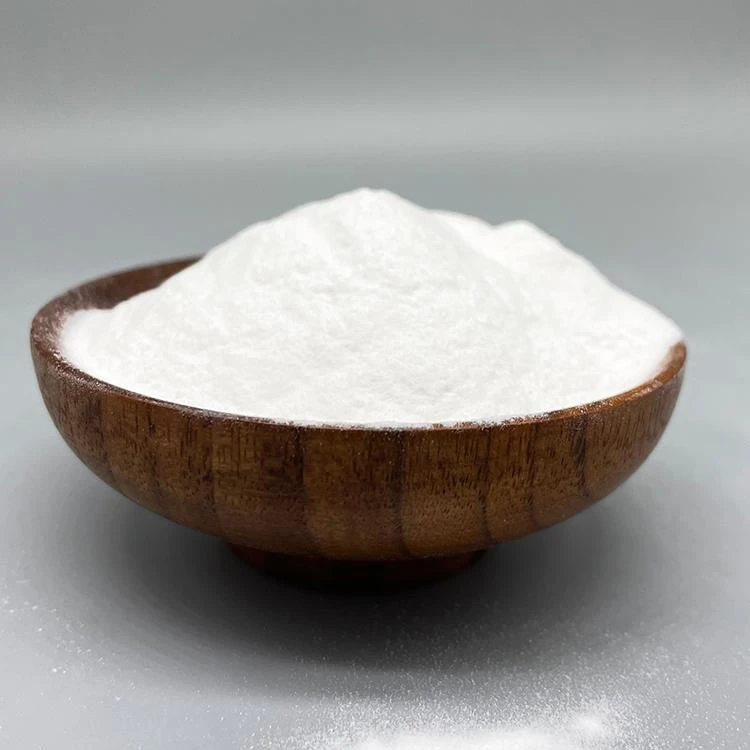
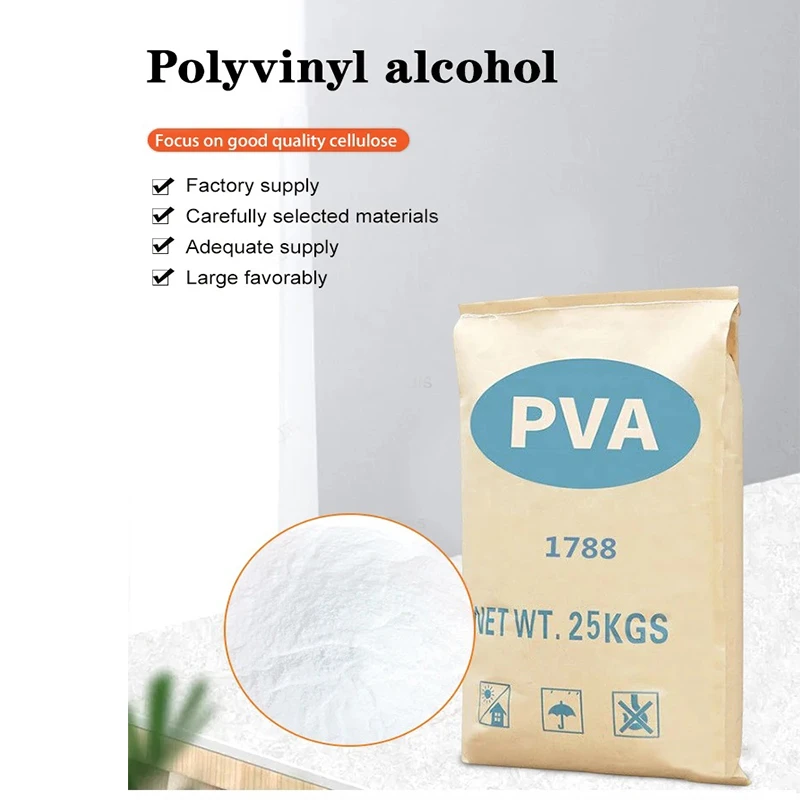
Polyvinyl alcohol (PVA) has become a staple material in construction, coatings, adhesives, and various industrial applications. Known for its water solubility, environmental safety, and bonding strength, PVA serves both small-scale contractors and large manufacturers. Whether you’re a professional seeking PVA for sale or a technician calculating the cost of PVA, this polymer offers value and performance across sectors.
PVA in Building: Prepping Surfaces and Strengthening Mixes
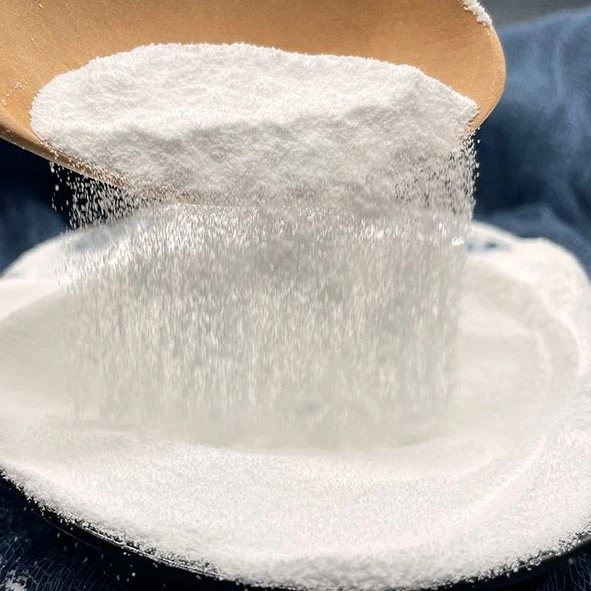
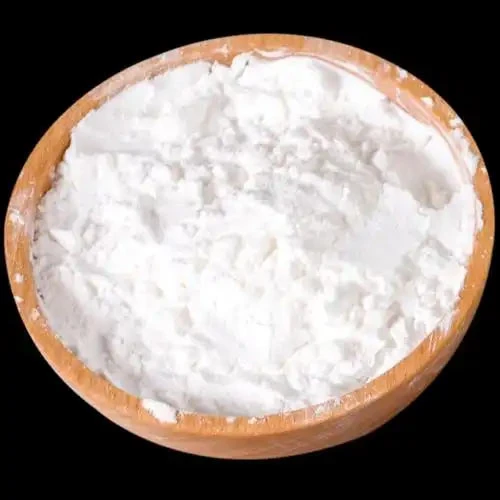
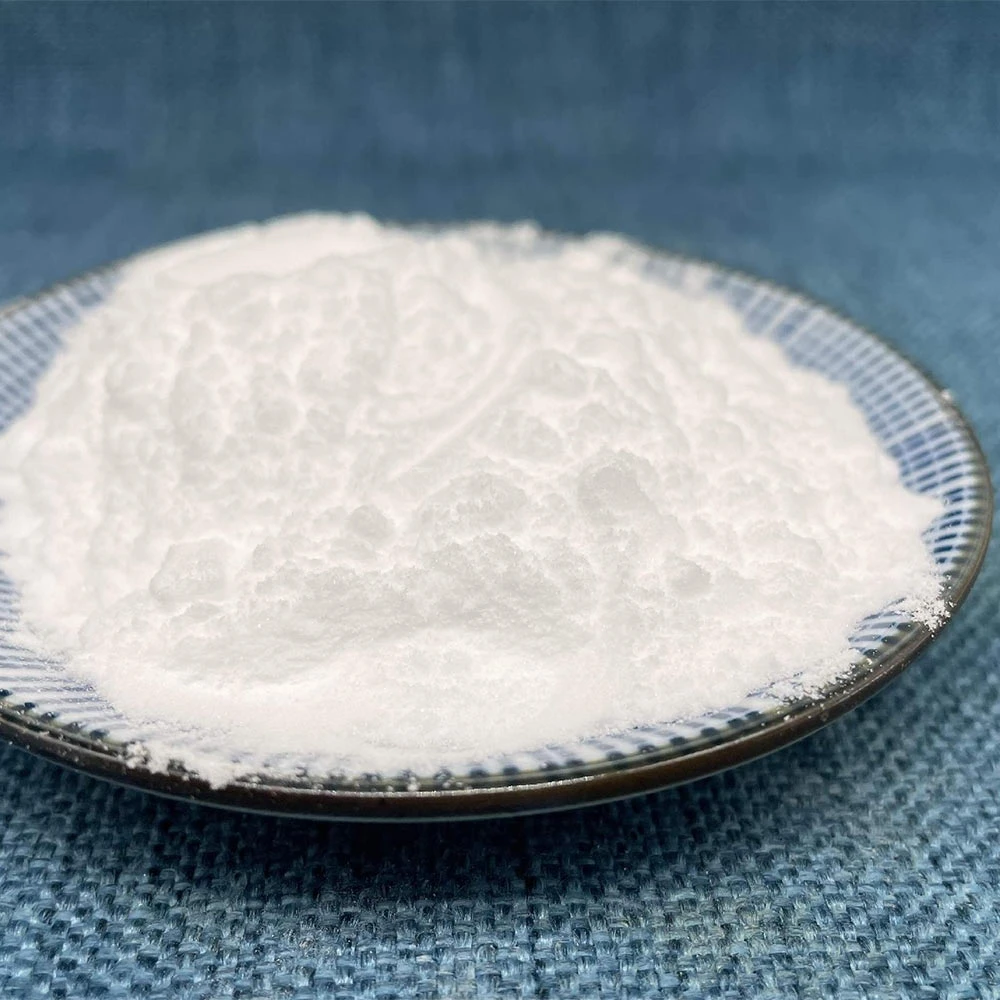
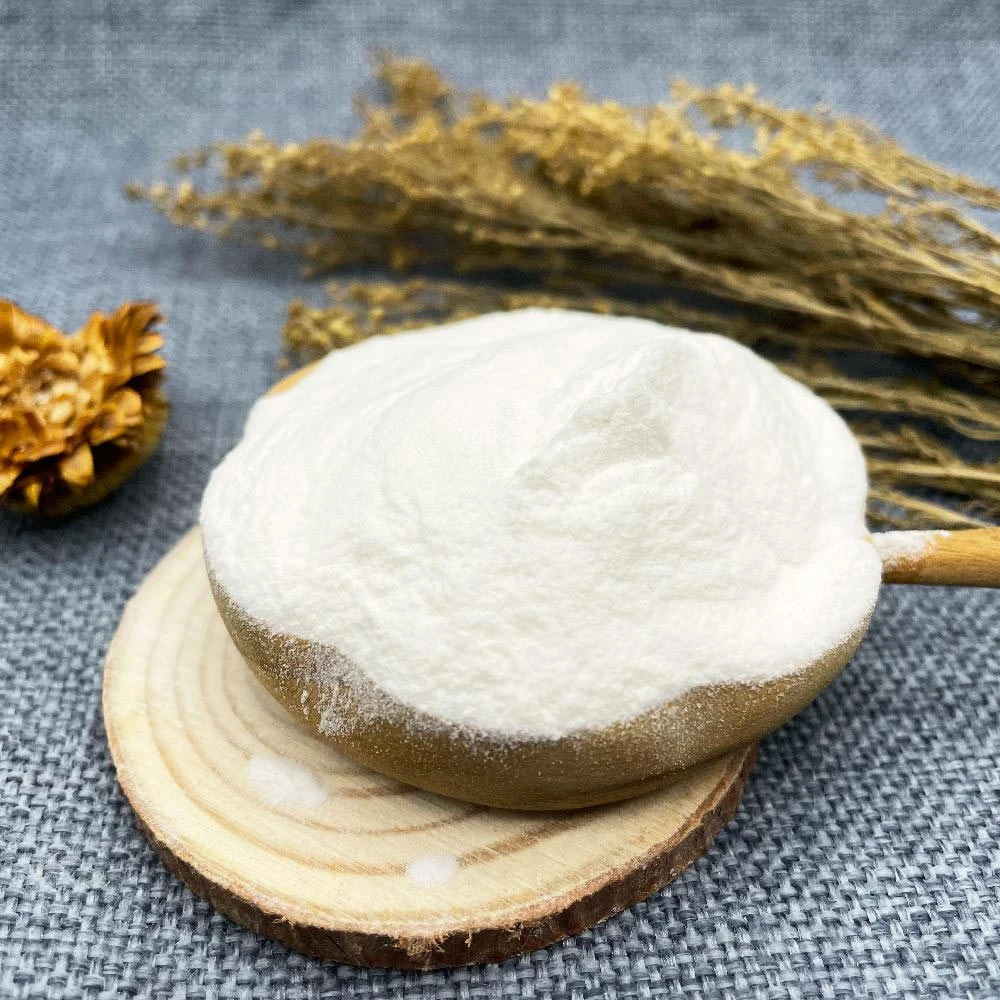
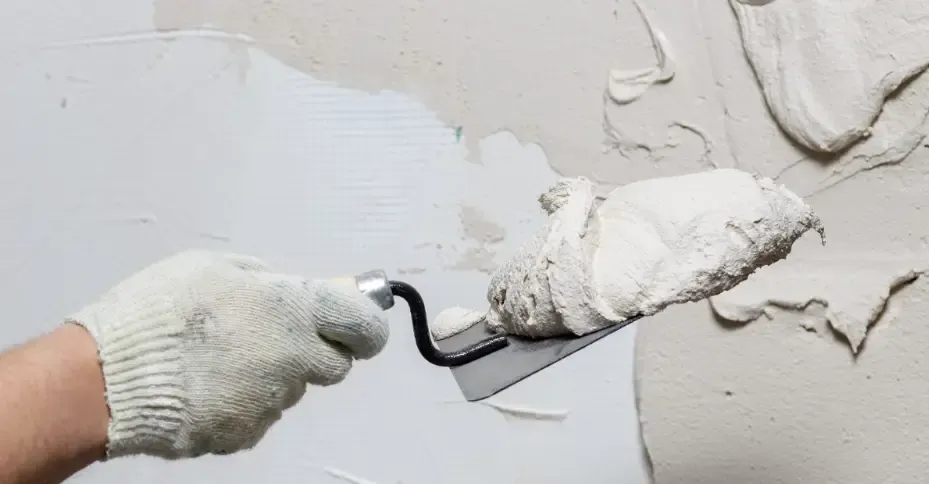
In the construction world, polyvinyl alcohol powder is widely used due to its ease of handling and consistent quality. When preparing surfaces, applying PVA before plastering helps seal dusty or porous walls, providing a smooth, adhesive-friendly layer. This ensures that the plaster adheres more effectively, reducing flaking and premature cracking.
Mixing PVA in sand and cement improves the mortar’s workability, adhesion, and long-term durability. It’s particularly useful for internal rendering, patch repairs, and bonding tiles or bricks. Builders often purchase PVA for sale in liquid or powdered form from a trusted PVA supplier, depending on the application scale and preferences.
Safety is crucial when handling any chemical. Contractors and site managers should consult the MSDS of polyvinyl alcohol (Material Safety Data Sheet), which outlines hazard identification, first aid measures, and safe storage instructions. This is especially important when using PVA in high-temperature environments or enclosed areas.
Industrial Applications and Chemical Properties of PVA
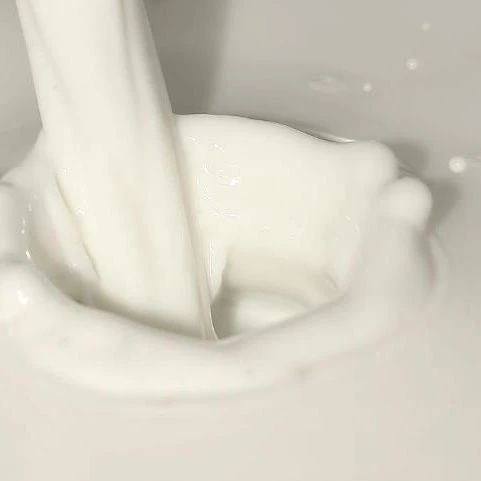
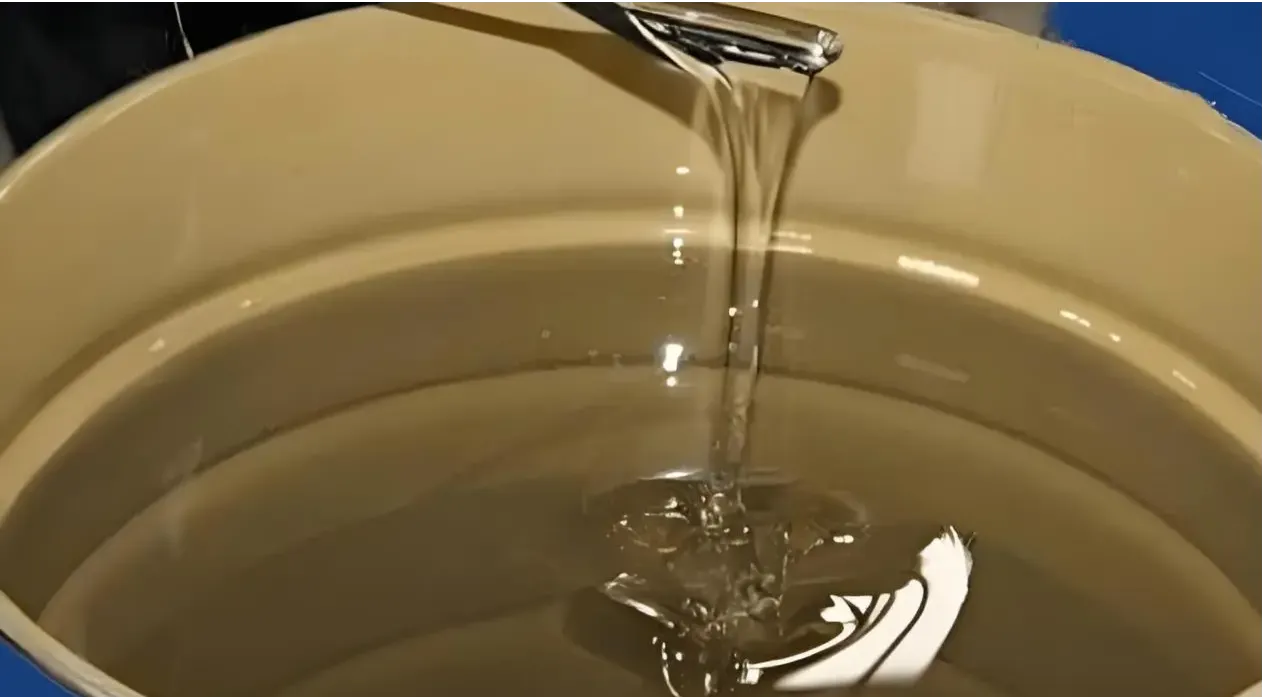
Beyond construction, PVA finds applications in textiles, paper production, packaging, and adhesives. One common form is polyvinyl alcohol emulsion, a milky-white colorless and transparent liquid that functions as a strong binder and stabilizer in paint, coating, and sizing applications. It can also be used as a thickener or film-forming agent in cosmetic and pharmaceutical products.
A key property of PVA is its solubility of polyvinyl alcohol in water. This feature makes it highly versatile, especially in environmentally friendly packaging and water-soluble films. For example, detergent pods and agrochemical pouches dissolve easily without harming the environment.
The polyvinyl alcohol chemical formula is (C₂H₄O)n, which describes a polymer made from vinyl alcohol units. This structure contributes to its unique properties—strong tensile strength, high oxygen barrier, and biodegradability. Understanding this formula helps chemists and engineers customize PVA for niche applications.
Finally, the cost of PVA varies depending on its grade, form (powder, solution, or emulsion), and source. Bulk orders directly from a PVA supplier typically result in better unit pricing, especially for industrial-scale use.
Product FAQs
1. What is PVA and how is it used in construction?
Answer: Polyvinyl alcohol powder is a synthetic polymer that enhances adhesion and flexibility. It’s commonly used before plastering and in sand and cement mixtures to improve surface bonding and reduce cracking.
2. Is polyvinyl alcohol safe to use indoors?
Answer: Yes, PVA is non-toxic and safe when used properly. Always refer to the MSDS of polyvinyl alcohol for detailed safety information, including safe ventilation and personal protective equipment guidelines.
3. How does water affect PVA?
Answer: The solubility of polyvinyl alcohol in water is high, meaning it dissolves easily, especially at elevated temperatures. This makes it ideal for water-based adhesives, paints, and biodegradable packaging.
4. What’s the difference between PVA powder and emulsion?
Answer: Polyvinyl alcohol powder is dry and must be dissolved before use, while polyvinyl alcohol emulsion is pre-dispersed in water, ready for use in coatings, adhesives, and textile applications.
5. Where can I find reliable PVA suppliers and cost estimates?
Answer: Reputable PVA suppliers offer various grades and packaging options. The cost of PVA depends on the volume, quality (e.g., degree of polymerization), and whether it's sold as powder, emulsion, or pre-mixed solution.
-
HPMC High-Performance Thickener | Hebei TangzhiNewsMar.06,2026
-
Wholesale Water Reducing Admixture for Special Cement: Performance and Market InsightsNewsFeb.28,2026
-
The Complete Guide to HPMC: Types, Applications, Grades, and Manufacturing InsightsNewsFeb.28,2026
-
Redispersible Polymer Powder: Types, Applications, and Performance AdvantagesNewsFeb.28,2026
-
Hydroxymethyl Ethyl Cellulose (MHEC): Properties, Applications, and Market InsightsNewsFeb.28,2026
-
Hydroxyethyl Cellulose: Applications, Performance, and Buying GuideNewsFeb.28,2026