Understanding Redispersible Polymer Powder HS Code for Global Trade Compliance
Understanding Redispersible Polymer Powder HS Code for Global Trade
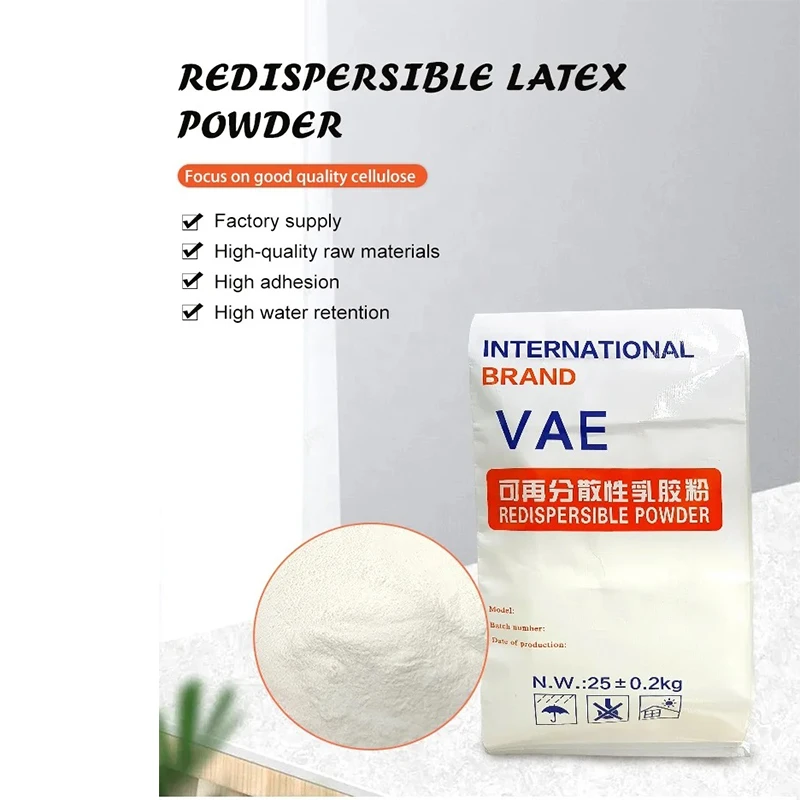
Navigating international trade requires a precise understanding of Harmonized System (HS) codes. For those importing or exporting redispersible polymer powder, accurately identifying the HS code is critical for customs clearance, duty assessment, and trade compliance. This article delves into the specifics of redispersible polymer powder HS codes, providing insights for businesses engaged in cross-border transactions. Understanding these codes can streamline your import/export processes and minimize potential delays or penalties. We'll cover common classifications, regional variations, and best practices for determining the correct HS code for your specific product.
What is an HS Code and Why is it Important?
An HS code, or Harmonized System code, is a globally standardized system of names and numbers used to classify traded products. Developed and maintained by the World Customs Organization (WCO), these codes facilitate trade by providing a consistent framework for identifying goods across borders. Accurate HS code classification is essential because it directly impacts import duties, taxes, and trade regulations. Incorrect classification can lead to fines, shipment delays, and even legal issues. For redispersible polymer powder, the correct HS code ensures proper tariff treatment and compliance with international trade laws. It’s a fundamental aspect of efficient and lawful international commerce.
Key Takeaway: HS codes are the language of international trade. Accurate classification is not just a formality; it’s a critical component of successful import and export operations.
Common HS Codes for Redispersible Polymer Powder
While specific classifications can vary based on the exact composition and intended use of the redispersible polymer powder, several HS codes are commonly used. The most frequent classification falls under HS Code 3906.90.00 – Acrylic or styrene polymers in primary forms, other. However, depending on the polymer base (e.g., vinyl acetate, ethylene vinyl acetate), other codes may apply. A deeper dive into potential classifications is presented below.
Regional Variations in HS Code Application
It’s crucial to understand that HS code interpretations can vary slightly from country to country. While the first six digits of the HS code are standardized globally, countries can add additional digits for more specific classifications and duty rates. For example, the United States utilizes the Harmonized Tariff Schedule of the United States (HTSUS), while the European Union uses the Combined Nomenclature (CN). Always verify the specific HS code requirements for your destination country by consulting their official customs authorities or a qualified customs broker. Tangzhi HPMC can provide support and documentation to assist with these classifications.
Determining the Correct HS Code for Your Product
Accurately classifying redispersible polymer powder involves considering its composition, polymer base, and intended use. Here's a stepwise approach: 1. Identify the primary polymer component: Is it acrylic, vinyl acetate, or another type? 2. Consult the HS nomenclature: Refer to the official HS code directory or online databases. 3. Consider the product's application: How will the powder be used? This can influence the appropriate classification. 4. Verify with local customs authorities: Confirm the correct code with the importing country’s customs agency. If in doubt, seek guidance from a customs broker or a trade compliance specialist. Using the right code is essential for smooth and cost-effective international trade.
Resources for HS Code Identification
Several resources can assist in identifying the correct HS code:
- World Customs Organization (WCO): https://www.wcoomd.org/
- National Customs Authorities: Websites of customs agencies in importing and exporting countries.
- HS Code Finder Tools: Various online tools, but always double-check the results with official sources.
- Customs Brokers: Professionals specializing in import/export compliance.
Conclusion: Navigating HS Codes for Seamless Trade
Accurately determining the HS code for redispersible polymer powder is vital for efficient and compliant international trade. By understanding the common classifications, regional variations, and available resources, businesses can minimize risks and optimize their import/export operations. Don’t hesitate to seek professional guidance when needed – accurate classification is an investment in your company’s success.
Frequently Asked Questions (FAQs)
What happens if I use the wrong HS code?
Using an incorrect HS code can have significant consequences. You may face penalties from customs authorities, including fines and delays in shipment clearance. Incorrect classification can also lead to inaccurate duty assessments, potentially resulting in underpayment or overpayment of duties. In severe cases, it could even lead to legal repercussions. It's crucial to verify the code thoroughly to avoid these issues. Seeking guidance from a customs broker is highly recommended if you are uncertain.
Can the HS code for redispersible polymer powder change?
Yes, HS codes can be updated periodically by the World Customs Organization (WCO). These updates typically occur every five years, with revisions taking effect on January 1st. It’s essential to stay informed about any changes to the HS nomenclature to ensure ongoing compliance. Customs authorities usually announce updates well in advance, providing time for businesses to adjust their classification procedures. The Tangzhi HPMC team monitors these changes and can provide updates to our customers.
Where can I find official HS code information for my country?
The most reliable source of HS code information is the official customs website of your importing or exporting country. These websites usually provide detailed HS code directories, search tools, and rulings. You can also contact your country’s customs authority directly for clarification. For example, in the United States, you can visit the U.S. Customs and Border Protection website (CBP), and in the European Union, you can consult the Combined Nomenclature (CN) database.
Does the packaging of the redispersible polymer powder affect the HS code?
Generally, the packaging of the redispersible polymer powder itself does not change the HS code. The HS code is determined by the product's composition and function, not its packaging. However, if the packaging is considered an integral part of the product and is specifically designed for its use (e.g., specialized containers for hazardous materials), it might be considered when determining the final classification. It's always best to consult with a customs professional to confirm.
-
HPMC High-Performance Thickener | Hebei TangzhiNewsMar.06,2026
-
Wholesale Water Reducing Admixture for Special Cement: Performance and Market InsightsNewsFeb.28,2026
-
The Complete Guide to HPMC: Types, Applications, Grades, and Manufacturing InsightsNewsFeb.28,2026
-
Redispersible Polymer Powder: Types, Applications, and Performance AdvantagesNewsFeb.28,2026
-
Hydroxymethyl Ethyl Cellulose (MHEC): Properties, Applications, and Market InsightsNewsFeb.28,2026
-
Hydroxyethyl Cellulose: Applications, Performance, and Buying GuideNewsFeb.28,2026