Exploring the Benefits of Hydroxyethyl Cellulose in Cosmetics Formulations
Hydroxyethyl Cellulose in Cosmetics: A Comprehensive Guide
Hydroxyethyl cellulose (HEC) is a versatile ingredient widely used in the cosmetics industry. Its unique properties make it an invaluable component in a variety of personal care products. This article will explore the benefits of using hydroxyethyl cellulose in cosmetics, its applications, and why it’s a preferred choice for formulators. We’ll delve into its thickening, stabilizing, and film-forming capabilities, and discuss the different grades available to suit various cosmetic formulations. Understanding the role of HEC is crucial for anyone involved in the development or production of cosmetic products.
Understanding Hydroxyethyl Cellulose: Key Properties
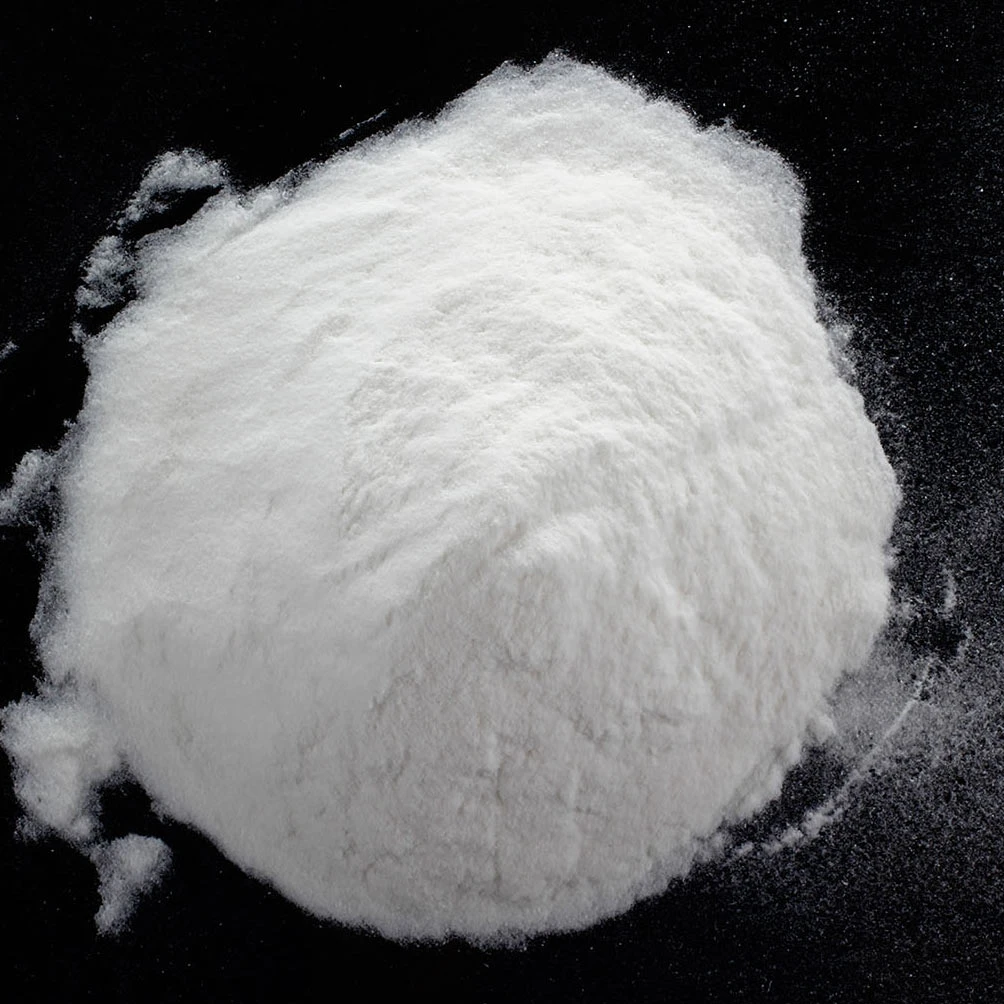
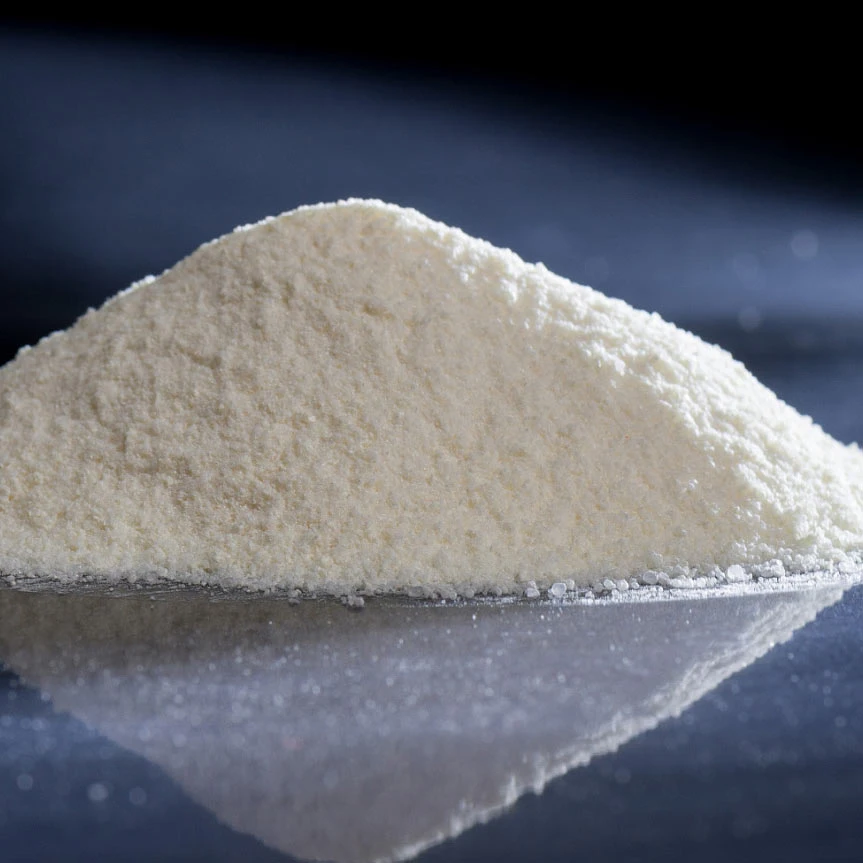
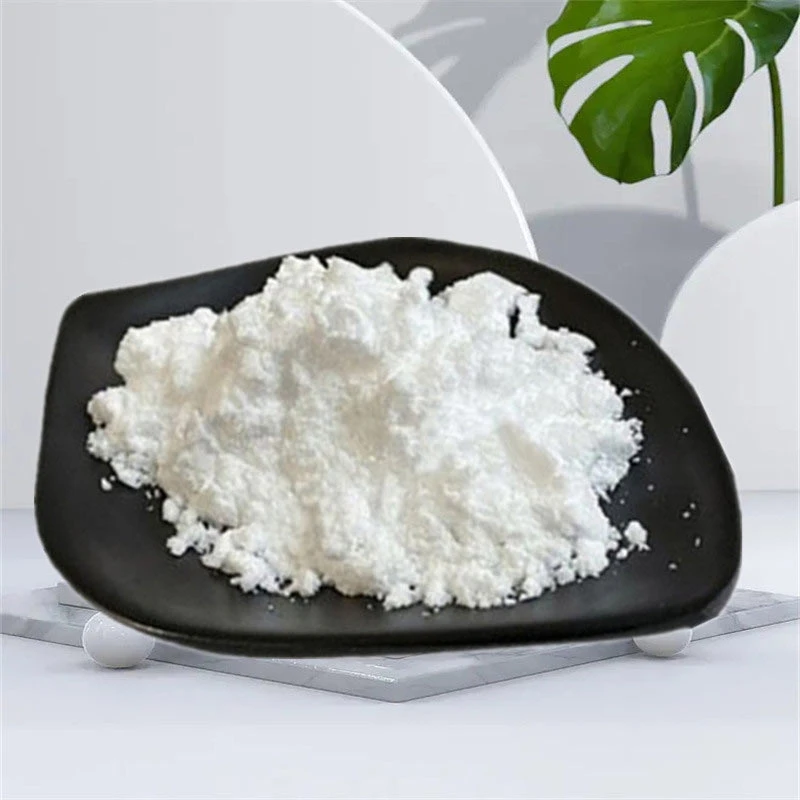
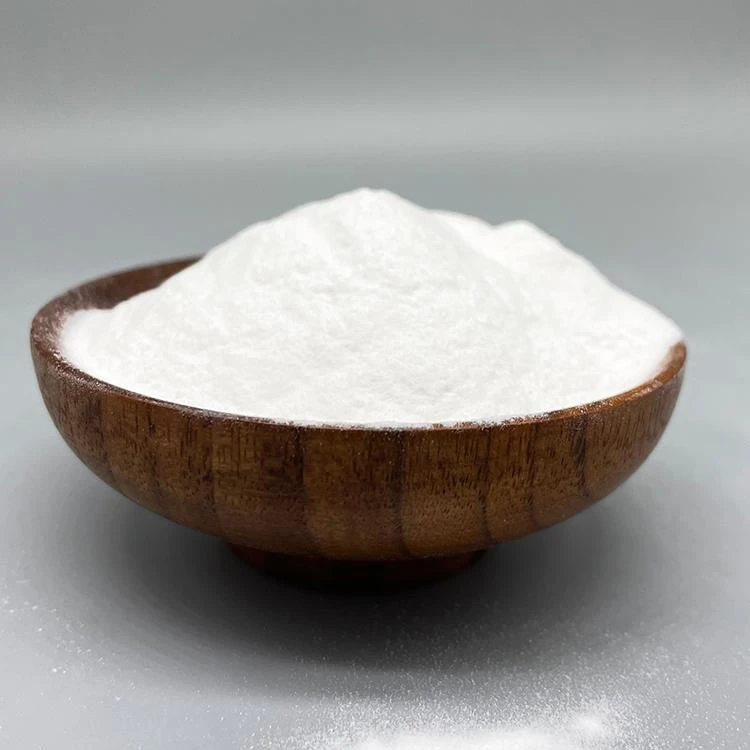
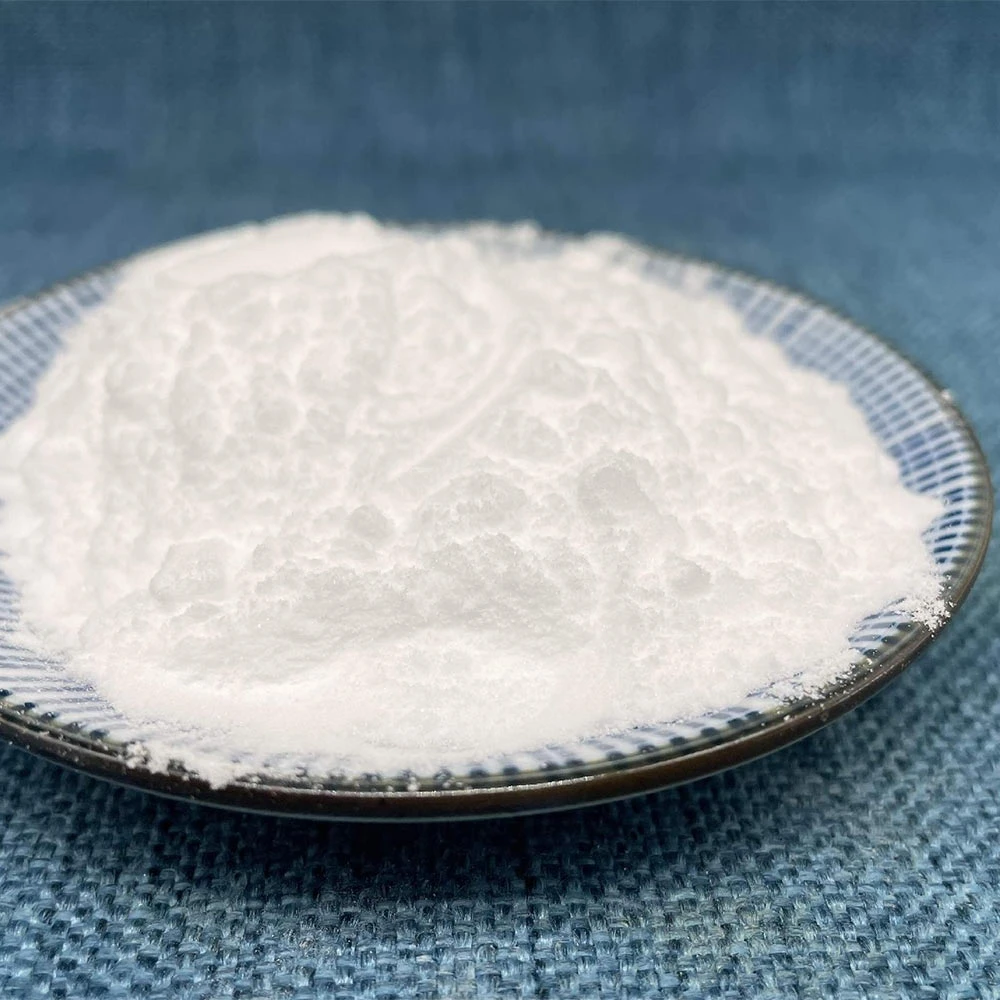
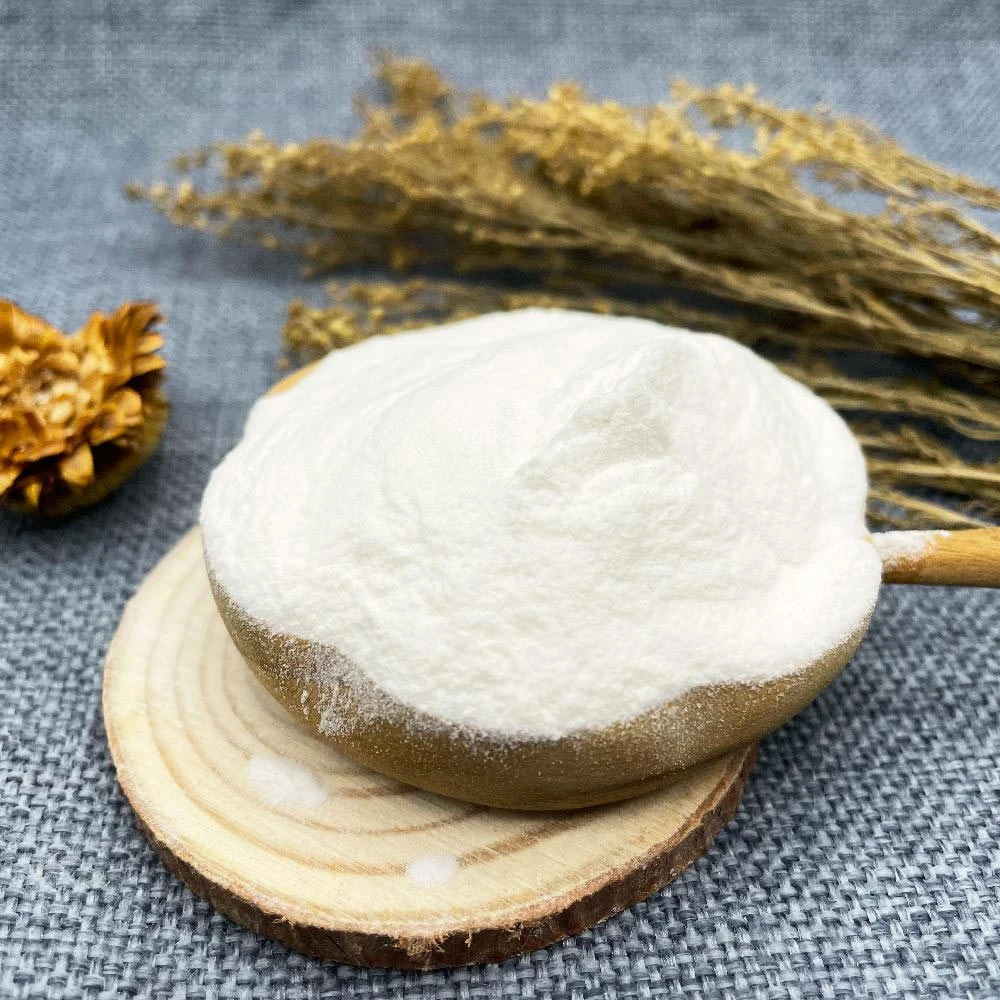
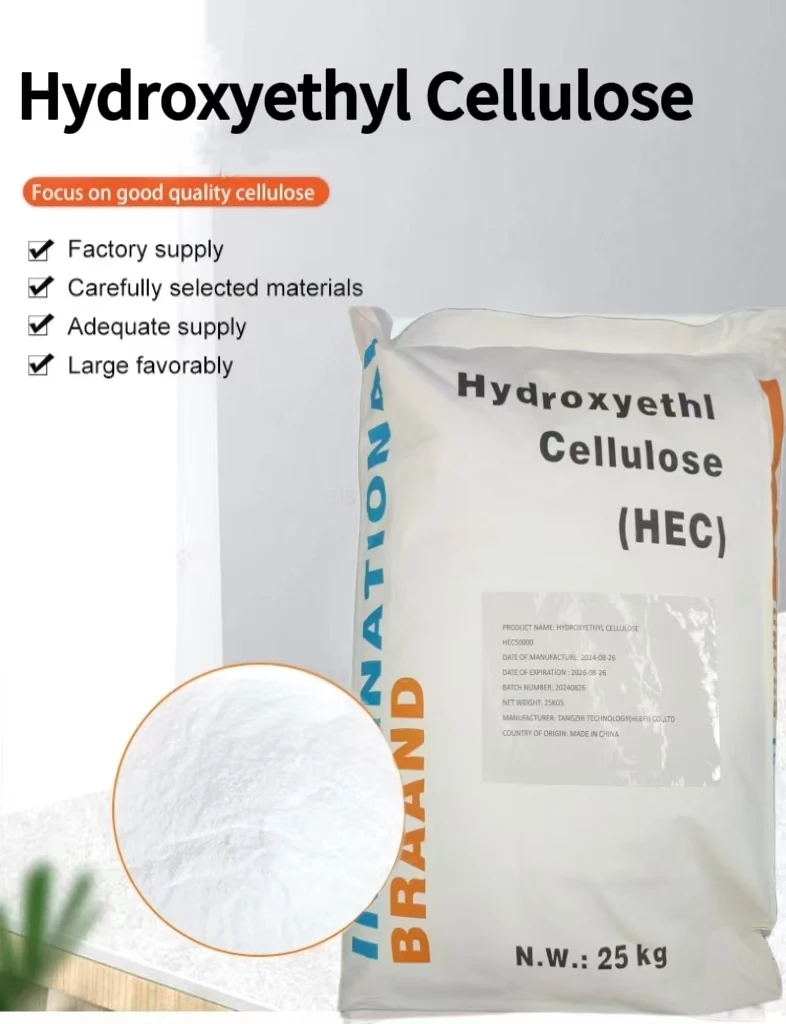
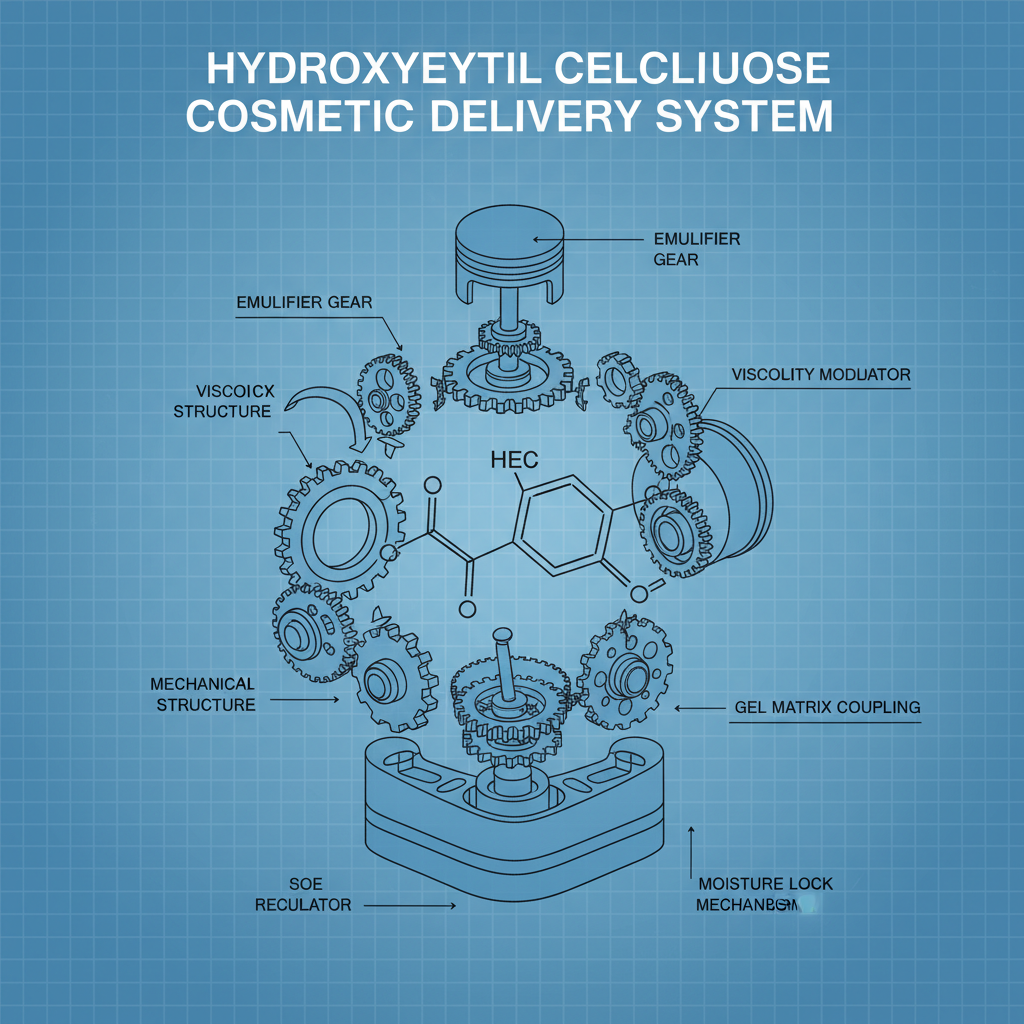
Hydroxyethyl cellulose is a water-soluble polymer derived from cellulose. It’s renowned for its exceptional thickening efficiency, even at low concentrations. Beyond thickening, HEC functions as a stabilizer, preventing separation in emulsions and suspensions. Its film-forming properties contribute to the texture and application of cosmetic products, creating a smooth and elegant feel. Importantly, HEC is non-ionic, making it compatible with a wide range of cosmetic ingredients, including anionic, cationic, and amphoteric substances. Tangzhi HPMC offers a variety of HEC grades tailored to specific cosmetic needs.
Key Highlights: Exceptional thickening efficiency, stabilization of emulsions, film-forming properties, wide compatibility with cosmetic ingredients.
Hydroxyethyl Cellulose Applications in Cosmetic Products
The versatility of HEC makes it a common ingredient in numerous cosmetic formulations. In skincare, it's used in lotions, creams, serums, and cleansers to control viscosity and enhance texture. In haircare, HEC thickens shampoos, conditioners, and styling gels, providing a desired consistency and improving application. It’s also found in color cosmetics like mascaras and foundations, contributing to pigment dispersion and providing a smooth, even finish. Moreover, HEC finds application in sunscreens, enhancing their water resistance and improving the feel on the skin.
Common Cosmetic Applications:
• Lotions and Creams
• Shampoos and Conditioners
• Serums and Cleansers
• Mascaras and Foundations
• Sunscreens
Hydroxyethyl Cellulose vs. Other Thickeners: A Comparison
While numerous thickeners are available for cosmetic formulations, HEC offers distinct advantages. Compared to carbomers, HEC provides better compatibility with electrolytes and is less sensitive to pH changes. Unlike xanthan gum, HEC creates a clearer gel and doesn't impart a slimy texture. Compared to starch-based thickeners, HEC offers better stability and resistance to microbial degradation. Choosing the right thickener depends on the specific formulation requirements, but HEC often presents a superior balance of performance and versatility.
Selecting the Right Grade of Hydroxyethyl Cellulose
HEC is available in various grades, differing in viscosity, substitution degree, and molecular weight. Viscosity determines the thickening power – higher viscosity grades provide stronger thickening effects. The substitution degree influences solubility and clarity. Molecular weight affects the gel structure and overall performance. Tangzhi HPMC offers technical support to help you select the optimal grade for your specific formulation requirements. Consider the desired texture, clarity, and stability when choosing the appropriate HEC grade.
Safety and Regulatory Considerations
Hydroxyethyl cellulose is generally recognized as safe (GRAS) by regulatory bodies worldwide, including the FDA. It’s considered non-toxic and non-irritating when used at recommended concentrations in cosmetic formulations. However, it’s essential to use cosmetic-grade HEC that meets purity standards and complies with relevant regulations. Manufacturers like Tangzhi HPMC prioritize quality control and provide comprehensive documentation to ensure regulatory compliance. Always refer to the Material Safety Data Sheet (MSDS) for detailed safety information.
Conclusion: A Key Ingredient for Cosmetic Excellence
Hydroxyethyl cellulose is an indispensable ingredient for cosmetic formulators seeking to achieve desired texture, stability, and performance in their products. Its versatility, safety profile, and compatibility with various ingredients make it a preferred choice across a wide range of applications. By understanding the properties and benefits of HEC, cosmetic professionals can unlock its full potential and create innovative, high-quality formulations. Choosing a reliable supplier like Tangzhi HPMC ensures access to premium-grade HEC and expert technical support.
Frequently Asked Questions (FAQs)
What is the recommended usage level of HEC in cosmetic formulations?
The optimal usage level of HEC varies depending on the desired viscosity and the specific formulation. Generally, concentrations range from 0.5% to 2.0%. Lower concentrations provide mild thickening, while higher concentrations create more viscous gels. It's crucial to perform preliminary testing to determine the ideal usage level for your product. Factors such as pH, temperature, and the presence of other ingredients can influence the thickening efficiency of HEC.
How should HEC be incorporated into a cosmetic formulation?
HEC is typically added to the water phase of a formulation. It's essential to disperse the HEC powder slowly and continuously while stirring vigorously to prevent clumping. Heating the water phase can accelerate the hydration process. Allow sufficient time for the HEC to fully hydrate and reach its maximum viscosity before adding other ingredients. Pre-mixing HEC with a small amount of glycerin or propylene glycol can also aid in dispersion.
Is HEC compatible with all cosmetic ingredients?
HEC is generally compatible with a wide range of cosmetic ingredients due to its non-ionic nature. However, compatibility should be assessed in specific formulations, especially when using high concentrations of certain electrolytes or surfactants. Some anionic surfactants may reduce the thickening efficiency of HEC. It's recommended to conduct compatibility tests before finalizing your formulation to ensure optimal performance and stability.
Where can I purchase high-quality hydroxyethyl cellulose?
You can purchase high-quality hydroxyethyl cellulose from reputable suppliers like Tangzhi HPMC. We offer a wide range of HEC grades tailored to various cosmetic applications, along with technical support and comprehensive documentation. Ensure the supplier provides cosmetic-grade HEC that meets purity standards and complies with relevant regulations.
-
Comprehensive Guide to Hydroxyethyl Cellulose Gel Properties and Industrial ApplicationsNewsJan.28,2026
-
Enhancing Hair Care Formulations with Hydroxyethyl Cellulose for HairNewsJan.27,2026
-
Exploring Hydrophobically Modified Hydroxyethyl Cellulose and Its Diverse ApplicationsNewsJan.27,2026
-
Understanding Hydroxyethyl Cellulose Structure: Benefits & Industry Insights | Tangzhi HPMCNewsJan.06,2026
-
Hydroxyethyl Cellulose Solubility in Water: Expert Insights & SpecsNewsJan.06,2026