Exploring Hydrophobically Modified Hydroxyethyl Cellulose and Its Diverse Applications
Hydrophobically Modified Hydroxyethyl Cellulose: A Comprehensive Guide
Hydrophobically modified hydroxyethyl cellulose (HPMC) is a versatile polymer gaining significant traction across various industries. Its unique properties, stemming from the introduction of hydrophobic groups onto the HPMC backbone, make it an invaluable ingredient in applications ranging from construction materials to pharmaceuticals. Understanding its characteristics, benefits, and applications is crucial for professionals seeking innovative solutions. This article provides an in-depth exploration of hydrophobically modified HPMC, focusing on its key features and how Tangzhi HPMC delivers high-quality products to meet diverse industrial needs.
What is Hydrophobically Modified Hydroxyethyl Cellulose?
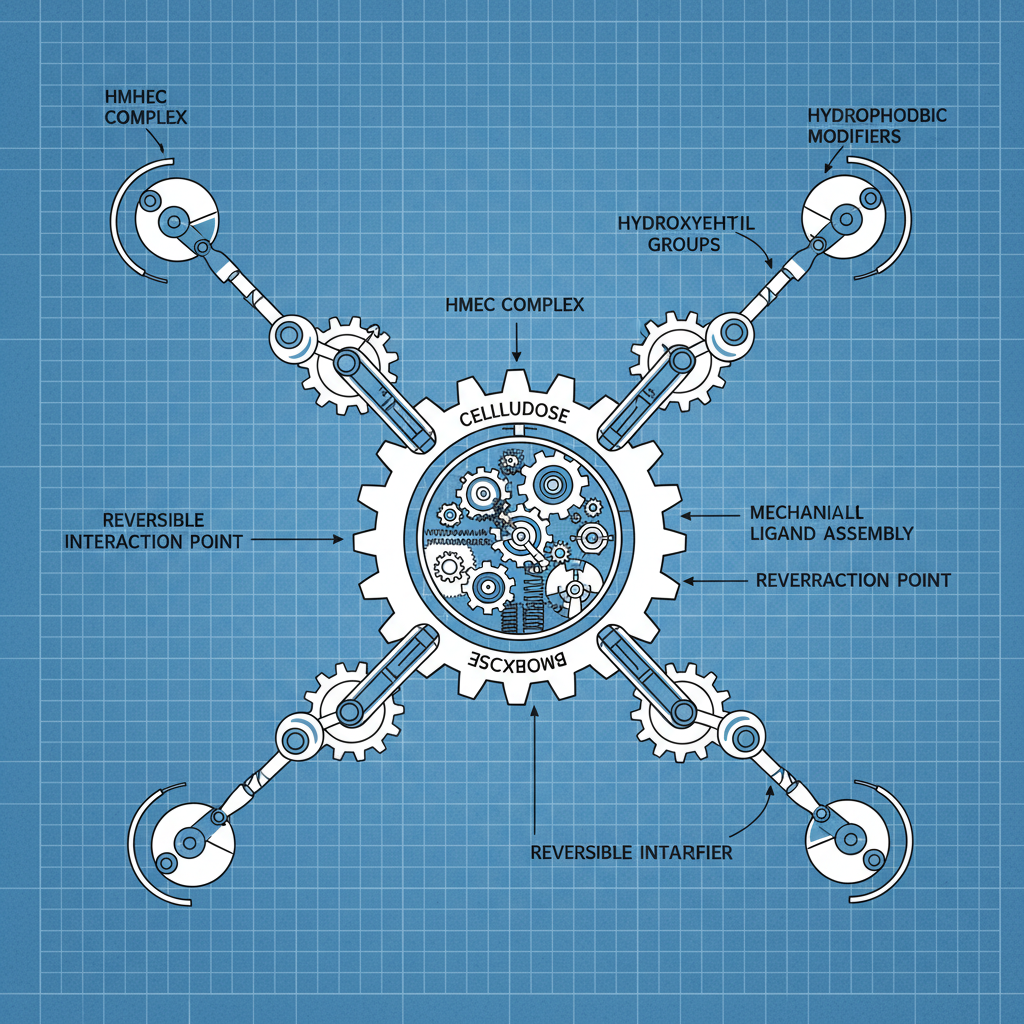
Hydroxyethyl cellulose (HPMC) is a water-soluble polymer widely used as a thickener, binder, and film-former. However, its inherent hydrophilicity limits its use in certain applications. Hydrophobic modification involves chemically attaching hydrophobic groups, such as alkyl chains, to the HPMC molecule. This alteration dramatically changes the polymer's behavior, imparting water resistance, improved compatibility with non-polar substances, and enhanced performance in various formulations. The modification process is carefully controlled to achieve the desired balance between hydrophilic and hydrophobic properties, tailoring the polymer for specific applications.
Key Benefits: Enhanced water resistance, improved compatibility with non-polar substances, modified rheological properties, and increased stability in diverse formulations.
Key Properties of Hydrophobically Modified HPMC
The introduction of hydrophobic groups significantly alters the physicochemical properties of HPMC. These changes impact its performance in various applications. Key properties include reduced water solubility, increased surface activity, and enhanced film-forming capabilities. The degree of hydrophobic modification directly influences these properties – higher modification levels typically lead to greater hydrophobicity and altered rheological behavior. This allows for customization of the polymer to achieve specific performance characteristics. For applications demanding precise control over viscosity and water retention, Tangzhi HPMC offers a range of modified HPMC products with varying degrees of substitution.
Key Property Changes:
• Reduced water solubility
• Increased surface activity
• Enhanced film-forming capabilities
• Modified rheological properties
Applications of Hydrophobically Modified HPMC
Hydrophobically modified HPMC finds widespread application across numerous industries. In the construction sector, it’s used in tile adhesives and cement-based materials to improve workability, adhesion, and water retention. Pharmaceutical formulations benefit from its use as a controlled-release agent, modifying drug dissolution rates. Coatings and paints utilize its film-forming properties and water resistance for durable and protective finishes. Furthermore, it's employed in personal care products as a stabilizer and thickener. The versatility of this modified polymer continues to drive innovation across diverse application areas.
Hydrophobically Modified HPMC vs. Standard HPMC: A Comparison
While standard HPMC excels in water-based applications, hydrophobically modified HPMC offers advantages where water resistance, compatibility with non-polar substances, or modified rheological properties are required. The modification process allows for tailoring the polymer to specific needs. The following chart summarizes the key differences:
Product Specifications & Grade Selection
Selecting the appropriate grade of hydrophobically modified HPMC is critical for optimal performance. Tangzhi HPMC offers a comprehensive range of grades tailored to specific applications. Key parameters to consider include viscosity, degree of substitution, and particle size. Understanding these specifications ensures the chosen product aligns with the formulation requirements. Below is a sample specification table:
Conclusion: Leveraging the Power of Modified HPMC
Hydrophobically modified hydroxyethyl cellulose represents a significant advancement in polymer technology, offering unique properties and versatile applications. By choosing a reliable supplier like Tangzhi HPMC, you gain access to high-quality products and expert support to optimize your formulations and achieve superior results. Explore the possibilities of modified HPMC and unlock new levels of performance in your applications.
Frequently Asked Questions (FAQs)
What are the key differences between HPMC and hydrophobically modified HPMC?
Standard HPMC is water-soluble and hydrophilic, making it ideal for applications where water retention and thickening are crucial. Hydrophobically modified HPMC, on the other hand, exhibits reduced water solubility due to the introduction of hydrophobic groups. This modification enhances its compatibility with non-polar substances, improves water resistance, and alters its rheological properties. In essence, while HPMC excels in water-based systems, hydrophobically modified HPMC expands its applicability to environments requiring water resistance or compatibility with organic materials.
How does the degree of substitution affect the properties of hydrophobically modified HPMC?
The degree of substitution (DS) refers to the average number of hydrophobic groups attached to each HPMC molecule. A higher DS generally leads to greater hydrophobicity, reduced water solubility, and altered surface tension. This, in turn, impacts the polymer’s performance in various applications. For instance, a higher DS might be preferred for applications requiring significant water resistance, while a lower DS could be suitable for applications where some water solubility is still desired.
What are the storage recommendations for hydrophobically modified HPMC?
Hydrophobically modified HPMC should be stored in a cool, dry, and well-ventilated area, away from direct sunlight and heat sources. It's crucial to keep the packaging tightly sealed to prevent moisture absorption. Proper storage conditions help maintain the polymer’s stability and ensure its optimal performance over time. Avoid storing near strong oxidizing agents or incompatible chemicals.
Is hydrophobically modified HPMC environmentally friendly?
HPMC itself is derived from cellulose, a renewable resource, making it generally considered more environmentally friendly than many synthetic polymers. The hydrophobic modification process does involve chemicals, but these are typically used in controlled amounts and with appropriate waste management practices. Tangzhi HPMC is committed to sustainable manufacturing processes and minimizing environmental impact.
-
Exploring the Benefits of Hydroxyethyl Cellulose in Cosmetics FormulationsNewsJan.30,2026
-
Comprehensive Guide to Hydroxyethyl Cellulose Gel Properties and Industrial ApplicationsNewsJan.28,2026
-
Enhancing Hair Care Formulations with Hydroxyethyl Cellulose for HairNewsJan.27,2026
-
Understanding Hydroxyethyl Cellulose Structure: Benefits & Industry Insights | Tangzhi HPMCNewsJan.06,2026
-
Hydroxyethyl Cellulose Solubility in Water: Expert Insights & SpecsNewsJan.06,2026