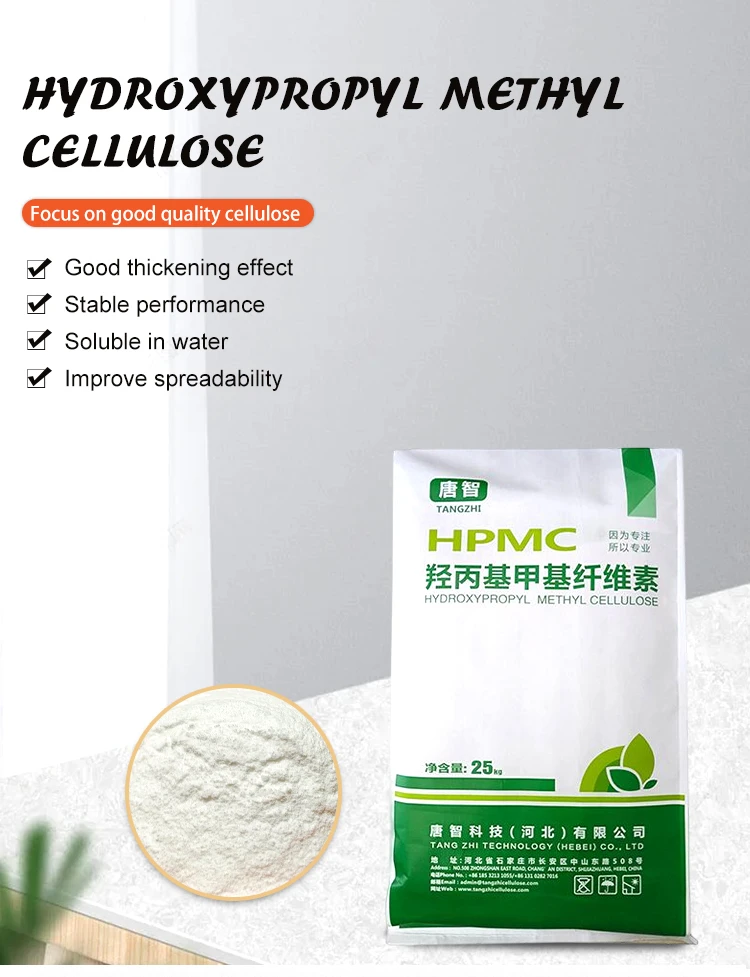
Comprehensive Guide to Hydroxyethyl Cellulose Gel Properties and Industrial Applications
Hydroxyethyl Cellulose Gel: A Comprehensive Guide
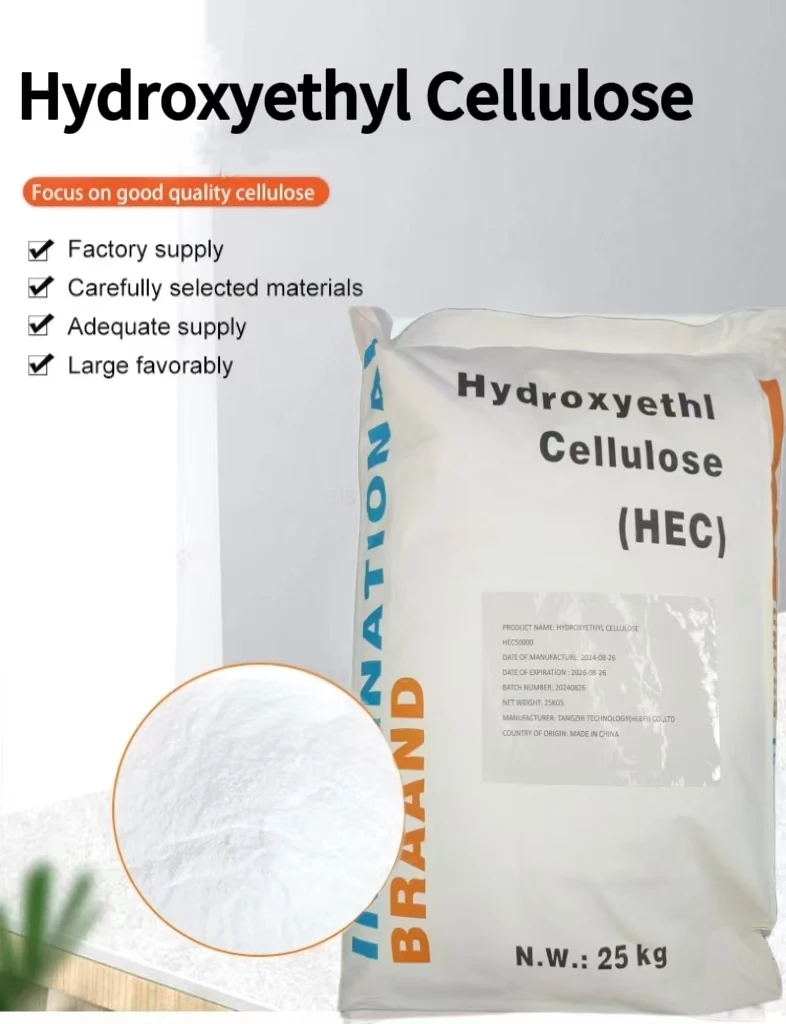
Hydroxyethyl cellulose (HEC) gel is a versatile polymer finding increasing applications across diverse industries. Its unique properties – thickening, binding, film-forming, and water retention – make it an invaluable component in various formulations. This article provides an in-depth overview of HEC gel, exploring its properties, applications, and benefits. Understanding its characteristics is crucial for optimizing product performance. You can find high-quality hydroxyethyl cellulose solutions at Tangzhi HPMC, catering to a wide range of industrial needs.

Understanding Hydroxyethyl Cellulose Gel
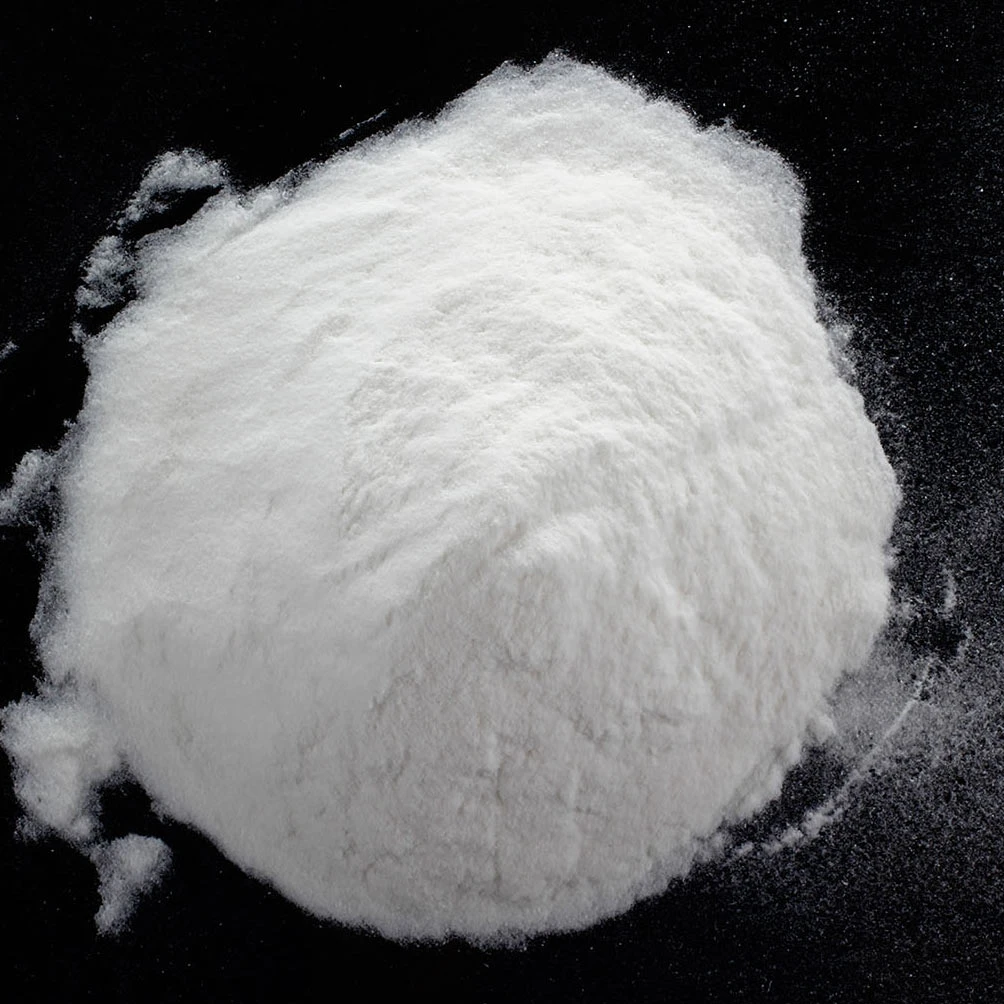
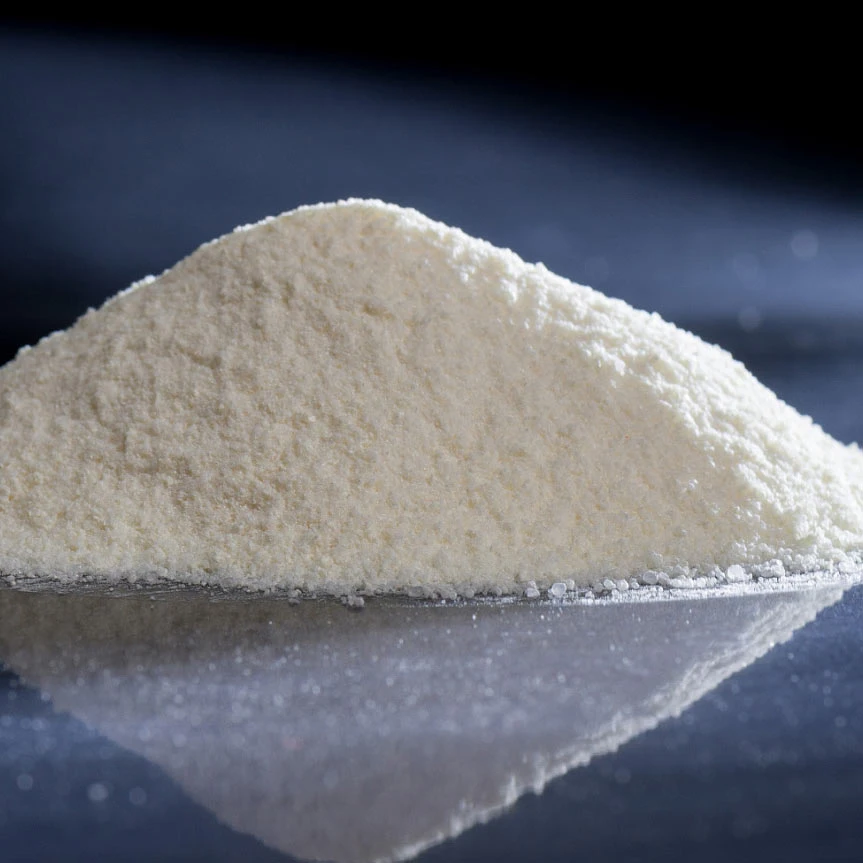
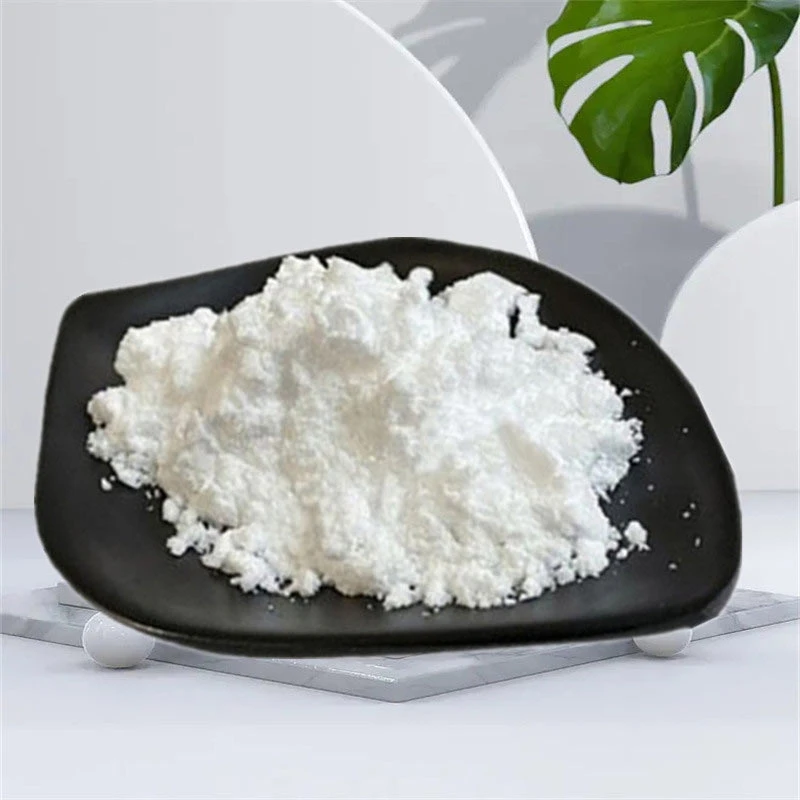
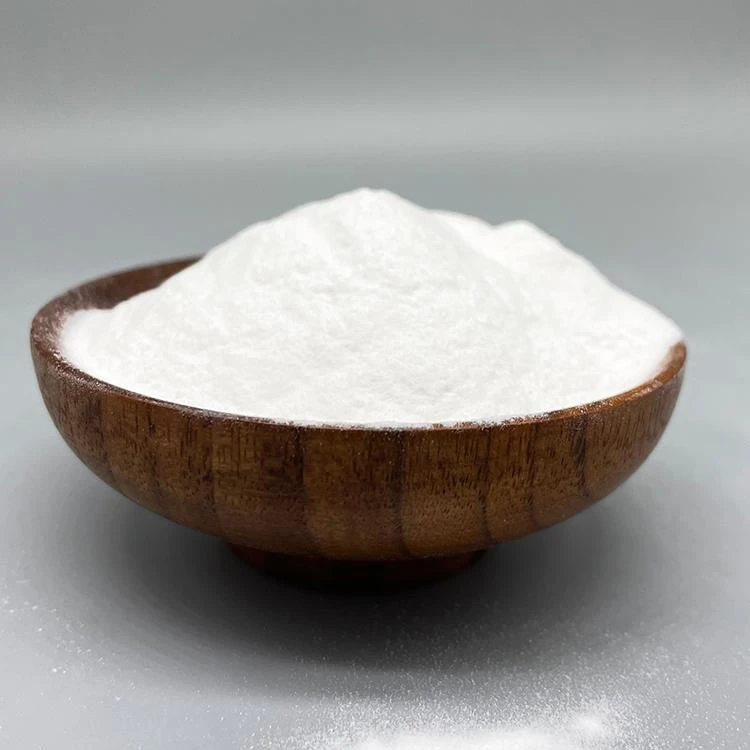
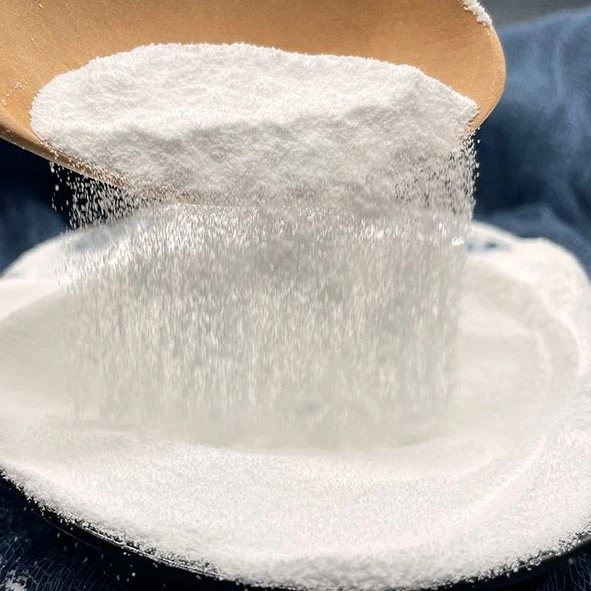
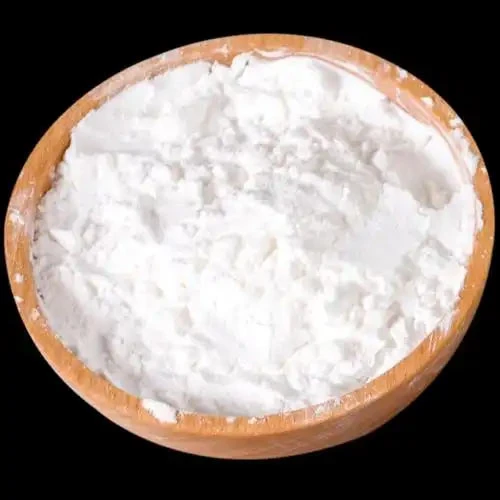
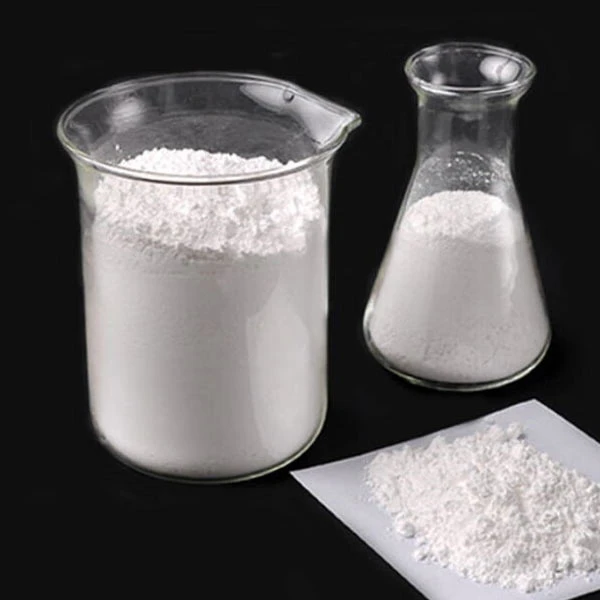
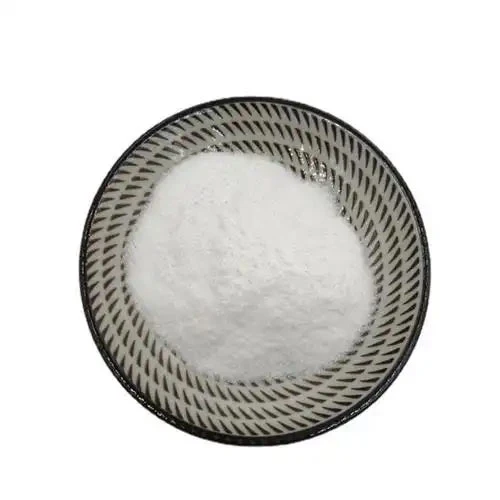
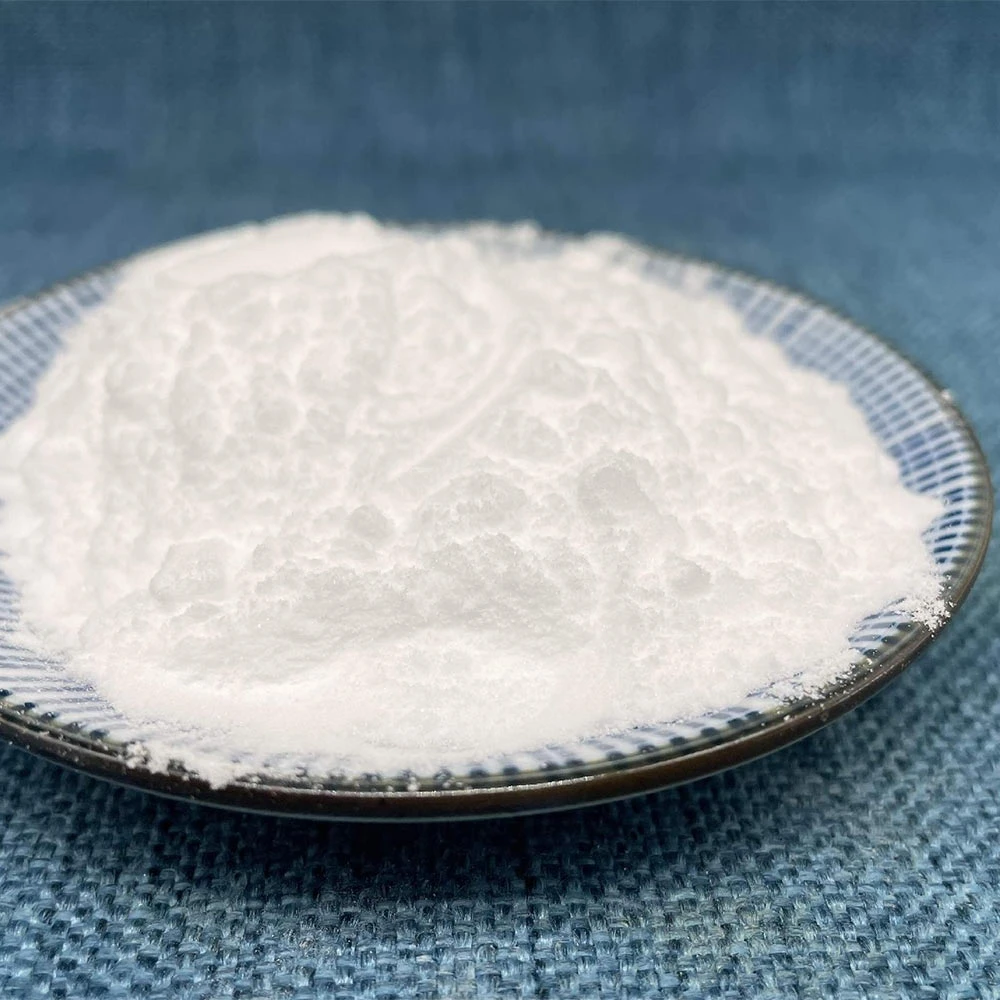
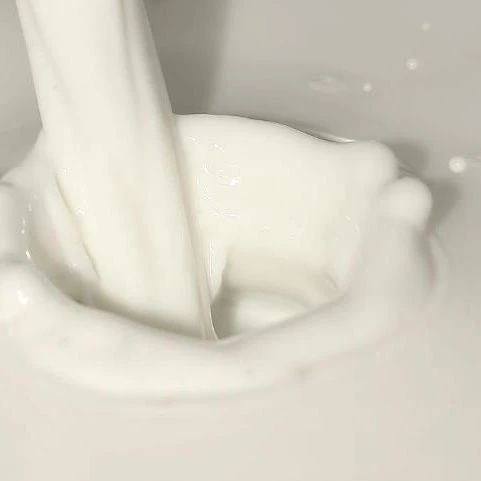
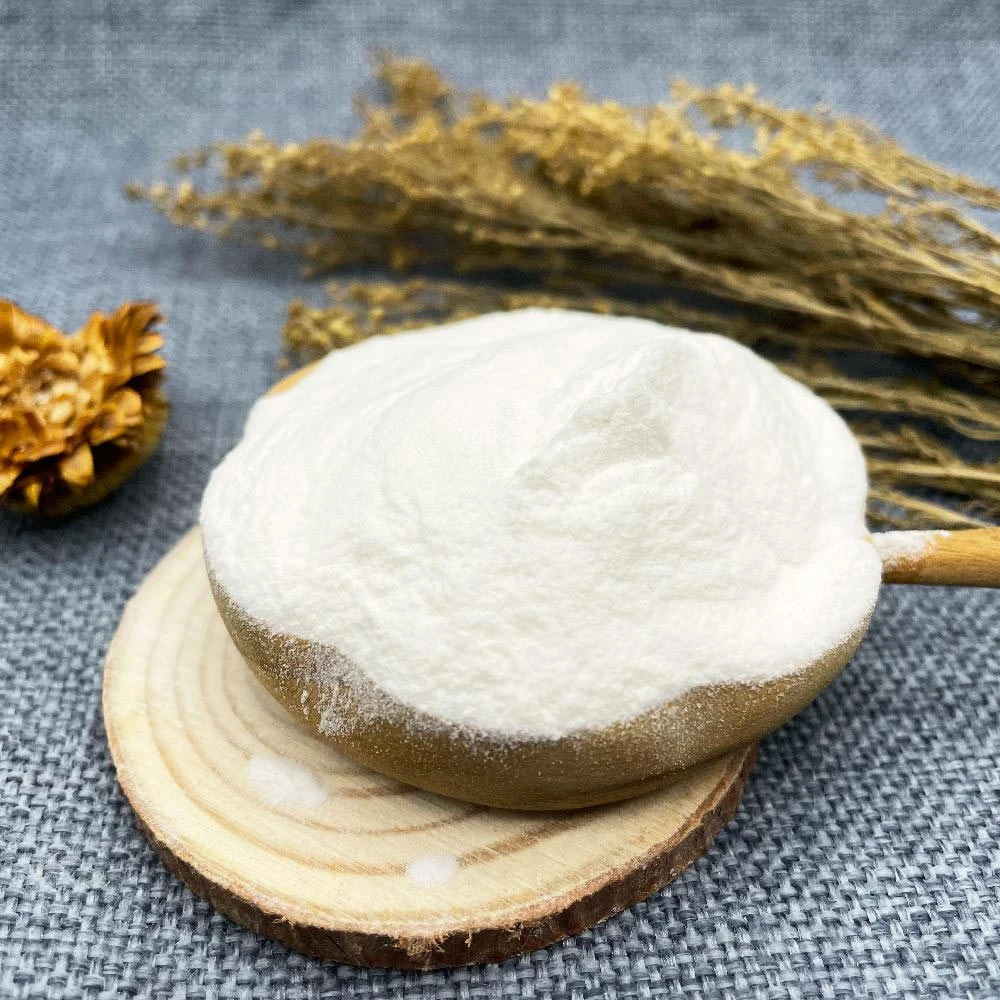
HEC gel is derived from cellulose, a naturally occurring polymer found in plant cell walls. Through a chemical modification process, hydroxyethyl groups are introduced into the cellulose structure, enhancing its water solubility and providing unique rheological properties. The gel form is achieved by dispersing HEC powder in water and allowing it to hydrate and swell. The resulting gel exhibits excellent thickening properties, even at low concentrations. This makes it ideal for applications where controlling viscosity and consistency is critical. Different grades of HEC are available, each offering varying viscosity levels and properties tailored to specific needs. Tangzhi HPMC provides a wide range of HEC gels to suit diverse industrial applications.
Key Highlights: HEC gel provides excellent thickening, binding, film-forming and water retention properties, making it suitable for numerous applications in industries like construction, pharmaceuticals, and cosmetics.
Key Properties of Hydroxyethyl Cellulose Gel
Several key properties define HEC gel’s functionality. Its non-ionic nature makes it compatible with a wide range of other ingredients. It offers exceptional thermal stability, resisting degradation at high temperatures. Furthermore, its pseudoplastic behavior – decreasing viscosity under shear stress – is beneficial in applications like paints and coatings, ensuring easy application. The gel’s ability to retain water prevents drying and cracking, crucial for products like adhesives and joint compounds. The grade and concentration of HEC significantly impact these properties, allowing for customization to meet precise application requirements. Tangzhi HPMC offers technical support to help customers select the optimal HEC grade for their needs.
Key Properties:
• Non-ionic & compatible with many ingredients
• Excellent thermal stability
• Pseudoplastic behavior – viscosity decreases under shear
• High water retention
Hydroxyethyl Cellulose Gel Applications Across Industries
HEC gel finds extensive use across a broad spectrum of industries. In construction, it's a crucial component in cement-based materials, tile adhesives, and joint compounds, improving workability and water retention. The pharmaceutical industry utilizes it as a thickening agent in topical formulations, eye drops, and controlled-release drug delivery systems. In cosmetics and personal care, it enhances the texture and stability of creams, lotions, shampoos, and gels. Other applications include paints and coatings, oil drilling fluids, ceramics, and textile printing. The versatility of HEC gel stems from its ability to modify the rheological properties and improve the performance of diverse products. Tangzhi HPMC provides tailored HEC solutions for these industries.
Comparing HEC Gel to Other Thickeners
While various thickeners exist, HEC gel distinguishes itself through several advantages. Compared to starch-based thickeners, HEC offers superior clarity, stability, and resistance to microbial degradation. Unlike some synthetic polymers, HEC is derived from a renewable resource (cellulose) making it a more sustainable option. While carboxymethyl cellulose (CMC) is also cellulose-derived, HEC often exhibits better compatibility with electrolytes and provides higher viscosity at equivalent concentrations. Choosing the right thickener depends on the specific application requirements, but HEC gel consistently delivers a balance of performance and sustainability. Contact Tangzhi HPMC for expert advice on selecting the ideal thickener for your formulation.

Product Specifications and Grade Options
Tangzhi HPMC offers a comprehensive range of HEC gel grades, each characterized by specific viscosity ranges and substitution levels. These variations allow for fine-tuning of the gel’s properties to match application-specific requirements. We provide detailed product specifications, including viscosity measurements (Brookfield), pH values, and moisture content, ensuring consistent quality. Customized formulations and packaging options are available to meet individual customer needs. Our quality control processes adhere to stringent industry standards, guaranteeing reliable and high-performance products.
Conclusion: Harnessing the Potential of Hydroxyethyl Cellulose Gel
Hydroxyethyl cellulose gel is a highly versatile and valuable polymer with a wide range of applications. Its unique properties – thickening, binding, water retention, and compatibility – make it an essential ingredient in numerous industries. By selecting the appropriate grade of HEC gel from Tangzhi HPMC, you can optimize product performance and achieve desired results. Embrace the potential of HEC gel to enhance your formulations and drive innovation.
Frequently Asked Questions (FAQs)
What is the shelf life of Hydroxyethyl Cellulose Gel?
When stored properly in a cool, dry place away from direct sunlight and heat, HEC gel generally has a shelf life of at least two years. However, it's crucial to store the product in tightly sealed containers to prevent moisture absorption, which can affect its performance. Over time, the viscosity may slightly change, but this usually doesn't compromise its functionality. We recommend conducting a simple viscosity check before use, especially after prolonged storage. Tangzhi HPMC ensures all products are shipped with a comprehensive certificate of analysis including batch details and recommended storage conditions.
How do I properly disperse HEC gel in water?
Proper dispersion is essential for achieving optimal viscosity and performance. Slowly add the HEC powder to cold or room temperature water while continuously stirring vigorously. Avoid dumping the powder in all at once, as this can lead to clumping. Use a high-shear mixer for more efficient dispersion, particularly for higher concentrations. Allow the mixture to hydrate for at least 30-60 minutes, or even overnight, to ensure complete dissolution. Vacuum degassing can help remove any entrapped air bubbles, resulting in a clear and consistent gel. Tangzhi HPMC provides detailed mixing guidelines for each HEC grade.
Is HEC gel biodegradable?
Hydroxyethyl cellulose is considered partially biodegradable. While it doesn't break down as rapidly as some natural polymers, it is more biodegradable than many synthetic alternatives. The rate of biodegradation depends on environmental conditions, such as temperature, moisture, and microbial activity. As it's derived from cellulose, a renewable resource, it offers a more sustainable option compared to fully synthetic polymers. Tangzhi HPMC is committed to offering environmentally friendly products, and HEC gel aligns with this commitment.
-
Exploring the Benefits of Hydroxyethyl Cellulose in Cosmetics FormulationsNewsJan.30,2026
-
Enhancing Hair Care Formulations with Hydroxyethyl Cellulose for HairNewsJan.27,2026
-
Exploring Hydrophobically Modified Hydroxyethyl Cellulose and Its Diverse ApplicationsNewsJan.27,2026
-
Understanding Hydroxyethyl Cellulose Structure: Benefits & Industry Insights | Tangzhi HPMCNewsJan.06,2026
-
Hydroxyethyl Cellulose Solubility in Water: Expert Insights & SpecsNewsJan.06,2026