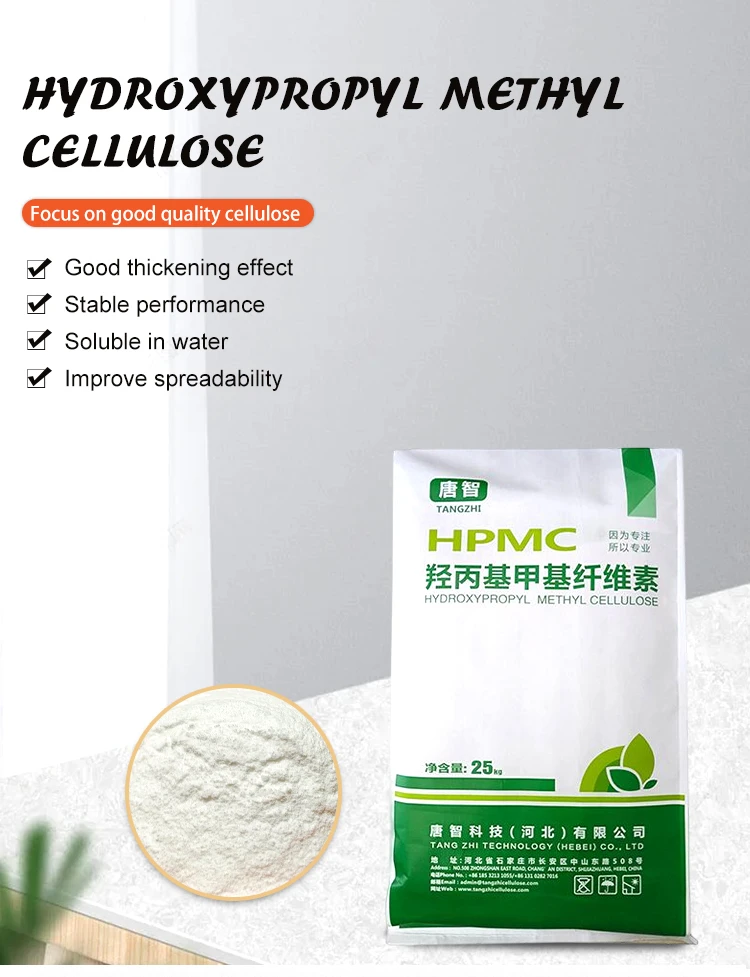
Hydroxyethyl Cellulose Solubility in Water: Expert Insights & Specs
Understanding hydroxyethyl cellulose solubility in water
Having spent quite a few years in the industrial equipment and chemical additives world, I’ve seen firsthand how subtleties in product properties can make or break a formulation. One compound that keeps popping up, especially when devising water-based solutions, is hydroxyethyl cellulose (HEC). Its solubility in water is a detail worth unpacking, frankly, because it shapes its versatility and performance in countless applications.
Let me share what I’ve learned from years of mixing, testing, and tweaking materials. Hydroxyethyl cellulose is a non-ionic, water-soluble polymer derived from cellulose, the ubiquitous natural polymer found in plants. What’s intriguing is that while cellulose itself is practically insoluble in water, chemically modifying it into HEC makes it swell and dissolve readily — but only under certain conditions. That’s the crux: the way HEC interacts with water depends heavily on factors like temperature, pH, molecular weight, and even how the polymer was manufactured.
Key Product Specifications of Hydroxyethyl Cellulose
| Specification | Details |
|---|---|
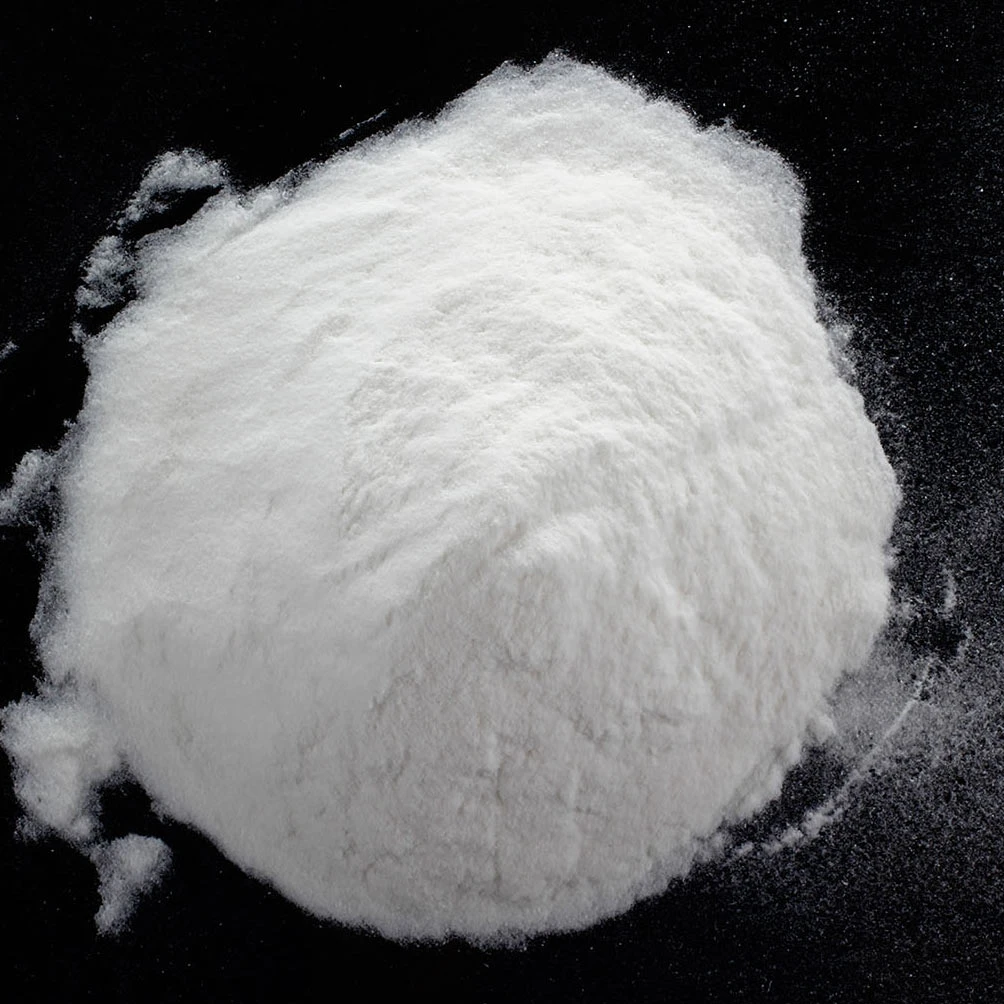
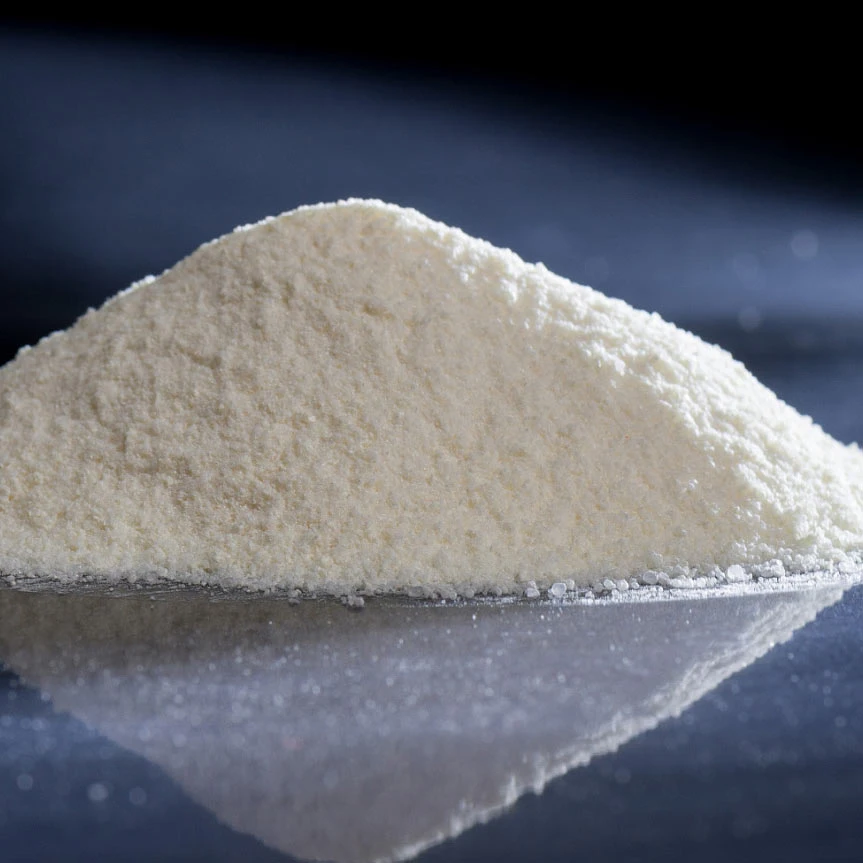
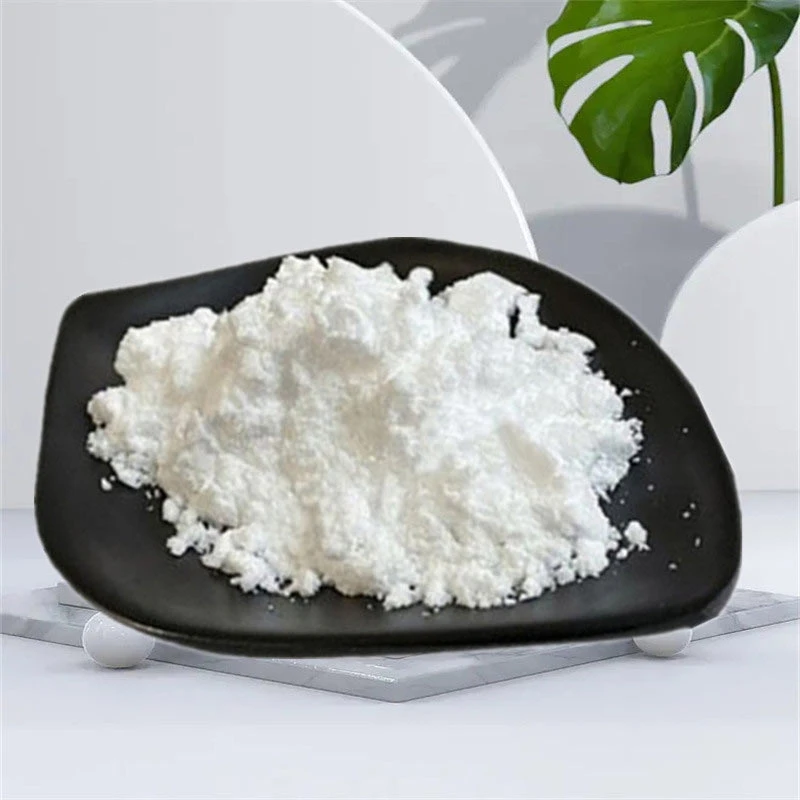
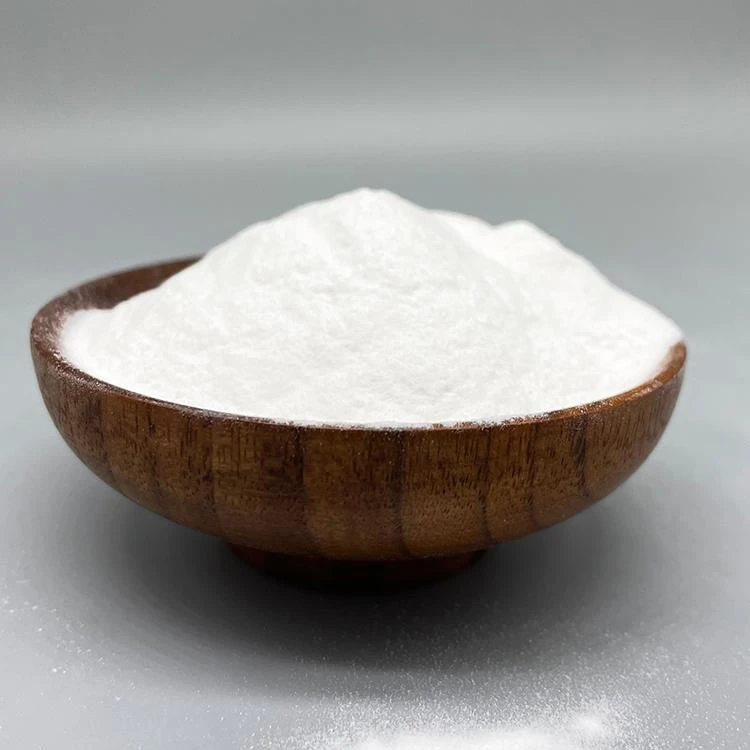
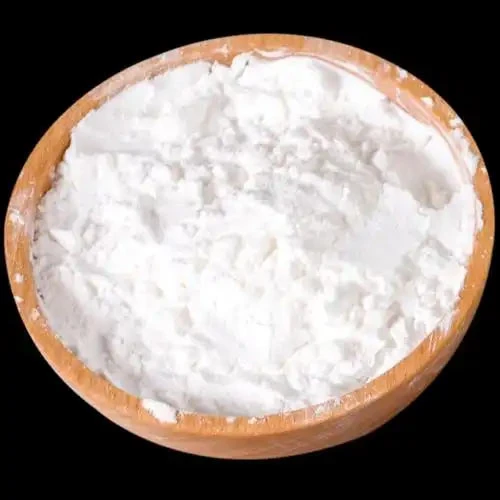
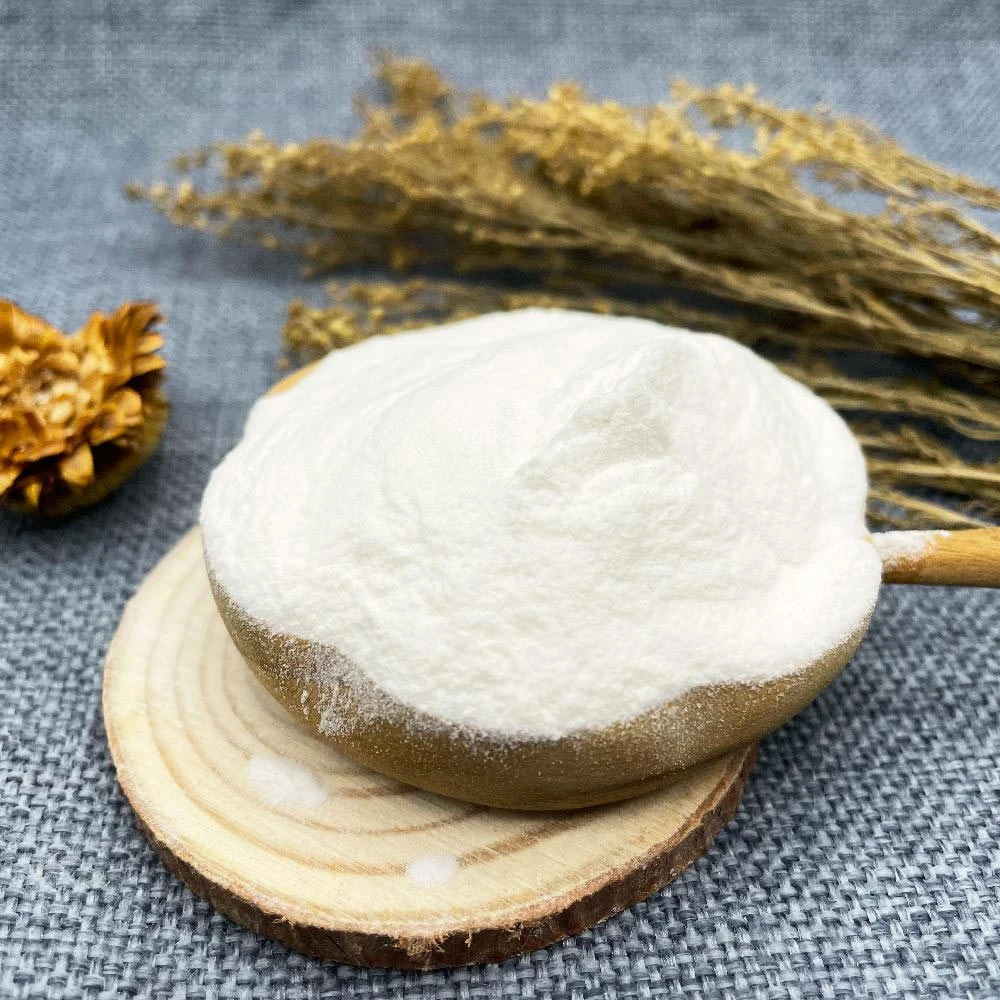
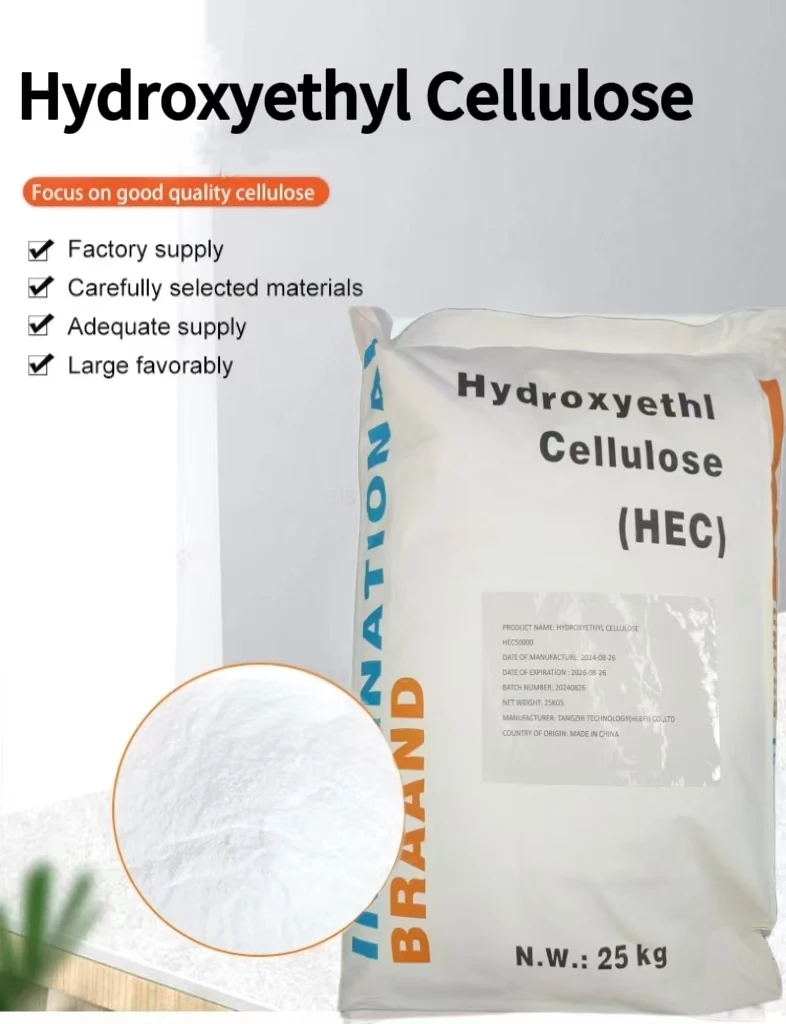
| Appearance | White to off-white powder |
| Molecular Weight | Typically 90,000 - 1,200,000 Da |
| Degree of Substitution (DS) | 0.2 - 0.5 (hydroxyethyl groups per anhydroglucose unit) |
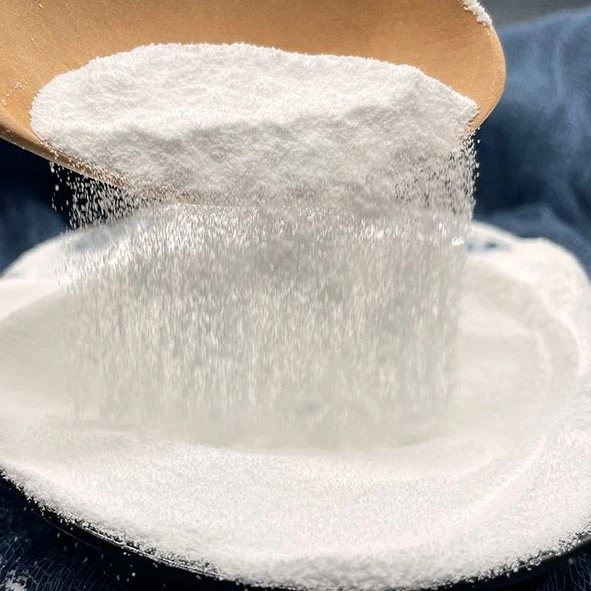
| Solubility | Soluble in cold and hot water, forms viscous solutions |
| pH Stability Range | pH 2 - 12 |
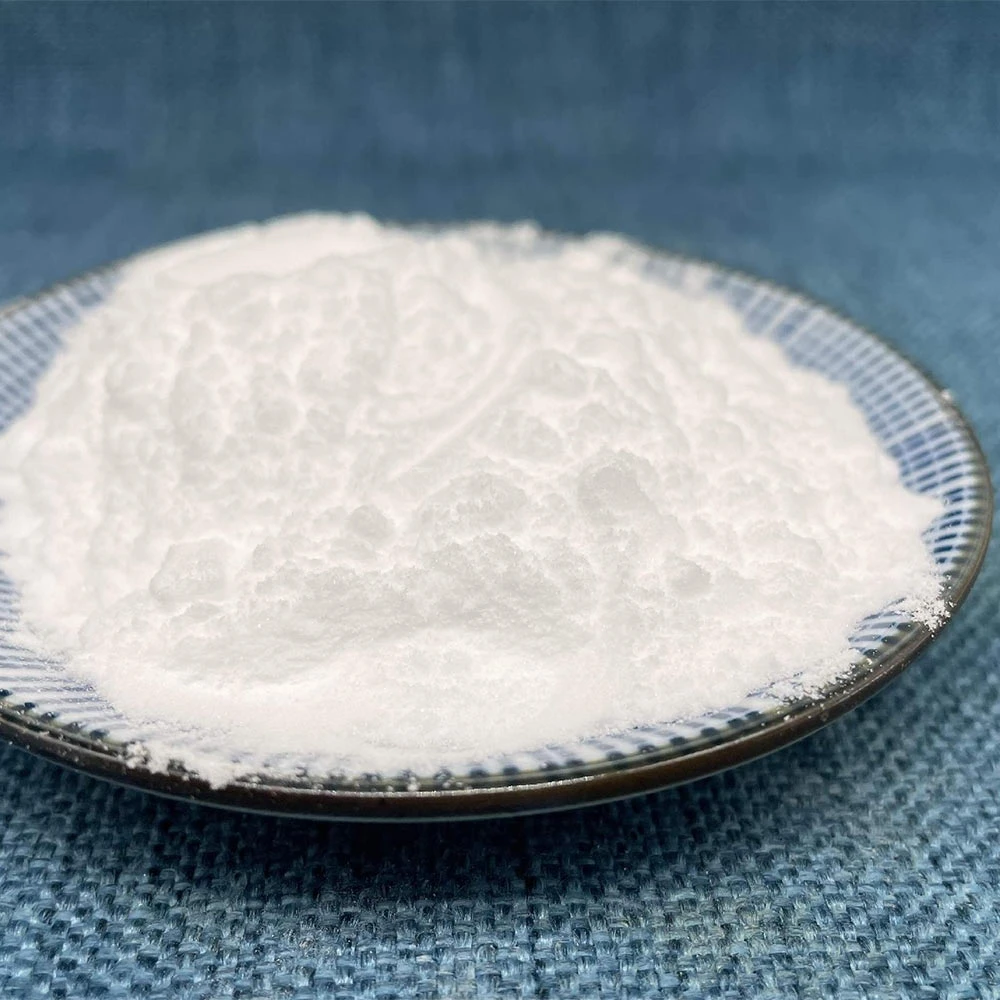
In practical terms, HEC’s solubility is almost a neat trick. You literally sprinkle the powder into water, and it starts to hydrate, swelling into a gel-like consistency. But, oddly enough, if you dump powder directly into hot water, or add too much powder at once, you might see clumps — a problem known in the industry as "fish eyes". This is one reason why many engineers prefer pre-dispersing the powder in a small quantity of a non-solvent or using slow agitation. It’s kind of an art as much as science, especially when scaling up to industrial mixing tanks.
Vendor Comparison: Hydroxyethyl Cellulose Suppliers
| Vendor | Product Range | Typical Applications | Quality Certifications | Lead Time |
|---|---|---|---|---|
| Tangzhi HPMC | Customizable DS and viscosity, various grades | Industrial coatings, adhesives, oilfield chemicals | ISO 9001, REACH | 2-3 weeks |
| Dow Chemical | Wide range of molecular weights and viscosities | Pharmaceutical, personal care, construction | ISO 9001, FDA | 1-2 weeks |
| Ashland | Specialty and standard grades | Cosmetics, coatings, textiles | ISO 9001, Kosher | 3-4 weeks |
From my time in plants, I noticed Tangzhi’s HEC offerings are quite flexible. They tailor substitution degrees and viscosities to fit the client’s needs, which is a huge advantage. For example, a customer in the oilfield sector once switched to a tailored hydroxyethyl cellulose product for their mud formulation. Not only was the solubility behavior smoother, but they improved suspension stability, cutting downtime. That’s the kind of practical benefit that’s hard to overstate.
It’s also worth noting the environmental trends impacting hydroxyethyl cellulose demand. With regulations tightening on volatile organic compounds (VOCs), water-based formulations with reliable, eco-friendly thickening agents like HEC become increasingly attractive. Interestingly, the quality and purity of HEC affect not just solubility but also shelf life and compatibility with other additives — details many fresh formulators overlook.
In conclusion, understanding hydroxyethyl cellulose solubility isn’t just about the chemical itself but how it plays in the real world: mixing techniques, solution conditions, and application demands. It feels like a hidden art that seasoned process engineers earn through experience and close collaboration with suppliers. For anyone venturing into water-thickening agents, I’d say start with small batches, get to know your supplier’s grades, and don’t rush the hydration step — patience goes a long way.
References:
- “Hydroxyethyl Cellulose - Properties and Applications,” Chemical Industry Journal, 2022.
- Personal Interview with R&D Engineer, Tangzhi HPMC, 2023.
- “Water Solubility Behavior of Cellulose Ethers,” Polymer Science Review, 2021.
-
Exploring the Benefits of Hydroxyethyl Cellulose in Cosmetics FormulationsNewsJan.30,2026
-
Comprehensive Guide to Hydroxyethyl Cellulose Gel Properties and Industrial ApplicationsNewsJan.28,2026
-
Enhancing Hair Care Formulations with Hydroxyethyl Cellulose for HairNewsJan.27,2026
-
Exploring Hydrophobically Modified Hydroxyethyl Cellulose and Its Diverse ApplicationsNewsJan.27,2026
-
Understanding Hydroxyethyl Cellulose Structure: Benefits & Industry Insights | Tangzhi HPMCNewsJan.06,2026