Hydroxyethyl Cellulose Solubility in Ethanol | Industrial Insights
Understanding hydroxyethyl cellulose solubility in ethanol: My take from the field
After spending well over a decade in industrial equipment and materials, I’ve seen my fair share of polymers and their quirks. Hydroxyethyl cellulose (HEC) stands out as one of those versatile workhorses, especially when it comes to thickening, binding, or stabilizing in a variety of liquids. But when ethanol gets involved, things become a bit more... nuanced.
So, what actually happens with hydroxyethyl cellulose solubility in ethanol? Honestly, it’s not a simple “yes or no” answer. I noticed early on that HEC doesn’t just dissolve outright in pure ethanol; the polymer’s molecular structure favors water, making it hydrophilic. Ethanol, being less polar, kind of resists that solubility. The upshot: HEC typically swells or partially dissolves in ethanol-water blends rather than pure ethanol.
This got me thinking—many engineers in coatings and pharmaceuticals speak about optimizing solvent blends to hit the ‘sweet spot’ of solubility and viscosity. Frankly, you want enough ethanol to adjust drying times or solvent strength, but also enough water content to let the HEC do its magic.
A little story to illustrate: A client once struggled to formulate a lightweight coating that dried quickly but remained stable on shelves. They tried straight ethanol with some HEC, but the product gelled or precipitated. Once they switched to a carefully balanced ethanol-water system, the HEC dissolved uniformly, giving the desired consistency. That’s exactly where understanding solubility profiles makes all the difference.
Quick Overview: Hydroxyethyl Cellulose Specifications
| Property | Typical Value | Comments |
|---|---|---|
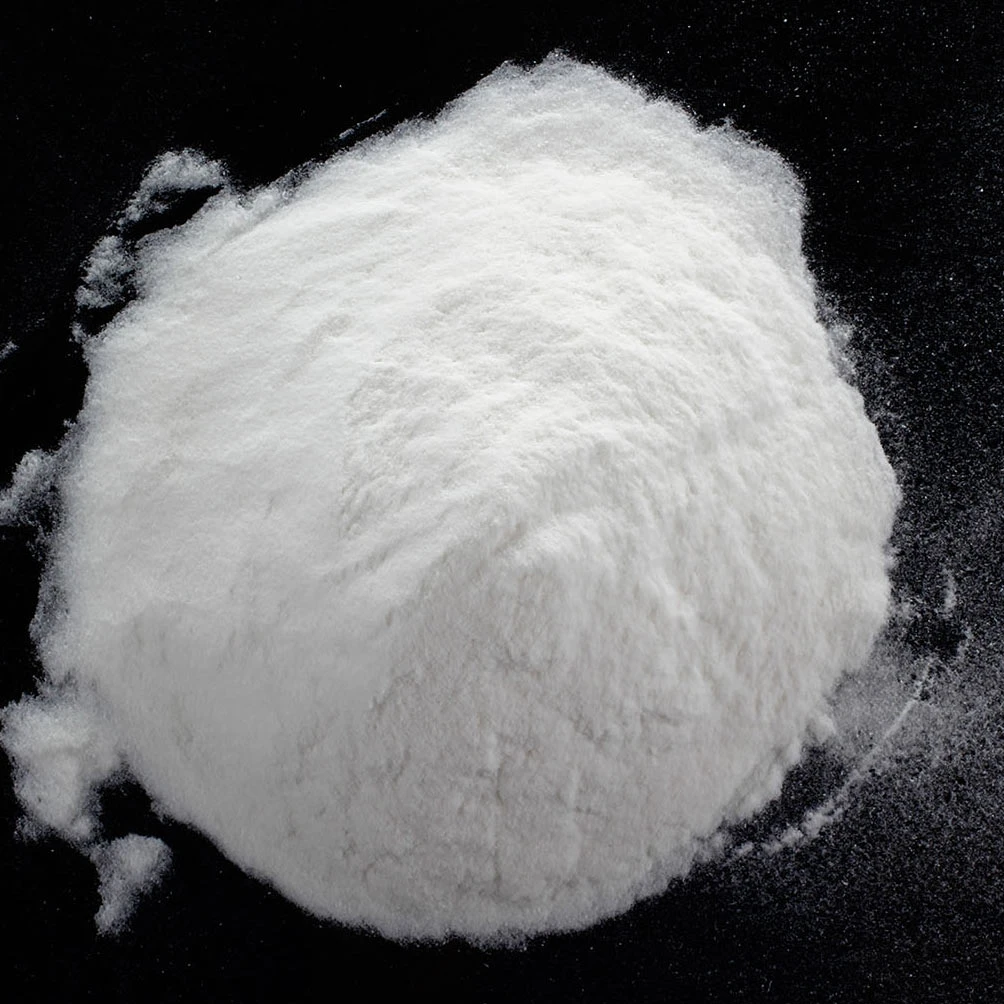
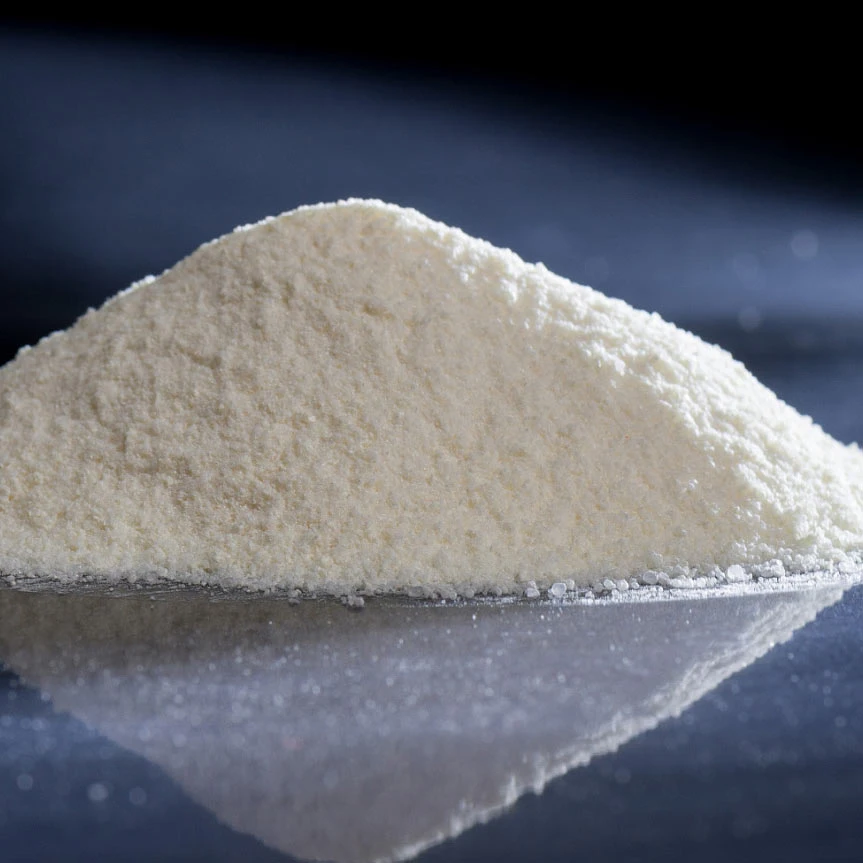
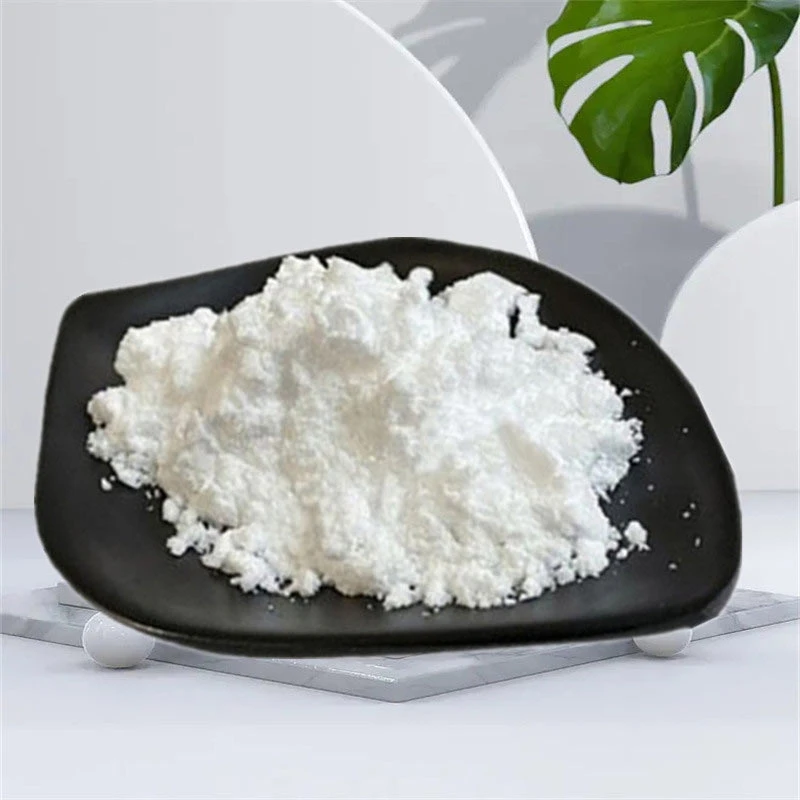
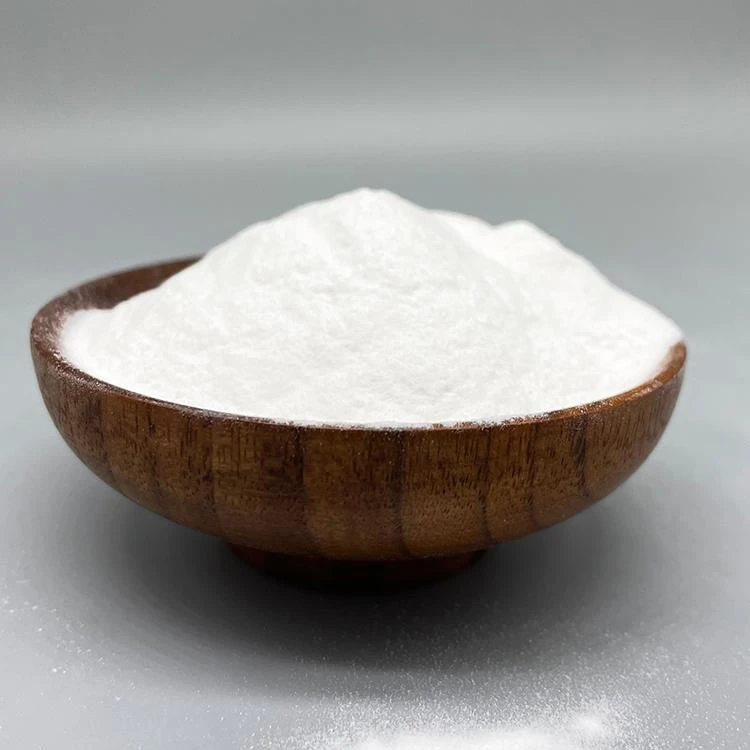
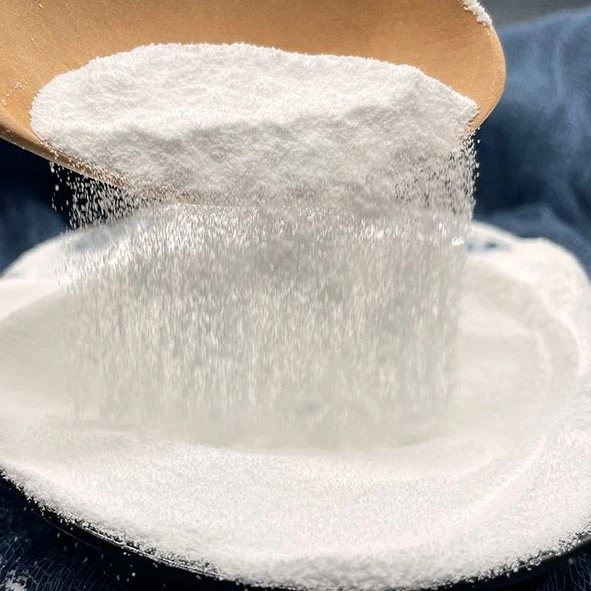
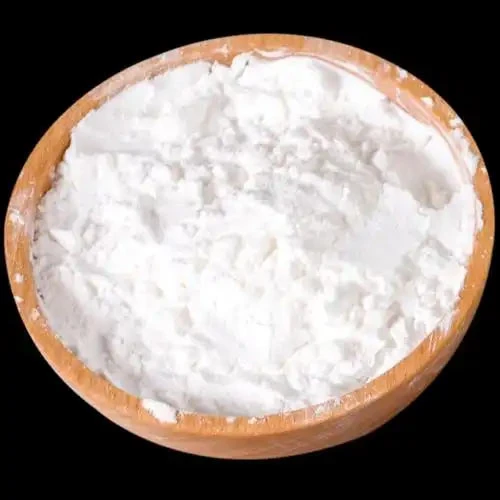
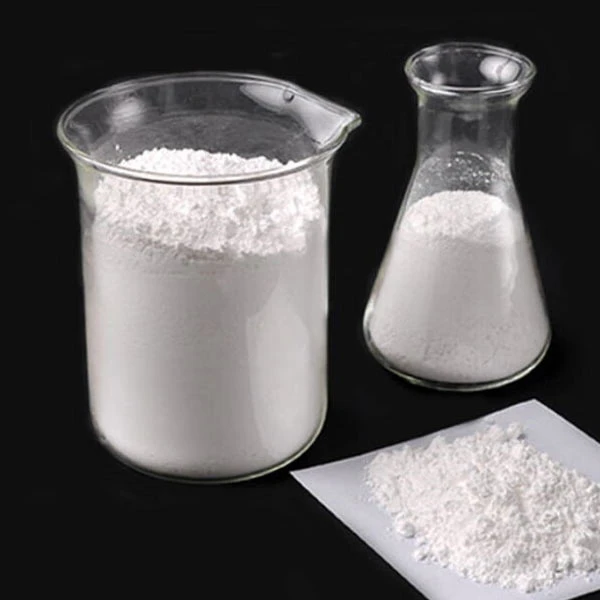
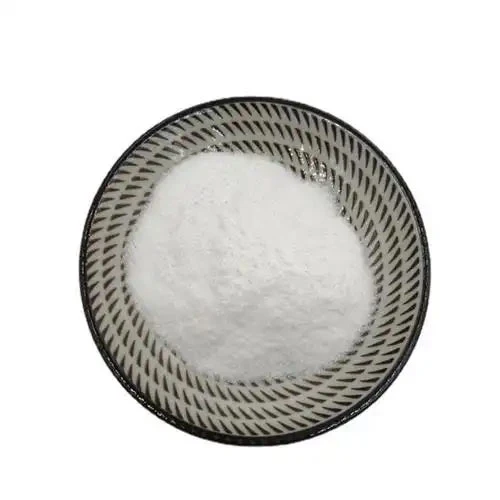
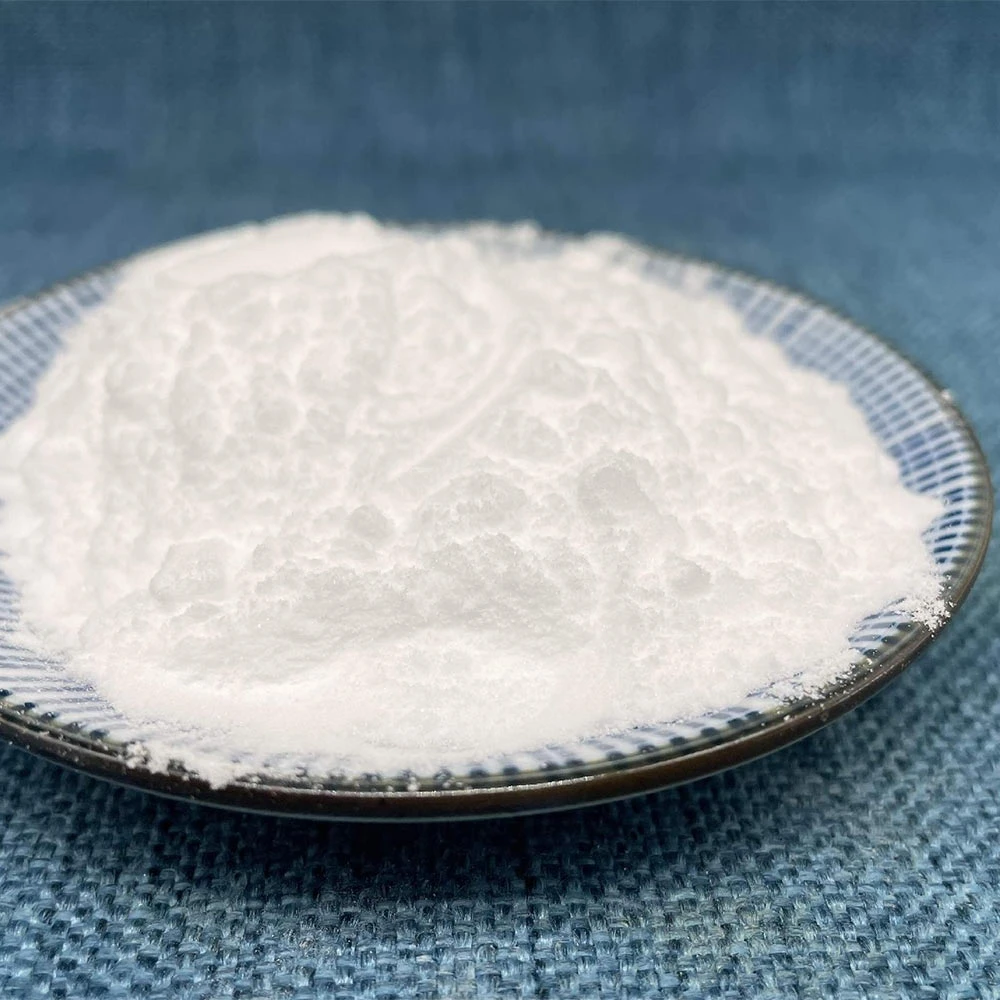
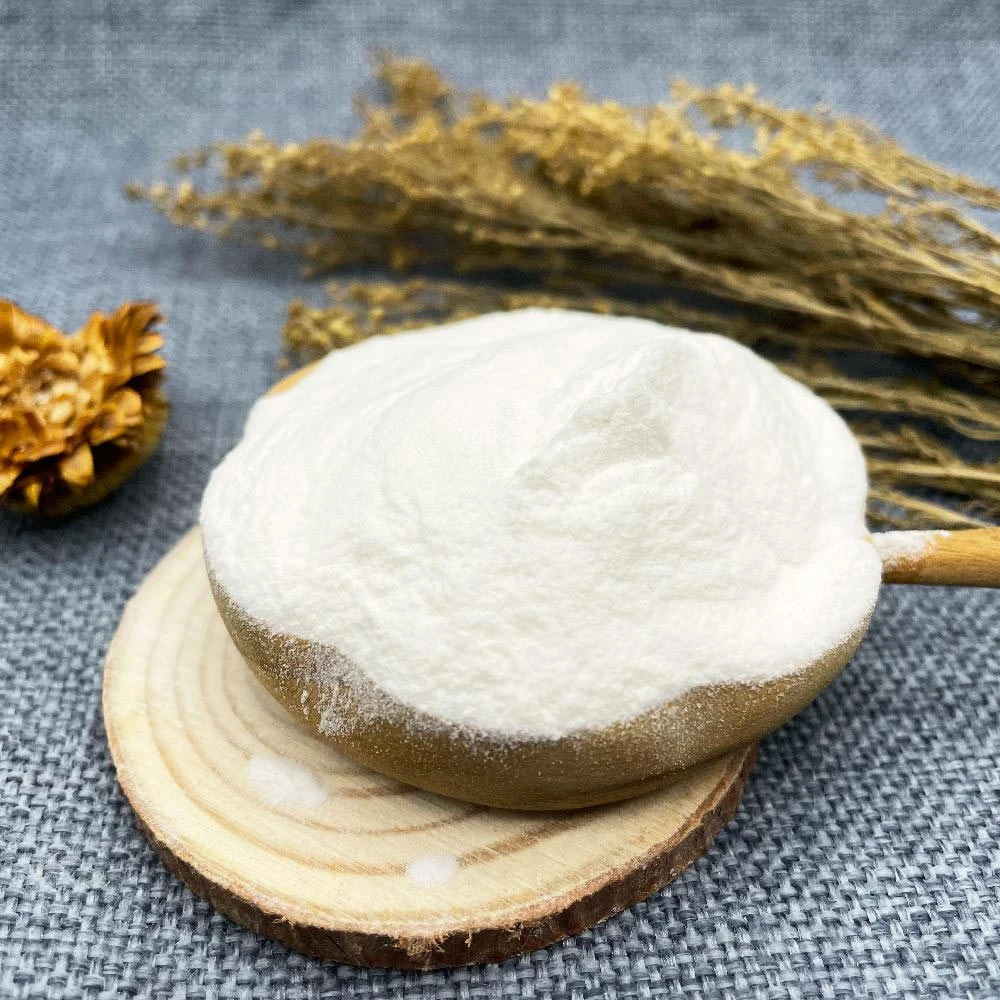
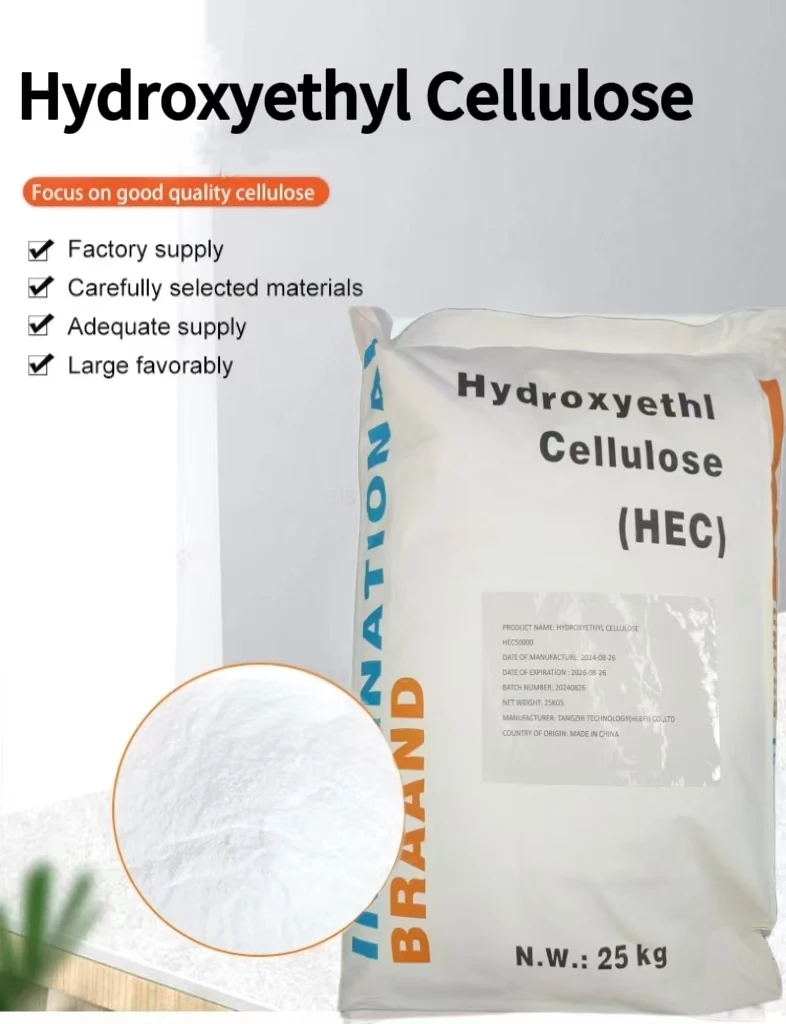
| Appearance | White to light tan powder | Fine granules, easy to disperse |
| Molecular Weight | Approx. 90,000 - 1,200,000 g/mol | Varies by grade |
| Substitution Degree | 28-30% | Hydroxyethyl groups on cellulose backbone |
| Solubility | Water soluble; limited in ethanol | Swells in ethanol, better in ethanol-water blends |
| Viscosity (2% solution) | 100 - 10,000 mPa·s | Dependent on molecular weight |
In real terms, this means if you’re formulating something that will use ethanol as a solvent or co-solvent, testing your hydroxyethyl cellulose solubility with varying ethanol-water ratios is critical. The wrong ratio can cause clumps or incomplete dissolution, potentially wrecking your product’s performance.
How Does Tangzhi’s HEC Compare With Some Industry Options?
| Vendor | Typical Grade | Solubility in Ethanol | Viscosity Range (mPa·s) | Price Competitiveness |
|---|---|---|---|---|
| Tangzhi | HEC-90,000 | Swells in ethanol; soluble in ethanol-water blends | 500 - 10,000 | High value, cost-effective |
| Competitor A | HEC-100,000 | Poor solubility in ethanol | 300 - 8,000 | Premium pricing |
| Competitor B | HEC-85,000 | Moderate ethanol solubility | 400 - 9,000 | Mid-range |
I've dealt with formulations where the right balance of properties was key, and Tangzhi’s HEC usually hits the mark thanks to its reliable viscosity and solubility balance. Oddly enough, even a slight tweak in ethanol concentration could tip the system from gel-like to perfectly fluid. So, detailed testing remains essential.
To sum up, if you’re mixing hydroxyethyl cellulose with ethanol, keep in mind it’s not about plopping powder into pure ethanol and expecting magic. It’s a bit of a dance — ethanol content, water ratio, HEC grade, viscosity — all intertwined. With patience and the right materials, you’ll get there.
— From one chemical formulator to another, keep experimenting but keep it steady.
References
- Basic Polymer Chemistry, 3rd Edition, John Wiley & Sons
- Industry Case Studies on HEC Solubility, Journal of Coatings Technology
- Tangzhi Hydroxyethyl Cellulose Product Datasheets
-
Exploring the Benefits of Hydroxyethyl Cellulose in Cosmetics FormulationsNewsJan.30,2026
-
Comprehensive Guide to Hydroxyethyl Cellulose Gel Properties and Industrial ApplicationsNewsJan.28,2026
-
Enhancing Hair Care Formulations with Hydroxyethyl Cellulose for HairNewsJan.27,2026
-
Exploring Hydrophobically Modified Hydroxyethyl Cellulose and Its Diverse ApplicationsNewsJan.27,2026
-
Understanding Hydroxyethyl Cellulose Structure: Benefits & Industry Insights | Tangzhi HPMCNewsJan.06,2026
-
Hydroxyethyl Cellulose Solubility in Water: Expert Insights & SpecsNewsJan.06,2026