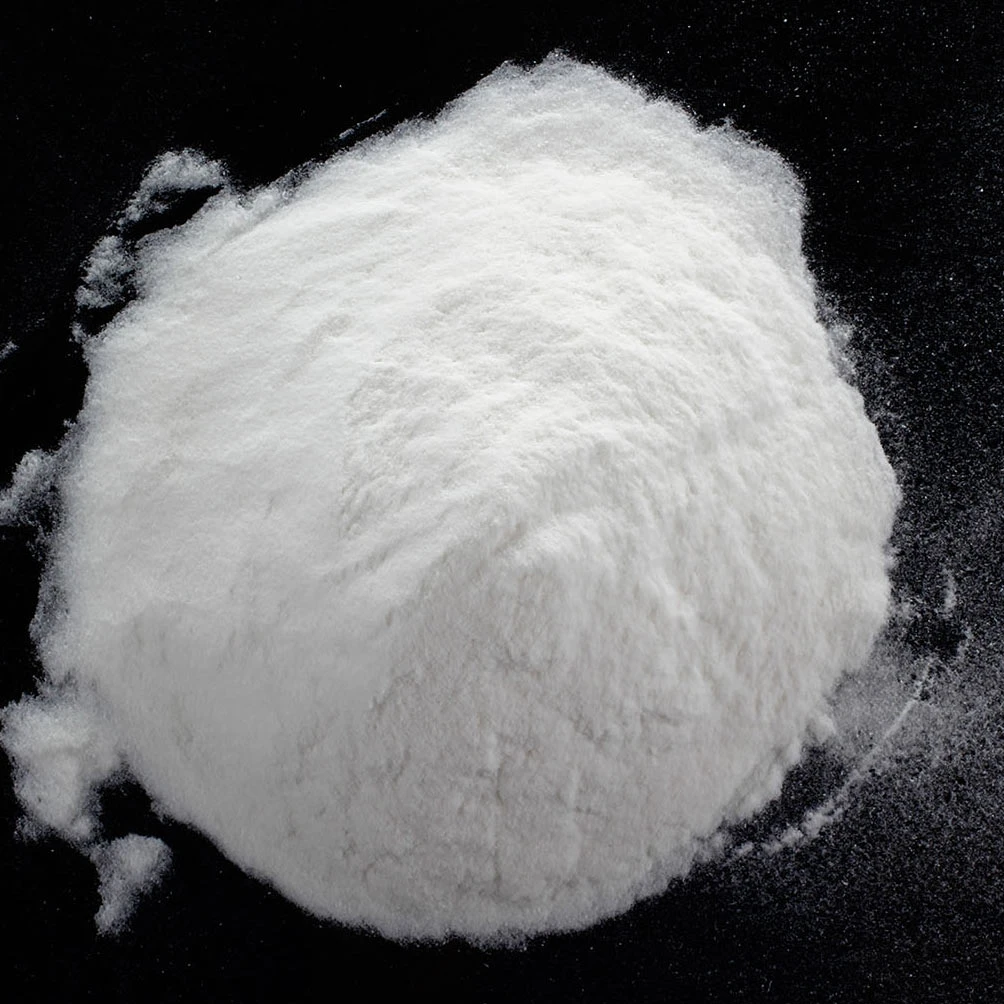
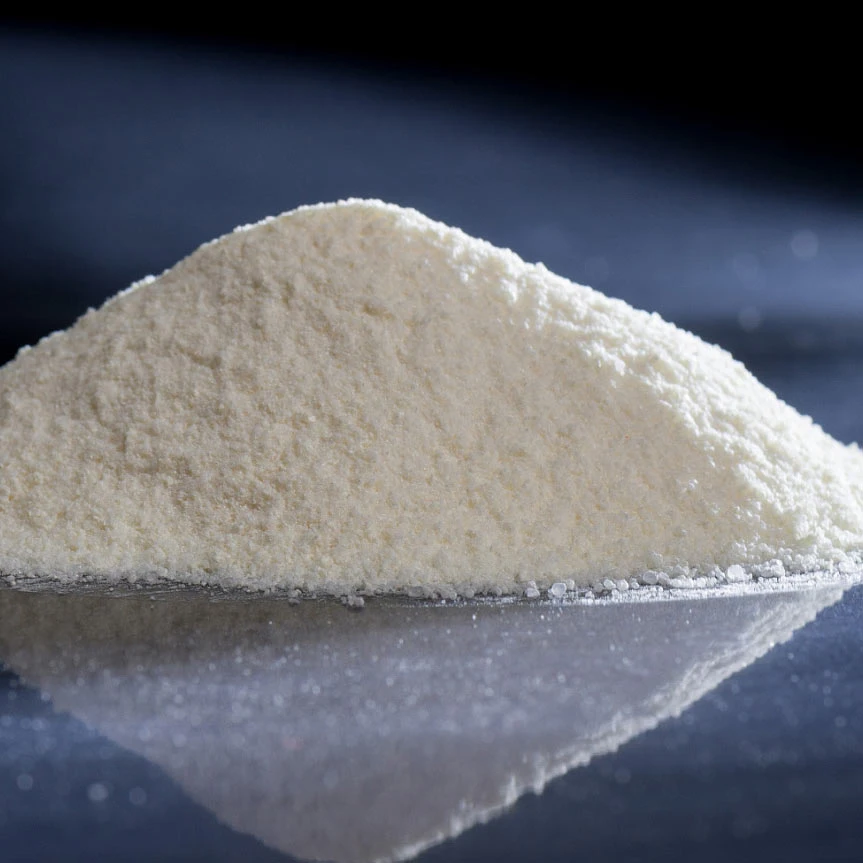
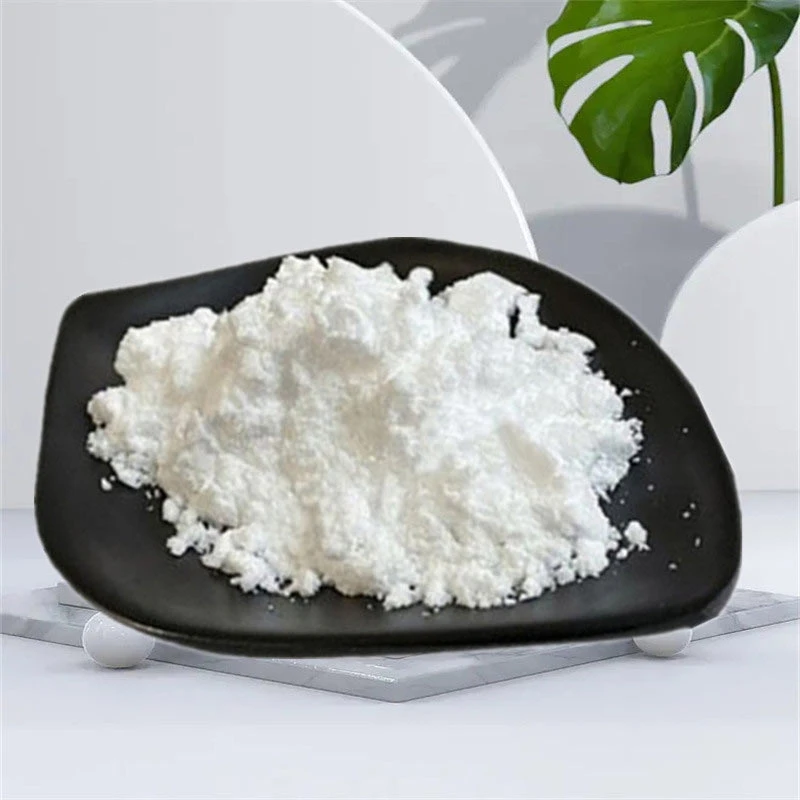
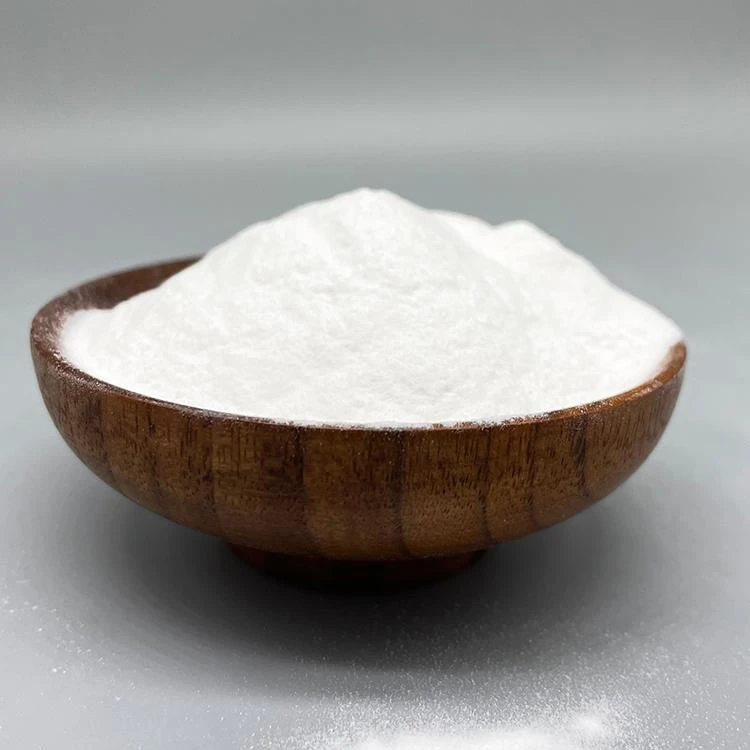
Enhancing Hair Care Formulations with Hydroxyethyl Cellulose for Hair
Hydroxyethyl Cellulose for Hair: A Comprehensive Guide
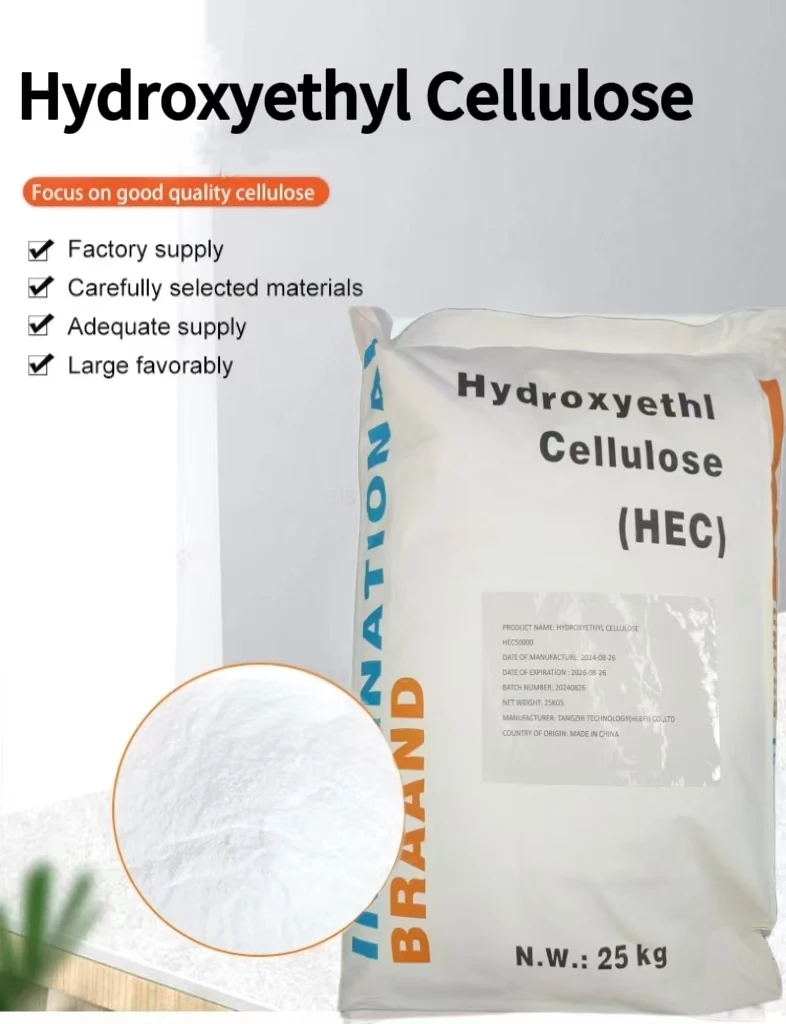
Are you looking for a versatile ingredient to enhance your hair care formulations? Hydroxyethyl cellulose (HEC) for hair is a widely used polymer offering thickening, stabilizing, and film-forming properties. This article provides an in-depth look at HEC's benefits, applications, and considerations for optimal use in hair care products. Understanding the unique qualities of HEC will help you create superior hair products that deliver exceptional performance and customer satisfaction. Tangzhi HPMC is a professional manufacturer of HEC.
What is Hydroxyethyl Cellulose and Why Use it in Hair Care?
Hydroxyethyl cellulose is a water-soluble polymer derived from cellulose. It’s prized for its ability to increase viscosity, provide excellent suspension, and create a smooth, elegant feel in formulations. In hair care, HEC functions as a thickening agent in shampoos, conditioners, styling gels, and hair masks. Its film-forming properties contribute to better product deposition and longer-lasting styles. Moreover, HEC’s non-ionic nature makes it compatible with a wide range of other ingredients, enhancing formulation flexibility. It also offers excellent stability over a broad pH range.
Key Benefits: Excellent thickening agent, provides smooth texture, compatible with a wide range of ingredients, enhances stability, and offers film-forming properties.
Hydroxyethyl Cellulose for Hair: Applications in Different Products
HEC’s versatility shines through its diverse applications within the hair care industry. In shampoos, it contributes to a richer lather and improved viscosity, enhancing the cleansing experience. Conditioners benefit from HEC’s smoothing and detangling properties, leaving hair manageable and soft. Styling products, such as gels and mousses, utilize HEC to provide hold and definition without flakiness or stickiness. Hair masks and treatments leverage HEC to suspend active ingredients and deliver a luxurious, creamy texture. The amount of HEC used will depend on the desired viscosity and performance characteristics of the final product.
Application Benefits:
• Enhances lather in shampoos
• Improves detangling in conditioners
• Provides hold and definition in styling products
• Delivers a creamy texture in masks
Comparing Hydroxyethyl Cellulose to Other Thickeners
While several thickeners are available for hair care formulations, HEC for hair stands out for its unique combination of properties. Compared to carbomers, HEC offers better compatibility with electrolytes and a less tacky feel. Unlike guar gum, HEC provides clearer solutions and superior stability. Its performance and ease of use make it a favored choice for formulators seeking consistent results. Consideration should be given to cost and specific formulation requirements when selecting a thickener.
Product Specifications & Grades of Hydroxyethyl Cellulose
Tangzhi HPMC offers various grades of hydroxyethyl cellulose for hair, each tailored to meet specific formulation needs. These grades differ in viscosity, particle size, and substitution degree. Viscosity typically ranges from 4,000 to 100,000 cps, allowing for precise control over product texture. Particle size influences dissolution rate, while the substitution degree affects water solubility and compatibility with other ingredients. Selecting the appropriate grade is essential for achieving the desired performance characteristics.
Considerations for Formulation and Stability
When incorporating HEC into hair care formulations, consider the following: proper hydration is critical for achieving full viscosity. HEC should be dispersed in cold water with vigorous mixing before being heated. Avoid overheating, as this can degrade the polymer. Ensure compatibility with other ingredients to prevent precipitation or phase separation. Perform stability testing to assess the long-term performance of the formulation under various storage conditions. By following these guidelines, you can maximize the benefits of HEC and create stable, high-quality hair care products.
Conclusion: Maximizing Hair Care Performance with Hydroxyethyl Cellulose
Hydroxyethyl cellulose for hair is a powerful and versatile ingredient that can significantly enhance the performance and aesthetics of your hair care formulations. Its thickening, stabilizing, and film-forming properties make it an ideal choice for a wide range of products, from shampoos and conditioners to styling gels and hair masks. By understanding its properties and proper formulation techniques, you can unlock its full potential and create innovative hair care solutions that meet the evolving needs of consumers. Partner with Tangzhi HPMC for reliable supply and expert support.
Frequently Asked Questions (FAQs)
What is the recommended usage level of HEC in shampoo formulations?
The optimal usage level of HEC in shampoo formulations typically ranges from 0.5% to 2.0%, depending on the desired viscosity and clarity. Lower concentrations provide subtle thickening and stabilization, while higher concentrations yield a richer, more luxurious texture. It’s crucial to consider the presence of other ingredients, such as surfactants and salts, as they can influence the required HEC concentration. Start with a lower percentage and gradually increase until the desired viscosity is achieved, ensuring compatibility and stability throughout the process. Tangzhi HPMC can provide guidance on specific formulation needs.
Can HEC be used in leave-in hair conditioners?
Yes, HEC is well-suited for use in leave-in hair conditioners. Its film-forming properties help to detangle hair, reduce frizz, and provide a smooth, silky feel. The concentration typically ranges from 0.2% to 1.0%, depending on the desired level of conditioning and hold. It’s important to ensure that the HEC is fully dissolved and dispersed to avoid any tackiness or residue. Combining HEC with other conditioning agents, such as silicones and emollients, can further enhance the benefits of leave-in conditioners.
How does HEC affect the clarity of hair care formulations?
HEC generally contributes to excellent clarity in hair care formulations, especially when used at lower concentrations and properly hydrated. However, higher concentrations or incomplete hydration can result in a slightly hazy appearance. Using a high-quality grade of HEC with a narrow particle size distribution and ensuring thorough dispersion are essential for maintaining clarity. Additionally, the presence of other ingredients, such as pigments or insoluble oils, can also impact the overall clarity of the formulation.
Is Hydroxyethyl Cellulose a natural ingredient?
While HEC is derived from cellulose, which is a naturally occurring polymer found in plants, the process of converting cellulose into HEC involves chemical modifications. Therefore, it is not considered a fully “natural” ingredient in the same way as pure plant extracts or oils. However, it is widely accepted and considered safe for use in cosmetic formulations by regulatory bodies globally. It is often favored as a plant-derived alternative to synthetic polymers.
-
Exploring the Benefits of Hydroxyethyl Cellulose in Cosmetics FormulationsNewsJan.30,2026
-
Comprehensive Guide to Hydroxyethyl Cellulose Gel Properties and Industrial ApplicationsNewsJan.28,2026
-
Exploring Hydrophobically Modified Hydroxyethyl Cellulose and Its Diverse ApplicationsNewsJan.27,2026
-
Understanding Hydroxyethyl Cellulose Structure: Benefits & Industry Insights | Tangzhi HPMCNewsJan.06,2026
-
Hydroxyethyl Cellulose Solubility in Water: Expert Insights & SpecsNewsJan.06,2026