Understanding Hydroxyethyl Cellulose Structure: Benefits & Industry Insights | Tangzhi HPMC
Hydroxyethyl Cellulose Structure is a key solution in the industry, specifically within sectors like paints, coatings, adhesives, and oilfield drilling. This article explores how https://www.tangzhihpmc.com supports professionals with durable, high-performance products, and explains why this product is an ideal choice for businesses in these sectors.
Table of Contents
- Hydroxyethyl Cellulose Structure Overview
- Benefits & Use Cases of Hydroxyethyl Cellulose Structure
- Cost, Maintenance & User Experience
- Sustainability & Market Trends
Hydroxyethyl Cellulose Structure Overview
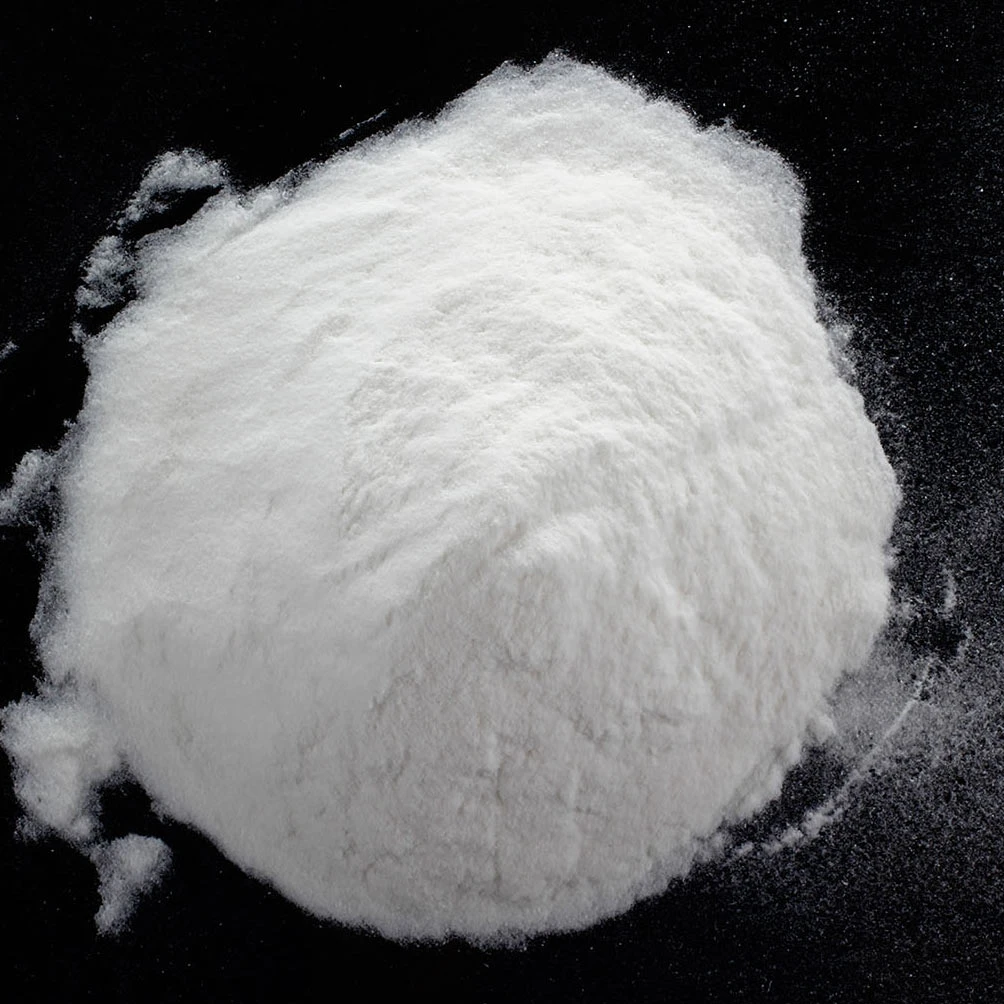
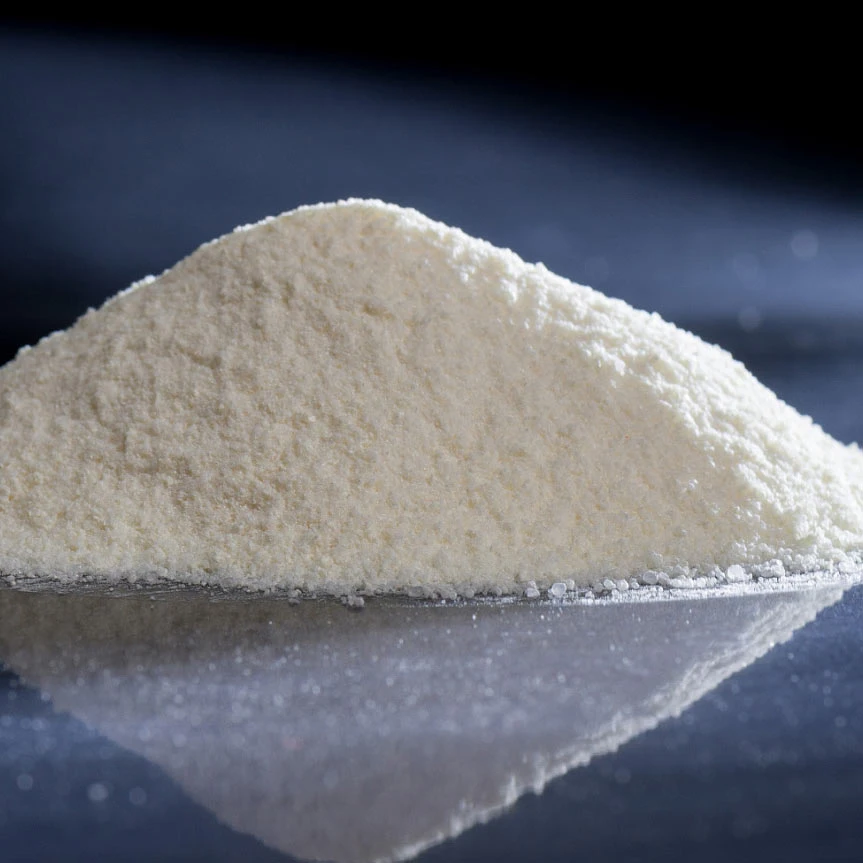
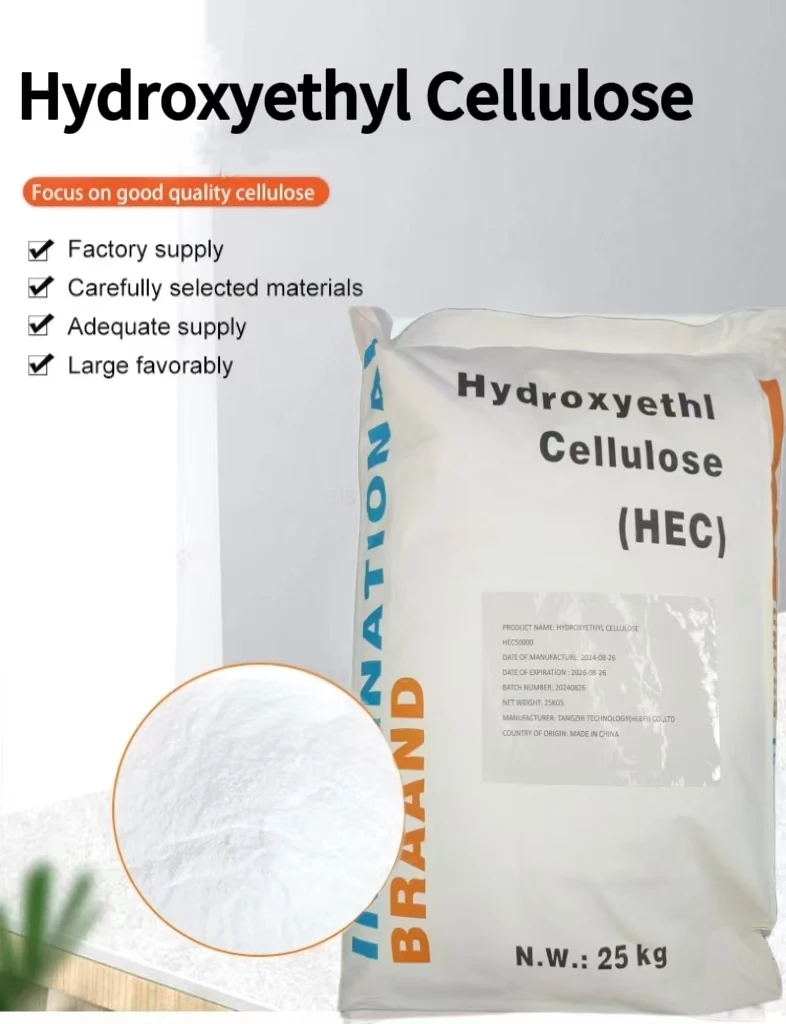
Hydroxyethyl Cellulose (HEC) is a non-ionic, water-soluble polymer derived from cellulose, which itself is a natural polymer found in plant cell walls. The Hydroxyethyl Cellulose Structure essentially features hydroxyethyl groups (-CH2CH2OH) attached to the cellulose backbone, lending it unique thickening, gelling, and stabilizing properties. This chemical architecture allows HEC to swell in water and form a viscous solution without changing the liquid’s pH, making it incredibly versatile.
- HEC’s molecular weight ranges typically between 90,000 to 1,250,000 Daltons, influencing its viscosity and solubility.
- Tangzhi’s products comply with industry standards for purity and performance, evidenced by rigorous lab testing and real-world applications.
| Specification | Typical Value | Unit |
|---|---|---|
| Viscosity (2% soln.) | 2000-8000 | mPa·s (Brookfield) |
| pH (1% solution) | 6.5 – 8.5 | |
| Moisture Content | ≤5 | % |
| Degree of Substitution (DS) | 1.8 – 2.5 |
Benefits & Use Cases of Hydroxyethyl Cellulose Structure
If you look around industries like paints or cosmetics, Hydroxyethyl Cellulose’s structure is a godsend. Its ability to control viscosity means manufacturers can tailor products with consistent texture and improved stability. For instance, in paint formulations, HEC acts as a water retention agent and thickener, helping pigments disperse evenly without clumping.
- In drilling fluids for the oil and gas industry, this structure supports fluid loss control and improves the rheology under extreme conditions.
- Its non-ionic character also ensures broad compatibility with other polymers and salts, avoiding unwanted reactions.
Tangzhi’s Hydroxyethyl Cellulose products are praised for their high purity and performance consistency, which frankly can sometimes be a bother to find elsewhere. The competitive edge comes down to raw material sourcing and quality control—both areas where Tangzhi invests heavily.
Cost, Maintenance & User Experience
For B2B decision makers, the total cost of ownership matters more than just the upfront price. Hydroxyethyl Cellulose’s durability and ease of handling reduce downtime and maintenance costs notably. You don't have to worry excessively about degradation in storage — it remains stable under ambient conditions if you keep it dry.
Customer testimonials often point out that the ROI on using Tangzhi’s HEC stems from reduced formulation failures, less raw material waste, and smoother manufacturing runs. One paint manufacturer noted a 15% reduction in production scrap rate after switching.
| Vendor | Product Purity (%) | Customer Rating (1-5) | Typical Lead Time (days) |
|---|---|---|---|
| Tangzhi | >98 | 4.8 | 14-21 |
| Competitor A | 95 | 3.9 | 21-28 |
| Competitor B | 97 | 4.2 | 18-25 |
Sustainability & Market Trends
With increasing worldwide emphasis on sustainability, the fact that Hydroxyethyl Cellulose is cellulose-based makes it quite attractive from a greener chemistry perspective. Its biodegradability and relatively low toxicity comply well with evolving regulations, particularly in cosmetics and personal care products.
The global demand for HEC is expected to grow steadily, driven by trends toward water-based products and reduced volatile organic compounds (VOC) in coatings and paints. Tangzhi aligns with these market shifts by enhancing product quality while lowering environmental impact.
Frequently Asked Questions about Hydroxyethyl Cellulose Structure
- What is Hydroxyethyl Cellulose Structure and how does it work?
- It’s a cellulose polymer modified by hydroxyethyl groups, which makes it water-soluble and allows it to thicken and stabilize liquids effectively. Its molecular design enables it to bind water molecules, increasing viscosity without drastically changing other properties.
- What are the main benefits of using Hydroxyethyl Cellulose Structure in industrial applications?
- Key benefits include enhanced thickening, improved suspension of particles, controlled rheology, and compatibility with various other chemicals. It’s durable, cost-effective, and easy to handle, which translates into higher production efficiency.
- How does Hydroxyethyl Cellulose Structure compare to traditional alternatives?
- Compared to traditional cellulose ethers and synthetic thickeners, HEC offers better water retention, nonionic stability, and better tolerance to salts and pH variations. This means fewer formulation issues and smoother end-use performance.
- What industries can benefit most from Hydroxyethyl Cellulose Structure implementation?
- Industries like paints and coatings, personal care, pharmaceuticals, adhesives, and oil drilling fluids find HEC indispensable. Its versatility means it turns up in everything from interior wall paint to shampoo and drilling mud.
Conclusion on Hydroxyethyl Cellulose Structure from china
To sum up, the Hydroxyethyl Cellulose Structure serves as a reliable backbone in a whole range of industrial applications, from improving product consistency to enabling sustainable formulations. Tangzhi’s commitment to quality and innovation makes their HEC products a smart choice for businesses looking to enhance their formulations with a proven, high-performance polymer.
- Recap the value of Hydroxyethyl Cellulose Structure.
- - Visit our website: https://www.tangzhihpmc.com
Oddly enough, something as intricate as the Hydroxyethyl Cellulose Structure can make all the difference beneath the surface of everyday industrial products — a reminder that sometimes the smallest tweaks at the molecular level ripple out to big wins in manufacturing and sustainability.
References:
1. ChemSusChem, “Cellulose Derivatives in Industry – Trends & Innovations” (2022)
2. Industrial Polymers Manual, 5th Edition, Wiley (2021)
3. Tangzhi HPMC Product Data Sheets and Client Case Files (2023)
-
Exploring the Benefits of Hydroxyethyl Cellulose in Cosmetics FormulationsNewsJan.30,2026
-
Comprehensive Guide to Hydroxyethyl Cellulose Gel Properties and Industrial ApplicationsNewsJan.28,2026
-
Enhancing Hair Care Formulations with Hydroxyethyl Cellulose for HairNewsJan.27,2026
-
Exploring Hydrophobically Modified Hydroxyethyl Cellulose and Its Diverse ApplicationsNewsJan.27,2026
-
Hydroxyethyl Cellulose Solubility in Water: Expert Insights & SpecsNewsJan.06,2026