Understanding Redispersible Polymer Powders and Their Types
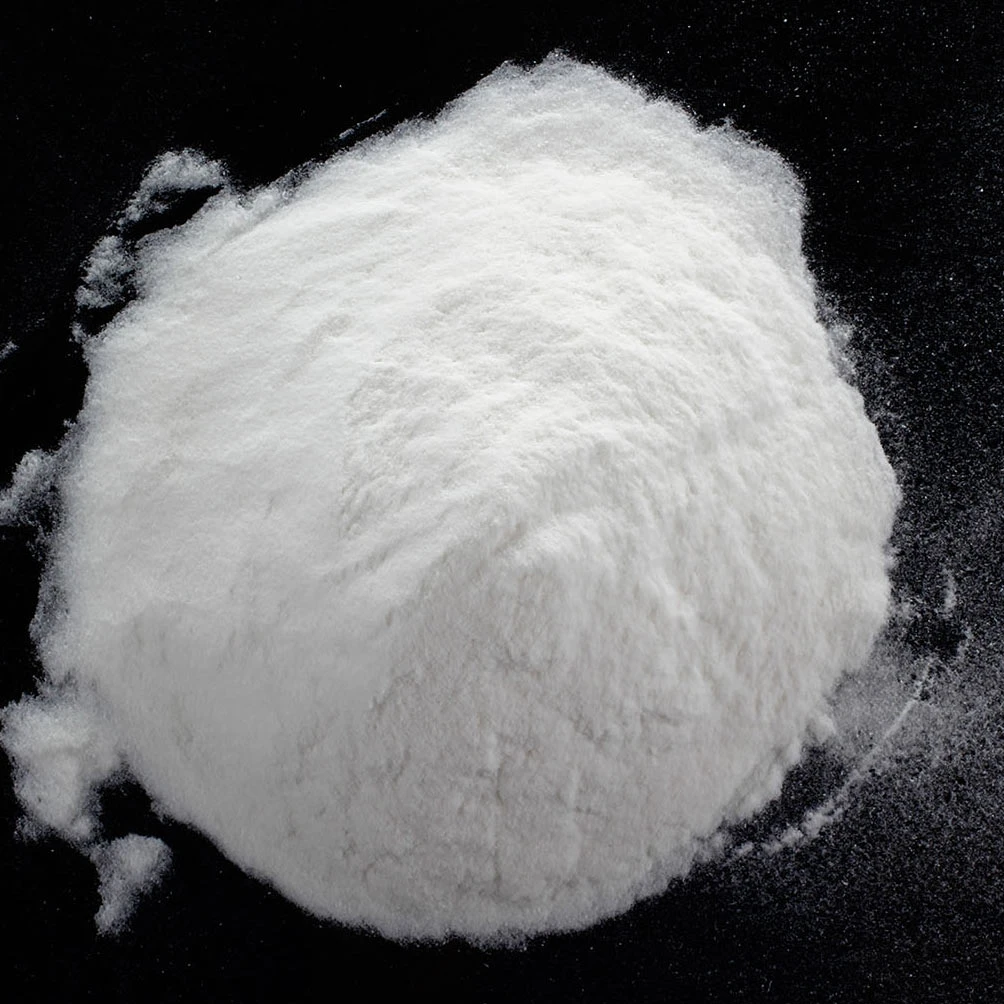
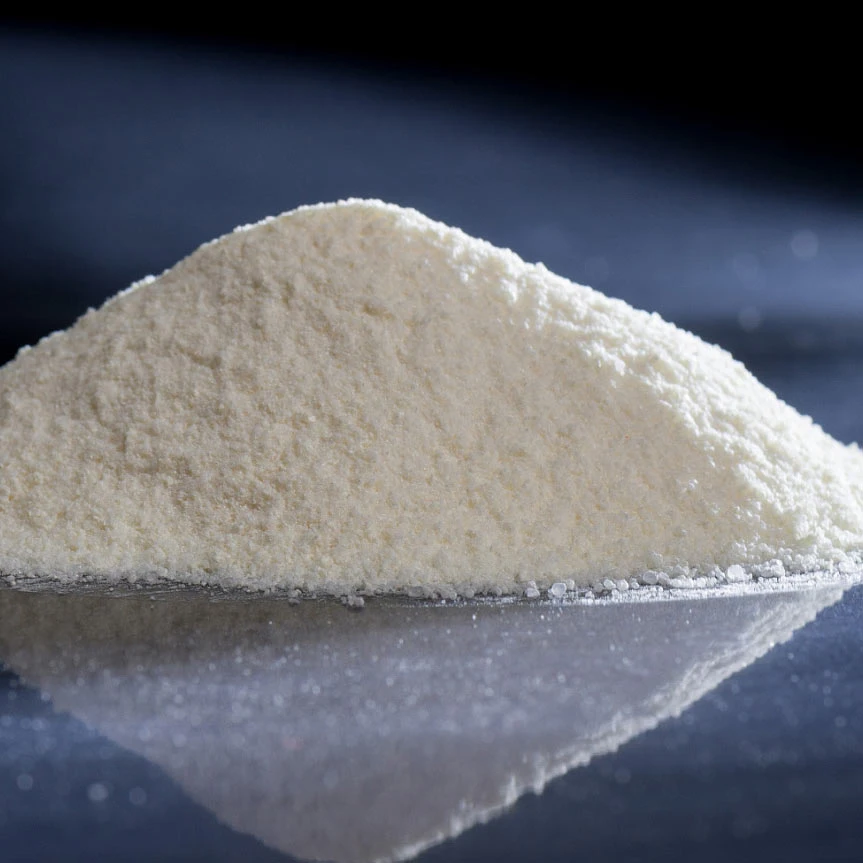
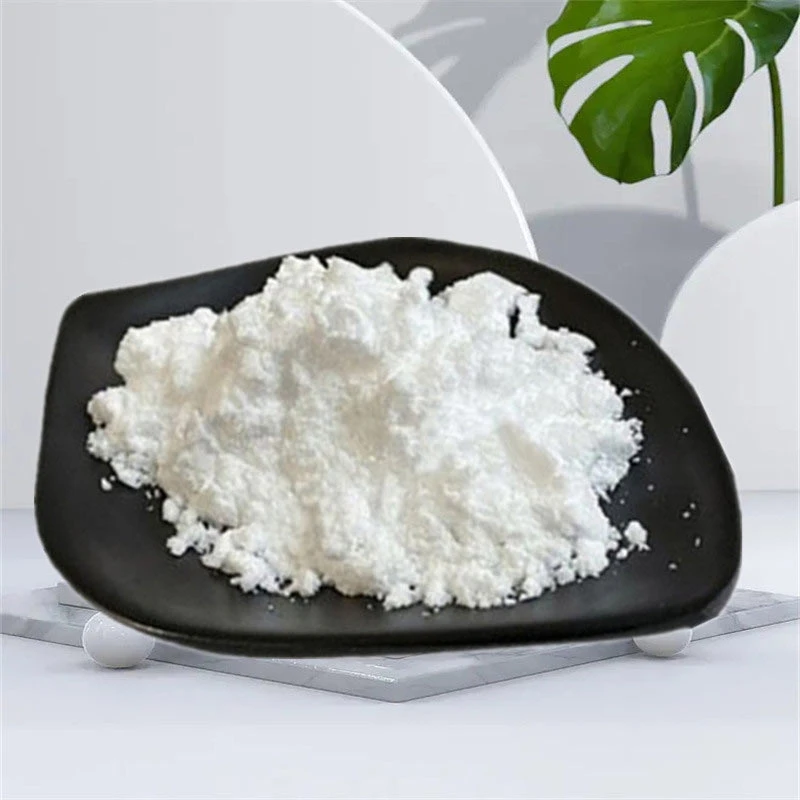
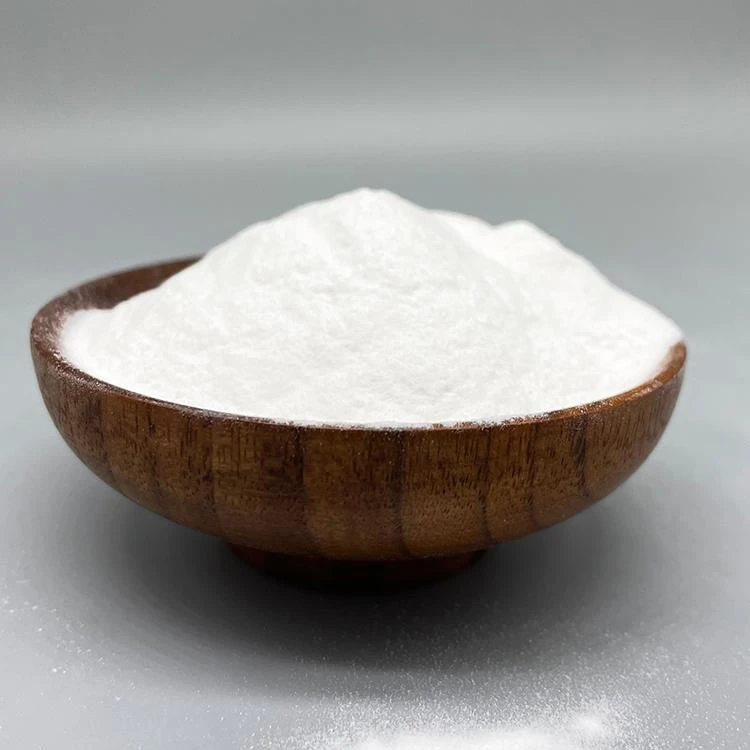
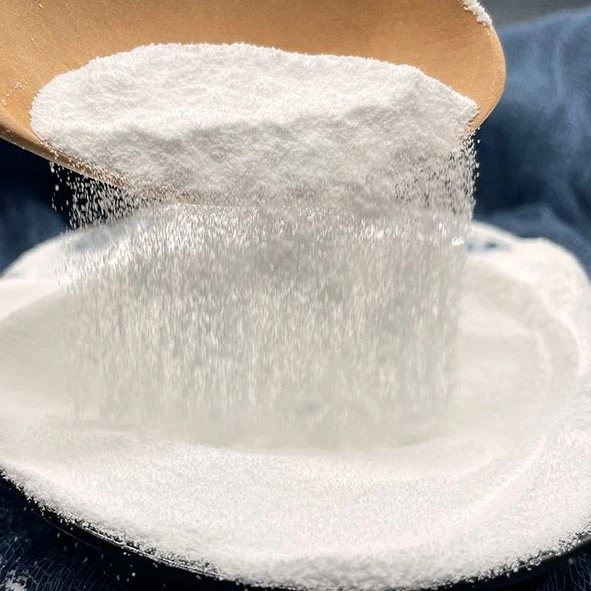
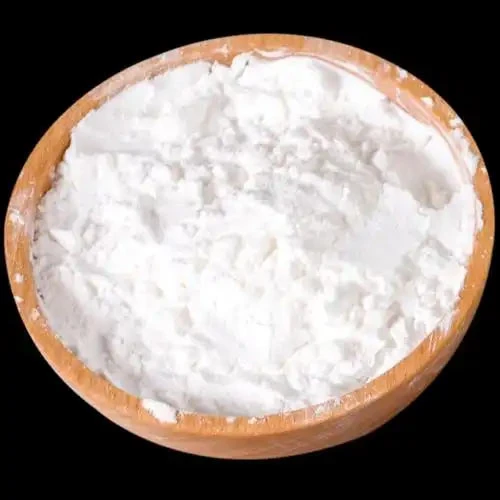
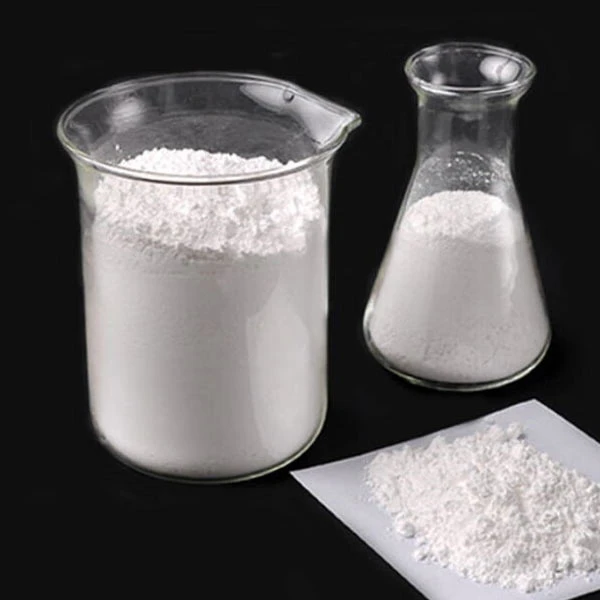
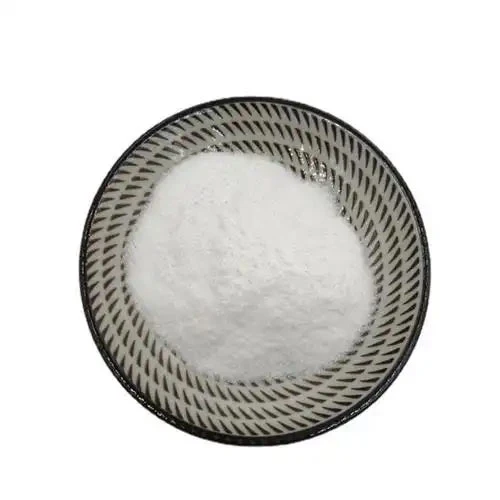
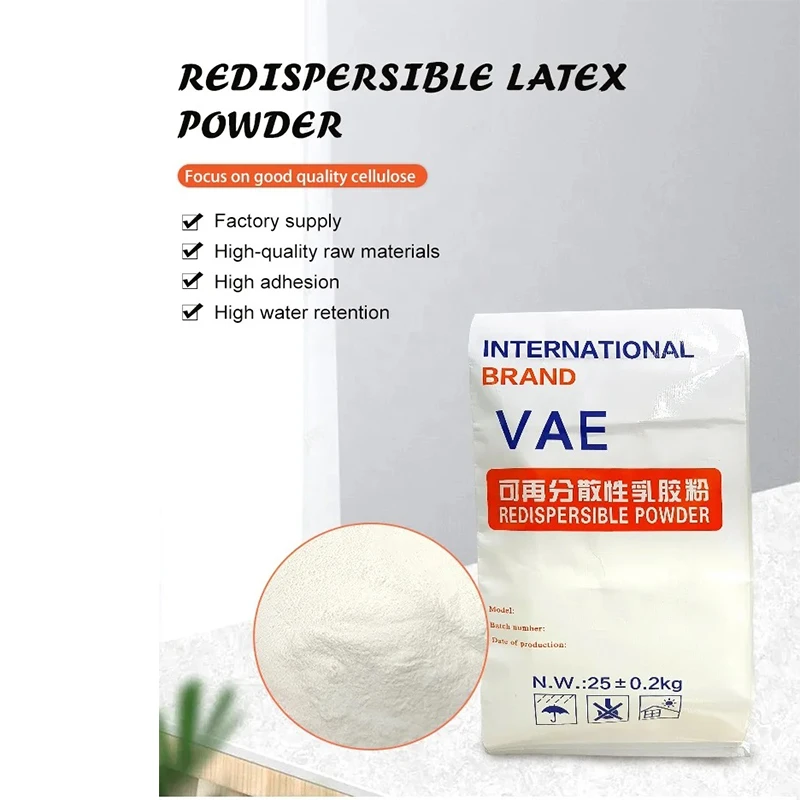
Redispersible polymer powder (RDP) is a versatile additive used in construction materials to enhance adhesion, flexibility, and water resistance. These powders—often referred to as redispersible powder, dispersible polymer powder, or simply rdp powder—are developed to be mixed with water and reconstitute into a latex-like adhesive. Among the common forms are redispersible latex powder, redispersible emulsion powder, and other vae powder derivatives. The term vae redispersible powder or vae rdp refers to powders derived from vinyl acetate–ethylene emulsion polymers.
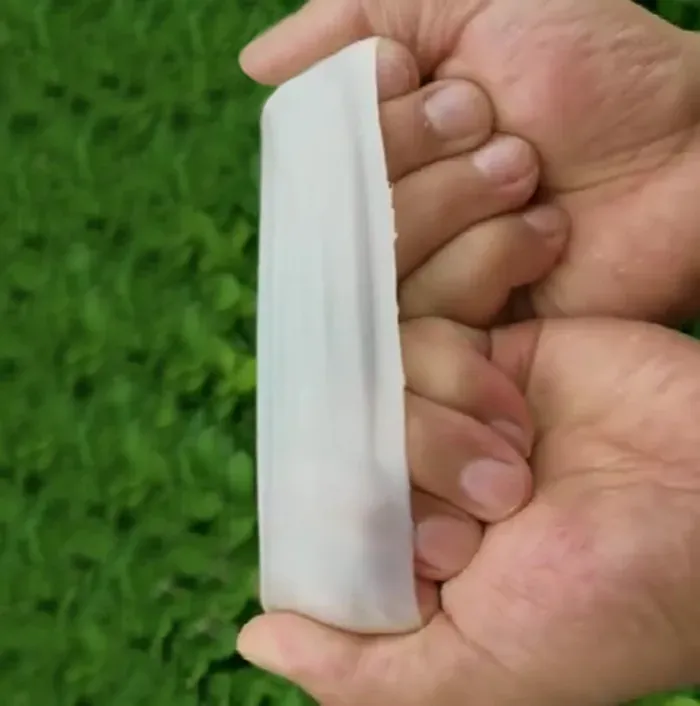
There are distinct redispersible polymer powder types on the market. Some of the most widely used include:
Redispersible latex powder – derived from latex emulsion polymerization, containing binder polymers that re-form into films upon hydration.
Redispersible emulsion powder – a general category similar to latex powder, often produced from emulsion polymers such as VAE (vinyl acetate–ethylene).
VAE powder – specifically referring to redispersible powders made from vinyl acetate–ethylene emulsion polymers, giving good adhesion and flexibility.
Dispersible polymer powder – a broader term encompassing any polymer powder that disperses in water, including VAE-based and acrylic-based types.
RDP polymer – another shorthand for redispersible powder polymer formulations used interchangeably with rdp powder.
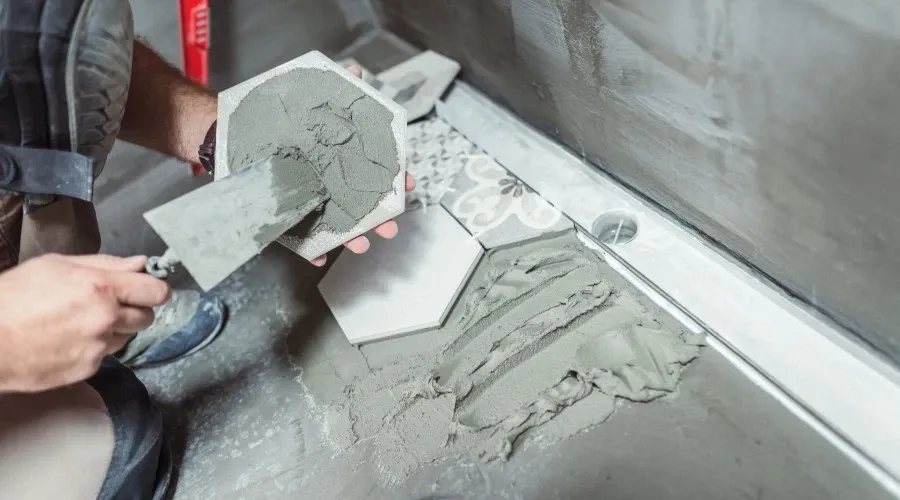
Whether labeled as redispersible polymer powder, rdp polymer, or dispersible polymer powder, each variation is engineered for specific performance characteristics. For example, vae rdp exhibits excellent film formation and flexibility, while other redispersible polymer powder types might focus on early strength or water retention.
In real-world use, installers might search for “redispersible polymer powder rdp” or “re dispersible polymer powder” to find variants tailored to tile adhesives, render mortars, and self-leveling compounds. Despite slight naming differences—like “re dispersible polymer powder” vs. “redispersible polymer powder”—these all refer to similar products within the RDP category.
Applications, Advantages, and Classification
Applications and Advantages
RDP powders are invaluable in the construction sector. When added to mortar or adhesive formulations, RDP:
Enhances adhesion to substrates like concrete, tiles, and gypsum board.
Increases flexibility, allowing materials to accommodate minor substrate movements without cracking.
Improves water resistance, by creating a polymer film that helps block water ingress.
Extends open time and improves workability, especially in tile adhesives.
Specific products—whether redispersible latex powder, redispersible emulsion powder, or vae powder—provide tailored benefits. For instance, vae redispersible powder offers robust bonding in thin-layer tile adhesives, whereas rdp polymer types might be better suited for rendered coatings or skim coats. The dispersible polymer powder family collectively enhances adhesion, strength, and elasticity across various dry-mix formulations.
Classification and HS Code
Understanding the trade classification of these materials is important for import/export. The HS code for redispersible polymer powder generally falls under the heading for “plastics and articles thereof” or certain chemical preparations. The exact redispersible polymer powder HS code can vary depending on national classifications, but as a rule of thumb it sits in the HS chapter dealing with “Polymer preparations,” often around heading 3912 (cellulose and its chemical derivatives) or 3906–3926 for other polymers. Exporters and importers should verify the code based on local customs databases to ensure correct duties and regulatory compliance.
Summary of Key Terms in One Table (for clarity)
|
Term/Keyword |
Description |
|
Redispersible polymer powder |
Generic term for polymer powders that re-disperse in water |
|
Redispersible powder |
Short form of the above |
|
RDP powder / RDP polymer |
Abbreviations frequently used in industry discussions |
|
Redispersible latex powder |
RDP derived from latex emulsions |
|
Redispersible emulsion powder |
General RDP from emulsion polymerization |
|
VAE powder / VAE RDP |
RDP made from vinyl acetate–ethylene polymers |
|
Dispersible polymer powder |
Another broad category term |
|
VAE redispersible powder |
Same as VAE RDP, explicit redispersible mention |
|
Re dispersible polymer powder |
Alternate spelling/spacing but same meaning |
|
Redispersible polymer powder RDP |
Emphasizes the acronym RDP within full term |
|
Redispersible polymer powder HS code |
Term used when looking up trade classification |
Conclusion
Redispersible polymer powder (RDP)—known by names such as redispersible latex powder, redispersible emulsion powder, vae powder, or dispersible polymer powder—is a cornerstone additive in modern dry-mix construction materials. Whether designated as rdp powder, rdp polymer, or vae redispersible powder, these versatile powders enhance the adhesion, flexibility, and water resistance of tile adhesives, renders, and self-leveling compounds. Understanding the different redispersible polymer powder types helps specifiers choose the right product for their application needs. Furthermore, knowing the redispersible polymer powder HS code is essential for smooth international trade. By using the correct RDP variant and handling classification properly, manufacturers and contractors can achieve both performance excellence and regulatory compliance.
FAQs
FAQ 1 – What are the main differences between redispersible latex powder, redispersible emulsion powder, and VAE powder?
Answer:
The differences lie mainly in polymer chemistry and performance. Redispersible latex powder is derived from latex emulsions, while redispersible emulsion powder is a more general term that may include latex-based or acrylic-based polymers. VAE powder, sometimes called VAE RDP, specifically refers to powders made from vinyl acetate–ethylene emulsions. VAE variants offer excellent film formation, flexibility, and adhesion, making them ideal for tile adhesives and renders. Other emulsion-based RDPs may prioritize early strength or compatibility with specific cementitious formulations.
FAQ 2 – Why is redispersible polymer powder (RDP) added to tile adhesives and renders?
Answer:
RDP, whether labeled as rdp powder, rdp polymer, dispersible polymer powder, or other names, enhances key properties in tile adhesives and renders. It improves adhesion, flexibility, water resistance, and workability by forming a polymer film when reconstituted with water. This helps materials bond better to substrates, resist cracking from movement, and withstand moisture—critical advantages for durable, long-lasting installations.
FAQ 3 – Is there any difference between “re dispersible polymer powder” and “redispersible polymer powder”?
Answer:
No, there is no practical difference. “Re dispersible polymer powder” (with a space) and “redispersible polymer powder” are simply alternate spellings or formatting of the same term. Both refer to polymer powders designed to disperse in water and form a film.
FAQ 4 – What is the typical HS code for redispersible polymer powder (RDP)?
Answer:
The redispersible polymer powder HS code generally falls under the harmonized system categories for polymer preparations under chapters 39xx, such as 3906–3926, or potentially under 3912 if classified with cellulose derivatives. However, precise classification depends on national customs regulations and the specific polymer type. It’s best to consult your local customs or tariff schedule to identify the exact code for your product.
FAQ 5 – Can I use “dispersible polymer powder” instead of “redispersible powder” in product specification?
Answer:
Yes, but with care. Both terms—dispersible polymer powder and redispersible powder—refer to polymer powders that disperse in water. “Dispersible polymer powder” is broader and may include types not intended to fully reconstitute into film form. If film formation is a requirement—for example in tile adhesive or render formulations—using “redispersible polymer powder” (or specifying VAE RDP) ensures clarity and that performance expectations are met.
-
HPMC High-Performance Thickener | Hebei TangzhiNewsMar.06,2026
-
Wholesale Water Reducing Admixture for Special Cement: Performance and Market InsightsNewsFeb.28,2026
-
The Complete Guide to HPMC: Types, Applications, Grades, and Manufacturing InsightsNewsFeb.28,2026
-
Redispersible Polymer Powder: Types, Applications, and Performance AdvantagesNewsFeb.28,2026
-
Hydroxymethyl Ethyl Cellulose (MHEC): Properties, Applications, and Market InsightsNewsFeb.28,2026
-
Hydroxyethyl Cellulose: Applications, Performance, and Buying GuideNewsFeb.28,2026