Understanding the Types of Antifoaming Agents A Complete Guide
Foam can be a major problem in many industrial processes—from food manufacturing to wastewater treatment. This is where antifoaming agents and defoaming agents come in. These substances are designed to reduce or eliminate foam, ensuring smoother operations, better product quality, and reduced processing costs. In this guide, we’ll explore the types of antifoaming agents, look at antifoaming agents examples, and understand the difference between an antifoam and defoamer.
Types of Antifoaming Agents and Their Applications
Antifoaming agents, also known as defoamers, come in various types depending on their composition, application, and environmental compatibility. Below are the main categories:
1. Silicon Antifoaming Agent
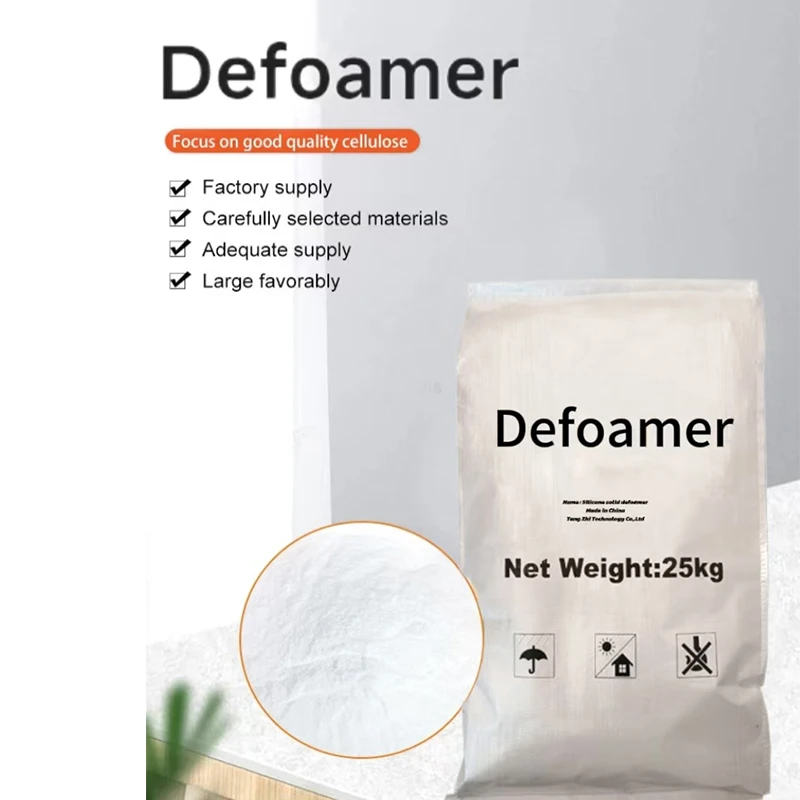
Silicone-based antifoams are among the most widely used due to their effectiveness across a wide range of industries. These agents contain polydimethylsiloxane (PDMS), which provides strong surface activity and low surface tension, allowing it to collapse foam quickly. A silicon antifoaming agent is commonly used in chemical manufacturing, paper production, and oil & gas processing.
2. Organic Anti Foaming Agent
Organic antifoams are made from hydrocarbons, alcohols, or fatty acids. They are suitable for systems where silicone may not be compatible, such as in food-grade applications. An organic anti foaming agent is often preferred in beverage production, cosmetics, and pharmaceuticals where purity is critical.
3. Natural Anti Foaming Agent
As industries move toward sustainability, the demand for natural antifoaming agents has increased. These can include plant oils, waxes, or biodegradable surfactants. A natural anti foaming agent is particularly useful in organic food production, natural cosmetics, and eco-friendly cleaning products.
4. Powdered and Emulsion Antifoams
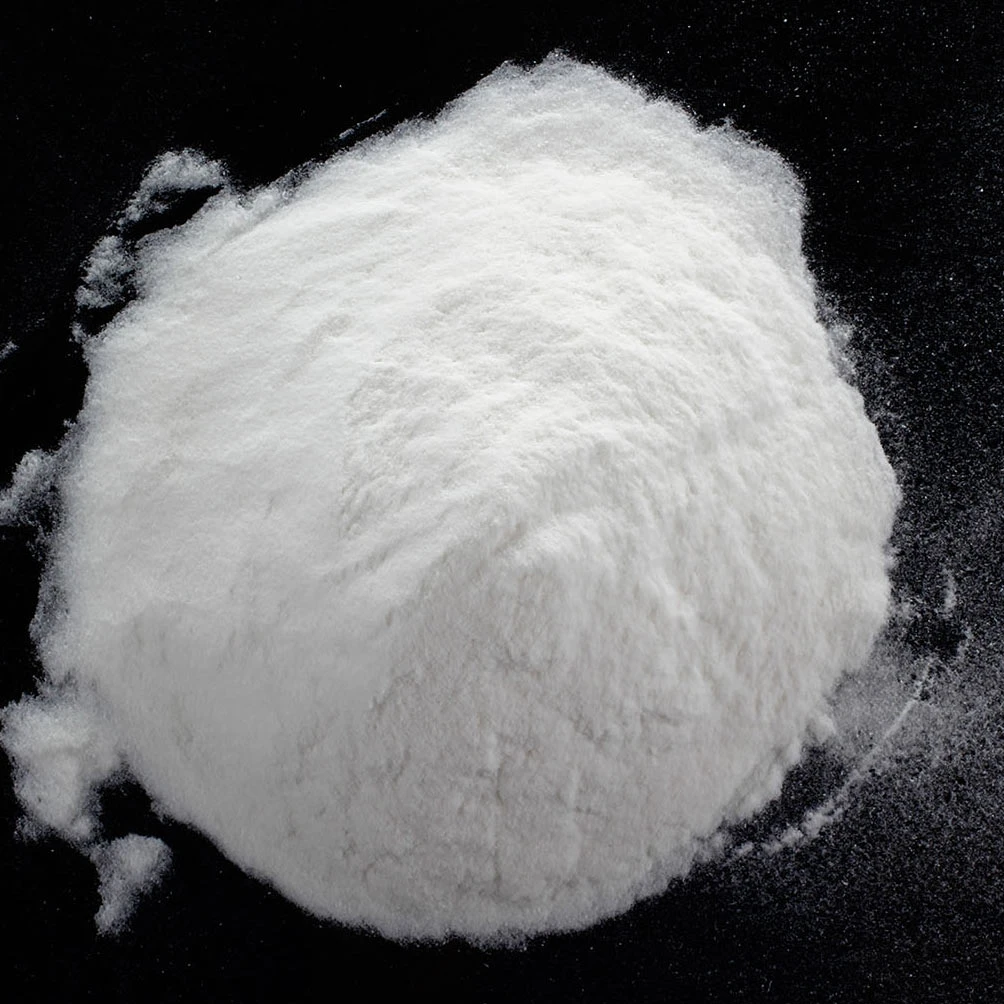
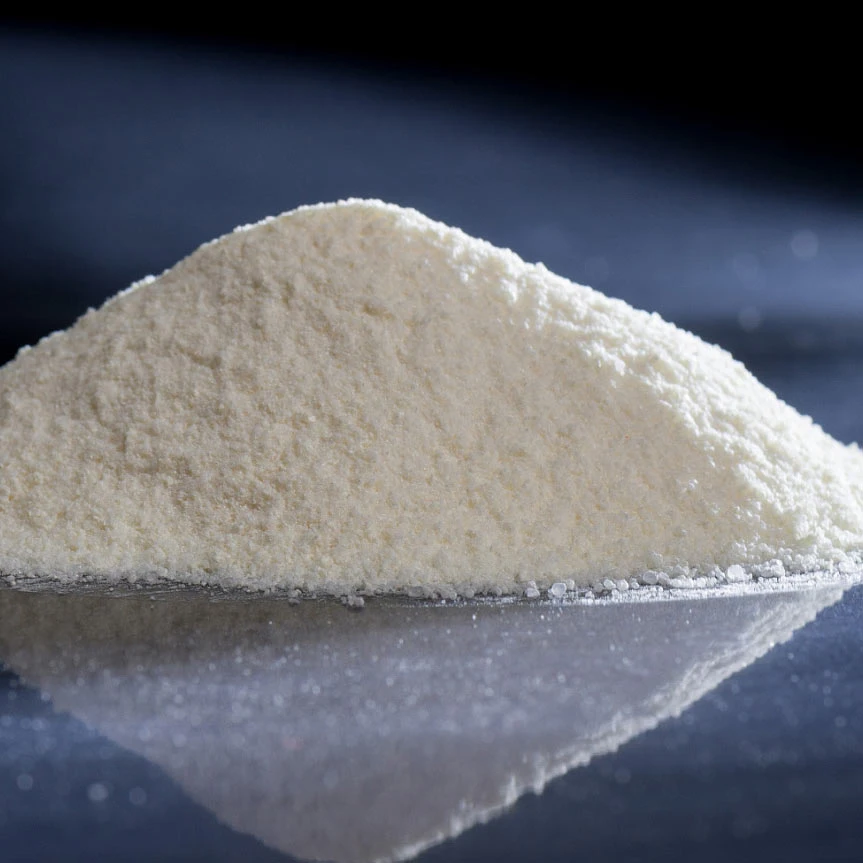
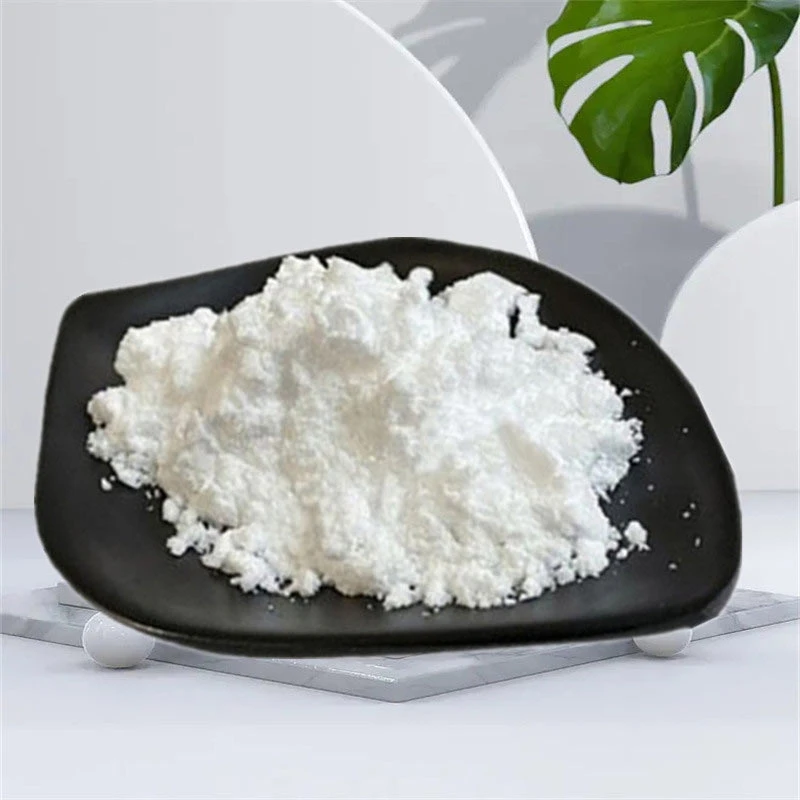
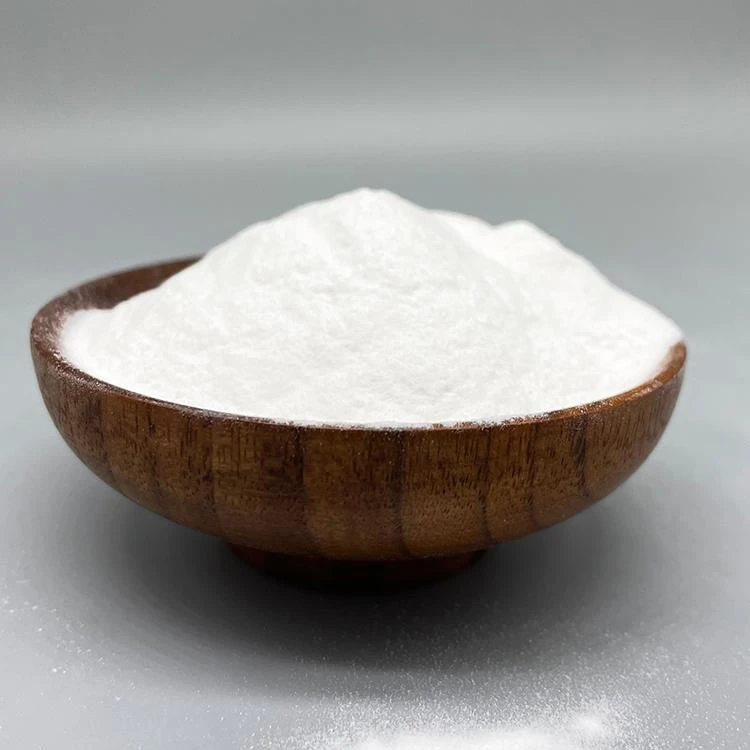
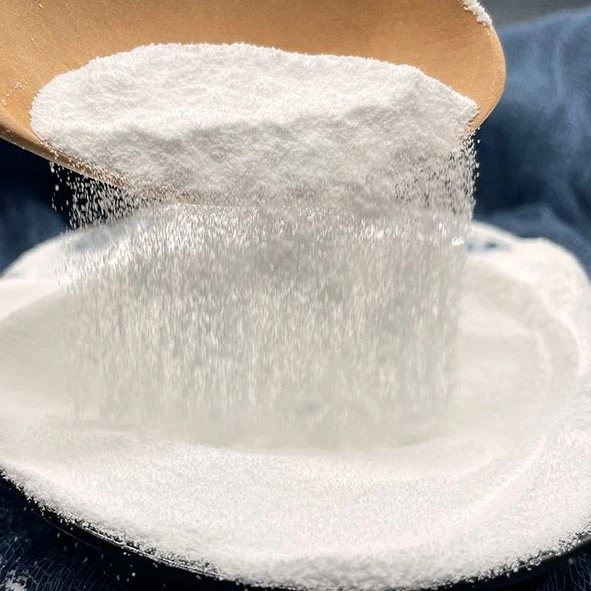
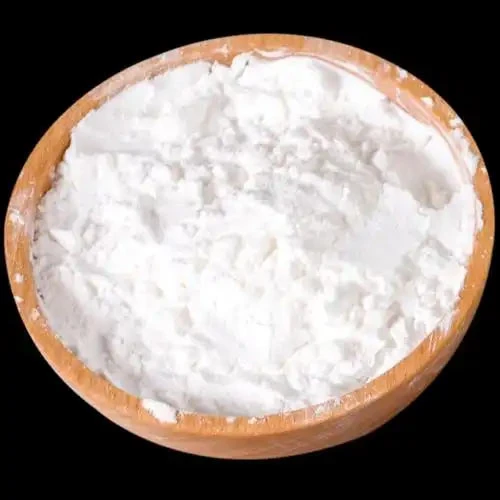
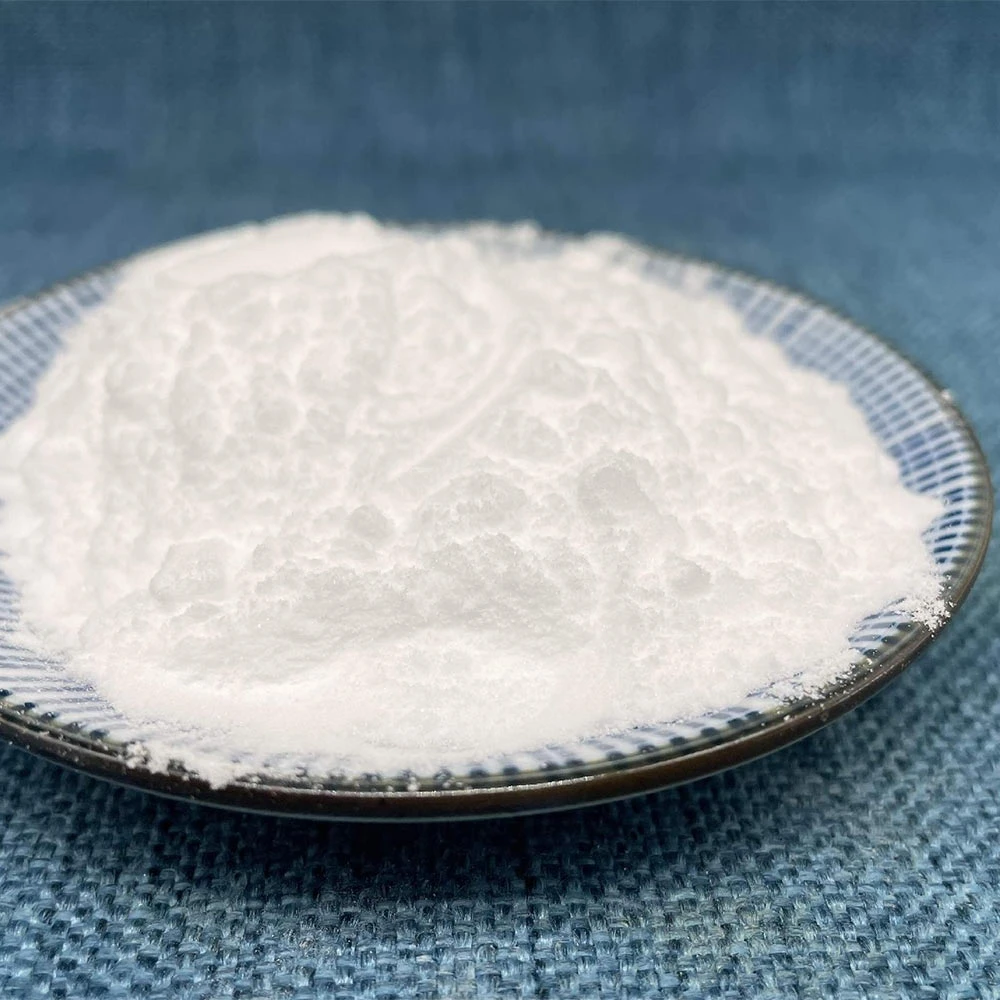
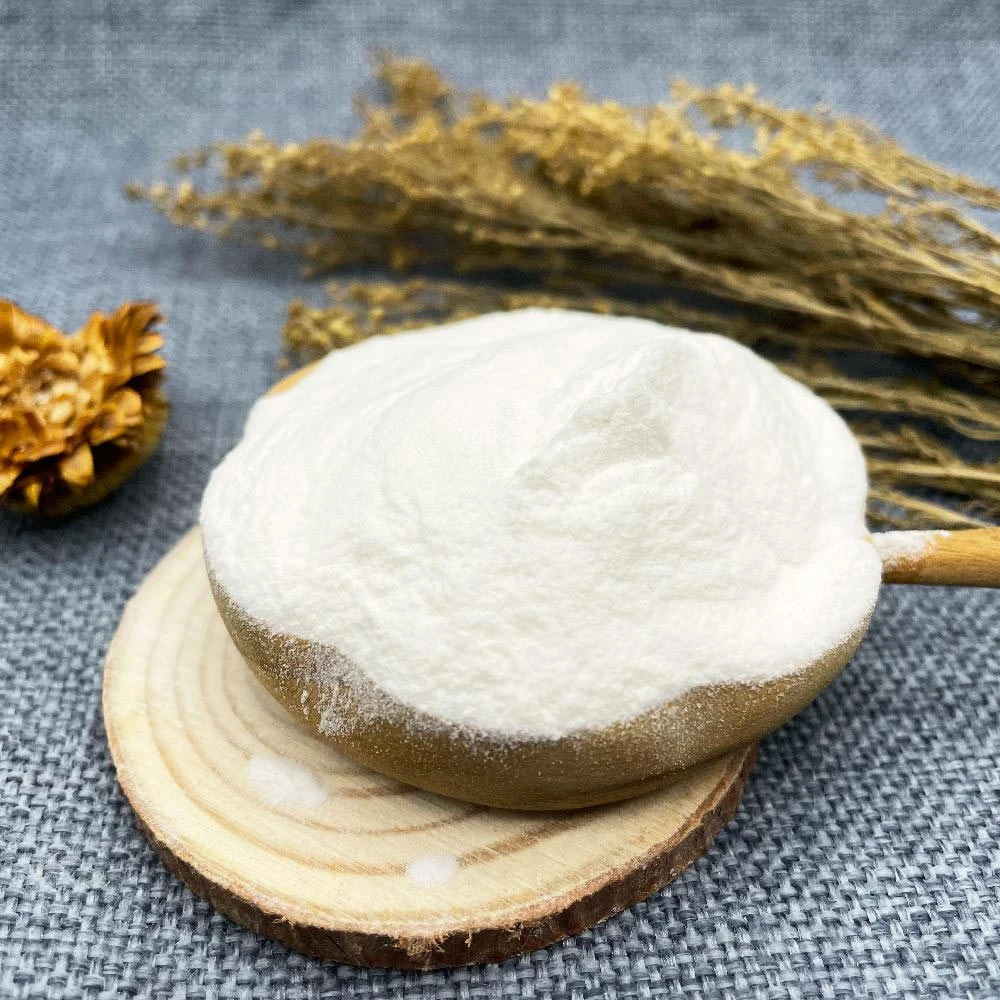
Antifoaming agents can also be categorized by their physical form. Powdered defoamers are ideal for dry processes like cement manufacturing, while emulsion-based defoamers are suitable for liquid systems, such as water treatment and fermentation processes.
Antifoaming Agents Examples and Industry Use Cases
Understanding where and how antifoaming agents are used helps highlight their importance across sectors. Below are several antifoaming agents examples and their typical applications:
Silicone-based antifoam: Used in textile dyeing, lubricants, and wastewater treatment.
Polyether-based antifoam: Common in food processing and fermentation.
Mineral oil-based defoamers: Applied in pulp and paper manufacturing.
Natural defoaming agents: Employed in organic farming and brewing.
Alkyl polyacrylates: Useful in coatings and adhesives.
Each of these examples fits into the larger antifoaming agents list used by manufacturers and formulators to select the best product for their process.
Antifoam and Defoamer: What's the Difference?
The terms antifoam and defoamer are often used interchangeably, but there is a subtle difference:
Antifoams are added to a system to prevent foam from forming in the first place.
Defoamers are used to break down existing foam.
Many commercial products are formulated to perform both functions, offering dual benefits.
Conclusion: Choosing the Right Antifoaming Solution
The right antifoaming or defoaming solution depends on several factors: the type of process, chemical compatibility, regulatory requirements, and environmental considerations. Whether you're selecting a silicon antifoaming agent for a high-performance industrial process or a natural defoaming agent for a clean-label product, understanding the types of antifoaming agents available helps ensure optimal results.
From organic anti foaming agents for sensitive formulations to natural antifoaming agents for sustainable applications, the choices are vast. Always refer to an antifoaming agents list from reputable suppliers to make an informed decision, and consult application guidelines for the best results.
FAQs About Antifoaming Agents
1. What Are the Main Types of Antifoaming Agents?
Antifoaming agents can be categorized into silicone-based, organic, and natural antifoaming agents. Silicone antifoams are widely used for industrial purposes, organic agents are suitable for food and cosmetics, and natural agents are preferred in eco-friendly applications.
2. What Is the Difference Between Antifoam and Defoamer?
While often used interchangeably, antifoam prevents foam formation, and defoamer eliminates existing foam. Many commercial products combine both functions for efficiency in various industrial processes.
3. Can You Give Some Antifoaming Agents Examples?
Yes. Examples include silicone-based antifoam, polyether defoamers, mineral oil-based defoamers, and natural defoaming agents like plant-derived oils or waxes. Each type suits different applications such as wastewater treatment, food production, or paper manufacturing.
4. Are There Natural Antifoaming Agents Available?
Absolutely. Natural antifoaming agents are made from biodegradable materials like vegetable oils, beeswax, or soy derivatives. These are ideal for industries prioritizing sustainability, including organic food processing and green cleaning products.
5. How Do I Choose the Right Antifoaming Agent for My Application?
To choose the right agent, consider the type of foam, the process environment (e.g., temperature, pH), and whether a natural anti foaming agent or a silicon antifoaming agent is more suitable. Reviewing an antifoaming agents list from your supplier can also help narrow down options.
-
HPMC High-Performance Thickener | Hebei TangzhiNewsMar.06,2026
-
Wholesale Water Reducing Admixture for Special Cement: Performance and Market InsightsNewsFeb.28,2026
-
The Complete Guide to HPMC: Types, Applications, Grades, and Manufacturing InsightsNewsFeb.28,2026
-
Redispersible Polymer Powder: Types, Applications, and Performance AdvantagesNewsFeb.28,2026
-
Hydroxymethyl Ethyl Cellulose (MHEC): Properties, Applications, and Market InsightsNewsFeb.28,2026
-
Hydroxyethyl Cellulose: Applications, Performance, and Buying GuideNewsFeb.28,2026