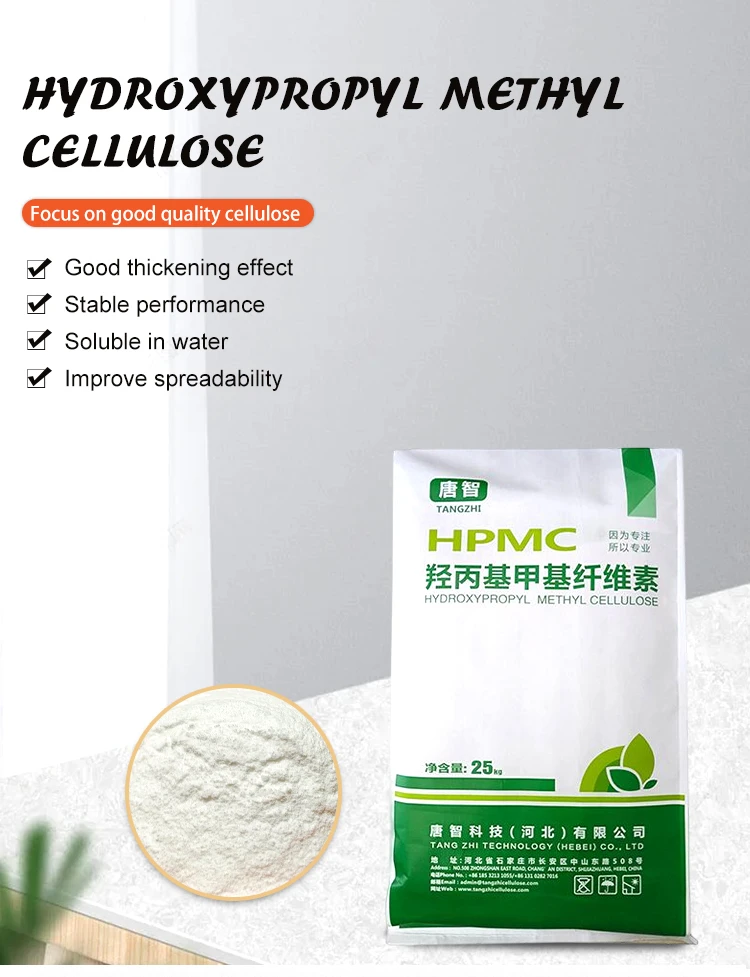
Understanding the Types of Water-Reducing Admixtures in Concrete Construction
Concrete remains one of the most widely used building materials in the world, but its performance heavily depends on additives that enhance its properties. Among these, water-reducing admixtures play a crucial role in improving workability, durability, and strength. By lowering the water content while maintaining slump, these admixtures optimize concrete mixtures for both standard and high-performance applications.
This article explores the types of water-reducing admixtures, their uses in concrete, and how different formulations such as high range water reducing admixture and HRWR superplasticizer are transforming modern construction.
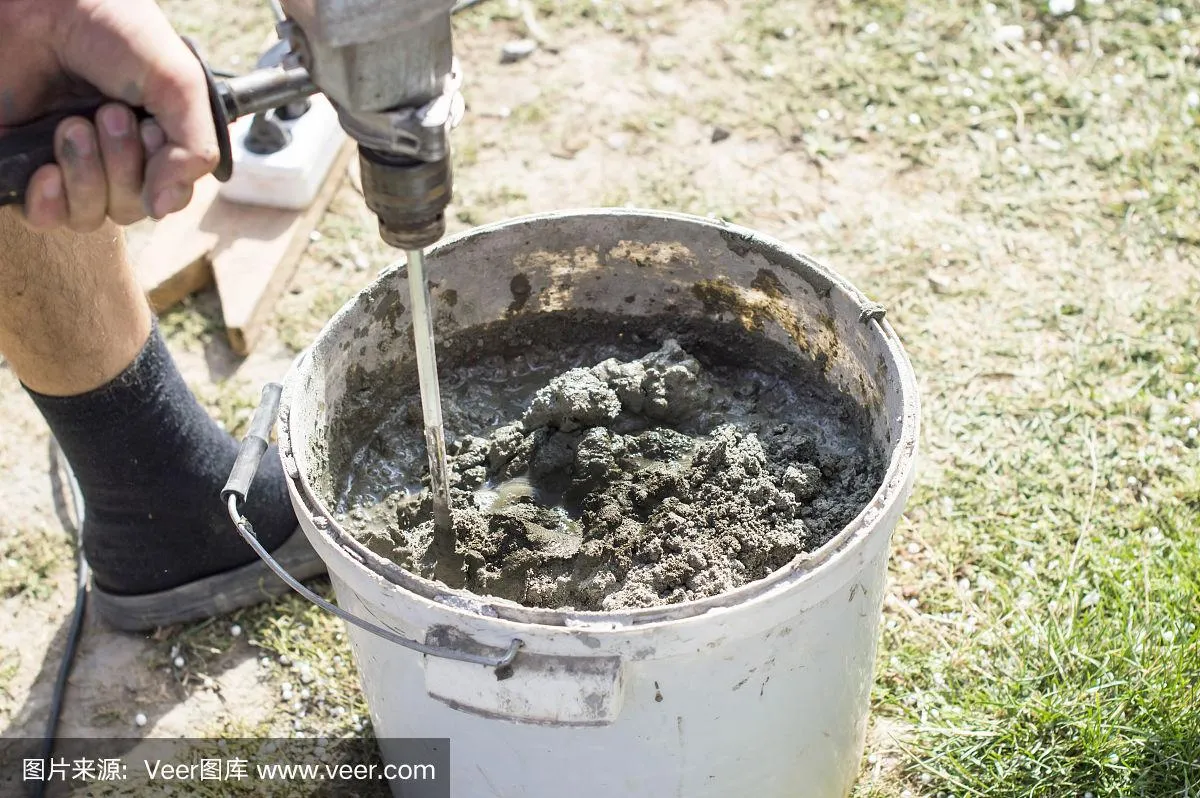
Types of Water-Reducing Admixtures and Their Functions
Water-reducing admixtures can be classified into several categories, each designed to meet specific construction needs.
Normal Water-Reducing Admixtures
A water reducer admixture in its standard form reduces water content by approximately 5–10%. This improves concrete’s strength and workability without altering its setting time significantly. Normal water-reducing admixtures in concrete are commonly used for residential, commercial, and basic infrastructure projects.
Mid-Range Water Reducers
For applications requiring more flexibility, a water reducer admixture concrete mix may include a mid-range product. These provide a moderate water reduction (10–15%) and improve slump retention, making them suitable for ready-mix and pumped concrete.
High Range Water-Reducing Admixtures (Superplasticizers)
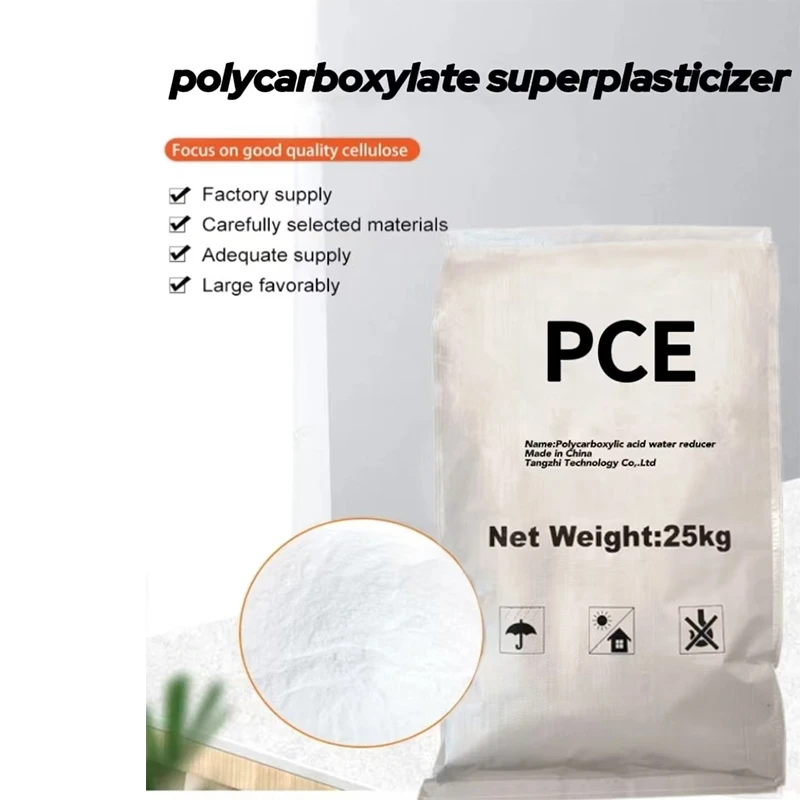
A high range water reducing admixture—commonly referred to as a superplasticizer—reduces water content by up to 30%. Known as HRWR superplasticizer, this type of admixture enables the production of high-strength concrete and self-consolidating concrete. High range water reducer concrete formulations are indispensable for high-rise buildings, bridges, and precast elements.
Cement Water Reducers and Specialized Agents
A cement water reducer helps control hydration and improve long-term strength. Meanwhile, concrete additive water reducer superplasticizer and concrete water reducer plasticizer formulations are engineered to minimize shrinkage, enhance pumpability, and support sustainable construction by reducing cement consumption.
Additionally, a concrete water reducing agent or water reducer in concrete serves as a versatile solution to adjust performance depending on temperature, aggregate type, and construction environment.
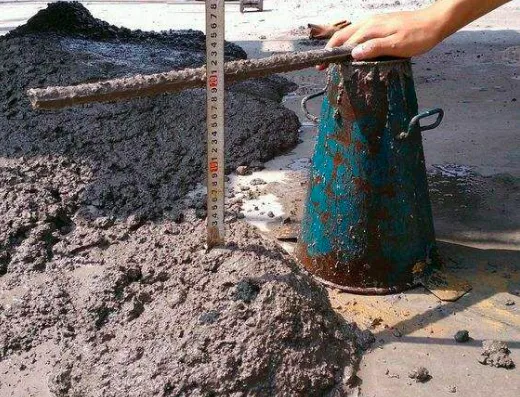
Applications of Water-Reducing Admixtures in Concrete Projects
Enhancing Strength and Durability
By minimizing excess water, concrete water reducing admixture products increase the compressive and flexural strength of hardened concrete. The reduced porosity also boosts resistance to chemical attack and freeze-thaw cycles.
Improving Workability Without Compromising Quality
Adding a water-reducing admixture enables contractors to achieve high slump values without increasing water. This ensures that water reducer admixture in concrete improves pumpability and placement efficiency, especially in densely reinforced structures.
Supporting Sustainable and Cost-Effective Construction
Modern water-reducing admixtures in concrete align with sustainability goals by lowering cement usage and extending structure lifespan. Using a concrete water reducer plasticizer or a concrete additive water reducer superplasticizer means less energy consumption and reduced environmental impact.
Specialized Applications
Precast elements: Achieving fast demolding and high early strength with high range water reducing admixtures.
Ready-mix concrete: Enhancing slump retention for transportation and workability.
High-performance concrete: Using HRWR superplasticizer for demanding structural applications.
Conclusion
The types of water-reducing admixtures—from standard reducers to high range water reducer concrete solutions—are indispensable for modern construction. They not only improve strength and durability but also enhance workability and sustainability. Whether using a cement water reducer, a concrete water reducing agent, or advanced HRWR superplasticizer, choosing the right admixture ensures optimized performance for every project.
In today’s construction market, where efficiency and quality are paramount, water reducer admixtures continue to play a defining role in shaping stronger, more resilient, and eco-friendly structures.
FAQs About Water-Reducing Admixtures
1. What are the different types of water-reducing admixtures?
There are three main types: normal water reducers, mid-range water reducers, and high range water reducing admixtures (superplasticizers). Each type provides varying levels of water reduction and workability improvement.
2. How does a water reducer admixture in concrete improve performance?
A water reducer admixture lowers the water-cement ratio, increasing strength, reducing shrinkage, and enhancing durability, all while maintaining desired slump and workability.
3. What is the role of a high range water reducing admixture in construction?
A high range water reducing admixture, also known as HRWR superplasticizer, is used for producing high-strength and self-consolidating concrete. It allows water reduction up to 30%, making it essential for bridges, tunnels, and high-rise buildings.
4. What is the difference between a concrete water reducer plasticizer and a superplasticizer?
A concrete water reducer plasticizer provides moderate water reduction (about 10%), while a superplasticizer or high range water reducer concrete admixture reduces water significantly (20–30%), achieving exceptional flowability and strength.
5. Why are water-reducing admixtures in concrete important for sustainability?
By reducing water and cement usage, water-reducing admixtures contribute to eco-friendly construction. They minimize CO₂ emissions associated with cement production and extend the lifespan of concrete structures.
-
HPMC High-Performance Thickener | Hebei TangzhiNewsMar.06,2026
-
Wholesale Water Reducing Admixture for Special Cement: Performance and Market InsightsNewsFeb.28,2026
-
The Complete Guide to HPMC: Types, Applications, Grades, and Manufacturing InsightsNewsFeb.28,2026
-
Redispersible Polymer Powder: Types, Applications, and Performance AdvantagesNewsFeb.28,2026
-
Hydroxymethyl Ethyl Cellulose (MHEC): Properties, Applications, and Market InsightsNewsFeb.28,2026
-
Hydroxyethyl Cellulose: Applications, Performance, and Buying GuideNewsFeb.28,2026