Understanding Water Reducing Admixture Types and Their Role in Modern Concrete
Concrete technology continues to advance as the construction industry seeks higher strength, better durability, and improved workability. One of the key components that make these advancements possible is the water reducing admixture. Among the various water reducing admixture types, innovations like PCE (polycarboxylate ether), high range water reducer concrete, and mid range water reducing admixture are reshaping how concrete is designed and applied. This article explores the science, benefits, and industry uses of water reducers, including high-performance polycarboxylate-based superplasticizers and HRWR superplasticizers, to help you understand why these materials are critical for modern construction.
Types of Water Reducing Admixtures in Concrete
Water reducing admixtures are classified into three main categories depending on the level of water reduction they provide: normal range, mid range, and high range. Each type has distinct applications in concrete water reducing agent technology.
Normal Range Water Reducer
These are traditional admixtures that reduce water by about 5–10%. They improve workability and reduce cement demand in basic concrete applications.
Mid Range Water Reducer
Known as mid range concrete additives, they reduce water by 6–12% and are ideal for applications where improved workability is needed without dramatically altering set times. Mid range water reducer in concrete ensures consistency, particularly in hot climates. Mid range water reducing admixture formulations balance fluidity and setting speed, making them popular in flooring and general civil projects.
High Range Water Reducer (Superplasticizers)
High range water reducer concrete technology has revolutionized construction. Also called HRWR superplasticizer, these admixtures can reduce water content by 12–30%. By enhancing flow and strength, they are critical for precast concrete, high-rise construction, and self-consolidating concrete.
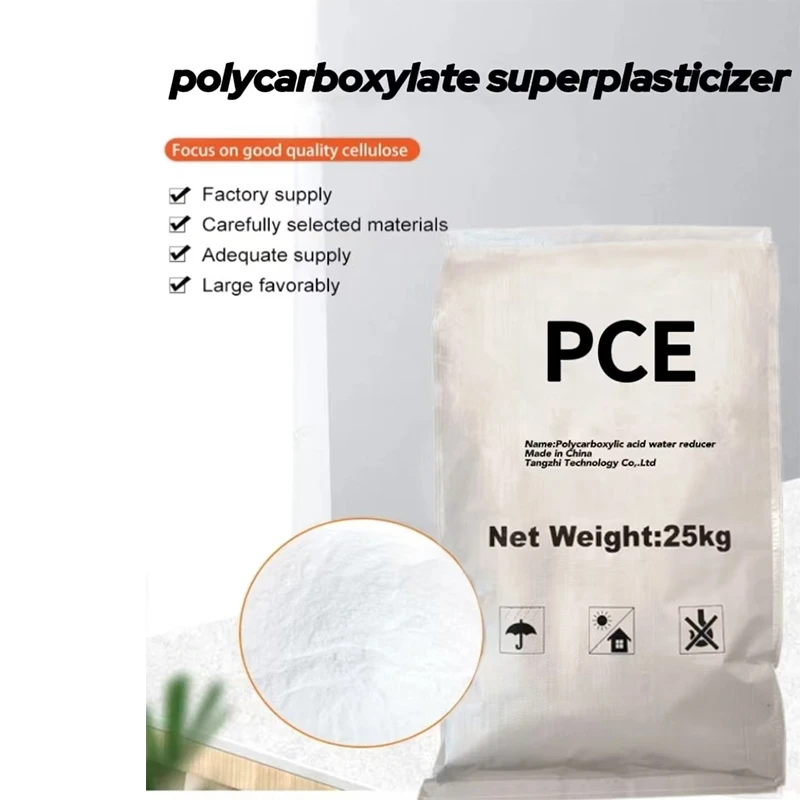
Among these, polycarboxylates in concrete represent the most advanced generation. Polycarboxylate ether (PCE) based products—whether PCE water reducer, PCE plasticizer, or PCE polycarboxylate superplasticizer—deliver outstanding performance. Their superior dispersion ability makes them the leading choice for high-performance concrete.
The Role of PCE and Polycarboxylate-Based Superplasticizers
Polycarboxylates high range water reducer is at the forefront of admixture innovation. Derived from polycarboxylic acid superplasticizer chemistry, these admixtures offer flexibility in molecular structure, enabling customization for different project requirements.
What is PCE?
PCE stands for polycarboxylate ether, a polymer material that disperses cement particles effectively, lowering water demand. PCE material forms the base for many advanced admixtures.
PCE Polycarboxylate Ether Superplasticizer
Also called polycarboxylate ether superplasticizer PCE, this admixture combines water reduction with extended workability, making it suitable for large pours.
PCE Plasticizer and PCE Superplasticizer Powder
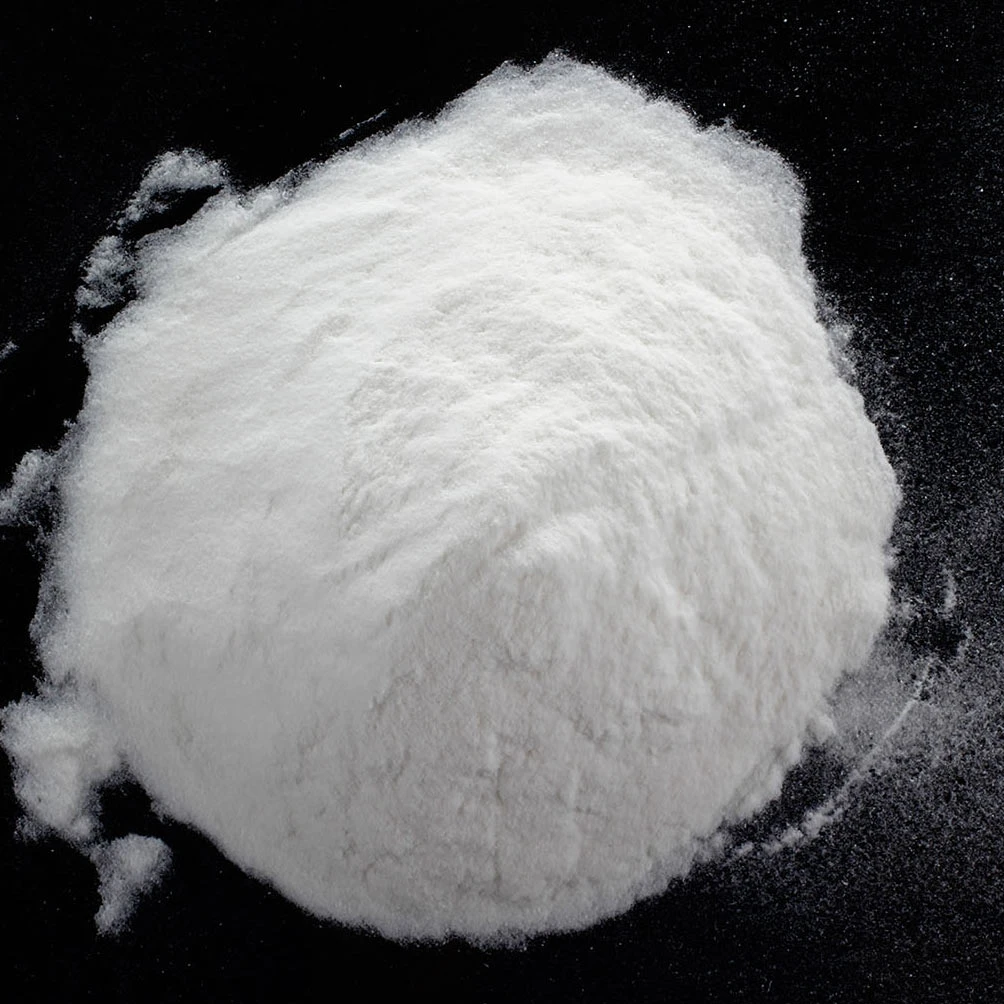
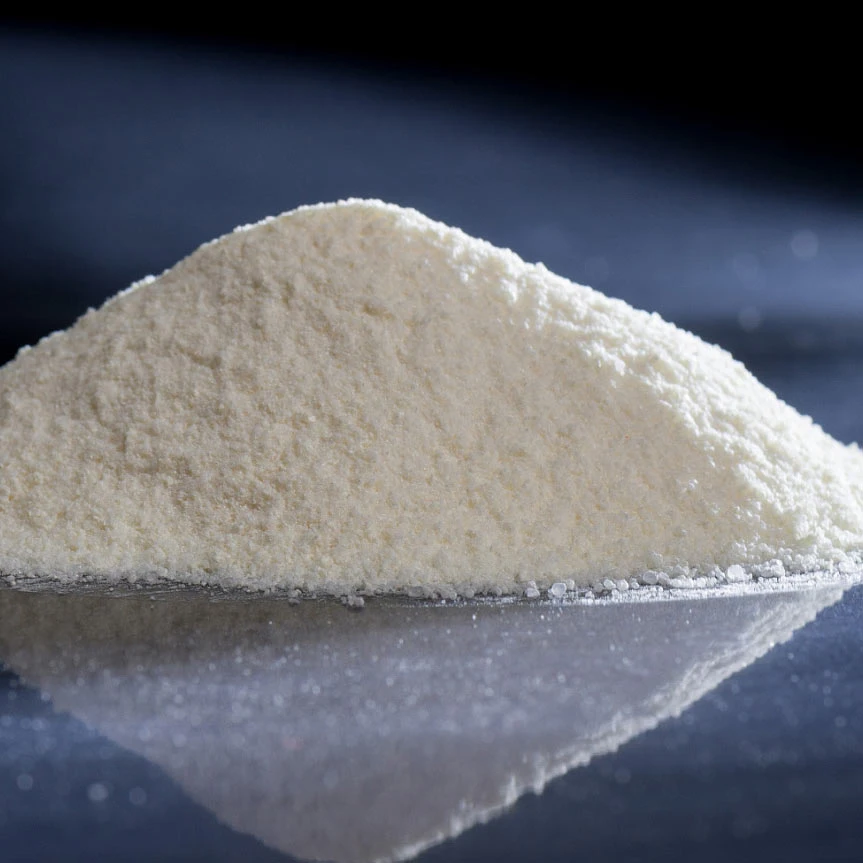
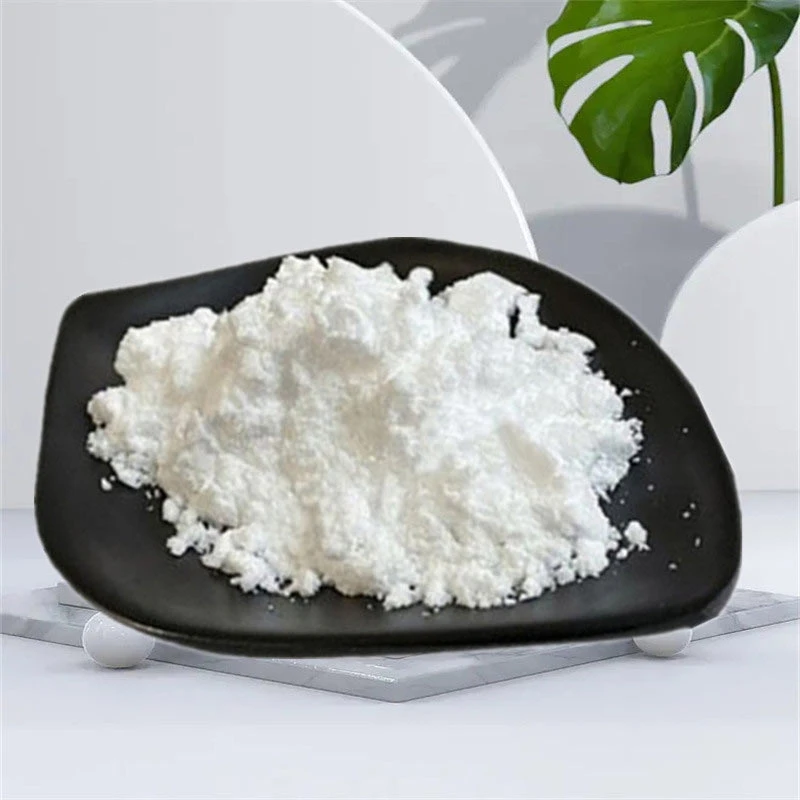
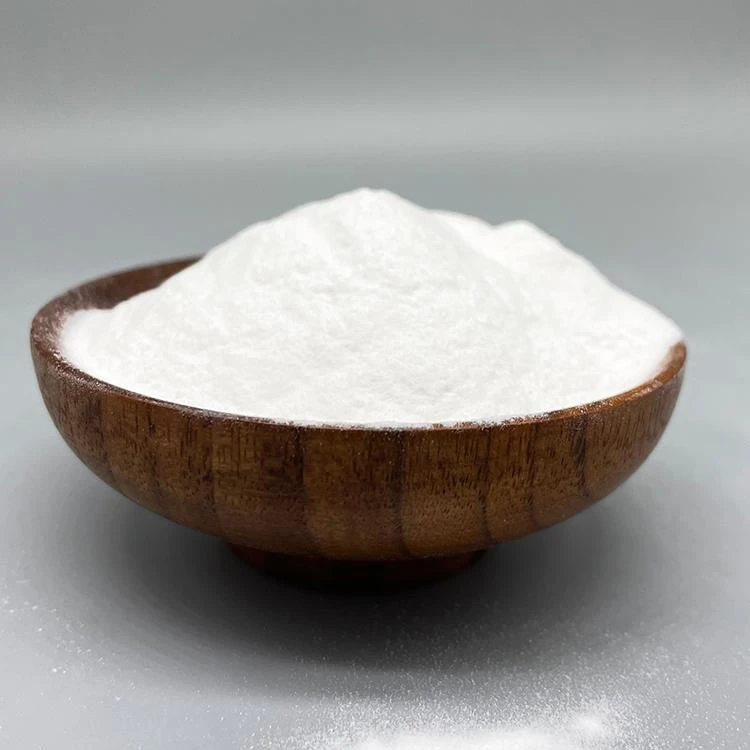
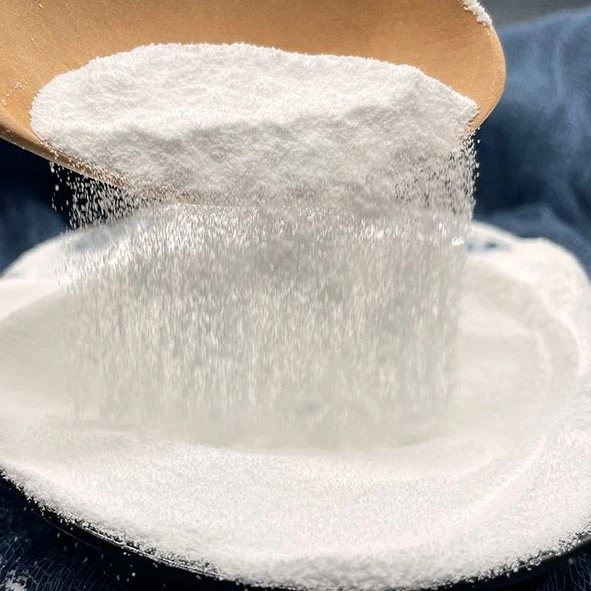
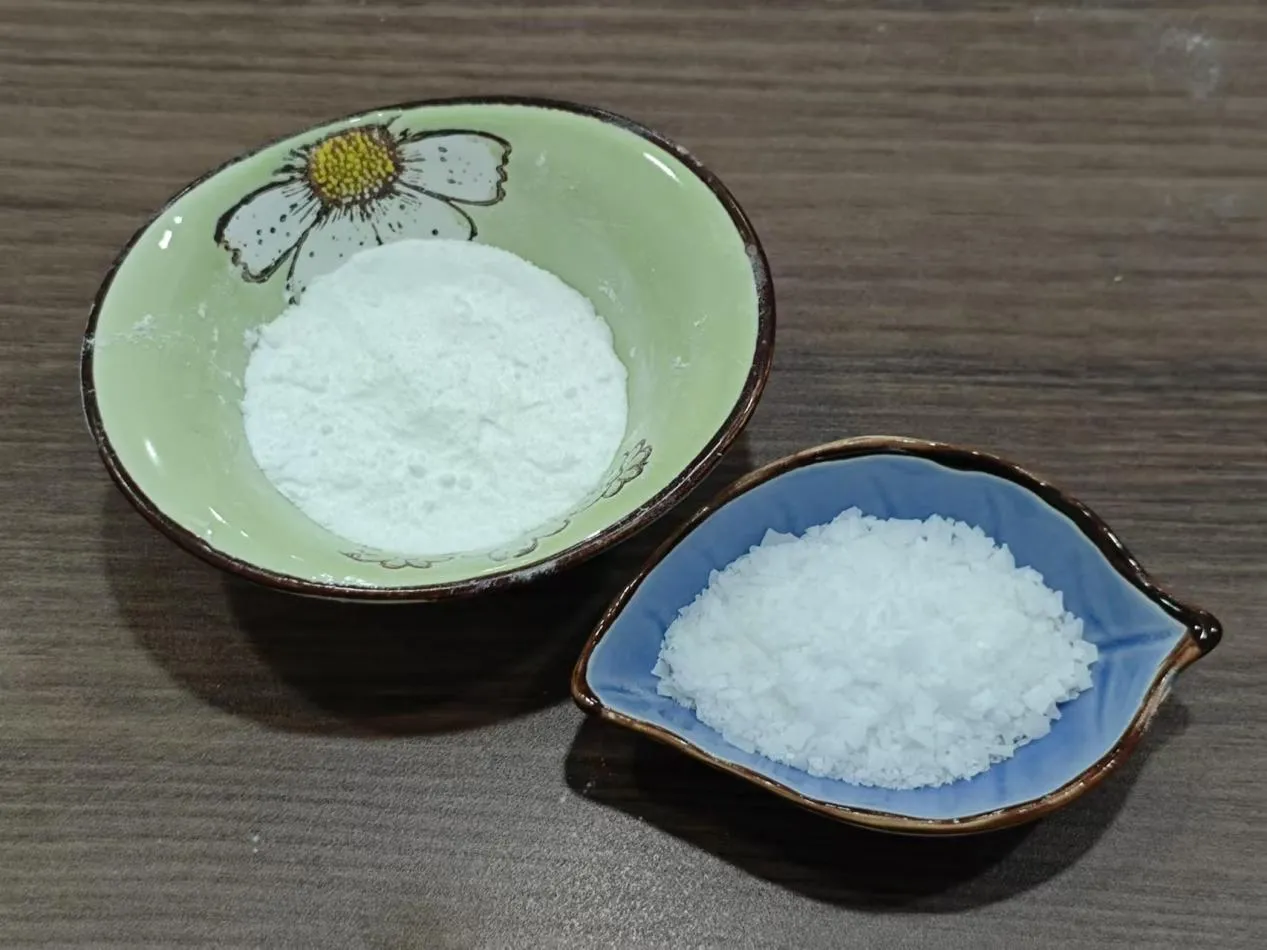
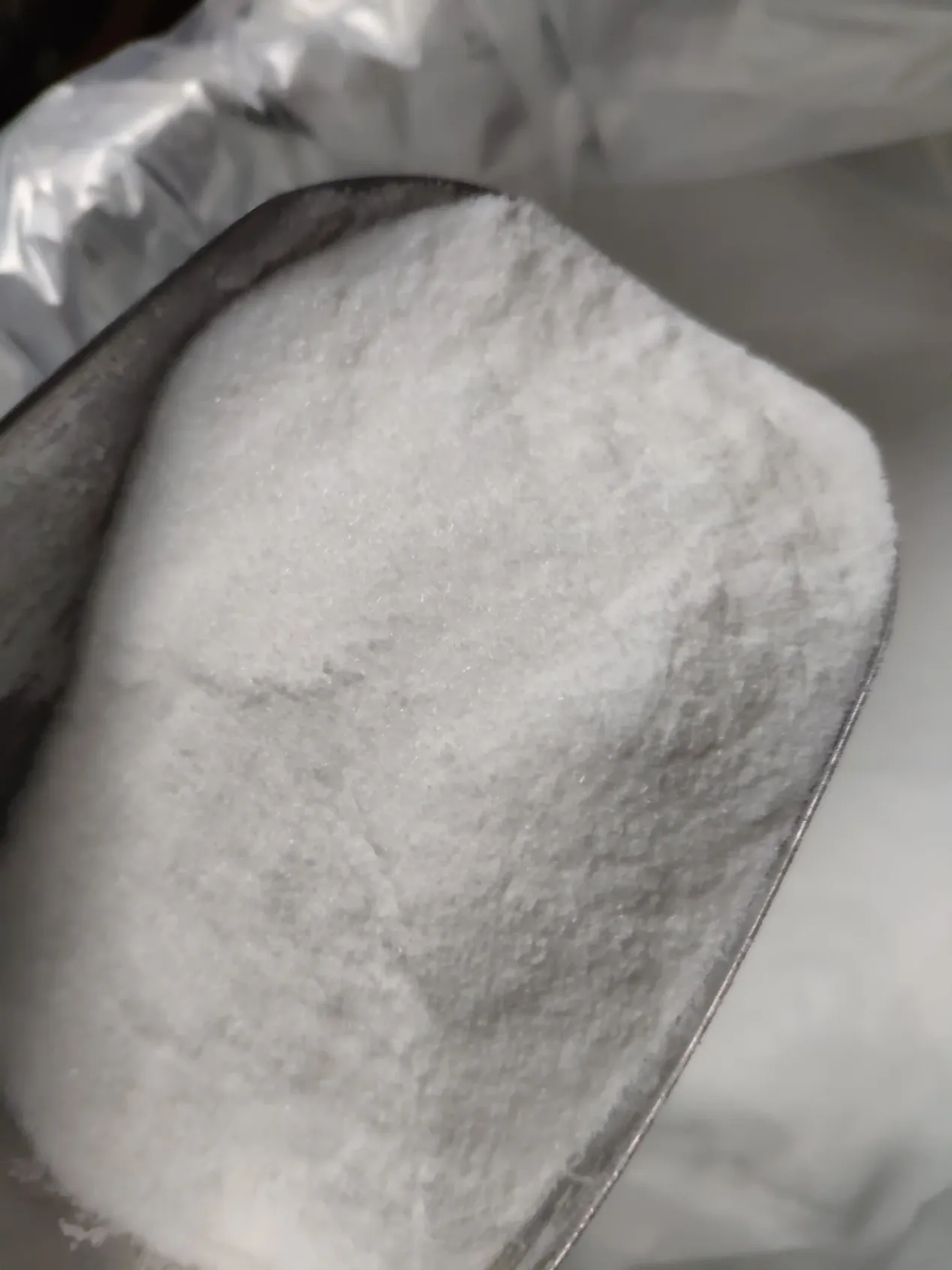
These variants allow formulators to design solutions ranging from mid range water reducer to high range water reducer concrete. Polycarboxylate superplasticizer powder offers the advantage of easy transport and storage.
Polycarboxylic Ether Based Superplasticizers
This category includes polymers with tailored side chains to optimize cement compatibility. The polycarboxylic ether polymer backbone ensures improved slump retention.
PCE P (Performance Grade)
Some PCE P formulations are specially engineered for fast-flowing self-consolidating concrete, balancing setting times and long-term durability.
Because of these benefits, polycarboxylate admixture systems dominate the market, ensuring durability, strength, and sustainable construction practices.
Advantages of Water Reducing Agents in Concrete
The widespread use of water reducing admixtures in concrete demonstrates their importance:
Improved Workability: By dispersing cement particles, admixtures enhance flow without increasing water.
Higher Strength: Lower water-cement ratios lead to stronger concrete.
Durability: Reduced porosity enhances resistance to freeze-thaw cycles, chloride attack, and chemical exposure.
Cost Efficiency: Less cement is required to achieve the same performance.
Sustainability: Lower cement consumption reduces CO₂ emissions, making admixtures environmentally friendly.
Whether applied as concrete water reducer plasticizer, cement water reducer, or specialized mid range water reducer in concrete, these admixtures align with modern construction needs.
Conclusion
The evolution of water reducing admixture types, from traditional lignosulfonates to advanced polycarboxylate ether superplasticizers, has transformed the concrete industry. Today, PCE polycarboxylate ether systems provide unmatched water reduction and workability, empowering engineers to build stronger, more sustainable structures. By understanding high range water reducer concrete, mid range water reducing admixture, and HRWR superplasticizer, contractors can make informed decisions for performance-driven construction projects. In the coming years, the demand for innovative polycarboxylic ether based superplasticizers and polycarboxylate superplasticizer powder will only continue to grow.
FAQs About Water Reducing Admixtures
FAQ 1: What are the main water reducing admixture types?
The three main types are normal range, mid range water reducing admixture, and high range water reducer concrete. Each type differs in water reduction capacity and application suitability.
FAQ 2: How does a PCE polycarboxylate ether superplasticizer work in concrete?
A PCE polycarboxylate ether superplasticizer disperses cement particles, lowers water demand, and improves workability, making it ideal for high-strength and self-consolidating concrete.
FAQ 3: What is the difference between mid range water reducer and HRWR superplasticizer?
A mid range water reducer in concrete improves workability with moderate water reduction, while an HRWR superplasticizer drastically reduces water (up to 30%), enabling high-strength concrete formulations.
FAQ 4: Why is polycarboxylate admixture preferred over traditional admixtures?
Polycarboxylate admixtures offer superior dispersion, better slump retention, and environmental benefits compared to older types like lignosulfonates.
FAQ 5: What role does PCE material play in construction admixtures?
PCE material is the base polymer used to formulate polycarboxylate ether superplasticizers, ensuring advanced performance, longer workability, and compatibility with modern concrete mixes.
-
HPMC High-Performance Thickener | Hebei TangzhiNewsMar.06,2026
-
Wholesale Water Reducing Admixture for Special Cement: Performance and Market InsightsNewsFeb.28,2026
-
The Complete Guide to HPMC: Types, Applications, Grades, and Manufacturing InsightsNewsFeb.28,2026
-
Redispersible Polymer Powder: Types, Applications, and Performance AdvantagesNewsFeb.28,2026
-
Hydroxymethyl Ethyl Cellulose (MHEC): Properties, Applications, and Market InsightsNewsFeb.28,2026
-
Hydroxyethyl Cellulose: Applications, Performance, and Buying GuideNewsFeb.28,2026