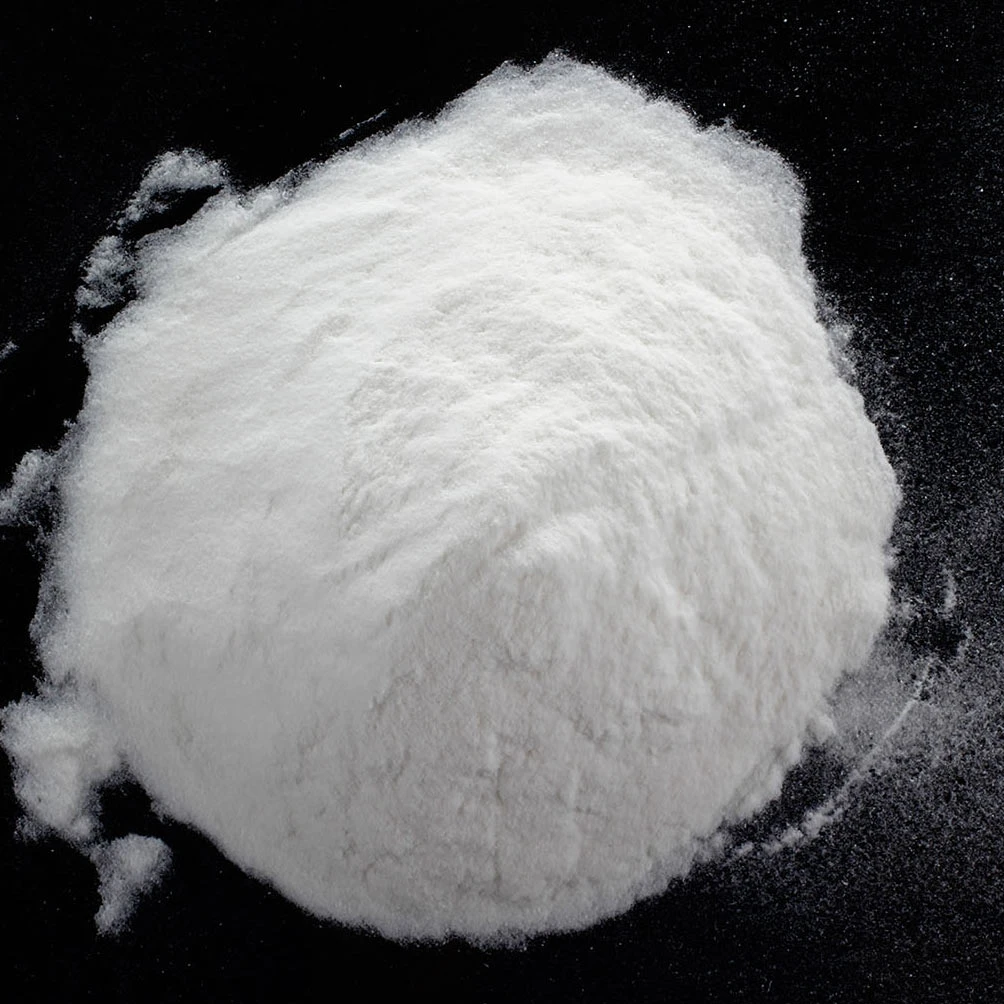
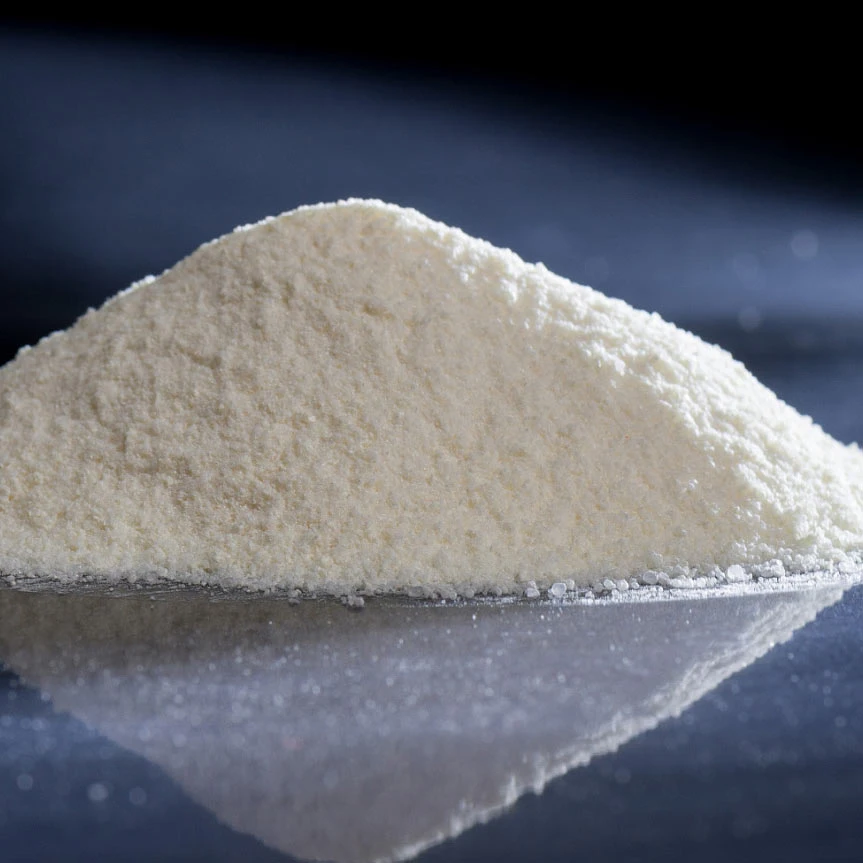
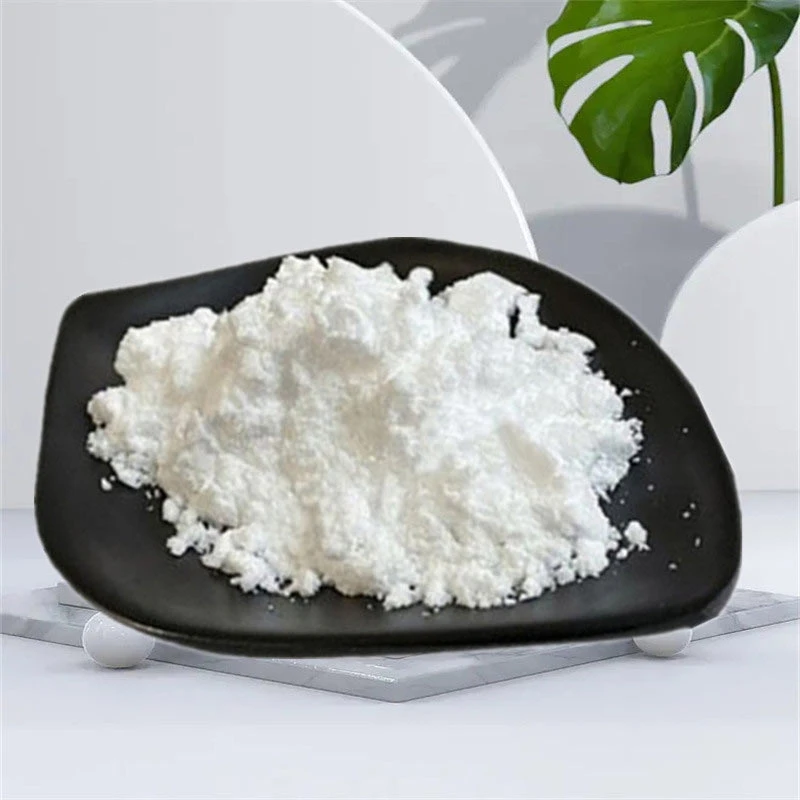
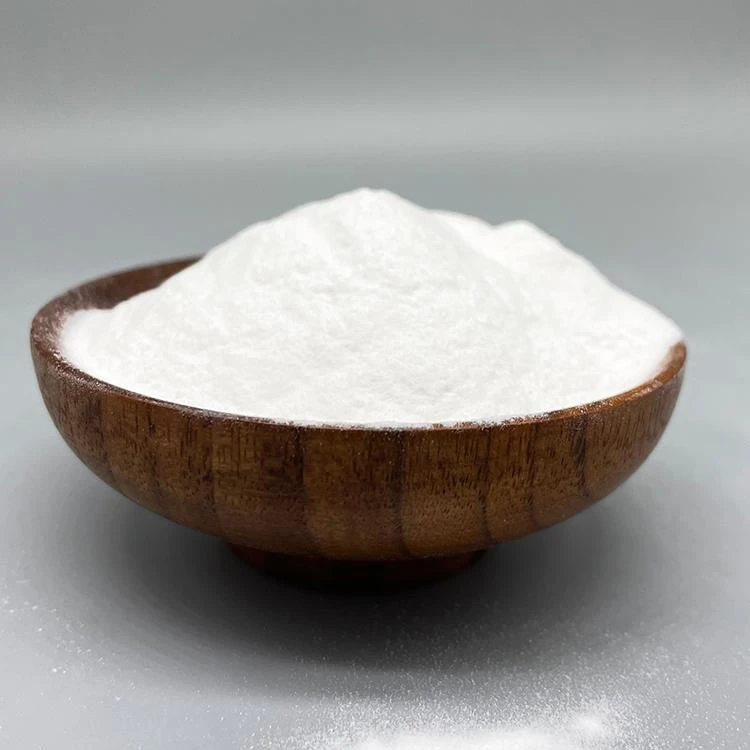
Understanding Sodium Carboxy Methyl Cellulose CMC Properties and Diverse Applications
Understanding Sodium Carboxymethyl Cellulose (CMC) and Its Applications
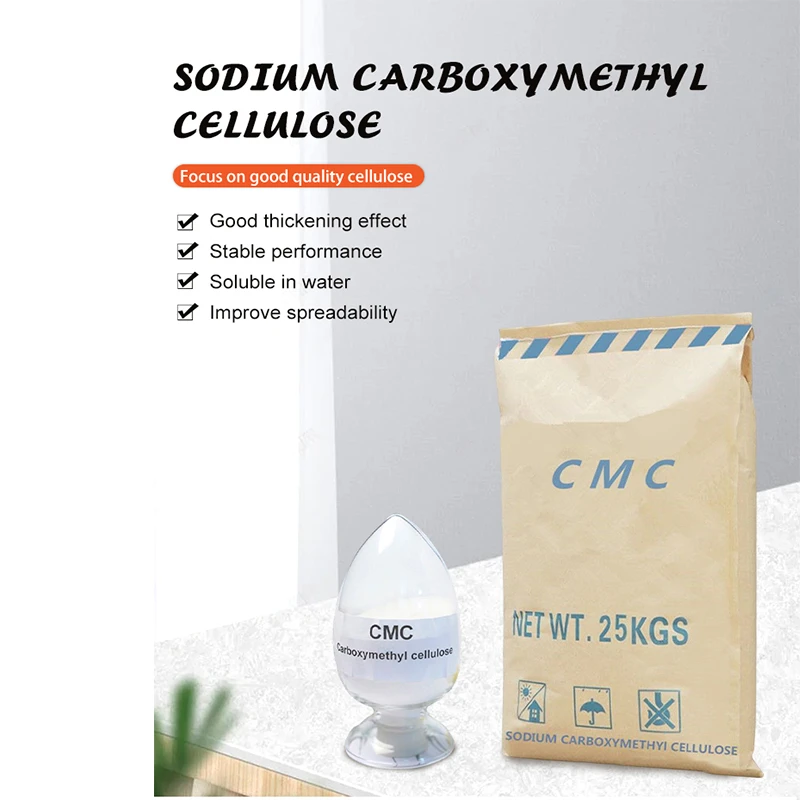
Sodium carboxymethyl cellulose (CMC), a versatile cellulose derivative, plays a crucial role in numerous industries, from food and pharmaceuticals to oil drilling and detergents. Its unique properties as a thickener, stabilizer, binder, and film former make it an invaluable ingredient. This article provides a comprehensive overview of CMC, exploring its production, properties, applications, and benefits. For high-quality CMC products and expert support, visit Tangzhi HPMC.
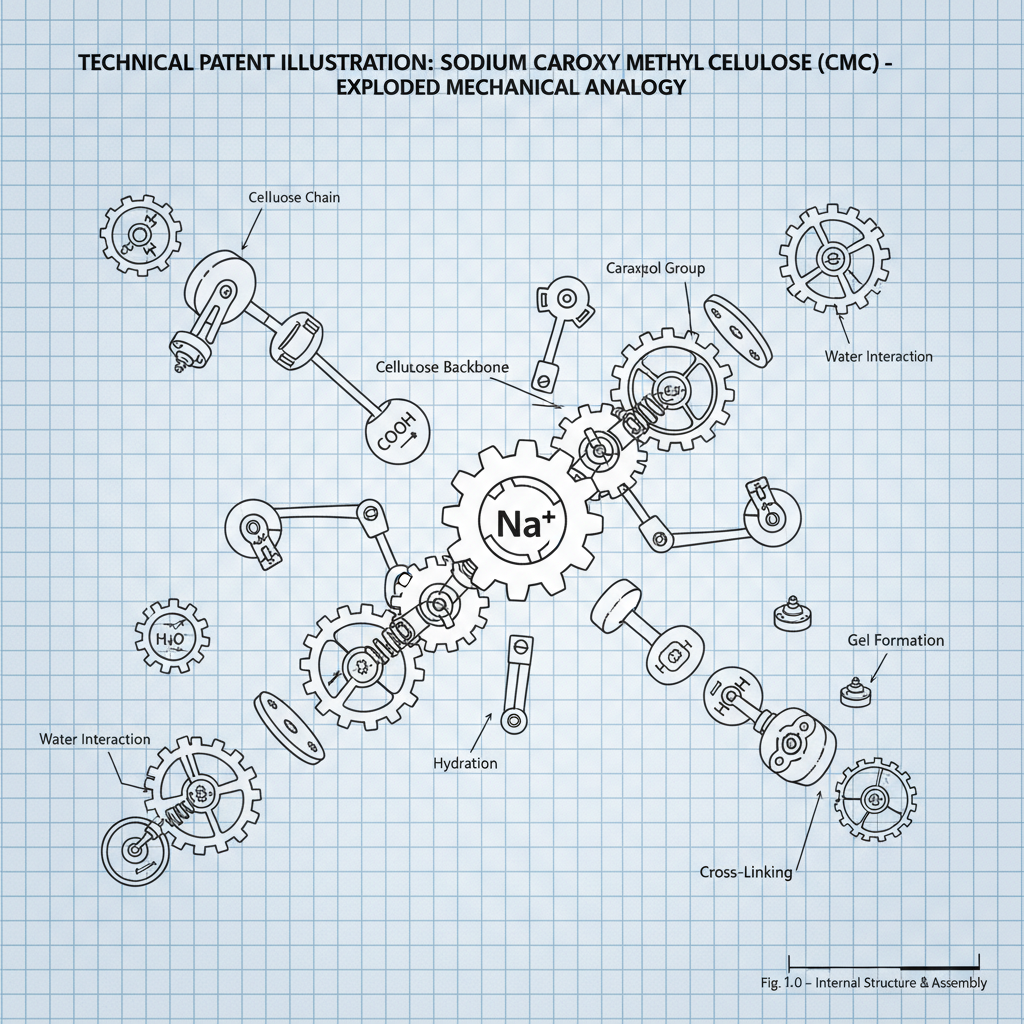
What is Sodium Carboxymethyl Cellulose (CMC)?
CMC is an anionic polysaccharide derived from cellulose, a naturally abundant polymer found in plants. It’s created by chemically modifying cellulose through carboxymethylation, introducing carboxymethyl groups (-CH2-COOH) along the cellulose chain. This process imparts water solubility and unique thickening properties. The degree of substitution (DS), representing the average number of carboxymethyl groups per glucose unit, significantly influences CMC's characteristics. Different grades of CMC are produced with varying DS values to meet specific application requirements. The quality and consistency of CMC are vital, making reliable suppliers like Tangzhi HPMC crucial.
Key Highlights: CMC is derived from cellulose, making it a renewable and sustainable material. Its versatility stems from its ability to modify viscosity, stability, and texture in diverse formulations.
Key Properties of Sodium Carboxymethyl Cellulose
CMC exhibits several key properties that make it suitable for a wide array of applications. These include: water solubility, forming clear, viscous solutions; thickening ability, increasing the viscosity of liquids; film-forming capabilities, creating flexible and transparent films; stabilization properties, preventing separation or settling of ingredients; and binding action, holding ingredients together. The viscosity of CMC solutions is influenced by concentration, temperature, pH, and the presence of salts. These properties are carefully controlled during manufacturing to produce CMC grades tailored for specific applications.
Important CMC Properties:
• High water solubility
• Excellent thickening and stabilizing effects
• Forms clear, odorless, and tasteless solutions
• Compatible with many other ingredients
Applications of Sodium Carboxymethyl Cellulose (CMC)
The applications of CMC are remarkably diverse. In the food industry, it's used as a thickener in ice cream, sauces, and baked goods, preventing ice crystal formation and improving texture. In pharmaceuticals, it serves as a binder in tablets, a suspending agent in liquid medications, and a viscosity enhancer in ophthalmic solutions. The oil drilling industry utilizes CMC as a fluid loss control agent in drilling muds. In detergents, it acts as a soil suspension agent, preventing redeposition of dirt during washing. Other applications include paper coatings, textiles, adhesives, and ceramics.
CMC Grades and Specifications
CMC is available in various grades, distinguished by viscosity, degree of substitution (DS), and particle size. Viscosity is typically measured in centipoise (cP) and influences the thickening power of the CMC solution. Higher DS values generally result in higher solubility and increased thickening efficiency. Particle size affects dissolution rate and clarity of solutions. Selecting the appropriate grade is critical for achieving optimal performance in the desired application.

Conclusion: The Versatility of CMC
Sodium carboxymethyl cellulose is a remarkably versatile polymer with a wide range of applications across numerous industries. Its unique properties as a thickener, stabilizer, binder, and film former make it an essential ingredient in countless products. Choosing a reputable supplier like Tangzhi HPMC ensures consistent quality and reliable performance.
Frequently Asked Questions (FAQs)
What factors affect the viscosity of CMC solutions?
Several factors influence the viscosity of CMC solutions. These include the concentration of CMC, the temperature of the solution (viscosity generally decreases with increasing temperature), the pH of the solution, and the presence of electrolytes (salts can either increase or decrease viscosity depending on the type of salt and its concentration). The degree of substitution (DS) of the CMC also plays a role, with higher DS values generally leading to higher viscosity. Understanding these factors is crucial for formulating CMC solutions with the desired viscosity characteristics.
Is CMC safe for use in food products?
Yes, CMC is generally recognized as safe (GRAS) by regulatory authorities such as the U.S. Food and Drug Administration (FDA) for use in food products. It is non-toxic and non-allergenic. However, it's important to use food-grade CMC that meets the required purity standards. Properly manufactured CMC does not pose a health risk when consumed in typical quantities.
How should CMC be stored?
CMC should be stored in a cool, dry, and well-ventilated area, away from direct sunlight and moisture. It's best to keep it in its original, tightly closed container to prevent contamination and maintain its quality. Proper storage conditions are crucial for preventing degradation and ensuring the CMC retains its functional properties.
What are the advantages of choosing Tangzhi HPMC for CMC supply?
Tangzhi HPMC is a leading manufacturer and supplier of high-quality CMC, offering consistent product performance, competitive pricing, and excellent customer service. We provide a wide range of CMC grades to meet diverse application requirements, and our products adhere to stringent quality control standards. We also offer technical support and customized solutions to help you optimize your formulations.
-
HPMC High-Performance Thickener | Hebei TangzhiNewsMar.06,2026
-
Wholesale Water Reducing Admixture for Special Cement: Performance and Market InsightsNewsFeb.28,2026
-
The Complete Guide to HPMC: Types, Applications, Grades, and Manufacturing InsightsNewsFeb.28,2026
-
Redispersible Polymer Powder: Types, Applications, and Performance AdvantagesNewsFeb.28,2026
-
Hydroxymethyl Ethyl Cellulose (MHEC): Properties, Applications, and Market InsightsNewsFeb.28,2026
-
Hydroxyethyl Cellulose: Applications, Performance, and Buying GuideNewsFeb.28,2026