Hebei Tangzhi Technology Co., Ltd.



Carboxymethyl Cellulose in Toothpaste: The Hidden Hero
Jan . 25, 2026 01:55
Back to list
Carboxymethyl Cellulose in Toothpaste: The Hidden Hero
Understanding Carboxymethyl Cellulose in Toothpaste: A Deep Dive
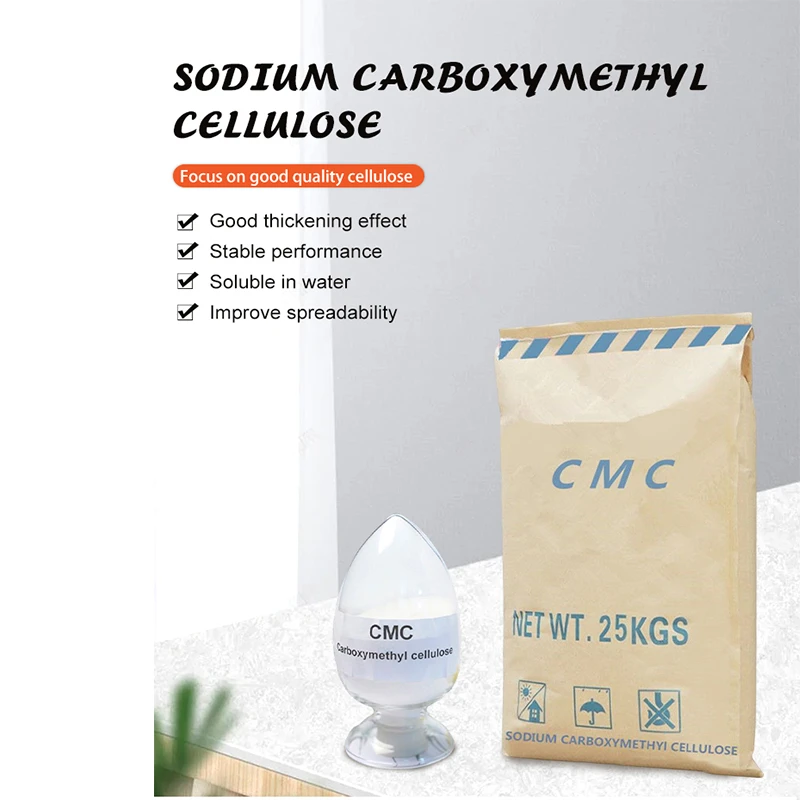
You know, after all these years in the formulation side of things, you start to appreciate the unseen ingredients. The ones that aren’t flashy marketing points, but genuinely make a product work. Carboxymethyl cellulose (CMC) in toothpaste is absolutely one of those. It's not a 'new' thing, it’s been around for ages, but it’s vital – frankly, you’d be hard-pressed to find a modern toothpaste without it. I suppose a lot of consumers don't even realize it's in there, but it impacts the texture, stability, and overall experience. It's a fascinating polymer, and understanding its role is key to understanding modern toothpaste formulation.The Science Behind the Smoothness: Product Specifications
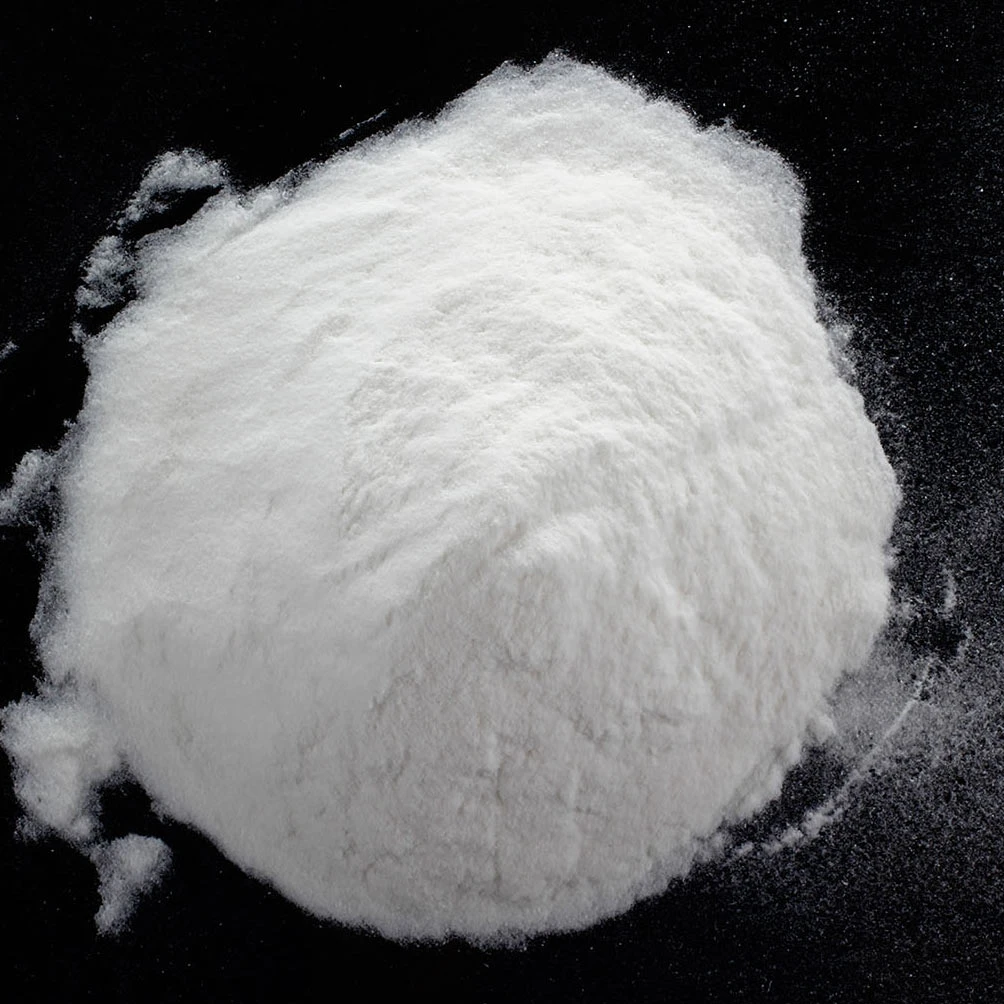
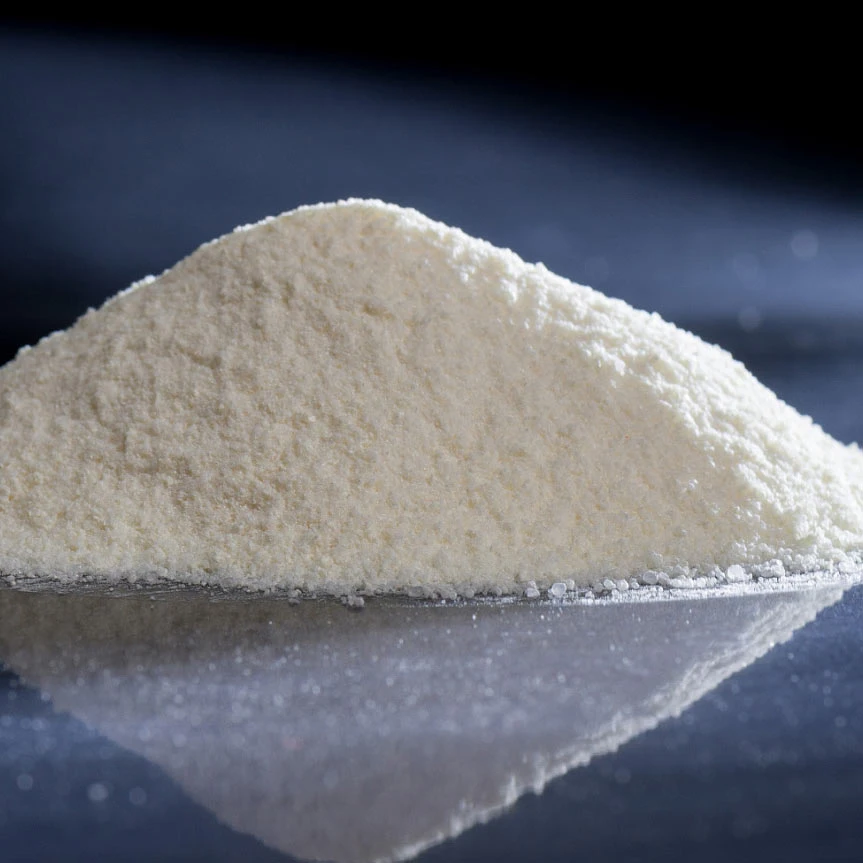
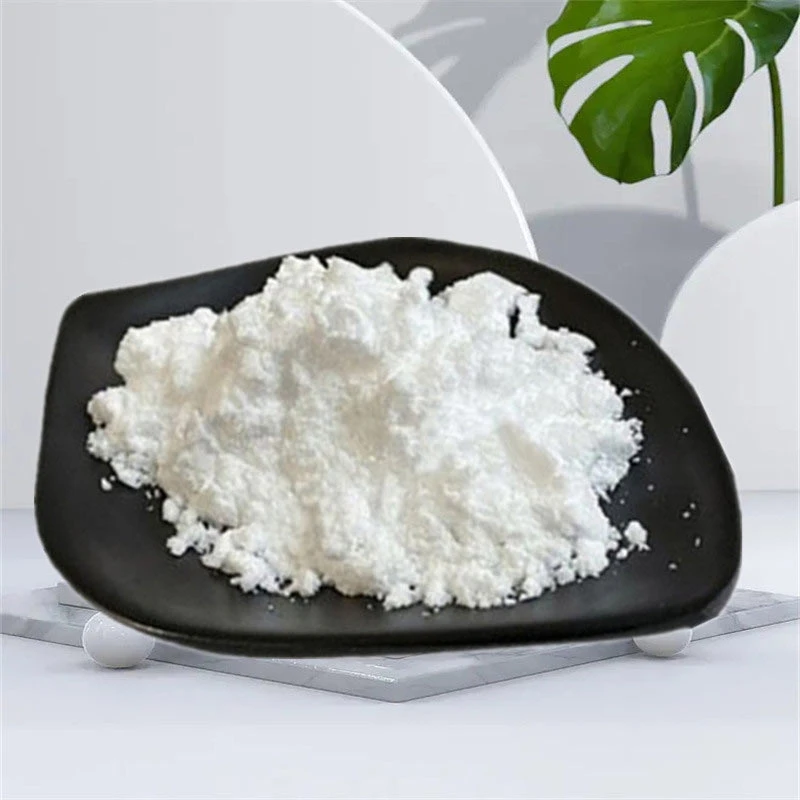
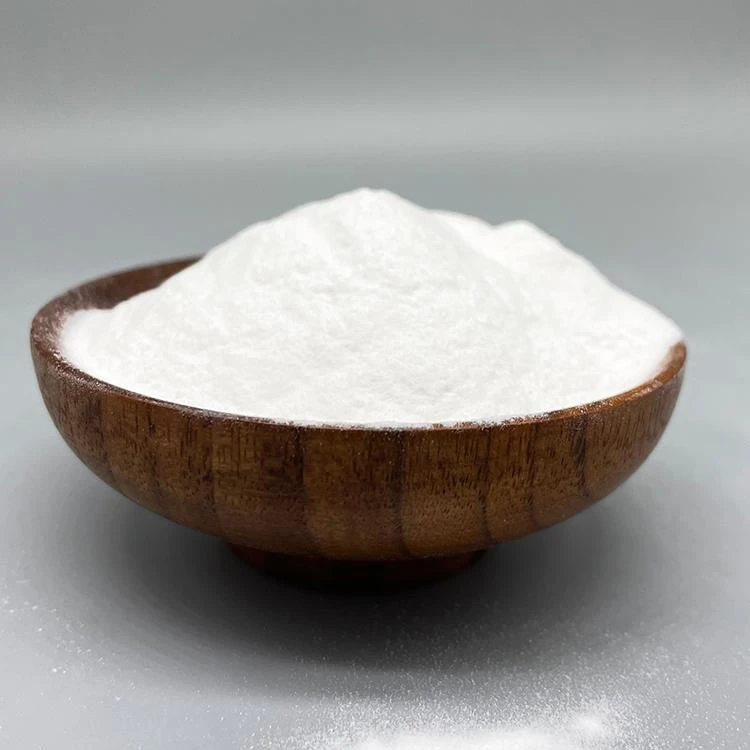
CMC is a cellulose derivative, meaning it's made from plant cellulose. It’s essentially taking something natural and modifying it to give it specific properties. In toothpaste, it functions primarily as a thickener, a stabilizer, and a binder. It prevents separation of the ingredients – you don't want your toothpaste looking like a layered salad, do you? – and helps maintain the desired consistency. It also contributes to foam control, which, while not directly related to cleaning, is important for the user experience. It’s a remarkably versatile ingredient. Here’s a quick rundown of typical CMC specs we look for:| Parameter | Specification | Test Method |
|---|---|---|
| Viscosity (2% solution) | 6000-15000 cP | Brookfield Viscometer |
| Degree of Substitution | 0.6-1.2 | Alkaline Titration |
| Moisture Content | ≤ 8% | Karl Fischer Titration |
| Particle Size | Sieve Analysis |
Navigating the Supplier Landscape: A Quick Comparison
Choosing a CMC supplier is, well, a bit of a minefield. There are a lot of options out there. Quality can vary drastically, and you really need to look at consistency and traceability. Many engineers say that sourcing from a reputable supplier is critical to avoid batch-to-batch variations that can throw off your entire formulation. Here’s a very simplified overview of a few key players. It’s not exhaustive, of course, but it’s a good starting point:| Vendor | CMC Grade Range | Typical Lead Time | Price Range (USD/kg) |
|---|---|---|---|
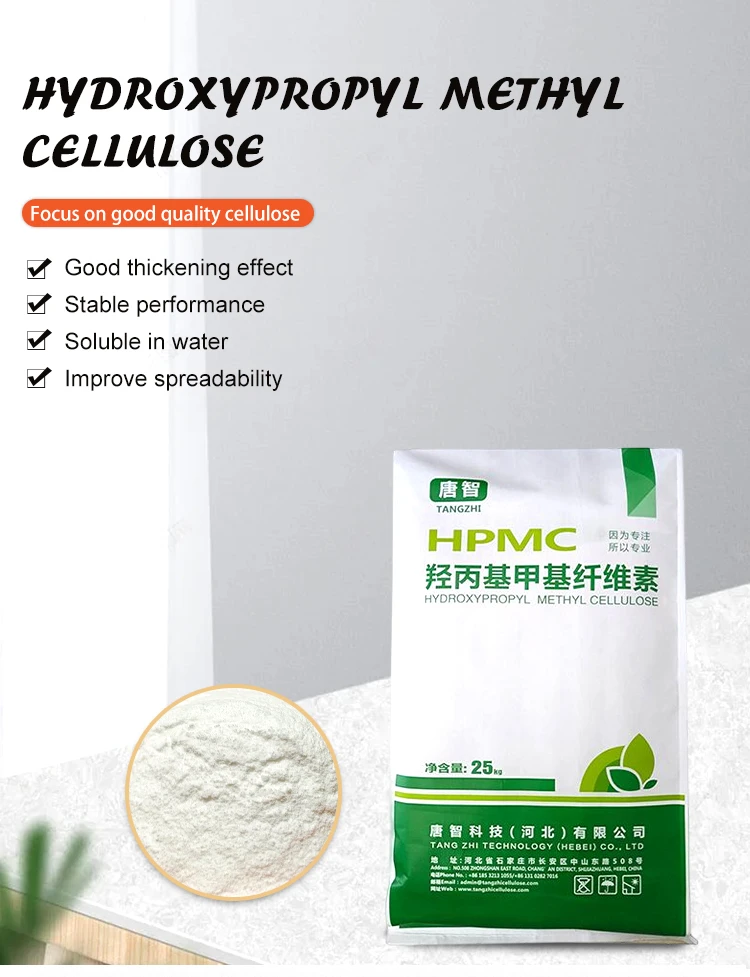
| Tangzhi HPMC | Toothpaste Grade, Pharma Grade | 7-14 days | $3 - $6 |
| DuPont | Broad Industrial Range | 10-21 days | $4 - $8 |
| Ashland | Specialty Cellulose Ethers | 14-28 days | $5 - $9 |
Looking Ahead: Customization and the Future of CMC
It feels like we're seeing more demand for tailored CMC solutions. Formulators are asking for specific viscosity profiles, particle sizes, and even modified substitution degrees to optimize performance in different toothpaste types – whitening, sensitivity, gel formulations, and so on. I remember one customer, a smaller brand focusing on natural toothpaste, needed a CMC with exceptionally low metal content to meet their certification requirements. It wasn’t off-the-shelf, but we were able to work with a supplier to get it done. It sort of highlights the power of collaboration and the increasing sophistication of the market. Tangzhi HPMC offers customization options, and are known to be responsive to unique formulation needs. Ultimately, CMC is a workhorse ingredient. It's not glamorous, but it’s essential.
References:
- "Cellulose Derivatives in Pharmaceutical and Food Applications" - Edited by Dr. Maria Garcia
- Supplier technical datasheets (2023-2024)
- Personal notes from formulation trials (2018–2023)
Latest news
-
HPMC High-Performance Thickener | Hebei TangzhiNewsMar.06,2026
-
Wholesale Water Reducing Admixture for Special Cement: Performance and Market InsightsNewsFeb.28,2026
-
The Complete Guide to HPMC: Types, Applications, Grades, and Manufacturing InsightsNewsFeb.28,2026
-
Redispersible Polymer Powder: Types, Applications, and Performance AdvantagesNewsFeb.28,2026
-
Hydroxymethyl Ethyl Cellulose (MHEC): Properties, Applications, and Market InsightsNewsFeb.28,2026
-
Hydroxyethyl Cellulose: Applications, Performance, and Buying GuideNewsFeb.28,2026