Find Reliable Redispersible Latex Powder Suppliers for Optimal Performance
Redispersible Latex Powder Suppliers: A Comprehensive Guide
Redispersible latex powder (RDP) is a crucial additive in various industries, including construction, adhesives, and textiles, enhancing properties like adhesion, flexibility, and water resistance. Choosing the right redispersible latex powder suppliers is paramount for ensuring product quality and performance. This article will delve into the key considerations when selecting a supplier, explore the different types of RDP available, and highlight the benefits of partnering with a reputable manufacturer like Tangzhi HPMC. We'll cover everything from technical specifications to logistical aspects, providing a complete overview for informed decision-making.
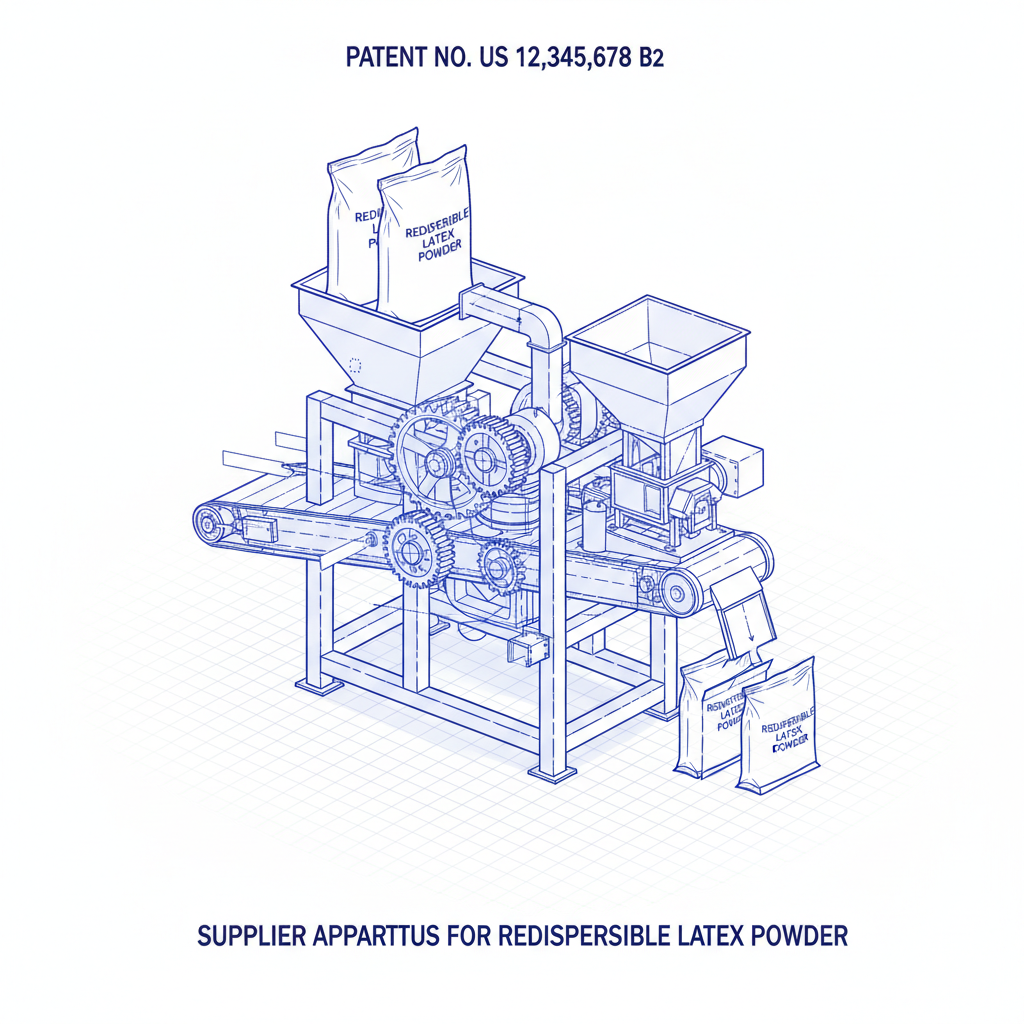
What is Redispersible Latex Powder?
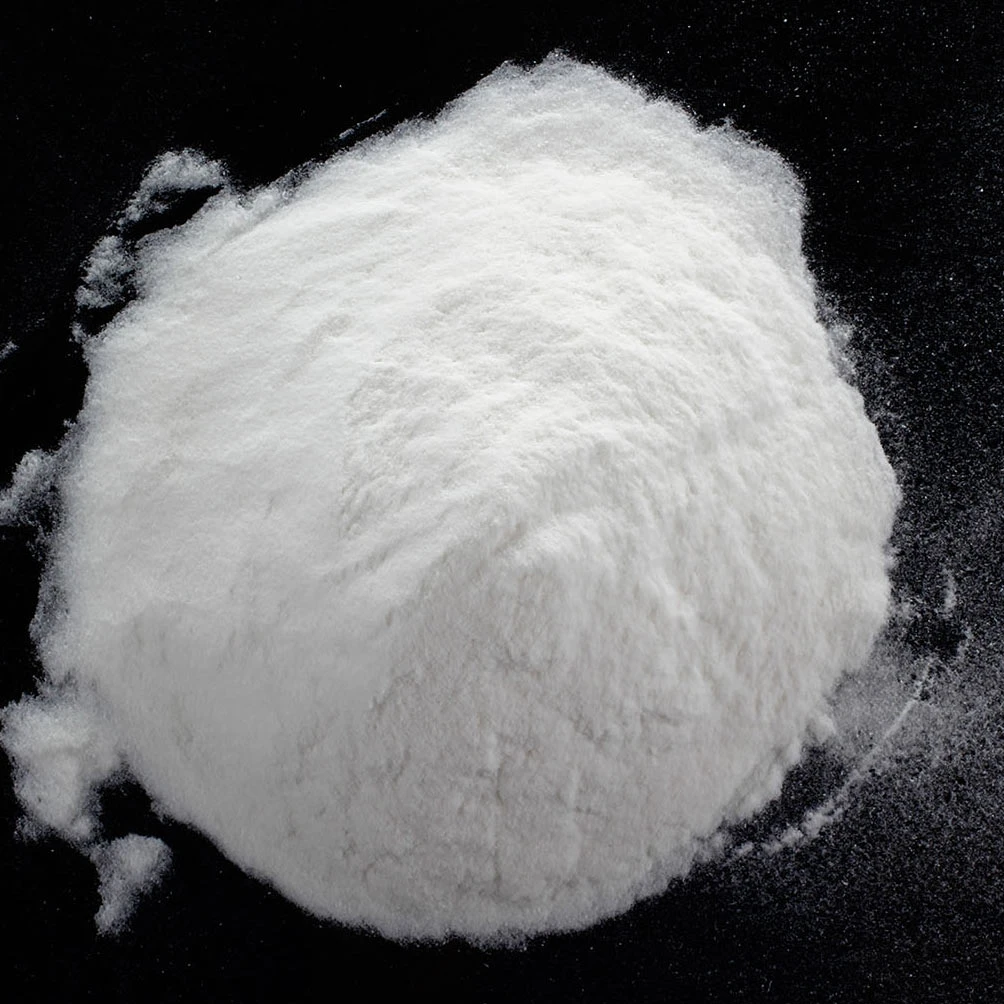
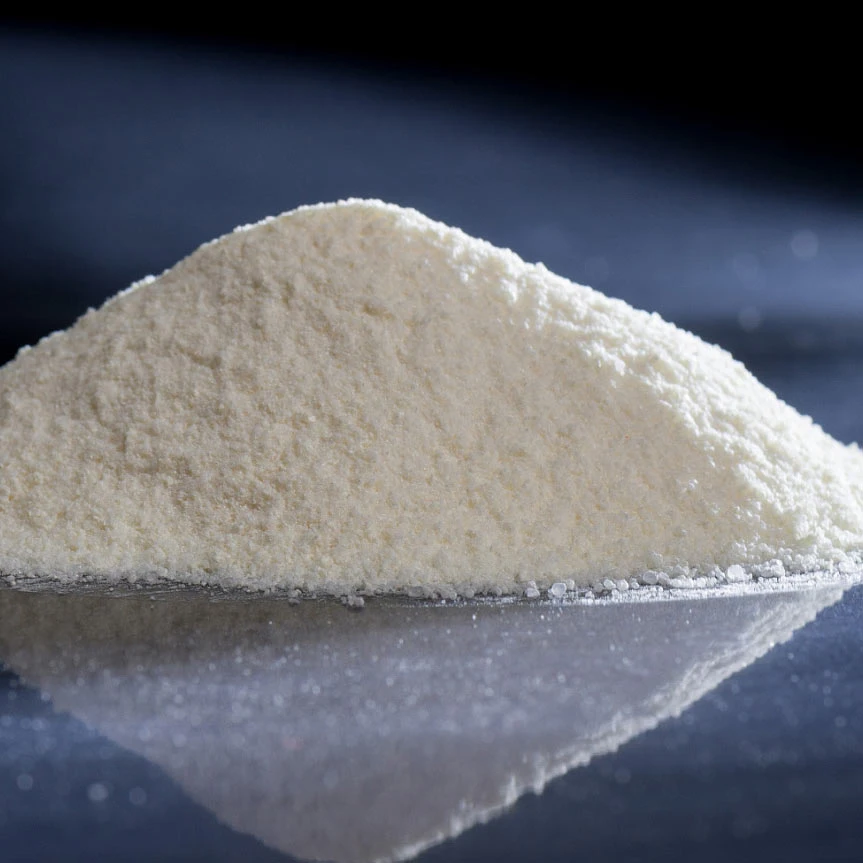
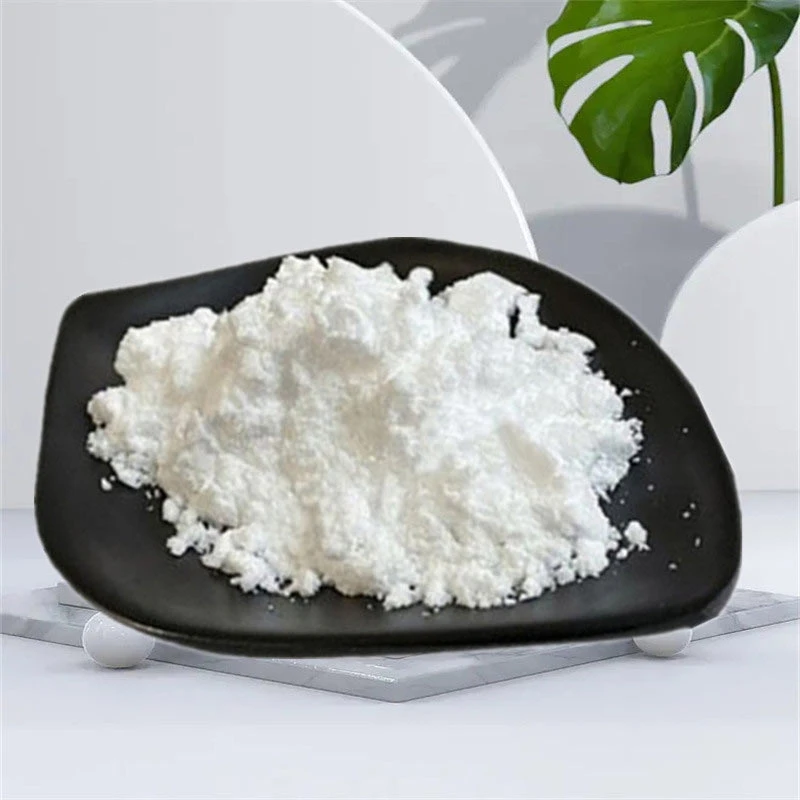
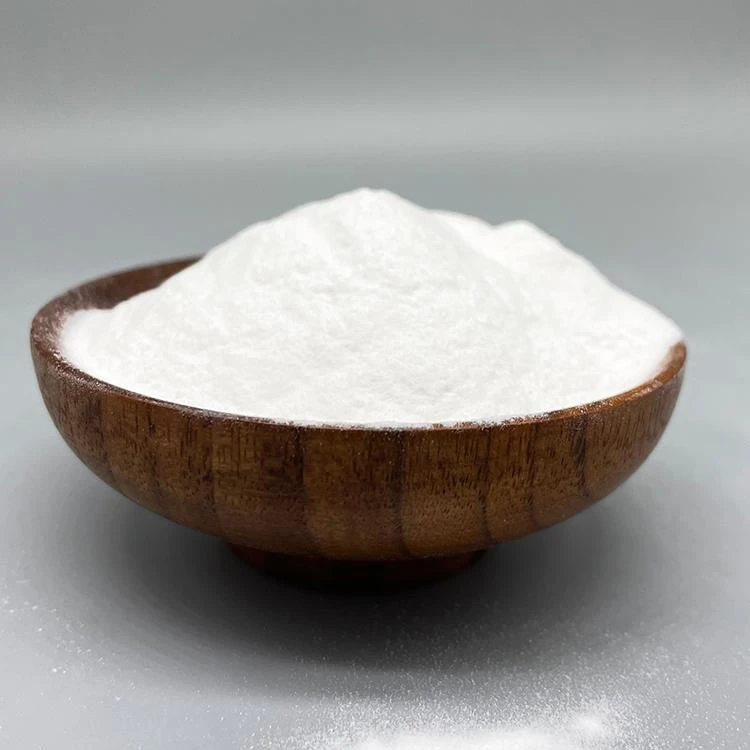
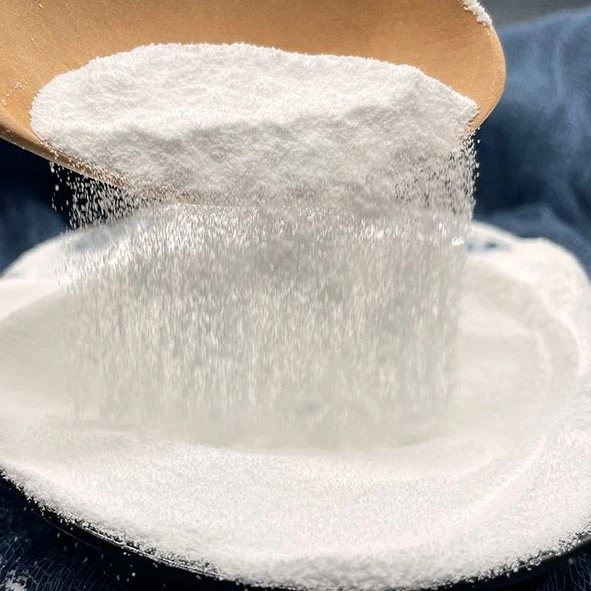
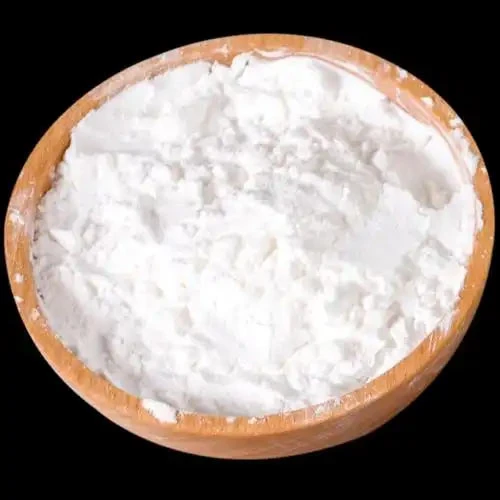
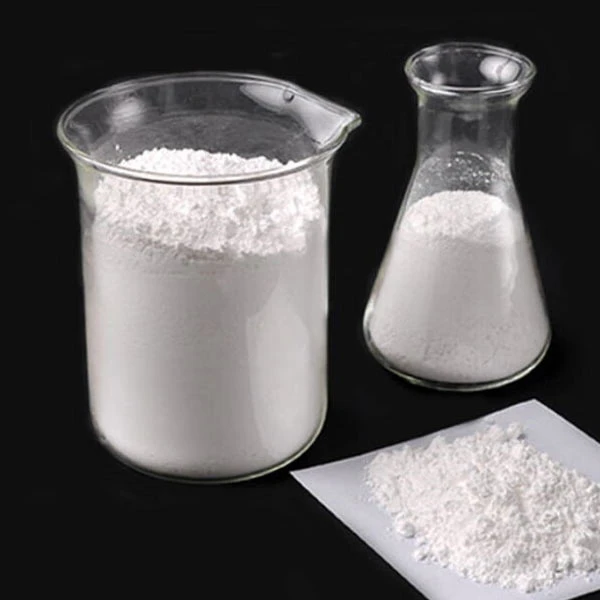
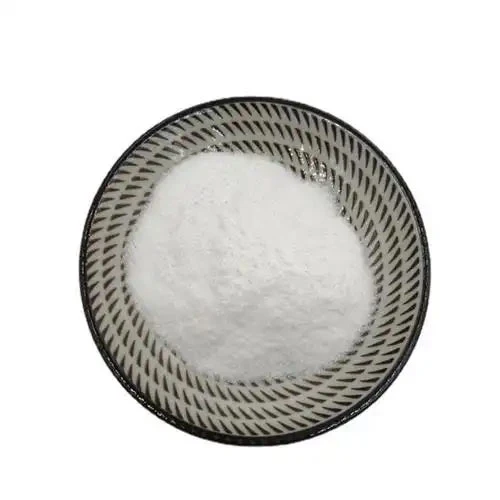
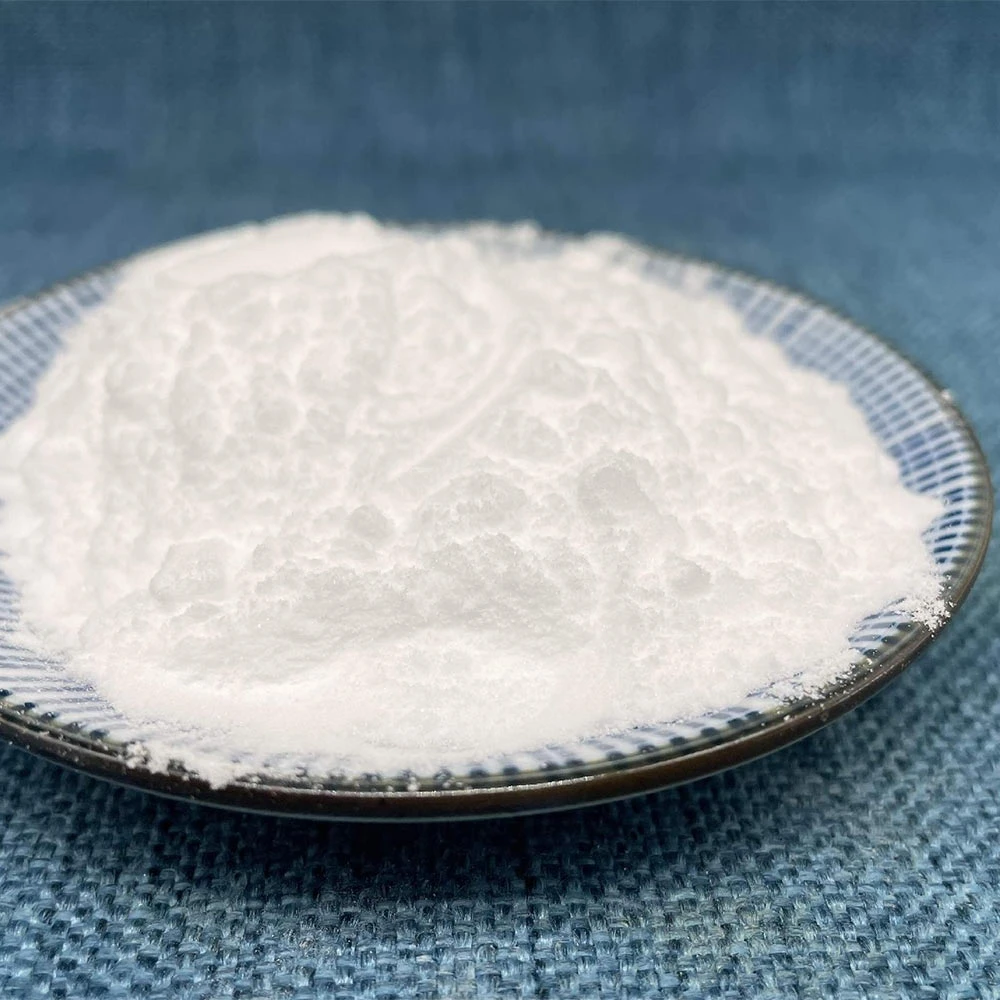
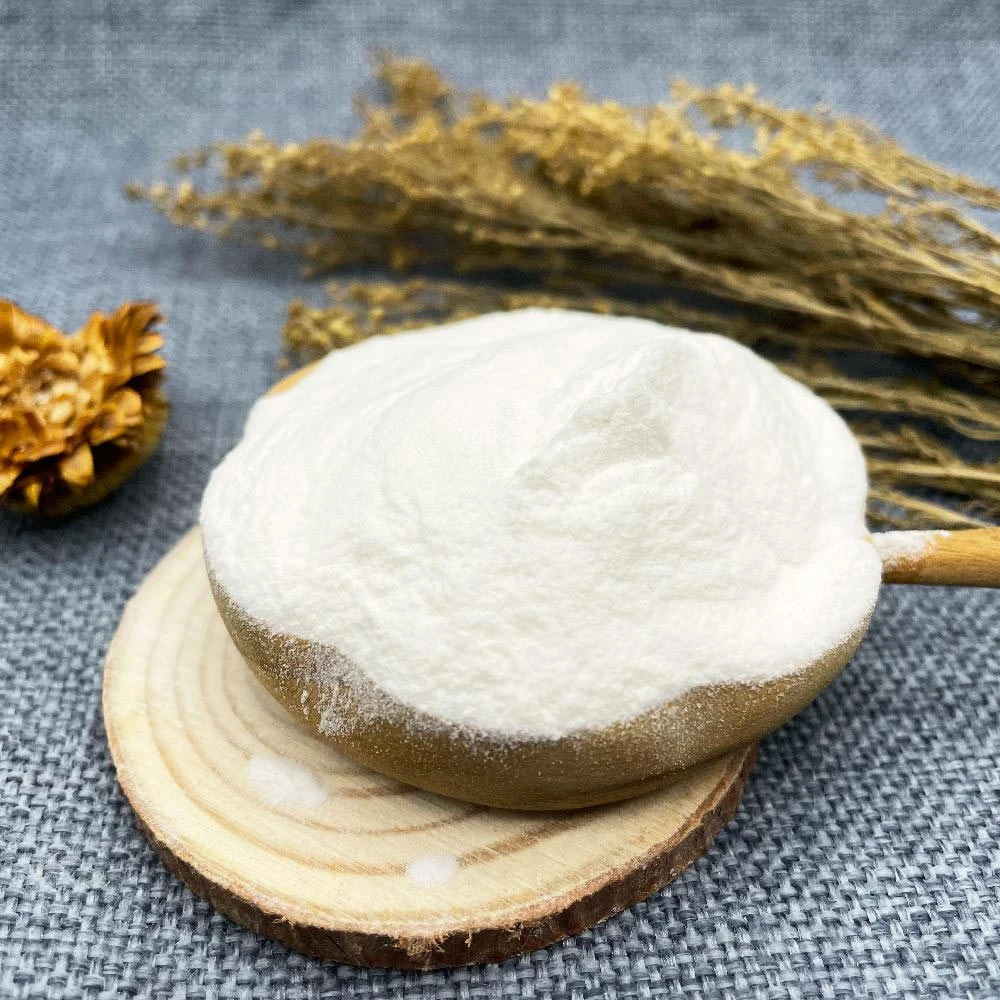
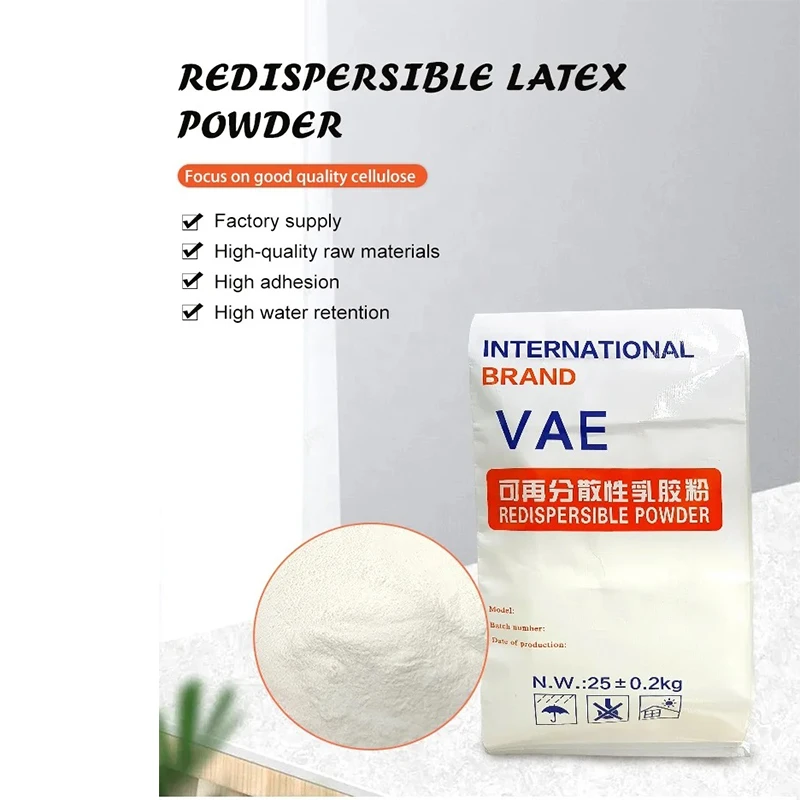
Redispersible latex powder is a synthetic resin that has been spray-dried from an emulsion. It appears as a white or off-white powder and is easily redispersed in water, forming a stable latex emulsion. This emulsion then acts as a binder, improving the workability, adhesion, and mechanical properties of various formulations. Its primary function is to enhance the performance characteristics of cementitious materials, tile adhesives, renders, and other construction products. Understanding its properties is essential when selecting the appropriate redispersible latex powder suppliers.
Key Benefits: Enhanced adhesion, improved flexibility, increased water resistance, and improved workability in cementitious systems.
Key Considerations When Choosing Redispersible Latex Powder Suppliers
Selecting the right supplier isn't just about price. Several factors play a critical role in ensuring you receive a high-quality product and reliable service. These include: Product Quality & Consistency: The RDP should meet stringent quality standards and exhibit consistent performance batch-to-batch. Technical Support: A good supplier offers comprehensive technical support to assist with formulation and application challenges. Production Capacity & Lead Times: The supplier should have sufficient production capacity to meet your demands and offer reasonable lead times. Certifications & Compliance: Look for suppliers with relevant certifications (ISO 9001, etc.) to ensure quality control and compliance with industry regulations. Logistics & Shipping: Efficient logistics and reliable shipping are crucial for timely delivery. Partnering with redispersible latex powder suppliers who prioritize these aspects is essential for a seamless supply chain.
Essential Supplier Attributes:
• Consistent product quality
• Responsive technical support
• Reliable supply chain
• Competitive pricing
Redispersible Latex Powder Types and Applications
Different types of RDP are formulated to meet specific application requirements. Vinyl Acetate-Ethylene (VAE) RDP: The most common type, offering excellent adhesion and flexibility, widely used in tile adhesives and construction mortars. Vinyl Acetate-Versatile Acrylic (VAc-VeoVa) RDP: Provides enhanced water resistance and durability, suitable for exterior applications and demanding environments. Acrylic RDP: Offers superior UV resistance and color stability, ideal for applications exposed to sunlight. These various formulations are used in a broad spectrum of industries including building materials, paints and coatings, textiles, and adhesive manufacturing, ensuring optimal performance and durability of the final product. Selecting the correct type, based on its intended use, makes choosing the appropriate redispersible latex powder suppliers all the more important.
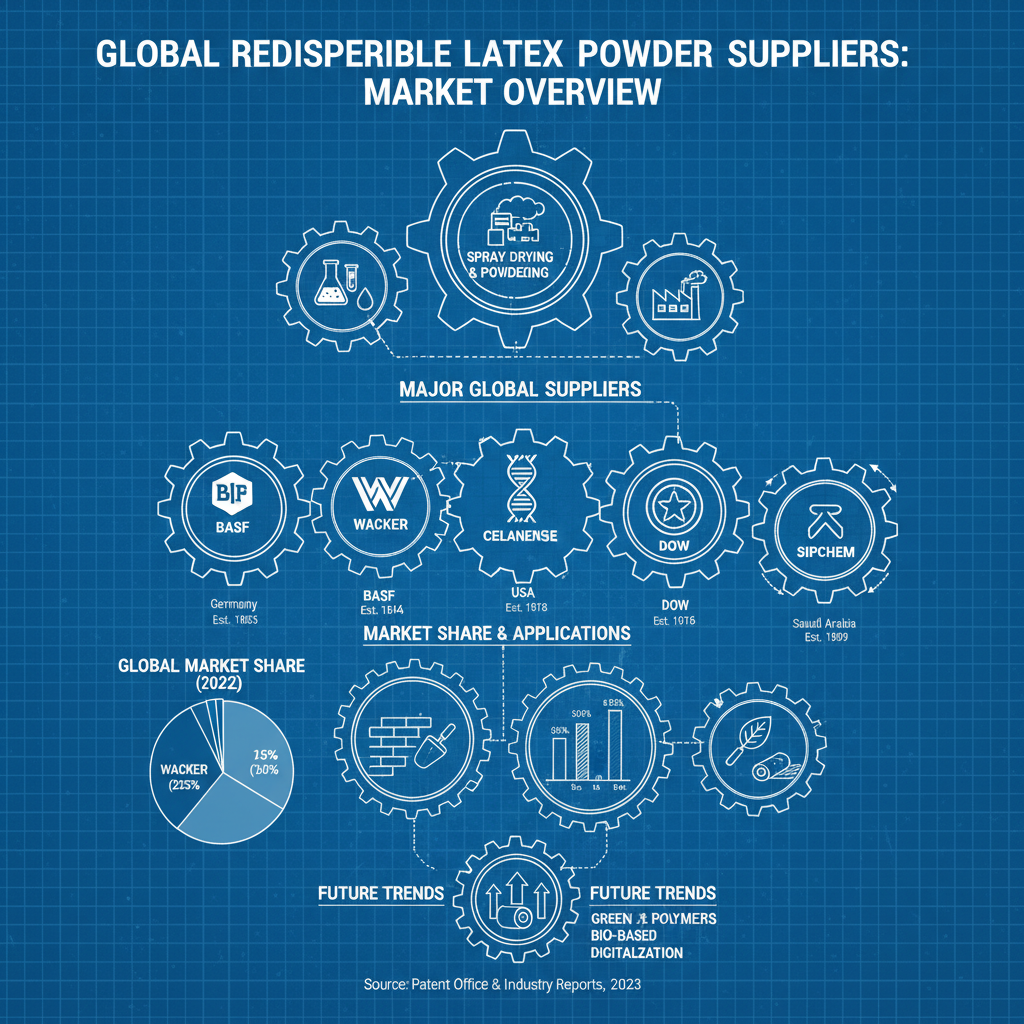
Comparing Key RDP Specifications: Tangzhi HPMC vs. Competitors
Understanding the technical specifications of RDP is vital for choosing the right product. Here’s a comparison of Tangzhi HPMC’s RDP offerings versus typical industry standards:
Why Choose Tangzhi HPMC as Your RDP Supplier?
Tangzhi HPMC stands out as a leading redispersible latex powder suppliers, committed to delivering high-quality products and exceptional customer service. We offer a comprehensive range of RDP types tailored to diverse applications. Our state-of-the-art manufacturing facility, stringent quality control processes, and dedicated technical support team ensure consistent product performance and reliability. Furthermore, we provide competitive pricing and flexible shipping options to meet your specific needs. Partner with Tangzhi HPMC and experience the difference!
Conclusion: Partnering for Success
Selecting the right redispersible latex powder suppliers is a critical decision that impacts the performance and quality of your products. Tangzhi HPMC offers a winning combination of quality, innovation, and customer service, making us the ideal partner for businesses seeking reliable RDP solutions. Contact us today to learn more about how we can help you achieve your goals.
Frequently Asked Questions (FAQs)
What is the typical shelf life of redispersible latex powder?
Generally, redispersible latex powder has a shelf life of 12-18 months when stored in a cool, dry place away from direct sunlight and moisture. However, it's crucial to check the manufacturer’s specific recommendations as shelf life can vary based on the product formulation. Proper storage is vital to maintain the powder’s redispersibility and performance characteristics. Over time, exposure to humidity can cause the powder to cake or lose its effectiveness. Tangzhi HPMC provides clear storage guidelines with all our products to ensure optimal longevity and performance.
What is the recommended dosage of RDP in cement-based formulations?
The optimal dosage of RDP depends on the specific application and desired properties. Typically, the dosage ranges from 2% to 8% by weight of cement. Lower dosages enhance workability and adhesion, while higher dosages improve flexibility and water resistance. It's crucial to conduct laboratory testing to determine the ideal dosage for your specific formulation. Tangzhi HPMC’s technical support team can provide guidance on dosage optimization based on your requirements.
Can RDP be used with other additives in cementitious systems?
Yes, RDP is often used in combination with other additives, such as cellulose ethers (like HPMC), air-entraining agents, and pigments. This allows for fine-tuning the properties of the cementitious system to meet specific performance criteria. However, it's important to ensure compatibility between the additives and conduct thorough testing to avoid any adverse interactions. Our team at Tangzhi HPMC can advise on compatible additive combinations.
What safety precautions should be taken when handling redispersible latex powder?
Redispersible latex powder is generally considered safe to handle, but it's advisable to wear dust masks and safety glasses to prevent inhalation and eye irritation. Avoid prolonged skin contact. Refer to the Safety Data Sheet (SDS) for detailed safety information and handling instructions. Ensure adequate ventilation in the work area to minimize dust exposure.
-
HPMC High-Performance Thickener | Hebei TangzhiNewsMar.06,2026
-
Wholesale Water Reducing Admixture for Special Cement: Performance and Market InsightsNewsFeb.28,2026
-
The Complete Guide to HPMC: Types, Applications, Grades, and Manufacturing InsightsNewsFeb.28,2026
-
Redispersible Polymer Powder: Types, Applications, and Performance AdvantagesNewsFeb.28,2026
-
Hydroxymethyl Ethyl Cellulose (MHEC): Properties, Applications, and Market InsightsNewsFeb.28,2026
-
Hydroxyethyl Cellulose: Applications, Performance, and Buying GuideNewsFeb.28,2026