Understanding Different Types of Cellulose and Their Industrial Value
Cellulose is one of the most abundant natural polymers on Earth and serves as a cornerstone for numerous industries, from food and pharmaceuticals to textiles and construction. Derived primarily from renewable resources such as cellulose from plants and cellulose from wood, this versatile material can be processed into powders, fibers, or functional derivatives that meet highly specialized needs.
As global demand shifts toward sustainable and biodegradable ingredients, cellulose has become a preferred alternative to synthetic additives. Manufacturers, formulators, and researchers continue to explore how natural cellulose structures can be refined into high-performance materials while maintaining environmental responsibility.
In this article, we will explore the different types of cellulose, their origins, their transformation into functional products, and why they are increasingly important in modern supply chains.
Sources and Structures: From Natural Materials to Functional Fibers
At its core, cellulose is a carbohydrate composed of glucose units linked in long chains. These chains form strong microfibrils that provide rigidity to plant cell walls. The most common industrial sources include cellulose from plants such as cotton, hemp, and agricultural residues, as well as cellulose from wood obtained from controlled forestry operations.
One of the purest natural forms is cellulose cotton. Cotton fibers contain very high cellulose content, which makes them ideal for conversion into medical, cosmetic, and technical materials. Through mechanical and chemical processing, cotton can also become cellulose fiber cotton, widely used in filtration, hygiene products, and specialty papers.
Wood pulp, on the other hand, provides a scalable and cost-effective raw material. Advanced purification processes remove lignin and hemicellulose, yielding cellulose suitable for food, pharmaceutical, and industrial uses. Because of the wide availability of timber resources, cellulose from wood remains the backbone of global production.
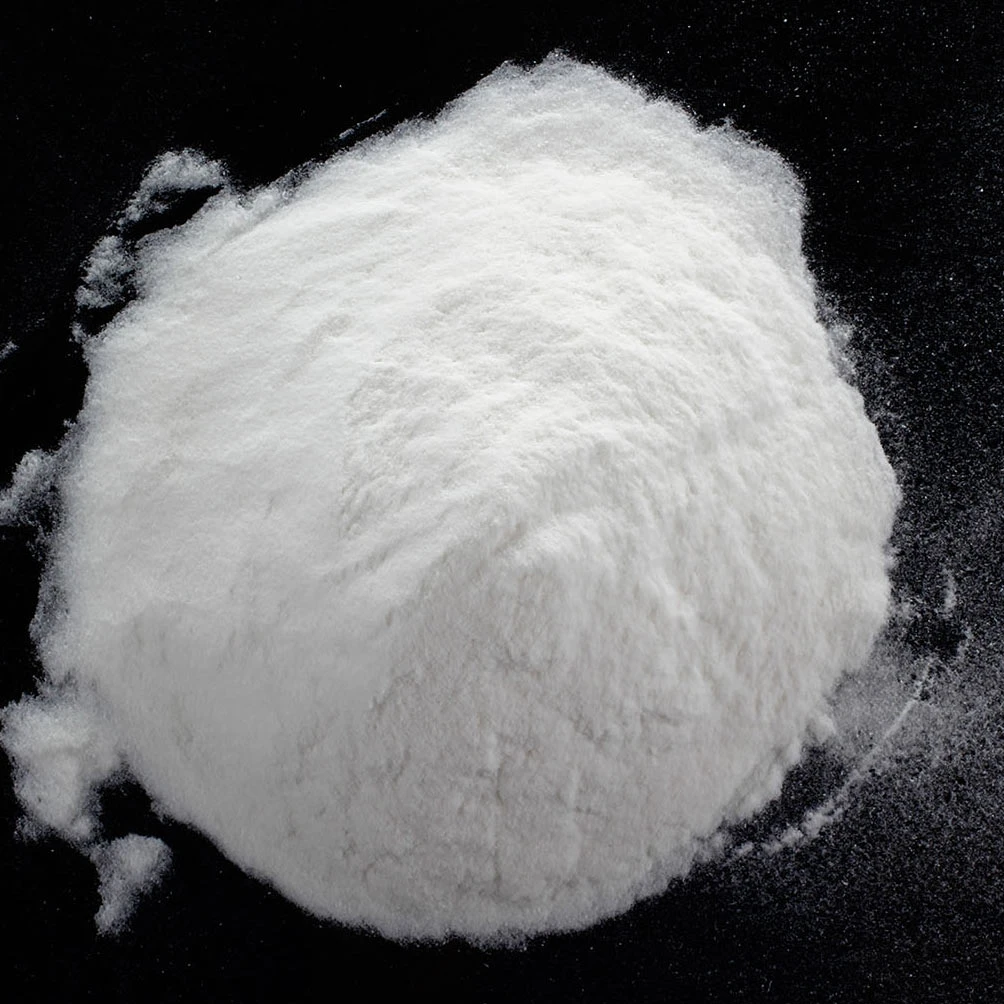
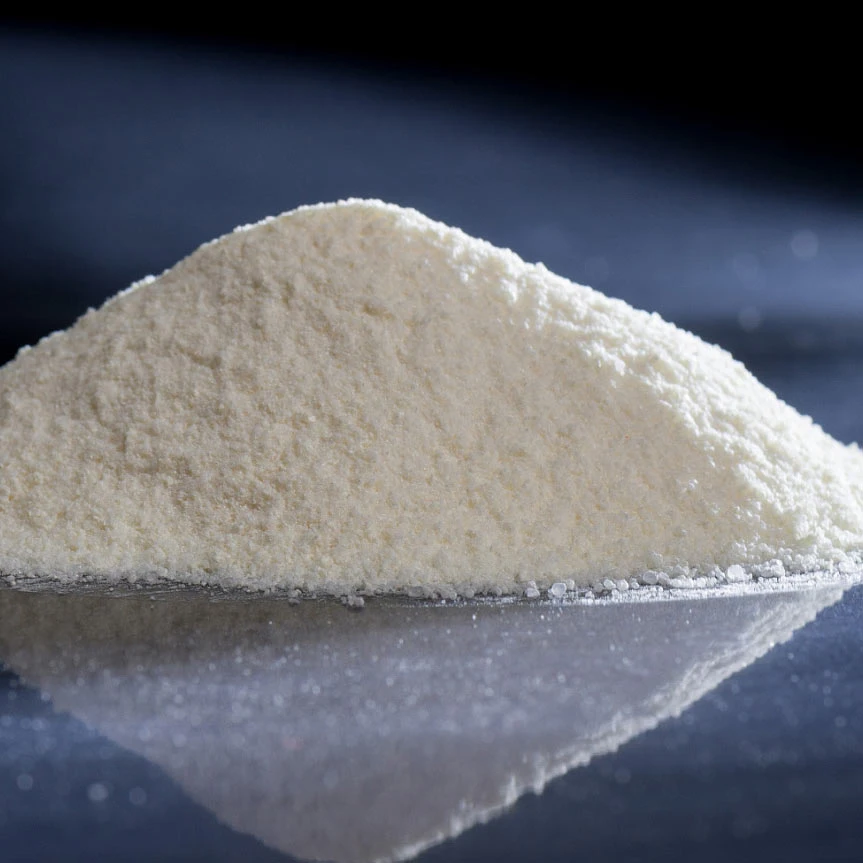
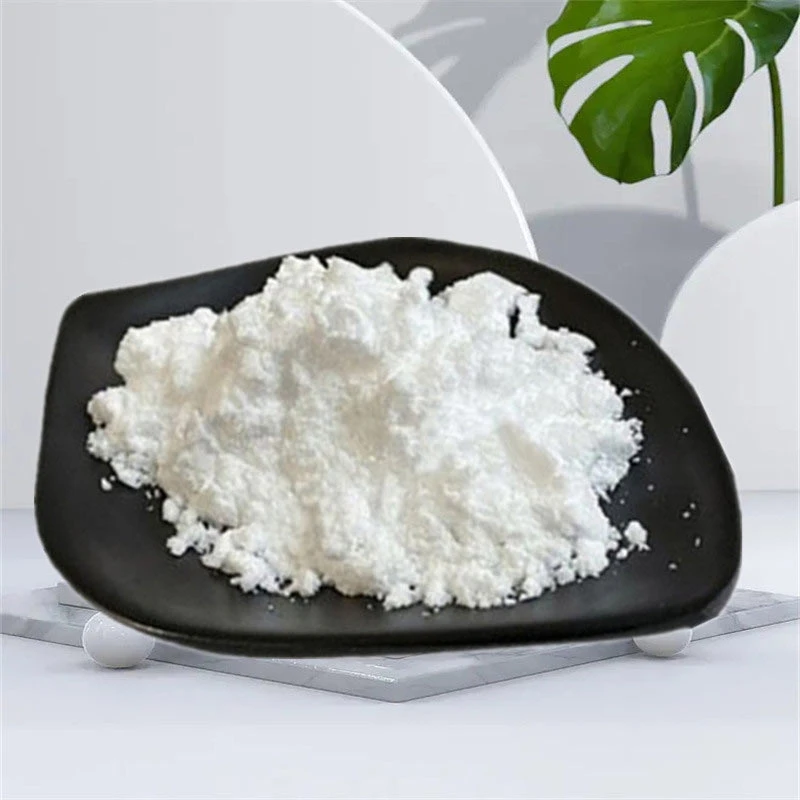
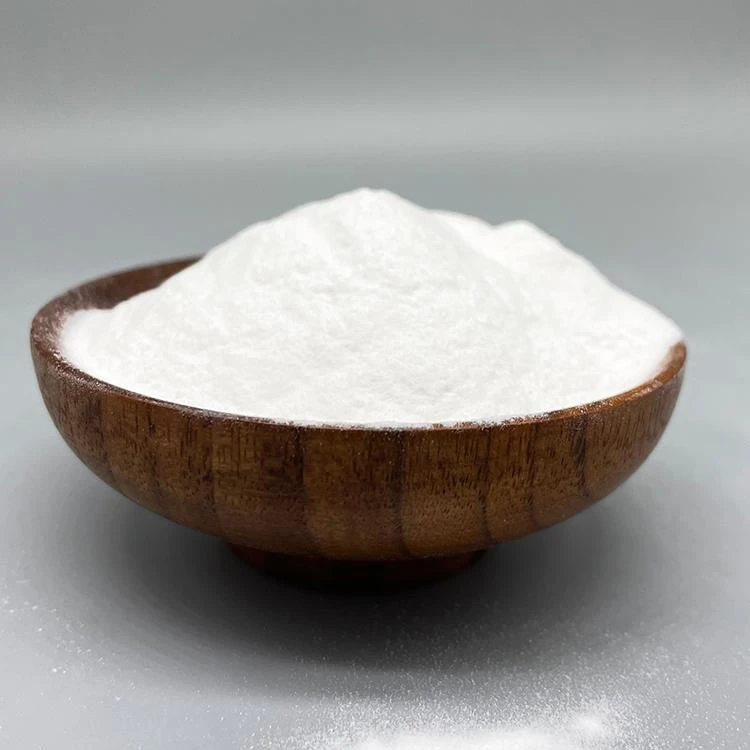
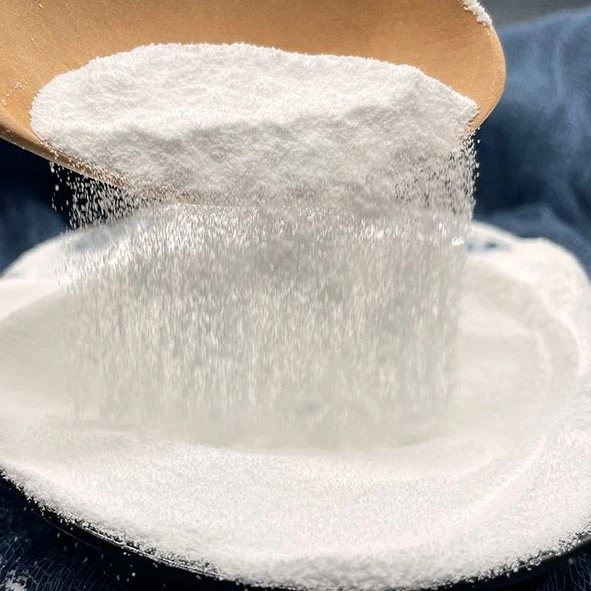
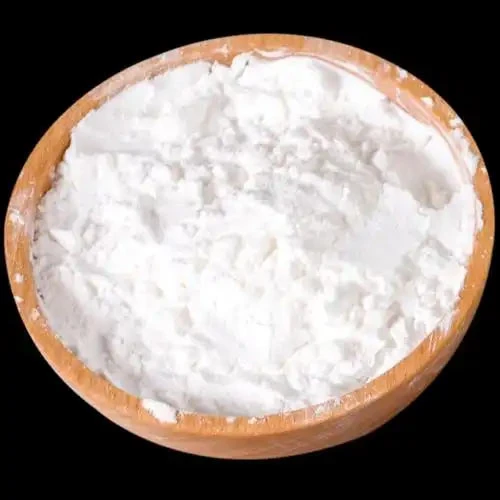
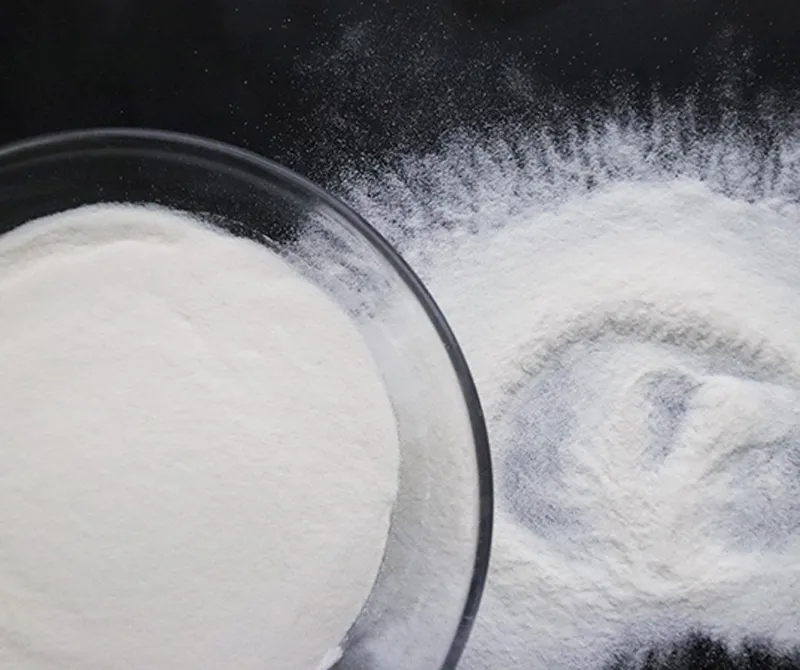
When processed into fine particles, cellulose becomes a free-flowing ingredient with remarkable versatility. Many people ask, what is powdered cellulose? In simple terms, it is purified cellulose milled into small particles, offering excellent absorption, anti-caking, and bulking properties. It is frequently used in spice blends, dietary supplements, and bakery applications.
Another growing segment is cellulose fiber food usage. In food systems, cellulose fibers improve texture, enhance fiber content, stabilize emulsions, and reduce calories by replacing fat. Because cellulose is not digested by the human body, it contributes dietary fiber without altering flavor.
In regional markets, buyers sometimes search for terms like cellulose fiber in hindi to better understand labeling, regulatory information, or ingredient sourcing. This reflects the expanding global awareness of cellulose as a safe, plant-derived additive.
Expanding Applications Across Industries
Thanks to its adaptability, cellulose continues to expand into new territories of innovation. Companies that once relied on synthetic polymers are now integrating cellulose-based alternatives to meet environmental regulations and consumer expectations.
In the textile field, cellulose cotton and regenerated fibers derived from cellulose from plants provide breathable, biodegradable fabrics. These materials are comfortable, renewable, and compatible with modern sustainability goals. Meanwhile, engineered cellulose fiber cotton variants can be modified for improved durability, absorption, or softness.
Food technology has embraced cellulose fiber food ingredients for their functional and nutritional value. They help maintain structure in processed meat, improve mouthfeel in sauces, and act as carriers for flavors and nutrients. Powdered grades are especially important where flowability and consistent blending are required.
Pharmaceutical applications rely heavily on refined cellulose powders. This is where leading microcrystalline cellulose manufacturers play a vital role. They supply highly controlled materials used as tablet binders, disintegrants, and stabilizers. High purity, consistent particle size, and regulatory compliance are critical factors in this market.
Understanding what is powdered cellulose also helps explain its importance in medicine. Beyond bulking, it can influence compression behavior and release profiles, making it indispensable in modern drug development.
Industrial sectors such as construction, plastics, and filtration are also turning toward cellulose reinforcements. Materials derived from cellulose from wood offer strength while reducing environmental impact. As technology advances, nano-cellulose and functional fibers promise even broader applications.
The global reach of cellulose is evident in multilingual searches like cellulose fiber in hindi, which highlight increasing demand in emerging economies. As awareness grows, supply chains must adapt to provide technical documentation, traceability, and stable quality worldwide.
The journey from cellulose from plants and cellulose from wood to advanced industrial ingredients showcases the remarkable adaptability of nature’s most abundant polymer. Whether in the form of cellulose cotton, engineered cellulose fiber cotton, nutritional cellulose fiber food, or refined powders supplied by top microcrystalline cellulose manufacturers, cellulose continues to enable innovation across markets.
By understanding the different types of cellulose, companies can select materials that align with both performance requirements and sustainability goals. As industries move toward greener solutions, cellulose stands out as a renewable, safe, and future-ready resource.
FAQ About Different Types of Cellulose
Q1: What are the main different types of cellulose used in industry?
The different types of cellulose include natural fibers, powdered cellulose, and highly refined materials like microcrystalline grades. Each type is tailored for food, pharma, textile, or industrial purposes.
Q2: What is powdered cellulose and why is it important?
If you wonder what is powdered cellulose, it is purified cellulose ground into fine particles. It works as an anti-caking agent, bulking material, and fiber source.
Q3: How is cellulose cotton different from cellulose fiber cotton?
Cellulose cotton refers to natural raw fiber, while cellulose fiber cotton usually indicates processed or engineered material designed for specialized absorption or filtration.
Q4: Where is cellulose fiber used in food?
Cellulose fiber food applications include bakery, sauces, dairy alternatives, and dietary products where texture, stability, and added fiber are needed.
Q5: Who supplies pharmaceutical-grade cellulose?
Professional microcrystalline cellulose manufacturers provide high-purity, standardized materials that meet strict regulatory requirements for drug production.
-
HPMC High-Performance Thickener | Hebei TangzhiNewsMar.06,2026
-
Wholesale Water Reducing Admixture for Special Cement: Performance and Market InsightsNewsFeb.28,2026
-
The Complete Guide to HPMC: Types, Applications, Grades, and Manufacturing InsightsNewsFeb.28,2026
-
Redispersible Polymer Powder: Types, Applications, and Performance AdvantagesNewsFeb.28,2026
-
Hydroxymethyl Ethyl Cellulose (MHEC): Properties, Applications, and Market InsightsNewsFeb.28,2026
-
Hydroxyethyl Cellulose: Applications, Performance, and Buying GuideNewsFeb.28,2026