The Expanding Role of Microcrystalline Cellulose and Functional Cellulose Derivatives in Modern Industry
Cellulose chemistry has evolved far beyond traditional plant fibers. Today, refined and modified materials such as microcrystalline cellulose, carboxymethyl cellulose, methyl cellulose, hydroxyethyl cellulose, hydroxypropyl cellulose, and methyl hydroxypropyl cellulose play essential roles in pharmaceuticals, food processing, personal care, and advanced manufacturing.
These multifunctional ingredients are valued for their safety, biodegradability, and exceptional performance as binders, stabilizers, thickeners, and film-forming agents. As industries increasingly seek sustainable and high-efficiency raw materials, cellulose derivatives continue to stand out as reliable solutions.
Understanding Key Types of Cellulose and Their Functional Advantages
Each cellulose derivative is engineered to deliver specific physical and chemical behaviors. By adjusting solubility, viscosity, thermal response, and compatibility, manufacturers can tailor performance to very precise applications.
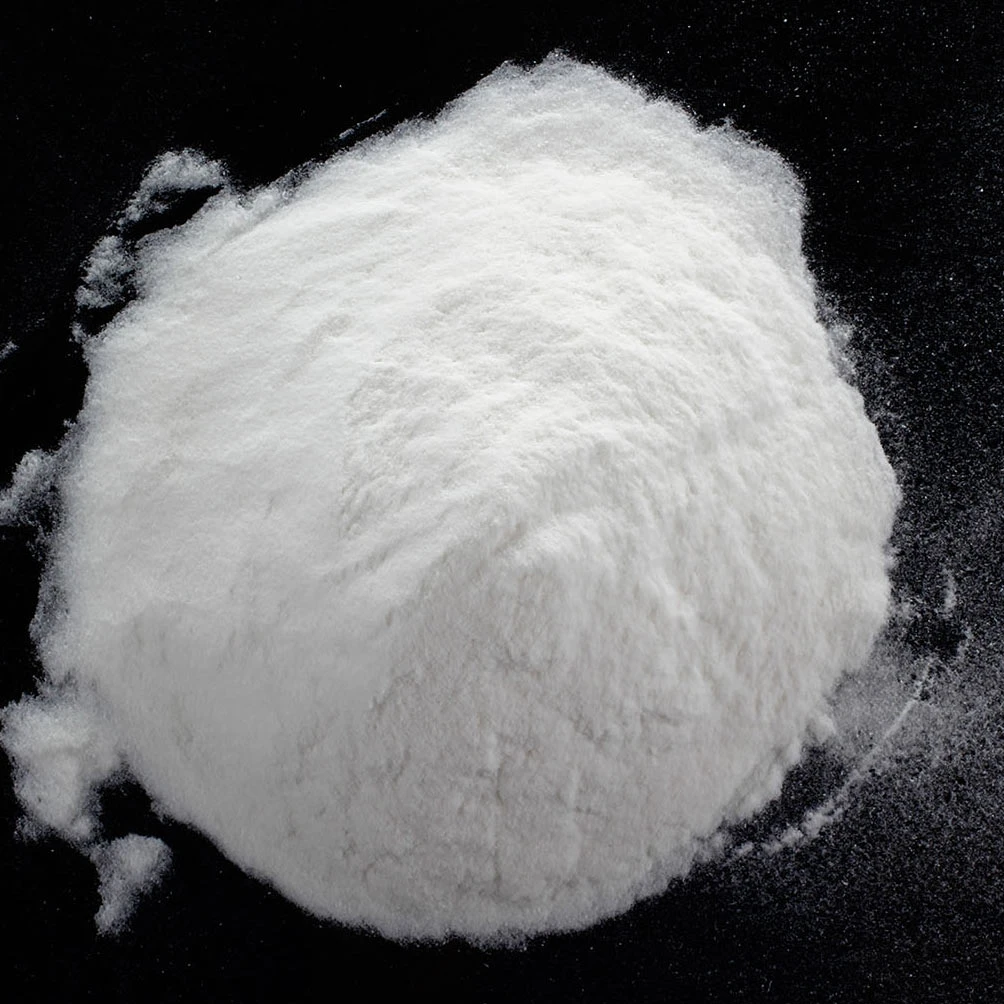
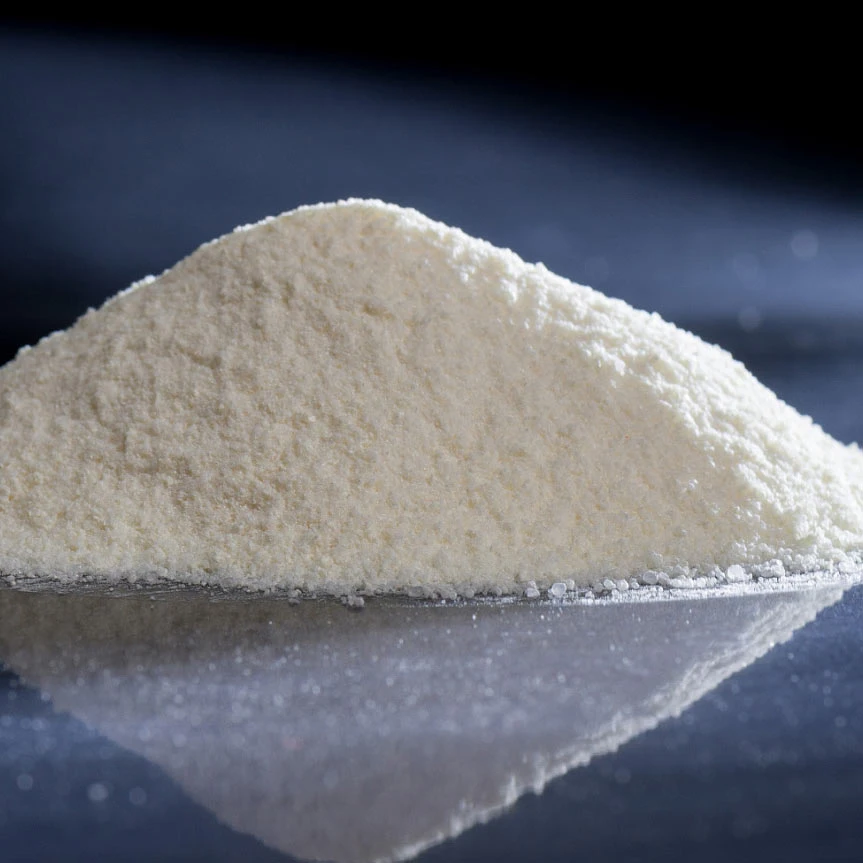
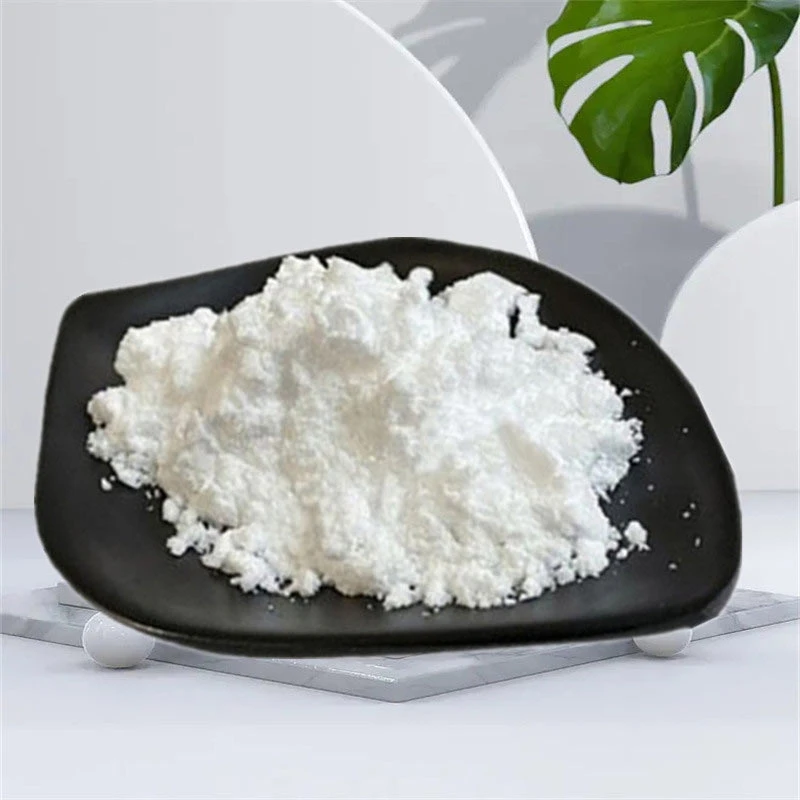
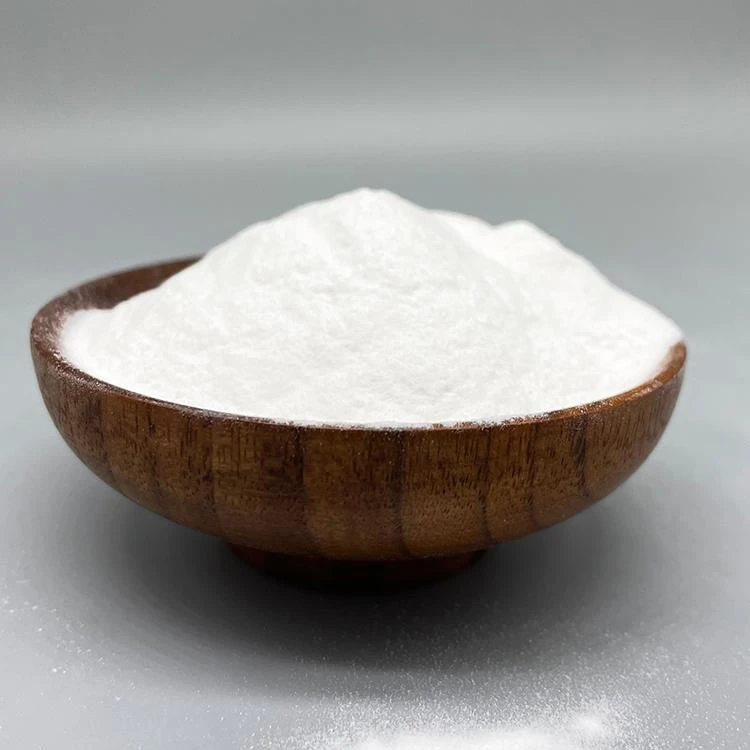
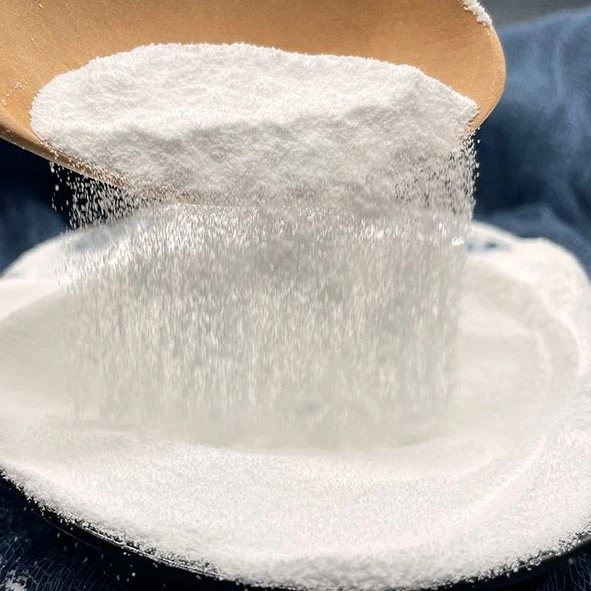
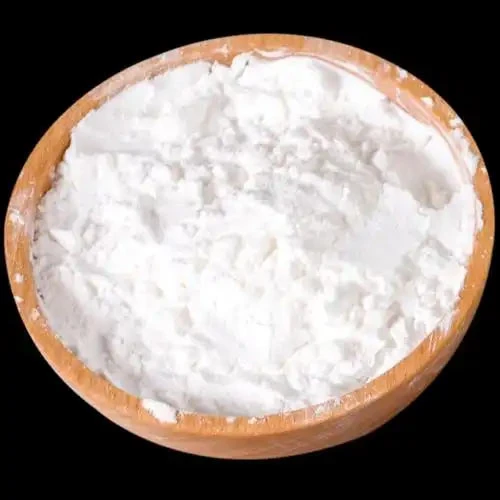
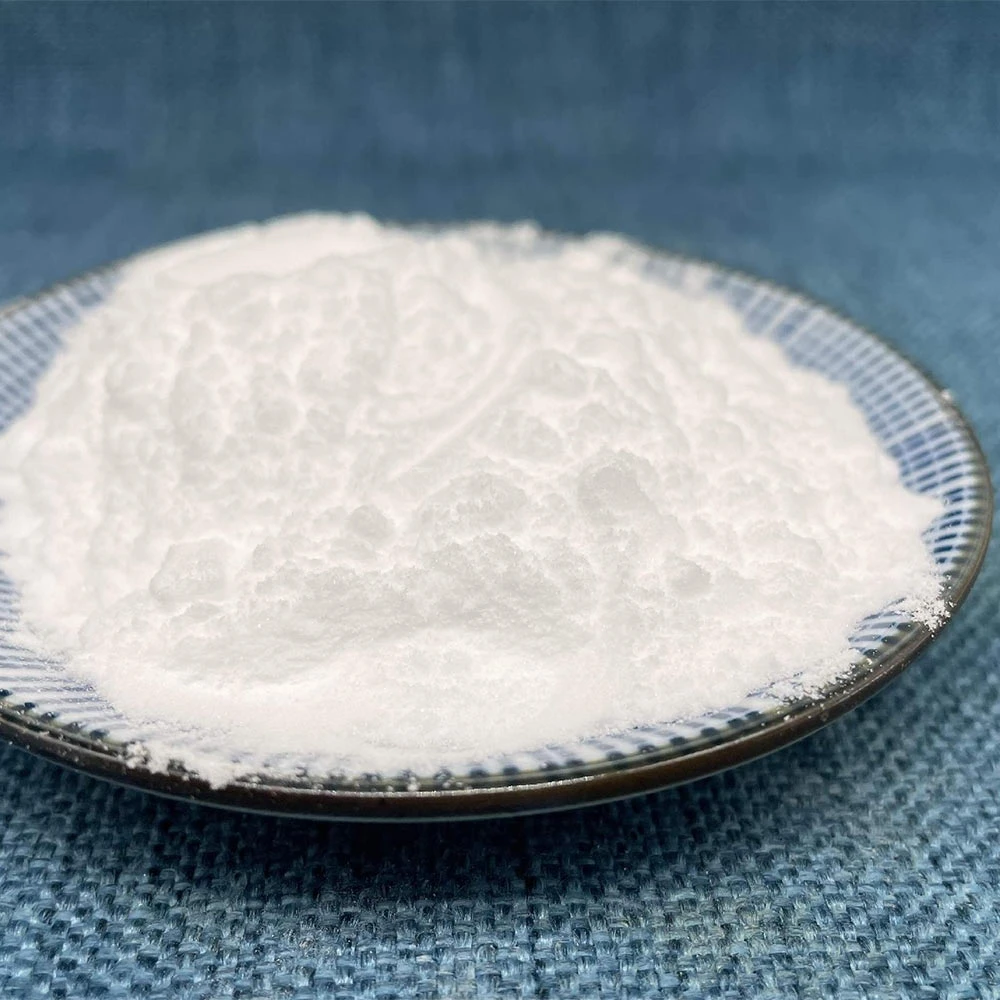
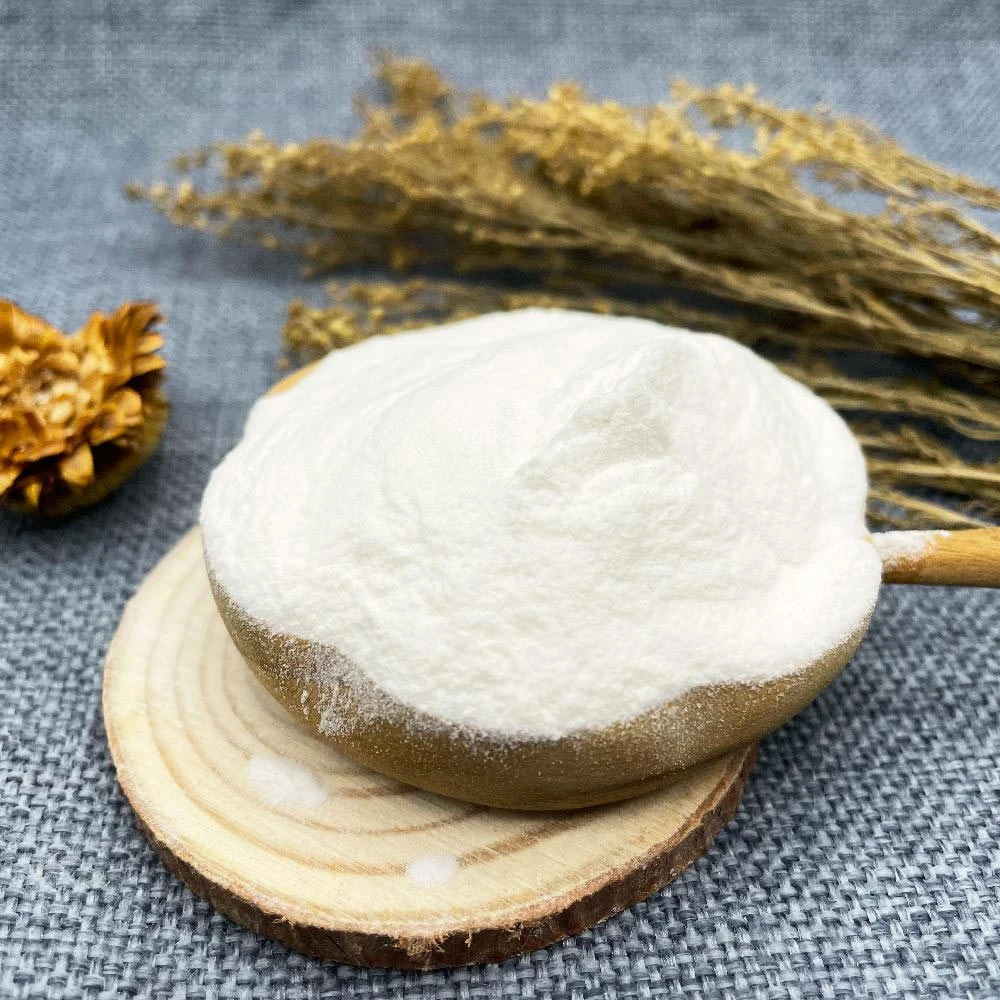
Microcrystalline cellulose (MCC) is widely known in the pharmaceutical world as a superior excipient. It provides excellent compressibility, making tablet formation easier while ensuring uniform dosage. In food systems, MCC acts as an anti-caking agent, fat replacer, and texture enhancer. Because it is inert, stable, and plant-derived, it aligns perfectly with modern clean-label expectations.
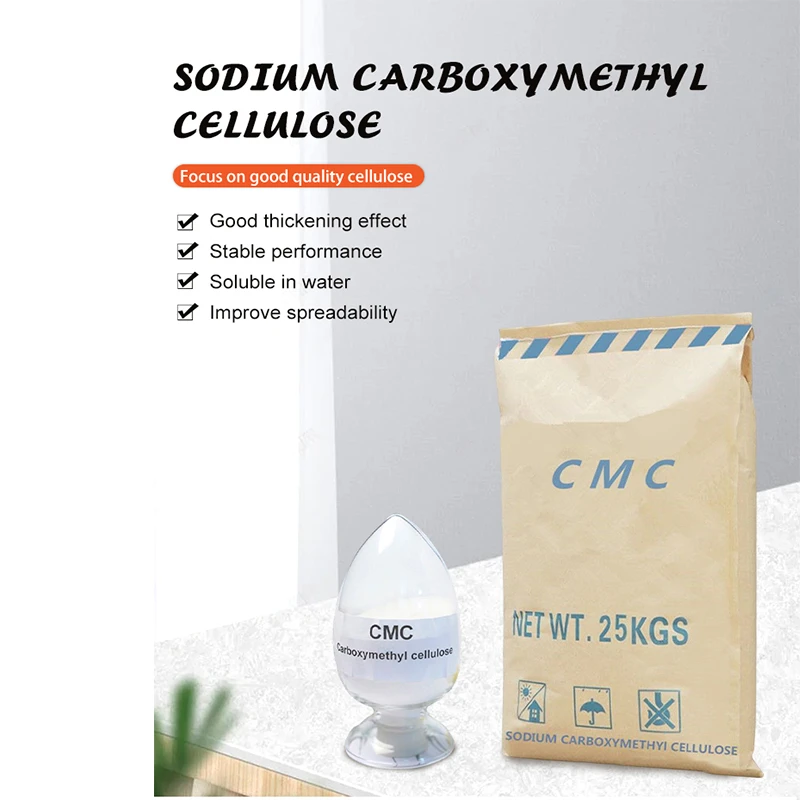
Carboxymethyl cellulose (CMC) is a water-soluble polymer with outstanding thickening and water-retention capacity. It improves mouthfeel in beverages, stabilizes dairy alternatives, and enhances moisture control in bakery products. Industrial users appreciate its film-forming and suspension abilities, which make it invaluable in coatings, detergents, and paper production.
Methyl cellulose brings another unique feature: thermal gelation. When heated, it forms a gel and returns to liquid when cooled. This reversible behavior is especially useful in food formulations, vegetarian products, and construction materials. It helps maintain structure, improves adhesion, and supports consistent quality.
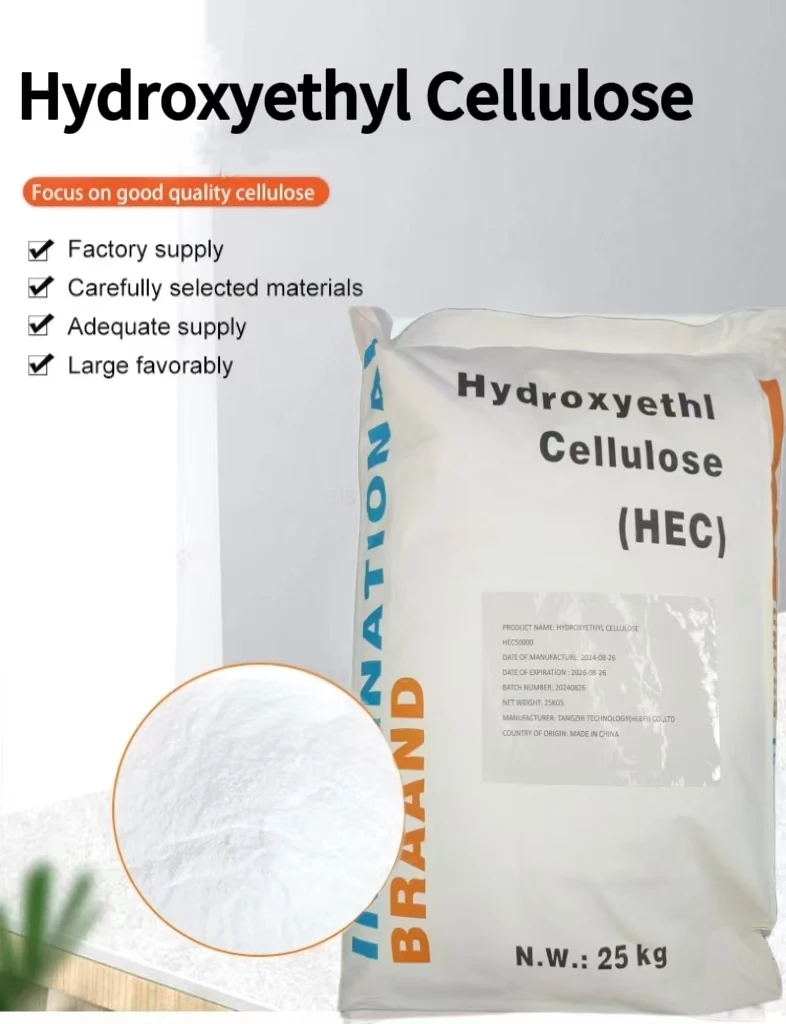
Among the most versatile modifiers is hydroxyethyl cellulose (HEC). It is highly efficient as a rheology controller and thickener. Paints, cosmetics, and household products rely on HEC to create smooth textures, prevent separation, and deliver easy application. Demand continues to grow, pushing many buyers to seek reliable hydroxyethyl cellulose suppliers capable of maintaining stable viscosity grades and global logistics.
Meanwhile, hydroxypropyl cellulose (HPC) is appreciated for its solubility in both water and organic solvents. This dual compatibility makes it perfect for coatings, controlled drug release systems, and specialty inks. HPC also offers excellent film strength and flexibility, attributes required in high-performance formulations.
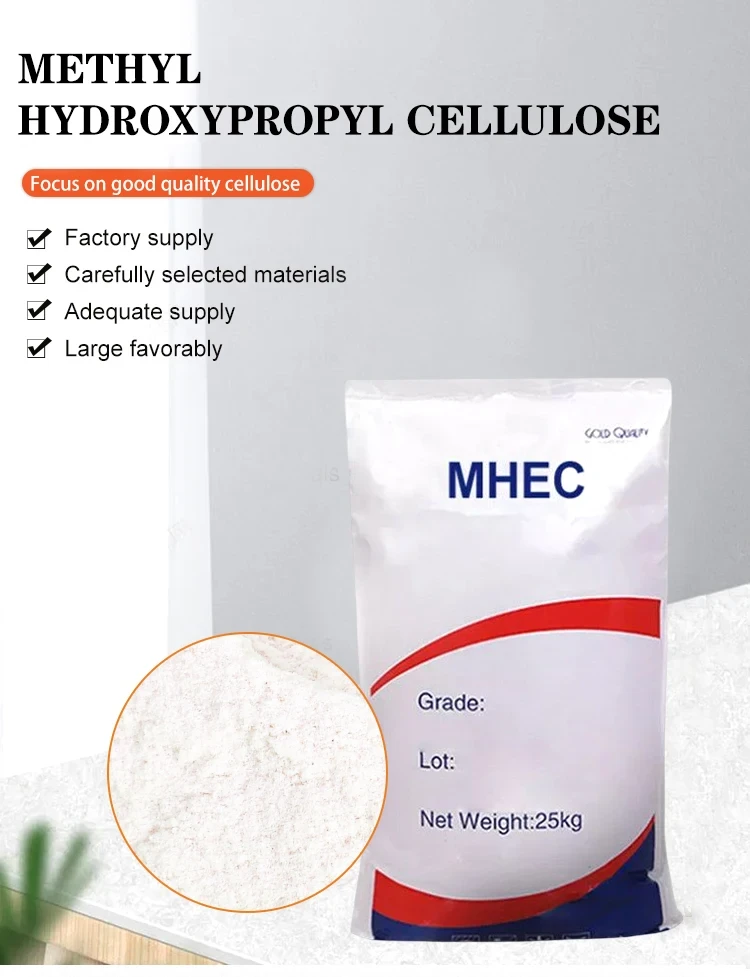
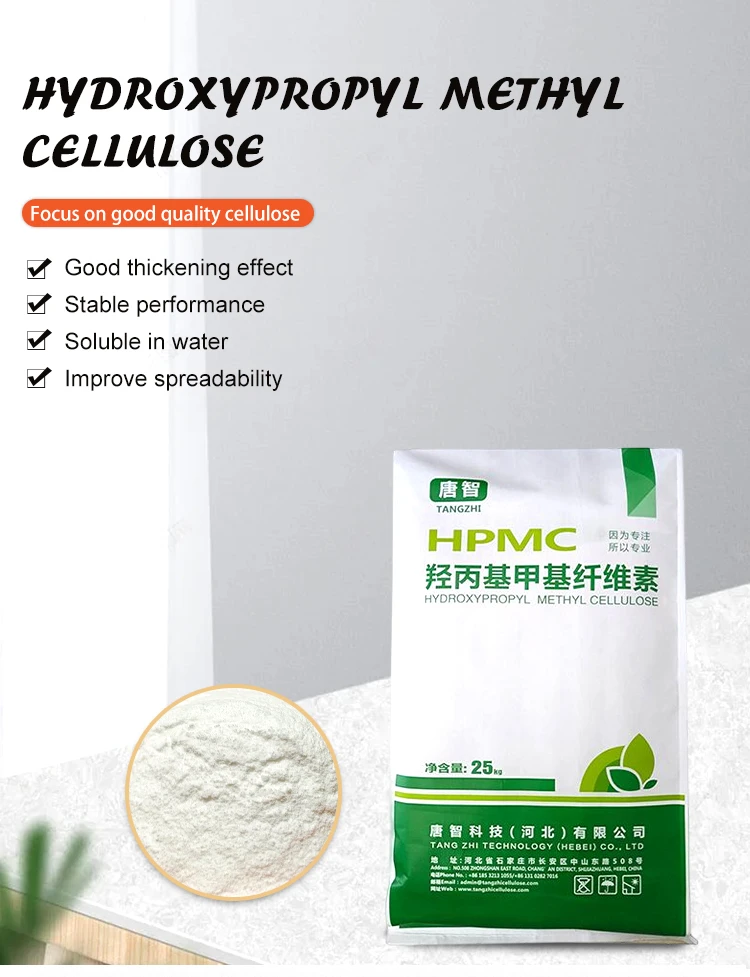
Finally, methyl hydroxypropyl cellulose, often known for its balanced combination of properties, merges thickening efficiency with improved workability. It is a common choice in tile adhesives, mortars, and gypsum products, where water retention and open time are critical.
Together, these materials demonstrate how cellulose science adapts to industrial evolution while maintaining an eco-friendly profile.
Applications from Pharmaceuticals to Personal Care: Why Cellulose Matters
The influence of cellulose derivatives spans an impressive range of markets, enabling innovation while ensuring safety and sustainability.
In pharmaceuticals, microcrystalline cellulose remains one of the most trusted excipients. It enhances tablet hardness, improves disintegration control, and supports high-speed manufacturing. When combined with hydroxypropyl cellulose or methyl cellulose, formulators can design sophisticated release mechanisms that meet modern therapeutic demands.
Food producers rely on carboxymethyl cellulose and methyl cellulose to stabilize emulsions, maintain texture, and extend shelf life. From sauces and ice cream to gluten-free baking, these ingredients help deliver consistent sensory experiences to consumers worldwide.
The cosmetics industry has seen rapid growth in the use of cellulose for skin applications. Gentle, non-irritating, and biodegradable, cellulose polymers improve viscosity, suspension, and hydration. Hydroxyethyl cellulose is particularly popular in shampoos, facial cleansers, and serums because it creates a smooth feel without heaviness. It also works well with active ingredients, supporting transparent formulations.
Construction chemistry is another vital sector. Products like methyl hydroxypropyl cellulose enhance cement-based systems by improving water retention, sag resistance, and workability. Contractors benefit from better application performance, while developers gain stronger, more durable structures.
With global industries prioritizing green materials, cellulose derivatives represent a bridge between performance and environmental responsibility. Their plant origin, renewability, and low toxicity make them future-proof investments for manufacturers.
From tablet binding to skincare elegance and from food stability to construction reliability, cellulose derivatives continue to redefine material science. Microcrystalline cellulose, carboxymethyl cellulose, methyl cellulose, hydroxyethyl cellulose, hydroxypropyl cellulose, and methyl hydroxypropyl cellulose each offer specialized strengths while sharing sustainability, safety, and adaptability.
As technology advances, the demand for high-purity grades and dependable hydroxyethyl cellulose suppliers will only increase. Companies that integrate these advanced polymers into their formulations gain not just functional benefits but also a competitive edge in markets driven by quality and environmental awareness.
FAQ About Microcrystalline Cellulose and Other Cellulose Derivatives
Q1: What is microcrystalline cellulose mainly used for?
Microcrystalline cellulose is primarily used as a binder and filler in pharmaceutical tablets. It also improves texture and stability in food products.
Q2: How does carboxymethyl cellulose improve formulations?
Carboxymethyl cellulose enhances viscosity, stabilizes emulsions, and provides excellent water retention, making it ideal for food, detergents, and industrial uses.
Q3: Why is hydroxyethyl cellulose popular in cosmetics?
Because it is mild and efficient, hydroxyethyl cellulose works perfectly as cellulose for skin, offering smooth texture, suspension ability, and compatibility with active ingredients.
Q4: What should I consider when choosing hydroxyethyl cellulose suppliers?
Reliable hydroxyethyl cellulose suppliers should provide consistent viscosity, high purity, technical documentation, and stable global delivery capability.
Q5: What makes methyl hydroxypropyl cellulose important in construction?
Methyl hydroxypropyl cellulose improves water retention, adhesion, and workability in mortars and tile adhesives, helping ensure durable results.
-
HPMC High-Performance Thickener | Hebei TangzhiNewsMar.06,2026
-
Wholesale Water Reducing Admixture for Special Cement: Performance and Market InsightsNewsFeb.28,2026
-
The Complete Guide to HPMC: Types, Applications, Grades, and Manufacturing InsightsNewsFeb.28,2026
-
Redispersible Polymer Powder: Types, Applications, and Performance AdvantagesNewsFeb.28,2026
-
Hydroxymethyl Ethyl Cellulose (MHEC): Properties, Applications, and Market InsightsNewsFeb.28,2026
-
Hydroxyethyl Cellulose: Applications, Performance, and Buying GuideNewsFeb.28,2026