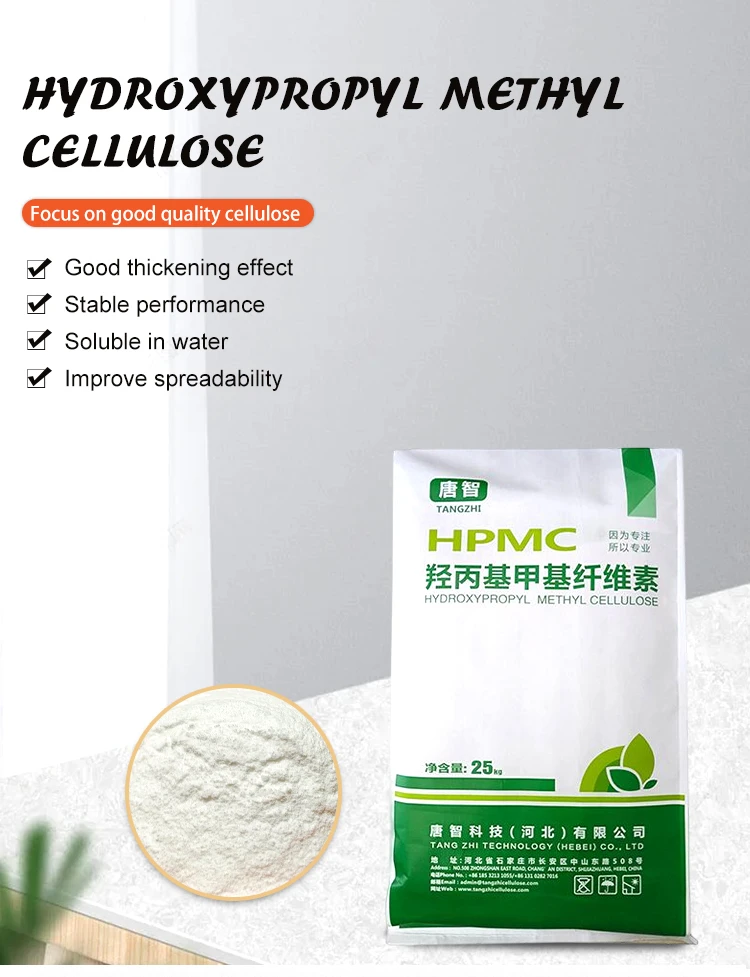
Building Better: The Role of PVA and Polypropylene Fibers in Modern Construction
In the constantly evolving world of construction materials, performance, versatility, and cost-effectiveness are essential. Products like polyvinyl alcohol (PVA) and polypropylene fiber are leading the way in strengthening concrete, improving bonding, and ensuring long-lasting results. Whether you're buying PVA for sale or sourcing polypropylene fibers for concrete, understanding their roles can help improve project outcomes and sustainability.
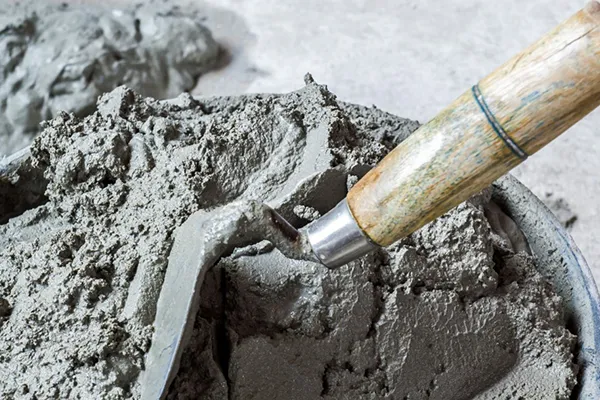
PVA in Construction: Bonding and Surface Preparation
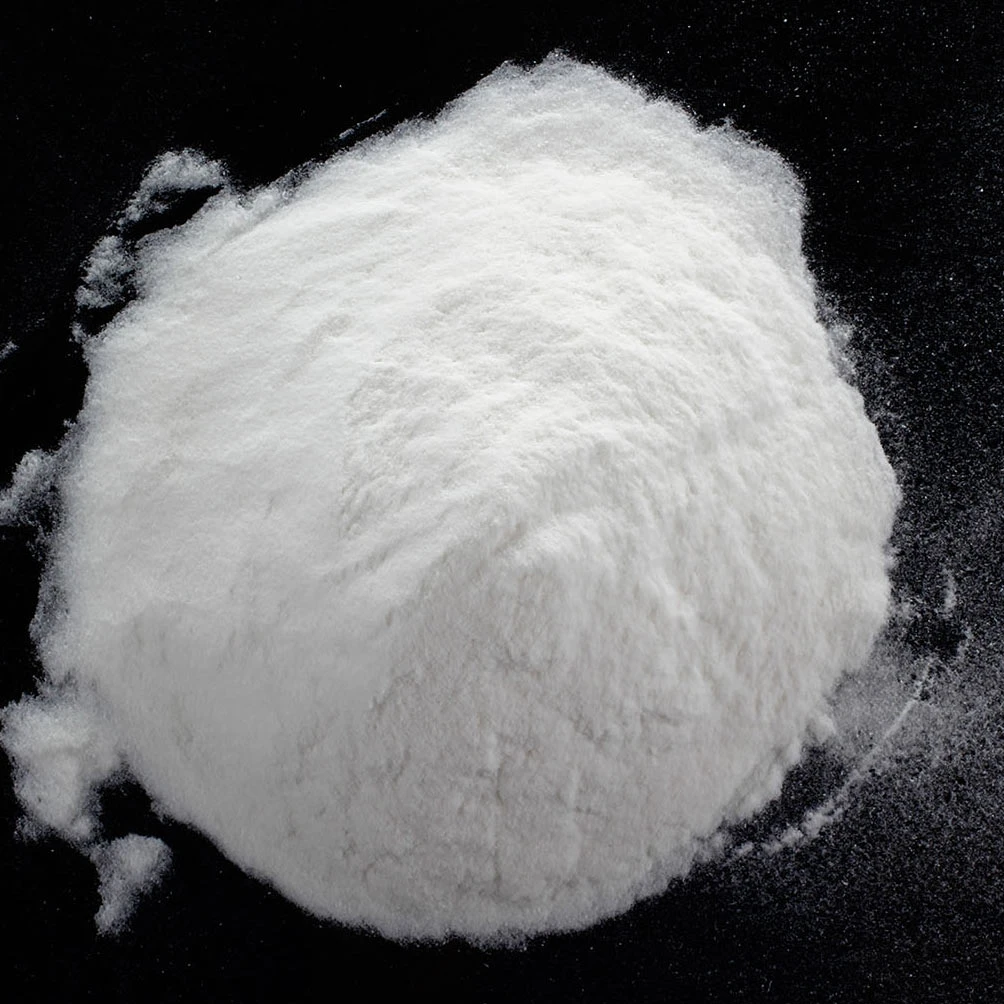
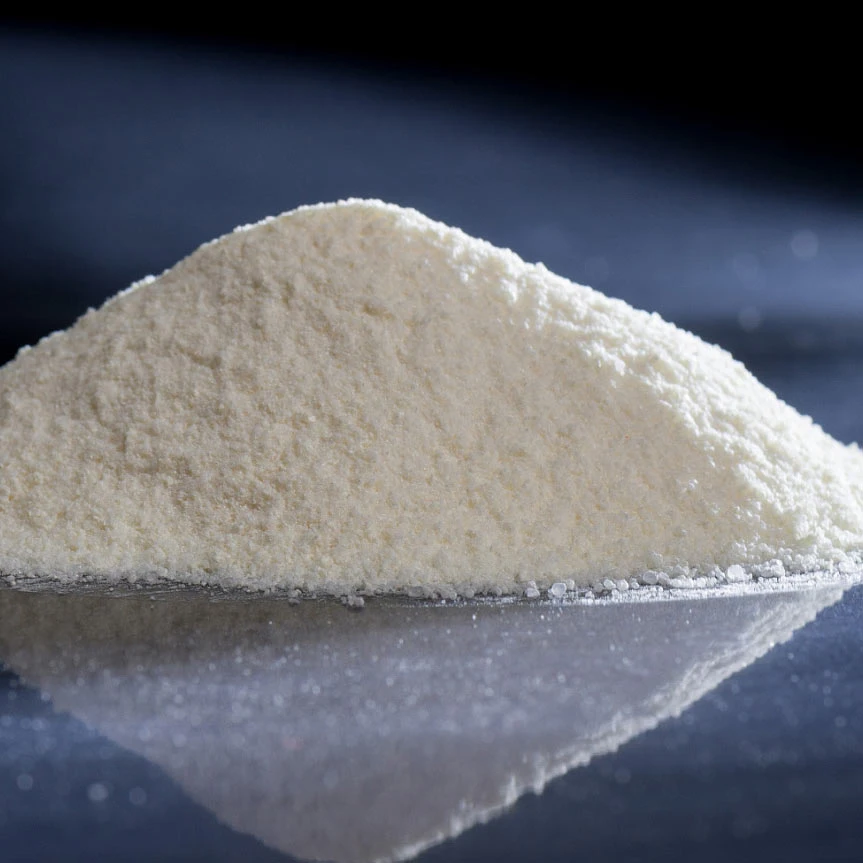
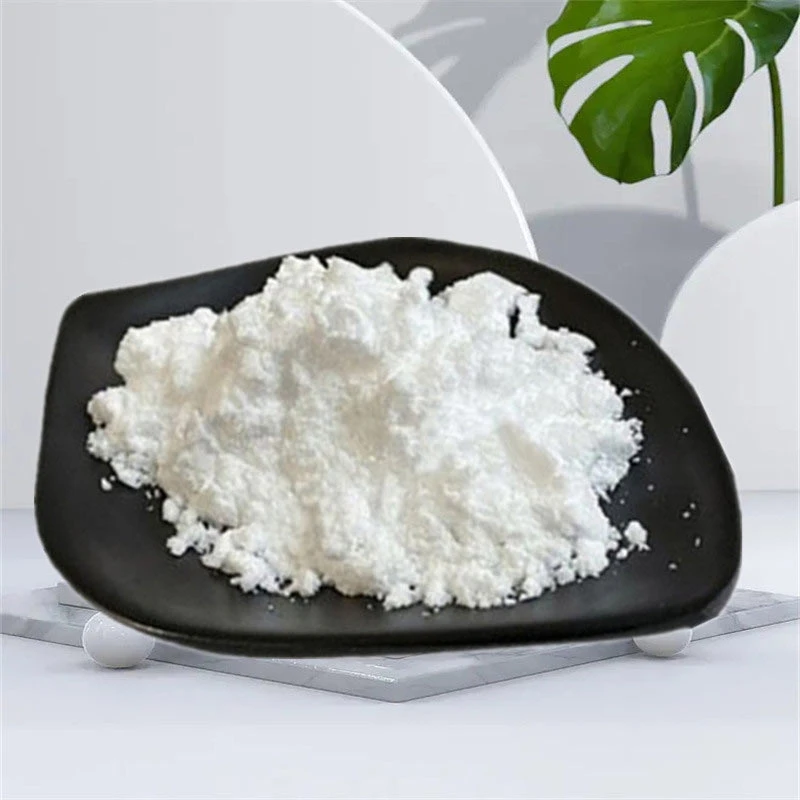
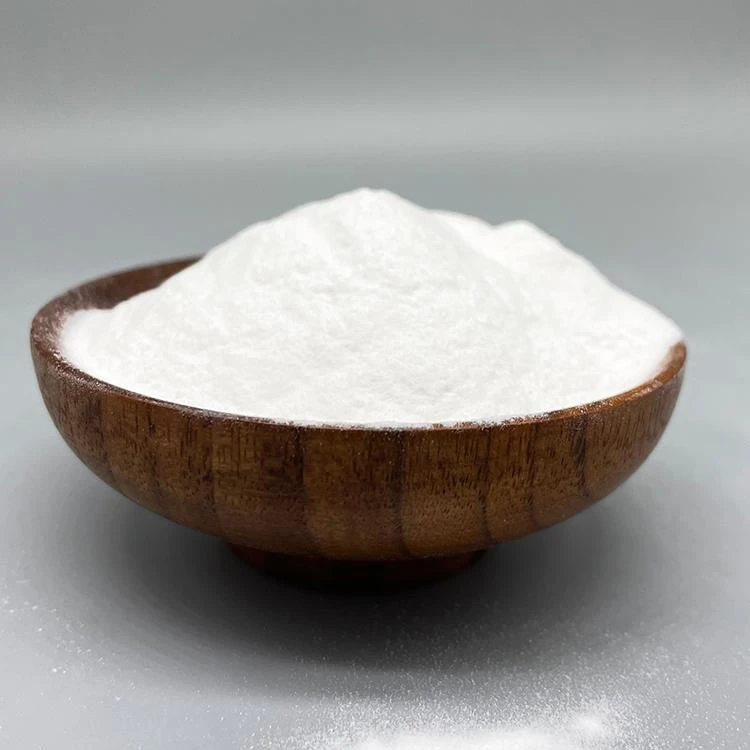
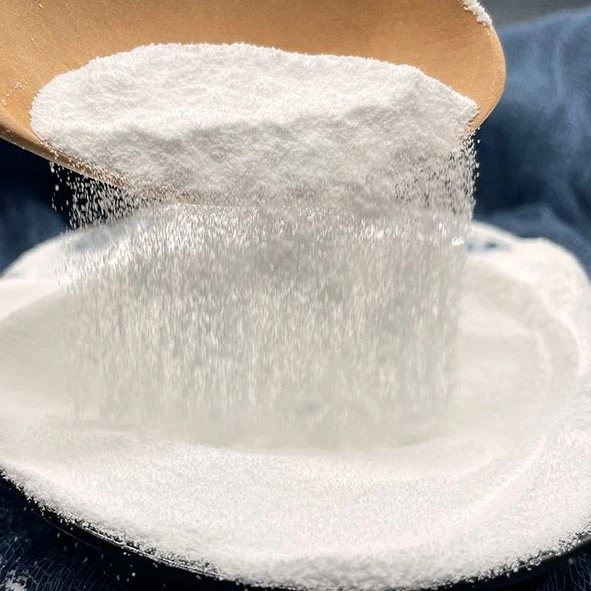
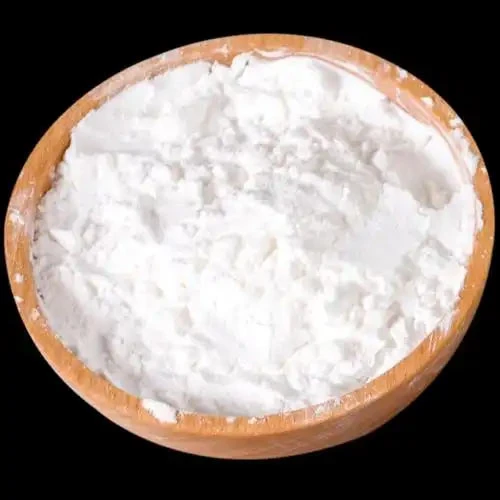
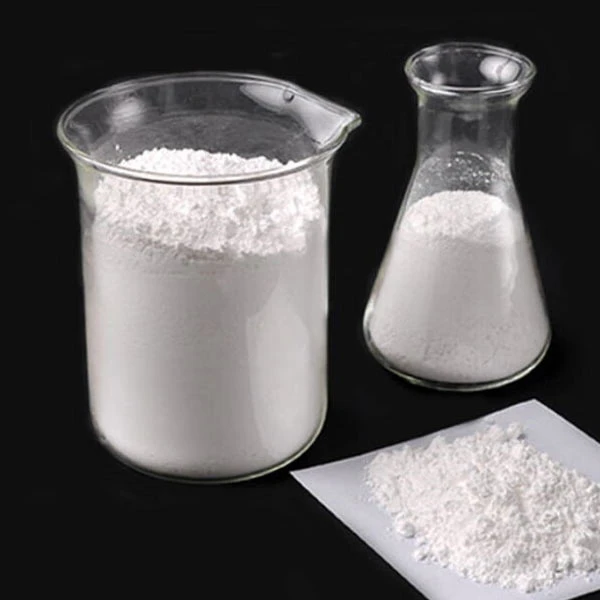
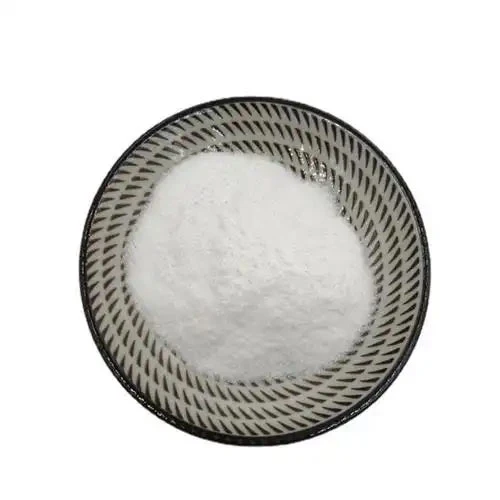
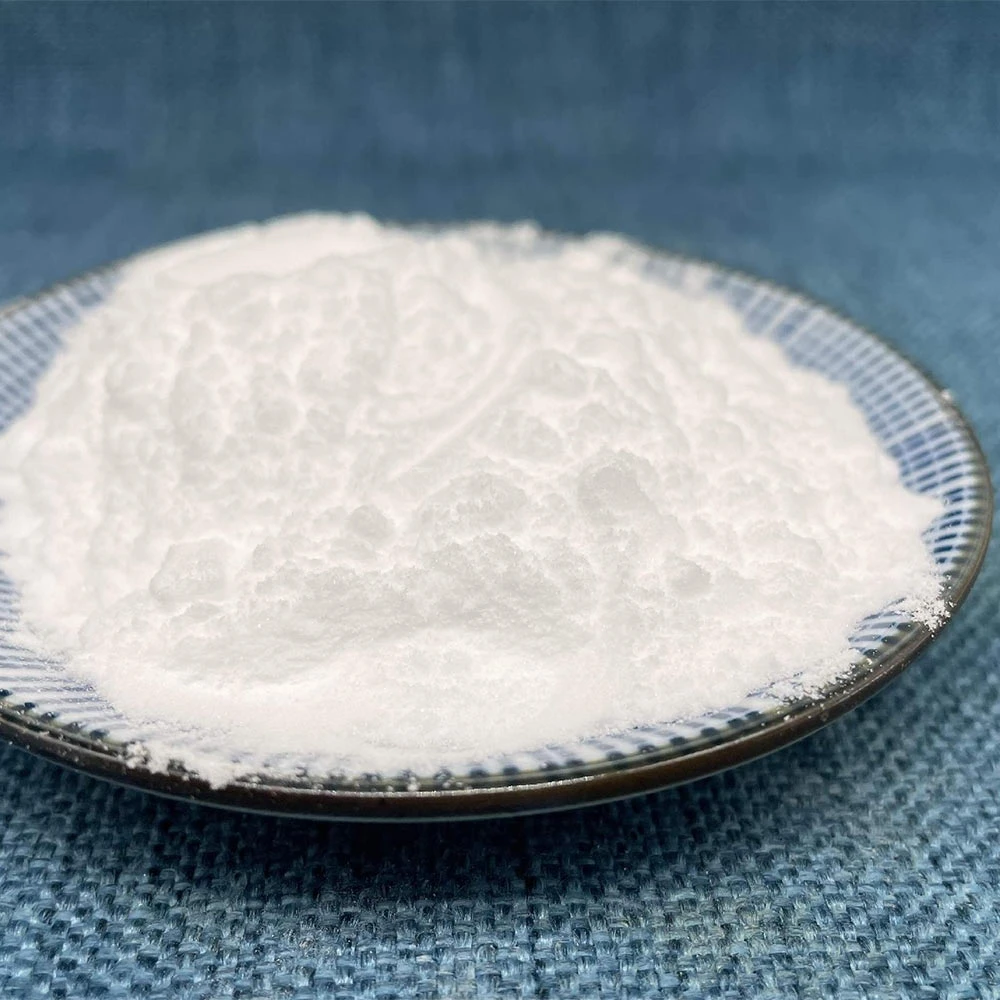
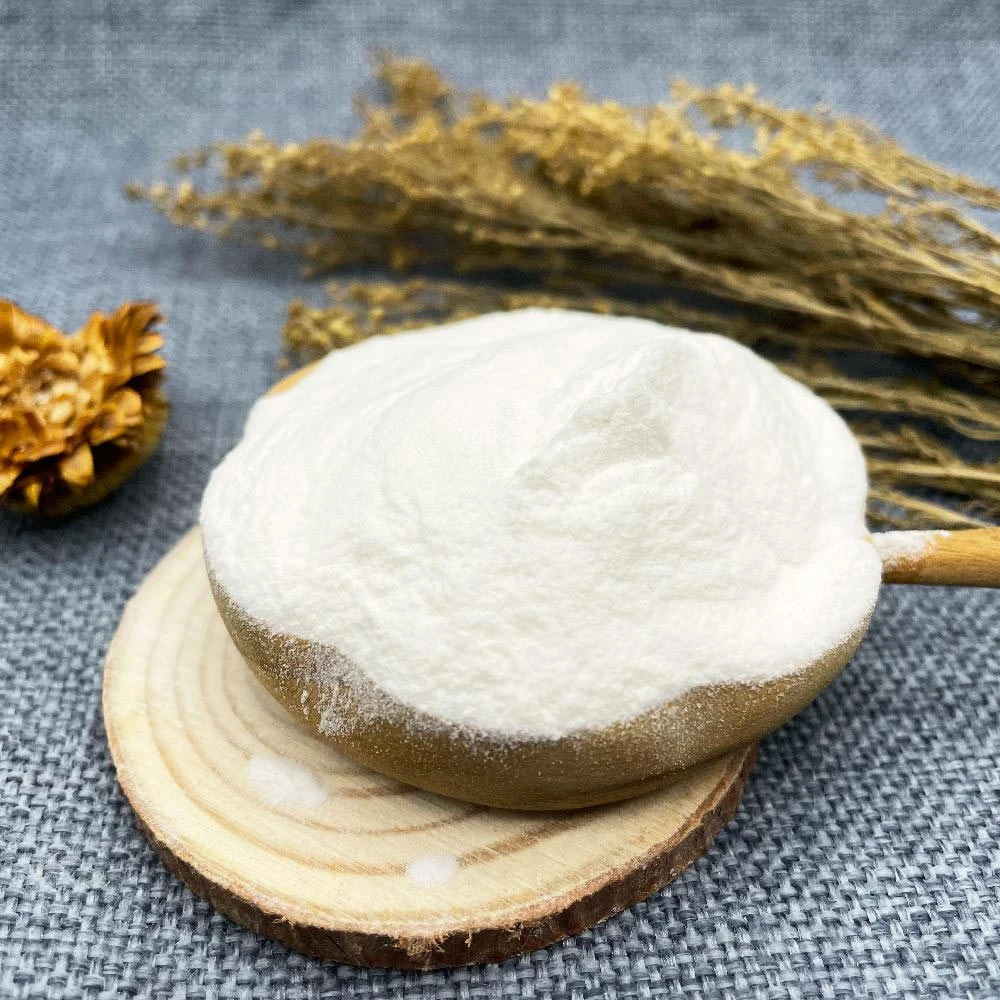
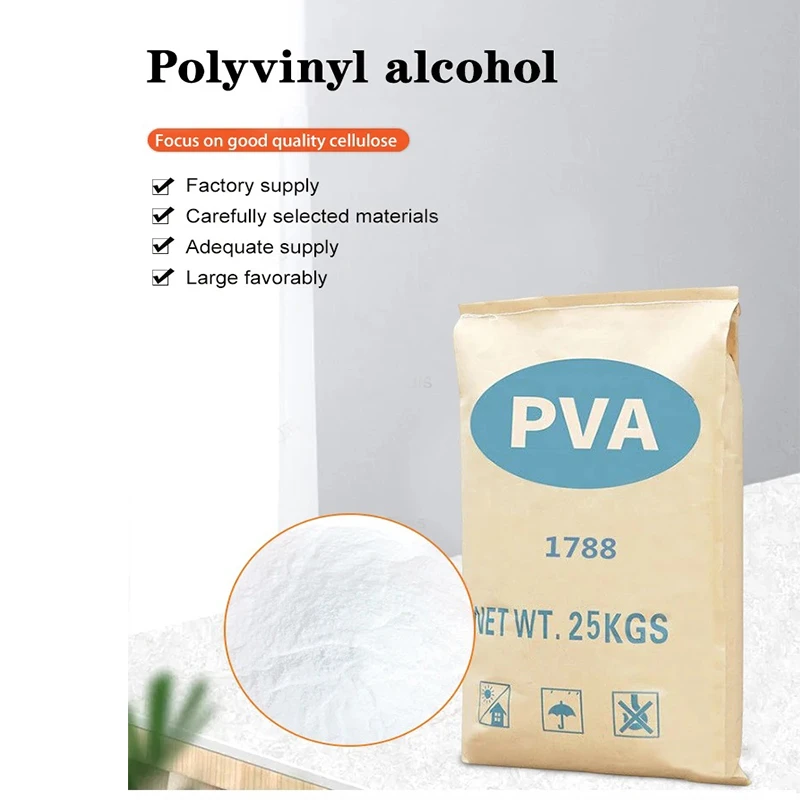
Polyvinyl alcohol (also known as PVOH) is a synthetic, water-soluble polymer used in construction as a primer, bonding agent, and additive. It’s often purchased in bulk through pvoh manufacturers, especially for large-scale building projects. This material is available in multiple grades and forms, from adhesives to films and powders.
In surface preparation, applying PVA before plastering is a well-established practice. It enhances adhesion between the wall substrate and plaster, sealing porous surfaces and reducing the risk of cracks. For most indoor jobs, general purpose PVA is sufficient, providing a reliable and cost-effective way to prepare walls before plastering.
When used as an additive in cement mixtures, adding PVA to cement improves flexibility and bonding. It minimizes shrinkage and cracking, making it ideal for repair mortars and high-performance screeds. The result is a smoother, more resilient finish—an essential feature in both residential and commercial projects.
Due to its broad industrial use, the polyvinyl alcohol price can vary based on quality, volume, and source. Builders and suppliers looking for PVA for sale often compare prices among pvoh manufacturers, with cost ranging from $2 to $8 per kilogram, depending on the grade.
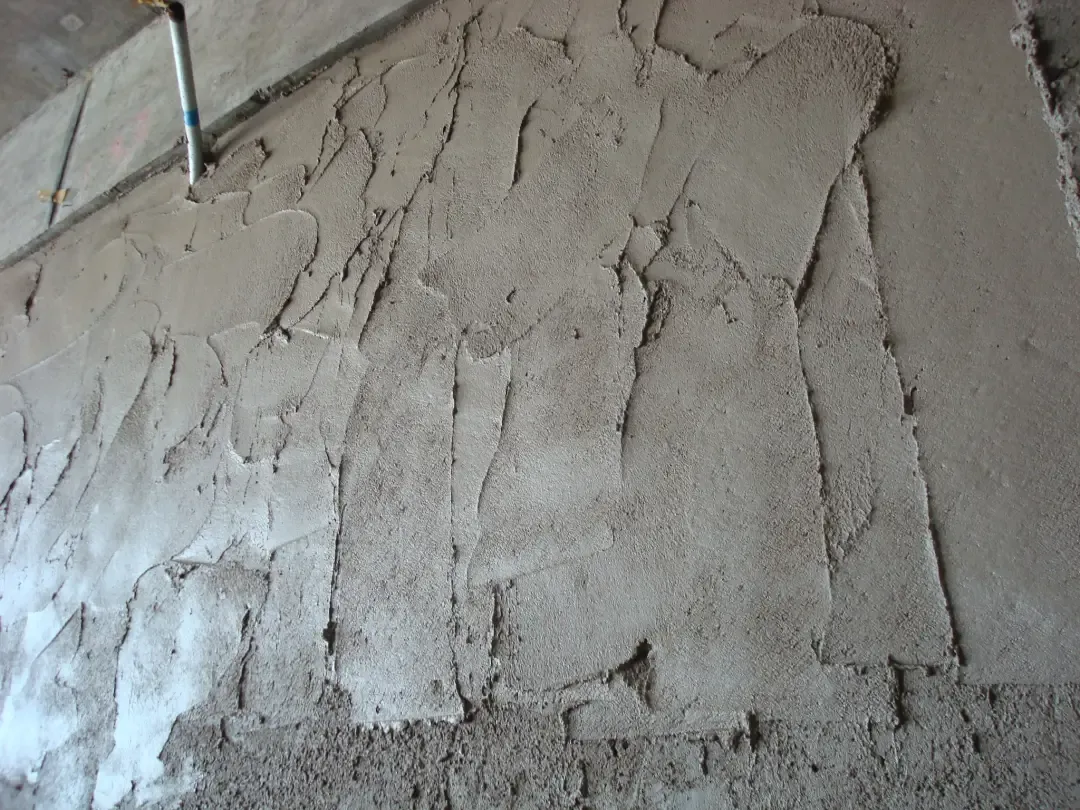
Polypropylene Fiber: Internal Reinforcement for Stronger Concrete
While PVA works on the surface, polypropylene fibers for concrete operate within the mix. These synthetic fibers are added to concrete to improve its structural integrity and resistance to cracking, especially during the early drying stages. The addition of polypropylene fiber reduces shrinkage, enhances toughness, and improves freeze-thaw durability.
PP fibers are particularly useful in flooring, precast concrete, and infrastructure exposed to harsh environmental conditions. They act as micro-reinforcements, distributing stress more evenly and preventing surface microcracks from developing into structural flaws.
Unlike steel reinforcements, polypropylene fibers for concrete are corrosion-resistant, lightweight, and easy to mix. This makes them an excellent alternative for projects where long-term durability and maintenance reduction are key concerns.
Frequently Asked Questions (FAQs)
1. What is the benefit of using PVA before plastering?
Answer: Applying PVA before plastering helps seal porous surfaces, reduces water loss from plaster, and enhances adhesion. This results in a smoother and longer-lasting finish on walls and ceilings.
2. How do polypropylene fibers improve concrete?
Answer: Polypropylene fibers for concrete reduce cracking due to shrinkage, improve impact resistance, and enhance durability, especially in high-stress environments or structures exposed to weather and vibration.
3. What’s the difference between general purpose PVA and specialty PVA?
Answer: General purpose PVA is suitable for most surface preparation and bonding tasks, while specialty PVA may be formulated for higher adhesion, water resistance, or flexibility in more demanding applications.
4. Where can I find PVA for sale and what is the typical price?
Answer: You can find PVA for sale from industrial chemical suppliers or directly from pvoh manufacturers. The polyvinyl alcohol price typically ranges from $2–$8/kg depending on purity, application, and order volume.
5. Is adding PVA to cement necessary in modern construction?
Answer: While not always essential, adding PVA to cement can significantly enhance bonding strength, reduce cracking, and improve finish quality—especially in repairs or specialized applications.
-
HPMC High-Performance Thickener | Hebei TangzhiNewsMar.06,2026
-
Wholesale Water Reducing Admixture for Special Cement: Performance and Market InsightsNewsFeb.28,2026
-
The Complete Guide to HPMC: Types, Applications, Grades, and Manufacturing InsightsNewsFeb.28,2026
-
Redispersible Polymer Powder: Types, Applications, and Performance AdvantagesNewsFeb.28,2026
-
Hydroxymethyl Ethyl Cellulose (MHEC): Properties, Applications, and Market InsightsNewsFeb.28,2026
-
Hydroxyethyl Cellulose: Applications, Performance, and Buying GuideNewsFeb.28,2026