The Versatility of HPMC in Modern Industries
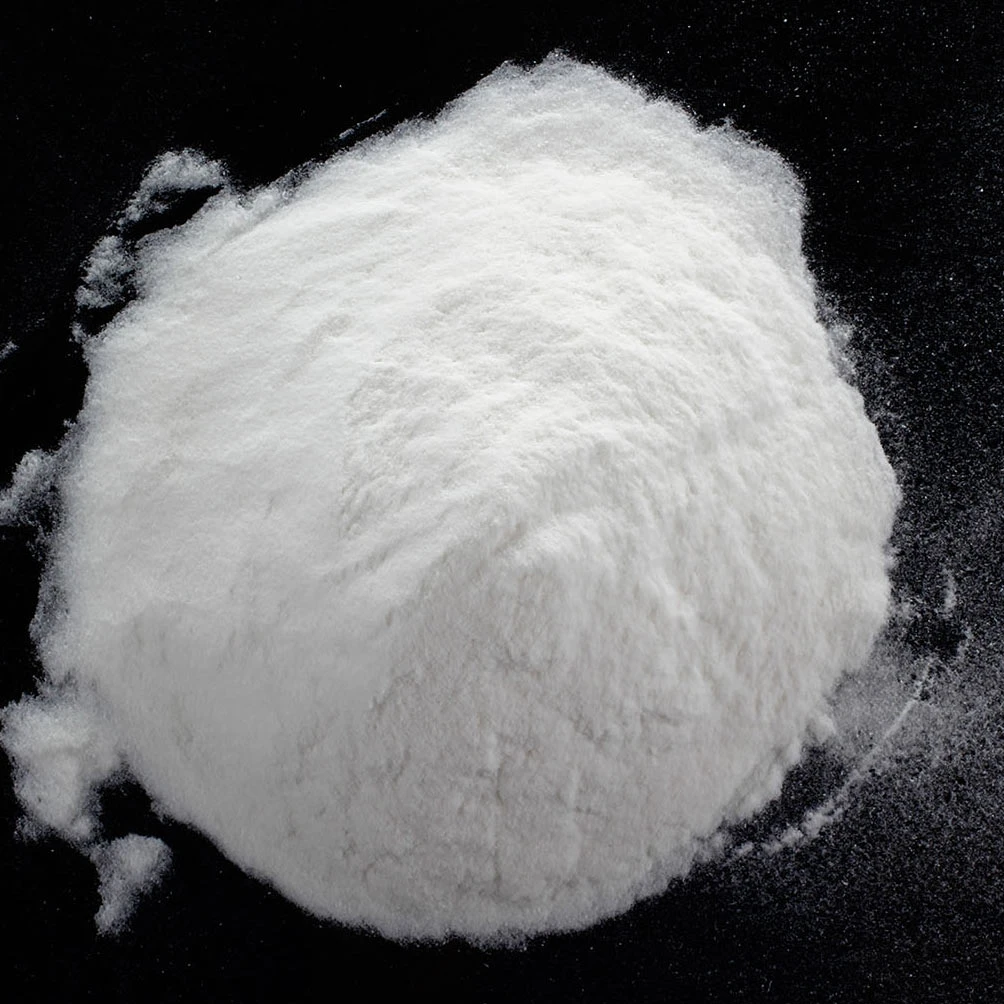
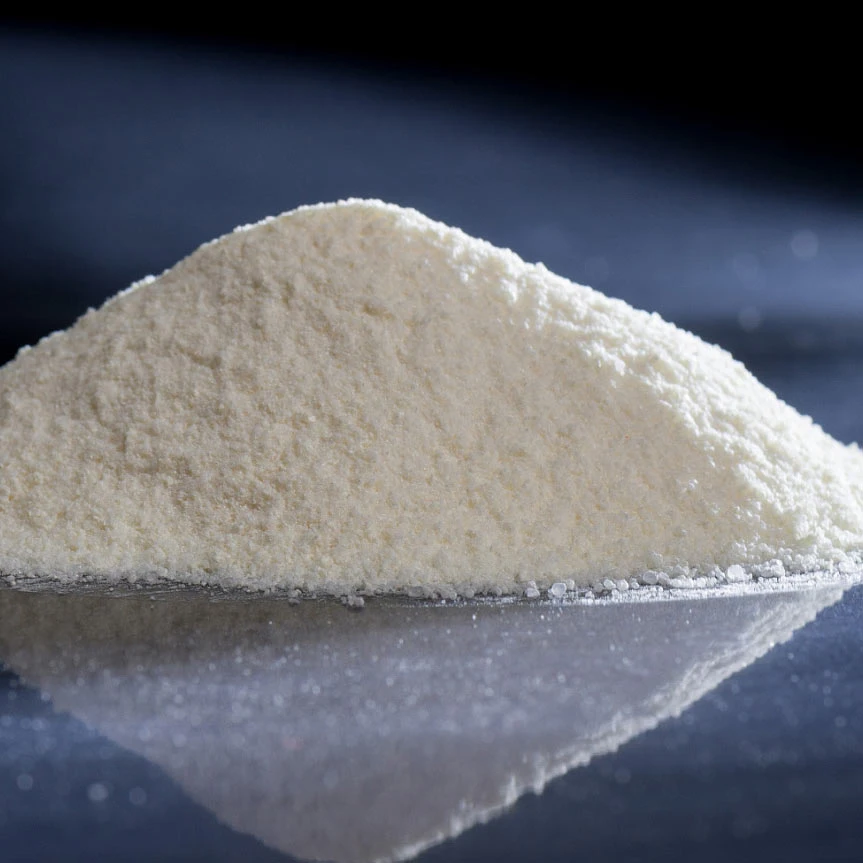
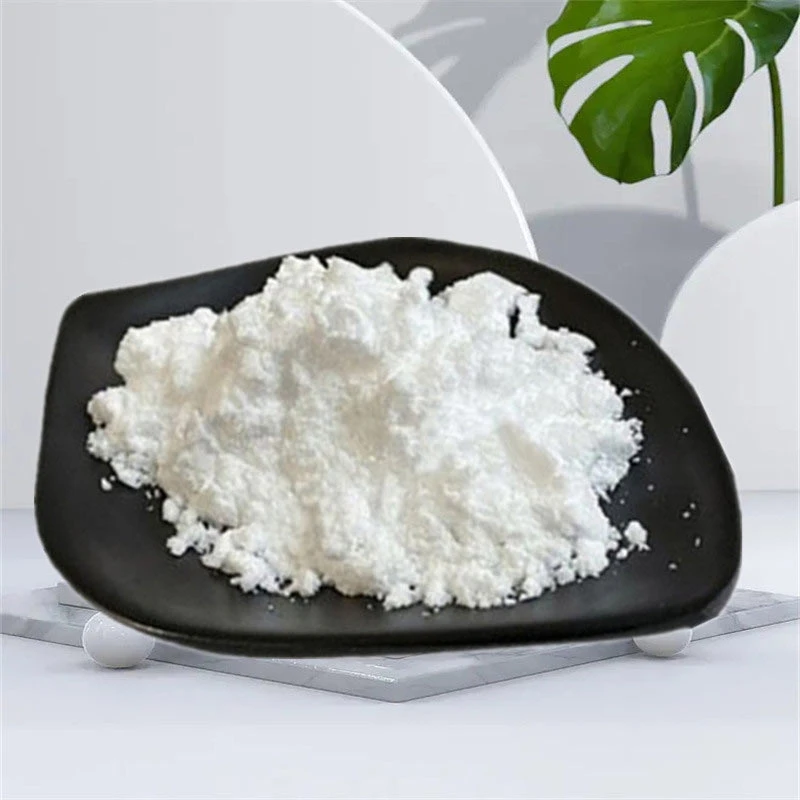
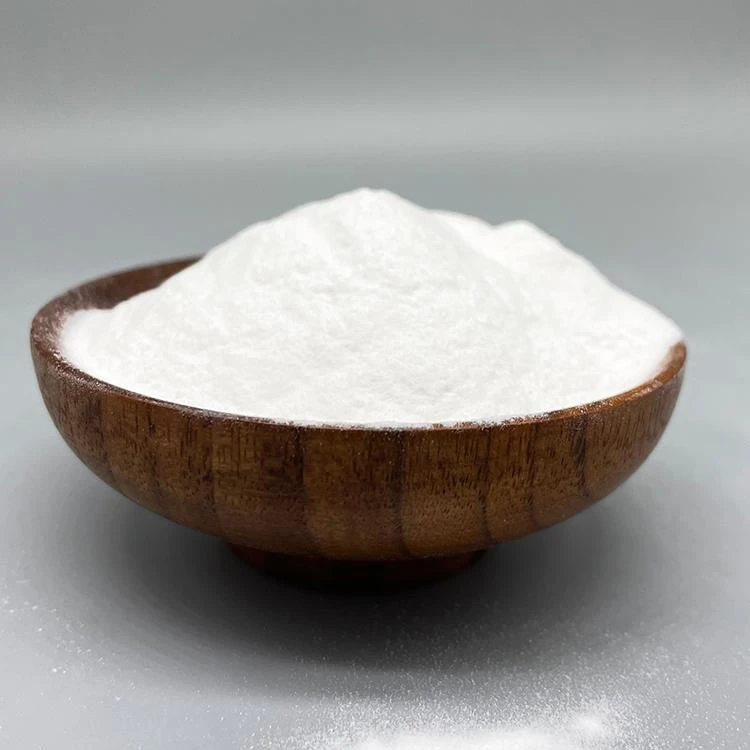
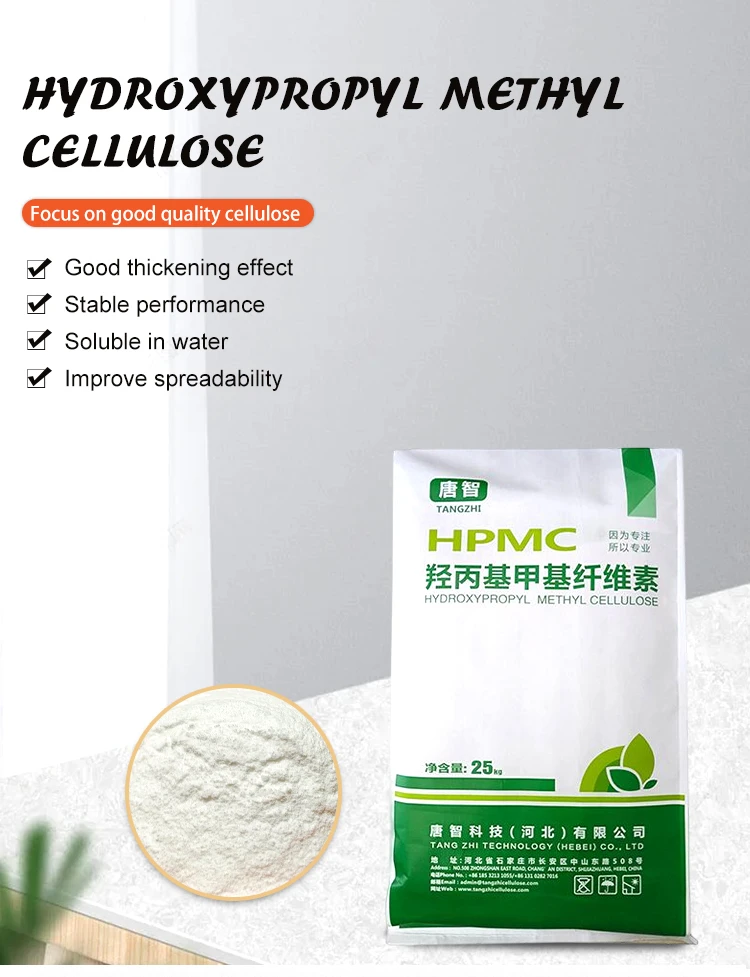
Hydroxypropyl Methylcellulose (HPMC) is a multifunctional polymer widely used in construction, pharmaceuticals, and food industries. Known for its binding, thickening, film-forming, and water-retention capabilities, HPMC plays a critical role in enhancing product performance across applications. This article explores the uses of HPMC in construction and pharmaceuticals, with emphasis on different grades, safety, and global sourcing.
HPMC in Construction and Industrial Use
For builders and manufacturers seeking HPMC for sale, the market offers various grades tailored to specific applications. One of the most popular uses is construction HPMC, which serves as a vital additive in tile adhesives, self-leveling compounds, plasters, and cement renders. It improves workability, water retention, and adhesion strength, significantly boosting the performance of dry-mix mortars.
A specialized grade like HPMC K200M is known for its high viscosity and is typically used in products requiring thick gels or prolonged water retention. The HPMC E5 viscosity grade, on the other hand, is ideal for applications needing low to medium viscosity, such as in tablets and eye drops.
An important advancement in pharmaceutical applications is HPMC acetate succinate, which is commonly used as an enteric coating polymer. It protects drugs from stomach acids and ensures controlled release in the intestine. Its compatibility with a variety of solvents and pH-dependent solubility makes it a preferred material in modern drug delivery systems.
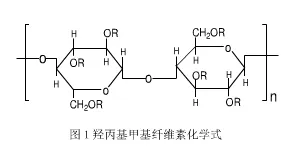
Chemically, the HPMC chemical structure is a cellulose backbone modified with methoxy and hydroxypropyl groups. This modification enhances its solubility and film-forming properties, making it versatile in both water-based and solvent-based systems.
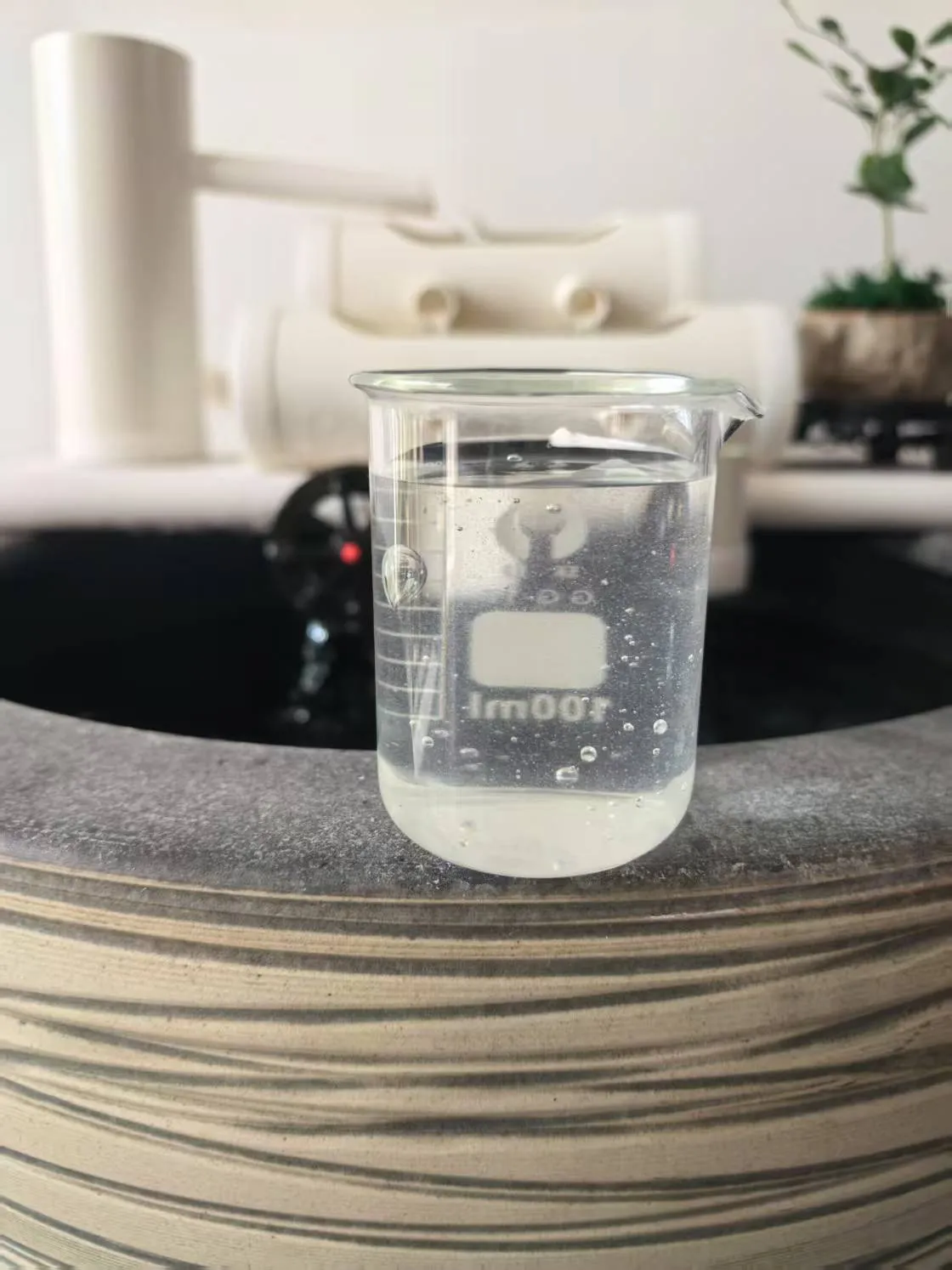
Another essential feature of HPMC is its ability to form stable dispersions in water, known as HPMC dispersion. These dispersions are critical in creating uniform mixtures in coatings, adhesives, and even in drug formulations.
HPMC in Pharmaceuticals and Supply Considerations
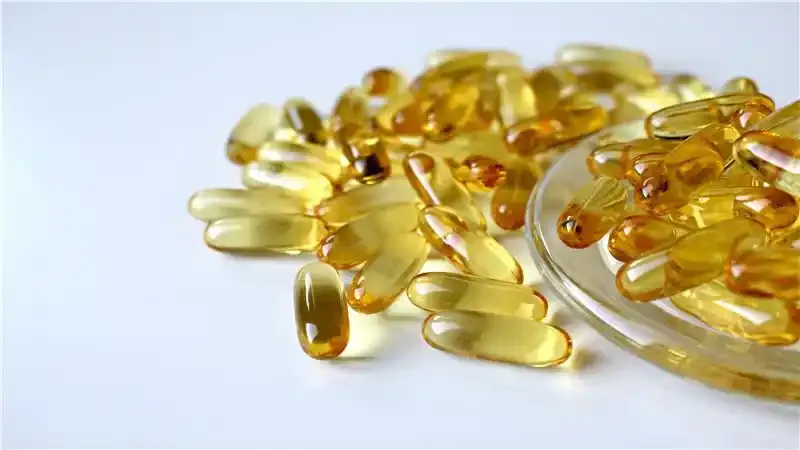
HPMC is not just confined to industrial use—it is also essential in pharmaceuticals. It is used to create vegetarian capsules, offering a plant-based alternative to gelatin. If you are sourcing HPMC capsule supplier options, look for those compliant with pharmaceutical-grade standards such as USP, EP, or JP.
Regarding pricing, the HPMC powder price depends on viscosity, purity, and end-use. Construction-grade HPMC is generally more affordable than pharmaceutical-grade, which must meet stricter regulatory standards. However, bulk purchasing from verified suppliers can offer significant savings.
From a health and environmental standpoint, HPMC safety is well-documented. It is non-toxic, non-irritating, and generally recognized as safe (GRAS) by major health authorities. This makes it suitable not only for ingestion but also for use in topical and cosmetic formulations.
In addition to being used in tablet coatings and capsules, HPMC acts as a HPMC adhesive in both industrial and commercial settings. It offers excellent bonding strength, is resistant to high temperatures, and is compatible with a wide range of materials including glass, metal, and plastic.
Product FAQs
1. What is HPMC K200M used for?
Answer: HPMC K200M is a high-viscosity grade used in pharmaceutical controlled-release tablets and construction products requiring extended water retention and thickening.
2. Where can I find reliable HPMC capsule suppliers?
Answer: Trusted HPMC capsule supplier options are available in India, China, and Europe. Look for GMP-certified manufacturers offering pharmaceutical-grade quality and regulatory compliance.
3. How does HPMC dispersion work?
Answer: HPMC dispersion involves dispersing the powder in cold water to form a uniform solution or gel. This process is critical in coatings, adhesives, and pharmaceutical formulations.
4. Is HPMC safe to use in food and pharmaceuticals?
Answer: Yes. HPMC safety is verified by global health authorities. It is non-toxic, non-allergenic, and widely used in food and medicine, including tablets, eye drops, and capsules.
5. What is the current HPMC powder price?
Answer: HPMC powder price ranges from $2 to $8 per kilogram depending on grade, viscosity, and quantity. Bulk orders and direct-from-manufacturer purchases can offer discounts.
-
HPMC High-Performance Thickener | Hebei TangzhiNewsMar.06,2026
-
Wholesale Water Reducing Admixture for Special Cement: Performance and Market InsightsNewsFeb.28,2026
-
The Complete Guide to HPMC: Types, Applications, Grades, and Manufacturing InsightsNewsFeb.28,2026
-
Redispersible Polymer Powder: Types, Applications, and Performance AdvantagesNewsFeb.28,2026
-
Hydroxymethyl Ethyl Cellulose (MHEC): Properties, Applications, and Market InsightsNewsFeb.28,2026
-
Hydroxyethyl Cellulose: Applications, Performance, and Buying GuideNewsFeb.28,2026