Redispersible Polymer Powder: Essential for Modern Mortar Technology
The construction industry continually evolves through innovation, and redispersible polymer powder (RDP) is one such innovation that has revolutionized dry-mix mortar applications. Whether used in tile adhesives, thermal insulation, or self-leveling compounds, RDP enhances flexibility, adhesion, and durability. This article explores the redispersible polymer powder types, pricing trends, and global sourcing, particularly focusing on RDP powder China.
Understanding Redispersible Polymer Powder and Its Types
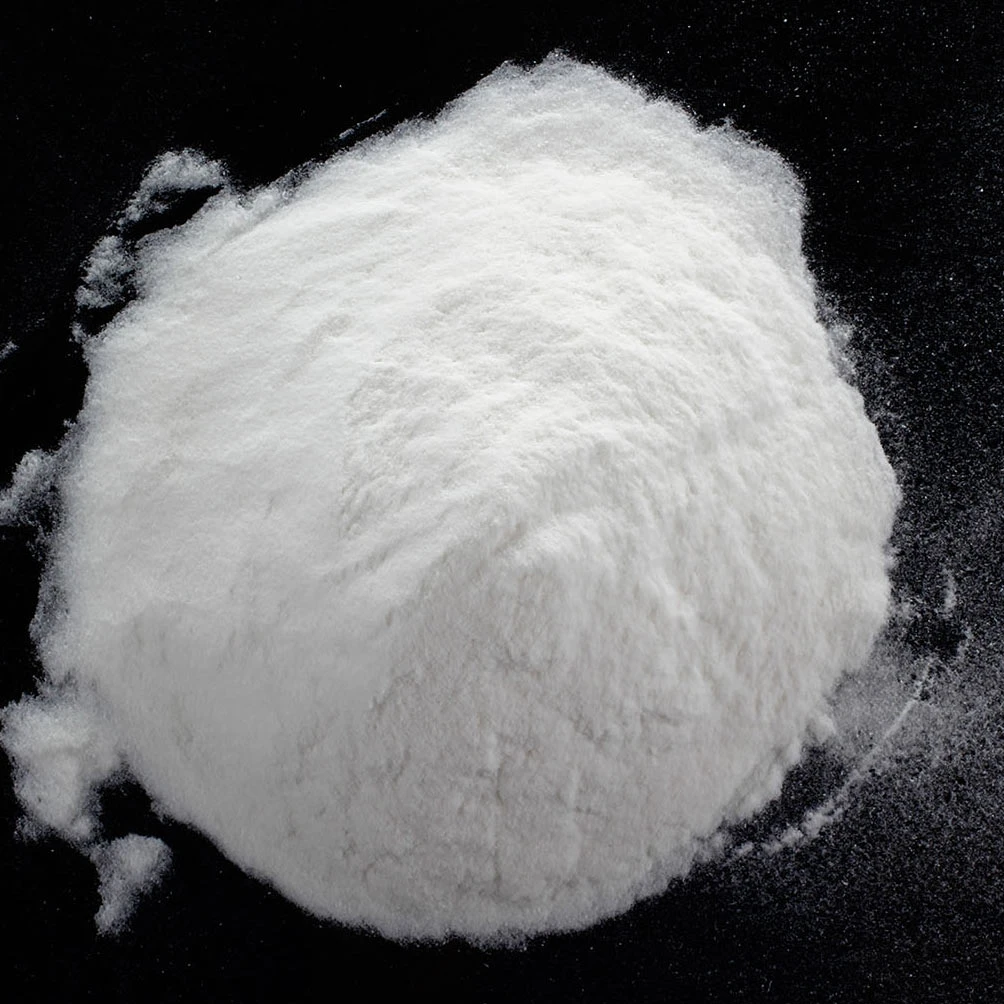
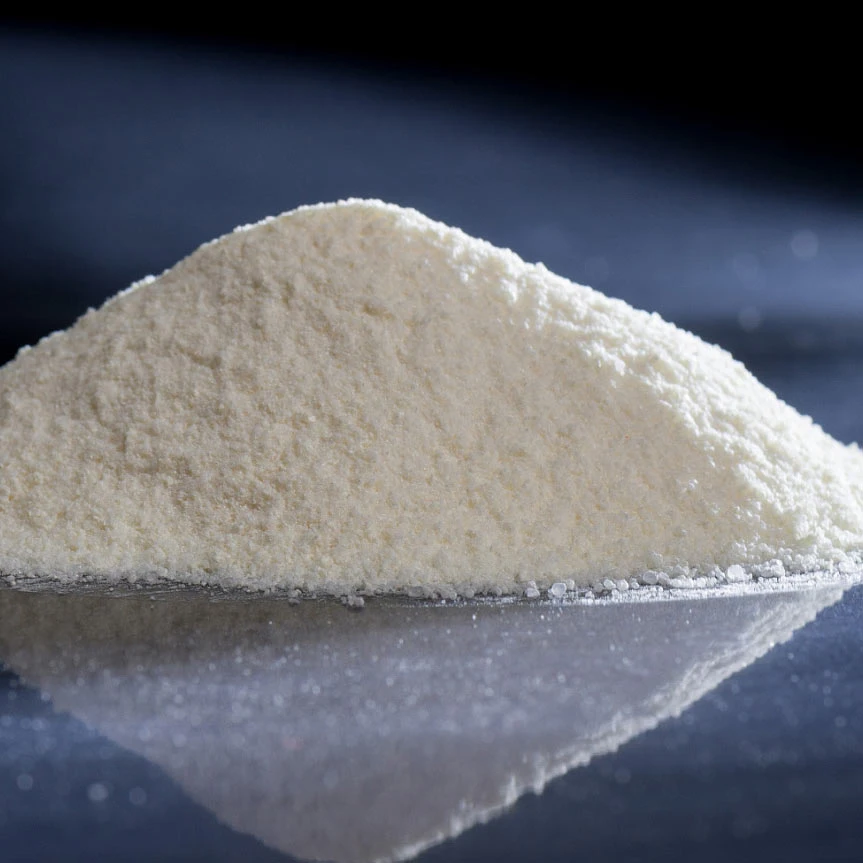
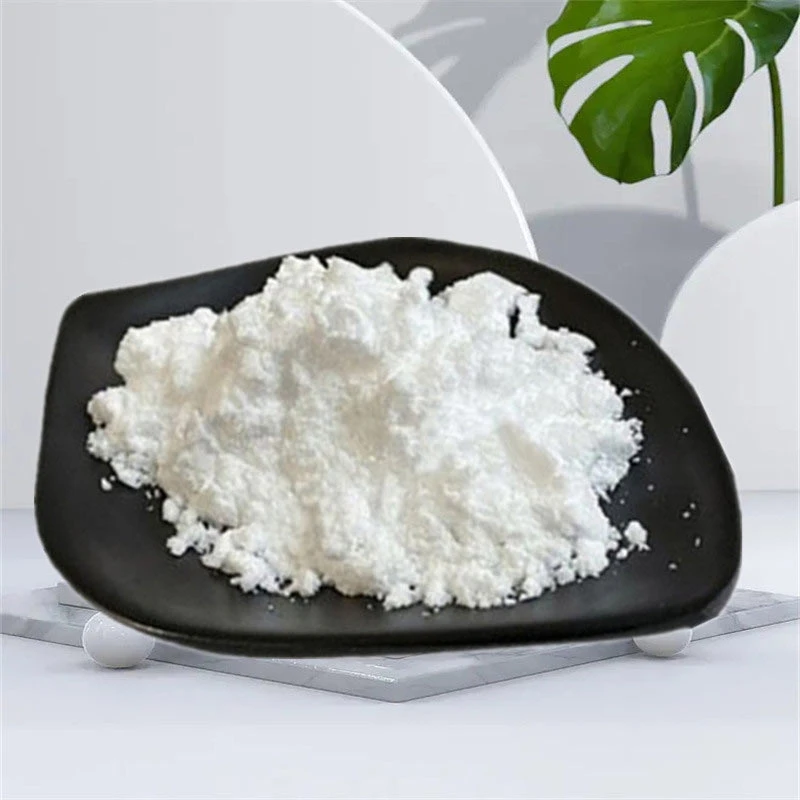
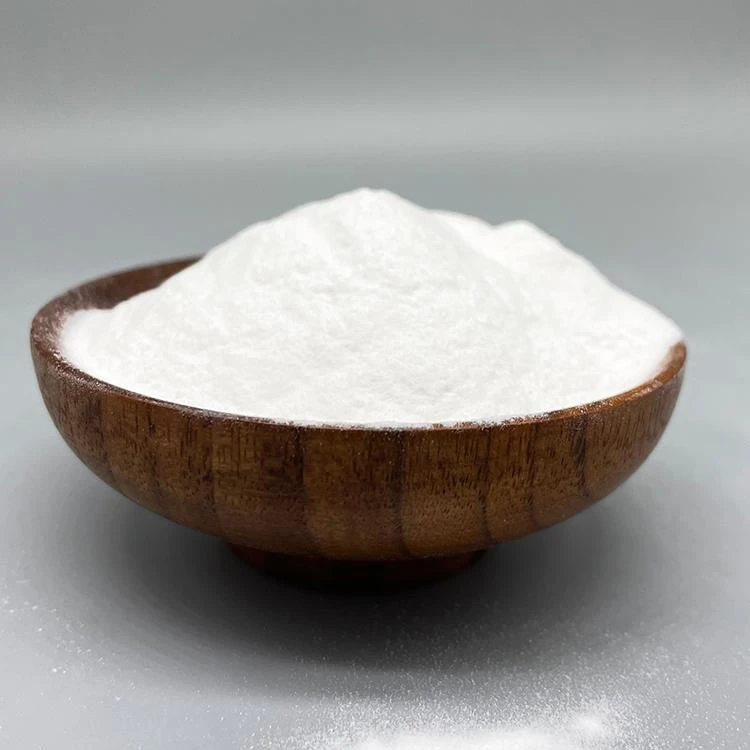
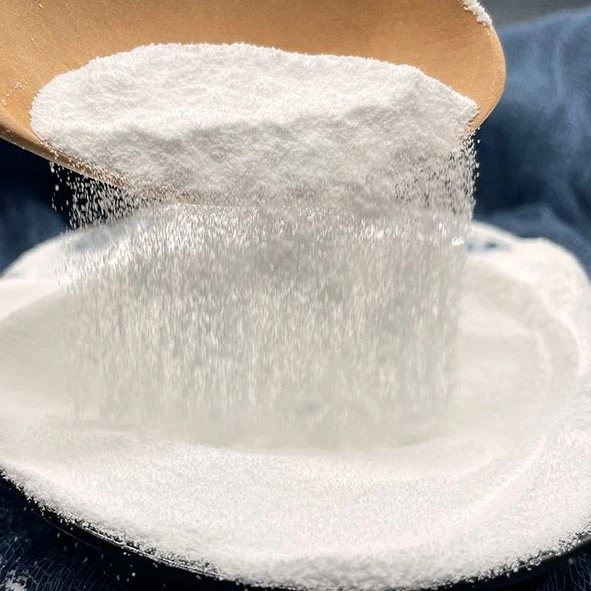
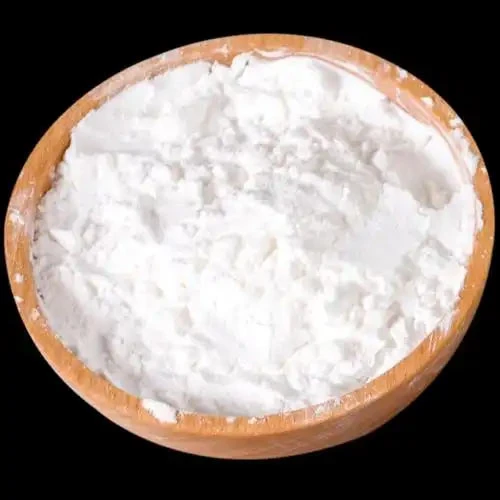
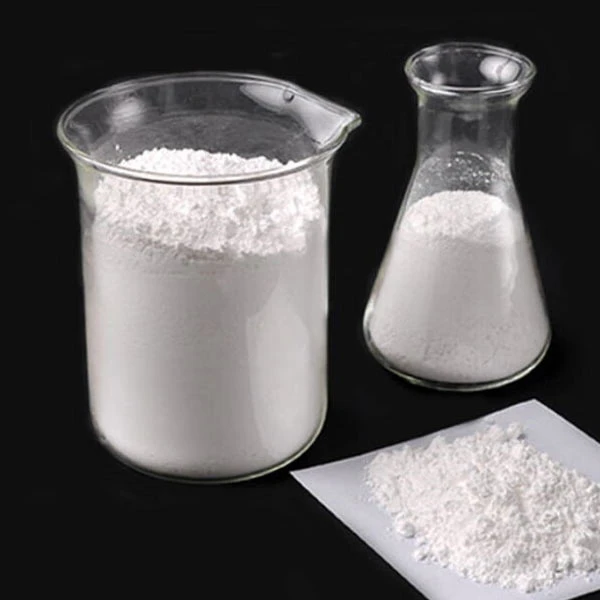
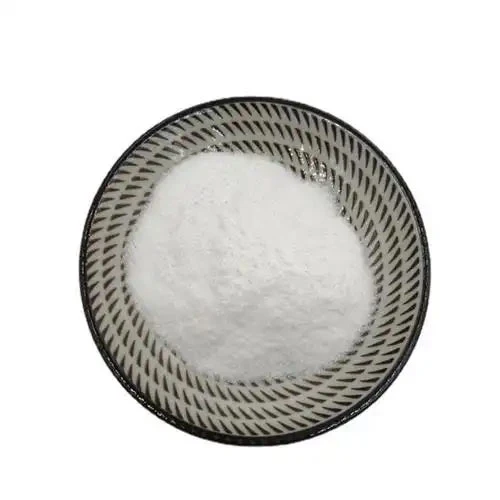
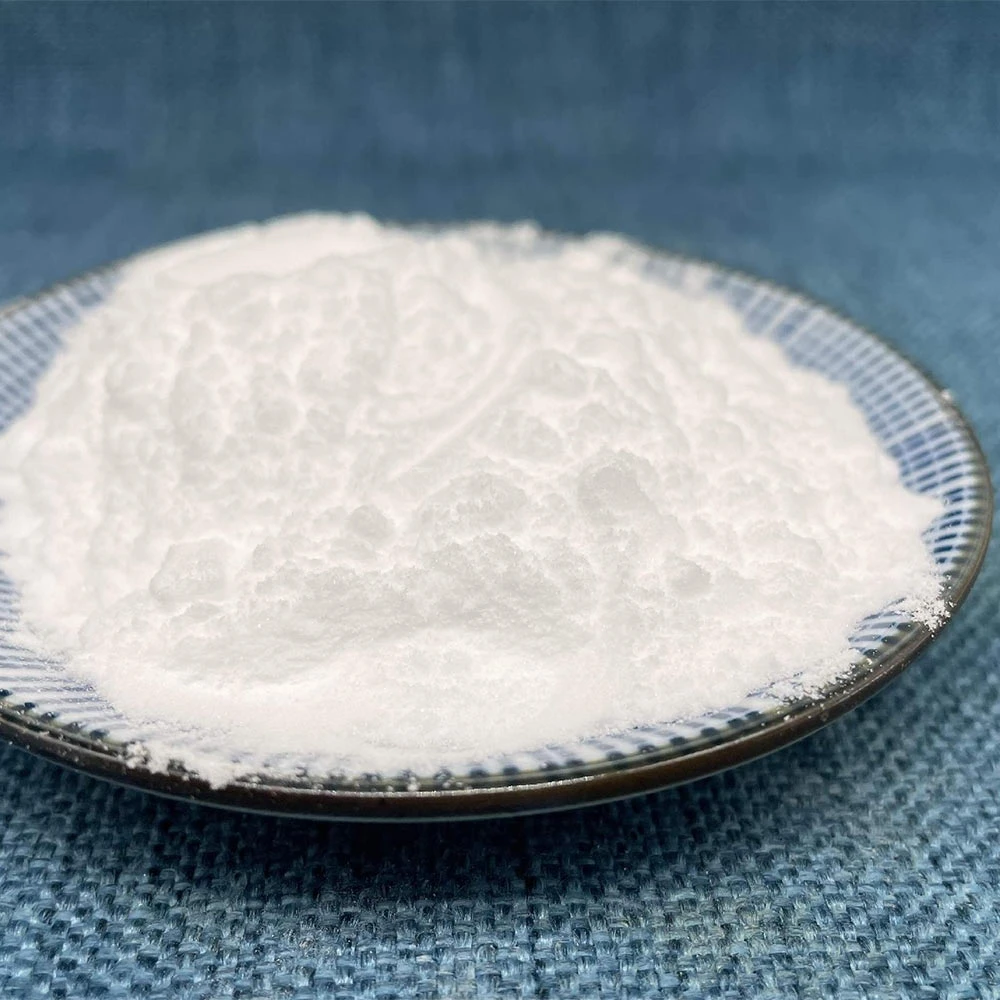
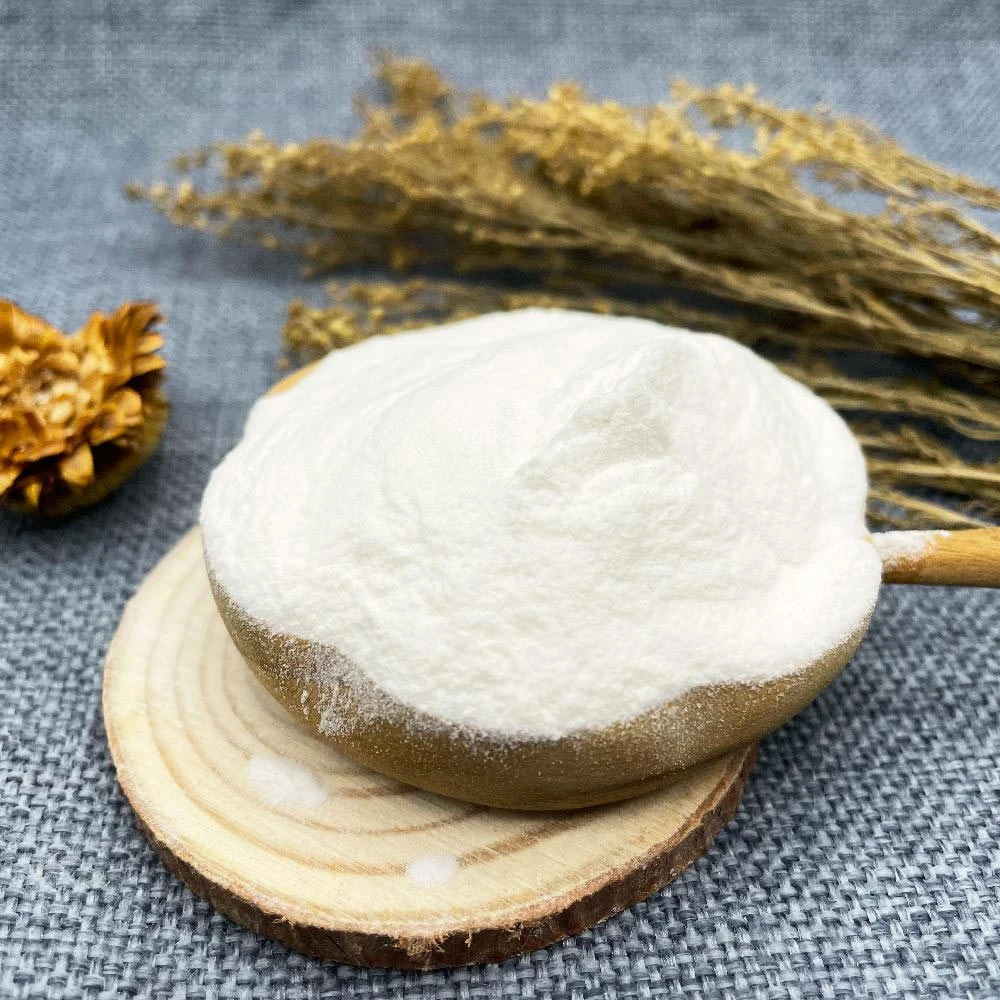
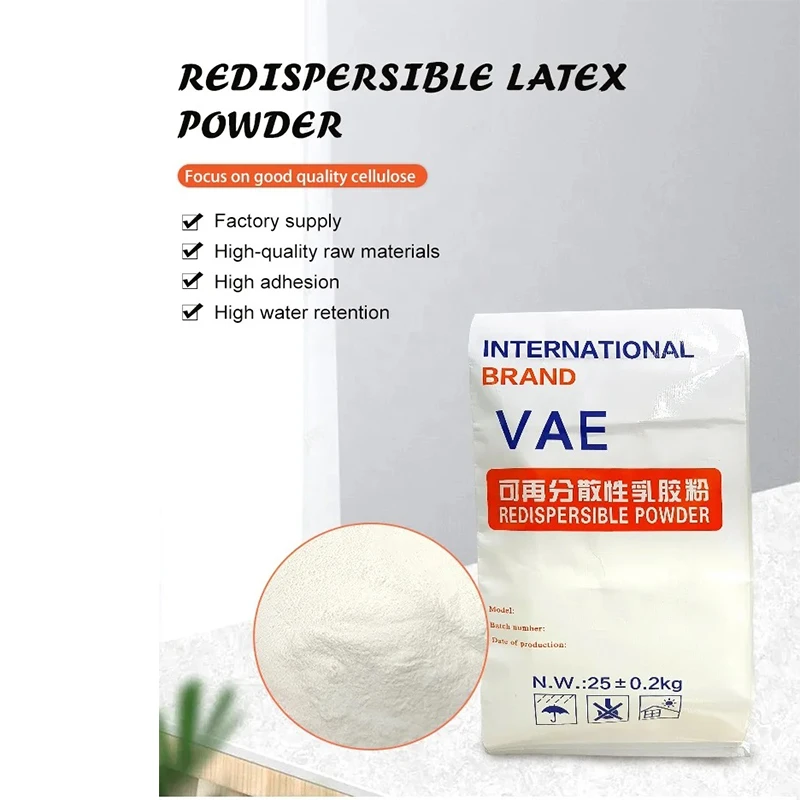
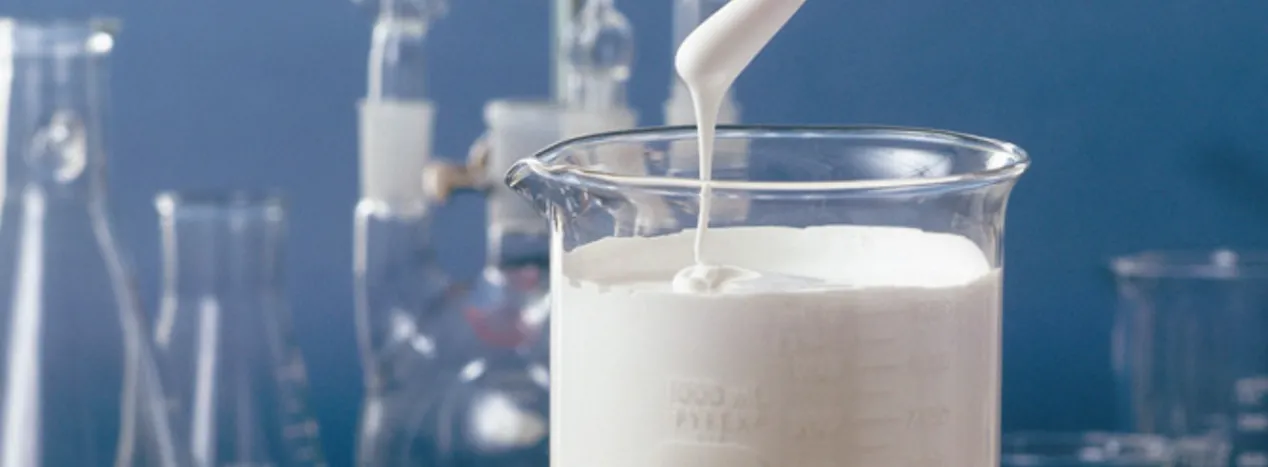
Redispersible polymer powder is a free-flowing organic powder made by spray-drying synthetic resin emulsions. When added to water, it redisperses into a stable emulsion, improving the performance of construction mixes. One of the commonly used forms is redispersible emulsion powder, ideal for improving bond strength and elasticity in cementitious materials.
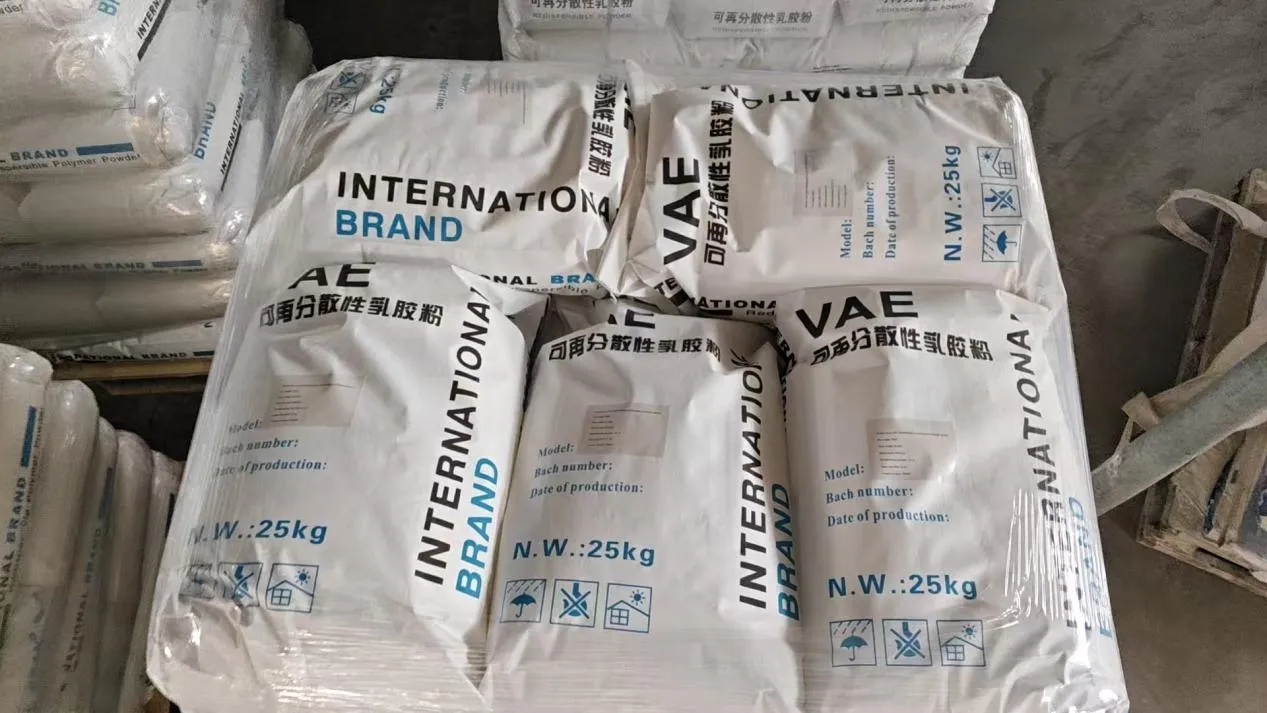
There are various redispersible polymer powder types based on their base polymer compositions. These include vinyl acetate-ethylene (VAE), styrene-butadiene, and acrylic-based RDPs. Each type has unique advantages depending on its application. For instance, VAE-based powders offer great adhesion and flexibility, while styrene-butadiene versions provide enhanced water resistance and abrasion durability.
The term rdp powder is often used interchangeably with redispersible polymer powder, especially in product descriptions and supplier listings. As the global demand grows, RDP powder China has become a significant term, highlighting China as a major manufacturing hub due to cost efficiency and technological expertise.
According to the redispersible polymer powder wiki, the primary function of RDP is to enhance the mechanical properties of dry-mix formulations, making it indispensable in modern construction. Additionally, the redispersible polymer powder HS code (39052900) is used for trade classification and helps streamline international shipping and customs processes.
Pricing, Uses, and Global Sourcing
The rdp powder price depends on multiple factors, including polymer type, origin, packaging size, and purity. Generally, VAE-based RDPs are more affordable and widely available, especially from RDP powder China manufacturers. However, prices may fluctuate based on global raw material costs and shipping conditions.
Redispersible powder uses are broad and varied. Common applications include:
Tile adhesives for increased bonding strength
External insulation and finish systems (EIFS)
Skim coats and wall putties
Repair mortars and plasters
Self-leveling flooring compounds
Each use case benefits from RDP's ability to enhance adhesion, flexibility, impact resistance, and water retention. In particular, RDP prevents cracking in mortar by reducing shrinkage and improving workability, making it essential for both new builds and renovation projects.
Understanding the redispersible polymer powder HS code can help importers ensure accurate documentation and tariff classification. Meanwhile, platforms like redispersible polymer powder wiki serve as valuable resources for technical background and formulation guidelines.
Product FAQs
1. What are the main redispersible polymer powder types?
Answer: The primary redispersible polymer powder types include VAE (vinyl acetate-ethylene), styrene-butadiene, and acrylic-based powders, each tailored to specific construction needs.
2. What is redispersible emulsion powder used for?
Answer: Redispersible emulsion powder is used in dry-mix mortars to enhance adhesion, flexibility, and water resistance. Common applications include tile adhesives, wall putties, and insulation systems.
3. What does RDP powder China offer?
Answer: RDP powder China refers to cost-effective and high-quality redispersible polymer powders manufactured in China. These products are widely exported and trusted for their performance and pricing.
4. How much does RDP powder cost?
Answer: The rdp powder price varies depending on polymer type, brand, and origin. Prices typically range from $2 to $5 per kilogram, with bulk discounts available.
5. What are the most common redispersible powder uses?
Answer: Common redispersible powder uses include applications in tile adhesives, plastering mortars, EIFS, self-leveling floors, and wall repair compounds.
-
HPMC High-Performance Thickener | Hebei TangzhiNewsMar.06,2026
-
Wholesale Water Reducing Admixture for Special Cement: Performance and Market InsightsNewsFeb.28,2026
-
The Complete Guide to HPMC: Types, Applications, Grades, and Manufacturing InsightsNewsFeb.28,2026
-
Redispersible Polymer Powder: Types, Applications, and Performance AdvantagesNewsFeb.28,2026
-
Hydroxymethyl Ethyl Cellulose (MHEC): Properties, Applications, and Market InsightsNewsFeb.28,2026
-
Hydroxyethyl Cellulose: Applications, Performance, and Buying GuideNewsFeb.28,2026